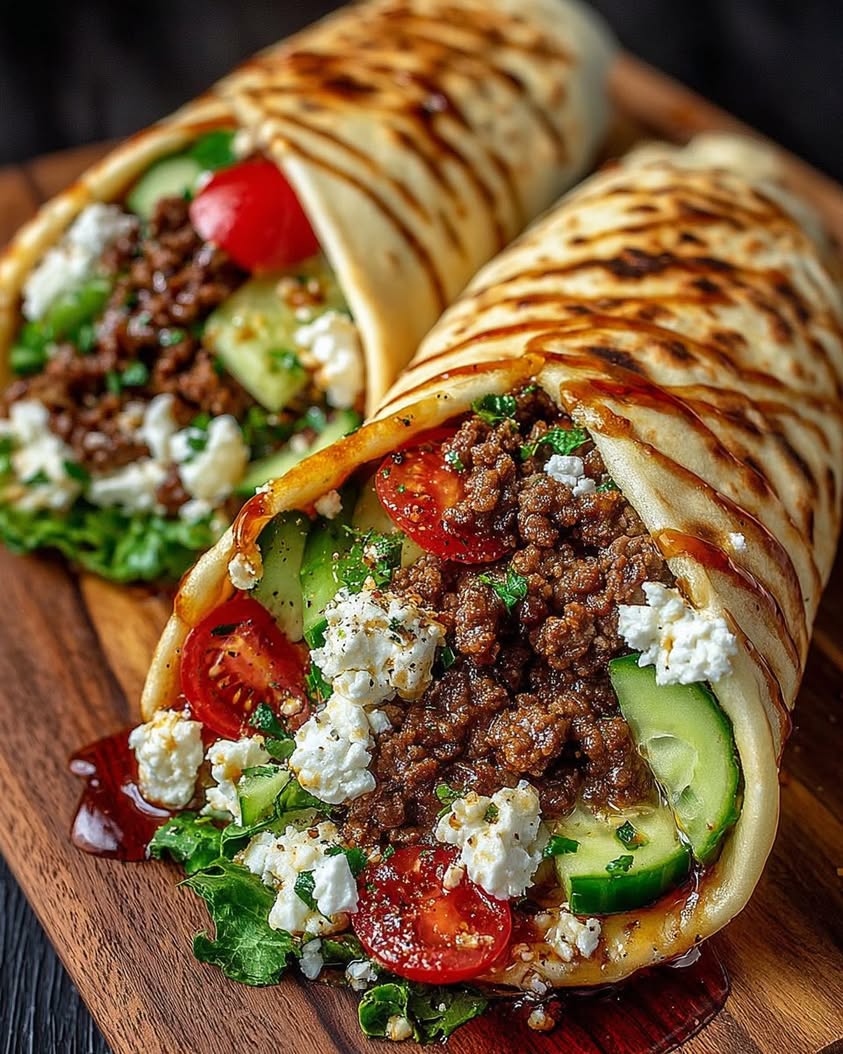
The Ultimate Greek Beef Wraps Recipe with Roasted Garlic Feta Sauce
This The Ultimate Greek Beef Wraps Recipe with Roasted Garlic Feta Sauce brings the vibrant flavors of the Mediterranean straight to your dinner table. You will love the combination of tender, seasoned beef with the cool, tangy magic of roasted garlic feta sauce. Each bite offers a perfect harmony of savory meat, creamy sauce, and fresh vegetables. The warm, soft pita wraps everything together for a handheld meal that satisfies deeply. This recipe transforms a simple weeknight dinner into a flavorful escape. You get restaurant-quality taste without leaving your kitchen. The aromas of garlic roasting and beef sizzling will fill your home with promise. This dish is perfect for busy families or casual gatherings with friends.
Creating this wrap involves layering textures and tastes that excite the palate. The beef is seasoned with oregano, cumin, and a hint of cinnamon for warmth. The roasted garlic feta sauce adds a rich, creamy element with a sweet, mellow garlic note. Fresh tomatoes, crisp lettuce, and red onions provide crunch and brightness. A drizzle of hot honey brings a spicy-sweet finish that ties everything together. This recipe is straightforward enough for a beginner but impressive enough for guests. You can prepare components ahead of time for quick assembly later. The flavors meld beautifully, making leftovers a treat the next day. This dish celebrates the bright, robust ingredients that define Greek cuisine. It is a wonderful way to enjoy a balanced, satisfying meal any night of the week.
This recipe honors the tradition of Greek street food while adding a modern twist. The wrap is portable, making it ideal for picnics or packed lunches. The roasted garlic feta sauce elevates the dish to something truly special. You can adjust the spice level to suit your preference with the hot honey. This recipe encourages customization with your favorite vegetables or proteins. The cooking process is simple and rewarding, building confidence in the kitchen. You will appreciate how quickly the meal comes together once the prep is done. The combination of flavors and textures will make this a regular request from your family. This is comfort food with a fresh, bright personality. It is a recipe you will return to again and again.
Quick Recipe Highlights
- Flavor Profile: This wrap delivers a bold savory punch from seasoned beef balanced by the sweet, mellow richness of roasted garlic feta sauce. The hot honey adds a gentle heat and a touch of sweetness that brightens every ingredient. Fresh vegetables offer a crisp, clean counterpoint to the warm, hearty components.
- Texture: You experience a satisfying contrast between the tender, juicy beef and the creamy, smooth feta sauce. The crisp lettuce and crunchy red onions provide a refreshing bite against the soft pita bread. The overall mouthfeel is a delightful interplay of soft, creamy, and crunchy elements.
- Aroma: The scent of roasting garlic fills the kitchen with a sweet, nutty fragrance that promises depth. Searing beef with oregano and cumin releases an earthy, warm aroma that is deeply comforting. The fresh vegetables and herbs add a bright, clean note that completes the sensory experience.
- Visual Appeal: The deep brown of the seasoned beef contrasts beautifully with the white, creamy sauce and bright red tomatoes. Fresh green lettuce and purple red onions add vibrant pops of color to the warm pita. The final drizzle of golden hot honey creates an appealing glossy finish.
- Skill Level Needed: This recipe is classified as easy because it uses straightforward cooking techniques like roasting and pan-searing. You do not need advanced knife skills or complicated methods to achieve great results. Basic kitchen confidence and attention to timing are all you need for success.
- Special Equipment: You need a baking sheet for roasting the garlic and a large skillet for cooking the beef. A small saucepan is useful for gently heating the feta sauce components. A sharp knife and cutting board are essential for preparing the fresh vegetables.
Recipe Overview
- Difficulty Level: This recipe earns an easy rating because the steps are clear and manageable for any home cook. The tasks involve basic roasting, searing, and assembly without any complex techniques. You can complete the entire process from start to finish in under an hour. The recipe is forgiving and allows for adjustments based on your available ingredients.
- Category: This dish fits perfectly into the main course category for lunch or dinner. It is also excellent for meal prep because the components store well separately. You can serve it as a casual family meal or dress it up for a party.
- Cuisine: This recipe draws inspiration from traditional Greek street food culture, known for its fresh, simple ingredients. The use of oregano, garlic, and feta cheese reflects classic Hellenic culinary traditions. The addition of hot honey introduces a modern American influence that complements the Mediterranean flavors beautifully.
- Cost: Making this wrap at home is quite affordable, especially compared to takeout versions. Ground beef is an economical protein choice, and feta cheese is reasonably priced at most grocery stores. Fresh vegetables and pita bread are low-cost items that contribute to the overall value of the meal.
- Season: This recipe is excellent year-round, but it truly shines during the spring and summer months. Fresh tomatoes and lettuce are at their peak flavor during these warmer seasons. The light, bright flavors of the wrap also make it a welcome meal when you want something satisfying without being heavy.
- Occasion: These wraps are perfect for a quick weeknight dinner when you need something fast and flavorful. They are also a fantastic choice for summer barbecues, game day gatherings, or casual get-togethers. The handheld nature makes them easy to serve at parties or picnics without needing plates or forks.
Why You’ll Love This Recipe
The taste and texture combination in these wraps is truly unforgettable. The savory beef provides a hearty foundation that is both satisfying and flavorful. The creamy roasted garlic feta sauce adds a luxurious element that cools and complements the warm spices. The fresh vegetables offer a necessary crunch that prevents the wrap from feeling one-dimensional. The hot honey brings a final note of sweetness and heat that awakens every flavor. This careful balance means each bite is exciting and complete. You will not experience flavor fatigue because the components play off each other so well. The overall experience is deeply rewarding and leaves you feeling completely satisfied. This is a meal that feeds both the body and the soul.
Convenience is a major advantage of this recipe because it comes together quickly with minimal fuss. You can roast the garlic and prepare the sauce while the meat cooks. The assembly process takes only a few minutes once everything is ready. This efficiency makes it an ideal choice for busy weeknights when time is limited. You can also prep most ingredients in advance to speed up the process even further. The recipe does not require constant monitoring or complicated steps that stress you out. Cleanup is simple because most components come together in one skillet and one baking sheet. This ease of preparation means you can enjoy a delicious, homemade meal without spending hours in the kitchen.
Nutritionally, these wraps offer a balanced meal with protein, healthy fats, and fresh vegetables. The beef provides high-quality protein that supports muscle health and keeps you full. The feta cheese and olive oil in the sauce contribute beneficial fats and calcium. The vegetables add fiber, vitamins, and antioxidants that support overall wellness. You can easily control the portion size and ingredients to fit your dietary needs. This recipe avoids heavy processed ingredients and relies on whole foods for its flavor. It is a guilt-free indulgence that you can feel good about serving to your family. The nutritional profile makes it a smart choice for anyone looking to eat well without sacrificing taste.
This recipe has excellent social and entertaining value because it is interactive and visually appealing. Setting up a wrap bar with all the components lets guests customize their own meal. This creates a fun, engaging dining experience that encourages conversation and creativity. The vibrant colors and inviting aromas make the food look and smell amazing on a buffet table. You can easily double or triple the recipe to feed a crowd without additional stress. The wraps are also easy to hold and eat, which makes them perfect for parties where people are mingling. Your guests will be impressed by the depth of flavor and the fresh presentation. This recipe is guaranteed to become a go-to for your next gathering.
Cost-effectiveness and accessibility make this recipe a smart choice for any budget. Ground beef is one of the most affordable protein options available at any grocery store. Feta cheese, vegetables, and pita are also very reasonably priced items. You likely already have many of the spices and pantry staples needed for this dish. The ingredients are available year-round at your local supermarket, so you can make it anytime. This recipe uses common items that do not require a trip to a specialty store. The low cost per serving means you can feed your family a high-quality meal without breaking the bank. This combination of affordability and flavor makes it a winner for weekly meal planning.
Historical Background and Cultural Significance
The concept of wrapping seasoned meat in flatbread is ancient and deeply rooted in Mediterranean culinary history. Greek cuisine has a long tradition of using pita bread as a vessel for savory fillings. Street vendors in Athens have been selling souvlaki wraps for decades, making them a beloved national food. These wraps represent the Greek value of using fresh, simple ingredients to create something delicious. The portability of the wrap made it a popular meal for workers and travelers. This tradition of eating on the go is reflected in the modern popularity of gyros and other wrapped foods. The evolution of these wraps shows how Greek cuisine adapts to contemporary lifestyles while honoring its roots.
The cultural importance of this type of dish extends beyond just food, representing community and shared meals. In Greece, sharing a meal is a central social activity that brings family and friends together. The wrap format encourages a casual, communal dining experience where everyone helps themselves. The use of fresh vegetables and herbs reflects the Greek emphasis on seasonal, local ingredients. The roasted garlic feta sauce adds a modern touch to a classic sauce, showing how traditions evolve. This recipe respects the core principles of Greek cooking: simplicity, freshness, and bold flavor. It is a dish that connects you to a rich culinary heritage with every bite you take.
The evolution of this recipe from traditional souvlaki to this modern version shows creative adaptation. Traditional souvlaki uses grilled meat on a skewer, but this recipe adapts ground beef for easier home cooking. The addition of roasted garlic feta sauce is a contemporary twist that adds depth and creaminess. Hot honey is a relatively new ingredient in the culinary world that pairs beautifully with savory foods. This recipe represents the ongoing conversation between tradition and innovation in cooking. Home cooks continue to adapt classic dishes to fit their modern lives and tastes. This version makes the Greek wrap experience accessible to anyone with a skillet and oven.
Regional variations of this wrap exist throughout Greece and the broader Mediterranean region. In northern Greece, you might find wraps filled with spiced meat and yogurt sauce instead of feta. Coastal regions often incorporate seafood into their wrap fillings, using local catches. The use of pita bread itself varies, with some regions using a thicker, fluffier bread. The common thread is the combination of protein, fresh vegetables, and a tangy, creamy sauce. These regional differences highlight the diversity of Greek culinary traditions. This specific recipe offers a versatile template that you can easily adapt with local ingredients. Understanding these variations deepens your appreciation for the dish and its cultural context.
Ingredient Deep Dive
The ground beef is the heart of this wrap, providing a rich, savory foundation. Beef has been a staple in Greek cuisine for centuries, appearing in dishes like pastitsio and moussaka. It offers high-quality protein, iron, and B vitamins that support energy and health. When selecting ground beef, choose an 80/20 blend because the fat adds flavor and juiciness. You should store ground beef in the coldest part of your refrigerator and use it within two days. For a leaner option, you can substitute ground lamb, which adds a more intense, gamey flavor. Ground turkey also works well if you prefer a lighter protein choice.
Roasted garlic is a transformative ingredient that adds sweetness and depth to the feta sauce. Garlic has been prized for its medicinal and culinary properties since ancient times in the Mediterranean. It contains allicin, a compound linked to immune support and heart health. You should look for firm, plump garlic bulbs with tight, unbroken skin for the best flavor. Store garlic in a cool, dark, dry place with good air circulation to prevent sprouting. Roasting the garlic mellows its sharpness and creates a spreadable, buttery texture. You can also use raw garlic for a more pungent kick, but roasting is highly recommended for this sauce.
Feta cheese is the star of the sauce, providing a salty, tangy creaminess that balances the beef. This brined curd white cheese has been made in Greece for thousands of years. It is a good source of calcium, protein, and probiotics that support bone and digestive health. Select feta that is stored in brine, as it will be fresher and creamier than pre-crumbled versions. You should store feta in its brine in the refrigerator and use it within a week of opening. For a milder flavor, you can use a combination of feta and cream cheese. Vegan feta alternatives made from tofu or nuts are available for dairy-free diets.
Hot honey brings a sweet and spicy finish that elevates the entire wrap. This condiment has gained popularity in recent years for its versatility and unique flavor profile. The honey provides natural sweetness while the chili infusion adds gentle heat. You can find hot honey in most grocery stores or make your own by infusing honey with red pepper flakes. Store hot honey at room temperature in a sealed container, and it will keep indefinitely. For a different flavor, you can use regular honey with a pinch of cayenne pepper. The heat level can be adjusted based on your personal tolerance and preference.
Pita bread is the vessel that holds all the delicious components together. This soft, round flatbread is a staple of Greek and Middle Eastern cuisines. It provides a neutral base that allows the fillings to shine without overpowering them. Look for pita bread that is soft and pliable, as stiff bread will crack when folded. You should store pita bread in a sealed bag at room temperature and use it within a few days. To reheat, wrap the pita in a damp paper towel and microwave for 10 seconds. You can also use large flour tortillas or lavash bread as suitable substitutes.
Fresh vegetables add essential crunch, freshness, and nutrition to the wrap. Tomatoes provide lycopene, an antioxidant linked to reduced risk of chronic disease. Crisp romaine lettuce adds fiber and water content that keeps the wrap from being too heavy. Red onions offer a sharp bite that contrasts with the creamy sauce and rich beef. Choose vegetables that are firm, vibrant, and free from blemishes for the best flavor. Store tomatoes at room temperature and lettuce in the refrigerator crisper drawer. Cucumbers make an excellent addition if you want an extra crisp, hydrating element.
Common Mistakes to Avoid
- Overcooking the ground beef is a common mistake that leads to dry, tough meat. You should cook the beef just until it is browned and no longer pink. Use a meat thermometer to ensure it reaches 160 degrees Fahrenheit for safety. The residual heat will continue to cook the meat slightly after you remove it from the heat.
- Skipping the step of roasting the garlic means you miss out on its sweet, mellow flavor. Raw garlic can be harsh and overpowering in the sauce, ruining the balance. Roasting transforms the garlic into a soft, buttery paste that blends seamlessly into the feta. You can roast the garlic up to a week in advance and store it in the refrigerator.
- Using cold pita bread directly from the refrigerator results in a stiff, unyielding wrap. You should always warm the pita bread to make it soft and pliable. A quick warm-up in the microwave or oven makes the bread easier to fold and more pleasant to eat. Cold pita can break or crack when you try to wrap it around the fillings.
- Adding too much hot honey can overwhelm the other flavors in the wrap. You should start with a small drizzle and taste before adding more. The goal is a gentle heat that complements, not dominates, the dish. You can always add more honey later, but you cannot take it away.
- Forgetting to drain the fat from the cooked beef leaves the wrap greasy and soggy. You should drain the excess fat after browning the meat to keep the wrap neat. A slotted spoon is useful for transferring the beef to a clean bowl. The grease will also soak into the pita bread and make it unpleasantly oily.
- Overfilling the pita wrap makes it impossible to fold and eat without a mess. You should use a moderate amount of each component to ensure easy handling. It is better to make two smaller wraps than one bursting, unstable one. Overfilled wraps often fall apart after the first bite, causing frustration.
- Using pre-crumbled feta cheese instead of a block stored in brine affects the sauce texture. Pre-crumbled feta is often drier and less creamy than block feta. The creaminess of the block feta is essential for achieving a smooth, luscious sauce. You can crumble the block feta yourself easily with a fork.
- Neglecting to season the beef properly results in a bland, uninteresting filling. The spices like oregano, cumin, and cinnamon are essential for authentic flavor. You should taste the cooked beef and adjust the seasoning before assembling the wraps. Underseasoned meat cannot be fixed once it is inside the wrap.
- Assembling the wraps too far in advance leads to soggy pita bread. The moisture from the sauce and vegetables softens the bread over time. You should assemble the wraps just before serving for the best texture. You can prepare all the components separately and let everyone build their own wrap.
- Using too much sauce causes the wrap to become a messy, drippy experience. You should aim for a moderate amount of sauce that coats the ingredients without pooling. The sauce is rich and flavorful, so a little goes a long way. You can always offer extra sauce on the side for dipping.
Essential Techniques
Roasting garlic is a foundational technique that transforms a pungent clove into a sweet, creamy delight. You must slice the top off a whole head of garlic to expose the cloves. Drizzle the cut surface with olive oil and wrap the head in aluminum foil. Roast it in a 400-degree Fahrenheit oven for about 40 minutes until the cloves are soft and golden. The garlic is done when you can easily pierce a clove with a knife. Let it cool slightly, then squeeze the soft cloves from their skins. This technique is essential for creating the mellow, sweet flavor in the feta sauce. Mastering this skill opens up a world of flavor possibilities for many other dishes.
Browning ground beef properly is crucial for developing deep, savory flavor in your filling. You should break the beef into small, even pieces as it cooks in the hot skillet. Do not stir the meat constantly, because you want it to develop a brown crust. The browning reaction, known as the Maillard reaction, creates complex flavor compounds. Once the beef is fully cooked, drain the excess fat to prevent a greasy final dish. Season the meat with the spices at the end of cooking for the best flavor. You should taste the beef and adjust the salt and pepper levels before using it. This careful attention to browning will elevate the taste of your entire wrap.
Creating the roasted garlic feta sauce requires a gentle hand and proper mixing technique. You should blend the softened roasted garlic with the crumbled feta cheese until smooth. A food processor or a strong fork will work for this task, depending on your preference. Add a splash of olive oil and a squeeze of lemon juice to create a creamy consistency. You should taste the sauce and add salt and pepper as needed for balance. The sauce should be thick enough to cling to the beef but loose enough to spread easily. You can thin it with a tablespoon of water or milk if it is too thick. This sauce is the star of the dish and deserves careful attention to detail.
Assembling the Greek beef wrap is a skill that ensures a neat, easy-to-eat meal. You should lay the warm pita bread flat on a clean work surface. Spread a generous spoonful of the roasted garlic feta sauce down the center of the bread. Add a portion of the seasoned beef, followed by the fresh vegetables. Drizzle a small amount of hot honey over the filling for the final touch. Fold the bottom of the pita up over the filling, then fold the sides in. Roll the wrap away from you, keeping the filling tightly enclosed. This technique creates a secure, portable package that does not leak or fall apart.
Pro Tips for Perfect The Ultimate Greek Beef Wraps Recipe with Roasted Garlic Feta Sauce
You should always warm your pita bread before assembling the wraps to ensure it is pliable. Cold pita bread is stiff and prone to cracking when you try to fold it. A 10-second blast in the microwave between two damp paper towels works perfectly. Warm pita also enhances the overall eating experience because it feels more inviting.
Season the beef generously with salt and the spice mixture to build a robust foundation of flavor. You can add a pinch of cinnamon to the beef for an authentic Greek touch that warms the palate. Taste the cooked meat and adjust the seasonings before you assemble the wraps. Properly seasoned beef makes every other component taste better.
Do not skip the step of draining the fat from the cooked ground beef. Excess grease will make your wrap soggy and unpleasantly oily. A slotted spoon allows you to transfer the beef to a bowl while leaving the fat behind. This simple step is critical for a neat, balanced wrap.
Toast the pita bread briefly on a dry skillet for extra flavor and a slight crispness. This adds a pleasant texture that contrasts with the soft fillings. You only need about 30 seconds per side to achieve the desired result. The slight char adds a smoky note that complements the beef beautifully.
Let the roasted garlic cool completely before adding it to the feta sauce. Hot garlic can cause the feta to melt and create a thin, watery sauce. Allowing the garlic to cool preserves the intended creamy, thick texture. This patience pays off with a superior sauce consistency.
Prepare all your components and lay them out before you start assembling the wraps. This mise en place approach makes the assembly process fast and efficient. You can focus on folding the wraps without searching for ingredients. This organized method ensures that everything stays warm and fresh for serving.
Variations and Adaptations
Regional variations of this inspired wrap exist throughout the Mediterranean and can easily be adapted at home. You could use ground lamb instead of beef for a more traditional Greek flavor profile. The lamb pairs wonderfully with the oregano and cinnamon spices used in the original recipe. A yogurt-based sauce with cucumbers and dill can replace the feta sauce for a different twist. This adaptation reflects the tzatziki sauce commonly found in Greek street food. You can experiment with different herbs like fresh mint or dill to change the aromatic profile. These regional adaptations allow you to explore the diversity of Mediterranean cuisine from your own kitchen.
Seasonal adaptations ensure you can enjoy these wraps with the best ingredients available throughout the year. In the summer, use ripe, in-season tomatoes and fresh herbs from your garden for maximum flavor. You can add grilled zucchini or bell peppers during the warmer months for extra vegetables. In the winter, roasted root vegetables like sweet potatoes can replace fresh tomatoes for heartiness. The roasted garlic feta sauce remains a constant, providing creamy contrast no matter the season. Using seasonal produce keeps the recipe fresh and exciting all year long. This flexibility makes the wrap a reliable option regardless of what is available at the market.
Dietary modifications make this recipe accessible for various eating preferences and restrictions. For a gluten-free option, use large lettuce leaves or gluten-free tortillas instead of pita bread. To make the wrap dairy-free, replace the feta cheese with a plant-based alternative made from cashews or tofu. You can substitute the ground beef with cooked lentils or crumbled vegan meat for a vegetarian version. For a low-carb adaptation, serve the filling in a bowl over a bed of lettuce instead of in a wrap. These modifications allow everyone to enjoy the delicious flavors of this recipe. The core taste profile remains intact despite the ingredient changes.
Flavor variations can transform the character of the wrap completely by changing the sauce and spice profile. You could use a spicy harissa sauce instead of hot honey for a North African inspired flavor. Adding smoked paprika and chipotle pepper to the beef creates a smoky, southwestern style wrap. A cilantro lime crema can replace the feta sauce for a fresh, zesty alternative. You can experiment with different vinegar based hot sauces for unique heat profiles. These flavor variations keep the recipe from becoming predictable or boring. You can create a new version of the wrap every time you make it.
Texture modifications can adjust the mouthfeel to suit your personal preference or dietary needs. You can add toasted pine nuts or walnuts for a crunchy element that complements the soft fillings. Finely diced pickled vegetables can introduce a tangy, crisp contrast to the rich sauce. For a smoother texture, you can blend all the sauce ingredients until completely silky. You might also add a handful of fresh spinach leaves for a soft, wilted green component. These texture adjustments create a more complex and satisfying eating experience each time you prepare the wrap.
Serving and Presentation Guide
Plating the Greek beef wrap with roasted garlic feta sauce for a beautiful presentation is simple and effective. You should slice each wrap in half diagonally to reveal the colorful layers of filling inside. Arrange the halves on a large platter with the cut sides facing upward for visual appeal. A small bowl of extra hot honey for dipping adds a practical and attractive element to the plate. You can tuck fresh sprigs of oregano or mint around the wraps for a touch of green. The presentation should be inviting and appetizing, drawing people in to grab a wrap. The colors of the ingredients are naturally vibrant, so a simple arrangement works best.
Garnishing ideas can elevate the visual appeal and add a final layer of flavor before serving. A light sprinkle of crumbled feta cheese over the top of the assembled wraps adds a salty finish. Fresh dill or parsley chopped finely makes a lovely green garnish that signals freshness. A few whole roasted garlic cloves arranged on the plate offer a rustic, artisanal touch. A dusting of smoked paprika or sumac adds a pop of color and a hint of tangy flavor. You can also drizzle a small amount of olive oil over the entire platter for a glossy sheen. These thoughtful garnishes show your guests that you care about the details of their dining experience.
Traditional accompaniments for this style of wrap often include a side of crispy fries or lemon potatoes. A simple Greek salad with tomatoes, cucumbers, olives, and feta cheese is a refreshing and classic pairing. You might also serve a bowl of warm olives and crusty bread for a more substantial meal. A side of tzatziki sauce provides an additional creamy, cool element that diners can add themselves. These traditional sides create a complete Mediterranean meal that feels authentic and satisfying. The combination of the wrap with these sides creates a balanced, harmonious dining experience that celebrates Greek flavors.
Modern serving suggestions can update the traditional wrap for a contemporary audience. You could serve the filling components deconstructed in a bowl for a Greek beef bowl style meal. This format is popular for meal prep and allows for a more controlled portion size. Serving the wrap as a slider or mini version makes it perfect for appetizers at a party. You can also use the filling as a topping for a loaded baked potato for a hearty twist. These modern presentations make the versatile recipe adaptable for any occasion or dining format. The core flavors remain the star, no matter how you choose to serve them.
Temperature considerations are important for serving this wrap at its absolute best. The beef and pita should be served warm for a comforting, satisfying experience. The roasted garlic feta sauce can be served at room temperature or slightly warmed for a smoother consistency. The fresh vegetables should be chilled and crisp to provide a temperature contrast with the warm components. The hot honey should be used at room temperature for easy drizzling. This balance of warm and cool temperatures makes each bite interesting and dynamic. Paying attention to these details enhances the overall eating experience significantly.
Wine and Beverage Pairing
Wine pairings for this flavorful wrap should complement the savory beef and creamy feta sauce. A bright, crisp Greek Assyrtiko wine cuts through the richness of the sauce and beef. The citrus and mineral notes in the wine refresh the palate between bites. A light bodied red wine like a Pinot Noir works well, as it is fruity and delicate. You should avoid heavy, tannic red wines that will overwhelm the dish. A dry rosé is an excellent choice for its versatility and ability to pair with all the components. The wine should be served slightly chilled for the best experience with the food.
Non-alcoholic alternatives provide delicious options for those who do not drink wine or for family meals. A sparkling water with a squeeze of lemon or lime cleanses the palate effectively between bites. A mint and cucumber infused still water offers a refreshing, spa-like beverage that complements the Greek flavors. Iced tea with a hint of lemon is a classic, crowd-pleasing choice that pairs well with savory food. You can also offer a simple lemonade for a sweet, tangy contrast to the savory wrap. These non-alcoholic options are just as thoughtful and intentional as the wine pairings.
Coffee and tea pairings can enhance the dining experience if you are serving the wrap for lunch or a light dinner. A strong, cold brew coffee offers a bold, slightly bitter contrast to the sweet hot honey. A hot cup of Greek mountain tea, made from Sideritis, is a traditional and soothing choice. Herbal teas like chamomile or mint provide a calming finish to the meal. The earthy notes of black tea also pair nicely with the spiced beef. These beverage choices show that you can think beyond wine for a complete pairing experience.
Serving suggestions for beverages involve considering the temperature and glassware for an elevated experience. Wine should be served in appropriate stemware to allow the aromas to develop fully. Non-alcoholic drinks should be served over ice in tall glasses for a refreshing feeling. You can prepare a pitcher of sangria with white wine and fresh fruit for a festive, shareable drink. A signature cocktail like a Greek Mule with ouzo and ginger beer adds a fun, thematic element. The beverage service should match the casual yet thoughtful nature of the meal itself.
Storage and Shelf Life
Proper storage methods are essential for maintaining the quality and safety of your leftover wrap components. You should store the cooked beef, feta sauce, and fresh vegetables in separate airtight containers. The beef will last for three to four days in the refrigerator when stored correctly. The feta sauce can be kept for up to a week in a sealed container in the fridge. Fresh vegetables like lettuce and tomatoes are best used within a day or two for optimal texture. Storing components separately prevents the wet ingredients from making the drier ones soggy. This careful separation ensures that leftovers remain as appetizing as the original meal.
Temperature requirements are critical for food safety, especially for the meat and dairy components. The cooked beef must be refrigerated within two hours of cooking to prevent bacterial growth. The feta sauce, which contains dairy, should also be kept at a consistent refrigerator temperature below 40 degrees Fahrenheit. You should never leave the assembled wraps at room temperature for longer than two hours. Keep your refrigerator at the proper temperature to ensure all stored ingredients remain safe. Using a refrigerator thermometer is a good habit to maintain food safety standards in your kitchen. Always reheat leftovers to an internal temperature of 165 degrees Fahrenheit before eating.
Container recommendations focus on choosing the right vessels for storing each separate component. Glass containers with airtight lids are excellent for the beef and feta sauce because they do not absorb odors. Plastic containers are also acceptable, but they can stain over time from the tomato or sauce. For fresh vegetables, use containers with a paper towel layer to absorb excess moisture and prevent sogginess. You should avoid using metal containers for the feta sauce, as it can react with the cheese. The right containers will significantly extend the shelf life and quality of your stored ingredients.
Signs of spoilage indicate that you should discard the leftovers to avoid foodborne illness. The cooked beef will develop a sour smell and slimy texture when it has gone bad. The feta sauce may separate or develop mold on the surface after an extended period. Fresh vegetables will become limp, discolored, and give off an unpleasant odor. You should always inspect the components before using them, even if they are within the recommended storage time. When in doubt, it is safer to throw away any questionable ingredients. Trust your senses to guide you in determining the freshness of your stored food.
Reheating instructions help you restore the quality of the leftover components for the best possible second meal. The beef should be reheated in a skillet over medium heat with a splash of water or broth to add moisture. You can also use the microwave for convenience, but stir the meat halfway through for even heating. The feta sauce should be warmed gently in a small saucepan over low heat, stirring frequently. Do not reheat the fresh vegetables, as they will become unpleasantly soft and wilted. The pita bread should be warmed separately in a microwave or oven just before assembly. These careful reheating steps ensure that your leftovers taste almost as good as the original dish.
Freezing guidelines allow you to preserve the beef and sauce for longer periods with good results. You can freeze the cooked beef in a freezer-safe bag for up to three months. The feta sauce can also be frozen, but its texture may change slightly upon thawing. You should label the bags with the date and contents for easy identification later. To thaw, place the frozen bags in the refrigerator overnight for the best results. The fresh vegetables and pita bread do not freeze well and should be prepared fresh. Freezing is an excellent strategy for batch cooking and meal planning for busy weeks.
Make Ahead Strategies
A well-planned prep timeline allows you to enjoy this Greek beef wrap with minimal last-minute effort. You can roast the garlic up to three days in advance and store it in the refrigerator. The feta sauce can be prepared a day ahead, which gives the flavors time to meld together beautifully. You can cook and season the ground beef a day in advance and simply Print
Greek Beef Wraps with Roasted Garlic Feta Sauce & Hot Honey
- Total Time: 45 minutes
- Yield: 4
Description
Savory Greek-seasoned beef wrapped in warm pita with a creamy roasted garlic feta sauce, drizzled with spicy hot honey for a sweet and tangy finish.
Ingredients
- 1 lb ground beef
- 1 tsp dried oregano
- 1 tsp ground cumin
- 1/2 tsp garlic powder
- Salt and black pepper to taste
- 4 large pita breads
- 1 cup crumbled feta cheese
- 1/4 cup Greek yogurt
- 2 cloves roasted garlic, mashed
- 2 tbsp olive oil
- 1 tbsp honey
- 1/2 tsp red pepper flakes
- 1 tbsp white vinegar
- 1/2 cup cherry tomatoes, halved
- 1/2 cup diced cucumber
- 1/4 cup sliced red onion
- Fresh parsley for garnish
Instructions
- Preheat oven to 375°F. Wrap garlic cloves in foil and roast for 25 minutes until soft. Let cool, then mash.
- In a bowl, combine feta, Greek yogurt, mashed roasted garlic, and 1 tbsp olive oil. Mix until smooth. Set aside.
- In a small saucepan, combine honey, red pepper flakes, and white vinegar. Warm over low heat for 2 minutes to make hot honey.
- Season ground beef with oregano, cumin, garlic powder, salt, and pepper. Cook in a skillet over medium-high heat until browned, about 8 minutes.
- Warm pita breads in the oven or on a dry skillet for 1 minute each.
- Assemble wraps: Spread roasted garlic feta sauce on each pita. Top with beef, cherry tomatoes, cucumber, and red onion. Drizzle with hot honey and garnish with parsley.
- Fold or roll pitas and serve immediately.
Notes
You can customize the seasonings to taste.
- Prep Time: 15 minutes
- Cook Time: 30 minutes
- Method: Main
- Cuisine: Greek