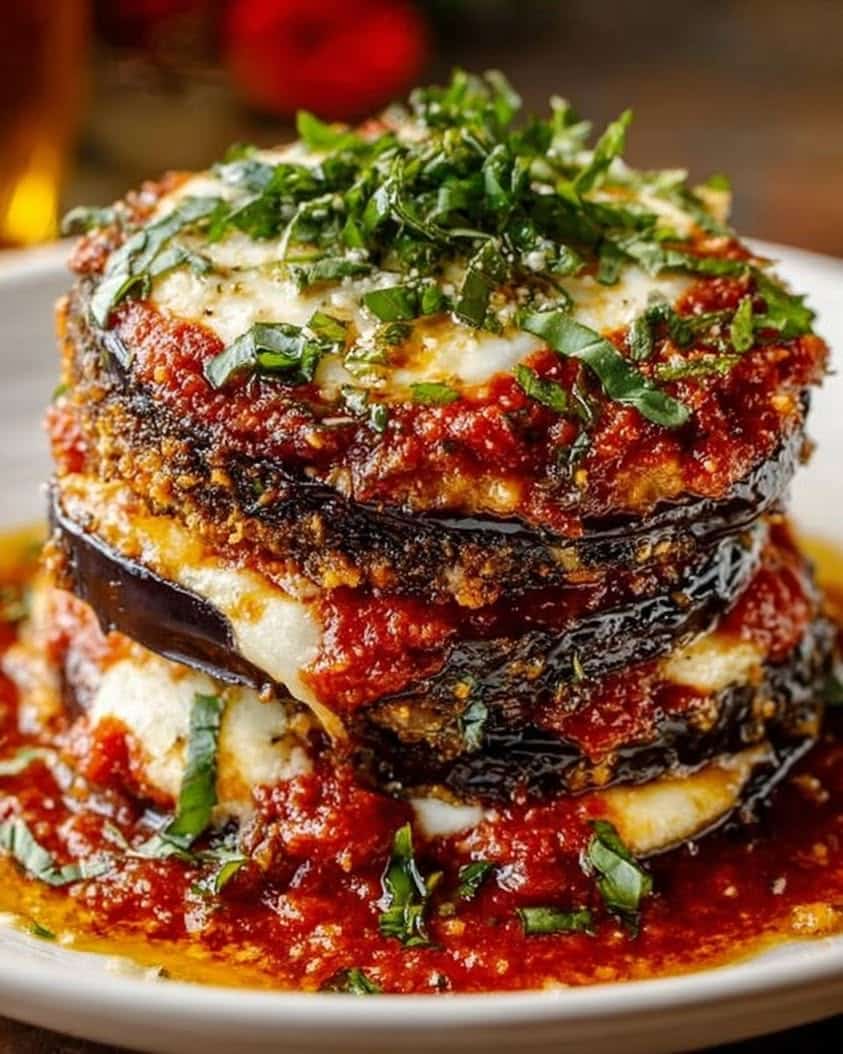
The Ultimate Eggplant Parmigiana Recipe: Crispy, Cheesy & Authentic
Welcome to your new favorite comfort food. This Ultimate Eggplant Parmigiana recipe delivers a perfect harmony of crispy, golden eggplant layered with rich marinara and melted cheese. Consequently, every bite offers a satisfying contrast of textures and deep, savory flavors. Moreover, this classic Italian-American dish feels like a warm hug on a plate. It is perfect for family dinners, special occasions, or meal prep for the week ahead.
Creating an authentic Eggplant Parmigiana requires a few key steps, but the result is absolutely worth the effort. First, we focus on preparing the eggplant to ensure it is tender, not bitter, and has a wonderfully crisp coating. Next, we build layers with a robust homemade sauce and a blend of creamy cheeses. Ultimately, the final bake transforms these simple ingredients into a bubbling, golden masterpiece that will have everyone asking for seconds.
This recipe is more than just a meal. It is a culinary project that fills your kitchen with incredible aromas. The scent of frying eggplant, simmering tomatoes, and baking cheese creates an atmosphere of pure comfort. Furthermore, this dish is incredibly versatile. You can serve it as a hearty main course with pasta, or enjoy a slice on its own with a crisp green salad. Let’s dive into how to make this iconic baked eggplant Parmesan.
Quick Recipe Highlights
- Flavor Profile: This Eggplant Parmigiana recipe boasts a robust, savory taste. The sweet acidity of San Marzano tomatoes balances the creamy, mild mozzarella and the sharp, salty punch of Parmigiano-Reggiano. Additionally, fresh basil and garlic add aromatic depth that ties the entire dish together beautifully.
- Texture: The magic lies in the textural symphony. You get a crisp, golden breadcrumb coating that gives way to tender, almost melt-in-your-mouth eggplant. Meanwhile, the layers of cheese become wonderfully stringy and gooey, and the sauce remains lush and chunky, creating a perfect bite every time.
- Aroma: As it bakes, the kitchen fills with an irresistible fragrance. Specifically, you will smell the earthy notes of fried eggplant mingling with the sweet, herbal scent of tomato sauce and the nutty, comforting aroma of browning cheese. It is the quintessential smell of Italian home cooking.
- Visual Appeal: When served, this dish is a feast for the eyes. It presents with a deeply golden, bubbly cheese top, often speckled with bits of toasted breadcrumb and fresh green basil. Cutting into it reveals stunning, defined layers of red sauce, white cheese, and golden eggplant.
- Skill Level Needed: This recipe is accessible to intermediate home cooks. It involves sequential steps like salting, breading, frying, and layering. However, with clear instructions and a bit of patience, even a confident beginner can achieve fantastic results and master a classic technique.
- Special Equipment: You will need a few key tools. A large skillet or Dutch oven for frying, a couple of large sheet pans for draining the eggplant, and a 9×13 inch baking dish are essential. Additionally, having a mandoline for even eggplant slices is helpful but not strictly necessary.
Recipe Overview
- Difficulty Level: We rate this Eggplant Parmigiana recipe as medium difficulty. The process involves multiple stages—prepping the eggplant, making the sauce, frying, and assembling—which require organization. However, each step is straightforward. With proper mise en place, the workflow becomes smooth and manageable for most cooks.
- Category: This dish firmly sits in the category of hearty main courses. It is a centerpiece protein-rich dish. Often, it is served alongside pasta, a simple green vegetable, or a large salad. It also fits beautifully into the “comfort food” and “make-ahead meal” categories for weekend cooking.
- Cuisine: This is a staple of Italian-American cuisine. Its roots are in Southern Italy, specifically regions like Campania and Sicily. The American adaptation often features more cheese and a thicker, baked casserole style compared to some lighter Italian versions. It celebrates bold, satisfying flavors.
- Cost: Making Eggplant Parmigiana at home is cost-effective, especially when eggplants are in season. The most significant costs are the cheeses and good olive oil. Overall, this recipe feeds six generously for a fraction of the cost of a restaurant version, making it an excellent value.
- Season: Late summer and early fall are the prime seasons for this dish. This is when eggplants and tomatoes are at their peak freshness and flavor. Nevertheless, it is a beloved year-round comfort food. Using high-quality canned tomatoes makes a fantastic winter version.
- Occasion: This dish is perfect for Sunday family dinners, potlucks, and holiday gatherings. It is impressive enough for company yet comforting enough for a cozy night in. It also travels well for covered dish events. Basically, it is a crowd-pleaser for any informal celebration.
Why You’ll Love This Recipe
You will adore this Eggplant Parmigiana recipe first for its incredible taste and texture. The contrast between the crispy fried exterior and the soft, savory interior of the eggplant is utterly satisfying. Each layer soaks up just enough sauce to stay moist without becoming soggy. The cheese pulls apart in long, delicious strings. Ultimately, it is a deeply comforting and flavor-packed experience that feels both rustic and elegant.
Convenience is another major benefit. While there are several steps, much of the work can be done ahead of time. You can bread the eggplant slices and refrigerate them. Similarly, you can make the sauce days in advance. On the day of serving, assembly and baking are quick. This makes it an ideal dish for entertaining, as you are not stuck in the kitchen while guests arrive.
Nutritionally, this dish offers more than you might think. Eggplant is low in calories and a good source of fiber, antioxidants, and vitamins. Using part-skim cheeses can lighten it up without sacrificing flavor. When served with a side salad, it becomes a balanced meal. You are indulging in comfort food that also provides valuable nutrients from its vegetable base.
The social value of this baked eggplant Parmesan is immense. It is a shareable, family-style dish that encourages gathering around the table. It is universally appealing to both adults and children. Bringing a bubbling dish of Eggplant Parmigiana to a potluck guarantees you will leave with an empty pan and many recipe requests. It is a dish that creates connection.
Finally, its cost-effectiveness and accessibility make it a winner. Eggplant is an affordable vegetable, especially in season. The other ingredients are pantry staples. Making it at home allows you to control the quality of oil, cheese, and tomatoes. You create a restaurant-quality meal for a fraction of the price. This recipe proves that spectacular food does not require expensive or hard-to-find ingredients.
Historical Background and Cultural Significance
The origins of Eggplant Parmigiana are deeply rooted in Southern Italian culinary tradition. Most food historians trace its precursor to Sicily or Campania. The eggplant itself, or “melanzana,” was introduced to Italy by Arab traders. Initially, it was viewed with suspicion. Over time, however, Italian cooks embraced it, creating iconic dishes. The name “Parmigiana” likely refers to the use of Parmigiano-Reggiano cheese or the Sicilian word “palmigiana,” referring to window shutters, which the layered slices resemble.
Culturally, this dish symbolizes resourcefulness and the “cucina povera” (poor kitchen) philosophy. It transforms humble, inexpensive ingredients—eggplant, tomatoes, bread, cheese—into a celebratory feast. In Southern Italy, it is a classic Sunday dinner or festive dish, often served at weddings and large family gatherings. It represents comfort, abundance, and the heart of the home kitchen. Its preparation is often a family affair, passed down through generations.
The recipe evolved significantly upon reaching America with Italian immigrants. In the U.S., ingredients like abundant, inexpensive mozzarella and canned tomatoes became standard. The American version typically features thicker layers and is baked as a cohesive casserole. This adaptation made it a cornerstone of Italian-American restaurant menus. It became a symbol of immigrant ingenuity, adapting Old World recipes to New World ingredients and tastes.
Regional variations abound across Italy. In Sicily, it might include hard-boiled eggs or salami between layers. Neapolitan versions often feature fresh basil and sometimes fried mozzarella. Some areas skip the breading altogether, simply frying the eggplant slices. The common thread is the layering of fried eggplant with tomato sauce and cheese. This versatility shows how a simple concept can inspire countless local interpretations, each with its own story.
Ingredient Deep Dive
Eggplant is the star. This versatile nightshade vegetable has a spongy texture that absorbs flavors and oils beautifully. For the best Eggplant Parmigiana, choose firm, glossy eggplants that feel heavy for their size. Salting slices before cooking is a crucial step. It draws out excess moisture and bitter compounds, ensuring a tender, sweet result. Store whole eggplants at cool room temperature and use within a few days for peak freshness.
San Marzano tomatoes are the gold standard for sauce. Grown in the volcanic soil near Naples, they have a sweet, low-acidity flavor and fewer seeds. Their flesh is thick and pulpy, perfect for a rich sauce without long cooking. If unavailable, look for any high-quality canned plum tomatoes. Crush them by hand for an authentic texture. The quality of your tomatoes directly impacts the soul of your Parmigiana.
Fresh mozzarella cheese provides the iconic melt. For the best texture and flavor, use fresh mozzarella packed in water, not the low-moisture, block variety. Tear it into pieces rather than shredding for beautiful, irregular pockets of gooey cheese. If you must substitute, a whole-milk, low-moisture mozzarella will work. Avoid pre-shredded cheese, as it contains anti-caking agents that can hinder melting and create a grainy texture.
Parmigiano-Reggiano is the flavor powerhouse. This hard, aged cheese adds a salty, nutty, umami depth that balances the mild mozzarella. Always grate it fresh from a block for the best aroma and melting quality. Genuine Parmigiano-Reggiano has “Parmigiano-Reggiano” stamped on the rind. As a substitute, Grana Padano is acceptable. However, do not use the shelf-stable powdered version in the green can; it lacks the necessary complexity.
Fresh basil is the herbal soul of the dish. It adds a bright, peppery, anise-like fragrance that cuts through the richness. Always add fresh basil during assembly, not to the hot sauce, to preserve its vibrant flavor. For the best results, buy a living basil plant or very fresh bunches. Store stems in a glass of water on the counter. Wilted, black-spotted basil will impart a bitter taste.
Common Mistakes to Avoid
- Skipping the salting step. This is a critical error. Salting draws out moisture and bitterness, leading to tender eggplant. If you skip it, your eggplant may be watery, tough, and slightly bitter, compromising the entire dish’s texture and flavor balance.
- Using wet eggplant for breading. After salting and rinsing, you must thoroughly pat the slices dry. Any surface moisture will cause the breading to slide off during frying. It also creates steam, preventing a crisp, golden crust. Take time to dry them well.
- Overcrowding the frying pan. Frying too many slices at once drops the oil temperature dramatically. Consequently, the eggplant absorbs excess oil and becomes greasy instead of crisp. Fry in batches, allowing space between slices for even cooking and proper browning.
- Using a watery tomato sauce. A thin, runny sauce will make the final bake soggy. Your sauce should be thick and reduced, almost like a paste. Simmer it uncovered until it coats the back of a spoon. This ensures defined, non-soggy layers in your finished Parmigiana.
- Shredding fresh mozzarella. Fresh mozzarella has high moisture content. Shredding it creates a wet, clumpy mess that can waterlog your dish. Instead, tear it into rustic pieces. This allows it to melt into beautiful, creamy pockets without releasing too much liquid.
- Not seasoning each layer. Seasoning is not just for the sauce. Lightly season the breadcrumbs, the fried eggplant, and each layer as you assemble. Building seasoning in layers creates a deeply flavorful final product where every component tastes complete on its own.
- Baking without a rest. Cutting into your Eggplant Parmigiana straight from the oven is tempting but disastrous. The layers need 15-20 minutes to set. This rest allows the cheese to firm up slightly and the layers to bond, so you get clean, beautiful slices instead of a sloppy mess.
- Using stale breadcrumbs. Breadcrumbs lose their potency over time. Stale crumbs won’t brown properly and can taste flat. For the best crunch and flavor, make fresh breadcrumbs from day-old bread or use high-quality, unseasoned panko breadcrumbs as a reliable alternative.
Essential Techniques
Salting and draining the eggplant is the foundational technique. Slice the eggplant uniformly, then generously salt both sides. Layer the slices in a colander or on a rack with a weight on top. This process, called “degorging,” pulls out cellular moisture via osmosis. Wait at least 30 minutes, then rinse and pat thoroughly dry. This step ensures your eggplant fries up crisp and absorbs less oil, preventing a greasy final dish.
The standard breading procedure is key for a perfect crust. Set up three shallow dishes: flour, beaten eggs, and seasoned breadcrumbs. Dredge each dry eggplant slice in flour, shaking off excess. Next, dip it in egg, letting the excess drip off. Finally, press it firmly into the breadcrumbs to coat evenly. This triple-layer method creates a barrier that seals in moisture and results in a durable, crispy coating that stays intact through baking.
Pan-frying requires attention to oil temperature. Use a neutral, high-heat oil like vegetable or canola, about 1/4 inch deep in the pan. Heat it to 350-375°F before adding breaded slices. A breadcrumb dropped in should sizzle immediately. Fry in batches until deep golden brown on each side. Proper temperature is non-negotiable; too cool, and the eggplant soaks up oil; too hot, and the coating burns before the inside cooks.
Layering is the final assembly technique. Start with a thin layer of sauce in the baking dish to prevent sticking. Then, create a single, slightly overlapping layer of fried eggplant. Spoon sauce over, scatter torn mozzarella, sprinkle Parmesan, and dot with fresh basil. Repeat, ending with a cheese-heavy top layer. This structured approach ensures even distribution of ingredients and allows every serving to have perfect, defined strata.
Pro Tips for Perfect Eggplant Parmigiana
Use a combination of oils for frying. A blend of mostly neutral oil with a tablespoon of olive oil adds a subtle fruity flavor to the crust without the risk of burning that comes with frying solely in extra virgin olive oil.
Let the breaded slices rest before frying. After breading, place the slices on a wire rack for 10 minutes. This allows the coating to set and adhere better, resulting in less breadcrumb loss in the oil and a more even fry.
Add a splash of pasta water to your sauce. If your sauce reduces too much, stir in a quarter cup of starchy pasta water. The starch helps emulsify the sauce, giving it a silky, restaurant-quality texture that clings perfectly to the eggplant.
Grate a hint of nutmeg into your breadcrumb mixture. This warm, aromatic spice is a classic Italian addition that subtly enhances the savory notes of the cheese and eggplant without being identifiable.
For an extra-crispy top, mix panko breadcrumbs with your final layer of Parmesan cheese before baking. The panko will create a delightful, crunchy golden crust that contrasts wonderfully with the soft layers beneath.
If you have time, fry the eggplant a day ahead. Let the fried slices cool completely on racks, then store them layered with parchment paper in the fridge. This breaks up the work and often results in a firmer, less oily eggplant.
Always preheat your baking dish. Place your empty 9×13 dish in the oven as it preheats. Starting with a hot dish encourages immediate bubbling and browning on the bottom layer, preventing a soggy base.
Variations and Adaptations
For a lighter version, try baking the breaded eggplant instead of frying. Arrange breaded slices on oiled sheet pans and bake at 425°F until golden, flipping once. This method uses significantly less oil. The texture will be slightly different—more like a cutlet than a deep fry—but still delicious and a great weeknight alternative.
Explore regional variations by adding ingredients between layers. A Sicilian-inspired version might include slices of hard-boiled egg, ham, or salami. A Neapolitan touch could be a layer of ricotta cheese mixed with an egg and parsley. These additions create a heartier, more complex dish that tells a different regional story.
Seasonal adaptations are simple. In summer, use fresh, peeled plum tomatoes for your sauce and add slices of fresh tomato between layers. In winter, incorporate roasted mushrooms or sautéed spinach for depth. These tweaks keep the dish feeling fresh and aligned with what is available at the market.
For a gluten-free adaptation, replace all-purpose flour with a 1:1 gluten-free blend and use certified gluten-free breadcrumbs or crushed gluten-free crackers. The process remains identical. Ensure your other ingredients, like baking powder in some breadcrumbs, are also gluten-free certified.
Create a vegan Eggplant Parmigiana by using a flax egg for breading and plant-based cheeses. For the “ricotta” layer, blend firm tofu with nutritional yeast, lemon juice, and garlic. The frying and layering techniques stay the same, resulting in a completely plant-based yet satisfying casserole.
Serving and Presentation Guide
Plating is key for visual appeal. For individual servings, use a sharp knife to cut clean squares or rectangles. Slide a flat spatula underneath to lift the entire portion, keeping the layers intact. Place it slightly off-center on a warm, white plate. This minimalist backdrop makes the golden-brown top and red sauce layers truly pop, showcasing your handiwork.
Garnishing adds the final touch. A small fresh basil leaf or a chiffonade of basil scattered over the top provides color and fragrance. A light dusting of freshly grated Parmesan or a drizzle of high-quality extra virgin olive oil just before serving enhances flavor and adds a professional sheen. Avoid overcrowding the plate with garnishes.
Traditional accompaniments complete the meal. A side of spaghetti or linguine tossed simply in olive oil, garlic, and parsley is classic. Alternatively, a crisp, bitter green salad with a lemony vinaigrette cuts through the richness. Garlic bread or a crusty baguette is essential for soaking up every last bit of sauce on the plate.
Consider modern, deconstructed presentations for a dinner party. Serve a stack of two fried eggplant rounds with melted cheese and sauce between them, like a napoleon. Alternatively, layer components in individual ramekins for baked personal portions. These styles offer elegance and simplify serving while maintaining all the classic flavors.
Temperature is crucial. Serve the Eggplant Parmigiana hot from the oven after its brief rest. Ensure plates and serving utensils are warm to prevent the cheese from seizing up too quickly. If serving pasta alongside, time it so both are ready simultaneously. The ideal bite is warm, gooey, and comforting.
Wine and Beverage Pairing
Wine pairings should complement the dish’s richness and acidity. A medium-bodied Italian red like Chianti Classico or Barbera d’Alba is perfect. Their bright acidity cuts through the cheese and tomato, while their tannins are not too aggressive for the eggplant. Alternatively, a fuller-bodied white like a Sicilian Grillo or an oak-aged Chardonnay can stand up to the flavors beautifully if you prefer white wine.
For non-alcoholic options, consider drinks with balancing acidity. A sparkling lemonade or a tart cherry juice spritzer mimics the cleansing effect of wine. Iced tea, especially a brisk black tea with a lemon wedge, also works well. The goal is a beverage that refreshes the palate between bites of the rich, savory casserole.
If serving coffee after the meal, opt for a medium-roast espresso or Americano. The bitterness of the coffee provides a pleasant contrast to the lingering savory and sweet tomato notes. Avoid flavored or very dark roasts, as they can clash with the herbal basil and garlic flavors in the dish.
Consider the serving temperature of beverages. Red wine should be served slightly below room temperature, around 60-65°F. White wines and sparkling non-alcoholic drinks should be well-chilled. Iced tea and lemonade are best with plenty of ice. Proper temperature ensures each sip is refreshing and enhances the dining experience.
Storage and Shelf Life
Store leftovers properly to maintain quality. Cool the baked Eggplant Parmigiana completely, then cover the baking dish tightly with plastic wrap or transfer portions to airtight containers. Refrigerate for up to 4 days. The flavors often meld and improve on the second day. Do not leave it at room temperature for more than two hours to prevent bacterial growth.
For freezing, it is best to freeze before the final bake. Assemble the dish in a freezer-safe container, but do not bake it. Wrap it tightly in several layers of plastic wrap and foil. It will keep for up to 3 months. Thaw overnight in the refrigerator before baking as directed. Freezing after baking can make the eggplant texture slightly watery.
Reheating requires care to restore texture. For single servings, use a skillet over medium-low heat with a lid to gently reheat from the bottom. For larger portions, cover with foil and bake at 350°F until heated through, then remove foil for the last 10 minutes to re-crisp the top. The microwave will make it soggy, so avoid it if possible.
Recognize signs of spoilage. Discard the dish if you notice an off smell, significant mold growth (often fuzzy and green or white), or if the texture becomes unpleasantly slimy. A slight separation of oils in the sauce is normal upon refrigeration. When in doubt, throw it out to ensure food safety.
Make Ahead Strategies
You can break the recipe into stages over two days. On day one, prepare the tomato sauce and let it cool completely. Salt, bread, and fry all the eggplant slices. Let them drain and cool on racks. Store the sauce and the fried eggplant (layered with parchment in a container) separately in the refrigerator. This makes assembly on day two quick and easy.
For storage between steps, keep components in separate airtight containers. The fried eggplant can be refrigerated for 24 hours. The sauce can be refrigerated for up to 4 days or frozen for a month. Keep grated Parmesan and torn mozzarella in their own bags or containers. This modular approach gives you flexibility and spreads out the workload.
Assessing quality impact is important. Making the sauce ahead often improves its flavor. Frying eggplant ahead can sometimes lead to a slightly less crisp final texture after baking, but the trade-off in convenience is often worth it. The key is to let the fried eggplant come to room temperature before assembling to ensure even baking.
For assembly tips, always start with a room temperature baking dish if assembling ahead. Layer the cold components directly from the fridge. Cover the assembled, unbaked dish tightly with plastic wrap. You can refrigerate it for up to 12 hours before baking. Add 10-15 minutes to the covered baking time if baking straight from the fridge.
Scaling Instructions
Halving the recipe is straightforward for smaller households. Use an 8×8 inch baking dish. Halve all ingredient quantities precisely. The frying time may be slightly faster due to smaller batch sizes. Keep a close eye on the oil temperature. The baking time may also reduce by 5-10 minutes. Check for bubbly sauce and melted cheese as your doneness indicators.
Doubling or tripling for a crowd requires planning. Use multiple skillets or fry in batches to save time. You will need multiple 9×13 dishes or one very large roasting pan. Layer the components evenly, ensuring sauce and cheese distribution is consistent. Increase the covered baking time by 15-20 minutes for a doubled recipe in a deep pan. Check the center with a knife to ensure it’s hot.
Equipment adjustments are necessary when scaling. For larger batches, a deep fryer or a very large Dutch oven maintains oil temperature better than a skillet. Have several wire cooling racks and sheet pans ready for draining fried eggplant. A large offset spatula is invaluable for moving big portions without breaking layers.
Timing modifications are key. When doubling, the frying stage will take significantly longer. Plan accordingly and keep finished batches warm in a 200°F oven on a wire rack set over a sheet pan. This prevents sogginess. Stagger your assembly so you are not trying to layer all components at once while managing hot pans.
Nutritional Deep Dive
This Eggplant Parmigiana provides a balanced macronutrient profile. A serving offers a good amount of protein from the eggs, cheese, and breadcrumbs, along with complex carbohydrates from the eggplant and tomato sauce. The frying adds fats, primarily from the oil. Using part-skim mozzarella and baking some of the eggplant can adjust this balance for a lighter version while maintaining core flavors.
Micronutrient analysis reveals valuable benefits. Eggplant is a source of fiber, potassium, vitamin C, and antioxidants like nasunin, found in its skin. Tomatoes provide lycopene, which is enhanced by cooking. Cheese contributes calcium and vitamin B12. Together, these ingredients offer more than just empty calories; they provide nutrients that support heart health, digestion, and bone strength.
For dietary considerations, this dish is naturally vegetarian. With modifications, it can fit gluten-free or vegan diets as previously discussed. It is not suitable for a strict keto or low-carb diet due to the breading and natural sugars in tomatoes and eggplant. Those monitoring sodium should reduce added salt and use low-sodium cheeses.
Portion control is your friend for weight management. A standard serving is one-sixth of the 9×13 pan. Pair it with a large side salad dressed with vinegar to add volume without many calories. Enjoying this as part of a balanced meal, rather than eating it alone, helps manage overall calorie intake while still indulging in this comforting classic.
Dietary Adaptations
For a gluten-free Eggplant Parmigiana, substitute the all-purpose flour with a gluten-free blend. Use certified gluten-free breadcrumbs, crushed gluten-free crackers, or even finely ground almonds for the coating. Ensure all other ingredients, like baking powder in breadcrumbs, are certified GF. The technique remains identical, yielding a crispy, celiac-safe version.
A dairy-free adaptation replaces the cheeses. For the mozzarella layer, use a high-quality plant-based mozzarella shred that melts well. For the Parmesan, use a store-bought vegan Parmesan or make your own from blended nuts, nutritional yeast, and salt. The creamy richness will differ, but the layered concept and savory satisfaction remain intact.
Creating a vegan version involves two key swaps. Use a “flax egg” (1 tbsp ground flax + 2.5 tbsp water per egg) for the breading station. For the cheese, layer with vegan mozzarella and a tofu “ricotta” (blended firm tofu with lemon, garlic, and nutritional yeast). The fried eggplant and tomato sauce provide the familiar base for a completely plant-based feast.
For a lower-carb or keto approach, skip the breading altogether. Simply salt, dry, and fry the eggplant slices. Use a low-carb tomato sauce or a simple marinara made without added sugar. Increase the cheese ratio for fat and protein. This creates a deconstructed, stack-style dish that delivers the essential flavors without the carbohydrates from breadcrumbs.
Troubleshooting Guide
If your eggplant turns out soggy, the likely culprits are insufficient salting/drying, low frying oil temperature, or a too-watery sauce. Next time, ensure you pat the rinsed slices bone-dry, use a thermometer to maintain 350°F oil, and reduce your sauce until very thick. For salvage, you can broil the baked dish for a few minutes to re-crisp the top layer.
Bland flavor means underseasoning. Remember to season every component: the eggplant after salting, the breadcrumbs, the sauce, and each layer as you assemble. If the baked dish is bland, serve it with a side of extra marinara for dipping and a generous sprinkle of flaky sea salt and freshly cracked black pepper on top to boost flavor instantly.
If the cheese isn’t browning, your oven rack may be too low, or the top layer may lack enough cheese. Move the dish to the upper third of the oven for the last 10 minutes of baking. Alternatively, finish under the broiler for 1-2 minutes, watching closely to prevent burning. A mix of Parmesan and breadcrumbs on top encourages browning.
For broken or fallen-off breading, the issue is usually moisture or insufficient pressing. Ensure the eggplant is thoroughly dry before breading. Press the breadcrumb coating firmly onto the egg-washed slice. Let the breaded slices rest on a rack for 10 minutes before frying to let the coating set. This helps it adhere through the frying process.
Recipe Success Stories
Community feedback on this Eggplant Parmigiana recipe consistently highlights its reliability. Home cooks love that the detailed instructions prevent common pitfalls. Many report that the salting tip was a game-changer, resulting in the best texture they’ve ever achieved. Families note that even picky eaters who claim to dislike eggplant enjoy this dish, thanks to its familiar, comforting layers of cheese and sauce.
Variation successes are fun to share. One reader added a layer of spicy Italian sausage crumbles for a meat-lover’s version, which was a hit at a football party. Another used zucchini and eggplant together during a summer glut, creating a beautiful “garden Parmigiana.” A gluten-free follower successfully used crushed pork rinds for breading, creating a keto-friendly version praised by her entire family.
Reader suggestions have improved the recipe over time. A great tip from a commenter: add a pinch of red pepper flakes to the breadcrumb mixture for a subtle heat. Another suggested placing a baking sheet on the rack below the dish while baking to catch any bubbling overflow, saving oven cleanup. These community-driven improvements make the recipe even more user-friendly.
Frequently Asked Questions
Can I bake the eggplant instead of frying it? Yes, you can. Arrange breaded slices on oiled baking sheets and bake at 425°F for 20-25 minutes, flipping halfway. They will be less rich and the texture will be more like a cutlet, but it’s a great lighter option. Spray them lightly with oil before baking to help browning.
Do I have to use salt to draw out moisture? It is highly recommended, especially for larger, older eggplants which can be bitter. For very fresh, young eggplant from the farmer’s market, you might skip it, but salting always improves texture by removing water, leading to crispier frying and less oil absorption.
What’s the best eggplant variety to use? Globe or Italian eggplants are the standard. They have fewer seeds and a meaty texture. Avoid the long, thin Japanese or Chinese varieties for this recipe, as they have less flesh and a different texture that doesn’t layer as well in a baked casserole.
Can I use pre-made sauce? Absolutely. Choose a high-quality, thick marinara sauce with simple ingredients. You may want to simmer it for 10-15 minutes to reduce and concentrate the flavor. Using a good jarred sauce is a major time-saver and can yield excellent results.
Why is my finished dish watery? Wateriness usually comes from the eggplant or the sauce. Ensure you salted and dried the eggplant thoroughly and fried it properly. Also, make sure your tomato sauce is thick before assembling. Draining the fried slices well on racks, not paper towels, also helps.
Can I make this without eggs? For an egg-free binder, you can use buttermilk, whole milk, or even a thin batter of chickpea flour and water. The egg helps the breadcrumbs adhere, but these alternatives can work. You may need to press the crumbs on more firmly.
How do I get clean slices when serving? Let the baked dish rest for at least 15-20 minutes after it comes out of the oven. This allows the layers to set. Use a very sharp chef’s knife to cut, and wipe it clean between cuts for the neatest presentation.
Can I add meat to this recipe? Yes, a layer of cooked, crumbled Italian sausage or ground beef mixed into the sauce is a popular variation. Brown the meat well, drain excess fat, and combine it with your tomato sauce before assembling. This makes it a heartier, protein-packed main course.
What can I use instead of breadcrumbs? Panko breadcrumbs give an extra-crispy texture. For gluten-free, use GF breadcrumbs or crushed crackers. For a nutty flavor, try finely ground almonds or walnuts. Even grated Parmesan mixed with a little herbs can create a crust if you want a very low-carb option.
How do I reheat leftovers without sogginess? The oven or toaster oven is best. Reheat at 350°F in a covered dish until warm, then Print
Eggplant Parmigiana
- Total Time: 45 minutes
- Yield: 4
Description
A classic Italian-American dish featuring crispy breaded eggplant slices layered with marinara sauce, mozzarella, and Parmesan cheese, baked until bubbly and golden.
Ingredients
- 2 large eggplants, sliced into 1/2-inch rounds
- 2 cups marinara sauce
- 2 cups shredded mozzarella cheese
- 1 cup grated Parmesan cheese
- 2 cups breadcrumbs
- 3 large eggs, beaten
- 1 cup all-purpose flour
- 1/2 cup olive oil for frying
- 1 teaspoon dried oregano
- Salt and black pepper to taste
- Fresh basil leaves for garnish
Instructions
- Preheat oven to 375°F (190°C). Lightly grease a 9×13-inch baking dish.
- Season eggplant slices with salt and let sit for 10 minutes to draw out moisture. Pat dry with paper towels.
- Set up a breading station: place flour, beaten eggs, and breadcrumbs mixed with oregano in separate shallow dishes. Dredge each eggplant slice in flour, dip in egg, then coat with breadcrumbs.
- Heat olive oil in a large skillet over medium heat. Fry eggplant slices in batches until golden brown on both sides, about 3-4 minutes per side. Drain on paper towels.
- Spread a thin layer of marinara sauce in the baking dish. Arrange a layer of fried eggplant slices, top with more sauce, then sprinkle with mozzarella and Parmesan. Repeat layers until all ingredients are used, ending with cheese on top.
- Bake for 25-30 minutes until cheese is melted and bubbly. Let cool for 5 minutes, garnish with fresh basil, and serve warm.
Notes
You can customize the seasonings to taste.
- Prep Time: 15 minutes
- Cook Time: 30 minutes
- Method: Main
- Cuisine: Italian-American