Crispy Parmesan Zucchini Potato Muffins: The Ultimate Savory Snack Recipe
When you crave something warm, cheesy, and deeply satisfying, this Crispy Parmesan Zucchini Potato Muffins recipe delivers every single time. You get that golden, crunchy exterior with a soft, tender center, all packed with the wholesome goodness of fresh zucchini and fluffy potatoes. Moreover, the nutty, salty flavor of Parmesan cheese ties everything together in a way that feels both indulgent and nourishing. Whether you need a quick breakfast, a side dish for dinner, or a portable snack for lunchboxes, these savory muffins fit the bill perfectly.
Imagine pulling a batch of these muffins from the oven. The smell of melted Parmesan fills your kitchen, and the tops are browned and delightfully crisp. You break one open to reveal steam rising from the soft, vegetable-filled interior. Each bite offers a satisfying crunch on the outside followed by a moist, savory crumb inside. These muffins are not just food; they are an experience that brings comfort and joy to your table. Plus, they come together with simple, everyday ingredients you likely already have in your pantry.
This Crispy Parmesan Zucchini Potato Muffins recipe is also a fantastic way to sneak extra vegetables into your family’s diet. The zucchini adds moisture and nutrients without overpowering the taste, while the shredded potato provides a hearty texture. The Parmesan crust creates that irresistible crunch that makes these muffins stand out from ordinary savory breads. So, if you are looking for a versatile, easy, and delicious recipe that always impresses, you have found your new favorite.
Quick Recipe Highlights
- Flavor Profile: The dominant taste comes from sharp, salty Parmesan cheese which perfectly complements the earthy flavors of zucchini and potato. A hint of garlic and black pepper adds a subtle savory depth, making each muffin incredibly moreish.
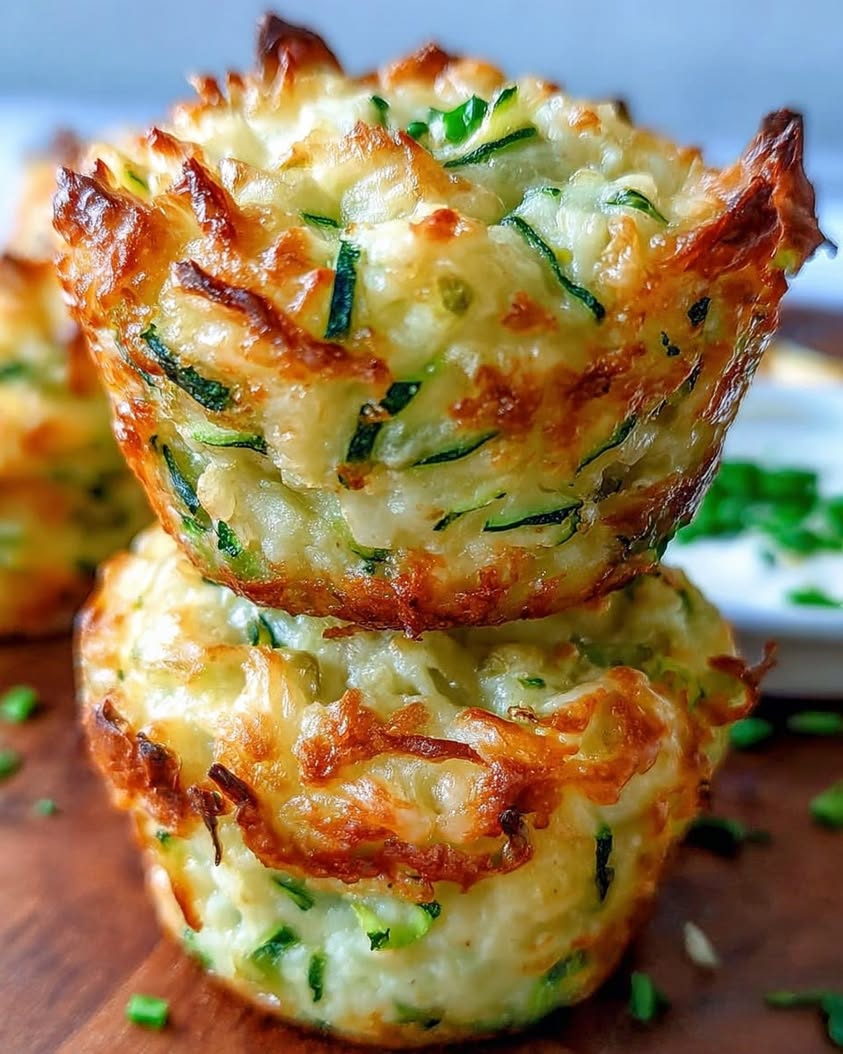
- Texture: The exterior forms a wonderfully crispy, golden crust thanks to the baked Parmesan. Inside, the texture is soft, moist, and tender, with pleasant little bits of shredded potato and zucchini throughout. This contrast between crunchy outside and fluffy inside is truly addictive.
- Aroma: As these muffins bake, your home will fill with the warm, nutty aroma of Parmesan cheese mixing with the gentle scent of roasted vegetables. The smell is comforting and inviting, promising a delicious treat.
- Visual Appeal: These muffins boast a beautiful golden-brown color on top, with speckles of green zucchini and white potato visible inside. The crispy edges and domed tops make them look professional and appetizing.
- Skill Level Needed: This recipe is perfect for beginners. It requires basic mixing and shredding skills. There is no complicated yeast work or special techniques involved. Anyone can make them successfully on the first try.
- Special Equipment: You will need a standard 12-cup muffin tin, a box grater or food processor for shredding, and mixing bowls. Paper liners are optional but helpful for easy removal.
Recipe Overview
- Difficulty Level: We classify this as an easy recipe because it uses straightforward methods like shredding and folding. The biggest challenge is squeezing the excess moisture from the vegetables, which is simple to master. The steps are forgiving, meaning small mistakes will not ruin the final product.
- Category: These muffins fit perfectly into multiple categories including breakfast, brunch, appetizer, side dish, and snack. They are savory muffins rather than sweet ones, so they pair wonderfully with eggs, salads, or soups.
- Cuisine: While not tied to one specific tradition, this recipe draws inspiration from Italian and American comfort food. The generous use of Parmesan cheese nods to Italian cuisine, while the muffin format is quintessentially American. It is a fusion that works brilliantly.
- Cost: This is a budget-friendly recipe. Zucchini and potatoes are among the most affordable vegetables, and Parmesan cheese can be bought in blocks or pre-shredded for convenience. Eggs and flour are pantry staples. You can make a whole batch for just a few dollars.
- Season: Zucchini and potatoes are available year-round, but this dish truly shines in the summer and early fall when zucchini is at its peak and most flavorful. During these months, farmers markets offer the freshest, tastiest produce for this recipe.
- Occasion: These muffins are wonderful for casual gatherings, potlucks, picnic baskets, and holiday brunches. They are also perfect for meal prep because they store well and taste delicious reheated. Bring them to a game day party, and they will disappear quickly.
Why You Will Love This Recipe
The taste and texture of these Crispy Parmesan Zucchini Potato Muffins are simply outstanding. You get a burst of savory cheese flavor in every single bite. The crispy top gives way to a tender, moist interior that feels light yet satisfying. The combination of shredded vegetables keeps the muffin from being dry, while the Parmesan creates that addictive crunchy edge. It is a flavor experience that will have you reaching for a second muffin before you finish the first. Honestly, it is one of the most satisfying savory muffins you can make at home.
Convenience is another huge reason to love this recipe. You can prepare the batter in under twenty minutes, and the oven does the rest of the work. There is no dough to knead, no rising time to wait through, and no complicated equipment required. Moreover, you can easily make these muffins ahead of time and reheat them when needed. They are perfect for busy mornings when you need a grab-and-go breakfast or a quick after-school snack. The simplicity of the process means you can enjoy homemade goodness without spending hours in the kitchen.
Nutritionally, these muffins offer a great balance of vegetables, protein, and carbohydrates. The zucchini provides vitamins A and C, potassium, and antioxidants. Potatoes offer fiber and resistant starch, which is good for gut health. Eggs and cheese contribute high-quality protein and calcium. As a result, these muffins are more nutrient-dense than typical baked goods. You can feel good about serving them to your family, knowing they are getting wholesome ingredients in a delicious format. This is comfort food that works for your health goals.
The social value of this recipe is also noteworthy. Because these muffins look so appealing and taste so wonderful, they are a guaranteed hit at gatherings. They travel well and do not require utensils to eat, making them ideal for parties and picnics. When you bring a basket of these warm, crispy muffins to a friend’s house, you will receive compliments and requests for the recipe. They have that special quality of making you look like a skilled home cook, even though the recipe is remarkably simple. This is the kind of dish that builds your reputation in the kitchen.
Finally, the cost-effectiveness and accessibility of the ingredients make this recipe a winner. You do not need exotic items or expensive specialty products. Zucchini, potatoes, eggs, cheese, and flour are all readily available at any grocery store. You can even use leftover vegetables from your fridge. This means you can create a luxurious-tasting treat without straining your grocery budget. For families looking to eat well on a budget, these muffins are a smart and delicious solution. They prove that great food does not have to be expensive or complicated.
Historical Background and Cultural Significance
The concept of baking vegetables into a bread-like format has roots in many cultures. In Italy, cooks have long made vegetable-based frittatas and tortas, which are similar to baked egg and vegetable dishes. Meanwhile, in American kitchens, the muffin tin became a popular tool in the mid-20th century for creating individual portions of both sweet and savory foods. The combination of these ideas likely gave rise to the modern savory muffin, which appears in cookbooks from the 1980s onward. This particular recipe represents a creative blend of those traditions.
Zucchini itself has a fascinating history in the United States. Although it is now a staple summer squash, it was not widely popular in American cuisine until Italian immigrants introduced it more broadly in the early 1900s. Its mild flavor and prolific growth made it a favorite in home gardens. Similarly, the potato has been a cornerstone of Western diets for centuries, valued for its versatility and nutrition. By pairing these two humble vegetables with luxury ingredients like Parmesan, home cooks created a dish that elevates everyday ingredients into something special.
This recipe also speaks to the modern desire for vegetable-forward cooking. As people seek to incorporate more plant-based foods into their meals, dishes like these muffins become increasingly important. They offer a way to enjoy vegetables that feels indulgent rather than restrictive. The crispy, cheesy exterior tricks your brain into thinking you are eating a treat, while your body benefits from the fiber and nutrients. This reflects a broader shift in how we think about healthy cooking: it can be delicious, satisfying, and fun.
Regional variations of similar dishes can be found around the world. In Greece, you might find kolokythopita, a zucchini and feta pie baked in phyllo dough. In Japan, savory pancakes called okonomiyaki often feature shredded cabbage and potato. In Britain, cheese and potato pie is a classic comfort food. This Crispy Parmesan Zucchini Potato Muffins recipe takes inspiration from all of these, combining the format of a muffin with the flavors of a savory vegetable bake. It is a global fusion that tastes like home.
Ingredient Deep Dive
Zucchini is the star of this recipe, providing both moisture and a subtle vegetal flavor. It belongs to the summer squash family and grows abundantly during warm months. For centuries, zucchini has been a staple in Mediterranean cooking, valued for its versatility and quick cooking time. Nutritionally, it is low in calories but rich in vitamins B6 and C, as well as manganese and potassium. The high water content of zucchini is what makes these muffins so tender. When selecting zucchini, look for firm, glossy specimens that feel heavy for their size. Avoid ones that are limp or have wrinkled skin.
For storage, keep zucchini in the refrigerator crisper drawer where it will stay fresh for up to a week. Do not wash it before storing because moisture encourages spoilage. When you are ready to use it, give it a good scrub under running water. A great substitution for zucchini is yellow summer squash, which has a similar texture and mild taste. You can also use finely grated carrot or even broccoli stems, though the moisture content will vary. Adjust the squeezing step accordingly to ensure your batter does not become watery.
Potatoes bring heartiness and structure to these muffins. They have been a global food staple for thousands of years, originating in the Andes of South America. Potatoes are an excellent source of vitamin C, potassium, and dietary fiber, especially when you leave the skin on. For this recipe, you can use Russet or Yukon Gold potatoes. Russets provide a fluffy texture, while Yukon Golds offer a buttery flavor and creamy consistency. Always choose potatoes that are firm with no green spots or sprouts.
Store potatoes in a cool, dark, well-ventilated place, not in the refrigerator where the cold converts starches to sugar and affects taste. If you need a substitute, peeled and grated sweet potato works wonderfully, though it will add a slightly sweeter flavor. Another option is to use parsnips or turnips for a different taste profile. The key is to keep the grated potato size similar to the zucchini for even cooking. After grating, be sure to squeeze out as much liquid as possible to prevent soggy muffins.
Parmesan cheese is what creates that iconic crispy crust and savory depth. This hard, granular cheese comes from Italy and is aged for at least twelve months, developing complex, nutty flavors. Authentic Parmigiano-Reggiano is the gold standard, but you can use quality domestic Parmesan or Grana Padano for a similar effect. Nutritionally, Parmesan is high in protein and calcium, which makes these muffins more satisfying. Always buy blocks of Parmesan and grate it yourself rather than using pre-shredded products, which contain cellulose and anti-caking agents that prevent proper melting.
To store Parmesan, wrap it in wax paper then place it in a plastic bag in the refrigerator; it will keep for weeks. For substitutions, Pecorino Romano offers a saltier, more pungent flavor, though it is made from sheep milk. Asiago or even a sharp cheddar can work if you want a different cheese profile. Keep in mind that the texture of your muffins will change slightly with different cheeses because of varying moisture and fat content. If you need a dairy-free option, nutritional yeast provides a cheesy, umami flavor, though the texture will not be as crispy.
Common Mistakes to Avoid
- Not squeezing enough liquid from the zucchini and potatoes. This extra moisture will make your muffins soggy and prevents them from rising properly. Use a clean kitchen towel or cheesecloth to wring out every drop you can.
- Over-mixing the batter after adding the flour. Stir just until the dry ingredients are incorporated. Over-mixing develops gluten, which results in tough, dense muffins rather than tender ones.
- Skipping the step of preheating the oven. A properly preheated oven is essential for creating that initial burst of heat that helps the muffin tops become crisp and golden. Without it, your muffins may bake unevenly.
- Using the wrong size muffin tin. This recipe is designed for a standard 12-cup muffin tin. Using mini or jumbo tins will change the bake time and may result in burnt edges or undercooked centers.
- Failing to grease the muffin tin well. Even if you use paper liners, the Parmesan crust can stick. Give the top of the pan a quick spray with non-stick cooking spray to ensure easy release.
- Overpacking the muffin cups. Fill each cup to about three-quarters full. Overfilling causes the muffins to spread out and become flat, losing their domed tops. The batter needs room to rise.
- Baking at too high a temperature. While you want crispy tops, too much heat will burn the exterior before the inside is fully cooked. Stick to 400 degrees Fahrenheit for the perfect balance.
- Opening the oven door frequently. This lets heat escape and can cause your muffins to deflate. Check on them only after the minimum bake time has passed. Trust the process.
- Not letting muffins cool in the pan. Let them rest for five minutes after baking before transferring to a wire rack. This allows them to set and prevents them from falling apart when removed.
- Using old or expired baking powder. Fresh leavening is crucial for proper rise. Check your baking powder’s expiration date or test it by adding a spoonful to hot water if it fizzes, it is still active.
Essential Techniques
Shredding the vegetables properly is the first critical skill for success. You want the zucchini and potato shredded into thin, even ribbons. Use the large holes of a box grater or a food processor with a shredding disc. This ensures that the vegetables cook through evenly and blend seamlessly into the batter. Thicker chunks will not cook fully and can create an unpleasant texture. After shredding, place the vegetables in a clean kitchen towel, gather the corners, and twist tightly over the sink. You will be amazed at how much liquid comes out. Squeeze until no more water drips out; this step is non-negotiable for perfect muffins.
Mastering the fold-in technique for combining the wet and dry ingredients is equally important. Start by whisking your dry ingredients flour, baking powder, salt, and pepper together in a large bowl. In a separate bowl, beat the eggs, then stir in the shredded, squeezed vegetables, melted butter or oil, and most of the Parmesan cheese. Pour the wet mixture into the dry ingredients. Use a rubber spatula to gently fold everything together. Imagine you are drawing a big letter J from the bottom of the bowl up and over the top. Stop folding as soon as you see no more streaks of flour. A few small lumps are fine.
The final technique involves creating that signature crispy Parmesan crust on top of the muffins. After you spoon the batter into the prepared muffin tin, sprinkle the remaining Parmesan cheese generously over each muffin. This cheese layer will melt and then crisp up as it bakes, creating a golden, savory lid. For extra crunch, you can add a small pinch of breadcrumbs or panko mixed with the cheese. Avoid pressing the topping into the batter because you want it to stay on the surface. Bake until the tops are deeply golden and a toothpick inserted into the center comes out clean.
Pro Tips for Perfect Crispy Parmesan Zucchini Potato Muffins
Always shred your zucchini and potato immediately before mixing the batter. If you let them sit after shredding, they will oxidize and turn brown, which affects the color of your finished muffins. Freshly shredded vegetables also retain more of their natural texture.
For the best flavor, toast your Parmesan cheese lightly before mixing it into the batter. Spread it on a baking sheet and bake at 350 degrees for about five minutes until it is just fragrant. This deepens the nutty flavor and helps create an even crispier crust.
Use melted butter instead of oil for a richer taste and better browning. If you want to keep the recipe dairy-free, you can use a high-quality olive oil, which also adds a lovely fruity note to the savory muffins.
Let your eggs come to room temperature before mixing. Cold eggs can cause the melted butter to solidify, which leads to a lumpy batter. A quick trick is to place the eggs in a bowl of warm water for five minutes before cracking them.
If your muffin tin is non-stick, you can skip the paper liners and just grease the cups well. The direct contact with metal helps the bottoms get crispier. However, liners make cleanup easier and are great for gift-giving.
For an extra burst of flavor, add a quarter cup of finely chopped fresh herbs like chives, parsley, or basil to the batter. These herbs complement the zucchini and Parmesan beautifully and add a pop of green color.
Variations and Adaptations
Regional variations of this recipe can be found in different culinary traditions. In the American South, cooks might add a pinch of cayenne pepper or smoked paprika for heat. In Italy, a similar dish would likely include fresh rosemary and a drizzle of olive oil on top. You could also incorporate sun-dried tomatoes or olives for a Mediterranean twist. These small changes can transport the flavor profile entirely, making the recipe endlessly adaptable to your taste preferences.
Seasonal adaptations are easy to implement. During spring, add fresh peas or asparagus tips for a vibrant green color. In the fall, swap the zucchini for grated butternut squash or pumpkin, and use sage instead of other herbs. Winter calls for heartier additions like caramelized onions or roasted garlic. Each season brings new opportunities to enjoy this versatile base recipe with a different twist. The structure remains the same, but the flavors change with the calendar.
Dietary modifications make this recipe accessible to more people. For a gluten-free version, replace all-purpose flour with a gluten-free blend that includes xanthan gum. Almond flour also works but produces a denser, more cake-like texture. For a low-carb or keto version, use almond flour and increase the cheese while reducing the potato. You can also omit the potato entirely and use extra zucchini. The key is to maintain the right moisture balance, so adjust the squeeze step accordingly.
Serving and Presentation Guide
Plating these muffins is simple because they look beautiful on their own. Arrange them on a wooden board or a white platter for maximum visual impact. You can stack them in a pyramid or place them in a single layer. For a brunch setting, line a basket with a cloth napkin and nestle the warm muffins inside. The contrast of the golden tops against a white plate is always striking. If you are serving them as an appetizer, place them on a small tray with a small bowl of marinara sauce for dipping.
Garnishing ideas are minimal but effective. A light dusting of extra finely grated Parmesan over the top adds a professional touch. You can also sprinkle some fresh chopped chives or parsley over the muffins just before serving. For a more elaborate presentation, serve each muffin on a small plate with a side of dressed arugula salad. The peppery greens complement the richness of the cheese. A drizzle of balsamic glaze over the greens adds color and acidity that cuts through the savory flavors.
Traditional accompaniments for these savory muffins include a simple green salad, tomato soup, or roasted meats. They also pair beautifully with eggs any style for breakfast. Modern serving suggestions include using them as sliders split in half and filled with fried chicken or pulled pork. For a lighter meal, serve them alongside a bowl of gazpacho or cold cucumber soup. The temperature of the muffins matters; they are best served warm or at room temperature. If you serve them cold, the texture becomes denser and the crust loses its signature crunch.
Wine and Beverage Pairing
Wine pairings for these cheesy, savory muffins are delightful and varied. A crisp, unoaked Chardonnay or a Sauvignon Blanc works wonderfully because the acidity cuts through the richness of the cheese and eggs. For red wine lovers, a light-bodied Pinot Noir or a fruity Beaujolais is a fantastic choice. The earthy notes of the vegetables and the nuttiness of the Parmesan connect well with these wines. If you prefer sparkling wines, a dry Prosecco or Cava adds a festive touch that cleanses the palate between bites.
Non-alcoholic alternatives are equally satisfying. A cold glass of lemonade or iced tea with a splash of lemon provides a refreshing contrast to the warm, savory muffins. Sparkling water with a squeeze of lime is a clean, palate-cleansing option. For a cozy drink, pair them with a warm mug of tomato soup or a creamy mushroom broth. Herbal teas like chamomile or mint also work well because they do not compete with the flavors. Coffee is a surprising but excellent partner, especially for breakfast or brunch, as the bitter notes complement the salty cheese.
Storage and Shelf Life
Storing these muffins properly ensures they stay delicious for days. Once they have cooled completely, place them in an airtight container. Line the container with a paper towel to absorb any excess moisture, then add another paper towel on top of the muffins before sealing the lid. This layering technique helps maintain the crispy exterior for longer. Store the container at room temperature for up to three days. If you live in a humid climate, you may need to refresh the muffins in a toaster oven for a few minutes before serving to restore crispiness.
For longer storage, refrigeration is an option, though it will soften the crust. Wrap each muffin individually in plastic wrap or aluminum foil, then place them in a zip-top freezer bag. They will keep in the refrigerator for up to a week. When you are ready to enjoy them, reheat them in a 350-degree oven for about five to seven minutes. The microwave works in a pinch but will make the crust soggy. Avoid storing them in the refrigerator without wrapping, as the cold air will dry them out and cause them to stale faster. Always let muffins cool completely before storing to prevent condensation inside the container.
Freezing these muffins is an excellent make-ahead strategy. After baking and cooling, place the muffins on a baking sheet in the freezer for about an hour until they are frozen solid. Transfer them to a freezer-safe bag or container, removing as much air as possible. Label the bag with the date for future reference. Frozen muffins will stay fresh for up to three months. To reheat, simply thaw them at room temperature for twenty minutes or place them directly in a 350-degree oven for ten to twelve minutes. The texture will be nearly as good as fresh.
Make Ahead Strategies
Planning ahead with this recipe is incredibly convenient. You can shred the zucchini and potato up to a day in advance. Store the shredded vegetables in a colander set over a bowl, cover with plastic wrap, and refrigerate. Just before mixing the batter, squeeze the liquid out of the vegetables. This saves prep time on the day you plan to bake. You can also measure out the dry ingredients flour, baking powder, salt, and pepper and store them in a labeled zip-top bag. When you are ready to bake, simply dump the dry mix into a bowl and proceed.
The baked muffins themselves are excellent for make-ahead meal prep. After baking and cooling, you can store them in the refrigerator for up to a week. This is perfect for busy weekday mornings. Simply grab one from the fridge and pop it into a toaster or air fryer for a quick, hot breakfast. For a lunchbox, they do not need reheating if eaten within a few hours. Remember to add any fresh element like a sprinkle of herbs or a side of dip right before serving. This keeps the dish tasting vibrant and fresh even on day three.
Assembling the batter ahead of time is not recommended because the baking powder will start reacting immediately once it hits the wet ingredients. However, you can combine the wet ingredients eggs, melted butter, and vegetables separately and store them in the refrigerator for up to twelve hours. When you are ready to bake, add the dry ingredients and the cheese, then spoon into the tin and bake immediately. This method allows you to enjoy freshly baked muffins with minimal last-minute work. The key is to time the final assembly step to occur just before baking.
Scaling Instructions
Halving this Crispy Parmesan Zucchini Potato Muffins recipe is straightforward. Use one large egg instead of two and reduce the other ingredients by half. For the egg, beat it in a small bowl first, then measure out roughly two tablespoons. The bake time may reduce slightly, so start checking for doneness at about eighteen minutes. Halving the recipe works best for smaller households or when you want only a few muffins. The same principles apply to moisture management: still squeeze the vegetables thoroughly to maintain a good batter consistency.
Doubling or tripling the recipe requires careful consideration of equipment. You will need two large mixing bowls to accommodate the increased volume of wet and dry ingredients. Mix in batches or use a very large bowl to avoid overflow. The bake time will stay essentially the same, but you may need to rotate the pans halfway through baking for even browning. If you have two oven racks, swap the pans between top and bottom positions at the fifteen-minute mark. This ensures all muffins bake evenly and develop that coveted crispy crust.
Nutritional Deep Dive
The macro breakdown for one muffin is balanced and satisfying. Each muffin contains approximately 180 calories, with about 9 grams of fat, 18 grams of carbohydrates, and 8 grams of protein. The fat comes primarily from the cheese and eggs, providing essential fatty acids and helping with satiety. The carbohydrates are complex carbs from the potato and flour, offering steady energy release. The protein content from eggs and cheese makes these muffins a more complete snack than typical baked goods, helping to keep you full between meals.
Micronutrient analysis reveals that these muffins are surprisingly nutrient-dense. Zucchini supplies vitamin C, which supports immune health, and vitamin A for vision. Potatoes contribute potassium, which is important for blood pressure regulation and muscle function. Parmesan cheese is a concentrated source of calcium for strong bones and teeth. The eggs provide choline, which supports brain health. This combination means you are getting a wide range of vitamins and minerals in each muffin, making them a smart choice for snack time or breakfast.
Health benefits extend beyond basic nutrition. The fiber from the vegetables and potato skin aids digestion and promotes gut health. The resistant starch in potatoes acts as a prebiotic, feeding beneficial gut bacteria. The protein and fat content in these muffins helps stabilize blood sugar levels, preventing the energy crashes associated with high-carb snacks. Additionally, making them at home allows you to control the salt content, which is important for heart health. Overall, these muffins are a nutrient-dense option that aligns with balanced eating patterns.
Dietary Adaptations
For a gluten-free version of these muffins, swap the all-purpose flour for a high-quality gluten-free all-purpose blend. Look for brands that contain xanthan gum to help with structure. You may need to add one to two extra tablespoons of the flour blend because gluten-free flours absorb moisture differently. The texture will be slightly more delicate, but the flavor remains excellent. Also, ensure your baking powder is gluten-free as some brands contain wheat starch.
Dairy-free adaptation is possible with some careful substitutions. Replace the Parmesan cheese with a high-quality dairy-free Parmesan alternative made from nuts or soy. Nutritional yeast can also be used for a cheesy flavor, though it will not create the same crispy crust. Use olive oil or a dairy-free butter substitute in place of regular butter. The result will be less crispy but still delicious. For a vegan version, use flax eggs one tablespoon of ground flaxseed mixed with three tablespoons of water per egg and ensure all other ingredients are plant-based.
Troubleshooting Guide
If your muffins come out soggy rather than crispy, the most likely culprit is excess moisture from the vegetables. Next time, squeeze the shredded zucchini and potato even more aggressively. You can also add an extra tablespoon of flour to absorb any remaining liquid. Additionally, check that your oven temperature is accurate, because a cooler oven will steam the muffins instead of baking them crisp. Using an oven thermometer is a wise investment for consistent results.
Flavor balance issues usually stem from seasoning. If your muffins taste flat, you need more salt. Parmesan is salty, but the vegetables and flour dilute it. Season the batter generously with salt and pepper before adding the cheese. A pinch of garlic powder and a dash of smoked paprika can also elevate the savory notes. If the muffins taste too greasy, reduce the amount of butter or oil by a tablespoon. Conversely, if they are too dry, you may have squeezed the vegetables too hard and removed too much liquid.
Recipe Success Stories
Community feedback on this recipe has been overwhelmingly positive. One reader shared that she made these muffins for her toddler who refuses to eat vegetables. To her surprise, the toddler ate three muffins in one sitting and asked for more. Another home cook used these muffins as a base for bruschetta, topping them with fresh tomato, basil, and a drizzle of balsamic reduction. She reported that her guests raved about the unique appetizer. These stories highlight the versatility and universal appeal of the recipe.
Variation successes are abundant in the reader comments. One creative baker added crumbled bacon and cheddar cheese for a loaded baked potato version. Another reader substituted sweet potato for regular potato and added a touch of maple syrup for a sweet-savory breakfast muffin. Several people have reported success turning the batter into a single loaf cake for easier slicing. The recipe seems to inspire creativity, with each adaptation proving that the basic formula is forgiving and adaptable to many tastes.
Frequently Asked Questions
Can I use frozen zucchini? Yes, but you must thaw it completely and squeeze out all the water first. Frozen zucchini contains more moisture than fresh, so be thorough in your squeezing. The texture may be slightly softer, but the flavor stays intact.
Why did my muffins stick to the pan? This usually happens when the pan is not greased well enough. Even non-stick pans benefit from a coating of butter or non-stick spray. Alternatively, use paper liners which you can spray lightly for extra insurance.
Can I add other vegetables? Absolutely. Grated carrots, finely chopped broccoli, or even corn kernels work well. Just make sure to adjust the moisture content. If adding drier vegetables, you may need to add a tablespoon more of milk or water to the batter.
How do I make the tops extra crispy? Increase the oven temperature to 425 degrees for the last three minutes of baking. Watch them carefully to prevent burning. You can also sprinkle a thin layer of panko breadcrumbs mixed with Parmesan on top before baking.
Can I use a mini muffin tin? Yes. Reduce the bake time to about twelve to fifteen minutes. Start checking for doneness at ten minutes. The yield will be about twenty-four mini muffins. Adjust the topping amount accordingly.
What can I substitute for eggs? Flax eggs work well as a binder. Use one tablespoon of ground flaxseed mixed with three tablespoons of water per egg. Let it sit for five minutes before adding to the batter. The texture will be slightly denser.
Are these muffins freezer-friendly? Yes, they freeze beautifully. Follow the freezing instructions provided in the storage section. They will maintain their quality for up to three months. Reheat directly from frozen in a toaster oven for best results.
Can I use whole wheat flour? Yes. Substitute up to half of the all-purpose flour with whole wheat flour for added fiber. Using all whole wheat flour will make the muffins denser and heavier. You may also need to add an extra tablespoon of milk to compensate for the added absorption.
How do I know when the muffins are done? Insert a toothpick into the center of a muffin. If it comes out clean or with only a few moist crumbs clinging to it, the muffins are done. The tops should be golden brown and firm to the touch.
Can I skip the potato? Yes, but the muffins will be lighter and less hearty. Replace the potato with an equal amount of shredded zucchini or a combination of zucchini and almond meal for structure. The texture will be more delicate, so handle them gently.
Additional Resources
If you enjoyed this Crispy Parmesan Zucchini Potato Muffins recipe, you will love our other vegetable-forward muffins. Try our Savory Cheddar and Broccoli Muffins or our Sweet Potato Print
Crispy Parmesan Zucchini Potato Muffins
- Total Time: 45 minutes
- Yield: 12 muffins
Description
Savory muffins loaded with shredded zucchini, potatoes, and Parmesan cheese, crispy on the outside and tender inside. Perfect as a snack or side dish.
Ingredients
- 1 medium zucchini, grated
- 2 medium potatoes, peeled and grated
- 1/2 cup grated Parmesan cheese
- 1/4 cup all-purpose flour
- 2 large eggs, lightly beaten
- 2 tablespoons chopped fresh chives or parsley
- 1/2 teaspoon garlic powder
- 1/2 teaspoon salt
- 1/4 teaspoon black pepper
- 2 tablespoons olive oil or melted butter
Instructions
- Preheat oven to 400°F (200°C). Grease a 12-cup muffin tin with cooking spray or line with parchment liners.
- Place grated zucchini in a clean kitchen towel and squeeze out excess moisture. Do the same with the grated potatoes.
- In a large bowl, combine the squeezed zucchini, potatoes, Parmesan, flour, eggs, chives, garlic powder, salt, and pepper. Mix until well combined.
- Divide the mixture evenly among the prepared muffin cups, pressing down gently to pack. Drizzle a little olive oil or melted butter on top of each.
- Bake for 25–30 minutes, or until golden brown and crispy on the edges. Let cool in the pan for 5 minutes, then transfer to a wire rack.
- Serve warm. These are best enjoyed fresh, but can be reheated in a 350°F oven for 5 minutes.
Notes
You can customize the seasonings to taste. For extra crispiness, use a metal muffin tin and preheat it in the oven before adding the mixture.
- Prep Time: 15 minutes
- Cook Time: 30 minutes
- Method: Side Dish
- Cuisine: American