Crispy Parmesan Artichoke Hearts: The Ultimate Easy Appetizer
If you crave a snack that delivers a satisfying crunch alongside a burst of savory flavor, then Crispy Parmesan Artichoke Hearts are about to become your new obsession. This easy appetizer transforms simple canned or jarred artichoke hearts into golden, cheese-crusted bites that disappear from the plate faster than you can make them. Moreover, the recipe requires only a handful of pantry staples, which means you can whip up a restaurant-worthy treat on any busy weeknight or lazy weekend afternoon.
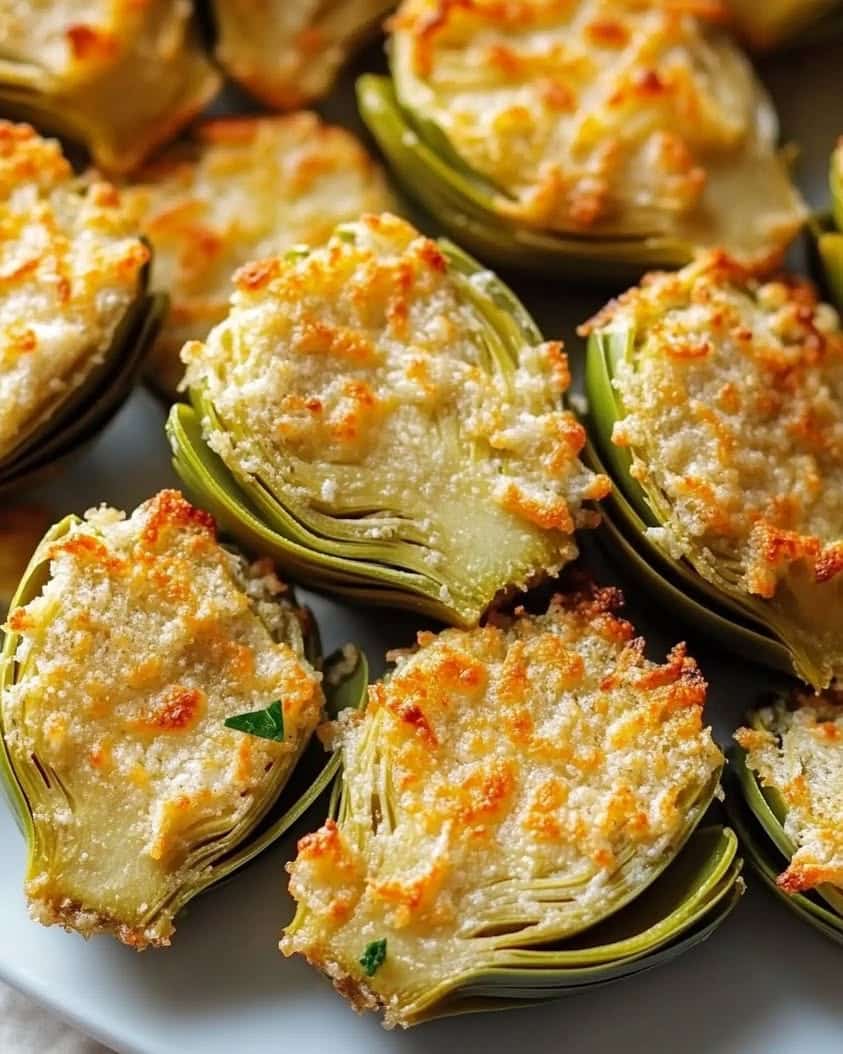
Picture this: tender artichoke hearts coated in a seasoned Parmesan crust, pan-fried or baked until the exterior shatters with a delightful crisp while the inside stays soft and slightly tangy. The nutty, salty notes from the Parmesan cheese complement the natural earthiness of the artichokes beautifully. Consequently, every bite offers a balanced contrast of textures and tastes that keeps everyone reaching for more. Whether you serve these bites at a holiday gathering, a game day party, or simply as a cozy snack for yourself, they always impress.
Furthermore, this recipe for Crispy Parmesan Artichoke Hearts fits seamlessly into numerous dietary lifestyles when you make small adjustments. It suits vegetarian diets naturally, and you can easily adapt it for gluten-free needs by swapping the breadcrumbs. Above all, the preparation remains straightforward enough for beginner cooks while still delivering results that feel gourmet. As a result, this dish has earned a permanent spot in my entertaining rotation, and I feel confident it will earn one in yours too.
Quick Recipe Highlights
- Flavor Profile: The salty, nutty richness of Parmesan cheese leads the flavor experience. Tangy, slightly briny artichoke hearts provide a bright counterpoint. Garlic powder, black pepper, and a hint of paprika add warmth and depth without overwhelming the palate.
- Texture: A shatteringly crisp golden crust gives way to a tender, creamy interior. The contrast between the crunchy coating and the soft artichoke heart creates pure satisfaction. Each bite delivers both crunch and melt-in-your-mouth softness.
- Aroma: Toasted Parmesan and garlic fill the kitchen as these bites cook. The nutty fragrance of browning cheese signals that the crust has reached peak crispness. Fresh lemon zest, if added, contributes a clean, citrusy top note.
- Visual Appeal: Deep golden-brown crusts with flecks of green herbs and melted cheese create an inviting plate. A sprinkle of fresh parsley adds a pop of bright green. Lemon wedges on the side bring a sunny yellow accent that makes the dish look vibrant and fresh.
- Skill Level Needed: This recipe demands only basic kitchen skills, such as dredging and pan-frying or baking. Anyone comfortable with measuring ingredients and operating a stovetop or oven can succeed. The forgiving nature of the coating means minor mistakes rarely ruin the final result.
- Special Equipment: You need a few shallow bowls for the breading station, a sturdy skillet or a sheet pan, and tongs for turning. A wire rack helps drain excess oil and keeps the crust crispy. None of these tools are exotic or expensive.
Recipe Overview
- Difficulty Level: I rate this Crispy Parmesan Artichoke Hearts recipe as Easy because it relies on straightforward techniques that home cooks of any experience level can master. The breading process takes just minutes once you set up your station. Furthermore, both the pan-fried and baked methods tolerate small timing variations, so you need not stress about precision. The entire process from start to finish stays under forty minutes.
- Category: This dish works beautifully as an appetizer, a side dish, or even a light main course when paired with a salad. It shines on appetizer spreads alongside dips and crostini. Additionally, you can serve it as a vegetarian entree with pasta or grains for a more substantial meal.
- Cuisine: The recipe draws inspiration from Mediterranean and Italian-American culinary traditions, where artichokes and Parmesan cheese play starring roles. Italians have celebrated artichokes for centuries, and the combination of fried vegetables with aged cheese appears throughout the region. This version adapts those classic techniques for modern American kitchens with accessible ingredients. The result honors Old World flavors while fitting seamlessly into contemporary home cooking.
- Cost: Preparing this recipe costs approximately eight to twelve dollars for four servings, depending on whether you use canned or jarred artichoke hearts and the quality of your Parmesan. Pantry staples like breadcrumbs, flour, and eggs keep the overall expense low. Compared to ordering a similar appetizer at a restaurant, this homemade version saves significant money.
- Season: These artichoke bites work wonderfully year-round, but they especially shine in spring when fresh artichokes appear in markets. During the holiday season from November through January, they add elegance to party spreads. Summer gatherings also welcome them as a finger-friendly snack that pairs well with cold drinks.
- Occasion: You can serve Crispy Parmesan Artichoke Hearts at game day parties, holiday dinners, casual get-togethers, or romantic date nights at home. They suit potlucks because they travel well and taste delicious at room temperature. Additionally, they make a thoughtful homemade gift for neighbors or friends during the holidays.
Why You’ll Love This Recipe
The taste and texture of these Crispy Parmesan Artichoke Hearts create an experience that satisfies on every level. The exterior delivers a robust, savory crunch that gives way to a tender, slightly tangy center. Parmesan cheese brings umami and saltiness, while the artichoke contributes a subtle sweetness and earthiness. A touch of garlic and black pepper rounds out the flavor profile, and a squeeze of lemon brightens everything. Consequently, each bite feels complete and deeply satisfying, which explains why guests always ask for the recipe.
Convenience and preparation benefits make this recipe a weeknight hero. You need only about fifteen minutes of hands-on prep, and the cooking phase takes roughly twenty minutes. Most of the ingredients likely already sit in your pantry or refrigerator. Furthermore, cleanup stays minimal because you use just a few bowls and one cooking vessel. As a result, you spend less time scrubbing dishes and more time enjoying your food with family and friends.
Nutritional advantages give this dish an edge over many traditional fried appetizers. Artichoke hearts provide fiber, vitamin C, and antioxidants that support overall health. Parmesan cheese delivers protein and calcium, while olive oil offers heart-healthy monounsaturated fats. When you bake instead of fry, you cut the oil content dramatically without sacrificing crispness. Therefore, you enjoy a treat that nourishes your body alongside pleasing your taste buds.
Social and entertaining value sets this recipe apart from ordinary snacks. These golden bites look impressive on any platter, yet they require minimal effort. Guests love finger foods, and the crispy exterior encourages sharing and conversation. Moreover, you can prepare a double or triple batch without much extra work, which makes hosting large groups stress-free. The universal appeal of melted cheese and crunchy textures ensures that even picky eaters join the fun.
Cost-effectiveness and accessibility round out the reasons to love this recipe. Canned and jarred artichoke hearts remain affordable and available in most grocery stores year-round. You can purchase store-brand breadcrumbs or make your own from day-old bread for even greater savings. Additionally, the simple ingredient list means no specialty shopping trips. As a result, anyone can enjoy restaurant-quality Crispy Parmesan Artichoke Hearts at home without breaking the budget.
Historical Background and Cultural Significance
The origin story of artichoke consumption stretches back to ancient Mediterranean civilizations. Greeks and Romans prized the thistle-like vegetable for its unique flavor and believed it carried aphrodisiac properties. Over centuries, cultivation spread across Southern Europe, and by the Renaissance, artichokes had become a staple in Italian and French kitchens. When Italian immigrants arrived in the United States in the late nineteenth and early twentieth centuries, they brought their love of artichokes with them. Consequently, the vegetable took root in American cuisine, particularly in California where commercial farming flourished.
Cultural importance surrounds the artichoke in regions like Castroville, California, which calls itself the Artichoke Center of the World. Annual festivals celebrate the harvest with dishes ranging from steamed artichokes to fried hearts. In Italy, the carciofo enjoys protected status in certain regions, and specific varieties receive designations similar to wine appellations. The vegetable symbolizes abundance and hospitality in Mediterranean culture. Therefore, serving artichoke dishes at gatherings carries a sense of tradition and generosity.
The evolution of this specific recipe reflects broader trends in American home cooking. During the mid-twentieth century, canned and frozen artichoke hearts became widely available, which made the vegetable accessible beyond coastal regions. Home cooks began experimenting with breading and frying techniques borrowed from Italian scampi and Milanese preparations. Parmesan cheese, already a beloved ingredient in American kitchens, naturally joined the party. Over time, cooks refined the recipe to emphasize crispness and balanced seasoning, which produced the version we enjoy today.
Regional variations of Crispy Parmesan Artichoke Hearts appear across the United States and beyond. In the South, cooks sometimes add Creole seasoning or cayenne for a spicy kick. On the West Coast, chefs incorporate fresh herbs like thyme and oregano from local gardens. Italian versions may use Pecorino Romano instead of Parmesan for a sharper bite. Meanwhile, some Mediterranean adaptations skip the breadcrumbs entirely and rely on a simple Parmesan crust. Each variation reflects local tastes while honoring the core combination of artichoke and cheese.
Ingredient Deep Dive
Artichoke hearts form the soul of this recipe, and they carry rich cultural significance. People have cultivated artichokes in the Mediterranean for thousands of years, and the vegetable appears in mythology and art. The heart, which is the tender inner portion after removing the tough leaves and choke, offers the most delicate flavor and texture. Nutritionally, artichoke hearts deliver impressive benefits, including high fiber content, vitamin C, folate, and antioxidants like cynarin. These nutrients support digestion, immune function, and liver health. When selecting artichoke hearts, choose canned or jarred varieties packed in water or brine rather than oil, because oil-packed versions become greasy when breaded and fried. Check for firm texture and avoid hearts with discoloration or mushy spots. Store unopened cans in a cool, dark pantry for up to two years, and transfer leftovers to an airtight container in the refrigerator for three to four days. If you cannot find artichoke hearts, you can substitute hearts of palm for a similar texture, though the flavor will differ noticeably.
Parmesan cheese provides the signature savory crust that defines this dish. This aged Italian cheese originated in the Parma region and has earned protected designation status in Europe. Parmesan carries deep umami notes and a crystalline texture that melts beautifully under heat. Nutritionally, Parmesan offers concentrated protein, calcium, and phosphorus, though it also contains significant sodium. When shopping, look for authentic Parmigiano-Reggiano with the stamped rind, or choose a high-quality domestic Parmesan for a more budget-friendly option. Freshly grate the cheese at home because pre-shredded varieties often contain anti-caking agents that prevent proper melting. Store Parmesan wrapped in parchment or wax paper inside the refrigerator for several weeks, and grate only what you need for each use. For substitutions, Pecorino Romano delivers a sharper, saltier profile, while nutritional yeast provides a vegan alternative with a cheesy flavor.
Breadcrumbs create the crunchy exterior texture that makes these bites irresistible. Panko breadcrumbs, which come from Japan, produce an exceptionally light and airy crust, while traditional Italian breadcrumbs offer a denser, more rustic crunch. Breadcrumbs contribute minimal nutrition but add satisfying texture. Select plain breadcrumbs and season them yourself for the best flavor control, or choose Italian-seasoned varieties for convenience. Store breadcrumbs in an airtight container in a cool, dry place for up to six months. For gluten-free needs, swap in gluten-free panko or crushed pork rinds for a low-carb alternative. Crushed cornflakes also work well for a different but delicious texture.
Eggs bind the coating to the artichoke hearts and ensure even browning. They provide protein and help the breadcrumb mixture adhere during cooking. Choose fresh, large eggs and beat them well before dredging. Store eggs in their original carton in the refrigerator, and use them within three to five weeks of purchase. For an egg-free version, whisk together flaxseed meal and water to create a gel that mimics the binding properties of eggs. Alternatively, use buttermilk or heavy cream as a dipping liquid for a slightly different flavor profile.
All-purpose flour creates the first layer of the breading station and helps the egg wash cling to the artichoke hearts. Flour contributes structure and promotes even browning. You can substitute cornstarch for a lighter coating, or use whole wheat flour for added fiber. Gluten-free all-purpose blends work seamlessly in this recipe. Store flour in an airtight container in a cool, dark place for up to six months, or freeze it for longer shelf life.
Common Mistakes to Avoid
- Using wet artichoke hearts straight from the can leads to soggy breading that slides off during cooking. Always pat the hearts completely dry with paper towels before dredging. This step takes only a minute but makes an enormous difference in the final texture.
- Skipping the flour layer causes the egg wash and breadcrumbs to fail to adhere properly. The flour creates a dry surface that grips the egg, which then holds the breadcrumbs. Without this step, your coating will fall apart in the pan.
- Overcrowding the pan traps steam and prevents proper crisping. Cook in batches if necessary, leaving space between each piece. This allows hot oil or air to circulate freely around every artichoke heart.
- Using oil that is not hot enough results in greasy, pale crusts instead of golden, crispy ones. Test the oil by dropping in a breadcrumb; it should sizzle immediately. Maintain a steady medium-high heat throughout the cooking process.
- Under-seasoning the breadcrumb mixture produces bland bites. Taste your breadcrumb mixture before dredging and adjust salt, pepper, and garlic powder as needed. Remember that Parmesan adds saltiness, so balance accordingly.
- Flipping too often prevents the crust from forming properly. Let each side cook undisturbed for two to three minutes before turning. Patience yields that beautiful golden exterior everyone loves.
- Draining on paper towels alone can make the bottom crust soggy. Place finished pieces on a wire rack set over a sheet pan. This allows air to circulate underneath and keeps all sides crispy.
- Reheating in the microwave destroys the crunch and turns the coating rubbery. Instead, reheat in a toaster oven or conventional oven at 375 degrees Fahrenheit for five to seven minutes. This restores the crispy texture beautifully.
- Using stale or expired breadcrumbs delivers a musty flavor that ruins the dish. Check expiration dates and smell your breadcrumbs before using them. Fresh breadcrumbs make a noticeable difference in taste.
- Ignoring the resting time after breading causes the coating to slip off during cooking. Let breaded artichoke hearts rest for ten minutes before frying or baking. This brief pause allows the coating to set properly.
Essential Techniques
Setting up a proper breading station ranks as the most important technique for achieving perfect Crispy Parmesan Artichoke Hearts. Arrange three shallow bowls in a row: one with flour, one with beaten eggs, and one with the breadcrumb-Parmesan mixture. Keep one hand dry for handling dry ingredients and one hand wet for the egg wash to prevent messy fingers. This organized approach streamlines the process and ensures even coating on every piece. Additionally, season each layer lightly so that flavor builds from the inside out. A well-organized station transforms a potentially chaotic task into a smooth, enjoyable experience.
Mastering oil temperature control determines whether your artichoke hearts turn out crispy or greasy. Heat about half an inch of oil in a heavy skillet over medium-high heat until it reaches 350 degrees Fahrenheit. If you lack a thermometer, drop a small pinch of breadcrumbs into the oil; they should bubble and sizzle immediately without burning. Adjust the heat as needed to maintain a consistent temperature throughout cooking. Oil that is too cool absorbs into the breading, while oil that is too hot burns the exterior before the inside heats through. Therefore, paying attention to this detail rewards you with perfectly golden results every time.
Draining fried foods properly preserves their crispy texture and prevents sogginess. After removing each batch from the oil, place the pieces on a wire rack positioned over a baking sheet. This setup allows excess oil to drip away while air circulates underneath the crust. Avoid stacking the pieces, which traps steam and softens the coating. If you must hold the finished bites for a few minutes, keep them in a warm oven at 200 degrees Fahrenheit. This technique keeps everything hot and crunchy until serving time.
Achieving an even, golden crust requires patience and proper spacing in the pan. Place each breaded artichoke heart in the hot oil without crowding, leaving at least an inch between pieces. Resist the urge to move them around; let them develop a solid crust on one side before flipping. Visual cues tell you when to turn: the edges turn golden brown and the crust looks set. Following these guidelines ensures consistent color and texture across every piece.
Pro Tips for Perfect Crispy Parmesan Artichoke Hearts
Dry your artichoke hearts thoroughly with paper towels before starting the breading process. Moisture creates steam, which prevents the coating from adhering and crisping properly. Pat each heart individually and let them air-dry for a few minutes if time permits. This small step makes a big difference in the final texture.
Double-dip for extra crunch by repeating the egg and breadcrumb layers. After the first coating, dip each piece back into the egg wash and then into the breadcrumbs again. This creates a thicker, more robust crust that stays crispy longer. The double layer also provides more surface area for Parmesan flavor.
Add finely grated Parmesan to both the breadcrumb mixture and as a finishing sprinkle. Mixing cheese into the coating ensures flavor in every bite, while a final dusting after cooking adds a fresh, nutty aroma. Use the finest grater setting for the finishing touch so the cheese melts slightly on contact.
Rest breaded pieces in the refrigerator for fifteen minutes before cooking. This brief chilling helps the coating set and reduces the chance of it sliding off during frying. The cold also creates a temperature contrast that promotes faster crisping when the pieces hit the hot oil. Plan this resting period into your cooking timeline for best results.
Experiment with seasoning blends to customize the flavor profile. Add smoked paprika for a hint of smokiness, cayenne for heat, or Italian herbs for a classic Mediterranean taste. Lemon zest in the breadcrumb mixture brightens the flavor beautifully. Feel free to adjust seasonings based on what you plan to serve alongside.
Use a neutral oil with a high smoke point, such as avocado, canola, or vegetable oil, for frying. Olive oil works too, but its lower smoke point means you must monitor the temperature carefully. A good frying oil imparts no competing flavors and handles high heat without breaking down. Choose accordingly for the best results.
Serve immediately after cooking for the best texture and flavor. These bites taste best when hot and crispy, straight from the pan or oven. If you must wait, keep them warm in a single layer on a wire rack in a low oven. Avoid covering them, which traps moisture and ruins the crunch.
Make a dipping sauce that complements the salty Parmesan and tangy artichoke. Lemon aioli, marinara, or a simple garlic yogurt sauce all pair beautifully. Providing two or three dipping options lets guests customize their experience. A squeeze of fresh lemon juice over the finished bites also adds brightness.
Variations and Adaptations
Regional variations of Crispy Parmesan Artichoke Hearts reflect local culinary traditions around the world. In southern Italy, cooks sometimes add a pinch of red pepper flakes and serve the bites with a squeeze of fresh lemon. Greek versions might incorporate feta cheese and oregano into the coating for a Mediterranean twist. In the American South, Cajun seasoning and a remoulade dipping sauce transform the dish into a spicy, flavorful treat. Each region leaves its fingerprint on the recipe while maintaining the core combination of artichoke and crispy coating.
Seasonal adaptations allow you to enjoy this dish throughout the year with fresh, complementary flavors. In spring, add fresh chopped mint and lemon zest to the breadcrumb mixture for a bright, herbaceous note. Summer calls for serving the bites alongside a fresh tomato salad and a light rosé. During autumn, incorporate sage or rosemary into the coating for a warm, earthy flavor. Winter versions might include a dusting of nutmeg or a creamy mushroom dipping sauce for cozy comfort.
Dietary modifications make this recipe accessible to nearly everyone. For a gluten-free version, use gluten-free panko or crushed pork rinds instead of traditional breadcrumbs. Dairy-free cooks can substitute nutritional yeast for Parmesan, which provides a similar cheesy flavor without dairy. Vegan adaptations replace eggs with a flax or chia gel and use a plant-based Parmesan alternative. Each modification preserves the crispy, flavorful experience while meeting specific dietary needs.
Flavor variations let you customize the taste to suit any mood or menu. Add curry powder and serve with mango chutney for an Indian-inspired version. Incorporate taco seasoning and pair with avocado crema for a Tex-Mex twist. Asian-inspired versions might use panko, sesame seeds, and a soy-ginger dipping sauce. The neutral flavor of artichoke hearts provides a perfect canvas for creative seasoning experiments.
Texture modifications offer different mouthfeels while maintaining the essential character of the dish. For an ultra-crunchy version, use crushed cornflakes or potato chips in place of breadcrumbs. A lighter coating made with tempura batter produces a delicate, airy crispness. If you prefer a softer texture, skip the breading entirely and simply roast Parmesan-dusted artichoke hearts in the oven. Each approach delivers its own unique appeal.
Presentation alternatives help you serve this dish in creative and visually appealing ways. Skewer the bites on toothpicks for easy party pickup. Arrange them over a bed of arugula and drizzle with balsamic glaze for an elegant appetizer plate. Stack them on a wooden board with assorted dips for a rustic charcuterie-style presentation. Alternatively, serve them in small parchment cones for a fun, casual look that guests adore.
Serving and Presentation Guide
Plating techniques elevate Crispy Parmesan Artichoke Hearts from simple snack to stunning appetizer. Choose a flat platter or large plate with a neutral color to let the golden crusts stand out. Arrange the bites in a single layer with slight overlap for visual interest. Place small bowls of dipping sauce at intervals around the plate for easy access. A scattering of fresh herbs or lemon wedges fills empty spaces and adds color. Therefore, even a simple arrangement looks polished and intentional.
Garnishing ideas bring freshness and visual appeal to the finished dish. Sprinkle chopped fresh parsley, basil, or mint over the warm bites just before serving. Grated lemon zest adds bright color and a burst of citrus aroma. A light dusting of additional Parmesan cheese reinforces the star ingredient. For a touch of elegance, drizzle a balsamic reduction over the plate in a zigzag pattern.
Traditional accompaniments complement the Mediterranean flavors of this dish. Marinara sauce provides a classic dipping option that everyone loves. Lemon aioli offers a creamy, tangy contrast to the crispy coating. A simple side of olives, roasted red peppers, and crusty bread turns the appetizer into a full Mediterranean spread. These pairings honor the recipe’s cultural roots while satisfying modern palates.
Modern serving suggestions reimagine how you present and enjoy these artichoke bites. Serve them over a bed of quinoa or farro for a hearty grain bowl. Add them to a charcuterie board alongside cured meats, cheeses, and pickled vegetables. Use them as a topping for flatbread or pizza, adding a drizzle of truffle oil for luxury. These contemporary approaches keep the recipe fresh and relevant.
Temperature considerations affect both flavor and texture when serving this dish. These artichoke hearts taste best when served hot or warm, straight from the oven or pan. At room temperature, they remain enjoyable for about thirty minutes but gradually lose their crispness. Avoid serving them cold, which dulls the flavors and makes the coating tough. If you must hold them, keep them in a warm oven until ready to serve.
Portion control tips help you plan for gatherings and manage servings effectively. For an appetizer portion, plan four to five pieces per guest. As a side dish, six to eight pieces per person works well. If serving as a main course, offer ten to twelve pieces alongside a salad or grain. These guidelines ensure everyone gets a satisfying portion without running short.
Wine and Beverage Pairing
Wine pairings for Crispy Parmesan Artichoke Hearts focus on brightness and acidity to balance the rich, salty coating. A crisp Sauvignon Blanc from New Zealand or California offers citrus and herb notes that complement the artichoke’s earthy flavor. Pinot Grigio provides a light, refreshing option that cleanses the palate between bites. For red wine lovers, a light-bodied Pinot Noir or a fruity Beaujolais works surprisingly well. Sparkling wine, such as Prosecco or Cava, adds festive effervescence that cuts through the fried exterior beautifully.
Non-alcoholic alternatives ensure everyone at the table enjoys a thoughtful pairing. Sparkling water with lemon or lime provides refreshing carbonation that mirrors the crispness of the dish. Iced herbal tea, such as chamomile or mint, offers a soothing contrast to the savory bites. Homemade lemonade with fresh herbs adds a delightful sweet-tart balance. These options prove that pairing extends beyond wine to include creative, flavorful beverages.
Coffee and tea pairings may seem unconventional, but they can work beautifully with this recipe. A light green tea with grassy notes complements the artichoke’s vegetal qualities. Earl Grey tea brings bergamot citrus that echoes the lemon accents in the dish. For coffee lovers, a mild Americano or cold brew provides a pleasant contrast without overpowering the food. Experiment with these pairings to discover unexpected flavor combinations.
Temperature considerations for beverages enhance the overall dining experience. Serve white wines and sparkling options well-chilled at around 45 to 50 degrees Fahrenheit. Red wines taste best slightly below room temperature, around 60 to 65 degrees. Non-alcoholic beverages should be served ice-cold for maximum refreshment. Proper temperature ensures each sip complements rather than competes with the food.
Serving suggestions for beverages include offering options in attractive glassware that matches the occasion. For casual gatherings, use mason jars or stemless wine glasses for a relaxed vibe. Formal occasions call for elegant stemware and chilled bottles presented tableside. Provide water glasses alongside every beverage to keep guests hydrated. Thoughtful presentation of drinks elevates the entire experience.
Storage and Shelf Life
Storage methods for Crispy Parmesan Artichoke Hearts focus on preserving crispness for as long as possible. Allow leftovers to cool completely at room temperature before storing. Place them in a single layer in an airtight container lined with paper towels to absorb moisture. Separate layers with parchment paper if stacking becomes necessary. Unfortunately, the coating will soften over time, so enjoy leftovers within two to three days for the best quality.
Temperature requirements play a critical role in maintaining food safety and quality. Store cooked artichoke hearts in the refrigerator at or below 40 degrees Fahrenheit. Avoid leaving them at room temperature for more than two hours, as bacteria multiply rapidly in the danger zone. If you plan to eat them within a few hours, keep them in a warm oven rather than at room temperature. Proper temperature control protects both flavor and safety.
Container recommendations help you choose the best storage vessels for this dish. A shallow glass container with a tight-fitting lid works ideally because it minimizes stacking and allows you to see the contents. Avoid deep containers where pieces pile on top of each other and trap moisture. If you must use a plastic container, choose one with a secure snap lid. Regardless of material, ensure the container seals tightly to prevent refrigerator odors from affecting the taste.
Signs of spoilage indicate when to discard leftovers rather than risk illness. Watch for a sour or off smell that differs from the original savory aroma. Visible mold, sliminess, or discoloration means the food has gone bad. If the coating looks wet and the pieces feel mushy, they have likely absorbed moisture and should be tossed. When in doubt, throw it out to protect your health.
Reheating instructions help you restore some of the original crispness. The oven or toaster oven at 375 degrees Fahrenheit works best, heating the bites for five to seven minutes on a wire rack. This method allows hot air to circulate around each piece and re-crisp the coating. Avoid the microwave, which steams the breading and produces a soggy, unappealing texture. An air fryer at 375 degrees for three to four minutes also works wonderfully.
Freezing guidelines allow you to prepare this recipe in advance for future use. Freeze fully cooked and cooled artichoke hearts in a single layer on a baking sheet until solid, then transfer to a freezer bag. They keep well for up to two months. To reheat, bake from frozen at 400 degrees Fahrenheit for ten to twelve minutes, flipping once halfway through. This method restores much of the original crispness and flavor.
Make Ahead Strategies
A prep timeline helps you plan efficiently when making this recipe for a gathering. You can bread the artichoke hearts up to four hours in advance and refrigerate them on a wire rack. Prepare dipping sauces a day ahead and store them in the refrigerator. Grate the Parmesan and measure dry ingredients the night before to streamline the cooking day. This advance preparation reduces stress and lets you focus on other dishes.
Storage between steps keeps components fresh and ready for final cooking. After breading, arrange the pieces in a single layer on a parchment-lined baking sheet. Cover loosely with plastic wrap and refrigerate for up to four hours. Do not stack them, as the coating may stick together. When ready to cook, remove from the refrigerator and let them sit at room temperature for ten minutes before frying or baking.
Quality impact assessment reveals that made-ahead versions taste nearly as good as freshly prepared ones. The coating may absorb slightly more oil if refrigerated for too long, but the difference is minimal. For best results, bread and cook within a few hours for maximum crispness. If you must hold them longer, consider freezing instead of refrigerating for better texture retention.
Assembly tips ensure smooth execution when you have multiple dishes to manage. Set up your breading station before guests arrive and complete the dredging process early. Store breaded pieces in the refrigerator until you are ready to cook. This allows you to focus on final cooking and plating when guests are present. Organization and foresight make entertaining feel effortless.
Reheating guidelines for make-ahead versions mirror those for leftovers. Use the oven, toaster oven, or air fryer to restore crispness. Avoid microwaving at all costs, as it ruins the texture. If reheating from frozen, allow extra time and flip the pieces halfway through for even crisping. These simple steps ensure your make-ahead efforts pay off deliciously.
Fresh element additions at serving time brighten make-ahead versions. Squeeze fresh lemon juice over the reheated bites just before serving. Sprinkle chopped herbs or additional Parmesan for a just-made appearance. These small touches revive the dish and make it taste freshly prepared. Guests will never guess you did the work hours earlier.
Scaling Instructions
Halving the recipe works easily when you need fewer servings or want to test the dish. Simply divide all ingredients by two, using one egg instead of two and half the amount of breadcrumbs and Parmesan. Cooking time remains the same because the size of each piece does not change. Use a smaller skillet or bake on a smaller sheet pan to maintain proper spacing. Leftovers from a half batch store well for two to three days.
Doubling or tripling the recipe requires some planning but is entirely manageable. Increase all ingredients proportionally, and set up multiple breading stations if helpful. Cook in batches to avoid overcrowding the pan, which leads to steaming rather than frying. Keep finished batches warm in a 200-degree oven on a wire rack while you cook the rest. This approach ensures every piece reaches the table hot and crispy.
Equipment adjustments become necessary when scaling up significantly. Use a larger skillet or multiple pans to handle the increased volume. If baking, use two sheet pans rather than crowding one. A larger wire rack or multiple racks help drain and hold finished pieces. Having the right equipment prevents bottlenecks and keeps the process flowing smoothly.
Timing modifications for larger batches mostly involve extending the total cooking time rather than adjusting per-batch timing. Each batch still takes the same number of minutes, but you will cook more batches. Account for this by starting earlier or keeping finished pieces warm in the oven. Rushing the process by overcrowding pans sacrifices quality. Patience and proper planning yield the best results.
Storage considerations for scaled recipes depend on how many leftovers you expect. A double batch produces enough for a large party with minimal leftovers. A triple batch might leave extra for freezing. Plan your storage containers and freezer space accordingly. Label everything with the date so you know how long it has been stored.
Nutritional Deep Dive
The macro breakdown for Crispy Parmesan Artichoke Hearts reveals a balanced profile for an appetizer. Each serving of four to five pieces contains approximately 220 calories, 12 grams of fat, 18 grams Print
Crispy Parmesan Artichoke Hearts
- Total Time: 25 minutes
- Yield: 4
Description
Golden, crispy artichoke hearts coated in a savory Parmesan and herb breading, perfect as an appetizer or side dish.
Ingredients
- 2 (14 oz) cans quartered artichoke hearts, drained and patted dry
- 1/2 cup all-purpose flour
- 2 large eggs, beaten
- 1 cup panko breadcrumbs
- 1/2 cup grated Parmesan cheese
- 1 teaspoon garlic powder
- 1 teaspoon dried oregano
- 1/2 teaspoon salt
- 1/4 teaspoon black pepper
- Vegetable oil, for frying
Instructions
- In a shallow dish, combine flour, garlic powder, oregano, salt, and pepper. In another dish, beat the eggs. In a third dish, mix panko breadcrumbs and Parmesan cheese.
- Dredge each artichoke heart in the flour mixture, then dip in egg, and finally coat with the panko-Parmesan mixture, pressing gently to adhere.
- Heat about 1 inch of vegetable oil in a large skillet over medium-high heat until shimmering (350°F).
- Fry the coated artichoke hearts in batches, turning occasionally, until golden brown and crispy, about 2-3 minutes per side.
- Remove with a slotted spoon and drain on paper towels. Serve warm.
Notes
You can customize the seasonings to taste.
- Prep Time: 15 minutes
- Cook Time: 10 minutes
- Method: Appetizer
- Cuisine: American