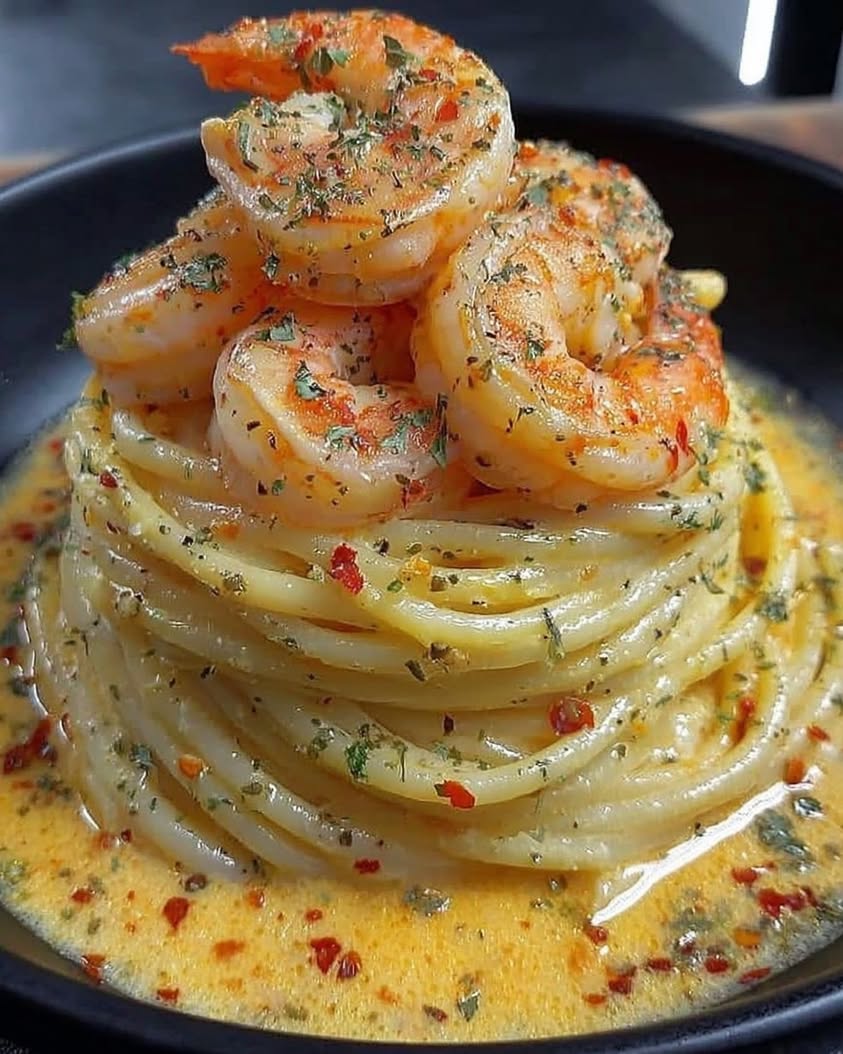
Creamy Shrimp Linguine Explosion Recipe for an Unforgettable Dinner
This Creamy Shrimp Linguine Explosion recipe is your new weeknight hero. Imagine perfectly cooked shrimp nestled in a rich, velvety sauce that clings to every strand of linguine. The flavor explosion hits you immediately, with garlic, lemon, and a hint of red pepper flake dancing on your tongue. This dish promises restaurant-quality results without the high price tag or complicated techniques. You will feel like a culinary genius after your first bite. The sauce is luxuriously smooth but surprisingly simple to pull together. Fresh shrimp, quality pasta, and a few pantry staples come together in about thirty minutes. You get a complete meal that feels indulgent but fits perfectly into a busy schedule.
Every element of this Creamy Shrimp Linguine Explosion recipe works in harmony. The shrimp offer a sweet, briny pop against the creamy backdrop. The linguine provides a satisfying chew that holds the sauce beautifully. A splash of white wine adds acidity to cut through the richness. Fresh parsley brings a bright, herbaceous finish. You do not need to be a professional chef to master this dish. The steps are straightforward and forgiving. Whether you are cooking for a romantic date night or a family dinner, this recipe delivers. Your kitchen will smell incredible, and your guests will rave about your skills. This Creamy Shrimp Linguine Explosion recipe is a keeper for your permanent collection.
Why do we call it an explosion? Because every single bite bursts with layered flavors. The creaminess of the sauce wraps around the pasta like a warm blanket. The shrimp provide a juicy, tender contrast. Lemon zest and juice brighten the entire dish. Garlic infuses the oil with aromatic depth. A touch of Parmesan adds savory umami notes. Red pepper flakes offer a gentle warmth that builds as you eat. The final result is a balanced, deeply satisfying pasta dish. You do not need to search for another shrimp pasta recipe again. This Creamy Shrimp Linguine Explosion recipe checks all the boxes for flavor, ease, and visual appeal.
Quick Recipe Highlights
- Flavor Profile: You get a beautiful balance of savory, creamy, and bright citrus notes. The garlic and shrimp create a sweet and savory base. Lemon and white wine add acidity to lift the richness. A touch of heat from red pepper flakes rounds everything out.
- Texture: The linguine offers an al dente bite that holds up to the sauce. Shrimp provide a plump, juicy texture that contrasts with the silky pasta. The sauce is thick enough to coat the back of a spoon but not heavy. You get a satisfying mouthfeel from the first forkful.
- Aroma: Your kitchen will smell of sizzling garlic and butter from the start. The shrimp adds a subtle briny, oceanic scent as they cook. White wine deglazes the pan and releases a complex, fruity fragrance. Fresh parsley and lemon brighten the final aroma with herbal notes.
- Visual Appeal: The dish is a study in beautiful contrasts. The creamy sauce has a pale golden hue from butter and Parmesan. Pink shrimp peek out from the pasta strands. Bright green parsley flecks add freshness. Lemon zest offers tiny yellow specks of brightness. A final crack of black pepper finishes the presentation.
- Skill Level Needed: This Creamy Shrimp Linguine Explosion recipe requires basic cooking knowledge but is very approachable. You must be comfortable boiling pasta and sautéing shrimp. The sauce comes together quickly using simple techniques. Anyone with experience making pan sauces will nail this recipe on the first try. Beginners can succeed by following the precise timing and visual cues.
- Special Equipment: A large skillet or sauté pan is essential for cooking the shrimp and sauce. A good quality chef’s knife helps with dicing garlic and herbs quickly. You need a large pot for boiling the linguine and a colander for draining. A microplane or zester is great for fresh lemon zest. Tongs help combine pasta and sauce without breaking the noodles.
Recipe Overview
- Difficulty Level: We rate this Creamy Shrimp Linguine Explosion recipe as medium difficulty. You need to manage multiple components simultaneously. The pasta must be timed to finish with the sauce. The shrimp cook quickly, so you must avoid overcooking them. However, the steps are logical and the techniques are fundamental. Any home cook who understands basic stovetop cooking can achieve great results. The recipe builds confidence because it delivers reliable, delicious outcomes every time.
- Category: This Creamy Shrimp Linguine Explosion recipe falls into the main course category for dinner. It makes an excellent weeknight meal because it comes together quickly. The dish also works beautifully for entertaining guests on a weekend. You can serve it as a stand-alone main course with a simple side salad. The portion size is generous enough to satisfy hearty appetites without being overwhelming.
- Cuisine: The recipe draws inspiration from Italian-American culinary traditions. You see classic Italian techniques like sautéing garlic in olive oil and deglazing with wine. The cream sauce adds a rich, Americanized touch that makes the dish incredibly comforting. Shrimp and linguine are a classic pairing found in coastal Italian regions. The use of fresh herbs and lemon reflects Mediterranean brightness. This Creamy Shrimp Linguine Explosion recipe honors both traditions by balancing authenticity with accessibility.
- Cost: The total cost for this Creamy Shrimp Linguine Explosion recipe is moderate, around fifteen to twenty dollars for four servings. Shrimp is the most expensive ingredient, but you can often find it on sale. High-quality dried linguine costs very little per serving. Parmesan cheese is an investment but a little goes a long way. Heavy cream and butter are affordable pantry staples. You likely already have garlic, olive oil, and spices at home. Compared to restaurant prices, you save significant money while getting superior flavor.
- Season: This dish shines year-round because shrimp is widely available. In summer, you can pair it with fresh garden tomatoes or a light arugula salad. Winter calls for a slightly richer version with extra Parmesan and a crusty baguette. Spring and fall are perfect for balanced meals that are neither too heavy nor too light. The bright citrus notes make it feel fresh even in colder months. You can adapt the Creamy Shrimp Linguine Explosion recipe to any season with simple ingredient swaps.
- Occasion: This recipe is incredibly versatile for numerous occasions. It works perfectly for a romantic Valentine’s Day dinner at home. Busy weeknights demand quick meals, and this one delivers in under an hour. The dish also impresses at dinner parties without requiring constant attention. You can bring it to a potluck or serve it at a casual family gathering. The elegant presentation makes it suitable for holidays like Christmas Eve or New Year’s dinner. Basically, any occasion that calls for comfort and sophistication is a perfect match.
Why You Will Love This Recipe
The taste and texture combination in this Creamy Shrimp Linguine Explosion recipe is genuinely addictive. You get the sweet, briny pop of perfectly cooked shrimp followed by the smooth, rich cream sauce. The linguine provides that satisfying chew that makes pasta so comforting. Every forkful delivers multiple layers of flavor and texture. The garlic infuses the oil with savory depth, while lemon cuts through the richness. Red pepper flakes add just enough heat to keep things interesting. You will find yourself going back for seconds before you even finish your first plate. The recipe delivers a complete sensory experience that satisfies cravings for something indulgent yet balanced.
Convenience is a major selling point for this Creamy Shrimp Linguine Explosion recipe. You only need one skillet and one pot to prepare the entire dish. The active cooking time is minimal, giving you space to prepare a salad or set the table. The ingredients are simple and mostly pantry staples except for fresh shrimp and cream. Frozen shrimp work perfectly well if you thaw them properly first. The sauce comes together in less than ten minutes of active work. You can have dinner on the table in under forty minutes even on your busiest nights. Cleanup is quick because you only dirty a few pieces of equipment. This recipe respects your time without compromising on quality or flavor.
Nutritionally, this Creamy Shrimp Linguine Explosion recipe offers a balanced meal with protein, carbohydrates, and healthy fats. Shrimp are an excellent source of lean protein and are low in calories compared to other meats. They provide selenium, vitamin B12, and omega-3 fatty acids that support heart health. The linguine gives you sustained energy from complex carbohydrates. You can easily lighten the sauce by using half-and-half instead of heavy cream. The recipe accommodates portion control because the sauce is so rich that smaller servings feel satisfying. You can also add vegetables like spinach or peas to boost the nutrient profile. This dish fits into a balanced diet when enjoyed in moderation.
The social and entertaining value of this Creamy Shrimp Linguine Explosion recipe cannot be overstated. When you serve this dish at a dinner party, people immediately feel special. The presentation is elegant and restaurant-worthy without requiring fancy plating skills. Guests love the combination of familiar pasta with the upscale feel of shrimp. The aroma fills your home with warmth and anticipation. You can easily double the recipe to feed a crowd without extra stress. The dish pairs beautifully with a simple glass of Sauvignon Blanc or Pinot Grigio. Your reputation as a host will skyrocket when you pull out this recipe. It creates memorable dining experiences that people will talk about for weeks.
Cost-effectiveness and accessibility make this Creamy Shrimp Linguine Explosion recipe a practical choice. You can find all the ingredients at any standard grocery store without special trips. The total cost per serving is significantly lower than ordering similar dishes at a restaurant. Shrimp are often available frozen at a great price, and you can thaw them as needed. The recipe uses common pantry items that you probably already stock. You do not need any exotic spices or hard-to-find ingredients. The technique is straightforward enough for a weeknight meal but impressive enough for special occasions. This recipe offers an incredible return on investment in terms of flavor per dollar spent. Your wallet and your taste buds will both thank you.
Historical Background and Cultural Significance
The combination of shrimp and pasta has deep roots in Italian coastal cuisine. Southern Italy, particularly regions like Sicily and Campania, has a long history of seafood-based pasta dishes. Fishermen would bring their daily catch to local kitchens, where cooks would combine fresh seafood with pasta. Shrimp, being abundant in the Mediterranean, became a staple ingredient in these coastal communities. The traditional preparation was simple, featuring olive oil, garlic, and fresh herbs. This Creamy Shrimp Linguine Explosion recipe pays homage to those humble beginnings while adding modern touches. The core principle remains the same: let quality ingredients shine without overwhelming them.
Cultural importance of this dish stems from the Italian concept of “cucina povera” or peasant cooking. This philosophy insists on using simple, readily available ingredients to create something extraordinary. Linguine itself has origins in the Campania region of Italy. The long, flat noodles are ideal for holding onto sauces, especially lighter seafood sauces. Cream-based sauces became more popular in Italian-American cooking as immigrants adapted recipes to local tastes. The addition of cream creates a richer, more indulgent version that appeals to American palates. This Creamy Shrimp Linguine Explosion recipe represents the evolution of tradition as it crosses oceans and cultures. It honors the past while embracing the present.
The evolution of this recipe reflects broader trends in American home cooking over the last fifty years. In the mid-twentieth century, canned shrimp and processed cheese sauces were common shortcuts. As global travel increased and food culture expanded, home cooks began seeking more authentic flavors. Fresh shrimp became widely available in supermarkets across the country. Cooks started experimenting with wine, fresh herbs, and real Parmesan cheese. The food network and cooking shows democratized techniques that were once reserved for professional chefs. Today, this Creamy Shrimp Linguine Explosion recipe represents the best of that evolution. It combines traditional Italian techniques with American indulgence and modern cooking knowledge. The result is a dish that feels both timeless and contemporary.
Regional variations of shrimp pasta dishes are fascinating and diverse. In coastal Maine, you might find a version using fresh lobster and a sherry cream sauce. The Gulf Coast features shrimp pasta with andouille sausage and Creole seasoning. Pacific Northwest variations often include fresh dill and salmon alongside shrimp. In Italy itself, you find “linguine ai gamberi” made with cherry tomatoes, white wine, and parsley instead of cream. Greek versions incorporate feta cheese and oregano for a Mediterranean twist. Asian-inspired adaptations use ginger, soy sauce, and sesame oil. This Creamy Shrimp Linguine Explosion recipe sits at the intersection of many traditions. It takes the best elements from various regional styles and unites them into one cohesive dish. You can explore these regional differences by adapting this base recipe to your taste.
Ingredient Deep Dive
Shrimp have a rich cultural significance in coastal cuisines worldwide. In Mediterranean cultures, shrimp symbolize abundance and celebration. They appear in festive dishes from Spanish paella to Italian seafood salads. Nutritionally, shrimp are excellent sources of lean protein, selenium, and vitamin D. They contain astaxanthin, a powerful antioxidant that gives them their pink color. When selecting shrimp, look for firm, translucent flesh with a mild sea scent. Avoid shrimp with black spots or a strong ammonia smell. Fresh shrimp should be used within one to two days. Frozen shrimp are often superior because they are flash-frozen at peak freshness. Thaw them slowly in the refrigerator overnight for the best texture. You can substitute shrimp with scallops, crab, or diced chicken if needed.
Linguine is a classic pasta shape from the Campania region of Italy. The name means “little tongues” in Italian, referring to the narrow, flat shape. This pasta shape is designed to hold onto sauces, making it perfect for cream-based preparations. Nutritionally, linguine provides complex carbohydrates for sustained energy. Choose dried linguine made from 100% semolina flour for the best texture. Fresh linguine works too but cooks much faster and has a softer bite. Store dried pasta in an airtight container in a cool, dark pantry indefinitely. Fresh linguine must be refrigerated and used within a few days. You can substitute linguine with fettuccine, tagliatelle, or even spaghetti. The key is using a long, flat noodle that can capture the creamy sauce effectively.
Heavy cream is the foundation of the luxuriously smooth sauce in this Creamy Shrimp Linguine Explosion recipe. Cream has been a prized ingredient in European cooking for centuries. It adds richness, body, and a silky texture that water or milk cannot replicate. Nutritionally, heavy cream is high in fat, so use it judiciously for balance. Select cream with at least 36 percent milk fat for the best results. Ultra-pasteurized cream has a longer shelf life but may not thicken as well. Store cream in the coldest part of your refrigerator and use it before the expiration date. You cannot substitute milk directly because it lacks the fat content for proper thickening. Half-and-half works if you reduce the liquid elsewhere or add a slurry of cornstarch. Coconut cream offers a dairy-free alternative with a slightly different flavor profile.
Parmesan cheese adds umami depth and savory richness to the sauce. Authentic Parmigiano-Reggiano comes from specific regions in Italy and has a crystalline, granular texture. The cheese has been produced for nearly a thousand years using traditional methods. Nutritionally, Parmesan is high in calcium and protein with a concentrated flavor. Always buy a wedge of Parmesan and grate it fresh for the best melting properties. Pre-grated cheese contains anti-caking agents that prevent smooth melting. Store Parmesan wrapped in parchment paper and then foil in the refrigerator. You can freeze grated Parmesan for up to three months. Grana Padano or Pecorino Romano are acceptable substitutes. Nutritional yeast offers a dairy-free alternative with similar umami notes.
Garlic is the aromatic backbone of this dish and countless other cuisines worldwide. Garlic has been cultivated for over five thousand years and appears in almost every culinary tradition. Ancient Egyptians used it for both cooking and medicinal purposes. Nutritionally, garlic contains allicin, a compound with antimicrobial and anti-inflammatory properties. Select firm, plump bulbs with tight, unbroken skins. Avoid garlic that feels soft or has sprouted green shoots. Store garlic in a cool, dark, well-ventilated area away from the refrigerator. Do not store it in plastic bags because moisture encourages rot. Fresh garlic cloves are essential for this recipe since powdered garlic lacks the aromatic complexity. You can substitute roasted garlic for a milder, sweeter flavor. Shallots or onions offer a different but still delicious aromatic profile.
Lemon provides bright acidity that balances the richness of the cream sauce. Lemon trees originated in Asia and spread to Europe via trade routes. Mediterranean cuisines rely heavily on lemon for its ability to lift heavy dishes. Nutritionally, lemons are excellent sources of vitamin C and antioxidants. Choose lemons that feel heavy for their size with smooth, bright yellow skin. Avoid lemons with soft spots or wrinkled skin. Store lemons in the refrigerator for up to a month. You can freeze lemon juice in ice cube trays for later use. The zest is equally important for its aromatic oils, so always zest before juicing. Lime offers a different citrus note if you want to experiment. Vinegar provides acidity but lacks the fresh citrus aromatics.
White wine deglazes the pan and adds complexity to the sauce. The wine should be dry and crisp, something you would enjoy drinking. Sauvignon Blanc, Pinot Grigio, or Unoaked Chardonnay all work well. Cooking with wine dates back to ancient Rome where it was used to flavor and preserve food. Alcohol burns off during cooking, leaving behind the wine’s flavor compounds. Select a wine that is not too oaky or sweet for the best balance. Do not use “cooking wine” from the grocery store because it contains salt and additives. If you prefer not to use alcohol, substitute with chicken broth plus a splash of lemon juice. Store leftover wine in the refrigerator with a vacuum stopper for up to a week.
Butter adds richness and helps create the velvety sauce texture. Butter has been a staple of European cooking for millennia, with records dating back to ancient Ireland. Nutritionally, butter contains fat-soluble vitamins A, D, E, and K. Select unsalted butter so you can control the salt level of your dish. European-style butter has higher butterfat content and creates a richer sauce. Store butter in the refrigerator wrapped tightly in its original packaging. You can freeze butter for up to six months. Clarified butter or ghee work for those avoiding dairy. Margarine offers a non-dairy alternative but changes the flavor and texture profile.
Common Mistakes to Avoid
- Overcooking the shrimp is the most frequent error in this Creamy Shrimp Linguine Explosion recipe. Shrimp cook very quickly and become rubbery when overdone. Watch for the color change from gray to pink and a C-shape curl. Remove them from the heat immediately when they turn opaque. Undercooking is safer because you can finish them in the sauce.
- Undercooking the pasta ruins the entire dish foundation. Al dente pasta should have a slight resistance at the center when bitten. Cook the linguine one minute less than the package directions suggest. The pasta continues cooking slightly when added to the hot sauce. Overcooked pasta becomes mushy and cannot hold the sauce properly.
- Using pre-shredded Parmesan cheese creates a grainy, clumpy sauce. Pre-shredded cheese contains cellulose and anti-caking agents that prevent smooth melting. Always grate your Parmesan fresh from a wedge for the silkiest sauce. The extra minute of effort transforms the final texture dramatically.
- Adding cream to a boiling hot pan can cause it to curdle and separate. Always reduce the heat to medium-low before adding cream. Stir constantly as you incorporate the cream into the pan. Sudden temperature changes are the enemy of a smooth cream sauce.
- Draining the pasta completely dry before adding it to the sauce is a mistake. Reserve at least one cup of pasta cooking water before draining. The starchy water helps thin the sauce to the perfect consistency. The starch also helps the sauce cling to the pasta better.
- Using cold shrimp straight from the refrigerator leads to uneven cooking. Cold shrimp will lower the pan temperature and steam instead of sear. Let the shrimp sit at room temperature for ten minutes before cooking. Pat them dry with paper towels to remove excess moisture for better browning.
- Forgetting to season the pasta water is a missed opportunity for flavor. Salting the pasta water is the only chance to season the pasta itself. Use about one tablespoon of salt per gallon of water. The water should taste like the sea for properly seasoned pasta.
- Adding too much red pepper flakes overwhelms the delicate shrimp flavor. Start with a small pinch and taste before adding more. You can always add heat but you cannot remove it. The goal is a gentle warmth that builds, not an aggressive burn.
- Overcrowding the pan while cooking the shrimp causes steaming instead of searing. Cook the shrimp in a single layer with space between each piece. Work in batches if necessary to achieve that beautiful golden sear. Crowded pans also drop the temperature too quickly for proper cooking.
- Skipping the fresh lemon zest and juice at the end is a major flavor loss. Lemon brightens the entire dish and prevents it from tasting heavy. The acid cuts through the richness and wakes up your palate. Do not skip this final step under any circumstances.
Essential Techniques
Properly salting pasta water is the single most important technique for flavorful pasta. The water should taste noticeably salty, similar to seawater. Use coarse kosher salt because it dissolves quickly and evenly. Add the salt after the water comes to a full boil and stir to dissolve. The salted water seasons the pasta from the inside out as it absorbs moisture. Under-salted water produces bland pasta that no amount of sauce can fully fix. Use about one tablespoon of salt for every four quarts of water. This technique ensures every strand of linguine is delicious on its own. Do not add oil to the water because it prevents sauce from clinging to the pasta.
Deglazing the pan with white wine is a classic technique that builds deep flavor. After cooking the shrimp and garlic, a browned layer of fond forms on the pan bottom. Pouring in the wine and scraping this fond releases incredible flavor compounds. The wine lifts these caramelized bits into the sauce where they enrich the entire dish. Use a wooden spoon or spatula to scrape vigorously as the wine bubbles. The alcohol evaporates quickly, leaving behind the wine’s fruity and acidic notes. Reduce the wine by half before adding cream to concentrate its flavor. This technique adds complexity that you cannot achieve with plain liquid. Master deglazing, and your sauces will always taste more sophisticated.
Tempering the cream prevents curdling and ensures a silky smooth sauce. Cold cream shocked into a hot pan can separate into greasy curds. Always reduce the heat to medium-low before adding any dairy. Pour the cream slowly while whisking constantly to incorporate it evenly. This gradual temperature increase stabilizes the cream proteins and prevents breakage. You can also warm the cream slightly in a separate container before adding it. Once the cream is incorporated, you can increase the heat slightly to thicken. Do not boil the sauce after adding cream because high heat causes separation. A gentle simmer is the maximum heat level for a stable cream sauce. This technique separates good home cooking from professional-level results.
Emulsifying the sauce with pasta water and Parmesan creates a cohesive, silky finish. The starchy pasta water contains dissolved gluten that helps bind the sauce to the linguine. When you add cold Parmesan to a hot sauce, the cheese melts and emulsifies the liquid. This combination creates a sauce that clings perfectly to each pasta strand. Add the reserved pasta water a splash at a time until the sauce reaches your desired consistency. The starch in the water helps the sauce coat the pasta without being thin or watery. Toss the pasta vigorously with tongs to distribute the sauce evenly. This technique requires patience with small additions of pasta water and constant tossing. The result is a restaurant-quality dish that looks and tastes professional.
Perfectly cooking shrimp requires attention to visual cues and timing. Shrimp cook rapidly, usually in two to three minutes per side. Look for the color change from translucent gray to opaque pink. The shrimp should curl into a gentle C-shape when fully cooked. If they curl into a tight O-shape, they are overcooked. Cook them in a hot pan with oil or butter to achieve a golden sear. Do not move the shrimp around for the first minute to allow browning to develop. Flip them once and watch for the color change on the second side. Remove them from the pan immediately when they become opaque. Residual heat will finish cooking them slightly after removal. This technique takes practice but becomes intuitive quickly.
Pro Tips for Perfect Creamy Shrimp Linguine Explosion
Always reserve a full cup of pasta cooking water before draining the linguine. The starchy water is liquid gold for adjusting sauce consistency. You will likely need about half a cup, but having extra on hand is safe. The starch in the water helps bind the sauce to the pasta beautifully.
Pat the shrimp completely dry with paper towels before seasoning them. Excess moisture creates steam instead of a golden sear. Dry shrimp develop a beautiful crust that adds flavor and texture. Season them generously with salt and pepper after drying.
Cook the garlic for only about thirty seconds after adding it to the pan. Garlic burns quickly and becomes bitter if cooked too long. You want it fragrant and lightly golden, not brown. When you smell the garlic aroma, it is ready for the wine.
Use freshly squeezed lemon juice rather than bottled for the brightest flavor. Bottled juice lacks the complex aromatic compounds of fresh lemons. The zest is equally important, so zest the lemon before juicing. Use a microplane for the finest zest that melts into the sauce.
Let the finished dish rest for one minute before serving to allow flavors to meld. The sauce will slightly thicken as it cools, coating the pasta perfectly. Do not let it sit longer than two minutes or the pasta may absorb too much sauce. Serve immediately in warm bowls for the best temperature experience.
Toast some pine nuts or breadcrumbs in a dry pan for a crunchy garnish. The textural contrast elevates the dish to another level. Sprinkle them over the finished pasta just before serving. The crunch against the creamy pasta is absolutely delightful.
Add a handful of baby spinach or arugula to the sauce at the end for extra nutrition. The greens will wilt into the sauce in about thirty seconds. They add color, nutrients, and a slight peppery flavor. This addition makes the dish feel even more complete.
Variations and Adaptations
Regional variations of this Creamy Shrimp Linguine Explosion recipe offer exciting flavor adventures. For a Southern twist, add andouille sausage and Cajun seasoning to the sauce. The smoky, spicy sausage complements the sweet shrimp beautifully. A New England version could substitute lobster for half the shrimp and add fresh tarragon. The Gulf Coast style uses creole mustard and a splash of hot sauce for tangy heat. Italian purists might prefer a “bianco” version without cream, using just olive oil and white wine. You can explore these regional styles by starting with this base recipe and making small adjustments. Each variation teaches you something new about flavor balance and cultural preferences. The versatility of this dish is truly remarkable.
Seasonal adaptations keep this Creamy Shrimp Linguine Explosion recipe exciting year-round. In spring, add fresh peas, asparagus tips, and mint for brightness. Summer calls for ripe cherry tomatoes, basil, and a lighter sauce with less cream. Fall introduces roasted butternut squash or pumpkin into the cream sauce for warmth. Winter versions benefit from adding sauteed mushrooms and fresh thyme for earthiness. Each season brings its own produce that can enhance the dish. You can adjust the protein too, using lobster in summer or crab in spring. The cream sauce provides a perfect canvas for seasonal ingredients. These adaptations keep the recipe feeling fresh and new throughout the year.
Dietary modifications allow everyone to enjoy this recipe regardless of restrictions. For a gluten-free version, substitute chickpea pasta or rice linguine for regular pasta. The cooking time will vary, so check the package directions carefully. A dairy-free adaptation uses full-fat coconut cream or cashew cream instead of heavy cream. Nutritional yeast replaces Parmesan cheese for a dairy-free umami boost. Low-carb versions swap the linguine for zucchini noodles or spaghetti squash. The sauce works beautifully on vegetables because it holds well without pasta. Paleo-friendly options use arrowroot starch to thicken the sauce and skip the cheese. Each modification maintains the creamy, satisfying character of the original dish.
Flavor variations can transform this Creamy Shrimp Linguine Explosion recipe into something completely new. Add sun-dried tomatoes for a tangy, concentrated tomato flavor that pairs well with cream. A pinch of saffron threads steeped in the warm cream creates a luxurious golden sauce. Smoked paprika adds a smoky, slightly sweet depth that is addictive. Fresh dill and a splash of vodka create a dill cream sauce reminiscent of Swedish cuisine. Curry powder and coconut milk turn this into an Indian-inspired fusion dish. You can also experiment with fresh herbs like tarragon, basil, or chives. The cream base is incredibly forgiving and welcoming to different flavor profiles. Do not be afraid to experiment once you have mastered the basic technique.
Texture modifications offer interesting ways to change the mouthfeel of the dish. For a chunky sauce, add sauteed mushrooms, artichoke hearts, or roasted red peppers. A smoother sauce can be achieved by pureeing some of the vegetables before adding them. You can swap the linguine for pappardelle for wider, more substantial noodles. Angel hair pasta creates a lighter, more delicate version of the dish. Adding crispy pancetta or bacon bits provides a salty, crunchy contrast. Toasted panko breadcrumbs are another excellent way to add textural interest. Each change alters the eating experience in a meaningful way. You can customize the texture to suit your personal preferences or dietary needs.
Presentation alternatives make this dish suitable for various dining settings. For a dinner party, plate individual servings by twirling the pasta into neat nests. Place the shrimp artfully on top of each nest for a restaurant-quality look. A family-style serving on a large platter feels warm and inviting. Garnish each serving differently using fresh herbs, lemon wedges, and microgreens. You can serve the pasta in shallow bowls to keep the sauce contained. For a casual weeknight, serve it straight from the skillet for a rustic presentation. Individual cast iron skillets make charming single-serving vessels. The visual presentation is flexible and can match the tone of your meal perfectly.
Serving and Presentation Guide
Plating techniques for this Creamy Shrimp Linguine Explosion recipe can elevate a simple meal into an event. The foundation is twirling the pasta into a neat, compact nest in the center of the bowl. Use tongs to lift a portion of pasta and twist it into a spiral before releasing it. Place the shrimp around the perimeter of the pasta nest with beautiful symmetry. Spoon a small amount of extra sauce over the top for a glossy finish. A final crack of black pepper and a pinch of flaky sea salt add visual and textural contrast. The goal is a plate that looks intentional and balanced. Practice this plating technique a few times, and it becomes second nature.
Garnishing ideas add the finishing touch that makes the dish memorable. Fresh parsley or basil leaves provide bright green color that contrasts with the cream sauce. Lemon zest sprinkled over the top adds tiny yellow flecks of brightness and aroma. Edible flowers like nasturtiums or chive blossoms offer a stunning, unexpected visual element. A drizzle of high-quality extra virgin olive oil around the plate adds richness and sheen. Toasted pine nuts or slivered almonds bring a nutty crunch and elegant texture. Microgreens or pea shoots add a delicate, sophisticated touch. Each garnish should serve a purpose beyond decoration by adding flavor or texture as well.
Traditional accompaniments for this Creamy Shrimp Linguine Explosion recipe create a complete meal experience. A simple green salad with lemon vinaigrette provides acidity and freshness to balance the richness. Crusty garlic bread is almost mandatory for sopping up every last drop of sauce. Roasted vegetables like asparagus or broccoli rabe add color and nutrition. A glass of crisp, dry white wine like Pinot Grigio complements the flavors beautifully. For a more substantial meal, start with an antipasto platter of cured meats and olives. Finish with a light lemon sorbet to cleanse the palate after the creamy pasta. These accompaniments turn a main course into a full dining experience.
Modern serving suggestions make this dish feel fresh and contemporary. Serving the pasta in individual cast iron skillets creates a rustic, trendy presentation. A deconstructed version with the sauce in a separate pitcher allows guests to self-serve. Mini appetizer portions served in small bowls make elegant passed hors d’oeuvres. A pasta bar with the basic recipe and various toppings lets guests customize their plates. For a casual dinner party, serve the pasta from a large wooden board with tongs. Interactive elements make dining more fun and memorable. These modern twists keep the classic recipe feeling new and exciting.
Temperature considerations are critical for the best eating experience. Serve the pasta immediately after finishing because it cools quickly in the bowl. Warm your serving bowls by placing them in a low oven or running hot water over them. Cold bowls instantly lower the food temperature and dull the flavors. The ideal serving temperature is hot but not scalding, around 140 degrees Fahrenheit. The sauce will continue to thicken as it cools, so serve promptly. If you need to hold the pasta for a short time, keep it in a warm oven covered with foil. Reheating causes the sauce to break and the pasta to overcook. Timing your finished dish to match your guests arrival is a key skill.
Portion control tips help you serve the right amount for your guests. A standard serving of pasta is about two ounces dry, which cooks to about one cup. For the full meal topped with shrimp and sauce, this is a generous, satisfying portion. For a main course, plan on four to six shrimp per person depending on their size. The sauce should be abundant but not swimming; each strand should be coated. Use a kitchen scale to weigh dry pasta for the most accurate portions. Visual cues like the size of your fist work well for estimating pasta amounts. Leftovers are a bonus, but you can adjust portions up or down easily. Understanding proper portions helps with grocery planning and reduces food waste.