Creamy Garlic Parmesan Chicken with Cheesy Twisted Pasta: The Ultimate Comfort Food Recipe
If you crave a dinner that wraps you in warmth and flavor, this Creamy Garlic Parmesan Chicken with Cheesy Twisted Pasta recipe delivers on every level. Imagine tender chicken breasts seared to golden perfection, then smothered in a velvety garlic Parmesan sauce that clings to every forkful of twisted pasta. The cheesy pasta doubles down on comfort, creating a meal that feels both indulgent and satisfying. This is the kind of dish that turns a hectic Tuesday into something special, and it comes together in about 45 minutes with ingredients you likely already have on hand.
The magic of this Creamy Garlic Parmesan Chicken with Cheesy Twisted Pasta lies in the balance of rich dairy, savory poultry, and aromatic garlic. Each bite offers a symphony of textures: juicy chicken, al dente pasta spirals, and a sauce that coats your tongue like silk. Whether you serve it for a family dinner, a cozy date night, or a potluck crowd-pleaser, this recipe adapts beautifully and never fails to impress. Home cooks of all skill levels can master it, and the cleanup is minimal compared to the wow factor it delivers.
Many versions of creamy garlic chicken pasta exist, yet this one stands apart because the cheesy twisted pasta absorbs the sauce in ways plain noodles cannot. The spiral shape traps pockets of garlicky, Parmesan-laced cream, so every bite bursts with flavor. Additionally, the chicken stays moist thanks to a quick sear and a gentle simmer in the sauce. You get restaurant-quality results without leaving your kitchen, and you control the sodium, fat, and seasoning to suit your taste. Let’s dive into why this dish deserves a permanent spot in your rotation.
Quick Recipe Highlights
- Flavor Profile: Rich, savory, and garlicky with a nutty Parmesan finish. The cream mellows the sharp edges of garlic and cheese, while a hint of black pepper adds gentle heat.
- Texture: Juicy, tender chicken contrasts with firm, twirled pasta. The sauce clings thickly without being gluey, and the cheese adds a subtle stretch.
- Aroma: Toasted garlic and melted Parmesan fill the kitchen. Notes of butter and herbs waft from the pan, signaling comfort before the first bite.
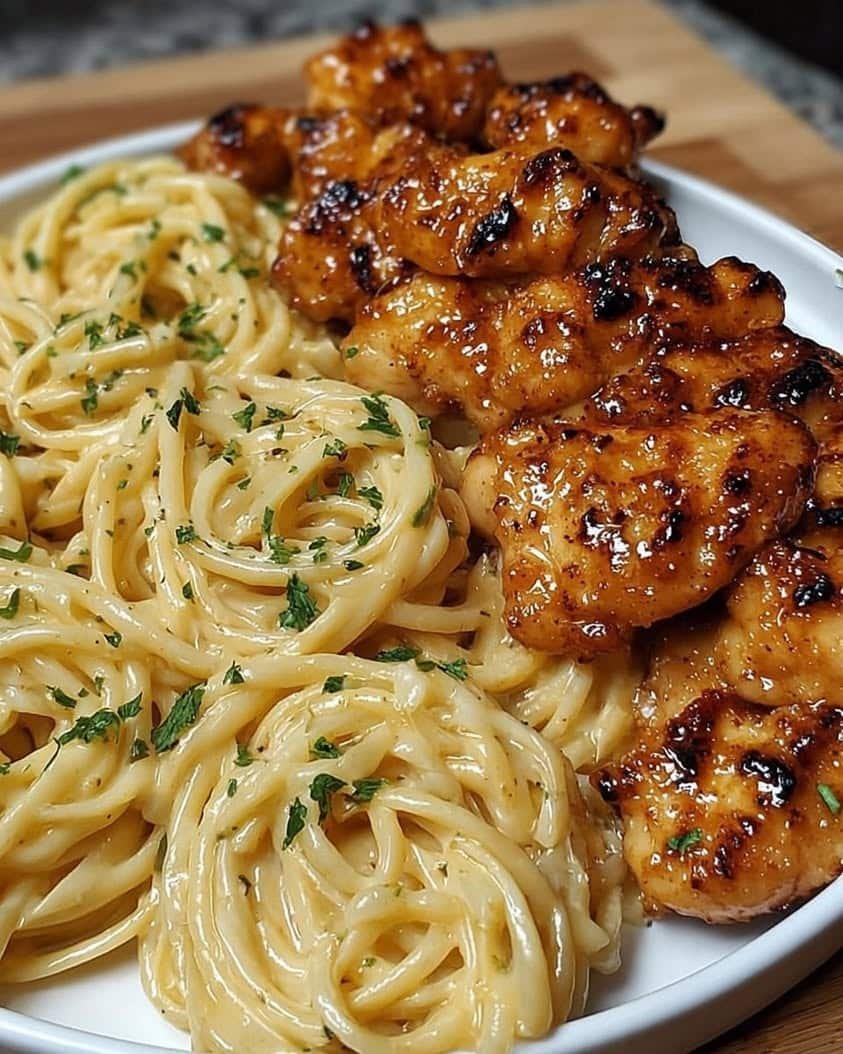
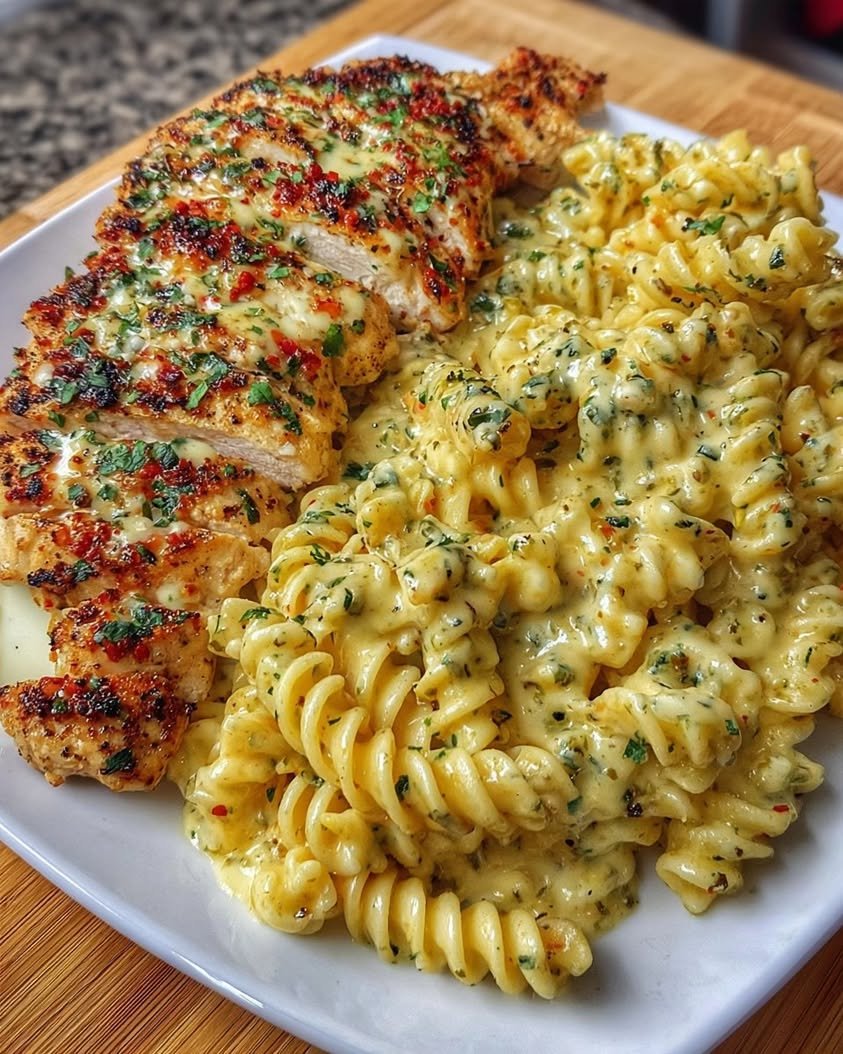
- Visual Appeal: Golden-brown chicken rests atop bright pasta spirals. A garnish of parsley and extra Parmesan adds color and rustic charm.
- Skill Level Needed: Beginner to intermediate. You need basic knife skills and the ability to manage pan heat, but no advanced techniques are required.
- Special Equipment: A large skillet or Dutch oven, a pot for pasta, tongs, and a whisk. A microplane helps grate Parmesan finely, though a box grater works too.
Recipe Overview
- Difficulty Level: Easy to moderate. The steps are straightforward, but you must avoid curdling the cream by keeping the heat moderate and stirring steadily. Most home cooks succeed on the first try.
- Category: Main course, weeknight dinner, comfort food. It works as a one-pan meal if you cook pasta separately, or as a complete entrée with a side salad.
- Cuisine: American-Italian fusion. The dish borrows from Italian Alfredo traditions but adds American twists like heavily seasoned chicken and cheesy twisted pasta shapes.
- Cost: Approximately $12 to $18 total for four servings. Chicken breasts, pasta, cream, and Parmesan make up the bulk, and pantry spices keep costs low.
- Season: Year-round. Cooler months make it especially comforting, but it works in summer with a light side salad and chilled white wine.
- Occasion: Family dinners, casual gatherings, date nights, and meal prep. It suits holidays too, though you may want to double the batch for a crowd.
Why You’ll Love This Recipe
Taste and texture appeal stand out first. The Creamy Garlic Parmesan Chicken with Cheesy Twisted Pasta combines savory seared chicken with a sauce that tastes like a labor of love. Garlic mellows as it sautés, losing its raw bite and gaining a sweet, nutty depth. Parmesan brings umami and salt, while heavy cream adds body. The twisted pasta holds sauce in its grooves, so you never get a dry bite. Every mouthful delivers creaminess, savoriness, and a touch of richness that feels indulgent without being heavy.
Convenience and preparation benefits make this dish a weeknight hero. You need one skillet for the chicken and sauce plus one pot for pasta. Many ingredients are pantry staples, and the active cooking time is only about 25 minutes. You can prep garlic and cheese ahead, and the dish reheats well for leftovers. Because the sauce comes together while the pasta boils, you save time and reduce cleanup. Busy parents and professionals appreciate that this recipe delivers homemade comfort without hours of labor.
Nutritional advantages exist despite the creamy nature of the dish. Chicken provides lean protein, and Parmesan adds calcium and protein. Garlic offers antioxidants, and you can use whole wheat or protein pasta to boost fiber. Portion control keeps calories reasonable, and you can lighten the sauce with half-and-half or evaporated milk. This recipe adapts to various dietary goals, so you do not have to sacrifice flavor for nutrition. Thoughtful swaps make it a balanced meal when paired with vegetables.
Social and entertaining value runs high. This Creamy Garlic Parmesan Chicken with Cheesy Twisted Pasta looks impressive on a platter, yet it requires no last-minute fuss. Guests love the familiar flavors, and picky eaters rarely turn it down. You can set up a garnish bar with parsley, red pepper flakes, and extra cheese. For potlucks, it travels well in a covered baking dish. Hosts appreciate that the dish holds up at room temperature for short periods, and it pairs with simple sides like garlic bread and salad.
Cost-effectiveness and accessibility seal the deal. Chicken thighs work as a budget-friendly swap for breasts, and block Parmesan costs less than pre-shredded. Pasta shapes go on sale often, and garlic and spices last for months. The recipe uses no rare ingredients, so a quick trip to any grocery store covers your list. Compared to restaurant versions that cost $18 to $25 per plate, this homemade meal feeds four for less than one entrée. That value makes it a repeat favorite.
Historical Background and Cultural Significance
The origin story of creamy garlic Parmesan chicken traces back to Italian-American kitchens in the mid-twentieth century. Italian immigrants adapted traditional Alfredo sauces to American tastes, adding more cream and cheese. Chicken became a popular protein addition in the 1970s and 1980s as boneless breasts grew widely available. The cheesy twisted pasta component reflects a later trend of using shaped pasta to capture thick sauces. Home cooks and chain restaurants popularized the combination, and it soon appeared on menus nationwide.
Cultural importance emerges through comfort food traditions. In the United States, creamy pasta dishes symbolize abundance and family gatherings. Garlic and Parmesan carry Mediterranean associations, while the creamy sauce signals indulgence. Many families pass down variations of this recipe, adding personal touches like sun-dried tomatoes or spinach. The dish also represents the melting pot of American cuisine, where Italian technique meets American convenience and portion sizes. It holds a place on holiday tables and weeknight rotations alike.
The evolution of the recipe shows how home cooking adapts to trends. Early versions relied on canned cream soups, but modern cooks prefer from-scratch sauces with real cream and cheese. The rise of food blogs and social media accelerated interest in cheesy twisted pasta shapes like cavatappi and gemelli. Restaurant chains introduced blackened chicken versions, while home cooks lightened the dish with Greek yogurt or cauliflower cream. Today, the recipe continues to evolve with air-fryer chicken and one-pan methods.
Regional variations reveal local preferences. In the South, cooks might add Cajun seasoning and andouille sausage for a spicy twist. In the Northeast, Italian-American families often include a splash of white wine and fresh basil. Midwestern versions sometimes use Velveeta for extra melt, while West Coast cooks lean toward organic ingredients and gluten-free pasta. International adaptations appear in the UK with double cream and in Australia with pumpkin additions. These variations show the recipe’s flexibility and broad appeal.
Ingredient Deep Dive
Chicken breasts serve as the protein backbone of this Creamy Garlic Parmesan Chicken with Cheesy Twisted Pasta. Historically, poultry became a staple in American diets after industrialized farming lowered prices in the twentieth century. Nutritionally, chicken offers high-quality protein, B vitamins, and selenium. Select breasts that are firm, pink, and free of odors, and look for air-chilled options for better texture. Store raw chicken in the coldest part of the fridge and cook within two days, or freeze for up to three months. Substitute thighs for juicier meat, or use firm tofu for a vegetarian version.
Chicken preparation affects the final dish significantly. Pounding breasts to even thickness ensures uniform cooking and prevents dry edges. Patting the meat dry encourages browning, which builds flavor. Season generously with salt and pepper before searing, and let the cooked chicken rest before slicing. Resting allows juices to redistribute, keeping the meat moist. If you prefer thighs, sear skin-side down for crispy texture, and adjust cooking time accordingly.
Garlic delivers the signature aroma and flavor. Cultivated for thousands of years, garlic appears in cuisines worldwide and holds cultural significance in Mediterranean and Asian cooking. It contains allicin, a compound linked to antioxidant properties. Choose firm, plump bulbs with tight papery skin, and avoid sprouting or soft cloves. Store garlic in a cool, dry place with airflow, and use within a few months. Fresh garlic outperforms jarred, but pre-minced garlic works in a pinch. Roasted garlic offers a mellower alternative for sensitive palates.
Parmesan cheese brings nutty, salty depth. Produced in Italy’s Emilia-Romagna region for centuries, Parmigiano-Reggiano carries protected status, though domestic Parmesan works well. The cheese provides protein, calcium, and umami-rich compounds. Buy a wedge and grate it fresh for the best melt and flavor. Wrap the wedge in parchment and then foil, and store it in the refrigerator for several weeks. Pecorino Romano offers a sharper substitute, while nutritional yeast provides a dairy-free option.
Heavy cream creates the luxurious sauce texture. Cream has been used in European cooking since medieval times, and its fat content stabilizes sauces and carries flavor. It supplies fat-soluble vitamins and energy, though moderation matters. Choose fresh cream with no additives, and check the date before purchasing. Keep cream refrigerated and use within a week of opening. Half-and-half or evaporated milk lighten the dish, while coconut cream offers a dairy-free alternative with a subtle sweetness.
Twisted pasta shapes like cavatappi or gemelli form the cheesy foundation. Pasta originated in Italy and spread globally, with shaped pasta gaining popularity for sauce retention. These spirals provide carbohydrates for energy and small amounts of protein and fiber. Select bronze-die pasta for rougher texture that grips sauce, and check for cracks or cloudiness. Store dry pasta in an airtight container away from moisture for up to two years. Gluten-free pasta or zucchini noodles offer alternatives for dietary needs.
Common Mistakes to Avoid
- Overcooking the chicken leads to dry, chewy meat. Sear over medium-high heat and finish in the sauce only briefly, or use an instant-read thermometer to reach 165°F.
- Burning the garlic creates bitter notes that ruin the sauce. Add garlic after the chicken and sauté for only 30 to 60 seconds until fragrant.
- Curdling the cream happens when heat is too high or the cream is cold. Temper the cream by warming it slightly and add it over low heat while stirring.
- Under-seasoning the sauce leaves the dish flat. Taste and adjust salt and pepper after adding cheese, since Parmesan varies in saltiness.
- Using pre-shredded cheese with anti-caking agents prevents smooth melting. Grate fresh Parmesan for a silky sauce.
- Rushing the pasta water seasoning results in bland pasta. Salt the water generously so it tastes like the sea.
- Crowding the pan during searing steams the chicken instead of browning it. Cook in batches if needed.
- Skipping the rest period for chicken causes juice loss. Let it rest for five minutes before slicing.
- Adding cheese over high heat causes clumping. Remove the pan from heat or lower it before stirring in cheese.
- Over-reducing the sauce makes it gluey. Aim for a consistency that coats the back of a spoon.
Essential Techniques
Mastering the sear builds flavor and texture. A proper sear creates browning through the Maillard reaction, which develops savory notes. Heat the skillet until a drop of water sizzles, add oil with a high smoke point, and lay the chicken away from you. Do not move the meat for three to four minutes so a crust forms. Flip once and cook through. Visual cues include golden-brown surfaces and released meat that moves easily. Avoid crowding and pat the chicken dry to prevent steaming.
Sauce emulsification creates a stable, creamy texture. Emulsification binds fat and liquid, and cream sauces rely on gentle heat and constant stirring. Add warm cream to the pan slowly while whisking, and keep the heat low to medium-low. Stir in cheese off the heat to prevent separation. If the sauce breaks, whisk in a tablespoon of warm cream or a splash of pasta water. Success shows as a glossy, uniform sauce that clings to the spoon without oiliness.
Pasta water integration enhances sauce adhesion. Starchy pasta water acts as a natural thickener and helps the sauce coat noodles. Reserve at least one cup before draining, and add it gradually to the sauce. The starch emulsifies with fat, creating a silky consistency. Add pasta to the sauce and toss over low heat for one minute so the noodles absorb flavor. Visual cues include a sauce that looks slightly loose but tightens as it coats the pasta.
Pro Tips for Perfect Creamy Garlic Parmesan Chicken with Cheesy Twisted Pasta
Use freshly grated Parmesan for the smoothest melt. Pre-grated cheese often contains cellulose that prevents clumping, which also blocks creamy integration. Grating a block on a microplane yields fluffy cheese that melts quickly. Add it off the heat and stir until glossy for the best results.
Reserve more pasta water than you think you need. Starchy water rescues a sauce that tightens too much and helps reheat leftovers. Keep a cup handy and add a splash at a time. This simple step prevents dryness and keeps the dish luscious.
Season the chicken at least 15 minutes before cooking. Salt draws moisture to the surface initially, then reabsorbs it, seasoning the meat deeply. Pat dry before searing to ensure browning. This small pause improves flavor and texture noticeably.
Toast the garlic gently rather than browning it aggressively. Medium-low heat with butter coaxes sweetness from garlic without bitterness. Stir constantly for 30 to 60 seconds until fragrant. The aroma should smell warm and nutty, not sharp.
Undercook the pasta by one minute before finishing it in the sauce. The noodles absorb sauce and finish cooking in the pan, which builds flavor. This technique also prevents mushy pasta when reheating. Aim for a firm bite at the one-minute-early mark.
Finish with a squeeze of lemon or a pinch of red pepper flakes. Acid cuts richness and brightens the cream, while heat adds complexity. Add lemon at the very end off the heat so the flavor stays fresh. These small touches elevate the dish from good to memorable.
Warm plates before serving to keep the dish hot longer. Creamy sauces cool quickly, and warm plates maintain temperature. A quick rinse under hot water and a towel dry does the trick. This detail matters when serving guests.
Variations and Adaptations
Regional variations offer exciting twists. Cajun cooks add blackened seasoning and andouille sausage for heat and smoke. Italian-American families stir in sun-dried tomatoes and fresh basil for brightness. Southern versions sometimes fold in pimento cheese for tang. Travel-inspired cooks use Cajun cream sauce or add pesto for a green twist. Each variation keeps the creamy garlic Parmesan chicken base while introducing local character.
Seasonal adaptations keep the dish fresh year-round. In summer, add blistered cherry tomatoes and zucchini ribbons. Autumn invites roasted squash cubes and sage. Winter calls for spinach and mushrooms for heartiness, while spring favors peas and lemon zest. Adjust cooking times for vegetables, adding quick-cooking items near the end. Seasonal produce boosts flavor and nutrition without extra effort.
Dietary modifications expand accessibility. Gluten-free pasta and a cornstarch slurry replace wheat noodles and flour. Dairy-free versions use coconut cream and nutritional yeast for creaminess and cheesy flavor. Vegan cooks swap chicken for crispy tofu or chickpeas and use plant-based Parmesan. Low-carb eaters serve the sauce over spaghetti squash or zucchini noodles. Each swap preserves the creamy garlic Parmesan chicken experience.
Flavor variations suit different moods. Add chipotle for smoky heat, or curry powder for an Indian-inspired sauce. Herbs like tarragon or dill shift the profile toward French or Scandinavian notes. A splash of white wine adds acidity and complexity. Sun-dried tomatoes bring sweet-tart intensity, while roasted red peppers offer mild sweetness. Experiment with one change at a time to find favorites.
Texture modifications address preferences. Crunchy panko topping adds contrast when broiled briefly. Toasted pine nuts or walnuts bring nutty crunch. For a lighter sauce, whisk in Greek yogurt at the end off the heat. Add sautéed mushrooms for meaty bite, or crisp prosciutto for salty crunch. These additions keep the dish interesting across repeated servings.
Presentation alternatives match any table. Serve in individual gratin dishes for elegant portions. Family-style platters encourage sharing, while bowls work for casual nights. Stuff the mixture into shells for a baked casserole, or layer it into a skillet pie with biscuit topping. Each format changes the experience while keeping the core flavors intact.
Serving and Presentation Guide
Plating techniques elevate the home dining experience. Twirl pasta with tongs into a nest and place chicken beside or atop it. Spoon sauce over the chicken so it glistens. Use a wide, shallow bowl to contain the sauce and showcase the spirals. Keep the rim clean for a polished look, and serve immediately so the sauce stays glossy.
Garnishing ideas add color and freshness. Chopped parsley offers bright green contrast, while grated Parmesan adds snowy texture. Red pepper flakes provide color and a hint of heat. Microplane lemon zest adds yellow specks and aroma. Toasted breadcrumbs bring crunch, and fresh basil leaves lend a classic Italian touch.
Traditional accompaniments round out the meal. Garlic bread suits the creamy sauce, and a crisp Caesar salad balances richness. Steamed broccoli or green beans add color and nutrition. Roasted asparagus with lemon pairs beautifully in spring. Keep sides simple so the main dish shines.
Modern serving suggestions fit contemporary tastes. A charred lemon half adds smoky acidity. Serve with a drizzle of chili crisp for adventurous eaters. Pickled red onions bring tang and pink color. A sprinkle of toasted hazelnuts adds elegance. These touches modernize the classic without overwhelming it.
Temperature considerations matter for creamy dishes. Serve hot, but avoid boiling the sauce at the table. Warm the serving vessel and keep the dish covered loosely to retain heat. If the sauce thickens, stir in a splash of warm pasta water. Cold leftovers taste fine but lose the silky texture, so reheat gently.
Portion control tips help manage richness. A typical serving includes one chicken breast or two thighs with about one cup of pasta. Pair with a large salad to fill the plate without extra calories. Offer extra sauce on the side for those who want it. This approach keeps the meal balanced and satisfying.
Wine and Beverage Pairing
Wine pairings enhance the creamy garlic Parmesan chicken experience. A medium-bodied Chardonnay offers buttery notes that match the cream sauce. Unoaked Chardonnay provides crisp acidity to cut richness. Sauvignon Blanc brings citrus and herbal notes that cleanse the palate. Pinot Grigio offers light fruit and acidity. For red lovers, a light Pinot Noir works without overpowering the sauce.
Non-alcoholic alternatives suit all guests. Sparkling water with lemon cleanses the palate between bites. Iced tea with a slice of peach adds subtle sweetness. A virgin mojito brings minty freshness. Apple cider offers autumnal warmth, while grape juice spritzers provide fruity acidity. These options pair well without alcohol.
Coffee and tea pairings work for lunch or brunch versions. A mild black tea like English Breakfast complements the sauce without competing. Green tea offers a clean finish. Cold brew coffee with cream echoes the creamy notes, while an Americano provides contrast. Herbal teas like chamomile soothe after a rich meal.
Temperature considerations affect enjoyment. Serve white wine well-chilled but not icy, around 45 to 50°F. Reds taste best slightly below room temperature at 55 to 60°F. Sparkling beverages should be cold for maximum refreshment. For coffee and tea, serve hot but not scalding to preserve aromas.
Serving suggestions tie the beverage to the meal. Offer water glasses alongside wine to keep guests hydrated. Provide a small pitcher of sparkling water with lemon for self-service. For coffee, offer cream and sugar on the side. These details make the meal feel complete and considered.
Storage and Shelf Life
Storage methods preserve flavor and texture. Cool leftovers within two hours and transfer to shallow airtight containers. Separate pasta and chicken if possible, though mixed storage works for short periods. Press plastic wrap against the surface to reduce oxidation. Label containers with the date for easy tracking.
Temperature requirements keep food safe. Refrigerate at or below 40°F and consume within three to four days. Do not leave the dish at room temperature for more than two hours. Reheat to 165°F throughout before serving. These practices reduce the risk of foodborne illness.
Container recommendations improve results. Glass containers resist staining and odors, while BPA-free plastic works for short-term storage. Use smaller containers to cool food faster. For freezing, choose freezer-safe bags or rigid containers with headspace for expansion. Avoid aluminum foil for acidic sauces.
Signs of spoilage help you decide when to discard. Sour smells, slimy textures, or mold indicate spoilage. Cream sauces may separate after several days, which is a quality issue rather than a safety concern. When in doubt, throw it out. Proper storage extends freshness but does not make food last indefinitely.
Reheating instructions preserve creaminess. Reheat gently on the stovetop over low heat with a splash of milk or pasta water. Stir frequently to prevent scorching. Microwave in short intervals at 50% power, stirring between bursts. Avoid boiling, which can break the sauce and toughen chicken.
Freezing guidelines extend storage life. Freeze portions in airtight containers for up to two months. Thaw overnight in the refrigerator for best texture. Reheat gently and add fresh pasta water or cream to restore consistency. Note that pasta may soften after freezing, so al dente cooking before freezing helps.
Make Ahead Strategies
Prep timeline planning saves weeknight stress. Grate cheese, mince garlic, and trim chicken up to two days ahead. Store each component separately in the refrigerator. Cook pasta and toss with a little oil to prevent sticking, then refrigerate for up to two days. This prep cuts active cooking time nearly in half.
Storage between steps keeps ingredients fresh. Keep raw chicken in a sealed container below ready-to-eat items. Store grated cheese in a covered container with a paper towel to absorb moisture. Minced garlic keeps for a day or two in a small jar. Label everything with dates to track freshness.
Quality impact assessment guides make-ahead choices. Sauces made ahead may thicken and need loosening with pasta water. Chicken stays juicy if not overcooked initially. Pasta absorbs sauce over time, so store it separately for best results. Vegetables added fresh at serving retain texture.
Assembly tips streamline the final cook. Reheat sauce gently, then add pasta and toss. Slice chicken and nestle it into the pasta. Add fresh herbs and cheese at the end. This sequence keeps textures and flavors at their peak.
Reheating guidelines ensure a delicious second meal. Warm the sauce before adding pasta to prevent dryness. Add pasta water as needed to loosen. Reheat chicken separately if possible to avoid overcooking. Finish with a drizzle of cream or a pat of butter for freshness.
Fresh element additions revive leftovers. Add cherry tomatoes, spinach, or peas during reheating for color and texture. A squeeze of lemon brightens the sauce. Fresh basil or parsley restores aroma. These small additions make leftovers taste new.
Scaling Instructions
Halving the recipe suits smaller households. Use one large chicken breast and half the pasta. Reduce sauce ingredients by half, but keep garlic generous for flavor. Cooking time stays similar for chicken, though pasta boils faster in less water. Use a smaller skillet to maintain sauce depth.
Doubling or tripling serves crowds. Cook chicken in batches to avoid crowding the pan. Use a large Dutch oven for the sauce and a stockpot for pasta. Increase garlic and seasoning proportionally, but taste as you go. Keep sauce warm while cooking additional batches.
Equipment adjustments prevent bottlenecks. A wide skillet speeds evaporation for larger batches. Use two pots for pasta if needed. Warm serving dishes keep large quantities hot. A second pair of hands helps with plating.
Timing modifications keep everything hot. Cook pasta in batches and toss with oil to hold. Sear chicken ahead and reheat gently in sauce. Prepare sauce base and add cream at the end. These steps coordinate a larger meal without stress.
Storage considerations for scaled batches require planning. Divide leftovers into meal-sized portions for faster cooling. Use freezer bags for flat, stackable storage. Share with neighbors or freeze for later weeks. Label and date everything clearly.
Nutritional Deep Dive
Macro breakdown helps with meal planning. A serving of creamy garlic Parmesan chicken with cheesy twisted pasta provides roughly 600 to 700 calories, 40 grams of protein, 45 grams of carbohydrates, and 30 grams of fat. These numbers vary with portion size and specific ingredients. Protein supports muscle maintenance, carbs fuel activity, and fats aid satiety. Adjust portions to match your goals.
Micronutrient analysis reveals valuable vitamins and minerals. Chicken supplies B6, B12, niacin, and selenium. Parmesan adds calcium, phosphorus, and vitamin A. Garlic contributes manganese and vitamin C. Pasta offers iron and folate, especially if enriched. This combination supports energy metabolism and bone health.
Health benefits come from balanced ingredients. Protein and fat promote fullness, reducing overeating. Garlic offers antioxidant compounds. Calcium supports bone health. Pairing with vegetables boosts fiber and vitamins. Moderation keeps the dish part of a healthy pattern rather than an occasional indulgence.
Dietary considerations matter for various needs. Those watching sodium should reduce added salt and choose lower-sodium cheese. Lactose-sensitive diners may tolerate Parmesan better than milk but should test tolerance. Gluten-free pasta suits celiac needs. Portion awareness helps manage calorie intake.
Portion analysis guides serving sizes. A standard portion includes 4 to 5 ounces of chicken and 1 cup of cooked pasta. Restaurant portions often double this, so home cooking supports better control. Serve with a large salad or steamed vegetables to fill the plate with nutrients. This strategy balances richness and volume.
Weight management tips keep the dish in a healthy rotation. Use half-and-half instead of heavy cream to cut fat. Add extra vegetables to increase volume and fiber. Choose whole wheat pasta for more fiber and slower digestion. Measure cheese rather than eyeballing to control calories. These tweaks preserve flavor while supporting goals.
Dietary Adaptations
Gluten-free adaptations require simple swaps. Use gluten-free pasta shapes like brown rice cavatappi or lentil rotini. Ensure all packaged ingredients, including broth and spices, lack gluten. Thicken sauce with cornstarch instead of flour if needed. Check labels on Parmesan, though most hard cheeses are naturally gluten-free.
Dairy-free versions rely on plant-based alternatives. Coconut cream replaces heavy cream, and nutritional yeast or vegan Parmesan substitutes for cheese. Use olive oil instead of butter. Cashew cream offers richness and blends smoothly. Taste and adjust salt and nutritional yeast for cheesy flavor.
Vegan adaptations replace animal products entirely. Use firm tofu or chickpeas instead of chicken, and plant-based cream and cheese. Season tofu well and sear for texture. Nutritional yeast adds umami. This version satisfies plant-based eaters while keeping the creamy garlic profile.
Low-carb modifications focus on reducing starch. Serve the sauce and chicken over zucchini noodles, spaghetti squash, or roasted vegetables. Use xanthan gum or cream cheese to thicken sauce without flour. Keep portions of lower-carb pasta alternatives in check. These swaps cut carbs while preserving richness.
Keto adaptations align with high-fat, low-carb goals. Use zoodles or shirataki noodles, and choose heavy cream and full-fat cheese. Cook chicken in butter or olive oil. Avoid flour thickeners and sugary ingredients. Monitor portions to stay within carb limits.
Paleo adaptations avoid grains and dairy. Use cauliflower rice or spiralized vegetables instead of pasta. Replace cream with coconut milk and cheese with nutritional yeast. Choose ghee or olive oil for cooking. This version suits paleo eaters with a few compromises in texture.
Low-FODMAP adaptations help sensitive digesters. Garlic causes issues for some, so use garlic-infused oil for flavor. Choose lactose-free dairy or hard cheeses low in lactose. Use gluten-free pasta. Avoid onion powder and high-FODMAP vegetables. These changes reduce digestive discomfort.
Troubleshooting Guide
Texture issues often stem from heat management. If sauce turns grainy, it likely overheated after cheese addition. Remove from heat and whisk in warm cream. If pasta turns mushy, cook one minute less and finish in sauce. For dry chicken, reduce sear time and rest before slicing. These fixes restore proper texture.
Flavor balance requires tasting throughout cooking. If the sauce tastes flat, add salt and a squeeze of lemon. If too salty, dilute with unsalted cream or pasta water. If garlic is overpowering, add more cream and cheese. If bland, boost Parmesan and black pepper. Adjust gradually and taste often.
Temperature problems affect sauce stability. Cold cream added to a hot pan can curdle, so warm it first. High heat breaks sauces, so keep it low after adding cream. If the dish cools too fast, warm plates and serve promptly. These habits prevent common temperature pitfalls.
Equipment challenges arise with uneven pans. Thin pans create hot spots that burn garlic or scorch cream. Use heavy-bottomed cookware for even heat. If your skillet is small, cook chicken in batches. A sturdy pot for pasta prevents boil-overs. Match tools to tasks for better results.
Ingredient substitutions can change results. Pre-shredded cheese may not melt smoothly, so grate fresh. Low-fat cream may curdle, so use half-and-half instead. Dried herbs lose potency, so use fresh when possible. Taste and adjust when substituting to maintain balance.
Timing concerns arise when components finish unevenly. Start pasta water before searing chicken so both finish together. Prepare garnishes while chicken rests. Keep sauce warm on low heat if pasta lags. A simple timeline keeps the meal synchronized.
Recipe Success Stories
Community feedback highlights consistent praise for flavor and ease. Readers report making the dish weekly and receiving requests for the recipe. Many appreciate that the sauce works with pantry staples. Others mention that picky children clean their plates. These stories show the recipe’s broad appeal across ages and skill levels.
Variation successes include Cajun seasoning and sun-dried tomato additions. One reader swapped in shrimp and reported excellent results. Another used gluten-free pasta for a family member with celiac disease. A home cook added roasted red peppers for color and sweetness. These adaptations inspire others to experiment.
Adaptation stories reveal creative problem-solving. A busy parent prepped components on Sunday and assembled on Wednesday. A college student made the dish in a dorm kitchen with a hot plate. A grandmother lightened the sauce with evaporated milk for health reasons. Each story shows the recipe’s flexibility.
Reader suggestions improve the recipe over time. Some recommend adding a pinch of nutmeg to the cream sauce. Others suggest finishing with fresh basil and lemon zest. A few readers use chicken broth to deglaze the pan for extra flavor. These ideas enrich the community’s cooking experience.
Photography tips help readers share beautiful results. Natural light from a window flatters creamy sauces. Garnish with bright herbs for contrast. Use a shallow bowl to show texture. Wipe the rim for a clean look. These simple tips elevate home food photography.
Frequently Asked Questions
Can I use chicken thighs instead of breasts? Yes, boneless skinless thighs work beautifully and stay juicy. Sear them a bit longer than breasts, and slice before serving. Thighs add richness and tolerate longer simmering. Adjust cooking time to reach 165°F.
How do I prevent the cream sauce from curdling? Keep heat low after adding cream and stir constantly. Warm the cream slightly before adding. Add cheese off the heat. If curdling occurs, whisk in warm cream to smooth the sauce.
Can I make this dish dairy-free? Yes, use coconut cream and dairy-free Parmesan alternatives. Nutritional yeast adds cheesy flavor. Use olive oil instead of butter. Taste and adjust seasoning for balance.
What pasta shapes work best? Cavatappi, gemelli, fusilli, and rotini trap sauce well. Their twists and grooves hold creamy sauces. Penne works in a pinch. Choose bronze-die pasta for better sauce adhesion.
How long do leftovers last? Store in the refrigerator for three to four days in airtight containers. Reheat gently with a splash of milk or pasta water. Freeze for up to two months for longer storage.
Can I add vegetables? Yes, add spinach, peas, broccoli, or mushrooms. Sauté firm vegetables before adding cream, and stir in tender greens at the end. Vegetables add color, texture, and nutrition.
Is this recipe spicy? No, it is mild and creamy. Add red pepper flakes or cayenne for heat. Adjust spice level to taste. The base recipe suits children and sensitive palates.
Can I use pre-shredded Parmesan? It works in a pinch but may not melt smoothly due to anti-caking agents. Freshly grated Parmesan yields the best texture and flavor. If using pre-shredded, add off heat and stir gently.
How do I reheat without drying out the chicken? Reheat gently over low heat with sauce and a splash of liquid. Microwave at 50% power in short bursts. Avoid high heat, which toughens meat. Add fresh cream or pasta water to restore consistency.
Can I freeze this dish? Yes, freeze portions in airtight containers for up to two months. Thaw overnight in the refrigerator. Reheat gently and add liquid to restore sauce. Pasta may soften, so cook al dente before freezing.
What sides pair well? Garlic bread, Caesar salad, steamed broccoli, and roasted asparagus work well. A light side balances the richness. Choose simple preparations to let the main dish shine.
Can I make it ahead for a party? Yes, prepare sauce and chicken ahead, then reheat and combine with fresh pasta. Keep components separate until serving for best texture. Garnish with fresh herbs just before serving.
Additional Resources
Related recipes expand your repertoire. Try chicken Alfredo with broccoli for a vegetable-forward version. Shrimp scampi offers a lighter garlic butter alternative. Baked ziti provides a cheesy pasta option for crowds. Each recipe shares techniques with this dish, helping you build confidence.
Technique guides deepen your skills. Learn to make a roux for thickened sauces without cream. Study pasta cooking for perfect al dente results. Explore searing science for better browning. These guides improve all Print
Creamy Garlic Parmesan Chicken with Cheesy Twisted Pasta
- Total Time: 45 minutes
- Yield: 4
Description
Tender chicken breasts smothered in a rich garlic parmesan cream sauce, served over cheesy twisted pasta for a comforting and satisfying meal.
Ingredients
- 2 boneless, skinless chicken breasts
- Salt and pepper to taste
- 2 tablespoons olive oil
- 4 cloves garlic, minced
- 1 cup heavy cream
- 1/2 cup grated Parmesan cheese
- 1/2 cup chicken broth
- 8 oz twisted pasta (such as rotini or fusilli)
- 1 cup shredded mozzarella cheese
- 1/4 cup grated Parmesan cheese (for pasta)
- 2 tablespoons butter
- Fresh parsley, chopped (for garnish)
Instructions
- Season chicken breasts with salt and pepper. Heat olive oil in a large skillet over medium-high heat. Cook chicken until golden brown and cooked through, about 5-6 minutes per side. Remove and set aside.
- In the same skillet, reduce heat to medium. Add minced garlic and sauté for 1 minute until fragrant. Pour in chicken broth and scrape up any browned bits. Add heavy cream and Parmesan cheese, stirring until cheese melts and sauce thickens slightly.
- Meanwhile, cook pasta according to package directions. Drain and return to pot. Add butter, mozzarella cheese, and Parmesan cheese, tossing until cheese melts and coats pasta.
- Slice chicken and serve over cheesy twisted pasta. Drizzle with garlic parmesan sauce and garnish with fresh parsley.
Notes
You can customize the seasonings to taste.
- Prep Time: 15 minutes
- Cook Time: 30 minutes
- Method: Main
- Cuisine: American