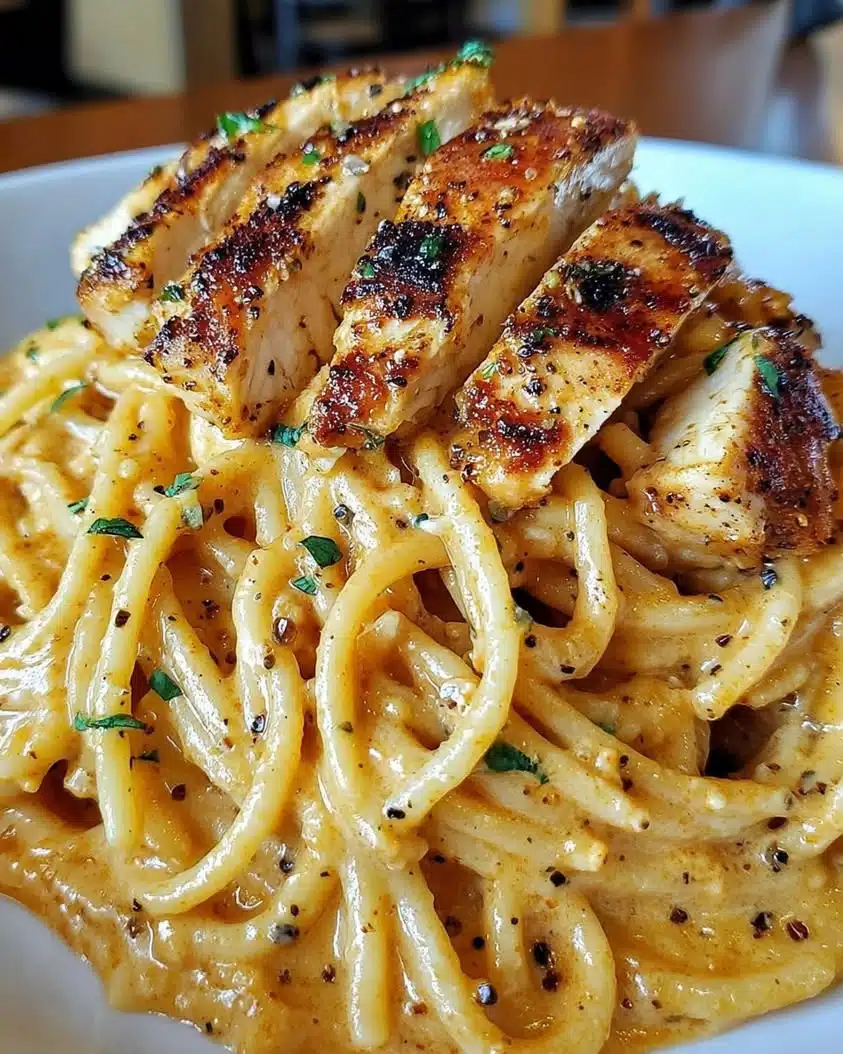
Creamy Cajun Chicken Linguine with Garlic Parmesan Sauce: A Weeknight Dinner That Tastes Like a Restaurant Splurge
If you have been searching for a dinner that feels indulgent but comes together on a busy Tuesday, this creamy Cajun chicken linguine with garlic parmesan sauce is exactly what your kitchen needs. This recipe combines smoky, spicy Cajun-seasoned chicken with silky linguine tossed in a rich garlic parmesan cream sauce, and the whole thing lands on the table in about 40 minutes. The creamy Cajun chicken linguine with garlic parmesan sauce delivers bold Louisiana-inspired flavor without requiring a culinary degree. Furthermore, the ingredient list stays short and supermarket-friendly, so you can shop once and cook with confidence. Whether you are feeding a hungry family or impressing guests on a cozy date night, this dish delivers restaurant-quality results at home. Keep reading, because every step, tip, and variation you need lives right here.
The first time you twirl a fork through this creamy Cajun chicken linguine with garlic parmesan sauce, you will notice the contrast immediately. The Cajun spice crust on the seared chicken gives way to tender, juicy meat, and then the garlic parmesan cream sauce coats every strand of pasta with a glossy velvety finish. In addition, the aroma of garlic, smoked paprika, and cayenne fills the kitchen long before the dish hits the table. That scent alone makes people wander into the kitchen asking what is cooking. Because the recipe uses one skillet and one pasta pot, cleanup stays manageable even on the busiest evenings.
What makes this recipe genuinely special is its balance. Many creamy pasta dishes taste heavy or flat, yet this one stays lively because the Cajun seasoning cuts through the richness. Meanwhile, the parmesan adds a nutty, savory depth that elevates the sauce beyond simple cream. You get spice, smoke, garlic, and cheese in every single bite. Furthermore, the chicken adds lean protein that turns the pasta into a complete meal rather than a side dish. As a result, families with picky eaters can dial the spice up or down with one simple adjustment. Simply put, this dish earns a permanent spot in your weeknight rotation.
Quick Recipe Highlights
- Flavor Profile: Smoky, spicy, and garlicky with a rich parmesan finish. The Cajun seasoning brings warmth and depth while the cream sauce softens the heat into something balanced and craveable.
- Texture: Juicy seared chicken against tender linguine in a thick, silky sauce. The pasta clings to every drop of cream, and the chicken keeps a satisfying bite.
- Aroma: Garlic and smoked paprika dominate the kitchen as the chicken sears. Then, the parmesan melts into the cream and adds a nutty, savory note that makes mouths water.
- Visual Appeal: Golden-seared chicken slices over pale golden pasta with flecks of red pepper and green parsley. The sauce glistens and makes the dish look far more complicated than it truly is.
- Skill Level Needed: Beginner to intermediate cooks can handle this recipe with ease. If you can boil pasta and sear chicken, you can master this dish on the first try.
- Special Equipment: A large skillet or braiser plus a stockpot for the pasta covers everything. A pair of tongs and a good whisk round out the tools you need.
Recipe Overview
- Difficulty Level: We rate this recipe easy because every step uses basic techniques. Searing, simmering, and tossing pasta require no advanced skills. The sauce comes together in minutes, and the entire process follows a logical flow from pot to skillet to plate.
- Category: This dish works as a main course for dinner and doubles as a crowd-pleasing potluck contribution. It also fits nicely into meal prep rotation because it reheats beautifully.
- Cuisine: Cajun cooking originated in Louisiana among Acadian settlers and blends French, West African, and Native American influences. This recipe pairs those bold Cajun flavors with Italian pasta traditions, creating a beloved Cajun-Italian fusion. The combination reflects modern American home cooking at its most creative.
- Cost: A pound of chicken breast, a box of linguine, parmesan, cream, and pantry spices total roughly $12 to $16 for four servings. Budget-friendly chicken thighs push the cost even lower. Compared with restaurant pasta at $20 or more per plate, this recipe saves real money.
- Season: This dish shines year-round, yet it feels especially welcome in fall and winter when comfort food cravings hit. In summer, pair it with a crisp salad and grilled vegetables to lighten the meal.
- Occasion: Weeknight dinners, family gatherings, date nights at home, and even holiday buffets all suit this recipe. It looks impressive enough for guests and easy enough for a random Tuesday.
Why You’ll Love This Recipe
First and foremost, the taste and texture deliver pure comfort with a kick. The seared chicken carries a smoky, peppery crust, and the cream sauce wraps around each strand of linguine like a warm blanket. In addition, the parmesan melts into the cream and creates a savory depth that keeps you coming back for one more bite. Every forkful balances richness with heat, so the dish never feels monotonous. Because the sauce clings so well, the texture stays satisfying from the first bite to the last. You will notice that even leftovers taste just as creamy the next day.
Convenience ranks high as well, because this recipe uses one skillet and one pot. You sear the chicken while the pasta boils, and the sauce comes together in the same pan that cooked the chicken. As a result, you absorb all those browned bits and caramelized flavors into the cream. Furthermore, the whole meal takes only 40 minutes from start to finish. That timeline beats takeout on a busy evening. Since most ingredients live in your pantry already, you can decide to cook this dish on a whim without a special shopping trip.
Nutritionally, the recipe brings genuine benefits alongside its indulgence. Chicken breast supplies lean protein that supports muscle maintenance and keeps you full. Meanwhile, parmesan contributes calcium and a concentrated savory punch, so a little goes a long way. You control the cream quantity, and many readers lighten the sauce with milk or evaporated milk without losing much richness. Because you cook from scratch, you avoid the sodium and preservatives found in jarred sauces. Therefore, you can enjoy a creamy pasta dinner while still eating mindfully.
Socially, this dish earns raves at gatherings because it looks and smells spectacular. Serve it in the skillet at the center of the table, and watch guests reach for seconds. In addition, the recipe scales easily, so you can feed a crowd without doubling your effort. The mild heat suits most palates, and you can offer extra Cajun seasoning on the side for heat lovers. Consequently, it works for mixed groups with different spice preferences. Hosts love that the dish holds well on a buffet line without drying out.
Finally, cost-effectiveness makes this creamy Cajun chicken linguine a budget hero. Chicken, pasta, and dairy cost far less than steak or seafood, yet the result feels celebratory. Because the Cajun seasoning comes from pantry spices, you spend pennies on the flavor base. Additionally, the recipe stretches four generous servings from one pound of chicken. Families on tight budgets can enjoy restaurant-style food at home. That combination of affordability and wow factor makes this recipe a keeper for years to come.
Historical Background and Cultural Significance
Cajun cuisine traces its roots to the 18th century, when French Acadian exiles settled in southern Louisiana. These settlers adapted French cooking techniques to local ingredients like peppers, onions, and celery, which form the foundation of Cajun cooking known as the holy trinity. Over generations, the cuisine absorbed West African, Spanish, and Native American influences. Consequently, Cajun food developed into a robust, resourceful style built on bold seasoning and one-pot cooking. Dishes like jambalaya and gumbo became cultural icons of the region.
Cajun seasoning itself represents a blend of paprika, cayenne, garlic powder, onion powder, oregano, and thyme. Cooks in Louisiana households mixed these spices to season everything from seafood to poultry. The blend spread beyond Louisiana as packaged versions hit grocery shelves nationwide. Today, Cajun seasoning symbolizes the vibrant food culture of south Louisiana. Furthermore, it carries the resourcefulness of cooks who made humble ingredients taste extraordinary.
This creamy Cajun chicken linguine with garlic parmesan sauce represents a modern evolution, blending Louisiana spice with Italian pasta tradition. Cajun-Italian fusion emerged naturally in American kitchens, where cooks borrow freely from multiple traditions. The creamy garlic parmesan sauce nods to Italian-American alfredo, while the spiced chicken honors Cajun roots. As a result, the dish tells a story about how American cooking remixes cultures into something new.
Regional variations abound, from Louisiana versions that add andouille sausage to Midwest versions that lean heavier on cream. Some cooks finish the sauce with a splash of white wine, while others use chicken broth for a lighter profile. In the South, you might see this dish finished with green onions instead of parsley. Meanwhile, coastal cooks sometimes swap the chicken for shrimp and create a seafood twist. Therefore, the recipe adapts to local tastes while keeping its Cajun soul intact.
Ingredient Deep Dive
Chicken breast serves as the protein backbone of this dish, though thighs work beautifully too. Historically, chicken has anchored Southern cooking for centuries because it was affordable and versatile. Nutritionally, breast meat delivers lean protein with minimal fat, supporting muscle health and satiety. When selecting chicken, look for firm, pink flesh without visible bruising or odor. Store raw chicken in the coldest part of your fridge and cook within two days of purchase. For substitutions, thighs offer more juiciness, while tofu or chickpeas create a vegetarian version.
Linguine, the long flat pasta, holds cream sauces exceptionally well because of its broad surface. This pasta originated in Genoa and Liguria, where it traditionally paired with pesto. Its flat shape gives sauce plenty of real estate to cling to, so every strand carries flavor. Select a bronze-die-cut linguine for a rougher texture that grips sauce even better. Store dry pasta in a cool, dry pantry for up to two years. Gluten-free linguine substitutes seamlessly, and fettuccine or spaghetti work in a pinch.
Cajun seasoning brings the signature smoky heat to the chicken. This spice blend reflects Louisiana’s resourceful cooking heritage, where cooks built flavor from pantry staples. The paprika delivers smoke, the cayenne brings heat, and the garlic and onion powders add savory depth. Purchase a blend with recognizable ingredients, or mix your own from individual spices for control. Keep the blend in an airtight jar away from heat and light for six months. If you avoid heat, halve the cayenne or use a mild paprika-forward blend.
Heavy cream creates the luxurious body of the garlic parmesan sauce. Cream has enriched sauces across European cuisines for centuries, and it remains the gold standard for silkiness. It supplies fat-soluble vitamins and a rich mouthfeel, though it carries significant calories. Choose fresh cream with a clean smell, and check the date before buying. Store cream in the refrigerator and use within a week of opening. For lighter options, evaporated milk or half-and-half thicken sauces with less fat.
Parmesan cheese delivers the nutty, savory backbone of the sauce. This Italian hard cheese has aged for centuries in the Emilia-Romagna region and remains a symbol of Italian craftsmanship. Parmesan packs concentrated protein, calcium, and umami in every ounce. Buy a wedge and grate it fresh, because pre-grated cheese often contains anti-caking agents that prevent smooth melting. Wrap the wedge tightly and refrigerate for weeks, or freeze rinds for soup. Pecorino Romano substitutes boldly, and nutritional yeast creates a dairy-free option.
Garlic, the aromatic heart of the sauce, has flavored human cooking for more than 5,000 years. Cultures from Egypt to Rome prized garlic for both flavor and medicinal properties. Modern science links garlic compounds to antioxidant and cardiovascular benefits. Select firm, tight-skinned heads without sprouts, and store them in a cool, dry spot with airflow. Fresh minced garlic beats jarred versions in flavor intensity. In a rush, garlic paste works, and roasted garlic mellows the bite for sensitive palates.
Common Mistakes to Avoid
- Overcooking the chicken until it turns dry and stringy. Sear it to 165 degrees internal temperature and let it rest before slicing, because carryover heat finishes the job.
- Adding cold cream to a hot skillet and curdling the sauce. Temper the cream by warming it slightly or lowering the heat before pouring it in.
- Skipping the deglaze step and losing all the browned flavor. Scrape those stuck bits with a splash of broth, because they form the flavor foundation of the sauce.
- Boiling the pasta without salting the water, which leaves the noodles bland. Season the water generously so the pasta tastes seasoned from the inside out.
- Draining the pasta dry and losing the starchy water. Reserve a cup of pasta water, because it emulsifies the sauce and helps it cling.
- Burning the garlic by adding it too early over high heat. Add garlic after the chicken comes out and lower the heat so it turns golden without scorching.
- Using pre-grated parmesan that clumps in the sauce. Grate fresh cheese, because it melts smoothly and tastes far superior.
- Adding all the Cajun seasoning to the sauce instead of the chicken. Season the chicken directly so the crust carries the spice and the sauce stays balanced.
- Serving immediately without resting the sauce. Give the sauce a minute off heat so it thickens and coats the pasta properly.
- Doubling the recipe in a skillet that is too small. Use a wide pan so the chicken sears instead of steaming, and cook in batches if needed.
Essential Techniques
Searing chicken properly builds the flavor foundation of the entire dish. High heat creates browning through the Maillard reaction, which develops hundreds of savory compounds. Master it by patting the chicken dry, seasoning generously, and heating the oil until it shimmers. Then place the chicken without moving it for several minutes. You will know it is ready to flip when the edges turn opaque and the surface releases easily from the pan. Avoid crowding the skillet, because steam trapped between pieces prevents browning.
Deglazing transforms pan drippings into sauce gold. The browned bits stuck to the skillet hold concentrated flavor, and liquid lifts them into the sauce. Master it by pouring broth or wine into the hot pan and scraping with a wooden spoon while the liquid bubbles. The liquid should turn cloudy with flavor within seconds. Common pitfalls include using too little liquid or skipping the scrape entirely. Visual cues for success include a clean pan bottom and a fragrant, slightly thickened liquid layer.
Emulsifying the cream sauce creates that glossy, clingy texture everyone loves. Emulsification happens when fat and liquid bind together, and pasta water starches help achieve it. Master it by adding warm cream gradually, whisking constantly, and finishing with pasta water as you toss. The sauce should coat the back of a spoon and drip slowly. Pitfalls include boiling the sauce after the cheese goes in, which can break the emulsion. Success shows as a smooth, uniform sauce with no visible fat pooling.
Timing pasta and sauce tests home cooks, yet the fix is simple. Start the pasta water before the chicken so both finish together. Cook linguine one minute shy of the package time, then finish it in the sauce for that final minute. This technique lets the pasta absorb sauce and thicken the mixture naturally. Common pitfalls include overcooking the pasta or letting it sit drained while the sauce lags. Visual cues include a sauce that clings to each strand and a pasta texture with a slight bite at the center.
Pro Tips for Perfect Creamy Cajun Chicken Linguine with Garlic Parmesan Sauce
- Pat the chicken completely dry before seasoning. Moisture blocks browning, and dry surfaces sear into that golden, flavorful crust you want.
- Make your own Cajun blend with smoked paprika, cayenne, garlic powder, and thyme. Fresh-blended spices taste brighter and let you control the heat level.
- Reserve a full cup of pasta water even if you think you will not need it. The starchy liquid rescues a sauce that tightens up and helps it cling beautifully.
- Grate the parmesan on a microplane for fast, fluffy melting. Fine shreds incorporate into the cream without clumping.
- Toast the Cajun spices in the skillet for 30 seconds before adding liquid. This quick toast blooms the spices and deepens their flavor dramatically.
- Rest the chicken for five minutes before slicing. Juices redistribute, and the slices stay moist instead of leaking onto the plate.
- Warm the cream before adding it to the pan. Cold cream can shock a hot sauce and cause separation, while warm cream blends smoothly.
- Finish with a squeeze of lemon or a splash of pasta water right before serving. Acid and starch brighten the sauce and keep it from tasting flat.
Variations and Adaptations
Regional variations celebrate local ingredients and traditions. Louisiana cooks often add sliced andouille sausage alongside the chicken for extra smoke and spice. Coastal versions swap chicken for shrimp and fold them in at the end so they stay tender. Meanwhile, some Southern cooks finish the dish with green onions and a dash of hot sauce at the table. Each region puts its own stamp on the same creamy Cajun chicken linguine framework, and every version tastes delicious.
Seasonal adaptations keep the dish fresh all year. In summer, fold in blistered cherry tomatoes and fresh basil for brightness. During fall, roasted mushrooms and thyme deepen the earthy notes. Winter calls for extra cream and a sprinkle of smoked gouda for maximum comfort. In spring, peas and asparagus add color and a vegetal lift. Therefore, the recipe never grows stale, because the seasons suggest new additions.
Dietary modifications make the dish accessible to nearly everyone. Gluten-free pasta works perfectly, and the sauce needs no changes. For dairy-free versions, coconut cream plus nutritional yeast mimics the richness of parmesan cream surprisingly well. Vegan cooks replace chicken with crispy chickpeas or breaded cauliflower. Lower-carb eaters serve the sauce over zucchini noodles or spaghetti squash. Each adaptation keeps the Cajun garlic parmesan essence alive.
Flavor variations let you customize the spice profile. Add smoked sausage for a meatier, smokier bowl. Stir in sun-dried tomatoes for tangy sweetness, or add roasted red peppers for color. A splash of white wine in the deglaze step adds sophistication. For extra heat, finish with red pepper flakes or a dash of hot sauce. These tweaks let you reinvent the dish without starting from scratch.
Texture modifications address different preferences. Some cooks like a thinner sauce and add extra broth, while others prefer a thick, almost cheesy sauce with extra parmesan. Crunchy toppings like toasted breadcrumbs or crispy onions add contrast. A drizzle of olive oil at the end adds shine and richness. Each texture adjustment is simple yet changes the eating experience.
Presentation alternatives suit any table. Serve the pasta in shallow bowls for a bistro feel, or pile it on a platter for family-style sharing. Individual gratin dishes broiled with extra cheese create a baked version. Meal-prep containers keep portions ready for the week. The dish looks beautiful in every format, and each presentation suits a different occasion.
Serving and Presentation Guide
Plating techniques elevate this creamy Cajun chicken linguine from weeknight food to dinner-party fare. Twirl the pasta with tongs and nest it in the center of a warm bowl. Fan the sliced chicken over the top so the Cajun crust shows. Spoon a little extra sauce around the edges for a glossy finish. Warm bowls keep the dish hot longer, and the swirling technique creates height that photographs beautifully.
Garnishing ideas add color and freshness against the golden sauce. Chopped parsley is classic and bright, while sliced green onions bring a sharper bite. Toasted breadcrumbs add crunch and visual texture. A dusting of extra Cajun seasoning on the chicken slices reinforces the theme. Lemon zest curls add a pop of yellow, and a parmesan shaving or two crowns the dish elegantly.
Traditional accompaniments round out the meal with balance. Garlic bread handles the sauce left in the bowl and pleases every crowd. A crisp Caesar salad cuts through the richness, while roasted broccoli adds a healthful green side. Steamed green beans with lemon feel light and elegant. These classic pairings keep the meal familiar yet complete.
Modern serving suggestions bring contemporary flair. Serve the pasta alongside charred lemon halves for squeezing. A side of blistered tomatoes adds sweetness and acid. Grilled sourdough rubbed with garlic makes a rustic companion. For a lighter modern take, pair the dish with a shaved fennel salad. These updates keep the menu fresh and photogenic.
Temperature considerations matter for a creamy sauce. Serve the pasta immediately while the sauce is hot and fluid, because cream sauces tighten as they cool. Warm the bowls or plates beforehand to extend the serving window. Hold the chicken separately if the meal is delayed, since the sauce stays smooth longer without the meat absorbing it. These small steps protect the texture.
Portion control tips keep servings generous without waste. A standard serving uses about two ounces of dry pasta and four ounces of chicken. A dinner-party portion might be slightly smaller, since sides fill out the plate. Use a kitchen scale for accuracy when meal prepping. Consistent portions make the dish easier to fit into any eating plan.
Wine and Beverage Pairing
Wine pairings for this creamy Cajun chicken linguine should balance spice with richness. A chilled Sauvignon Blanc offers crisp acidity that tames the Cajun heat. A lightly oaked Chardonnay complements the cream and parmesan with buttery notes. For red lovers, a fruity Beaujolais or a cool-climate Pinot Noir works without overpowering the sauce. Avoid heavily tannic reds, because they clash with spicy cream dishes.
Non-alcoholic alternatives keep the meal inclusive and refreshing. Sparkling water with lime cuts through the richness beautifully. Sweet tea, a Southern staple, echoes the Cajun roots of the dish. A ginger beer brings gentle spice that mirrors the Cajun seasoning. Iced mint tea offers herbal freshness that resets the palate between bites.
Coffee and tea pairings rarely appear with pasta, yet the right brew can work. A light black tea with lemon cleanses the palate after each creamy bite. For dessert, a small espresso balances the richness and mirrors Italian tradition. Avoid very dark roasts, which overpower the sauce. These pairings make the meal feel considered from start to finish.
Temperature considerations apply to every beverage choice. Serve whites well chilled and reds slightly below room temperature. Sparkling water should be cold and plentiful, since it refreshes between rich bites. Warm drinks like tea should be hot but drinkable. Correct temperatures sharpen the flavors of every pairing.
Serving suggestions turn beverages into part of the experience. Set the wine glasses before the food lands, and let guests choose from two options. Offer a pitcher of sparkling water with lime at the table. Keep a hot sauce bottle nearby for those who want extra heat. These touches make the meal feel like an occasion without extra effort.
Storage and Shelf Life
Storage methods determine how well this creamy Cajun chicken linguine survives the fridge. Cool leftovers within two hours, then transfer them to airtight containers. Keep chicken and pasta together so the flavors meld, yet expect the sauce to thicken as it chills. Add a splash of broth or water when reheating to loosen it. Properly stored leftovers taste nearly as good as fresh.
Temperature requirements protect food safety and flavor. Store the dish in the refrigerator at 40 degrees or below. Never leave cream-based pasta at room temperature for more than two hours, because bacteria multiply quickly in warm dairy. Place containers in the coldest part of the fridge, not the door. These habits keep leftovers safe and delicious.
Container recommendations balance convenience and quality. Glass containers with locking lids prevent sauce leakage and resist stains. Divided containers keep chicken and pasta separated for easy reheating, though mixing them works fine. Avoid flimsy single-use plastic, which cracks and leaks. Label containers with dates so nothing gets forgotten.
Signs of spoilage tell you when to discard leftovers. Sour smells, sliminess, or visible mold mean the food has turned and must go. Off colors on the chicken or a bubbly sauce texture also signal problems. When in doubt, throw it out, because dairy-based dishes spoil fast. Trust your senses and never taste food with obvious spoilage signs.
Reheating instructions protect texture and flavor. Reheat gently on the stovetop over medium-low heat with a splash of broth, stirring until hot. In the microwave, cover loosely and heat in 30-second bursts, stirring between each. Avoid boiling, which breaks the cream sauce. Add fresh parmesan after reheating to restore the cheesy finish.
Freezing guidelines require some planning because cream sauces separate when frozen. For best results, freeze the chicken and sauce separately from the pasta. Thaw overnight in the refrigerator, then reheat and toss with fresh-cooked pasta. The sauce may look grainy after thawing, yet whisking over low heat usually smooths it out. Use frozen portions within two months for best quality.
Make Ahead Strategies
Prep timeline planning makes cooking day effortless. Chop the vegetables, grate the parmesan, and mix the Cajun spice blend up to three days ahead. Store everything in labeled containers so cooking flows quickly. You can also slice the chicken the morning of and refrigerate it until needed. This advance work shaves 15 minutes off the actual cook time.
Storage between steps keeps components fresh without sacrificing quality. Cook the chicken completely, slice it, and store it separately with a splash of the cooking liquid. Cook the pasta just shy of al dente and toss it in oil to prevent sticking. Prepare the sauce base without the cheese, then refrigerate everything for up to a day. Reassemble the dish the next day with confidence.
Quality impact assessment helps you decide what to make ahead. The sauce loses a bit of silky sheen when prepared in advance, yet it still tastes rich. Cooked chicken stays tender for a day or two, and cooked pasta holds up for about 24 hours. Fresh elements like herbs and cheese should go in at the end. Plan accordingly to preserve the best flavor and texture.
Assembly tips ensure the final dish comes together smoothly. Reheat the sauce over low heat first, then add the pasta and toss gently. Fold in the chicken last so it stays moist. Add reserved pasta water as needed to loosen the sauce. Finish with fresh parmesan and parsley right before serving.
Reheating guidelines for assembled portions mirror the storage advice above. Use gentle heat, add moisture, and stir often. Avoid rapid boiling, which breaks the sauce. A wide skillet gives you room to stir evenly. These steps keep make-ahead portions tasting fresh.
Fresh element additions brighten any make-ahead version. Add torn basil, lemon zest, or green onions at the last minute. A dusting of fresh parmesan restores the finish. Toasted breadcrumbs bring back crunch. These small touches make prepped food taste like a fresh meal.
Scaling Instructions
Halving the recipe suits smaller households without complications. Use two chicken breasts, eight ounces of pasta, and half the cream. Simmer the sauce for slightly less time because the smaller volume reduces quickly. Half a pound of pasta fits a smaller pot, and the chicken may need batch searing in a standard skillet. The dish scales down beautifully for two servings.
Doubling or tripling the recipe feeds a crowd, yet requires equipment adjustments. Use your widest skillet for the chicken, or sear in batches to avoid steaming. Cook the sauce in the same pan in two rounds. Boil pasta in a large stockpot to prevent sticking. A larger yield needs a few extra minutes of simmering to meld flavors.
Equipment adjustments matter when scaling up. A 12-inch braiser handles a double batch of sauce. Two skillets sear twice the chicken efficiently. A salad spinner or colander gets double use when pasta volume grows. Plan the layout before cooking so the process stays smooth.
Timing modifications keep large batches on track. Start the pasta water earlier, sear the chicken in batches, and hold it warm in a low oven. Make the sauce while the pasta boils. Keep reserved pasta water handy, because bigger batches often need more liquid to loosen the sauce. Stagger tasks to avoid frantic multitasking.
Storage considerations for scaled recipes require extra containers. Freeze extra portions in labeled bags and glass containers. Keep the sauce separate from the pasta for longer shelf life. Portion into weeknight-sized servings before freezing so thawing stays convenient. Extra sauce also freezes well on its own.
Nutritional Deep Dive
The macro breakdown of this creamy Cajun chicken linguine provides a balanced plate. One serving delivers roughly 45 to 55 grams of protein from the chicken and parmesan. Carbohydrates land near 50 to 60 grams thanks to the linguine. Fat hovers around 25 to 30 grams, mostly from the cream and cheese. These numbers describe a satisfying, calorie-dense meal built for active days.
Micronutrient analysis reveals meaningful contributions. The chicken supplies B vitamins, selenium, and zinc, which support immunity and energy metabolism. Parmesan adds calcium and phosphorus for bone health. Garlic delivers antioxidants and trace minerals. Cajun spices, especially paprika, contribute vitamin A and plant compounds with anti-inflammatory properties. The pasta offers iron and small amounts of fiber.
Health benefits exist even in a creamy dish. The high protein content supports muscle repair and keeps you satiated for hours. Moderate spice from cayenne may boost metabolism slightly and adds flavor without extra sodium. Garlic’s compounds contribute to cardiovascular wellness. When portioned reasonably, this dish fits comfortably into a balanced lifestyle. You do not need to treat it as a guilty pleasure.
Dietary considerations guide adjustments for different health needs. Those watching sodium can reduce the parmesan and Cajun seasoning, because both carry salt. People trimming calories can swap heavy cream for evaporated milk. Diabetics should check the carbohydrate count and pair the pasta with plenty of protein and vegetables. These simple tweaks keep the dish approachable for most health goals.
Portion analysis helps you enjoy the dish mindfully. A four-ounce chicken serving with two ounces of dry pasta suits most appetites. Hungrier diners can add a side salad and extra vegetables. Using smaller bowls genuinely helps with portion control. Weighing pasta before cooking removes guesswork.
Weight management tips keep this recipe in your rotation without derailing goals. Bulk up the plate with roasted vegetables and reduce the pasta slightly. Use evaporated milk instead of cream to cut fat significantly. Lean chicken breast keeps protein high and fat low. These strategies let you enjoy creamy Cajun chicken linguine while staying on track.
Dietary Adaptations
Gluten-free versions require just two swaps. Choose a certified gluten-free linguine, which most stores carry, and verify the Cajun seasoning blend for hidden fillers. The sauce needs no changes, because cream and parmesan contain no gluten. Cook the gluten-free pasta carefully, since it turns mushy past al dente. The final dish tastes just as creamy and satisfying.
Dairy-free adaptations take a bit more creativity. Coconut cream replaces heavy cream and delivers a silky texture with a gentle sweetness. Nutritional yeast plus a pinch of salt stands in for parmesan and provides a savory, cheesy flavor. Some brands offer dairy-free parmesan alternatives that melt well. The Cajun spice and garlic carry the flavor so the dish stays bold.
Vegan versions swap the chicken for crispy chickpeas or breaded cauliflower florets. Toss the chickpeas in Cajun seasoning and roast until crisp, then add them at the end so they stay crunchy. Cauliflower delivers a heartier bite and picks up the spice beautifully. With coconut cream and nutritional yeast, the sauce stays rich. This version honors the Cajun essence while serving plant-based eaters.
Low-carb adaptations replace the linguine with zucchini noodles or spaghetti squash. Zucchini noodles cook in two minutes and absorb less sauce, so serve extra sauce at the table. Spaghetti squash strands mimic pasta surprisingly well and bring natural sweetness. The chicken and creamy sauce carry the meal with far fewer carbs. These swaps turn the dish into a lighter option.
Keto versions need high-fat, low-carb adjustments. Swap pasta for zucchini noodles and use full heavy cream plus extra parmesan. The chicken delivers protein, and the fat from cream keeps you full. Check that the Cajun blend contains no sugar, which some commercial blends add. This version fits ketogenic macros while keeping a festive pasta-night feel.
Paleo adaptations take more substitutions, yet they work. Use spiralized vegetables instead of pasta, and replace heavy cream with cashew cream. Skip the parmesan, or use a paleo-friendly cheesy sauce built from nutritional yeast and cashews. Cajun seasoning works fine if it contains no additives. The result honors paleo principles while delivering bold flavor.
Low-FODMAP versions require careful garlic handling. Garlic sits high on the FODMAP list, so infuse garlic flavor by sautéing smashed cloves in oil and removing them before serving. Instead of dairy cream, use lactose-free cream or almond cream. Parmesan in small amounts is typically low in lactose and tolerated by many. These swaps keep the dish gentle on sensitive stomachs.
Other diets fit with small tweaks. A pescatarian version swaps chicken for shrimp and works brilliantly. Mediterranean-style cooks could add spinach and olives in modest amounts. Weight Watchers-friendly versions use evaporated milk and extra parmesan for flavor with fewer points. The recipe bends without breaking, and every adaptation keeps the Cajun chicken linguine Print
Creamy Cajun Chicken Linguine with Garlic Parmesan Sauce
- Total Time: 45 minutes
- Yield: 4
Description
A rich and zesty pasta dish featuring seasoned Cajun chicken served over linguine tossed in a creamy garlic Parmesan sauce.
Ingredients
- 12 oz linguine
- 2 chicken breasts
- 2 tbsp Cajun seasoning
- 1 tbsp olive oil
- 3 cloves garlic, minced
- 1 cup heavy cream
- 1 cup grated Parmesan
- 1/2 tsp salt
- 1/4 tsp black pepper
- 1/4 cup chopped parsley
Instructions
- Cook linguine according to package directions; drain.
- Season chicken with Cajun seasoning. Heat olive oil in a skillet over medium heat and cook chicken until done, about 6-7 minutes per side; remove and slice.
- In the same skillet, saute garlic for 30 seconds, then add heavy cream, Parmesan, salt, and pepper; simmer until thickened.
- Toss linguine with sauce, top with chicken and parsley.
Notes
You can customize the seasonings to taste.
- Prep Time: 15 minutes
- Cook Time: 30 minutes
- Method: Main
- Cuisine: American