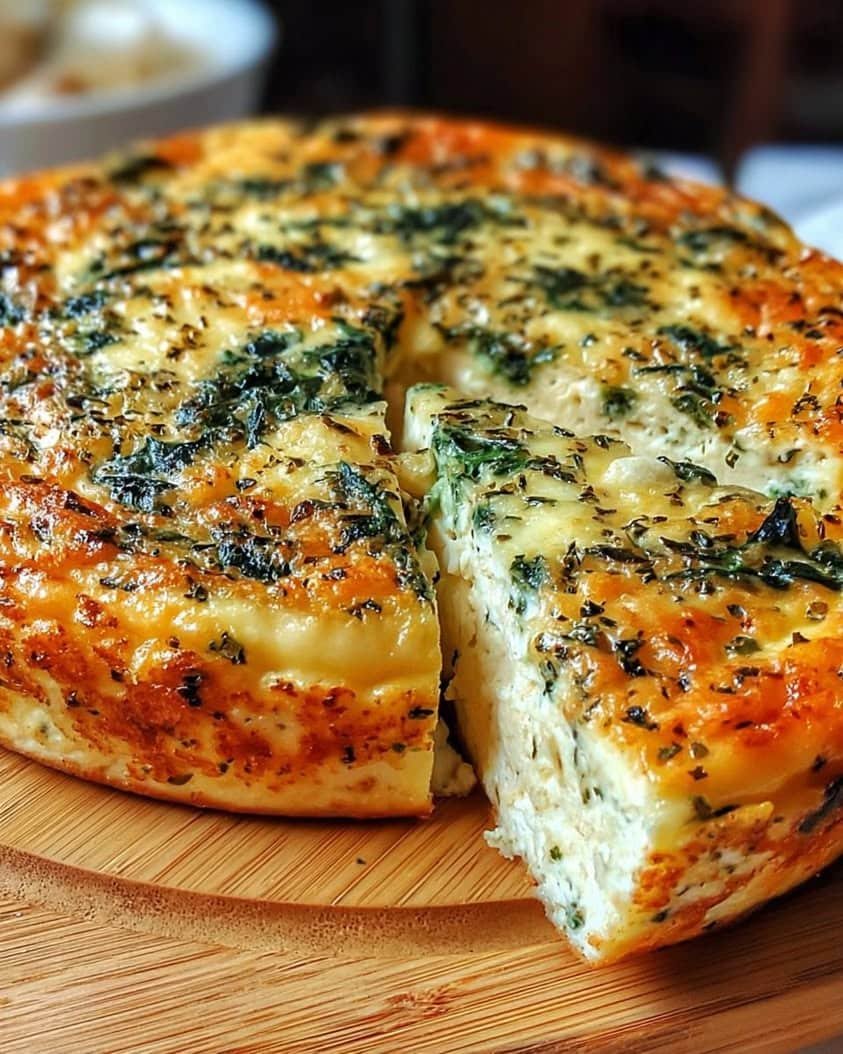
Cottage Cheese and Spinach Crustless Quiche: Easy High-Protein Recipe
This Cottage Cheese and Spinach Crustless Quiche delivers everything you want in a savory breakfast or light dinner, and it comes together with minimal fuss. Because you skip the pastry crust entirely, the filling takes center stage, bringing forward creamy cottage cheese, tender spinach, and a blend of cheeses that melt into every bite. Furthermore, the recipe fits beautifully into high-protein meal plans, so you can feel good about serving it to your family any day of the week. Whether you need a make-ahead breakfast for busy mornings or an elegant brunch centerpiece, this quiche adapts to your schedule and your table.
The first time you pull this Cottage Cheese and Spinach Crustless Quiche from the oven, you will notice the golden top and the gentle wobble that signals a perfectly set custard. Meanwhile, the kitchen fills with the comforting aroma of baked eggs, garlic, and melted cheese. Slicing into it reveals a tender, creamy interior studded with bright green spinach. In addition, the absence of a crust means the texture stays light rather than heavy. As a result, you get a dish that satisfies without weighing you down, and cleanup stays remarkably simple.
Perhaps the best part of this Cottage Cheese and Spinach Crustless Quiche is how forgiving it is for home cooks at any skill level. You simply whisk the wet ingredients, fold in the vegetables and cheese, and pour everything into a prepared pie dish. Subsequently, the oven does the rest of the work while you tend to other tasks. Consequently, this recipe earns a permanent spot in weekly rotation for anyone who values both flavor and convenience. Keep reading to discover the techniques, variations, and storage tips that make this high-protein quiche a reliable favorite.
Quick Recipe Highlights
- Flavor Profile: Expect a savory, mildly tangy custard from the cottage cheese, balanced by the earthy sweetness of spinach and the rich, salty notes of shredded cheese. A hint of garlic and onion powder deepens the flavor without overpowering the delicate egg base.
- Texture: The interior turns out creamy and tender, almost like a soft frittata, while the top develops a light golden crust from the cheese. Spinach adds a pleasant soft bite throughout each slice.
- Aroma: Baked eggs, melted cheddar, and sautéed garlic create an inviting scent that fills the whole kitchen. The aroma signals comfort food at its finest.
- Visual Appeal: The quiche bakes into a golden-brown surface with vivid green flecks of spinach visible in every slice. Serve it on a white platter and the colors pop beautifully.
- Skill Level Needed: This recipe suits beginners because it requires only basic whisking and pouring. You do not need pastry skills or advanced knife work to succeed.
- Special Equipment: You need a standard 9-inch pie dish, a mixing bowl, a whisk, and a skillet for wilting the spinach. A silicone spatula helps you scrape every last bit of filling into the dish.
Recipe Overview
- Difficulty Level: This Cottage Cheese and Spinach Crustless Quiche ranks as easy because every step uses straightforward techniques. You whisk, sauté, combine, and bake, with no folding, kneading, or tempering required. The oven handles the transformation, and the recipe tolerates small mistakes such as slight overbaking.
- Category: The dish works as a breakfast, brunch entrée, or light dinner main. You can also slice it into small squares and serve it as an appetizer for parties.
- Cuisine: Quiche originates in French culinary tradition, specifically the Lorraine region, though crustless versions became popular in American home cooking during the low-carb era. This recipe blends French technique with modern high-protein sensibilities, making it a fusion of classic and contemporary tastes.
- Cost: You can prepare this quiche for roughly eight to ten dollars total, depending on cheese prices and whether you use fresh or frozen spinach. Cottage cheese and eggs rank among the most affordable protein sources at the grocery store, which keeps the overall budget low.
- Season: The recipe shines year-round, but it feels especially welcome in spring when fresh spinach appears at farmers markets. In fall and winter, the warm, baked custard offers comfort during cold months.
- Occasion: Serve it for weekend brunch, holiday breakfasts, baby showers, or meal-prep Sundays. It also works beautifully for potlucks because it travels well and tastes good at room temperature.
Why You’ll Love This Recipe
The taste and texture of this Cottage Cheese and Spinach Crustless Quiche win people over at first bite. The custard stays creamy and soft because cottage cheese adds moisture and body without the heaviness of cream. Additionally, the spinach contributes an earthy freshness that cuts through the richness of the cheese. Each slice delivers a savory, satisfying flavor that feels both wholesome and indulgent. Even people who claim they dislike cottage cheese become fans once they taste how it melts into the egg base.
Convenience sets this recipe apart from traditional quiche recipes. You skip the crust, which saves time, effort, and calories all at once. Consequently, you can move from mixing bowl to oven in about fifteen minutes. Furthermore, the quiche reheats beautifully, so you can bake it on Sunday and enjoy slices throughout the week. Busy parents appreciate that they can serve a protein-rich breakfast in minutes on school mornings.
Nutritionally, this Cottage Cheese and Spinach Crustless Quiche delivers impressive benefits. Cottage cheese supplies high-quality protein and calcium, while eggs add essential amino acids and choline. Spinach brings iron, vitamin K, and folate to the table. Because the recipe omits the crust, it also cuts refined carbohydrates significantly. Therefore, it fits comfortably into low-carb, keto-friendly, and high-protein eating plans without sacrificing flavor.
Socially, this quiche makes entertaining effortless. You can bake it ahead and set it out with a simple salad and fresh fruit for a stress-free brunch. Guests always ask for the recipe because it looks elegant yet tastes approachable. Moreover, the dish accommodates dietary preferences with easy swaps, so you can serve one version to vegetarians and another to dairy-free guests. Hosting becomes simple when one versatile dish anchors the menu.
Finally, cost-effectiveness makes this Cottage Cheese and Spinach Crustless Quiche a smart choice for budget-conscious households. Eggs, cottage cheese, and frozen spinach rank among the most economical ingredients you can buy. In addition, the recipe uses pantry staples like garlic powder and salt that most kitchens already stock. You get a restaurant-quality dish for a fraction of the price, which makes it easy to feed a crowd without overspending.
Historical Background and Cultural Significance
Quiche originated in the Lorraine region of France, where cooks baked eggs and cream in a pastry shell as early as the sixteenth century. The traditional quiche Lorraine featured bacon and cream, and it became a staple of French home cooking. Consequently, the dish spread across Europe and eventually reached American shores, where it gained popularity in the 1950s and 1960s. The crustless variation emerged later as cooks sought lighter, lower-carb alternatives.
Culturally, quiche represents French practicality and economy. Cooks used whatever cheese, vegetables, and leftovers they had on hand, encasing them in an egg custard. Therefore, the dish became a vehicle for reducing food waste while feeding families well. The spinach and cottage cheese combination reflects a modern twist on that tradition, using ingredients that support health-conscious eating.
The evolution of this Cottage Cheese and Spinach Crustless Quiche mirrors broader changes in American food culture. During the low-carb diet boom of the late 1990s and early 2000s, cooks began removing crusts from quiches to reduce carbohydrate content. Simultaneously, cottage cheese gained renewed attention as a high-protein ingredient in fitness-focused kitchens. As a result, the crustless quiche became a staple of meal-prep culture.
Regional variations abound across the United States. In the South, cooks add hot sauce or smoked sausage for heat and depth. In California, fresh herbs and goat cheese often replace cheddar. Meanwhile, Mediterranean-inspired versions incorporate feta, olives, and sun-dried tomatoes. These adaptations show how a single recipe can reflect local tastes while preserving its core identity.
Ingredient Deep Dive
Cottage cheese anchors this recipe and gives the quiche its creamy texture and protein content. Cultures around the world have produced fresh cheeses similar to cottage cheese for thousands of years, from Indian paneer to Middle Eastern labneh. Nutritionally, cottage cheese delivers casein protein, calcium, and B vitamins, with low-fat varieties offering fewer calories. When you shop, choose small-curd cottage cheese for a smoother texture, and check the expiration date for freshness. Store it in the refrigerator and use it within five days of opening. If you need a substitute, ricotta or Greek yogurt works well in equal measure.
Spinach brings color, nutrients, and earthy flavor to the quiche. This leafy green originated in Persia and spread along trade routes to China, Europe, and beyond. Furthermore, spinach supplies iron, vitamin K, folate, and antioxidants that support overall health. Select fresh spinach with crisp leaves and no yellowing, or choose frozen spinach for convenience. Store fresh spinach in a sealed bag in the refrigerator and use it within three days. You can swap in kale, Swiss chard, or arugula if spinach is unavailable.
Eggs form the structural backbone of the custard and contribute richness and binding power. Humans have consumed eggs since prehistoric times, and they remain a universal ingredient across cuisines. Eggs provide complete protein, choline, and vitamin D, making them a nutritional powerhouse. Choose eggs with clean, uncracked shells and check the carton date for freshness. Store them in the refrigerator and use within three to five weeks. For a vegan version, you can substitute a chickpea flour batter, though the texture will differ.
Shredded cheese adds richness, salt, and a golden top to this Cottage Cheese and Spinach Crustless Quiche. Cheddar and mozzarella rank among the most popular choices, though Gruyere or Swiss work beautifully too. Cheese delivers calcium, protein, and fat that round out the dish. Select cheese that smells fresh and shows no mold, and shred it yourself for better melting. Keep it wrapped tightly in the refrigerator and use within two weeks. Dairy-free cheese alternatives melt reasonably well if you need a lactose-free option.
Garlic and onion powders deepen the flavor without requiring fresh chopping. These pantry staples have long histories in preserved cooking, dating back to ancient trade routes. They contribute trace minerals and concentrated savory notes. Check that powders remain loose and fragrant, and store them in airtight containers away from heat. Replace them every six months for peak flavor. Fresh minced garlic and onion work as substitutes when you have them on hand.
Common Mistakes to Avoid
- Overbaking the quiche until the custard turns rubbery. Pull it from the oven when the center still wobbles slightly, because residual heat continues cooking the eggs as it rests. Use an instant-read thermometer to confirm the center reaches 160 degrees Fahrenheit.
- Skipping the spinach drying step and adding excess water. Wet spinach releases moisture into the custard and creates a soggy texture. Squeeze thawed frozen spinach in a clean towel or paper towels until it feels nearly dry.
- Under-seasoning the egg mixture out of caution. Eggs and cottage cheese need generous salt and pepper to taste vibrant, so season the mixture and taste a small cooked sample before baking. Adjust accordingly.
- Pouring the filling into an unprepared dish. Grease the pie dish thoroughly with butter or nonstick spray, because crustless quiche sticks easily. A light dusting of flour or parchment lining adds extra insurance.
- Using large-curd cottage cheese without blending. Large curds create lumpy texture in the finished custard. Blend or pulse the cottage cheese briefly if you prefer a smoother slice.
- Baking at too high a temperature and causing the top to crack. Moderate heat around 350 degrees Fahrenheit produces gentle, even cooking. Cracks signal rapid expansion from excessive heat.
- Neglecting to sauté the spinach and garlic first. Raw spinach releases water during baking, and garlic needs heat to mellow. A quick sauté eliminates both problems.
- Cutting the quiche immediately after removing it from the oven. The custard needs ten to fifteen minutes of rest to set fully. Slicing too early causes the filling to run.
- Storing leftovers in an open container. The quiche absorbs refrigerator odors quickly and dries out. Wrap slices tightly or store them in an airtight container.
- Forgetting to check for doneness near the center rather than the edges. The edges set first, so test the middle with a knife or thermometer. A clean knife inserted one inch from center indicates doneness.
Essential Techniques
Whisking the custard thoroughly ensures a uniform texture throughout the quiche. When you whisk eggs and cottage cheese together, you break up protein strands and distribute fat evenly. Therefore, the custard bakes into a smooth, cohesive slice rather than a curdled one. Master this by whisking in a circular motion for at least thirty seconds, then scraping the bowl edges. Visual cues for success include a pale, frothy mixture with no visible streaks of egg white.
Wilting spinach properly prevents excess moisture from ruining the custard. Heat a skillet over medium heat, add the spinach, and stir until the leaves collapse and release their liquid. Subsequently, drain and squeeze the spinach to remove as much water as possible. This step concentrates the spinach flavor and protects the quiche texture. You know the spinach is ready when it shrinks dramatically and feels dry to the touch.
Folding ingredients gently preserves the custard structure and distributes add-ins evenly. Instead of stirring vigorously, use a spatula to lift and turn the mixture until the spinach and cheese scatter throughout. Consequently, every slice contains a balanced share of ingredients. Watch for a uniform distribution before pouring, and avoid overmixing, which deflates the custard.
The water bath technique, while optional, produces an exceptionally silky custard. Placing the pie dish in a larger pan of hot water moderates oven heat and prevents curdling. Fill the outer pan with boiling water halfway up the pie dish, then bake as directed. This method adds a few minutes to the cook time but rewards you with a restaurant-quality texture. Visual cues for success include a smooth surface with no cracks.
Pro Tips for Perfect Cottage Cheese and Spinach Crustless Quiche
Blend the cottage cheese briefly in a food processor for the smoothest possible custard. This step takes only seconds and transforms the texture into something silky and elegant. Even people who usually avoid cottage cheese will not notice the curds.
Season the custard mixture and cook a small test portion in a skillet before baking. This quick taste test lets you adjust salt, pepper, and herbs with confidence. Consequently, you avoid serving an under-seasoned quiche to guests.
Use a pie dish with a wide rim so the quiche releases cleanly and looks attractive on the table. Glass or ceramic dishes conduct heat evenly and show off the golden edges. Avoid dark metal pans, which can overbrown the surface.
Let the quiche rest for at least fifteen minutes before slicing, because the custard firms as it cools. This rest also makes portioning neater. Use a sharp knife and wipe it clean between cuts for picture-perfect slices.
Add a pinch of nutmeg to the custard for a subtle warmth that complements the spinach. Nutmeg traditionally pairs with creamy spinach dishes, and it elevates the overall flavor profile. A little goes a long way, so start with one-eighth teaspoon.
Tent the quiche loosely with foil if the top browns too quickly during baking. This preserves the golden color without drying the center. Check the quiche at the twenty-five minute mark and adjust as needed.
Serve the quiche slightly warm rather than piping hot, because the flavors bloom as it cools. Room-temperature quiche also travels well for potlucks and picnics. Cover and refrigerate leftovers promptly after serving.
Variations and Adaptations
Regional variations let you tailor this Cottage Cheese and Spinach Crustless Quiche to your heritage or mood. A Mediterranean version uses feta, kalamata olives, and oregano for a salty, briny kick. Meanwhile, a Mexican-inspired adaptation adds diced jalapeños, pepper jack cheese, and cumin. Southern cooks might fold in crumbled sausage and a dash of hot sauce. Each variation keeps the custard base intact while changing the personality of the dish.
Seasonal adaptations keep the recipe fresh throughout the year. In spring, fold in fresh asparagus tips and chives. During summer, roasted cherry tomatoes and basil bring brightness to the table. Fall invites caramelized onions and mushrooms, while winter calls for hearty kale and smoked gouda. Shopping seasonally also improves flavor and reduces cost.
Dietary modifications make the quiche accessible to nearly everyone at the table. Gluten-free eaters can enjoy the recipe as written because it contains no flour or crust. Dairy-free cooks substitute plant-based cottage cheese and shredded cheese alternatives. Vegan bakers use a chickpea flour and tofu blend in place of eggs, though the texture changes. Low-carb and keto followers already find the recipe compliant.
Flavor variations range from smoky to herbal to spicy. Add smoked paprika for depth, fresh dill for brightness, or crushed red pepper for heat. A drizzle of truffle oil before serving transforms the quiche into something decadent. Experiment with herbs like thyme, basil, or tarragon for aromatic complexity.
Texture modifications also expand the recipe’s range. Blend the cottage cheese until completely smooth for a refined custard. Alternatively, leave it chunky for a rustic, hearty bite. Add chopped nuts or breadcrumbs on top for crunch, or fold in diced vegetables for bite.
Presentation alternatives suit every occasion. Bake the quiche in muffin tins for individual portions that work brilliantly for grab-and-go breakfasts. Mini quiches bake in about twenty minutes and freeze beautifully. You can also bake the recipe in a cast-iron skillet for a rustic table presentation.
Serving and Presentation Guide
Plating techniques matter because this Cottage Cheese and Spinach Crustless Quiche deserves a beautiful presentation. Cut slices with a sharp knife and lift them with a thin spatula onto individual plates. Place a small handful of dressed greens beside each slice for color contrast. Wipe the plate edges clean before serving for a polished look.
Garnishing ideas elevate the visual appeal without extra effort. A sprinkle of fresh chives, parsley, or dill adds green contrast. A dollop of sour cream or Greek yogurt beside each slice offers creaminess. A few cherry tomato halves bring bright red accents and fresh flavor.
Traditional accompaniments include a simple green salad with vinaigrette, crusty bread, and fresh fruit. These sides balance the richness of the custard and complete the meal. A bowl of soup alongside makes a cozy lunch on chilly days.
Modern serving suggestions include a grain bowl base with quinoa and roasted vegetables. You can also serve slices on toasted sourdough for a hearty sandwich variation. Avocado slices and microgreens turn the quiche into a trendy brunch plate.
Temperature considerations affect flavor and texture. Serve the quiche warm but not steaming, because the custard sets further as it cools. Room temperature works beautifully for buffets. Avoid serving it cold straight from the refrigerator, since flavors taste muted.
Portion control tips help with meal planning and entertaining. Cut the quiche into six generous wedges for main courses or twelve small squares for appetizers. A standard slice contains roughly 220 calories, which fits well into most meal plans. Use a scale if you track portions precisely.
Wine and Beverage Pairing
Wine pairings for this Cottage Cheese and Spinach Crustless Quiche should balance richness with acidity. A crisp Sauvignon Blanc cuts through the creamy custard beautifully and complements the spinach. Alternatively, a light Chardonnay offers buttery notes that echo the cheese. For red wine lovers, a Pinot Noir provides soft tannins without overwhelming the eggs.
Non-alcoholic alternatives include sparkling water with lemon, iced tea, or a virgin Bloody Mary for brunch. Freshly squeezed orange juice pairs well with morning servings. A cucumber mint cooler offers refreshing contrast during warm weather gatherings.
Coffee and tea pairings suit breakfast and brunch beautifully. A medium-roast coffee complements the savory custard, while an English breakfast tea offers gentle tannins. Herbal teas like chamomile or mint provide a caffeine-free option that soothes the palate.
Temperature considerations matter for beverages too. Serve white wines well chilled and red wines slightly below room temperature. Hot coffee and tea should be fresh and not too strong, since bold flavors compete with the quiche. Sparkling options should be served ice cold for maximum refreshment.
Serving suggestions include offering a beverage station so guests can help themselves. This approach keeps the host free to mingle and serve food. Provide glasses, ice, and garnishes in one spot for easy access throughout the meal.
Storage and Shelf Life
Storage methods determine how long this Cottage Cheese and Spinach Crustless Quiche stays fresh. Cool leftovers completely within two hours of baking, then wrap them tightly or transfer to airtight containers. Refrigerate promptly and label with the date for easy tracking. Proper storage preserves both flavor and texture for several days.
Temperature requirements matter because egg dishes spoil quickly at room temperature. Keep the quiche refrigerated at 40 degrees Fahrenheit or below. Avoid leaving it out for more than two hours during serving. If you transport it to a potluck, use a cooler with ice packs.
Container recommendations include shallow glass containers with tight-fitting lids. Glass does not absorb odors and reheats evenly. Alternatively, wrap individual slices in plastic wrap and store them in a larger container. Press plastic wrap directly against the surface to prevent drying.
Signs of spoilage include sour odors, slimy texture, and visible mold. Discard the quiche immediately if you notice any of these signs. When in doubt, throw it out, because foodborne illness from eggs is serious. A properly stored quiche keeps for three to four days in the refrigerator.
Reheating instructions keep the quiche tender and moist. Warm slices in a 325-degree oven for ten to fifteen minutes, or microwave individual portions for thirty to sixty seconds. Cover with foil during oven reheating to prevent drying. Avoid overheating, which toughens the custard.
Freezing guidelines extend shelf life to two to three months. Wrap slices tightly in plastic wrap, then place them in a freezer bag. Thaw overnight in the refrigerator before reheating. Freezing works best for individual portions rather than whole quiches.
Make Ahead Strategies
The prep timeline for this Cottage Cheese and Spinach Crustless Quiche fits neatly into a busy schedule. Sauté the spinach and garlic the night before, then refrigerate in a covered container. Shred the cheese and measure the spices ahead so assembly takes minutes. With prep done in advance, the recipe becomes a genuine weeknight option.
Storage between steps keeps ingredients fresh without sacrificing quality. Keep the cooked spinach and shredded cheese in separate containers for up to two days. Whisk the custard just before baking so it stays smooth. Avoid assembling the full quiche more than a few hours ahead unless you refrigerate it immediately.
Quality impact assessment reveals that make-ahead quiche tastes nearly as good as freshly baked. The custard may soften slightly after reheating, but the flavor remains excellent. Fresh garnishes added after reheating restore visual appeal. Overall, make-ahead preparation saves significant time without compromising the dish.
Assembly tips streamline the process when you prepare the quiche for baking later. Whisk the custard, fold in ingredients, and pour into the pie dish. Cover tightly and refrigerate for up to twelve hours before baking. Add a few extra minutes to the bake time if starting from cold.
Reheating guidelines for make-ahead quiche match those for leftovers. Use a moderate oven or microwave and cover to retain moisture. Avoid high heat, which toughens the eggs. A splash of broth or a pat of butter on top before reheating restores moisture.
Fresh element additions bring make-ahead quiche back to life. Top reheated slices with fresh herbs, diced tomatoes, or avocado. A squeeze of lemon brightens the flavor. These small touches make the dish taste freshly made.
Scaling Instructions
Halving this Cottage Cheese and Spinach Crustless Quiche works easily for smaller households. Use three eggs, four ounces of cottage cheese, and half the spinach and cheese. Bake in a smaller dish or six-inch pie plate. Reduce the baking time by five to ten minutes and check for doneness early.
Doubling or tripling the recipe suits large gatherings and holiday brunches. Use two pie dishes rather than one deep dish for even baking. Alternatively, bake the quiche in a 9×13-inch casserole dish and adjust the time to forty to fifty minutes. More volume requires more time, so test the center carefully.
Equipment adjustments become necessary as batch size grows. Multiple pie dishes require oven space planning, so rotate them halfway through baking. Ensure racks sit level and pans have room for air circulation. Larger mixing bowls and whisks make combining bigger batches easier.
Timing modifications follow the principle that larger volumes bake longer. A double batch in one dish needs extra minutes, while separate dishes bake in the original time. Check the center with a thermometer for accuracy. Meanwhile, monitor the top for excessive browning and tent with foil as needed.
Storage considerations scale accordingly. Larger batches require more containers and refrigerator space. Consider freezing portions for future meals if you make a triple batch. Label everything clearly with dates so nothing gets forgotten.
Nutritional Deep Dive
The macro breakdown of this Cottage Cheese and Spinach Crustless Quiche reveals a protein-forward profile. Each serving contains approximately eighteen grams of protein, ten grams of carbohydrates, and fourteen grams of fat. Cottage cheese and eggs drive the protein content, while spinach and cheese add small amounts of carbohydrates. The fat content supports satiety and nutrient absorption.
Micronutrient analysis shows impressive vitamin and mineral content. Eggs supply choline, vitamin D, and B12. Spinach contributes vitamin K, folate, iron, and antioxidants like lutein. Cottage cheese delivers calcium and selenium. Together, these nutrients support bone health, eye health, and energy metabolism.
Health benefits extend beyond basic nutrition. High-protein breakfasts support muscle maintenance and reduce hunger throughout the morning. The absence of refined carbohydrates keeps blood sugar steadier than a pastry-based breakfast. Leafy greens provide fiber and anti-inflammatory compounds that support overall wellness.
Dietary considerations matter for people with specific health goals. Those watching cholesterol can use egg whites and low-fat cottage cheese. People managing sodium can reduce added salt and use low-sodium cheese. Diabetics appreciate the low carbohydrate profile that helps manage blood sugar.
Portion analysis shows that one-sixth of the quiche makes a satisfying serving. Pair it with vegetables or a side salad for a complete meal. Smaller portions work well as appetizers or snacks. Adjust portions based on your daily energy needs and goals.
Weight management tips include serving the quiche with a large salad to increase volume without adding many calories. High protein content keeps you full, which reduces mindless snacking later. Meal prepping slices for the week supports consistent, portioned eating.
Dietary Adaptations
Gluten-free eaters can enjoy this Cottage Cheese and Spinach Crustless Quiche without any changes because the recipe contains no flour or crust. Always verify that packaged ingredients like shredded cheese carry gluten-free labels. Cross-contamination during preparation remains the primary concern. With care, the dish fits seamlessly into a gluten-free diet.
Dairy-free modifications require swaps for cottage cheese and shredded cheese. Plant-based cottage cheese alternatives and dairy-free shredded cheese melt reasonably well. Nutritional yeast adds cheesy flavor in place of dairy cheese. Check labels carefully, and adjust seasoning because dairy-free products vary in saltiness.
Vegan adaptations use tofu or chickpea flour in place of eggs and dairy. A tofu-based quiche with nutritional yeast and turmeric mimics the egg custard reasonably well. Blend silken tofu with plant-based milk and spices for a smooth base. The texture differs from an egg quiche, but the flavors satisfy.
Low-carb followers already benefit from the crustless design. Each serving contains about ten grams of carbohydrates, mostly from vegetables and dairy. Reducing cheese or using lower-fat varieties trims fat if desired. The recipe fits comfortably within a daily low-carb eating plan.
Keto adaptations require increasing fat and reducing carbohydrates further. Add extra cheese, use full-fat cottage cheese, and serve with avocado. The recipe already fits most keto frameworks, though portion size matters. Check macros if you track them precisely.
Paleo followers must substitute dairy ingredients and eggs if strict. A paleo-friendly version uses almond milk, eggs, and no cheese, though the flavor and texture change significantly. Primal eaters who allow dairy can enjoy the recipe as written. Always evaluate adaptations against your specific paleo framework.
Low-FODMAP diets require care with dairy and certain vegetables. Use lactose-free cottage cheese and cheese to reduce FODMAP content. Spinach ranks low in FODMAPs, so it remains suitable. Avoid adding garlic and onion powders, and substitute asafoetida or garlic-infused oil for flavor.
Other specific diets like Mediterranean and DASH accommodate the quiche easily. The recipe naturally emphasizes vegetables, protein, and moderate dairy. Simply choose low-sodium ingredients for DASH and olive oil for Mediterranean versions. The dish fits many healthy eating patterns without major changes.
Troubleshooting Guide
Texture issues arise most often from overbaking or excess moisture. If the quiche turns rubbery, reduce the bake time and check the center earlier next time. Soggy quiche usually means the spinach was not drained well enough. Always squeeze spinach thoroughly and consider salting the vegetables to draw out moisture.
Flavor balance problems include blandness or excessive salt. If bland, add herbs, a pinch more salt, or a dash of hot sauce before serving. If over-salted, serve with unsalted sides like plain greens or bread. Recalibrate by tasting the custard before baking on your next attempt.
Temperature problems lead to cracked tops or undercooked centers. If the top browns before the center sets, tent with foil and lower the heat slightly. Oven thermometers help verify actual temperature, since dials often run inaccurate. A thermometer inserted into the center should read 160 degrees Fahrenheit.
Equipment challenges include sticking and uneven baking. Grease the pie dish generously with butter and line with parchment for extra insurance. If your oven bakes unevenly, rotate the dish halfway through the bake. A water bath moderates heat and prevents curdling.
Ingredient substitutions affect texture and flavor in predictable ways. Ricotta replaces cottage cheese for a richer custard, while Greek yogurt adds tang. Kale or chard can replace spinach with a longer wilt time. Adjust seasoning based on the swap you choose.
Timing concerns include baking too long or cutting too soon. The quiche needs forty to forty-five minutes at 350 degrees Fahrenheit. Rest it fifteen minutes before slicing so the custard sets. If you are running late, the quiche holds well at room temperature for up to an hour after baking.
Recipe Success Stories
Community feedback continues to highlight how this Cottage Cheese and Spinach Crustless Quiche wins over even the pickiest eaters. Early testers reported that family members who usually skip breakfast request this recipe by name. Several readers shared that their teenagers devoured leftovers without realizing cottage cheese was the secret ingredient. The feedback consistently praises the recipe for its simple prep and dependable results.
Variation successes include a reader who added roasted red peppers and feta for a Greek-inspired twist. Another substituted smoked salmon and dill for an elegant brunch presentation. A reader in Texas shared a version with pepper jack and roasted poblano peppers that became their go-to potluck contribution. These stories demonstrate how adaptable the recipe remains.
Adaptation stories come from readers with dietary restrictions who appreciate the flexibility. One reader following a diabetic-friendly plan praised the low-carb profile and steady energy it provided. Another reader made the quiche dairy-free with plant-based alternatives and reported great results. These adaptations prove the recipe works for many different eating styles.
Reader suggestions have expanded the recipe in delightful ways. Some recommend adding a thin layer of sliced potatoes at the bottom for extra heartiness. Others suggest swirling in pesto or sun-dried tomatoes for flavor complexity. The best ideas often come from the community, and this recipe keeps evolving with them.
Photography tips help readers capture the golden top and spinach flecks beautifully. Natural light works best for food photography, so shoot near a window. Use a slight angle to show the custard’s creamy interior, and garnish with fresh herbs for color. Sharing pictures online builds community and inspires others to try the recipe.
Frequently Asked Questions
Can I make this Cottage Cheese and Spinach Crustless Quiche ahead of time?
Yes, you can prepare and bake the quiche up to two days ahead. Alternatively, assemble the filling and store it in the refrigerator overnight before baking. Bake the quiche fresh in the morning for the best texture. Reheat made-ahead slices gently covered so they stay moist.
Do I have to use cottage cheese, or can I substitute?
Ricotta offers the closest texture and flavor match if you do not have cottage cheese. Greek yogurt also works, though it adds extra tang. Blended cottage cheese with heavy cream creates a richer custard. Use what you have on hand and adjust seasoning accordingly.
How do I prevent my quiche
PrintCottage Cheese & Spinach Crustless Quiche
-
Total Time: 45 minutes
-
Yield: 4
Description
A light and fluffy crustless quiche packed with protein from cottage cheese and fresh spinach. Perfect for breakfast, brunch, or a simple dinner.
Ingredients
- 6 large eggs
- 1 cup cottage cheese
- 1 cup fresh spinach, chopped
- 1/2 cup shredded cheddar cheese
- 1/4 cup milk
- 1/4 teaspoon salt
- 1/8 teaspoon black pepper
- Cooking spray
Instructions
- Preheat oven to 350°F (175°C). Spray a 9-inch pie dish with cooking spray.
- In a large bowl, whisk together eggs, cottage cheese, milk, salt, and pepper until well combined.
- Stir in chopped spinach and shredded cheddar cheese.
- Pour mixture into prepared pie dish.
- Bake for 30-35 minutes, or until set and lightly golden on top.
- Let cool for 5 minutes before slicing and serving.
Notes
You can customize the seasonings to taste.
- Prep Time: 15 minutes
- Cook Time: 30 minutes
- Method: Main
- Cuisine: American
Cottage Cheese & Spinach Crustless Quiche
- Total Time: 45 minutes
- Yield: 4
Description
A light and fluffy crustless quiche packed with protein from cottage cheese and fresh spinach. Perfect for breakfast, brunch, or a simple dinner.
Ingredients
- 6 large eggs
- 1 cup cottage cheese
- 1 cup fresh spinach, chopped
- 1/2 cup shredded cheddar cheese
- 1/4 cup milk
- 1/4 teaspoon salt
- 1/8 teaspoon black pepper
- Cooking spray
Instructions
- Preheat oven to 350°F (175°C). Spray a 9-inch pie dish with cooking spray.
- In a large bowl, whisk together eggs, cottage cheese, milk, salt, and pepper until well combined.
- Stir in chopped spinach and shredded cheddar cheese.
- Pour mixture into prepared pie dish.
- Bake for 30-35 minutes, or until set and lightly golden on top.
- Let cool for 5 minutes before slicing and serving.
Notes
You can customize the seasonings to taste.
- Prep Time: 15 minutes
- Cook Time: 30 minutes
- Method: Main
- Cuisine: American