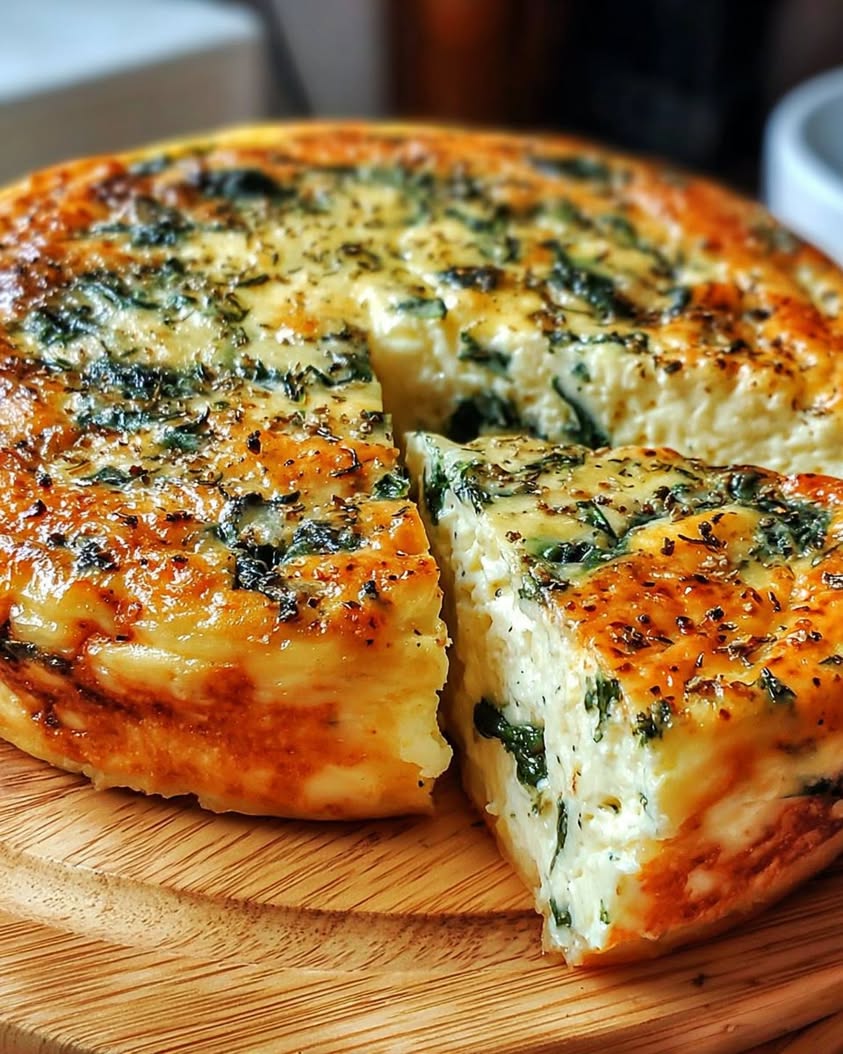
The Ultimate Cottage Cheese and Spinach Crustless Quiche Recipe
This Cottage Cheese and Spinach Crustless Quiche is a revelation for anyone seeking a high protein, low carb meal that does not compromise on flavor. The combination of creamy cottage cheese, tender spinach, and savory seasonings creates a dish that feels both indulgent and virtuous. Every forkful delivers a rich, custardy texture that melts in your mouth. The vibrant green of the spinach peeking through the golden surface makes this quiche a visual treat. Therefore, it is perfect for a quick weeknight dinner or a leisurely weekend brunch. This is a truly versatile recipe that fits into many healthy lifestyles.
Furthermore, this crustless quiche eliminates the fuss of making pastry while keeping all the deliciousness of a traditional quiche. The cottage cheese adds a subtle tanginess and a boost of protein. This makes it incredibly satisfying and keeps you full for hours. You will appreciate how simple it is to whip up. Just mix, pour, and bake. The result is a beautiful, fluffy quiche that slices perfectly every single time. This dish has become a staple for meal preppers and busy families alike. Its simplicity and nutritional power make it a winning choice.
Quick Recipe Highlights
- Flavor Profile: This quiche delivers a savory, eggy flavor with a distinct tang from the cottage cheese. The spinach adds an earthy, fresh note, while the subtle saltiness from the cheese and seasonings ties everything together beautifully.
- Texture: The texture is incredibly light and fluffy, almost like a souffle, but with a soft, creamy custard-like center. The small curds of cottage cheese provide pleasant, soft pops of texture throughout the dish.
- Aroma: The aroma is warm and inviting, with notes of toasted eggs and savory cheese filling the kitchen. The slight scent of sauteed spinach and garlic adds a deep, savory complexity to the baking smell.
- Visual Appeal: The quiche boasts a beautifully golden brown top with a slightly puffed appearance. Flecks of vibrant green spinach distributed throughout provide a lovely contrast against the pale yellow custard.
- Skill Level Needed: This recipe is perfect for beginner cooks. The simple technique involves only mixing ingredients and pouring them into a dish. There is no blind baking or complex pastry work required at all.
- Special Equipment: You will need a standard 9-inch pie dish or a similar sized oven-safe skillet. A whisk and a large mixing bowl are essential for combining the ingredients evenly. A good chef’s knife is also needed to chop the spinach.
Recipe Overview
- Difficulty Level: The difficulty level is easy because the process is incredibly straightforward. You simply combine all the ingredients in one bowl, stir them, and pour the mixture into a baking dish. There is no advanced technique like tempering eggs or folding in whipped egg whites. This makes it an excellent recipe for anyone learning to cook.
- Category: This meal fits perfectly into breakfast, brunch, or lunch categories thanks to its egg based nature. It also works wonderfully as a light dinner paired with a side salad or some roasted vegetables. Many people also make it for a simple, high protein breakfast meal prep option.
- Cuisine: While the quiche is a classic French creation, this crustless version is a more modern, health conscious adaptation popular in American home kitchens. It draws inspiration from the French tradition of custard tarts but simplifies the process. The use of cottage cheese and spinach is commonly found in many American-style frittatas and crustless quiches.
- Cost: This recipe is very budget friendly. Eggs, cottage cheese, and frozen spinach are all affordable staple ingredients that are easy to find. You likely have the majority of the seasonings in your pantry already. Overall, this dish costs a fraction of what a restaurant quiche would be.
- Season: This quiche is perfect for every season due to its adaptability. In spring, you can use fresh, tender spinach from the farmers market. It is equally comforting as a warm, hearty dish on a cold winter morning. Therefore, it is a truly year round recipe that never feels out of place.
- Occasion: This dish is fantastic for many occasions. It is elegant enough for a holiday breakfast or a Mother’s Day brunch. At the same time, it is casual and simple enough for a regular weekday meal. It also travels well, making it a great option for potlucks or picnics.
Why You Will Love This Recipe
The taste and texture appeal of this Cottage Cheese and Spinach Crustless Quiche is simply phenomenal. You get a wonderfully light and fluffy texture that is almost cloud like. The creamy custard base is rich and satisfying, yet it does not feel heavy. The tangy cottage cheese adds a unique depth of flavor that complements the earthy spinach perfectly. Every single bite is savory, comforting, and incredibly delicious. This is a genuine crowd pleaser for even the pickiest of eaters.
Convenience and preparation benefits are huge with this recipe. You can have it in the oven in less than 15 minutes with very little cleanup. There is no need to roll out a dough or pre-bake a crust. This saves you time, effort, and unnecessary calories. Consequently, it is the perfect recipe for a hectic morning or a busy weeknight. You can easily prep the ingredients the night before and just mix and bake in the morning.
Nutritional advantages make this quiche a standout choice for health conscious cooks. It is naturally low in carbohydrates and high in protein, making it ideal for low carb and keto diets. The spinach provides essential vitamins and minerals like iron and vitamin K. Cottage cheese is an excellent source of casein protein, which digests slowly and keeps you full. This meal supports weight management and muscle maintenance beautifully.
Social and entertaining value is surprisingly high for such a simple dish. It presents beautifully at a brunch table, looking impressive without requiring hours of work. Guests will appreciate that you made something from scratch. You can serve it warm or at room temperature, which makes hosting much less stressful. It is a fantastic centerpiece for any gathering because it pleases so many different palates.
Cost-effectiveness and accessibility are the final reasons to add this recipe to your rotation. The ingredients are incredibly inexpensive and available at any grocery store. You can easily double the recipe to feed a crowd or use leftovers for the rest of the week. It is a very budget friendly way to enjoy a high protein, nutritious meal. This recipe proves that healthy eating does not have to be expensive or complicated.
Historical Background and Cultural Significance
The origin story of the quiche can be traced back to the medieval German kingdom of Lothringen. The original “quiche” was an open pie filled with an egg and cream custard. When the French later adopted it in the region of Lorraine, they refined it into the famous Quiche Lorraine. However, the crustless quiche is a much more recent innovation. It gained popularity in the late 20th century as home cooks sought healthier, faster alternatives. This version reflects a modern desire to reduce carbs and simplify cooking.
Cultural importance of the quiche is deeply rooted in French culinary tradition. It represents the French philosophy of making elegant dishes from simple, humble ingredients. In many American households, quiche became a symbol of sophisticated entertaining during the 1970s and 1980s. Today, the crustless version has democratized the dish even further. It shows how a classic recipe can evolve to meet current dietary trends without losing its soul. It is a testament to the enduring appeal of eggs and dairy in cooking.
Evolution of the recipe from a rich, buttery pastry tart to a crustless casserole is significant. The original Quiche Lorraine used heavy cream and bacon for a decadent, high calorie meal. As nutritional science advanced, people started looking for ways to lighten classic dishes. Bakers began omitting the crust to cut down on fat and carbohydrates. This led to the development of the frittata and crustless quiche we know today. The addition of cottage cheese was a further innovation to boost protein while maintaining moisture.
Regional variations of the crustless quiche are vast and exciting. In the American South, you might find versions with collard greens and cheddar cheese. Mediterranean adaptations often include sun dried tomatoes, feta cheese, and fresh herbs. In Nordic countries, a version with smoked salmon and dill is quite popular. Each region puts its own spin using local cheeses and vegetables. This flexibility is a key reason why this dish has become so beloved around the world. It truly is a global canvas for culinary creativity.
Ingredient Deep Dive
Cottage Cheese has a long history as a fresh cheese made from curds. It originated with European settlers who made it in their own homes as a way to preserve milk. Nutritionally, it is a powerhouse of protein, calcium, and B vitamins. When selecting cottage cheese, you should look for one with a creamy texture and no added starches. Large curd or small curd both work perfectly fine here. You can store it in the refrigerator in its original container and always check the expiration date. If you need a substitution, you can use ricotta cheese or Greek yogurt for a similar creamy result.
Spinach is a leafy green vegetable with ancient origins in Persia. It has been cultivated for over a thousand years and is now a global staple. Its nutritional value is exceptionally high, packed with iron, magnesium, and vitamin A. For this recipe, frozen chopped spinach is ideal because it is already wilted. If you use fresh spinach, you must saute it first to remove excess moisture. To store fresh spinach, wrap it in a paper towel inside a bag to keep it crisp. You can substitute kale or Swiss chard for spinach if you want a different flavor profile.
Eggs are a foundational ingredient in baking and cooking around the world. They act as the binding agent and structure builder in this crustless quiche. Eggs are an excellent source of complete protein and healthy fats. You should always use fresh, large eggs for the best volume and texture. Store them in their carton in the coldest part of your refrigerator. If you need to avoid eggs, you can use a commercial egg replacer or silken tofu. However, the texture will be noticeably different and firmer than the original.
Seasonings like salt, pepper, and garlic powder elevate the simple flavors of this dish. Salt enhances the natural flavors of the eggs and cheese. Garlic powder provides a savory backbone without the risk of burning fresh garlic. You can also add onion powder or dried herbs like thyme or oregano. For the best flavor, use freshly ground black pepper rather than pre ground. Store all dried spices in a cool, dark place to maintain their potency. Feel free to experiment with other seasonings like paprika or cayenne for a little heat.
Common Mistakes to Avoid
- You should not skip draining the thawed spinach very well. Excess moisture will make your quiche watery and prevent it from setting properly. Squeeze out as much liquid as possible using a clean kitchen towel or paper towels.
- Do not overmix the egg mixture. Overmixing incorporates too much air and can cause the quiche to puff up rapidly in the oven. It will then collapse as it cools, creating a dense, sunken texture.
- You must not use a very deep baking dish. A crustless quiche needs a relatively shallow dish to cook through evenly. A deep dish will lead to a custard that is overcooked on the edges but still raw in the center.
- Avoid opening the oven door frequently while the quiche is baking. Sudden temperature changes can cause the delicate custard to deflate. You should only check on it after the minimum baking time has passed.
- Do not substitute large eggs with any other size without adjusting the liquid. A different egg size will alter the liquid to solid ratio significantly. This will impact the final texture and setting ability of your quiche.
- You should not skip preheating the oven completely. Baking in a cold oven causes uneven cooking and can affect the rise. Always allow the oven to reach the correct temperature before putting the dish inside.
- Do not use non-stick spray if you have a glass pie dish. The spray can create a residue that is difficult to clean. Instead, use a thin layer of butter or oil to grease the dish evenly.
- You should not serve the quiche piping hot from the oven. It needs at least 10 to 15 minutes to cool and set. Cutting into it too early will result in a messy, runny slice.
- Avoid over baking the quiche until the edges are very brown and the center is hard. The center should be just set with a slight jiggle. Over baking will make the texture rubbery and dry.
- Do not forget to season the egg mixture generously. The eggs and cottage cheese can taste bland without enough salt and pepper. Taste the mixture before baking and adjust the seasoning accordingly.
Essential Techniques
Properly draining and squeezing the spinach is an essential technique. This step prevents the quiche from becoming waterlogged and ensures a firm set. You must thaw the frozen spinach completely and then place it in a clean kitchen towel. You can bundle the towel up and twist it tightly to force out the excess moisture. This action is critical because the spinach releases a surprising amount of liquid. The result of a well-drained filling is a creamy, structured quiche that slices cleanly without weeping.
Whisking the eggs and cottage cheese together until smooth is another crucial technique. This blending ensures an even distribution of all ingredients and a homogenous texture. You should whisk in a figure eight motion to incorporate the ingredients gently. The goal is to combine them without creating too many air bubbles. A smooth, uniform base will bake into a silky, cohesive custard. If you see large lumps of cottage cheese, you can break them up with the back of a spoon.
Baking the quiche in a water bath is not necessary but can enhance texture. For a standard crustless quiche, baking it directly in the oven works perfectly. The key is to bake it at a moderate temperature so the custard sets gently. Placing the dish on the middle rack ensures even heat distribution all around. You should rotate the dish halfway through baking for the most even browning. The visual cue for doneness is a slightly jiggly center and a set edge.
Pro Tips for Perfect Cottage Cheese and Spinach Crustless Quiche
You should let your eggs and cottage cheese come to room temperature before mixing. This step ensures that the batter blends together more smoothly. A room temperature batter bakes more evenly and creates a fluffier final product. Take them out of the fridge about 30 minutes before you start cooking.
Adding a little bit of shredded cheese on top before baking creates a beautiful golden crust. A sprinkle of Parmesan or sharp cheddar adds a salty crunch. This extra layer of cheese also helps protect the top from drying out. Just a quarter cup is enough for a nice, bubbly crust.
For a lighter, airier texture, you can separate the egg whites from the yolks. Whisk the yolks with the cottage cheese and then beat the whites to stiff peaks. Folding the whites into the mixture adds volume and creates a souffle-like rise. This is an advanced technique that yields an exceptionally fluffy quiche.
Do not be afraid to season the filling very aggressively. The eggs and dairy mute strong flavors, so a heavy hand is required. Include a pinch of cayenne or a dash of nutmeg for a warm, aromatic flavor. Nutmeg is a classic pairing with spinach and egg custards.
You should line the bottom of your baking dish with parchment paper for easy removal. This trick allows you to lift the entire quiche out of the dish cleanly. It makes slicing and serving much easier, especially for a crustless quiche. Just cut a circle of paper to fit the bottom of your dish.
Experiment with different mix-ins to keep the recipe exciting. Sauteed mushrooms, diced bell peppers, or caramelized onions are all excellent additions. Cooked breakfast sausage or crumbled bacon would also be fantastic. Just make sure any additions are cooked and cooled before folding them into the batter.
Let the baked quiche rest for a full 15 to 20 minutes before slicing. This resting period allows the custard to finish setting and firm up. Cutting too soon will result in a runny, messy slice. A rested quiche holds its shape beautifully and gives you perfect, clean slices.
You can use a fine grater to grate fresh garlic into the mixture for a more potent flavor. While garlic powder is convenient, fresh garlic provides a sharper, more aromatic taste. Just be careful not to use too much, as raw garlic can be overpowering. One small clove is enough for the entire recipe.
Variations and Adaptations
Regional variations on this crustless quiche are easy to create with local ingredients. A southwestern version would include green chiles, corn, and pepper jack cheese. You could make a Greek style quiche with feta, kalamata olives, and oregano. An Italian spin would feature sundried tomatoes, fresh basil, and mozzarella. Each regional twist brings a new character to the simple base recipe.
Seasonal adaptations allow you to use whatever vegetables are at their peak. In the summer, you can swap the spinach for zucchini and fresh tomatoes. Autumn calls for roasted butternut squash and sage. Spring is perfect for fresh asparagus, peas, and chives. Winter versions can incorporate roasted root vegetables or hearty kale.
Dietary modifications are simple for this versatile recipe. To make it gluten free, you do not need to change a single ingredient. For a lower fat version, you can use low fat cottage cheese and reduce the oil. A dairy free option would require using firm tofu and a dairy free cheese alternative. Each modification makes the recipe accessible to more people.
Flavor variations are limited only by your imagination. You can add a teaspoon of Dijon mustard for a tangy kick. A tablespoon of fresh herbs like dill or chives brightens the entire dish. A sprinkle of red pepper flakes adds a subtle warmth. Smoked paprika gives the quiche a lovely, smoky depth.
Texture modifications can change the mouthfeel of the quiche completely. For a denser, frittata-like texture, you can add some cooked potatoes. For a lighter texture, you can fold in whipped egg whites as mentioned before. Adding a few tablespoons of heavy cream will make the custard richer and more decadent. These small adjustments allow you to tailor the dish to your exact preferences.
Presentation alternatives can make your quiche look even more appealing. You can bake individual quiches in muffin tins for perfect portion control. A mini quiche is perfect for parties or brunch buffets. You can also layer the ingredients in a springform pan for a tall, impressive presentation. Serve it on a large platter garnished with fresh herbs.
Serving and Presentation Guide
When it comes to plating techniques, a simple, clean slice is the most elegant way to serve this quiche. Use a sharp, thin bladed knife to cut through the crustless quiche. Wipe the blade between each cut for the cleanest slices. Then, use a wide spatula to transfer the slice to the center of each plate. This method creates a professional, restaurant quality presentation every time.
Garnishing ideas are simple but effective for adding color and flavor. A small dollop of sour cream or Greek yogurt adds a cool, tangy contrast. A sprinkle of fresh chives or parsley adds a pop of green. A light dusting of paprika or black pepper is also visually appealing. A few cherry tomatoes on the side provide a burst of color.
Traditional accompaniments for this type of quiche often include a fresh green salad. A simple vinaigrette dressing helps cut through the richness of the eggs. Crusty bread or toast points are also a classic pairing if you are not avoiding carbs. For a more substantial meal, roasted potatoes or a fruit salad work wonderfully.
Modern serving suggestions lean towards lighter, healthier pairings. You can serve it alongside a bowl of fresh fruit or a vegetable smoothie. A side of steamed asparagus or roasted broccoli complements the flavors well. For a power breakfast, pair it with a serving of avocado. This makes for a balanced, high protein meal for any time of day.
Temperature considerations are important for optimal enjoyment. This quiche is delicious served warm, but it is also fantastic at room temperature. You should never serve it ice cold from the refrigerator, as the texture becomes firm. If you have leftovers, let them sit out for 15 minutes before serving. Reheating briefly in a warm oven restores the creamy texture nicely.
Portion control tips can help you manage your serving sizes. For a main course, a quarter of a standard 9-inch quiche is a generous serving. As a side dish or appetizer, you can cut it into smaller wedges. Individual muffin-sized quiches make portion control effortless. This recipe is perfect for meal prepping because you can easily divide it into single servings.
Wine and Beverage Pairing
When considering wine pairings, a light, crisp white wine is the classic choice. A Sauvignon Blanc from New Zealand or a dry Pinot Grigio works perfectly. These wines have enough acidity to cut through the richness of the eggs and cheese. They also complement the earthy flavor of the spinach without overpowering it. A unoaked Chardonnay would be another excellent option for a slightly fuller body.
Non-alcoholic alternatives are plentiful and equally delightful. A sparkling water with a squeeze of lemon or lime is a refreshing palate cleanser. A chilled glass of fresh apple cider or grape juice provides a touch of sweetness. Herbal iced teas, like a mint or chamomile, are also very pleasant. For a brunch setting, a creamy coffee or a cappuccino can be a wonderful pairing.
Coffee and tea pairings are a natural fit for this breakfast style dish. A medium roast coffee with a smooth finish complements the savory, eggy flavors. For tea, a robust English breakfast or Earl Grey stands up to the richness of the custard. A lighter green tea provides a delicate, clean contrast. You should serve all hot beverages in warmed cups for the best experience.
Temperature considerations for your beverage must align with how you serve the quiche. If you serve the quiche warm, a slightly chilled wine or cider creates a nice contrast. For a room temperature quiche, a beverage at the same temperature feels more cohesive. Iced beverages can be served alongside a warm quiche for a refreshing balance. Ultimately, you should choose whatever you find most enjoyable.
Serving suggestions for beverages include offering a small selection for your guests. For a brunch party, set up a self-serve drink station. Provide a pitcher of mimosas, a pot of coffee, and a pitcher of iced tea. This allows everyone to choose their own adventure. It makes for a relaxed and enjoyable gathering for all your guests.
Storage and Shelf Life
The best storage method for your crustless quiche is to keep it in the refrigerator. After it has cooled completely, you should wrap it tightly in plastic wrap. Alternatively, you can place it in an airtight container to prevent it from drying out. Properly stored, it will remain fresh and delicious for up to four days. You should always store it before adding any garnishes.
Temperature requirements for storage are very specific for food safety. You must place the quiche in the refrigerator within two hours of baking. The refrigerator should be set to a consistent temperature of 40 degrees Fahrenheit or lower. Leaving the quiche out at room temperature for too long can encourage bacterial growth. Always err on the side of caution and refrigerate it promptly.
Container recommendations are simple but important for maintaining quality. A glass container with a tight fitting lid is ideal because it is non-reactive. You can also use a plastic container, but ensure it is BPA-free. If you wrap it in foil, make sure the foil is heavy duty and pressed tightly against the surface. The goal is to minimize air exposure to prevent the quiche from drying out.
Signs of spoilage are easy to recognize and you should discard the quiche immediately if you see them. A sour or off smell is the first and most obvious indicator. Slime or excessive moisture on the surface is another sign of bacterial growth. Any discoloration, such as gray or green spots, indicates it is no longer safe to eat. When in doubt, you should throw it out to avoid any risk of food poisoning.
Reheating instructions are key to reviving the texture of your leftover quiche. The best method is to reheat it in a preheated oven at 350 degrees Fahrenheit. Place the slices on a baking sheet and warm them for about 10 to 15 minutes. You can also use a toaster oven for a small portion. Avoid using the microwave, as it will make the eggs rubbery and tough.
Freezing guidelines allow you to keep this quiche for much longer. You can freeze the whole baked quiche or individual slices for convenience. First, let it cool completely, then wrap it very tightly in plastic wrap and then foil. It will maintain its quality in the freezer for up to three months. To thaw, place it in the refrigerator overnight and then reheat it in the oven.
Make Ahead Strategies
A prep timeline for this quiche can make your morning much smoother. You can complete almost all the prep work the night before. The night before, you should chop the spinach and saute it if you are using fresh. You can also measure out the cottage cheese and crack the eggs into a bowl. Just combine the wet and dry ingredients right before you bake.
Storage between steps is very straightforward for this recipe. If you prep the spinach and measure the ingredients, you can store them separately. Keep the spinach in one bowl and the eggs and cheese in another in the refrigerator. This keeps everything organized and ready to go. You can also combine the eggs and cheese and store them together overnight.
Quality impact assessment is very positive for this make ahead strategy. The quiche baked from prepped ingredients tastes just as good as one made from scratch. The flavor of the spinach and cheese has time to meld together nicely. There is no noticeable decline in texture or moisture when you bake it the next day. This is a huge win for your schedule and your taste buds.
Assembly tips for a make ahead quiche are all about keeping things simple. When you are ready to bake, just whisk together the prepped wet and dry ingredients. Pour the mixture into your greased baking dish immediately. You do not need to let the mixture sit at room temperature. Pop it directly into the preheated oven and bake as directed.
Reheating guidelines for a quiche you have made ahead and frozen are simple. You should thaw it completely in the refrigerator before attempting to reheat it. Then, reheat it in a 350 degree oven until it is warmed through. A whole quiche will take about 20 to 25 minutes. Individual slices will be ready in about 10 minutes.
Fresh element additions can brighten up a leftovers quiche. Before serving, you can top each slice with a fresh herb like chives or basil. A squeeze of fresh lemon juice adds a wonderful zip. A sprinkle of flaky sea salt right before serving enhances the flavors. These small touches make leftover quiche taste like it was just made.
Scaling Instructions
Halving the recipe is a very simple process for a smaller household. You simply cut all the ingredients exactly in half. You will use two eggs instead of four, and half the cottage cheese and spinach. You should also reduce the baking time slightly, by about five to ten minutes. A smaller quiche will bake faster, so keep a close eye on it.
Doubling or tripling the recipe is equally easy for feeding a crowd. You just multiply all of the ingredients by the required factor. However, you must use a larger baking dish or multiple dishes. Do not try to fit a double batch into a standard pie dish. Using two separate 9-inch dishes will ensure even baking and proper cooking.
Equipment adjustments are necessary when you scale this recipe up. For a double batch, you will need a 9×13 inch baking dish or a similar sized casserole dish. For a triple batch, you will need a very large roasting pan. You might also need to bake the quiche for a longer period of time. Always check for doneness with a knife inserted into the center.
Timing modifications are crucial when you change the quantity of the recipe. A single quiche takes about 35 to 40 minutes to bake. A double batch in a larger dish might take 45 to 55 minutes. The key is to look for visual cues of doneness, not just the clock. The edges should be set and golden, and the center should have a slight jiggle.
Storage considerations for a larger batch are important to manage. You can store leftovers in individual containers for easy lunches. A double batch might not fit in a single container, so plan accordingly. You can freeze individual slices for quick, high protein breakfasts. This makes scaling up a very practical meal prep strategy.
Nutritional Deep Dive
A macro breakdown of this quiche shows a very balanced nutritional profile. Each serving is packed with high quality protein from the eggs and cottage cheese. The carbohydrates are relatively low, primarily coming from the spinach. The fat content is moderate, providing satiety and flavor. This makes it an excellent choice for anyone managing their blood sugar or insulin levels.
Micronutrient analysis reveals this dish is a vitamin and mineral powerhouse. Spinach is loaded with vitamin K, vitamin A, and iron. The eggs provide vitamin D, choline, and selenium. Cottage cheese adds a significant amount of calcium and phosphorus. These micronutrients support bone health, brain function, and immune system strength.
Health benefits of this recipe extend beyond just its nutrient density. The high protein content helps build and repair muscle tissue. The healthy fats support hormone production and cell function. The fiber from the spinach aids in digestion and promotes gut health. This meal is a fantastic way to fuel your body for the day ahead.
Dietary considerations are very positive for a wide range of eating patterns. This quiche is naturally gluten free, grain free, and nut free. It fits very well into low carb, keto, and Paleo diets. By modifying the dairy, it can also work for many lactose-free or dairy-free eaters. It is a very inclusive recipe that suits many dietary needs.
Portion analysis helps you understand exactly what you are eating. A single serving is approximately one quarter of the standard quiche. This portion contains around 250 to 300 calories, depending on your specific ingredients. The macro count is roughly 20 grams of fat, 20 grams of protein, and 5 grams of carbs. You can adjust the portion size to meet your own calorie and macro goals.
Weight management tips are very relevant for this particular dish. It is a very satiating meal that keeps you full for several hours. The combination of protein and fat stabilizes blood sugar and prevents cravings. Eating this for breakfast or lunch can help you consume fewer calories throughout the rest of the day. It is a valuable tool for anyone looking to manage their weight healthily.
Dietary Adaptations
For a gluten free adaptation, this recipe is already perfect as written. You must ensure that all your spices are from a certified gluten free source. Some spice blends contain anti-caking agents made from wheat. Additionally, you should verify that your cottage cheese brand is gluten free. Most are, but it is always a good practice to double check the label.
For a dairy free adaptation, you will need to make a few key substitutions. You can replace the cottage cheese with a block of firm silken tofu. Blend the tofu in a food processor until it is smooth and creamy. You can also use a dairy free milk alternative, but the texture will be thinner. Adding a bit of nutritional yeast can mimic the cheesy flavor.
For a vegan adaptation, you need to replace the eggs as well as the dairy. You can use a commercial vegan egg replacer for binding. Alternatively, you can use a mix of silken tofu and a tablespoon of flaxseed meal. The texture will be denser and more like a frittata than a quiche. The flavor will be different but still delicious with the right seasonings.
For a low carb adaptation, this quiche is already naturally low in carbohydrates. You should be careful about any added mix-ins like onions or bell peppers. These vegetables contain some natural sugars and carbs. Stick with super low carb veggies like spinach, zucchini, or mushrooms. You can also reduce the amount of cottage cheese slightly to lower the carb count.
For a keto adaptation, you need to focus on the fat content of the recipe. Use full fat cottage cheese and whole eggs for the highest fat content. You can add more healthy fats like avocado oil or melted butter to the mixture. A sprinkle of full fat cheddar or Parmesan on top adds extra fat. This makes the quiche more satisfying for those on a strict ketogenic diet.
For a Paleo adaptation, you will need to omit the dairy entirely. You can use unsweetened coconut cream or almond milk for a creamy base. Silken tofu is not Paleo friendly, so you must rely on eggs only for the structure. You can add some sauteed diced sweet potato for a touch of sweetness. Paleo dieters should stick to using coconut oil or ghee for greasing the pan.
For a low-FODMAP adaptation, you need to make careful ingredient choices. You should ensure the spinach is well cooked and used in a moderate amount. Cottage cheese is generally low in lactose, making it tolerable for many people. You must avoid high FODMAP ingredients like onions and garlic. Use garlic-infused oil instead of garlic cloves for flavor without the FODMAPs.
Troubleshooting Guide
If you are experiencing texture issues where the quiche is too watery, you did not drain the spinach enough. Next time, you must squeeze the thawed spinach much harder to remove the liquid. You can also use paper towels to press out any remaining moisture. Additionally, you can saute the spinach in a pan to evaporate the water before adding it to the batter.
If the flavor balance is too bland, you did not season the mixture aggressively enough. Eggs and dairy need a substantial amount of salt to taste flavorful. You should add at least half a teaspoon of salt for the standard recipe. A pinch of black pepper and a dash of garlic powder are also essential. Tasting the raw batter is safe and will help you adjust the seasoning perfectly.
If you have temperature problems and the top is browning too fast, your oven runs hot. You can cover the quiche loosely with aluminum foil for the last 10 minutes of baking. This will prevent the top from burning while the center finishes cooking. Using an oven thermometer is the best way to ensure your oven temperature is accurate.
If you face equipment challenges and the quiche sticks to the pan, you did not grease it thoroughly. You must use a generous amount of butter or cooking spray to coat the entire dish. Using a non-stick ceramic dish also helps prevent sticking. Letting the quiche cool completely before cutting also helps it release more easily from the sides.
If you are trying ingredient substitutions and the texture is off, you changed the liquid ratio. Substituting ingredients often changes the moisture content of the batter. You may need to add a Print
Cottage Cheese & Spinach Crustless Quiche
- Total Time: 45 minutes
- Yield: 6
Description
A light, fluffy, and protein-packed crustless quiche made with creamy cottage cheese, fresh spinach, and savory seasonings. Perfect for a quick breakfast, brunch, or a healthy dinner.
Ingredients
- 1 tablespoon olive oil
- 1 medium onion, diced
- 2 cloves garlic, minced
- 5 ounces fresh baby spinach
- 6 large eggs
- 1 cup cottage cheese (small curd)
- 1/2 cup shredded mozzarella cheese
- 1/4 cup grated Parmesan cheese
- 1/4 teaspoon salt
- 1/4 teaspoon black pepper
- 1/8 teaspoon ground nutmeg
Instructions
- Preheat the oven to 375°F (190°C). Lightly grease a 9-inch pie dish.
- In a large skillet, heat the olive oil over medium heat. Add the diced onion and cook until softened, about 4-5 minutes. Add the minced garlic and cook for another 30 seconds until fragrant.
- Add the fresh spinach to the skillet and cook, stirring frequently, until wilted, about 2-3 minutes. Remove from heat and let cool slightly.
- In a large bowl, whisk together the eggs until well beaten. Add the cottage cheese, mozzarella, Parmesan, salt, pepper, and nutmeg. Mix until combined.
- Fold the cooked spinach mixture into the egg mixture until evenly distributed.
- Pour the mixture into the prepared pie dish and spread evenly.
- Bake for 25-30 minutes, or until the quiche is set in the center and lightly golden on top. A knife inserted into the center should come out clean.
- Let the quiche cool for 5-10 minutes before slicing. Serve warm or at room temperature.
Notes
You can customize the seasonings to taste. Substitute mozzarella with cheddar or feta for a different flavor. Make sure to squeeze any excess moisture from the cooked spinach before mixing.
- Prep Time: 15 minutes
- Cook Time: 30 minutes
- Method: Main
- Cuisine: American