The Ultimate Citrus Beet and Avocado Glow Salad Recipe for Radiant Skin
Welcome to a vibrant journey toward glowing skin and a happy palate. This Ultimate Citrus Beet and Avocado Glow Salad Recipe for Radiant Skin is more than just a meal. It is a celebration of nourishment and flavor. When you combine the earthy sweetness of roasted beets with the creamy richness of avocado, you create a bowl of pure magic. The bright citrus notes from fresh oranges and lemon juice cut through the richness perfectly. Every bite delivers a refreshing crunch and a burst of sunshine. This salad is designed to make you feel amazing from the inside out.
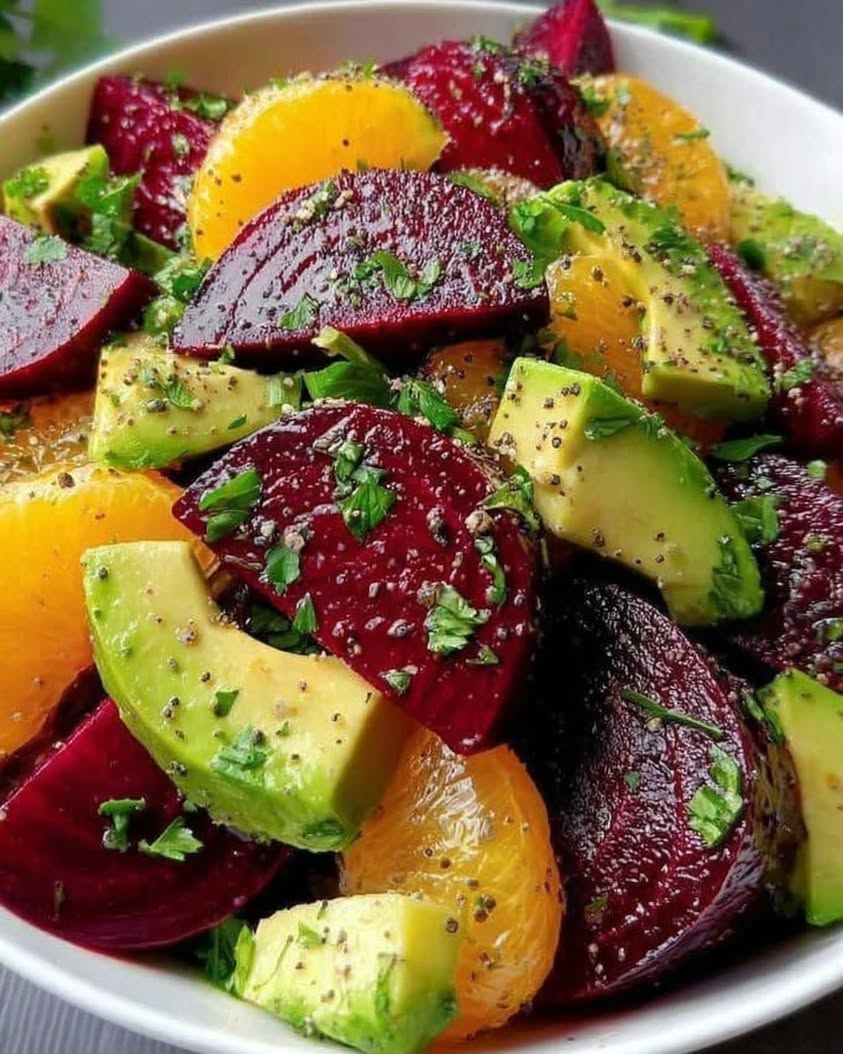
Imagine serving this colorful masterpiece at your next dinner party or enjoying it as a quick weekday lunch. The deep ruby hues of the beets contrast beautifully with the emerald green avocado slices. The juicy orange segments add pops of color and sweetness. You will notice how the tangy citrus vinaigrette ties everything together seamlessly. This recipe is incredibly versatile and forgiving. Additionally, it requires only basic knife skills and simple roasting techniques. You do not need to be a professional chef to impress your guests or yourself with this stunning dish.
Furthermore, this Ultimate Citrus Beet and Avocado Glow Salad Recipe for Radiant Skin is packed with skin-loving nutrients. Beets are rich in antioxidants and fiber. Avocados provide healthy fats that keep your skin supple and hydrated. Citrus fruits deliver a hefty dose of vitamin C, which supports collagen production. Consequently, this salad is not just delicious but also a powerful tool for your wellness routine. You will love how quickly it comes together once you have roasted the beets ahead of time. That is the secret to a stress-free cooking experience.
Quick Recipe Highlights
- Flavor Profile: This Citrus Beet and Avocado Glow Salad features a wonderful balance of sweet, tangy, and earthy flavors. The roasted beets bring natural sweetness. The orange segments add a bright, juicy tartness. The avocado contributes a buttery, neutral richness. The vinaigrette ties everything together with a zesty kick from lemon and a hint of herbal depth from fresh mint.
- Texture: You get a delightful contrast of textures in every forkful. The roasted beets are tender but firm. The avocado is luxuriously creamy. The orange segments offer a slight pop and juiciness. The toasted walnuts add a satisfying crunch. The mixed greens provide a delicate crispness. This combination makes each bite interesting and satisfying.
- Aroma: The aromatic profile of this salad is fresh and inviting. You will smell the sweet, earthy scent of roasted beets as you cut them. The citrus vinaigrette releases a bright, zesty fragrance with notes of lemon and orange. Fresh mint leaves add a cool, refreshing herbal note. Toasted walnuts contribute a warm, nutty aroma. These scents together signal a healthy and delicious meal.
- Visual Appeal: This salad is a feast for the eyes. The deep magenta beets sit alongside bright orange citrus segments. Creamy green avocado slices and vibrant mixed greens create a stunning contrast. Toasted walnuts and fresh mint leaves provide texture and visual interest. The overall presentation is elegant and inviting, perfect for any occasion.
- Skill Level Needed: This recipe is ideal for beginner and intermediate cooks. The main tasks include roasting beets, segmenting citrus fruits, and making a simple vinaigrette. Roasting beets is straightforward but requires some patience. Segmenting oranges takes a little practice, but you can also use sliced oranges. The vinaigrette is a simple whisk-together affair. No complex techniques are involved.
- Special Equipment: You will need a few basic kitchen tools. A sharp chef’s knife is essential for cutting the beets and citrus. A baking sheet lined with parchment paper is needed for roasting the beets. A small bowl and whisk are necessary for making the vinaigrette. A large mixing bowl will hold the finished salad. That is it. This recipe does not require any fancy gadgets.
Recipe Overview
- Difficulty Level: I rate this recipe as Easy. The reason for this simple rating is the lack of complicated techniques. Roasting beets is a basic oven skill. Assembling the salad requires only chopping and mixing. The vinaigrette is a simple emulsion. Even a novice cook can produce a stunning result. The only potential challenge is not overcooking the beets, but that is easily avoided with a timer.
- Category: This dish fits perfectly into several meal categories. It works wonderfully as a main course salad for a light lunch or dinner. It also serves beautifully as a side dish to grilled chicken or fish. Additionally, it makes a vibrant and healthy starter for a dinner party. You can even pack it for a work lunch, keeping the dressing separate until you eat it.
- Cuisine: This recipe draws inspiration from modern American and Mediterranean cuisines. The use of beets and citrus is common in Mediterranean cooking. The creamy avocado and crunchy walnuts are staples in California-style cuisine. The bright vinaigrette is a classic French technique. This fusion creates a unique and globally inspired flavor profile that feels both familiar and exciting.
- Cost: This salad is surprisingly budget-friendly. Beets are inexpensive root vegetables, especially when in season. Oranges are generally affordable, and lemons are a kitchen staple. Avocados can vary in price but are still a good value for their nutritional density. Walnuts are the most expensive ingredient, but a small handful goes a long way. Overall, you can make this entire salad for under ten dollars, depending on your location.
- Season: This salad is best enjoyed during the fall and winter months. Beets are at their peak sweetness from September through March. Citrus fruits, particularly oranges and lemons, are in season during the winter. This combination makes a perfect bright and hearty dish for the colder months. However, you can easily adapt it for summer by using seasonal berries instead of citrus.
- Occasion: This dish is incredibly versatile for any occasion. It is elegant enough for a holiday table or a Valentine’s Day dinner. It is also simple enough for a quick weeknight meal. Bring it to a potluck and watch it disappear. Serve it at a brunch gathering. It is a guaranteed crowd-pleaser that works for casual and formal settings alike.
Why You Will Love This Recipe
First and foremost, you will love the incredible taste and texture combination. The sweetness of the roasted beets pairs perfectly with the creamy avocado. The citrus segments add a bright, tangy burst that wakes up your taste buds. The walnuts provide a savory crunch that contrasts beautifully with the soft ingredients. The vinaigrette ties everything together with a perfect balance of acidity and richness. Every single bite offers a new and exciting flavor experience. You will find yourself craving this salad again and again.
Secondly, the convenience of this recipe is outstanding. You can roast the beets up to three days in advance. You can also make the vinaigrette ahead of time. Then, when you are ready to serve, all you need to do is slice the avocado, segment the orange, and toss everything together. This makes it perfect for busy weeknights when you want something healthy without hours of work. The total active time is only about twenty minutes. That is incredibly efficient for such a complex-tasting dish.
Next, the nutritional advantages of this salad are substantial. Beets are loaded with betalains, which are powerful antioxidants that reduce inflammation. Avocados provide heart-healthy monounsaturated fats. These fats are essential for absorbing fat-soluble vitamins from the other ingredients. Oranges are famously rich in vitamin C, which boosts collagen production for glowing skin. Walnuts add omega-3 fatty acids that support brain health. This salad is a complete nutritional powerhouse that supports your overall well-being.
Additionally, this salad has immense social and entertaining value. Presenting this vibrant dish to guests will elicit immediate wows. It looks like something from a high-end restaurant. Yet, you made it in your own kitchen with minimal effort. It is a fantastic conversation starter about healthy eating and cooking tips. You can easily double the recipe for a larger crowd. It is also a great potluck dish because it travels well when you keep the components separate.
Finally, this recipe is incredibly cost-effective and accessible. All the ingredients are available at any standard grocery store. You do not need to hunt down exotic items or specialty products. The total cost per serving is very low compared to store-bought salads or eating out. Plus, you get the satisfaction of controlling the quality of ingredients. You can also adjust the recipe to use what you have on hand. This makes it a practical choice for anyone on a budget.
Historical Background and Cultural Significance
The beetroot has a rich and ancient history. Humans have cultivated beets for thousands of years. Originally, people used beet leaves for food and the roots for medicinal purposes. The ancient Romans used beets to treat fevers and constipation. Later, in the 16th century, farmers developed the round, red root we know today. Beets became popular in Eastern European cuisines for soups like borscht. They symbolize grounding, strength, and earthy nourishment in many cultures.
Avocados have an equally fascinating past. They originated in south-central Mexico around 10,000 years ago. The ancient Aztecs called them ahuacatl, which means testicle, due to their shape. They believed avocados possessed aphrodisiac properties. Spanish conquistadors brought avocados to Europe. Today, they are a global superfood. Avocados represent fertility, abundance, and healthy fats. They hold a special place in modern wellness culture, particularly in California cuisine.
Citrus fruits have a long and storied journey around the world. Oranges originated in Southeast Asia, likely in China. Traders brought them along the Silk Road to the Middle East and Europe. Christopher Columbus brought orange seeds to the Americas on his second voyage. Citrus fruits became a vital source of vitamin C for sailors to prevent scurvy. They now symbolize freshness, vitality, and sunshine. The combination of citrus and beets is a modern culinary innovation.
This specific salad recipe is a contemporary creation. It reflects the current trend of combining nutrient-dense ingredients for health benefits. Chefs in California and New York popularized beet and citrus salads in the early 2000s. The addition of avocado came later, as avocado consumption skyrocketed. This recipe is an evolution of those early inspirations. It represents a global fusion of ingredients and cooking traditions. It is a testament to how food can bring together different cultures and flavors.
Ingredient Deep Dive
Beets are a root vegetable with deep cultural roots. In Eastern Europe, beets are a staple for hearty winter soups. They represent connection to the earth and the changing seasons. Nutritionally, beets are incredibly powerful. They contain betalains, which are potent antioxidants that help fight inflammation. They are also rich in folate, manganese, and potassium. The nitrates in beets can help lower blood pressure and improve athletic performance. When selecting beets, look for firm, smooth roots with fresh green tops. Avoid beets that are soft or have cracks. Store them in the refrigerator in a plastic bag for up to three weeks. Remove the greens immediately, as they pull moisture from the root. If you cannot find fresh beets, you can use jarred or vacuum-packed cooked beets. Just rinse them well before using.
Avocados are a fruit, not a vegetable, and they are incredibly nutrient-dense. They are native to Mexico and Central America, where they have been used for thousands of years. Avocados are rich in monounsaturated fats, which support heart health and help absorb fat-soluble vitamins. They also contain fiber, potassium, and vitamins C, E, and K. When selecting an avocado, choose one that yields slightly to gentle pressure. A perfectly ripe avocado should feel firm but give a little when squeezed. Avoid avocados that are mushy or have dark spots. To ripen an avocado quickly, place it in a brown paper bag with an apple or banana. Store ripe avocados in the refrigerator for up to three days. If you need a substitute, use ripe mango or cooked sweet potato for a different flavor profile.
Oranges are a quintessential citrus fruit with a bright, sunny flavor. They originated in Southeast Asia and were first cultivated in China. Oranges symbolize prosperity and good luck in Chinese culture. Nutritionally, they are famous for their high vitamin C content. One orange can provide over 100% of your daily vitamin C needs. They also contain fiber, thiamine, and folate. When selecting oranges, choose ones that feel heavy for their size. This indicates juiciness. The skin should be firm and bright, without soft spots. Store oranges at room temperature for up to a week, or in the refrigerator for up to three weeks. If you do not have oranges, you can use grapefruit or blood oranges for a different twist.
Lemons are another essential citrus fruit in this recipe. They likely originated in India or China and spread to Europe via the Middle East. Lemons are a symbol of cleansing and purification. They are packed with vitamin C and antioxidants. The acidity in lemon juice helps prevent the avocado from browning too quickly. When selecting lemons, choose ones that are bright yellow and feel heavy. Store them at room temperature for about a week, or in the refrigerator for up to a month. You can substitute fresh lime juice for lemon juice. The flavor will be slightly different but equally delicious.
Walnuts add a delightful crunch and nutty flavor to this salad. They are one of the oldest tree foods known to humans, dating back to 7000 BCE. Walnuts are rich in omega-3 fatty acids, which are crucial for brain health. They also contain antioxidants, vitamin E, and magnesium. When selecting walnuts, look for fresh, plump kernels. Avoid walnuts that smell rancid or are shriveled. Store them in an airtight container in the refrigerator or freezer to prevent them from going rancid. For the best flavor, toast the walnuts in a dry skillet for a few minutes before adding them to the salad. If you do not have walnuts, you can use pecans, almonds, or pumpkin seeds.
Mixed greens provide the fresh, leafy base for this salad. I recommend using a mix of baby spinach, arugula, and romaine. Spinach is mild and tender, arugula adds a peppery kick, and romaine provides crunch. These greens are rich in vitamins A, C, and K. They also provide iron and fiber. When selecting mixed greens, look for vibrant, crisp leaves. Avoid any bags with slimy or yellowing leaves. Store them in the refrigerator in the original bag or a container lined with paper towels. If you do not have mixed greens, you can use a single variety like baby kale or spring mix.
Common Mistakes to Avoid
- Overcooking the beets: This is a very common error. Overcooked beets become mushy and lose their structural integrity. They will fall apart in the salad, creating a muddy appearance. You should roast them just until they are fork-tender, about 45 minutes for medium beets. Test them with a knife after 40 minutes.
- Not peeling the beets: Some people try to leave the skins on for convenience. This is a mistake because beet skins can be tough and woody. They also have an unpleasant texture. Always peel the beets after roasting while they are still warm. The skins slip off easily this way.
- Using under-ripe avocado: This is a cardinal sin in avocado salads. Under-ripe avocados are hard, flavorless, and difficult to eat. They ruin the creamy texture that makes this salad special. Always check the ripeness by gently pressing the stem end. If it does not yield, the avocado is not ready.
- Cutting avocado too early: Avocado starts to oxidize and turn brown the moment you cut it. If you cut the avocado too early, it will look unappetizing. Cut the avocado just before you are ready to assemble the salad. Brush the slices with a little lemon juice to slow browning.
- Adding the dressing too early: This is a classic salad mistake that leads to wilted greens. The vinaigrette will make the greens soggy and the walnuts lose their crunch. Only dress the salad right before you serve it. You can have all the components ready and toss at the table.
- Using cold ingredients: This salad tastes best at room temperature. Cold beets and avocado can be bland and unappealing. Let the roasted beets cool to room temperature before assembling. Also, let your oranges and avocado sit out for a few minutes before slicing.
- Overdressing the salad: Too much vinaigrette will drown the delicate flavors. It will also make the salad heavy and greasy. Start with half the dressing and add more as needed. You can always add more, but you cannot remove it.
- Not toasting the walnuts: Raw walnuts are bland and slightly bitter. Toasting them transforms their flavor into something warm and nutty. It also improves their texture. Toast them in a dry skillet for just two minutes, shaking the pan constantly. Watch them closely because they burn quickly.
- Cutting beets unevenly: Inconsistent beet size leads to an unprofessional look. Some pieces will be too large, and others will be too small. Aim for uniform half-inch cubes. This ensures that each bite has a similar experience.
- Skipping the fresh herbs: Fresh mint or parsley is essential for this recipe. It adds a bright, fresh note that elevates the entire salad. Dried herbs will not work here. Do not skip this step as it makes a significant difference.
Essential Techniques
Mastering the art of roasting beets is crucial for this recipe. Roasting brings out the natural sweetness of beets, making them tender and delicious. The dry heat of the oven concentrates their sugars. To do it correctly, scrub the beets clean but do not peel them. Wrap each beet in aluminum foil with a splash of water, or place them in a baking dish with a little water and cover with foil. This steaming effect helps them cook evenly. Roast them at 400 degrees Fahrenheit for about 45 minutes. A fork should slide through easily when they are done. Let them cool enough to handle before peeling. The skins will slip right off with your fingers. This technique is forgiving and produces consistent results.
Segmenting citrus fruit is a simple but elegant technique. It is sometimes called supreming. This technique removes the bitter white pith and membranes, leaving only the juicy segments. First, slice off the top and bottom of the orange with a sharp knife. Then, stand the orange upright and cut away the peel and pith in strips, following the curve of the fruit. Once all the peel is gone, hold the fruit in your hand over a bowl. Cut along each membrane to release the segments. The resulting wedges are beautiful and easy to eat. The juice that collects in the bowl is perfect for the vinaigrette. Practice this a few times, and you will master it quickly.
Making a simple vinaigrette is a foundational cooking skill. This recipe uses a basic ratio of three parts oil to one part acid. For this version, we use fresh lemon juice and orange juice as the acid. The oil is a high-quality extra-virgin olive oil. To make it, whisk the citrus juices, Dijon mustard, a touch of honey, salt, and pepper together. Then, slowly drizzle in the olive oil while whisking constantly. This creates a temporary emulsion that coats the salad beautifully. The key is to whisk vigorously to combine the oil and acid. Do not use a blender because it can make the vinaigrette too thick. Taste and adjust the seasoning at the end.
Toasting nuts is a tiny technique that yields huge flavor rewards. It takes only a few minutes and dramatically improves the taste. Place the walnuts in a dry skillet over medium heat. Shake the pan constantly to prevent burning. You will know they are done when they become fragrant and turn a shade darker, about two to three minutes. Immediately transfer them to a plate to stop the cooking process. If you leave them in the hot pan, they will continue to cook and could burn. Toasted walnuts add a wonderful depth to the salad that raw nuts cannot match. This step is worth the minimal extra effort.
Pro Tips for Perfect Citrus Beet and Avocado Glow Salad
Always use gloves when handling raw beets to avoid staining your hands. Beet juice can leave a deep purple mark that is very difficult to remove. If you do get stains, rub them with lemon juice and salt to help remove them. Also, use a cutting board that you do not mind getting stained or one that is specifically for beets. This simple precaution will save you from frustration later.
Feel free to use pre-cooked beets for an even faster preparation time. Many grocery stores sell vacuum-packed cooked beets in the produce section. You can also find them in jars. Just rinse them well and cut them into cubes. This cuts the total time down to about 20 minutes. The flavor will still be excellent. This makes the recipe even more convenient for busy schedules.
Massage the mixed greens with a little olive oil and salt before adding the dressing. This technique, called massaging, softens the greens and makes them more tender. It also helps the dressing adhere better to the leaves. Simply drizzle a teaspoon of olive oil over the greens and use your hands to gently coat them. Do this about five minutes before serving. It makes a noticeable difference in texture.
Use a microplane or fine grater to add lemon zest to the vinaigrette. The zest contains essential oils that provide a burst of citrus flavor. It adds complexity that juice alone cannot achieve. Only zest the yellow part of the peel, not the white pith. The pith is bitter and will ruin the vinaigrette. A small amount of zest goes a long way.
Do not skip the fresh mint or parsley in this recipe. The herbs are not just for decoration. They provide a fresh, cooling counterpoint to the earthy beets and creamy avocado. Chop the herbs just before adding them to preserve their volatile oils. If you cannot find mint, use fresh basil or dill as excellent alternatives. Each herb brings a unique character to the dish.
Consider adding crumbled goat cheese or feta for an extra layer of flavor. The tangy, salty cheese pairs beautifully with the sweet beets and citrus. It adds a creamy element that complements the avocado. If you are vegan, you can omit the cheese or use a plant-based alternative. This is an optional but highly recommended addition.
For a heartier version, add a cup of cooked quinoa or farro to the salad. This turns it into a more substantial main dish. The grains will absorb some of the dressing and add a wonderful chewy texture. You can also add grilled chicken or chickpeas for extra protein. This makes the meal more filling and satisfying.
Finally, remember that this salad tastes even better after it sits for a short time. The flavors meld together as the ingredients marinate lightly. Let the salad sit at room temperature for about 15 minutes after you toss it. This allows the beets to absorb some of the dressing. Just serve immediately after that time, as the greens will start to wilt eventually.
Variations and Adaptations
There are wonderful regional variations of this salad from around the world. In the Middle East, chefs add sumac and pomegranate molasses to the vinaigrette. They also replace walnuts with pistachios for a different nutty flavor. In the Mediterranean, people add olives and capers for a briny, salty punch. They also use a red wine vinegar dressing instead of citrus. The French version often includes Roquefort cheese and walnut oil. Each region brings its own unique twist to this simple concept.
Seasonal adaptations make this salad a year-round recipe. In the spring, you can replace the oranges with sliced strawberries or raspberries. Add fresh peas and asparagus for a green vegetable boost. In the summer, use peaches, nectarines, or cherries instead of citrus. Grilled corn and cherry tomatoes work wonderfully. In the fall, add roasted squash, apples, and a maple-mustard vinaigrette. In the winter, stick to the original recipe with seasonal citrus and beets. Every season offers a new opportunity to play.
Dietary modifications are straightforward for this salad. It is naturally gluten-free and dairy-free. To make it vegan, ensure your honey is actually maple syrup or agave nectar. The recipe is already vegetarian and plant-based friendly. For a low-carb version, skip the honey in the dressing and reduce the amount of beets. You can also add more avocado and walnuts. This salad easily adapts to various dietary needs.
Flavor variations are endless with this base recipe. You can add fresh ginger or grated turmeric to the vinaigrette for an anti-inflammatory boost. Try using blood oranges or cara cara oranges for a different color and sweetness. Add a pinch of cayenne pepper or red pepper flakes for a touch of heat. Smoked paprika adds a deep, smoky undertone that works beautifully. You can also experiment with different herbs like cilantro or tarragon.
Texture modifications allow you to customize the mouthfeel. For a crunchier salad, add some shredded carrots, sliced radishes, or jicama. You can also top it with croutons or crispy chickpeas. For a softer texture, mash the avocado instead of slicing it. This creates a creamy dressing effect. You can also grate the raw beets instead of roasting them for a crunchy, floral version. A mandoline is perfect for this.
Presentation alternatives make this dish suitable for any event. For individual servings, layer the ingredients in a glass jar for a beautiful, portable lunch. This creates a dramatic layered effect. For a communal platter, arrange the ingredients in rows on a large board, like a deconstructed salad. This allows guests to customize their plates. You can also serve the salad on a bed of pureed avocado for an extra touch of elegance. The possibilities are limited only by your imagination.
Serving and Presentation Guide
Plating this salad beautifully requires a little attention to detail. Use a large, flat platter or a wide, shallow bowl. Spread the mixed greens evenly on the base. Artfully arrange the beets, avocado slices, and orange segments in groups over the greens. Do not just dump everything on top. Create a pattern or scatter them thoughtfully. This makes the salad look intentional and elegant. Sprinkle the toasted walnuts and fresh herbs over the top. Drizzle the vinaigrette in a zigzag pattern just before serving.
Garnishing ideas can elevate your presentation even further. Add a few edible flower petals for a pop of color and a wow factor. Nasturtiums, pansies, and borage flowers are excellent choices. A sprinkle of flaky sea salt adds a final touch of texture and flavor. You can also add very thin shavings of Parmesan cheese for a salty, nutty finish. A twist of black pepper is another simple but effective garnish.
Traditional accompaniments for this salad are simple and classic. It pairs beautifully with a crusty baguette or sourdough bread to soak up the dressing. You can also serve it alongside grilled salmon or roasted chicken for a complete meal. For a vegetarian main course, add a poached egg on top. The runny yolk creates a luxurious sauce. This is a fantastic way to add protein and richness.
Modern serving suggestions include turning this salad into a grain bowl. Serve it over a bed of warm quinoa, farro, or brown rice. This makes it a filling and satisfying main dish. You can also serve it as a deconstructed dip with toasted pita chips. This is a fun and interactive appetizer for parties. Another modern idea is to wrap the salad in rice paper for fresh spring rolls. These are perfect for a light and healthy appetizer.
Temperature considerations are important for this salad. The beets and avocado should be at room temperature for the best flavor and texture. The greens should be cool and crisp. The vinaigrette should be at room temperature so it flows easily. If you are serving immediately, you can assemble at room temperature. If you are preparing in advance, keep all components chilled until just before serving. Let them sit out for 10 minutes to take the chill off before serving.
Portion control tips are helpful for meal prep. This recipe serves four as a main course or six as a side dish. Each serving is approximately one heaping cup of salad. This provides a satisfying volume of food. For a weight management plan, measure the avocado to stay within a reasonable fat intake. One quarter of an avocado per serving is a good guideline. The walnut portion is about one tablespoon per serving. This keeps the calorie count in check while ensuring a delicious meal.
Wine and Beverage Pairing
Wine pairing with this salad is a delightful exercise. A crisp Sauvignon Blanc is an excellent choice. Its bright acidity and herbal notes complement the citrus and beets perfectly. A dry Rosé also works wonderfully. The light berry notes and refreshing finish pair well with the avocado. For white wine lovers, a Pinot Grigio offers a clean, neutral backdrop that does not overpower the delicate flavors. These wines highlight the salad rather than competing with it.
Non-alcoholic alternatives are equally delicious. A sparkling water with a splash of lemon or lime juice is a classic choice. The bubbles help cleanse the palate between bites. A tall glass of iced green tea with a hint of mint is another excellent option. It is refreshing and complements the herbal notes in the salad. For a festive touch, serve a spiced apple cider or a hibiscus iced tea. The tartness of the hibiscus mirrors the citrus beautifully.
Coffee and tea pairings are wonderful if you are serving this as a lunch or brunch dish. A light, floral tea like chamomile or jasmine is a perfect match. The delicate flavors do not overpower the salad. For coffee, a lighter roast with bright, fruity notes is ideal. A pour-over with Ethiopian beans works especially well. Avoid heavy, dark roasts, as they can clash with the bright citrus and earthy beets.
Temperature considerations for beverages are simple. Serve all beverages chilled or over ice. This contrasts pleasantly with the room temperature salad. If you are serving wine, ensure it is properly chilled but not too cold. Overly cold wine can mute its flavors. Let the wine sit out for a few minutes after opening to allow it to breathe slightly. This is especially true for white wines.
Serving suggestions for beverages add to the overall experience. Offer a beverage pairing suggestion on a small card at each place setting. This adds a touch of restaurant-style hospitality. Use elegant glassware to elevate the meal. A white wine glass for the wine and a nice rocks glass for the mocktail. The visual appeal of the beverages matters almost as much as the taste.
Storage and Shelf Life
Proper storage methods are essential for maintaining the quality of this salad. The biggest enemy is moisture, which leads to wilted greens. The best approach is to store all components separately. Keep the dressed salad in an airtight container for up to 24 hours, but the greens will lose their crispness. For the best texture, store undressed greens, roasted beets, and vinaigrette separately.
Temperature requirements are straightforward. The greens and avocado must be kept refrigerated at 40 degrees Fahrenheit or below. The beets can be kept at room temperature for a few hours after roasting, but they should also be refrigerated for longer storage. The vinaigrette is fine at room temperature for a day, but it will last longer in the fridge. Always store the avocado at room temperature until it is cut, then refrigerate any leftover slices.
Container recommendations focus on airtight seals. Use glass containers for the vinaigrette and beets, as plastic can absorb odors. For the greens, use a container lined with paper towels to absorb excess moisture. The paper towels will keep the greens crisp for a few days. For the avocado, wrap it tightly with plastic wrap, pressing the wrap directly against the surface of the fruit to minimize air exposure.
Signs of spoilage are easy to spot. The greens will become slimy and develop a bad odor. The beets will develop a soft, mushy texture and might have a sour smell. The avocado will turn brown and develop a rancid, unpleasant taste. The vinaigrette might separate, which is normal, but if it smells off, discard it. Never eat any ingredient that looks or smells questionable.
Reheating instructions are not applicable for this salad, as it is served cold. However, you can briefly roast the beets if you want them warm. The greens and avocado should never be heated. If you want a warm salad, consider adding warm quinoa or farro to the mix. The cold and warm contrast can be quite pleasant.
Freezing guidelines are clear: do not freeze this salad. The greens will become mushy and unappetizing. The avocado will turn into a brown paste. The citrus segments will lose their structure. The only component you can freeze is the vinaigrette, but it is so quick to make that freezing is unnecessary. This salad is best enjoyed fresh, within 24 hours of preparation.
Make Ahead Strategies
A prep timeline is the key to stress-free entertaining. Up to three days before serving, roast the beets, let them cool, and store them in an airtight container in the refrigerator. This is the most time-consuming step. One day before serving, make the vinaigrette and store it in a jar in the refrigerator. Toast the walnuts and store them in an airtight container at room temperature. Wash and dry the mixed greens. Store them in a container lined with paper towels.
Storage between steps is critical. Keep all components separate until you are ready to assemble. This prevents the greens from wilting and the walnuts from getting soggy. The avocado and orange should be prepared the day of serving. They are too delicate to prep much earlier. The vinaigrette can be made a week in advance; just bring it to room temperature and shake well before using.
Quality impact assessment is important to manage expectations. The beets will taste just as good on day three as on day one. Print
Citrus Beet & Avocado Glow Salad
- Total Time: 75 minutes
- Yield: 4
Description
A vibrant and refreshing salad featuring earthy roasted beets, creamy avocado, and bright citrus flavors. This nutrient-packed dish is perfect for a light lunch or a colorful side.
Ingredients
- 3 medium beets, scrubbed and trimmed
- 2 navel oranges
- 1 large ripe avocado, diced
- 1/4 cup fresh mint leaves, roughly chopped
- 3 tablespoons extra virgin olive oil
- 2 tablespoons fresh lemon juice
- 1 teaspoon honey or maple syrup
- 1/2 teaspoon salt
- 1/4 teaspoon black pepper
- 1/4 cup crumbled feta cheese (optional)
Instructions
- Preheat oven to 400°F (200°C). Wrap each beet individually in aluminum foil and roast for 45-60 minutes, until tender. Let cool, then peel and cut into wedges.
- While beets cool, supreme the oranges: cut off top and bottom, slice away peel and pith, then cut segments between membranes. Reserve any juice.
- In a small bowl, whisk together olive oil, lemon juice, honey, salt, and pepper. Add 1-2 tablespoons of reserved orange juice if desired.
- Arrange beet wedges and orange segments on a platter or in a large bowl. Gently fold in diced avocado and mint.
- Drizzle the dressing over the salad, toss lightly to combine, and top with crumbled feta if using. Serve immediately.
Notes
You can customize the seasonings to taste. For extra crunch, add toasted walnuts or pumpkin seeds.
- Prep Time: 15 minutes
- Cook Time: 60 minutes
- Method: Salad
- Cuisine: American