The Ultimate Chicken Ricotta Meatballs with Creamy Spinach Alfredo
Imagine tender, juicy meatballs that melt in your mouth, all nestled in a velvety sauce that feels like a warm hug on a chilly evening. That is exactly what you get with this recipe for the ultimate chicken ricotta meatballs with creamy spinach alfredo. Furthermore, this dish brings together the lightness of lean ground chicken and the richness of whole milk ricotta, creating a protein-packed meal that the entire family will adore. Consequently, you can serve it over a bed of pasta, alongside crusty bread, or even on its own for a low-carb option. The sauce itself is a luxurious blend of heavy cream, fresh Parmesan cheese, and tender spinach, which complements the meatballs perfectly. As a result, every bite offers a balance of savory, creamy, and slightly nutty flavors. We carefully tested this recipe so that it delivers restaurant-quality results right from your home kitchen. Moreover, we designed it to be approachable for home cooks with some basic experience. Therefore, you can confidently prepare this dish for a weeknight dinner or a special gathering. Overall, this recipe for chicken ricotta meatballs with creamy spinach alfredo is a comforting, satisfying, and impressive meal that will quickly become a family favorite.
The appeal of this recipe lies in its simplicity and the incredible flavor payoff. Initially, we combine ground chicken with ricotta cheese, breadcrumbs, egg, garlic, and a blend of Italian seasonings. The ricotta is the secret ingredient here, as it keeps the meatballs incredibly moist and tender. Then, we sear them to golden perfection before simmering them in a homemade spinach alfredo sauce. This two-step cooking method ensures the meatballs have a beautiful crust and a juicy interior. Additionally, the sauce comes together quickly by sautéing garlic, adding heavy cream and fresh spinach, and stirring in Parmesan until smooth. Consequently, the entire meal comes together in under an hour. We also appreciate that this recipe uses common ingredients that you can easily find at any grocery store. Therefore, you do not need to hunt down specialty items. Instead, you can focus on technique and flavor. In conclusion, this recipe for the ultimate chicken ricotta meatballs with creamy spinach alfredo is a straightforward yet elegant dish that proves comfort food can be both delicious and achievable.
The sensory experience of eating this dish is truly memorable. To begin, the aroma of garlic and onions sizzling in butter fills your kitchen with warmth. Then, the rich, creamy scent of Parmesan and heavy cream takes over as the sauce simmers. When you take your first bite, you will notice the perfect contrast between the seared, slightly crispy exterior of the meatballs and their incredibly soft and tender inside. The alfredo sauce is smooth and coats each meatball generously, while the spinach adds a subtle earthiness and a pop of green color. This combination of textures and flavors creates a deeply satisfying eating experience. Moreover, the dish feels indulgent and special, yet it uses everyday ingredients. Because of this, you can serve it confidently to guests who will think you spent hours in the kitchen. Ultimately, this recipe for chicken ricotta meatballs with creamy spinach alfredo delivers a multi-sensory dining experience that makes any meal feel like an occasion.
Quick Recipe Highlights
- Flavor Profile: This dish delivers a savory and savory flavor profile with rich, cheesy notes from the Parmesan and ricotta. The garlic and Italian seasoning provide a classic herby base, while the spinach adds a mild, earthy balance. Consequently, the overall taste is comforting, creamy, and deeply satisfying.
- Texture: The meatballs are exceptionally tender and moist thanks to the ricotta, with a golden-brown crust from searing. Meanwhile, the alfredo sauce is luxuriously smooth and velvety. The wilted spinach adds a slight tenderness, creating a pleasant textural contrast with the meatballs.
- Aroma: Your kitchen will fill with the inviting aroma of garlic and onions cooking in butter. Then, the scent of Parmesan melting into the cream adds a nutty richness. Finally, the fresh spinach releases a grassy, green note that enhances the overall olfactory experience.
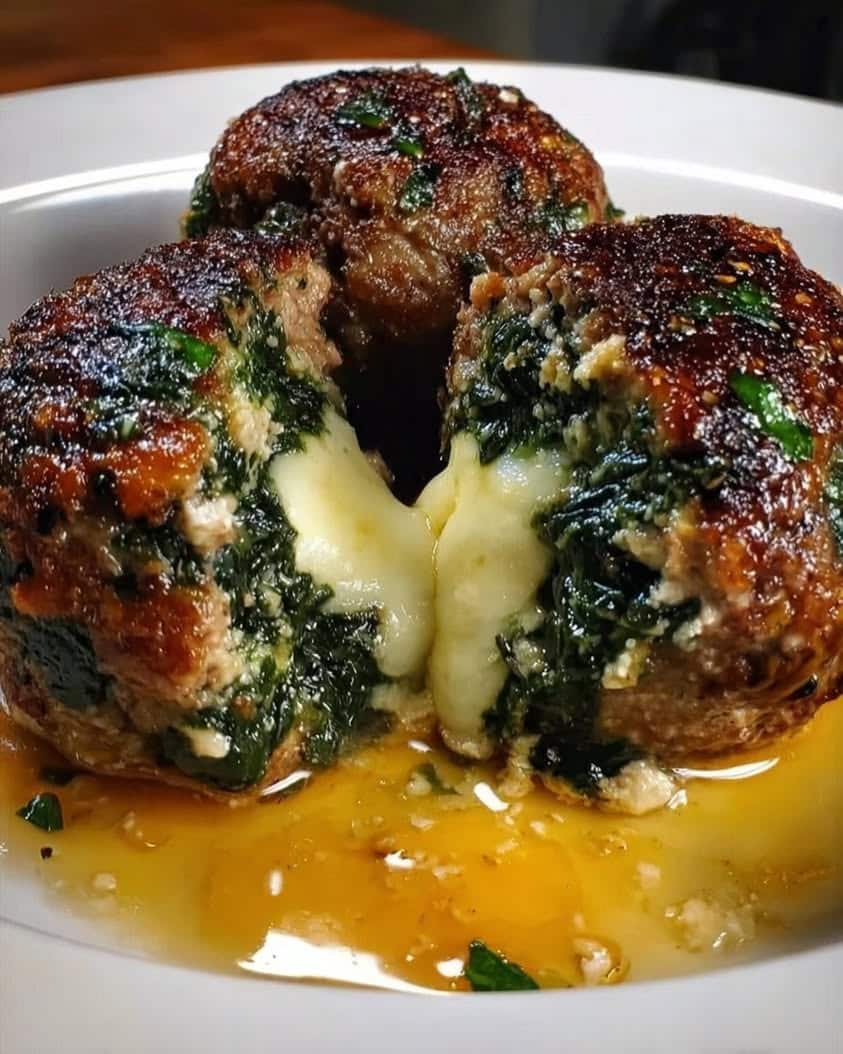
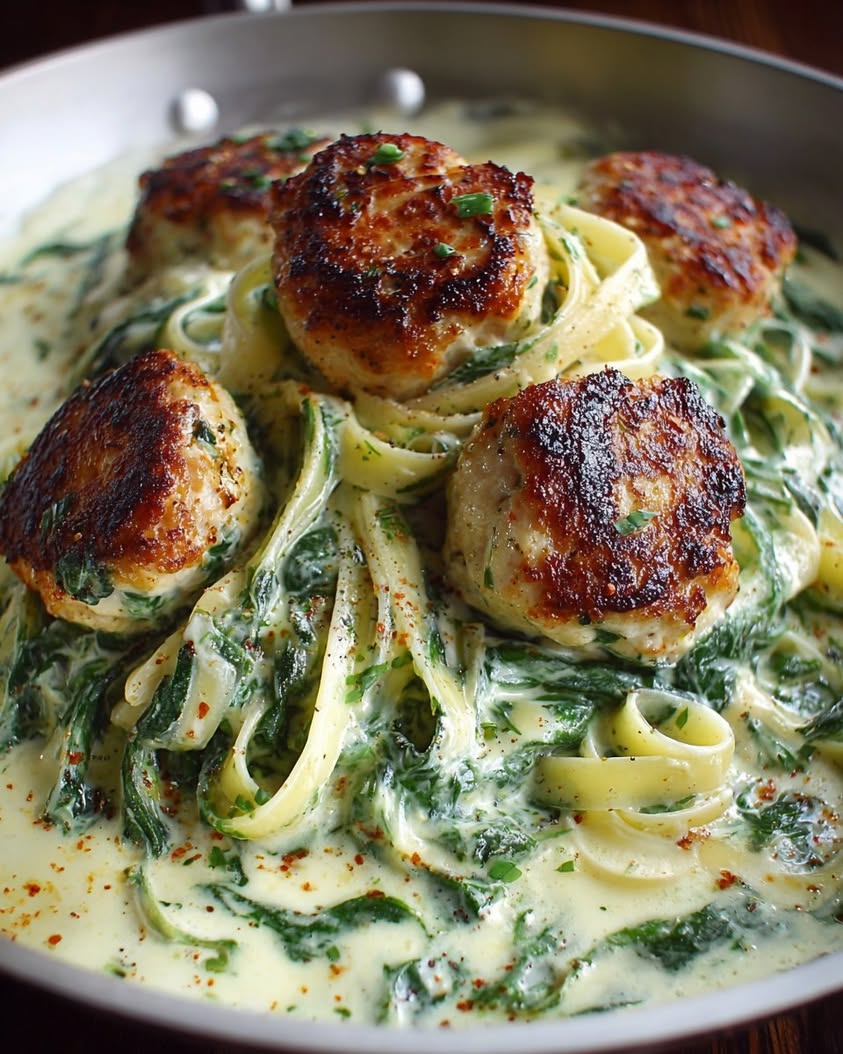
- Visual Appeal: The dish is visually stunning with golden-brown meatballs resting in a creamy, pale green sauce. The bright green flecks of spinach throughout the sauce add a beautiful color contrast. Serving it over pasta or garnishing with additional Parmesan and parsley creates an elegant presentation.
- Skill Level Needed: This recipe requires basic cooking skills like browning meat and making a simple cream sauce. It is perfect for intermediate home cooks who are comfortable with a stovetop. However, beginners can also succeed by carefully following the instructions, especially when checking that the meatballs are cooked through.
- Special Equipment: You will need a large skillet or frying pan for searing the meatballs and a separate saucepan for the sauce. A mixing bowl for combining the meatball ingredients is essential. Also, a spatula or tongs for turning the meatballs and a whisk for the sauce will make the process smoother.
Recipe Overview
- Difficulty Level: We rate this recipe as medium difficulty because it involves a few simultaneous steps. You must shape the meatballs while the pan heats, then manage the searing process without burning them. After that, you need to whisk the alfredo sauce to avoid lumps. However, the techniques are straightforward, and the detailed instructions make it manageable. Therefore, we consider it a rewarding challenge for someone looking to expand their cooking repertoire.
- Category: This dish falls primarily under the main course category, perfect for dinner. It also works well as a hearty lunch when served with a side salad. Additionally, it fits into the comfort food genre because of its creamy, rich sauce and tender meatballs. Consequently, it is a versatile entry that can suit different meal occasions.
- Cuisine: This recipe draws heavily from Italian-American culinary traditions. The combination of meatballs and alfredo sauce is a classic comfort food combination found in many American households. However, the use of ricotta in the meatballs is a nod to traditional Italian cooking, where ricotta is often used to lighten and moisten meat mixtures. Therefore, the cuisine represents a fusion of authentic techniques and popular American flavors.
- Cost: The ingredients for this dish are relatively affordable and widely available. Ground chicken is often cheaper than beef, making this a budget-friendly option. Ricotta cheese and Parmesan are the other notable costs, but you only need small amounts. Overall, you can expect to spend around $15 to $20 for a batch that serves six, making it a very cost-effective meal for feeding a family.
- Season: This dish is perfect for fall and winter months when you crave warm, comforting food. The creamy sauce and hearty meatballs provide comfort against cold weather. However, it works well year-round, especially if you use fresh, in-season spinach. Therefore, it is a versatile seasonal dish that can be adapted to different times of the year.
- Occasion: This recipe excels as a weeknight dinner because it comes together in under an hour. It is also impressive enough to serve at a casual dinner party or a family celebration. Moreover, it is a great choice for holidays like Christmas or New Year’s Eve when you want something satisfying but not overly complex. Ultimately, it is a crowd-pleaser for many occasions.
Why You’ll Love This Recipe
First and foremost, the taste and texture of these chicken ricotta meatballs are simply outstanding. The ricotta cheese acts as a tenderizer, ensuring every bite is moist and juicy. Unlike typical meatballs that can become dense or dry, these stay incredibly soft. Then, when you pair them with the creamy spinach alfredo sauce, every mouthful becomes a blend of rich, savory, and slightly nutty flavors. The sauce itself is luxurious without being overly heavy. As a result, this combination makes for a highly satisfying meal that will have everyone asking for seconds. The texture of the meatballs is a standout feature, offering a perfect bite that is neither too firm nor too crumbly.
Moreover, this recipe offers incredible convenience and preparation benefits. You can have dinner on the table in under an hour, even on a busy weeknight. The ingredient list is straightforward, so you can grab everything at your local supermarket without a hassle. Additionally, the recipe uses one pan for the sauce and one pan for the meatballs, which means minimal cleanup. Consequently, you spend less time washing dishes and more time enjoying your meal. The steps are clearly laid out, making the process flow smoothly from start to finish. Therefore, even if you are a busy parent or a professional with limited time, you can still whip up a homemade, delicious meal. This convenience is a huge advantage for anyone looking to cook from scratch more often.
Furthermore, this dish provides some notable nutritional advantages. Chicken ricotta meatballs with creamy spinach alfredo offer a good balance of protein, healthy fats, and carbohydrates. The ground chicken is a lean protein source that helps build and repair muscles. Ricotta cheese adds calcium and protein to the meatballs. The spinach in the sauce delivers essential vitamins like A, C, and K, along with iron and fiber. Additionally, you can control the amount of cream and cheese used, making it easier to adjust the richness to your dietary needs. Consequently, this meal can fit into a balanced diet, especially if you pair it with a side of vegetables or whole-wheat pasta. It is a satisfying meal that nourishes your body while pleasing your taste buds.
Additionally, this recipe shines for its social and entertaining value. Serving this dish to guests is a sure way to impress them. The beautiful presentation of golden meatballs in a creamy green sauce looks elegant and inviting. Furthermore, it is a crowd-pleaser that appeals to both adults and children. The flavors are familiar and comforting, so even picky eaters will likely enjoy it. Because it is so delicious, it often becomes the highlight of the meal. You can serve it as part of a larger spread, or make it the star. Consequently, it is a wonderful choice for dinner parties, family reunions, or holiday gatherings. Sharing this dish creates a warm, communal dining experience that everyone will remember.
Finally, this recipe is very cost-effective and uses accessible ingredients. Ground chicken is typically one of the most affordable meats available. Ricotta and Parmesan are also reasonably priced and keep well in the refrigerator. Moreover, you can often find fresh spinach on sale, making this a budget-friendly option. Because the ingredients are simple and common, you can make this dish without searching for specialty items. This accessibility means you can enjoy a restaurant-quality meal at a fraction of the cost. As a result, you can feed a family of six for a very reasonable amount of money. This combination of affordability, taste, and convenience makes this a smart choice for any home cook.
Historical Background and Cultural Significance
The origin of this dish is rooted in the Italian-American immigrant experience. Meatballs, or polpette, have a long history in Italy, where they were traditionally made with leftover meat and breadcrumbs. When Italian immigrants arrived in the United States, they adapted their recipes to use more readily available ingredients. Ground beef and pork became common, and larger meatballs became the norm. The addition of ricotta to meatballs is a more regional Italian technique, often found in Southern Italian cooking. Ricotta adds moisture and richness, which was highly valued. This specific combination of chicken and ricotta is a modern adaptation that reflects the American preference for lighter proteins.
Culturally, this dish represents the comfort and hospitality of Italian-American home cooking. Meatballs are often associated with family gatherings and Sunday dinners. They symbolize togetherness and the joy of sharing a meal. The creamy Alfredo sauce, although originally an Italian creation (fettuccine al burro), became hugely popular in the United States. Combining meatballs with Alfredo sauce is an American innovation that has become a beloved classic. Therefore, this recipe for chicken ricotta meatballs with creamy spinach alfredo is a perfect example of culinary adaptation. It honors traditional techniques while embracing modern flavors and dietary preferences. It is a dish that carries a sense of heritage and warmth.
The evolution of this recipe is a story of continuous refinement. Initially, meatballs were simple mixtures of meat, bread, and herbs. The use of ricotta was a culinary breakthrough that made them exceptionally tender. As home cooks experimented, they started adding spinach to the Alfredo sauce for both flavor and nutrition. This addition also adds a beautiful color contrast. The popularity of low-carb and gluten-free diets has also influenced this recipe. Many home cooks now serve these meatballs with zucchini noodles or simply on their own. Consequently, the recipe has evolved to be more versatile and health-conscious. Today, it is a staple in many homes, adapted to suit personal tastes and dietary needs.
Regional variations of this dish exist across the United States. In the Northeast, you might find a heavier use of garlic and Parmesan. In California, cooks might add sun-dried tomatoes or artichokes to the sauce. Some Southern takes include a touch of cayenne or smoked paprika for a slight heat. Internationally, versions may use different cheeses or herbs to reflect local tastes. For example, in Australia, you might find basil added to the meatballs. In Italy, purists might use a simple tomato sauce instead of Alfredo. These variations show the adaptability of the core concept. Therefore, this recipe can be a canvas for your own culinary creativity, allowing you to tailor it to your regional preferences.
Ingredient Deep Dive
Starting with the ground chicken, this ingredient has become a popular choice for health-conscious cooks. Culturally, chicken has been a staple protein in many cuisines for its mild flavor and versatility. Nutritionally, ground chicken is a lean source of protein, lower in saturated fat than beef or pork. When selecting ground chicken, look for packages that are pink and moist, without any gray discoloration. The sell-by date should be a few days away. For storage, keep it in the coldest part of your refrigerator and use it within one to two days. You can also freeze it for up to three months. Substitution options include ground turkey or a blend of ground pork and beef for a richer flavor.
Ricotta cheese is the true secret to the tenderness of these meatballs. This fresh cheese has a long history in Italian cuisine, used in both sweet and savory dishes. Nutritionally, it is a good source of calcium and protein, though it does contain some fat. When buying ricotta, look for full-fat versions for the best texture and flavor. Low-fat versions can be watery and less creamy. The best ricotta is creamy and slightly grainy, not watery. Store it in its original container and use it by the best-by date. Substitution options include cottage cheese that you blend until smooth, or mascarpone for an even richer result, though mascarpone is higher in fat.
Fresh spinach is a key component of the Alfredo sauce. This leafy green is packed with vitamins A, C, and K, as well as iron and fiber. Culturally, spinach has been used across many cuisines, from Mediterranean to Indian. When selecting spinach, look for bright green leaves without any yellowing or wilting. Avoid bags with excess moisture, as that can cause it to spoil quickly. Store fresh spinach in a sealed bag with a paper towel to absorb moisture, and use it within three to five days. Substitution options include frozen spinach, which you should thaw and squeeze dry before using. You can also use kale, but it will have a tougher texture and a slightly more bitter flavor.
Parmesan cheese is essential for the classic Alfredo flavor. This hard, aged cheese originates from Italy and has a granular texture and a nutty, salty taste. Nutritionally, it is high in calcium and protein but also high in sodium. For the best flavor, always buy a wedge of Parmigiano-Reggiano and grate it yourself. Pre-shredded cheeses contain cellulose to prevent clumping, which can affect the sauce’s smoothness. Store the wedge tightly wrapped in the refrigerator and it will last for weeks. Substitution options include Pecorino Romano, which is saltier and sharper, or Grana Padano, which is milder and more affordable. Using a good quality Parmesan will significantly improve the final dish.
Heavy cream is the base of the velvety sauce. It provides richness and body, creating a luxurious mouthfeel. Nutritionally, it is high in fat and calories, which is why it is used in moderation. For a lighter sauce, you can substitute half-and-half or whole milk, but the sauce will be thinner and less creamy. Always use heavy cream with at least 36% milk fat for the best results. Store heavy cream in the coldest part of the refrigerator and use it by the sell-by date. Substitution options include full-fat coconut milk for a dairy-free version, which will add a slight coconut flavor. A mixture of milk and cream cheese can also work to create a similar texture.
Common Mistakes to Avoid
- Overmixing the meatball mixture. If you mix the ingredients too much, the meatballs will become dense and tough. Instead, gently combine everything until it just holds together. This ensures a tender texture.
- Using low-fat ricotta cheese. Low-fat ricotta contains more water, which can make the meatballs soggy and difficult to shape. Always use full-fat ricotta for the best structure and flavor.
- Not seasoning the meatball mixture enough. The meatballs need salt and pepper to bring out their flavor. Taste a small piece of the mixture by cooking it in a pan before forming all the meatballs. This helps you adjust the seasoning.
- Skipping the searing step. If you do not sear the meatballs first, they will be pale and lack a flavorful crust. The browning adds a deep, savory flavor that is essential to the dish.
- Adding the spinach all at once. If you add a huge handful of spinach to the sauce, it will take longer to wilt and can make the sauce watery. Add the spinach in batches and stir until each batch wilts before adding more.
- Boiling the cream sauce. If you let the sauce boil, the cream can separate and become grainy. Always keep the sauce at a gentle simmer over low heat. This keeps it smooth and creamy.
- Using pre-shredded Parmesan cheese. Pre-shredded cheese often contains anti-caking agents that prevent it from melting smoothly. This can result in a gritty sauce. Grate your own Parmesan from a block for a silky texture.
- Cooking the meatballs in the sauce for too long. If you simmer the meatballs in the sauce for more than 15 minutes, they may become overcooked and dry. Add them to the sauce just long enough to heat through and absorb some flavor.
- Not resting the meatball mixture. If you shape the meatballs immediately, they may fall apart. Let the mixture rest in the refrigerator for 15 minutes, which helps the ingredients bind together.
- Using a pan that is too small. If you crowd the pan when searing the meatballs, they will steam instead of brown. Use a large skillet and work in batches if necessary. This ensures a beautiful golden crust.
Essential Techniques
One of the most important techniques is properly shaping the meatballs. This step is crucial because it determines the final texture and cooking time. To master it, start with slightly moist hands to prevent the mixture from sticking. Scoop a portion of the mixture and roll it gently between your palms into a ball. The key is to apply light pressure; do not squeeze the meatball tightly. A common pitfall is overworking the mixture, which leads to dense meatballs. The visual cue for success is a smooth, evenly shaped ball that is about 1.5 inches in diameter. They should be uniform in size so they cook at the same rate. Therefore, take your time and shape them carefully.
Another essential technique is searing the meatballs to create a golden-brown crust. This step is important because it adds a layer of flavor from the Maillard reaction, which creates deep, savory notes. To master it, heat a large skillet over medium-high heat and add a good amount of oil. Once the oil shimmers, carefully place the meatballs in the pan, leaving space between them. Do not move them for the first 2 to 3 minutes. Then, gently turn them to brown on all sides. A common pitfall is using a pan that is not hot enough, which will cause the meatballs to stick and not brown. The visual cue for success is a deep, even golden-brown crust. If the pan starts to smoke, reduce the heat slightly. After searing, remove the meatballs and set them aside while you make the sauce.
Making a smooth and creamy Alfredo sauce is the third key technique. This sauce is the soul of the dish, and its texture is paramount. To master it, start by melting butter in a saucepan over medium heat. Add minced garlic and cook until fragrant, about 30 seconds, being careful not to burn it. Then, pour in the heavy cream and bring it to a gentle simmer, not a boil. Whisk in the grated Parmesan cheese a little at a time until it is fully melted and smooth. A common pitfall is adding the cheese too quickly, which can cause it to clump. The visual cue for success is a thick, velvety sauce that coats the back of a spoon. If the sauce becomes too thick, you can thin it with a splash of milk or pasta water. This technique requires patience and low heat.
Pro Tips for Perfect Ultimate Chicken Ricotta Meatballs with Creamy Spinach Alfredo
First, let the meatball mixture rest in the refrigerator for 20 minutes before shaping. This resting time allows the breadcrumbs to absorb moisture and the flavors to meld together. Consequently, the meatballs will hold their shape better during cooking. Additionally, this step makes the mixture easier to handle and less sticky.
Second, use a cookie scoop to portion the meatballs evenly. This simple tool ensures that all your meatballs are the same size. As a result, they will cook at the same rate. This consistency is key for achieving perfectly cooked, juicy meatballs throughout the entire batch.
Third, when searing the meatballs, do not overcrowd the pan. Work in batches if necessary. Overcrowding causes the temperature of the pan to drop, and the meatballs will steam rather than brown. A good crust is essential for flavor, so give them plenty of space.
Fourth, use a microplane to grate your Parmesan cheese. This yields a very fine powder that melts seamlessly into the sauce. In contrast, larger shreds can take longer to melt and may create a grainy texture. Therefore, a fine grate is the best choice for a smooth sauce.
Fifth, add the spinach to the sauce in stages. A large amount of spinach seems overwhelming at first. However, it wilts down considerably. Adding it in handfuls and stirring until each batch wilts prevents the sauce from cooling down too much and ensures even cooking.
Sixth, taste the sauce before adding the meatballs. The sauce is the star of the dish, and you want it to be perfectly seasoned. Adjust the salt, pepper, and garlic to your preference. Remember that the meatballs will also add some saltiness as they simmer, so do not oversalt the sauce.
Seventh, after adding the meatballs to the sauce, let them simmer for only 5 to 10 minutes. This is enough time for them to heat through and absorb some of the sauce’s flavor. If you cook them much longer, the meatballs might dry out. Therefore, keep the simmer time short and sweet.
Eighth, let the finished dish rest for a few minutes off the heat before serving. This brief rest allows the sauce to thicken slightly and the flavors to become more harmonious. Additionally, it helps the meatballs retain their moisture when you cut into them. This small step makes a big difference.
Variations and Adaptations
Regional variations of this dish can add exciting new flavors. For a taste of the Southwest, add a teaspoon of chili powder and a pinch of cumin to the meatball mixture. You can also stir in some diced green chiles. For a more classic Italian-American twist, use a blend of ground pork and ground chicken. This combination adds extra richness and moisture to the meatballs. For a Mediterranean version, add chopped kalamata olives and sun-dried tomatoes to the sauce. These ingredients bring a tangy, briny flavor that pairs beautifully with the creamy sauce.
Seasonal adaptations allow you to use the freshest produce. In the spring, add fresh asparagus spears or peas to the sauce for a bright, green flavor. In the summer, use fresh basil from the garden and add cherry tomatoes that burst when cooked. For fall, incorporate roasted butternut squash or a pinch of nutmeg and cinnamon to the sauce for a warm, spicy note. In winter, add sautéed mushrooms and a splash of white wine to deepen the flavor. These seasonal changes make the dish feel new and exciting throughout the year.
Dietary modifications can make this recipe accessible to many people. For a gluten-free version, use gluten-free breadcrumbs or almond flour. You can also use gluten-free pasta or serve the meatballs over zucchini noodles. For a dairy-free version, use a dairy-free ricotta alternative made from cashews or tofu. Substitute the heavy cream with full-fat coconut milk and use a nutritional yeast-based Parmesan substitute. The sauce will have a slight coconut flavor, but it is still deliciously creamy. For a low-carb version, skip the breadcrumbs altogether and use almond flour or crushed pork rinds as a binder. Serve the meatballs and sauce over roasted spaghetti squash or cauliflower rice.
Flavor variations can completely transform this dish. For a spicy version, add red pepper flakes to the meatball mixture and the sauce. You can also use a spicy Italian sausage blend instead of ground chicken. For a herbaceous version, add a mix of fresh parsley, basil, and oregano to the meatballs. Stir fresh basil into the sauce at the end for a burst of fresh flavor. For a smoky version, use smoked paprika and a touch of liquid smoke in the meatballs. You can also grill the meatballs instead of pan-searing them for a charred flavor. These variations allow you to personalize the dish to your taste.
Serving and Presentation Guide
Plating this dish beautifully is easier than you might think. Start by placing a serving of your chosen pasta or base on a warm plate. Use a ladle to spoon a pool of the creamy spinach alfredo sauce onto the center of the plate. Then, carefully arrange 3 to 4 chicken ricotta meatballs on top of the sauce. This technique creates a visual hierarchy and allows the sauce to be seen. For a more rustic look, you can place the meatballs and sauce directly in a large serving bowl and let everyone serve themselves. This casual approach is perfect for family dinners.
Garnishing is the final touch that makes the dish look restaurant-quality. A sprinkle of freshly grated Parmesan cheese over the top adds a salty, nutty note. A few fresh basil or parsley leaves provide a pop of green color and a fresh aroma. You can also drizzle a little extra virgin olive oil over the dish for a glossy finish. Freshly cracked black pepper adds both flavor and visual texture. For a touch of elegance, add a light dusting of red pepper flakes for color and a hint of heat. These simple garnishes elevate the presentation significantly.
Traditional accompaniments for this dish include a side of crusty bread or garlic bread. The bread is perfect for sopping up any leftover sauce. A simple green salad with a lemon vinaigrette provides a bright, acidic contrast to the rich creaminess of the dish. Roasted vegetables like broccoli, asparagus, or zucchini also pair well. For a more authentic Italian-American meal, serve it with a side of sautéed broccoli rabe or escarole. These accompaniments create a balanced and satisfying meal.
Modern serving suggestions make this dish even more versatile. Serve the meatballs and sauce over creamy polenta for a comforting Southern twist. Use them as a filling for a hearty sub sandwich with melted mozzarella cheese. You can also serve them as appetizer meatballs on toothpicks, drizzled with the sauce. For a low-carb option, serve them over a bed of sautéed spinach or kale. These modern interpretations keep the recipe fresh and exciting for contemporary palates.
Temperature considerations are important for the best eating experience. The meatballs and sauce should be served hot. However, ensure the sauce does not boil when reheating, which can cause it to break. The dish should be warm enough to be comforting but not so hot that it burns your mouth. If serving the meatballs on a cold plate, the sauce will cool down faster. Therefore, it is best to warm the serving plates in a low oven or with hot water before plating. This ensures the dish stays hot throughout the meal.
Portion control tips help with meal planning and calorie management. One serving is typically 3 to 4 meatballs and about half a cup of sauce. If you are serving pasta, one cup of cooked pasta per person is a standard portion. For a larger appetite, you can increase the number of meatballs or pasta. For a lighter meal, serve the meatballs and sauce over a large bed of vegetables. Using a kitchen scale to measure the meatball mixture helps ensure consistent portion sizes. This is especially helpful for meal prep and calorie tracking.
Wine and Beverage Pairing
For wine lovers, the rich creaminess of the spinach alfredo sauce calls for a wine that can match its weight. A full-bodied white wine like an oaked Chardonnay is an excellent choice. The buttery, vanilla notes of the Chardonnay complement the creamy sauce beautifully. Another great option is a Vermentino, an Italian white wine that has a crisp acidity to cut through the richness. For red wine drinkers, a light-bodied red like a Pinot Noir works well. Its low tannins and bright fruit flavors will not overpower the delicate chicken meatballs. A Barbera d’Asti is another red option, with its high acidity that cleanses the palate between bites. A dry rosé is also a versatile and refreshing choice that pairs well with the dish.
Non-alcoholic beverage alternatives can be just as satisfying. A sparkling water with a squeeze of lemon or lime cleanses the palate and provides a refreshing contrast. A crisp apple cider, either still or sparkling, offers a sweet-tart flavor that complements the creamy sauce. For a more sophisticated option, try a non-alcoholic wine or a hop water, which has a similar flavor profile to beer without the alcohol. A chilled glass of iced tea with a hint of lemon is a classic and simple choice. These alternatives ensure everyone can find a beverage to enjoy.
If you are considering coffee or tea pairings, a robust black tea is a great choice. The astringency of the tea helps cut through the richness of the sauce. An Earl Grey tea with its bergamot notes adds a floral complexity. For coffee, a medium-roast coffee with a smooth finish works well. Avoid very acidic coffees, as they can clash with the creamy sauce. A latte or a cappuccino can be served at the end of the meal as a dessert-like finish. The creamy milk in the coffee mirrors the texture of the Alfredo sauce.
Temperature considerations for beverages are key. White wines and rosés should be served chilled, around 45 to 50 degrees Fahrenheit. Red wines like Pinot Noir should be served slightly cool, around 55 to 60 degrees. Non-alcoholic beverages should be well-chilled. If you are serving coffee or tea, make sure it is hot but not scalding. The beverage temperature should contrast with the warm dish to enhance the overall dining experience. Always serve the wine in appropriate glassware to allow the aromas to develop.
Serving suggestions for beverages include presenting the wine with a brief description. This can enhance the dining experience for guests. For example, mention that the Chardonnay’s buttery notes will bring out the creaminess of the sauce. For non-alcoholic options, consider a simple syrup made with fresh herbs to add a personal touch. A rosemary simple syrup added to sparkling water is elegant and aromatic. These small details turn a meal into a memorable occasion.
Storage and Shelf Life
Proper storage of leftover chicken ricotta meatballs with creamy spinach alfredo is essential for maintaining quality. First, allow the dish to cool to room temperature, but do not leave it out for more than two hours. Then, transfer the leftovers to an airtight container. The meatballs and sauce should be stored together in the same container to prevent the meatballs from drying out. Properly stored, the dish will last in the refrigerator for three to four days. The sauce may thicken upon cooling, but it will thin out when reheated.
The temperature requirement for storing this dish is a consistent refrigerator temperature of 40 degrees Fahrenheit or below. It is best to store the container on a shelf rather than in the door, where the temperature fluctuates more. If you plan to freeze the leftovers, portion them into freezer-safe containers or heavy-duty freezer bags. Squeeze out as much air as possible before sealing. Frozen, the dish will maintain its best quality for about two to three months. Label the containers with the date to keep track of freshness.
Container recommendations are important for optimal storage. Glass containers with tight-fitting lids are ideal because they do not absorb odors or stains. They are also microwave-safe for reheating. If you use plastic containers, make sure they are BPA-free and have a good seal. For freezing, use containers that are specifically designed for freezer use to prevent freezer burn. Avoid storing the dish in the pan you cooked it in, as metal can react with the sauce and affect the flavor. Always transfer it to a proper storage container.
Signs of spoilage to watch for include a sour Print
Chicken Ricotta Meatballs with Spinach Alfredo Sauce
- Total Time: 45 minutes
- Yield: 4
Description
Juicy chicken and ricotta meatballs simmered in a creamy spinach Alfredo sauce. A comforting, protein-packed dish perfect for pasta or zucchini noodles.
Ingredients
- 1 lb ground chicken
- 1/2 cup ricotta cheese
- 1/2 cup breadcrumbs
- 1/4 cup grated Parmesan cheese
- 1 egg, lightly beaten
- 2 cloves garlic, minced
- 1 tsp salt
- 1/2 tsp black pepper
- 1 tbsp olive oil
- 2 tbsp butter
- 3 cloves garlic, sliced
- 1 cup heavy cream
- 1/2 cup chicken broth
- 1 cup fresh spinach, roughly chopped
- 1/2 cup grated Parmesan cheese
- Salt and pepper to taste
Instructions
- In a large bowl, combine ground chicken, ricotta, breadcrumbs, Parmesan, egg, minced garlic, salt, and pepper. Mix until well combined.
- Form mixture into 1.5-inch meatballs (about 12–14).
- Heat olive oil in a large skillet over medium-high heat. Brown meatballs on all sides, about 6–8 minutes. Remove and set aside.
- In the same skillet, melt butter over medium heat. Add sliced garlic and cook 1 minute until fragrant.
- Pour in heavy cream and chicken broth, stirring to combine. Bring to a gentle simmer.
- Add spinach and cook 2 minutes until wilted. Stir in Parmesan until melted. Season with salt and pepper.
- Return meatballs to the skillet, spooning sauce over them. Cover and simmer on low 10–12 minutes until cooked through.
- Serve hot over pasta, rice, or with crusty bread.
Notes
You can customize the seasonings to taste. For a lighter version, use half-and-half instead of heavy cream and omit the butter.
- Prep Time: 15 minutes
- Cook Time: 30 minutes
- Method: Main
- Cuisine: Italian-American