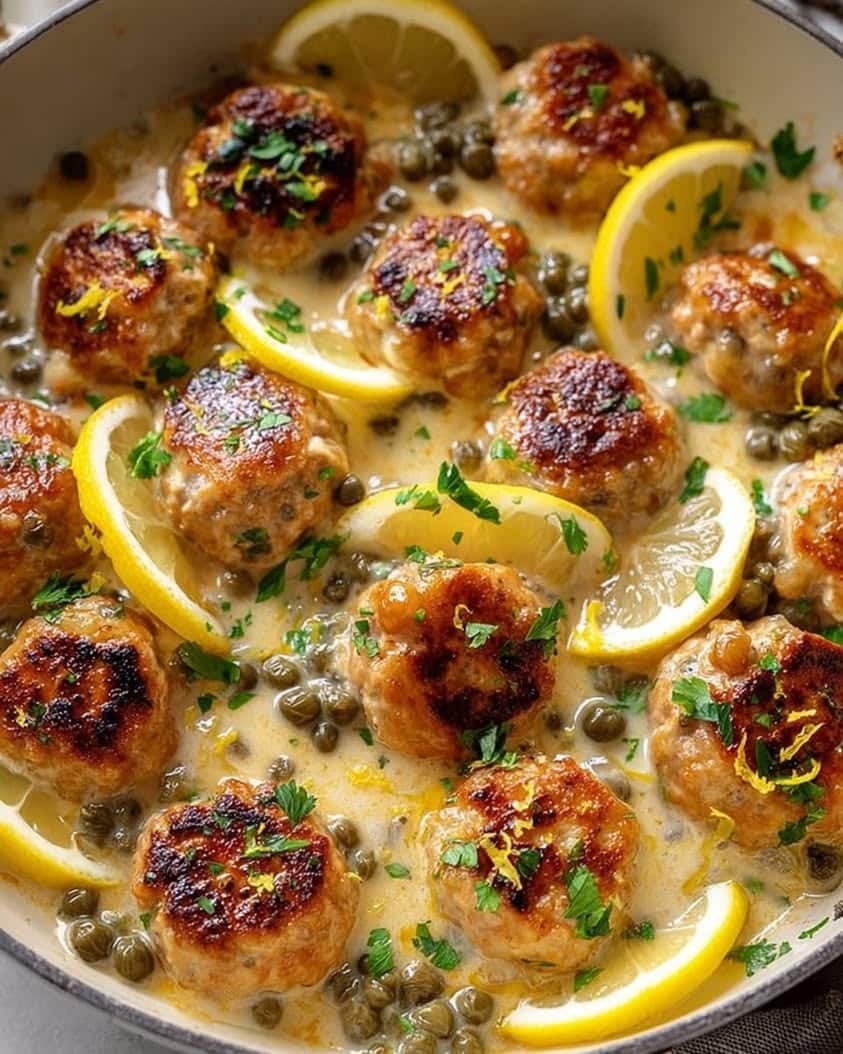
The Best Chicken Piccata Meatballs Recipe for a Quick Weeknight Dinner
The Best Chicken Piccata Meatballs Recipe for a quick weeknight dinner transforms the classic Italian-American dish into an approachable, family-friendly meal that delivers maximum flavor with minimal fuss. These tender meatballs capture all the bright, tangy essence of traditional chicken piccata, featuring that iconic lemon-butter-caper sauce that makes everyone reach for seconds. Instead of dealing with delicate chicken cutlets that require precise timing, this recipe offers a forgiving alternative that still delivers restaurant-quality results right from your own kitchen. The combination of juicy ground chicken, aromatic garlic, and fresh herbs creates meatballs that stay remarkably moist and tender, while the silky sauce brings everything together with its vibrant, zesty personality.
What makes this particular recipe stand out among countless chicken dinner ideas is its perfect balance of convenience and sophistication. You can easily whip up these chicken piccata meatballs on a busy Tuesday evening, yet they feel special enough for a weekend dinner party with friends. The sauce comes together in minutes, using pantry staples like chicken broth, fresh lemon juice, and briny capers that add pops of salty flavor throughout each bite. Furthermore, this dish works beautifully with a variety of sides, from buttery pasta to crusty bread or even simple steamed vegetables, making it an incredibly versatile addition to your weekly dinner rotation. Every time you make this recipe, the aroma of lemon and garlic will fill your kitchen, promising a meal that satisfies both comfort food cravings and desire for something slightly more elevated.
When you are searching for easy chicken dinner recipes that do not compromise on taste, these chicken piccata meatballs truly deliver on every level. The recipe requires just one skillet, which means minimal cleanup and more time enjoying your meal rather than scrubbing pots and pans. Additionally, you can prepare the meatballs ahead of time and refrigerate them until you are ready to cook, which makes this perfect for meal prep enthusiasts or busy parents juggling multiple responsibilities. The flavors actually deepen and improve as the meatballs sit in the sauce, so leftovers taste just as delicious the next day, if any happen to survive that long. With its simple ingredients and straightforward techniques, this recipe builds confidence in home cooks of all skill levels while producing consistently impressive results.
Quick Recipe Highlights
- Flavor Profile: The taste combines bright lemon acidity with rich, savory chicken flavors, enhanced by salty capers and buttery richness. Fresh parsley adds an herby freshness that brightens each bite, while garlic provides a subtle aromatic depth that rounds out the entire dish. The sauce strikes a perfect balance between tangy and savory, creating a memorable flavor experience.
- Texture: These meatballs feature a tender, juicy interior with a lightly browned exterior from pan-searing. The sauce has a silky, luxurious consistency that coats each meatball evenly without being too heavy or thick. Capers provide delightful pops of texture and briny flavor throughout every serving.
- Aroma: The scent of sautéing garlic and onions fills the kitchen first, followed by the bright, citrusy fragrance of fresh lemon. Butter adds a rich, nutty aroma as it melts into the sauce, while fresh parsley contributes a clean, green note. The combination creates an inviting atmosphere that signals something delicious is on the way.
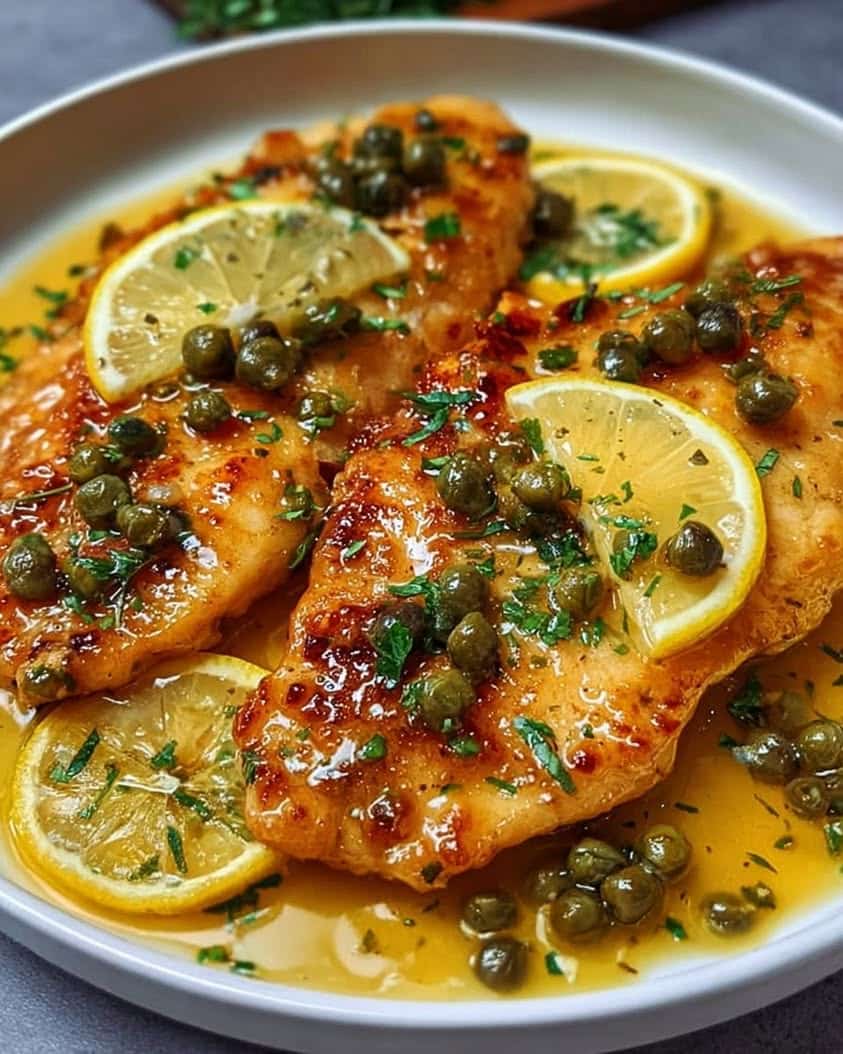
- Visual Appeal: Golden-brown meatballs glisten in a glossy, pale yellow sauce studded with green capers and fresh herbs. The presentation looks elegant yet approachable, with the sauce creating a beautiful pool on the plate. Fresh parsley sprinkled on top adds vibrant color and professional plating appeal.
- Skill Level Needed: This recipe suits beginner cooks perfectly while still pleasing experienced home chefs looking for easy chicken piccata recipes. You only need basic techniques like mixing, shaping meatballs, and simmering sauce, all of which come together easily. The forgiving nature of meatballs means minor mistakes will not ruin the final dish.
- Special Equipment: You will need a large skillet or sauté pan with high sides to hold both the meatballs and the sauce. A microplane or zester helps extract maximum flavor from fresh lemons, though a sharp knife works fine for juicing. Measuring cups and spoons ensure accurate proportions, while a wooden spoon or spatula handles gentle stirring.
Recipe Overview
- Difficulty Level: This recipe qualifies as easy because it uses straightforward techniques that anyone can master quickly. Shaping meatballs requires minimal skill, and the sauce comes together through simple simmering rather than complex culinary methods. The entire process flows naturally from one step to the next, with no tricky techniques or precise timing demands that might intimidate novice cooks.
- Category: These chicken piccata meatballs belong to the main dish category, perfect for lunch or dinner services. They work wonderfully as the centerpiece of a complete meal, alongside pasta, rice, or crusty bread to soak up the delicious sauce. You can also serve them as appetizers at parties, though we recommend increasing the batch size because they disappear fast!
- Cuisine: While chicken piccata is technically Italian-American cuisine, this recipe features elements from multiple culinary traditions. Italian cooking contributes the emphasis on fresh ingredients and simple preparation, while American home cooking adds the meatball format that feels familiar and comforting. The result is a fusion dish that respects its Italian roots while appealing to modern American tastes.
- Cost: This budget-friendly recipe uses affordable ground chicken, which costs significantly less than chicken cutlets or breasts for traditional piccata. Pantry staples like flour, broth, and butter add minimal expense, while fresh lemons and capers remain reasonably priced at most grocery stores. Overall, you can feed a family of four for under fifteen dollars, making this an economical choice for weekly menus.
- Season: While you can enjoy these chicken piccata meatballs year-round, they shine particularly bright during spring and summer months. Fresh lemon flavor feels lighter and more appropriate for warmer weather, when heavy sauces seem less appealing. That said, the comforting nature of meatballs makes them welcome during cooler months too, providing a bright spot on gray winter days.
- Occasion: This recipe suits weeknight dinners wonderfully, but it also works beautifully for special occasions like birthday dinners or anniversary celebrations. The elegant sauce and professional presentation make guests feel pampered without requiring hours of kitchen labor. Additionally, this dish travels well for potlucks and family gatherings, maintaining its quality even when transported.
Why You Will Love This Recipe
The taste experience of these chicken piccata meatballs will absolutely delight your palate with every single bite. Each meatball delivers juicy, flavorful chicken enhanced by aromatic garlic and fresh herbs, while the sauce brings a brightness that cuts through the richness beautifully. The combination of tangy lemon, salty capers, and creamy butter creates a symphony of flavors that dance across your tongue and leave you craving more. Unlike some chicken recipes that taste dry or bland, these meatballs remain remarkably moist thanks to the addition of breadcrumbs and egg that lock in natural juices. The capers provide little bursts of briny flavor that keep every bite interesting and complex.
Convenience makes this recipe a standout choice for busy home cooks who still want delicious homemade meals. The entire process takes just forty minutes from start to finish, with most of that time hands-off while the sauce simmers. You can easily double the batch and freeze half for future meals, saving both time and money in the long run. Cleanup is minimal since you only need one skillet, which means less time at the sink and more time relaxing after dinner. Furthermore, this recipe uses ingredients readily available at any grocery store, eliminating the need for specialty shops or online ordering.
Nutritionally, these chicken piccata meatballs offer a healthier alternative to traditional beef meatballs while still providing satisfying protein content. Ground chicken contains significantly less saturated fat than ground beef, making this a heart-friendlier option for your family. The lemon juice provides vitamin C, while capers contribute antioxidants and anti-inflammatory properties. By serving these meatballs with whole grain pasta or zucchini noodles, you create a balanced meal that supports your health goals without sacrificing flavor. This recipe proves that healthy eating does not require boring food or complicated preparation.
Socially, this dish shines as an impressive meal to share with friends and family during gatherings and celebrations. The beautiful presentation makes guests think you spent hours in the kitchen, when actually you whipped this up quickly and easily. Everyone loves meatballs, making this a safe choice for picky eaters and adventurous foodies alike. The conversation around the dinner table will flow easily as people compliment the flavors and ask for the recipe, creating memorable moments that make home cooking truly special. Furthermore, this dish pairs beautifully with various wines and sides, allowing you to create a complete dining experience effortlessly.
Cost-effectiveness makes this recipe an intelligent choice for families watching their grocery budgets without sacrificing quality meals. Ground chicken costs considerably less than veal or beef, while the relatively small amount of butter and capers keeps overall expenses reasonable. You will likely have most ingredients on hand already, reducing the need for expensive specialty shopping trips. When you calculate the cost per serving, this meal comes in well under restaurant prices while tasting just as good, if not better. This recipe proves that delicious, impressive food does not require a hefty investment in premium ingredients or fancy equipment.
Historical Background and Cultural Significance
Chicken piccata has its roots in Italian cuisine, though the dish as we know it today developed primarily in Italian-American communities. The term piccata refers to a cooking method where meat, typically veal or chicken, gets pounded thin, dredged in flour, and sautéed in butter with lemon and capers. Italian immigrants brought their culinary traditions to America in the late nineteenth and early twentieth centuries, adapting recipes to use locally available ingredients. Chicken became the protein of choice because it was affordable and widely available, eventually becoming the standard version of piccata served in restaurants nationwide.
The cultural significance of chicken piccata extends beyond simple nourishment, representing the fusion of Italian heritage with American innovation. This dish symbolizes how immigrant communities preserved their traditions while embracing new ingredients and cooking styles in their adopted homeland. Italian-American restaurants featured chicken piccata prominently on their menus, helping popularize the dish across the entire country. Over time, piccata became firmly established as a classic American comfort food with unmistakable Italian influences, enjoyed by people of all backgrounds and cultural identities.
The evolution of chicken piccata from elegant restaurant dish to approachable home recipe mirrors broader changes in American cooking culture. Home cooks adapted the original technique, creating shortcuts and variations that made the dish accessible to everyday families. The meatball version represents one such adaptation, transforming delicate cutlets into forgiving meatballs that anyone can master. This evolution demonstrates the creativity of home cooks who reinvent traditional dishes to suit their needs and preferences without losing the essence of what makes the original special.
Regional variations of chicken piccata appear across different parts of Italy and the United States, each adding local touches to the basic formula. Some versions add white wine to the sauce, while others incorporate tomatoes or additional herbs for extra depth. In southern Italy, cooks might use olive oil instead of butter, reflecting regional fat preferences and availability. American interpretations often increase the amount of sauce and serve it over pasta, creating a heartier meal that satisfies bigger appetites. These variations showcase the adaptability of piccata and its ability to evolve with different culinary traditions and ingredient availability.
Ingredient Deep Dive
Ground chicken serves as the foundation of these chicken piccata meatballs, providing protein and structure to the dish. This ingredient has become increasingly popular in American kitchens as consumers seek leaner alternatives to beef and pork. Nutritionally, ground chicken offers high-quality protein with less saturated fat than many other ground meats, supporting heart health and weight management goals. When selecting ground chicken, look for packages with a pinkish color and no off-putting odor, and check the fat content percentage listed on the label for best results. Store ground chicken in the coldest part of your refrigerator and use within two days of purchase, or freeze for up to three months for longer storage. For substitutions, ground turkey works beautifully in this recipe, though you might need to add slightly more breadcrumbs to account for different moisture levels.
Fresh lemons provide the essential bright, tangy flavor that defines piccata sauce and makes these meatballs irresistibly refreshing. Lemons have a long cultural history, originating in Southeast Asia before spreading through the Mediterranean region via trade routes. Nutritionally, lemons are packed with vitamin C, antioxidants, and plant compounds that support immune function and skin health. When choosing lemons, select ones that feel heavy for their size with smooth, thin skin and a fragrant aroma, indicating juicy, flavorful fruit. Store lemons at room temperature for about a week or refrigerate them for up to three weeks to extend freshness. For the best flavor, always use fresh lemon juice rather than bottled varieties, which often taste flat and overly acidic.
Capers bring a distinctive briny, salty flavor that perfectly complements the lemon and butter in this dish. These small flower buds come from the caper bush that thrives in Mediterranean climates, and they have been used in cooking for thousands of years. Capers contain antioxidants and anti-inflammatory compounds that provide health benefits beyond their culinary appeal. Choose capers packed in brine rather than salt for a cleaner flavor profile that integrates better into sauces. Store opened capers in their liquid in the refrigerator, where they will keep for several months. If you need a substitute, chopped green olives or pickled artichoke hearts can provide similar briny notes, though the flavor will differ slightly from authentic capers.
Fresh parsley adds bright color and clean, herbaceous flavor that enhances the overall dish beautifully. This common herb belongs to the same family as celery and carrots, and it has been cultivated for over two thousand years. Parsley is rich in vitamins A, C, and K, plus iron and antioxidants that support overall health and wellbeing. Select parsley with vibrant green leaves and no yellowing or wilting, avoiding bunches with wet or slimy spots that indicate spoilage. Store fresh parsley upright in a glass of water, covered loosely with a plastic bag, and refrigerate for up to one week. Flat-leaf Italian parsley works better than curly varieties for this recipe because it has more flavor and makes a prettier garnish.
Common Mistakes to Avoid
- Overmixing the meatball mixture creates tough, dense meatballs instead of light, tender ones. Mix just until the ingredients combine, leaving some small lumps in the mixture. The more you handle ground chicken, the more the proteins tighten up, resulting in a rubbery texture that ruins the dish.
- Skipping the browning step means you miss out on the delicious caramelized flavor that only high heat produces. Those golden-brown crusts add depth and complexity to the final dish that cannot be replicated through other methods. Always take the time to brown the meatballs properly before adding the sauce.
- Using bottled lemon juice instead of fresh lemons significantly compromises the flavor of the entire dish. Bottled juice lacks the bright, complex citrus notes that fresh lemon provides, making the sauce taste flat and artificial. Squeeze fresh lemons for the best results, even though it takes an extra minute.
- Adding too much flour to the sauce creates a gloppy, paste-like texture that coats the meatballs too heavily. The sauce should have a silky consistency that lightly coats the back of a spoon without being thick or sticky. Start with less flour and add more only if needed.
- Overcooking the meatballs in the sauce leads to dry, crumbly meatballs that fall apart when served. Ground chicken cooks faster than beef, so monitor the simmering time carefully and remove from heat once the meatballs are cooked through. The residual heat will continue cooking them slightly after you turn off the burner.
- Forgetting to season the sauce adequately results in a bland, underwhelming final dish that disappoints your family. Taste the sauce before serving and add salt and pepper as needed, keeping in mind that capers add saltiness that might require less additional seasoning.
- Using a pan that is too small crowds the meatballs and prevents proper browning on all sides. Give each meatball enough space to develop golden crust without steaming in its own juices. Cook in batches if necessary, then combine everything in the skillet for the final simmer.
- Neglecting to let the sauce bubble gently rather than boil vigorously affects the texture and emulsion. A gentle simmer allows flavors to meld without breaking the butter sauce or causing the flour to become gummy. Watch the heat and adjust as needed throughout the cooking process.
Essential Techniques
Panko breadcrumbs serve as an essential binder in this recipe, helping hold the meatballs together while adding moisture and tenderness. These Japanese-style breadcrumbs have a lighter, flakier texture than regular breadcrumbs, which prevents meatballs from becoming dense and heavy. The size and shape of panko allow the meatballs to absorb liquid from the mixture without breaking down completely, maintaining structural integrity. To toast panko before adding them to the mixture, spread them on a baking sheet and bake at 350 degrees for five minutes, stirring occasionally. This step adds extra flavor and prevents the final meatballs from tasting pasty or raw.
Pan-searing the meatballs creates that gorgeous golden-brown crust that adds both flavor and visual appeal to the finished dish. The Maillard reaction, which occurs when proteins and sugars are exposed to high heat, produces hundreds of new flavor compounds that deepen the overall taste profile. Before adding the meatballs to the hot skillet, make sure the oil shimmers and ripples slightly, indicating it is ready for searing. Leave plenty of space between the meatballs so they do not steam each other, and resist the urge to move them while they develop that crust. The meatballs will release easily from the pan once they are properly browned, so let them cook undisturbed for several minutes on each side.
Simmering the sauce gently after adding the broth and lemon juice melds all the flavors together while slightly reducing and concentrating the mixture. This step allows the flour to fully hydrate and thicken the sauce, creating that luxurious texture that coats the meatballs beautifully. Keep the heat at medium-low to maintain a gentle bubbling action that looks like small bubbles rising to the surface without breaking aggressively. Stir occasionally to prevent sticking on the bottom, and continue simmering until the sauce reaches your desired consistency. Remember that the sauce will thicken slightly as it sits, so stop simmering a bit early when you are aiming for a medium-thin sauce.
Finishing the dish with cold butter creates that shiny, emulsified sauce that seems professionally made and tastes absolutely luxurious. Adding cold butter at the very end incorporates air and creates a silky texture that cannot be achieved through other methods. Swirl the pan gently or stir the butter in slowly until it melts completely, watching as the sauce transforms and becomes more opaque and glossy. This technique requires patience and attention, but the results justify the extra effort. Additionally, the cold butter adds richness and body to the sauce, making it more substantial and satisfying without tasting greasy.
Pro Tips for Perfect Chicken Piccata Meatballs
For the most flavorful chicken piccata meatballs, season the ground chicken generously before shaping, and always taste the raw mixture cautiously if you choose to sample. Seasoning the interior of the meatballs ensures every bite tastes delicious, rather than relying solely on the sauce for flavor. Remember that the breadcrumbs absorb salt, so you might need more seasoning than you initially think necessary for optimal taste. A good rule of thumb is to season until the raw mixture tastes slightly saltier than you would want the final dish to be, since the sauce and other ingredients will dilute the seasoning slightly.
Chilling the formed meatballs for at least fifteen minutes before browning helps them hold their shape better during cooking. Cold meatballs brown more evenly and resist falling apart when you flip them in the hot skillet. This brief rest also allows the flavors to meld together, resulting in a more cohesive final dish. If you are in a hurry, skip this step, but the results will be slightly less polished than if you take the extra time to chill the meatballs before cooking.
Use a light touch when forming the meatballs, handling the mixture as little as possible to keep them tender and airy. Gently roll the mixture between your palms using minimal pressure, aiming for uniform sizes that cook evenly. If the mixture feels sticky, moisten your hands slightly with water or olive oil to prevent sticking. Creating meatballs that are uniform in size ensures they cook at the same rate, preventing some from being overcooked while others remain underdone.
Deglaze the pan properly after browning the meatballs by adding the chicken broth while scraping up all the browned bits from the bottom. These browned bits, called fond, contain massive amounts of flavor that will infuse the sauce deliciously. Use a wooden spoon or spatula to scrape vigorously, ensuring nothing burns or becomes stuck later. This technique transforms what could be a messy cleanup into a flavorful sauce that elevates the entire dish.
Add the lemon juice off the heat rather than during active simmering to preserve its bright, fresh character. High heat degrades the delicate citrus compounds that give the sauce its signature brightness, making the flavor taste muted and flat. By adding the juice at the end and tossing the meatballs in the hot sauce, you infuse them with that vibrant lemon flavor without losing any of its potency or clarity.
When making extra sauce for serving over pasta or rice, increase the chicken broth and lemon juice proportionally rather than just adding more flour. This ensures the sauce maintains proper consistency and does not become overly thick or pasty. A thinner sauce actually works better when serving over starchy sides, as the pasta absorbs liquid and the sauce coats each strand perfectly. Taste and adjust seasonings after doubling or tripling the sauce ingredients, since the proportions might need slight tweaking for perfect balance.
Variations and Adaptations
Regional variations of chicken piccata meatballs appear across different parts of the United States, each adding unique local touches to the classic recipe. In the Northeast, cooks might add white wine to the sauce, creating a more complex flavor profile that pairs beautifully with seafood sides. Southern cooks occasionally incorporate buttermilk into the meatball mixture, adding tanginess and extra tenderness to the final texture. Midwestern versions might bulk up the sauce with cream, creating a richer, more indulgent dish that suits cold winter nights perfectly. These variations demonstrate the adaptability of piccata and its ability to evolve with different regional tastes and cooking traditions.
Seasonal adaptations allow you to enjoy chicken piccata meatballs year-round while taking advantage of fresh produce at its peak. In spring, add fresh peas and asparagus tips to the sauce, creating a colorful, vibrant dish that celebrates the season. Summer calls for diced fresh tomatoes and basil stirred in at the end, adding bright, fresh flavor that needs no cooking. Autumn versions might incorporate roasted butternut squash or wild mushrooms for earthy depth that matches the cooler weather. Winter adaptations could include braised greens or hearty root vegetables that soak up the delicious sauce beautifully.
Dietary modifications make this recipe accessible to various eating patterns and health needs without compromising flavor or satisfaction. For gluten-free versions, replace traditional breadcrumbs with gluten-free alternatives or crushed pork rinds for a low-carb option. Dairy-free adaptations use olive oil instead of butter and substitute coconut cream or additional broth for the finishing butter. Those following low-carb or keto diets can skip the flour entirely or use almond flour for the dredging step, creating a delicious meal that fits their macros perfectly.
Flavor variations offer exciting new takes on these chicken piccata meatballs while maintaining the classic Mediterranean character of the original. Add sun-dried tomatoes and basil for a more Italian-forward flavor that pairs beautifully with angel hair pasta. Incorporate white beans and extra garlic for a Tuscan-inspired adaptation that feels hearty and satisfying. Use smoked paprika and a touch of honey for a sweet-spicy twist that surprises and delights dinner guests. Replace the capers with green olives for a saltier, more robust flavor profile that stands up to powerful sides like garlic bread or roasted potatoes.
Texture modifications change the eating experience while keeping the core recipe delicious and approachable. For crispy-skinned meatballs, skip the sauce simmering step and instead serve the sauce separately for dipping, preserving the crunchy exterior. For softer, more tender meatballs, add an extra egg and increase the breadcrumbs slightly, creating a more delicate texture that practically melts in your mouth. For denser meatballs that hold together extremely well, add grated Parmesan cheese and reduce the liquid ingredients, creating a more substantial bite that satisfies serious appetites.
Serving and Presentation Guide
Plating these chicken piccata meatballs beautifully makes the dish feel special and professional, elevating the entire dining experience. Start by spooning a bed of pasta or creamy polenta onto the center of the plate, creating a nest for the meatballs to rest upon. Arrange three or four meatballs on each serving, spacing them evenly so they do not crowd each other. Spoon the sauce generously over the top, allowing it to pool naturally around the edges for an elegant, rustic presentation that looks pulled from a restaurant kitchen.
Garnish ideas add color, texture, and freshness that makes the finished dish visually stunning and more appetizing. Fresh lemon slices placed alongside the meatballs add bright yellow color while signaling the lemony flavor that awaits. A sprinkle of finely chopped fresh parsley right before serving adds vibrant green flecks that contrast beautifully with the golden sauce. For extra indulgence, shave fresh Parmesan cheese over the top, allowing it to melt slightly into the warm sauce. Capers scattered on top provide visual interest and hint at the briny pops awaiting diners.
Traditional accompaniments for chicken piccata meatballs include buttered noodles, crusty Italian bread, or fluffy white rice that soaks up every drop of the delicious sauce. Mashed potatoes work wonderfully too, their creamy texture making the perfect partner for the bright, tangy sauce. Steamed asparagus or sautéed spinach add color and nutrition while complementing the Mediterranean flavors without overpowering them. Choose one starch and one vegetable for a complete, satisfying meal that feels balanced and wholesome.
Modern serving suggestions transform these meatballs into creative dishes that feel fresh and contemporary. Serve them over creamy polenta topped with fresh arugula for a peppery contrast that makes each bite interesting. Skewer small meatballs on toothpicks with fresh mozzarella cubes and cherry tomatoes for elegant party appetizers. Tuck them into warm pita bread with tzatziki sauce and fresh herbs for a Mediterranean-inspired sandwich experience. Create a meatball bowl with quinoa, roasted vegetables, and lemon-tahini dressing for a healthy, Instagram-worthy meal that impresses guests.
Wine and Beverage Pairing
Wine pairing for chicken piccata meatballs should complement the bright lemon flavors while standing up to the savory, buttery sauce. Unoaked Chardonnay works beautifully because its buttery notes enhance the sauce while its moderate acidity cuts through richness without overwhelming the citrus character. Sauvignon Blanc from New Zealand offers vibrant citrus and herbaceous notes that echo the fresh lemon and parsley in the dish, creating a harmonious pairing. For white wine lovers, Pinot Grigio provides a crisp, clean flavor that refreshes the palate between bites and cleanses the taste buds.
Non-alcoholic alternatives keep everyone at the table satisfied, including children, designated drivers, and those who prefer not to drink. Sparkling water with a generous squeeze of fresh lemon complements the citrus notes in the dish while providing refreshing effervescence that cleanses the palate. Lemonade made with fresh-squeezed juice and sparkling water creates a festive beverage that echoes the lemon flavors without competing for attention. Unsweetened iced tea with a touch of fresh mint offers a subtle herbal note that matches the herbs in the meatballs beautifully.
Coffee and tea pairings might surprise you, but they can actually work wonderfully with this dish. Green tea, especially varieties with citrusy notes like jasmine or genmaicha, provides a delicate, refreshing accompaniment that does not overpower the food. For those who enjoy a slightly bolder beverage, a mild white tea offers similar benefits while maintaining a lighter flavor profile. Herbal teas like chamomile or lemongrass provide gentle, aromatic companionship for the Mediterranean flavors in this dish.
Temperature considerations matter when pairing beverages with chicken piccata meatballs, as the wrong temperature can negatively affect the dining experience. White wines and sparkling waters should be thoroughly chilled, served between 45 and 50 degrees Fahrenheit for optimal refreshment. Tea drinks taste best slightly warm or at room temperature, never steaming hot, which might clash with the bright, fresh character of the dish. Serve room temperature still water alongside your beverage of choice to provide options and ensure everyone stays properly hydrated.
Storage and Shelf Life
Storing chicken piccata meatballs properly ensures food safety while maintaining quality and flavor for future meals. After cooking, allow the meatballs and sauce to cool completely at room temperature, which usually takes about thirty minutes. Transfer them to an airtight container, making sure the lid seals completely to prevent air exposure that might dry out the meatballs or cause off-flavors. Store in the refrigerator for up to four days, marking the container with the date to prevent forgetting how long they have been stored. When you are ready to enjoy them again, reheat gently on the stovetop or microwave until heated through thoroughly.
Temperature requirements for frozen chicken piccata meatballs demand attention to ensure quality preservation for future meals. Place cooled meatballs in a freezer-safe container or resealable plastic bag, removing as much air as possible before sealing. Label the container with the date and contents, then lay flat in the freezer for up to three months for optimal quality. Frozen meatballs can be reheated directly from frozen by simmering in a covered skillet with a splash of additional chicken broth or water, which prevents drying out while heating thoroughly.
Container recommendations affect how well your leftovers preserve their quality, so choosing the right storage vessel matters. Glass containers with lockable lids offer visibility and do not absorb odors, making them excellent for storing this aromatic dish. Heavy-duty plastic containers work too but might retain garlic and lemon flavors more strongly between uses. Mason jars work well for storing smaller portions, though ensure enough headspace to allow for expansion if freezing. Avoid using aluminum pans with acidic sauces, as the acid can react with the metal and affect flavor.
Signs of spoilage indicate that chicken piccata meatballs should be discarded for safety reasons, preventing potential foodborne illness. Discard the dish if you notice any sour or off odors, visible mold growth, or significant texture changes. If the meatballs feel slimy or exude excess liquid, this indicates bacterial growth, so throw them away immediately. Always inspect leftovers carefully before reheating and trust your senses; if something seems questionable, it is better to err on the side of caution and prepare fresh food.
Make Ahead Strategies
Prep timeline strategies allow you to organize your cooking efficiently and reduce last-minute stress during busy weeknights. You can mix the meatball mixture up to twenty-four hours before cooking, keeping it covered in the refrigerator until ready to use. Form the meatballs and arrange them on a baking sheet lined with parchment paper, then cover and refrigerate until cooking time. When ready to cook, simply follow the recipe instructions for browning and simmering, adjusting the cooking time only slightly to account for chilled meatballs.
Storage between steps gives you flexibility to break up the cooking process over several days according to your schedule. The uncooked meatballs can be stored in the refrigerator for up to twenty-four hours without quality loss, making this an excellent make-ahead option for special occasions. The cooked meatballs with sauce store beautifully in the refrigerator for up to four days, with flavors actually improving as they meld together. You can even make this dish a week ahead and freeze it, then simply reheat on the day you plan to serve.
Quality impact assessment reveals that make-ahead preparation affects this dish positively rather than negatively, which makes it perfect for planning ahead. The flavors deepen and become more complex as the lemon, garlic, and herbs have time to meld and develop in the refrigerator. The meatballs maintain their texture well, though they might soften slightly as they sit in the sauce, creating an even more tender result. Sauces often taste better the next day because the ingredients have time to marry and integrate into a harmonious whole.
Reheating guidelines ensure that your make-ahead chicken piccata meatballs taste fresh and delicious when you finally serve them. Gently reheat in a covered skillet over medium-low heat, adding a splash of chicken broth or water to maintain sauce consistency. Allow the meatballs to heat through slowly, stirring occasionally to prevent sticking and ensure even heating. For larger quantities, reheat in a baking dish covered with foil in a 325-degree oven for about fifteen minutes, or until heated thoroughly to 165 degrees Fahrenheit.
Scaling Instructions
Halving this chicken piccata meatballs recipe requires attention to proportions and equipment adjustments to achieve the same great results. Reduce all ingredient amounts by half, being especially careful with the seasoning amounts that are easier to add generously. Use a smaller skillet to ensure proper browning without overcrowding, and adjust simmering time only slightly since meatballs cook along the same timeline regardless of batch size. Scale down the sauce quantities proportionally, remembering that evaporation occurs at similar rates regardless of volume, so check consistency frequently.
Doubling or tripling this recipe for parties or meal prep requires careful planning and equipment modifications to maintain quality. Use a larger skillet or cook in batches to avoid overcrowding, which would steam rather than brown the meatballs properly. Double might fit in a large Dutch oven, but tripling might require multiple pans to achieve proper browning. Adjust the sauce ingredients proportionally, but increase the flour only slightly less than directly proportional to prevent over-thickening. Also budget more time for browning batches of meatballs before simmering them together in the sauce.
Equipment adjustments for expanded recipes mean making strategic choices about which pans and tools work best for larger quantities. A wide Dutch oven or electric skillet provides ample surface area for browning multiple batches of meatballs efficiently. Have a separate large saucepan ready to hold the browned meatballs as you finish each batch, keeping them warm in a low oven while you continue cooking. When simmering the final sauce, allow extra time for the larger volume to reach the right consistency, checking frequently and stirring to prevent burning.
Storage considerations become more important when scaling this recipe up beyond your immediate meal needs. Cooked chicken piccata meatballs freeze beautifully, so take advantage of batch cooking by freezing portions for future meals. Divide the cooled meatballs and sauce into meal-sized portions before freezing to make defrosting and reheating simple. Use freezer-safe containers or bags, removing excess air to prevent freezer burn and preserve quality. Label everything clearly with the date and contents to organize your freezer inventory effectively.
Nutritional Deep Dive
Macro breakdown for chicken piccata meatballs shows a well-balanced dish that provides sustainable energy and satiety. Each serving provides approximately 350 calories, with protein contributing about 32 grams to support muscle maintenance and repair. Carbohydrates come primarily from the breadcrumbs and any starch served alongside, totaling about 15 Print
Chicken Piccata Meatballs
- Total Time: 50 minutes
- Yield: 4
Description
Tender chicken meatballs simmered in a bright, lemony caper sauce with white wine and butter. A comforting yet elegant dish that brings the classic flavors of chicken piccata to a fun, meatball form.
Ingredients
- 1 lb ground chicken
- 1/2 cup panko breadcrumbs
- 1/4 cup grated Parmesan cheese
- 1 large egg
- 2 cloves garlic, minced
- 1 shallot, finely chopped
- 2 tablespoons fresh parsley, chopped
- 1 teaspoon lemon zest
- 1/2 teaspoon salt
- 1/4 teaspoon black pepper
- 2 tablespoons olive oil
- 1/4 cup dry white wine
- 1 cup low-sodium chicken broth
- 1/4 cup fresh lemon juice (about 1-2 lemons)
- 2 tablespoons capers, drained and rinsed
- 3 tablespoons unsalted butter, cold and cut into pieces
- 2 tablespoons fresh parsley, for garnish
Instructions
- In a large bowl, combine ground chicken, panko, Parmesan, egg, garlic, shallot, 2 tablespoons parsley, lemon zest, salt, and pepper. Mix gently until just combined, being careful not to overwork.
- Roll mixture into 1.5-inch meatballs (about 20-24) and set aside.
- Heat olive oil in a large skillet over medium-high heat. Add meatballs in a single layer (work in batches if needed) and sear until browned on all sides, about 4-5 minutes per side. Transfer meatballs to a plate and set aside.
- In the same skillet, reduce heat to medium and add white wine, scraping up any browned bits. Let it reduce by half, about 2 minutes.
- Add chicken broth, lemon juice, and capers. Bring to a simmer and return meatballs to the skillet. Cover and simmer for 10-12 minutes, or until meatballs are cooked through (internal temperature reaches 165°F).
- Remove meatballs to a serving platter and keep warm. Whisk cold butter into the sauce, one piece at a time, until melted and emulsified.
- Pour sauce over meatballs and garnish with remaining parsley. Serve hot over pasta, rice, or with crusty bread.
Notes
You can customize the seasonings to taste. For a lower-carb option, serve with zucchini noodles or cauliflower mash.
- Prep Time: 20 minutes
- Cook Time: 30 minutes
- Method: Main
- Cuisine: Italian-American