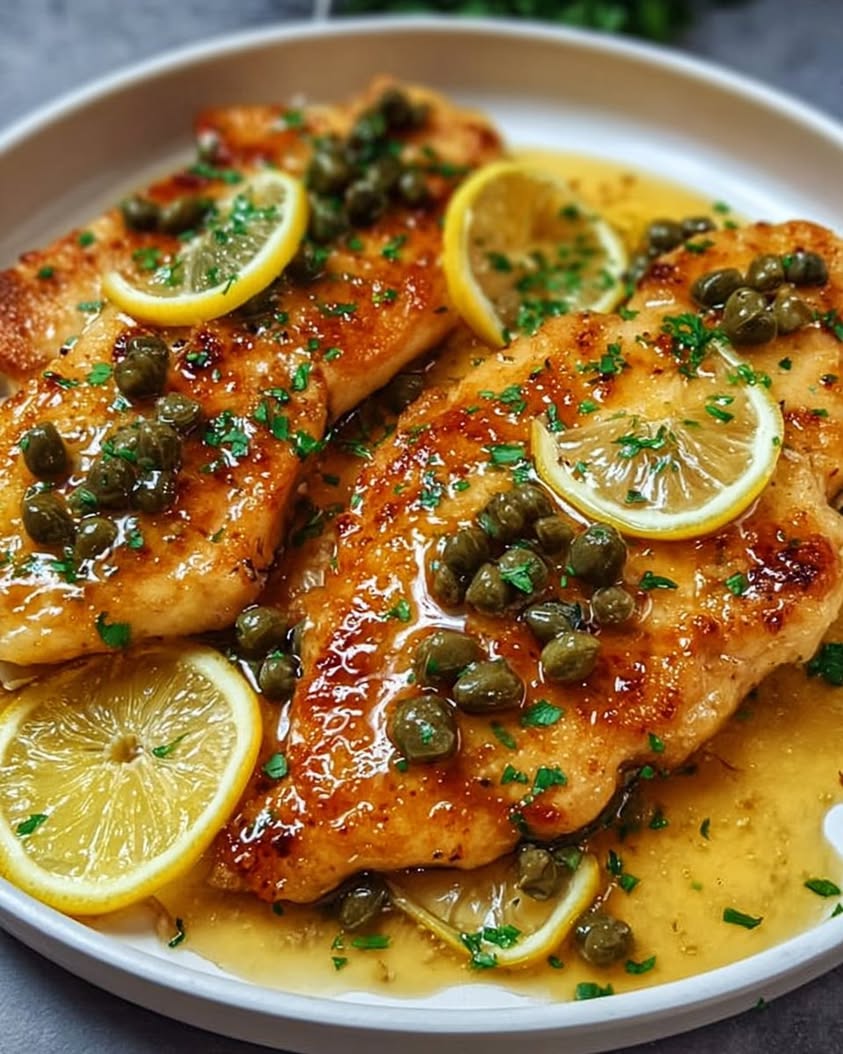
Easy Chicken Piccata Recipe with Lemon & Capers: A Restaurant-Quality Meal in Minutes
Imagine a dish that delivers the bright, sophisticated flavors of a fancy Italian restaurant but comes together in your own kitchen in about thirty minutes. This easy Chicken Piccata recipe with lemon and capers does exactly that. It transforms simple chicken cutlets into a spectacular meal with a sauce that is both luxurious and incredibly fresh. The combination of pan-seared chicken, tart lemon, briny capers, and rich butter creates a symphony of flavors that feels celebratory yet is surprisingly simple to achieve.
Furthermore, this classic Chicken Piccata recipe is a perfect weeknight solution when you crave something special without the fuss. The process is straightforward, involving basic techniques like dredging and pan-sautéing that build incredible flavor quickly. As the chicken cooks, it creates a flavorful fond in the pan, which becomes the base for the vibrant lemon caper sauce. Ultimately, you will have a beautiful, glossy sauce that clings to every piece of tender chicken, ready to be spooned over pasta or mashed potatoes.
This dish is a true crowd-pleaser, equally suitable for a casual family dinner or for impressing guests. The visual appeal is undeniable, with golden-brown chicken nestled in a pale yellow sauce dotted with green capers and fresh parsley. The aroma alone, a heady mix of browned butter, wine, and citrus, will draw everyone to the table. Learning this easy Chicken Piccata recipe means you will always have a reliable, elegant dish in your culinary repertoire.
Quick Recipe Highlights
- Flavor Profile: This easy Chicken Piccata recipe masterfully balances bright, acidic lemon with the salty, briny punch of capers. The richness of butter and white wine creates a smooth, luxurious sauce that tempers the sharpness, resulting in a complex and perfectly harmonious taste.
- Texture: You get beautifully crisp, golden edges on the pan-seared chicken cutlets that give way to a juicy, tender interior. Meanwhile, the sauce is velvety and clings to the chicken, while the capers add delightful little bursts of texture.
- Aroma: The cooking process fills your kitchen with an irresistible fragrance. First, you will smell the nutty scent of browning butter and flour, followed by the sharp tang of reducing white wine and fresh lemon juice, creating an inviting and sophisticated atmosphere.
- Visual Appeal: The dish presents beautifully with golden-brown chicken cutlets smothered in a glossy, pale yellow sauce. Vibrant green capers and a sprinkle of fresh parsley or lemon slices provide stunning color contrast, making it look as good as it tastes.
- Skill Level Needed: This is an accessible recipe ideal for confident beginners or intermediate home cooks. It requires basic skills like dredging, pan-frying, and making a simple pan sauce, all of which are easy to master with a little practice.
- Special Equipment: You only need a large skillet, preferably stainless steel or cast iron to achieve a good sear, a meat mallet or rolling pin for pounding the chicken, and a whisk for the sauce. No specialized or fancy equipment is necessary.
Recipe Overview
- Difficulty Level: We rate this easy Chicken Piccata recipe as “Easy” because it uses fundamental cooking techniques in a logical sequence. The steps are clear and build upon each other, and the total active cooking time is under thirty minutes. Even a first-timer can achieve excellent results by following the instructions closely.
- Category: This dish falls squarely into the main course category, perfect for dinner. It is a protein-centric meal that pairs wonderfully with a variety of sides, from simple pasta or rice to roasted vegetables or a crisp salad, making it a versatile centerpiece.
- Cuisine: Chicken Piccata is a staple of Italian-American cuisine, inspired by traditional Italian cooking methods. It exemplifies the Italian culinary principles of highlighting a few high-quality ingredients to create a dish where the individual flavors shine in harmony.
- Cost: This is a very cost-effective recipe to prepare. Chicken breasts are an affordable protein, and the other ingredients—lemons, capers, butter, wine, and flour—are pantry staples or inexpensive fresh items. You can create a restaurant-quality meal for a fraction of the cost of dining out.
- Season: While excellent year-round, this easy Chicken Piccata recipe feels particularly refreshing in the spring and summer. The bright lemon and herbal notes complement lighter seasonal fare. Conversely, it also provides a welcome burst of flavor during the colder months.
- Occasion: Its versatility makes it perfect for any occasion. It is quick enough for a busy Tuesday night, elegant enough for a date night at home, and reliable enough for serving to dinner guests. It is a universally appealing dish that suits both casual and formal settings.
Why You’ll Love This Recipe
First and foremost, the taste and texture of this easy Chicken Piccata recipe are utterly irresistible. Each bite offers a perfect contrast: the crispy, savory crust of the chicken against its juicy interior, all coated in a sauce that is simultaneously rich, tangy, and briny. The lemon provides a clean, bright acidity that cuts through the butter, while the capers deliver little salty surprises. This balance of flavors is sophisticated yet deeply satisfying, making every forkful a delight. You will find it hard to believe something so flavorful came from your own stove in such a short time.
From a practical standpoint, the convenience of this dish is a major win. With only thirty minutes from start to finish, it fits seamlessly into a hectic schedule. The ingredient list is short and composed of items you likely already have or can easily find. Moreover, the cooking process is efficient and uses just one pan, meaning cleanup is a breeze. This easy Chicken Piccata recipe proves that you do not need to sacrifice flavor or quality for speed, making it a go-to solution for effortless, impressive meals any night of the week.
Nutritionally, this recipe offers a good balance. Chicken breast is a lean source of high-quality protein, essential for muscle maintenance and satiety. Using a moderate amount of butter and olive oil adds healthy fats that help carry the flavors and promote fullness. You can control the sodium by choosing low-sodium broth and rinsing the capers. Serving it with a side of whole-grain pasta or a large vegetable salad turns it into a well-rounded, nourishing meal that feels indulgent without being overly heavy.
For entertaining, this easy Chicken Piccata recipe is a true gem. It allows you to spend time with your guests instead of being stuck in the kitchen all evening. You can do most of the prep ahead of time, and the final cooking happens quickly. The dish is universally loved and has a certain “wow” factor when presented at the table. It feels special and thoughtfully prepared, ensuring your guests feel welcomed and well-fed without you experiencing the stress of a complicated menu.
Finally, the cost-effectiveness and accessibility of this recipe cannot be overstated. Compared to ordering a similar dish at a restaurant, making it at home saves a significant amount of money. The ingredients are not exotic or expensive, and the technique is learnable for anyone. This accessibility empowers you to recreate a classic, beloved flavor experience whenever the craving strikes, building your confidence in the kitchen and expanding your personal recipe collection with a true keeper.
Historical Background and Cultural Significance
The origins of Chicken Piccata are somewhat debated, but it is widely considered a creation of Italian-American cuisine rather than a dish directly from Italy. The term “piccata” itself is Italian, referring to a method of preparation where meat is sliced, dredged, sautéed, and served with a sauce featuring lemon, butter, and often capers. In Italy, “piccata” is traditionally made with veal (vitello piccata). When Italian immigrants came to America, veal was less accessible and more expensive than chicken. As a result, they adapted the classic preparation using readily available chicken breasts, giving birth to the beloved Chicken Piccata we know today.
This adaptation highlights a core theme in immigrant culinary history: innovation through substitution. The dish maintained the spirit and technique of its Italian predecessor while utilizing New World ingredients. It became a staple in Italian-American restaurants and home kitchens, symbolizing the fusion of old-world technique with new-world practicality. Consequently, Chicken Piccata helped define a whole category of “red sauce” or Italian-American classics that, while inspired by Italy, developed their own unique identity and popularity in the United States.
Over time, the recipe evolved slightly as it spread. Some versions include white wine in the sauce, while others rely solely on lemon and broth. The inclusion of capers is nearly universal in American versions, adding that signature briny note. The preparation has also been applied to other proteins like fish (often sole) or pork, demonstrating the versatility of the piccata method. Despite these variations, the core elements of a thin, sautéed cutlet with a bright, buttery lemon sauce remain constant, a testament to the formula’s perfection.
Today, Chicken Piccata holds a significant place as a gateway dish to more complex Italian-inspired cooking. Its clear steps and dramatic results make it a favorite in cooking classes and recipe blogs. It represents accessible elegance, proving that with a few key techniques, home cooks can achieve restaurant-quality flavor. The dish’s enduring popularity speaks to its successful balance of simplicity and sophistication, securing its spot as a classic in the modern American home cooking canon.
Ingredient Deep Dive
Chicken Breasts: The foundation of this easy Chicken Piccata recipe, chicken breasts are prized for their lean protein and mild flavor, which acts as the perfect canvas for the vibrant sauce. For best results, look for plump, evenly-sized breasts. To ensure even cooking and quick preparation, you will butterfly and pound them to an even 1/4-inch thickness. This technique not only speeds up cooking time but also creates more surface area for that delicious golden crust. If chicken breasts are very large, consider cutting them completely in half horizontally before pounding. For a twist, you can substitute with chicken thighs for a richer flavor, though cooking time may increase slightly.
Fresh Lemons: The star of the sauce, fresh lemon juice and zest provide the essential bright, acidic backbone that defines piccata. Bottled juice simply cannot compare, as it lacks the vibrant, floral notes of fresh fruit. When selecting lemons, choose ones that are heavy for their size with smooth, brightly colored skin, as they tend to be juicier. Roll the lemon firmly on the counter before cutting and juicing to maximize yield. The zest, added at the end, contains potent aromatic oils that intensify the lemon flavor without additional acidity. Always zest the lemon before juicing it, as it is much easier.
Capers: These small, pickled flower buds are the ingredient that gives Chicken Piccata its distinctive briny, salty complexity. Capers are typically cured in salt or a brine solution. For this recipe, brined capers are most common. Before using, it is a good idea to rinse them under cold water to remove excess salt and brine, which allows you to better control the seasoning of your dish. If you do not have capers, a decent substitute is chopped green olives or even a teaspoon of caper brine added at the end for a hint of that characteristic flavor.
Dry White Wine: The wine serves a crucial dual purpose: it deglazes the pan, lifting all the flavorful browned bits (fond) from cooking the chicken, and it adds a layer of fruity acidity that deepens the sauce. Choose a dry, crisp white wine you would enjoy drinking, such as Sauvignon Blanc, Pinot Grigio, or an unoaked Chardonnay. The alcohol cooks off, leaving behind its nuanced flavor. If you prefer not to cook with wine, you can substitute with additional chicken broth mixed with a teaspoon of white wine vinegar or fresh lemon juice for acidity.
Chicken Broth: This forms the liquid base of the sauce, adding savory depth and body. Using a good-quality, low-sodium broth is recommended, as it allows you to control the final salt level of the dish. The broth mingles with the wine, lemon juice, and pan drippings to create a flavorful liquid that reduces and thickens slightly. For a richer sauce, you can use a homemade stock. In a pinch, water with a bouillon cube can work, but be mindful of the salt content.
Butter & Olive Oil: This fat combination is classic for a reason. Olive oil has a higher smoke point, making it ideal for initially searing the chicken at a relatively high heat. Butter adds incomparable richness, flavor, and helps create a silky, emulsified sauce. Adding the butter in two stages—some to cook the chicken and the rest chilled at the end—ensures a luxurious, glossy finish. Using unsalted butter is best for seasoning control. For dairy-free adaptations, a plant-based butter substitute that browns well can be used.
Common Mistakes to Avoid
- Skipping the Pounding Step: Not pounding the chicken to an even thickness is a major error. Thick, uneven cutlets will cook unevenly; the thin parts will overcook and dry out while the thick center remains undercooked. Consistent thickness ensures quick, uniform cooking and perfect tenderness throughout.
- Overcrowding the Pan: Adding too many chicken cutlets to the pan at once causes the temperature to drop dramatically. Instead of searing, the chicken will steam and release moisture, preventing the formation of a golden-brown crust and a flavorful fond. Cook in batches to maintain proper heat.
- Using Bottled Lemon Juice: The fresh, bright flavor of real lemon juice is non-negotiable in this easy Chicken Piccata recipe. Bottled juice often has a flat, metallic, or overly acidic taste that will throw off the delicate balance of the sauce. Always use freshly squeezed lemons.
- Not Deglazing the Pan Properly: After removing the chicken, you must add the wine (or broth) to the hot pan and use a whisk or spoon to scrape up all the browned bits. These bits are packed with flavor and are the foundation of a deeply tasty sauce. Skipping this step leaves flavor behind.
- Adding Cold Butter All at Once: Incorporating the final butter while the sauce is boiling or adding it all at once can cause the sauce to break, becoming oily and separated. The sauce should be off the heat or at a very low simmer, and the butter should be added gradually while swirling the pan to create an emulsion.
- Overcooking the Chicken: Because the cutlets are thin, they cook very quickly. Overcooking by just a minute or two can result in dry, tough chicken. Use a meat thermometer and pull the chicken at 160-165°F, as it will continue to cook slightly while resting and when added back to the warm sauce.
- Forgetting to Season at Each Stage: Seasoning is not a one-time event. You should season the flour for dredging, season the chicken directly, and then taste and adjust the seasoning of the sauce at the end. Layering seasoning builds a more complete and well-rounded flavor profile.
- Using a Non-Stick Pan for the Sauce: While non-stick is fine for cooking the chicken, a stainless steel or cast iron skillet is superior for making the sauce. The fond (browned bits) sticks better to these surfaces and releases more easily when deglazed, contributing maximum flavor to your sauce.
Essential Techniques
Butterflying and Pounding Chicken: This technique is crucial for achieving the signature thin cutlet of a perfect Chicken Piccata. First, place the chicken breast on a cutting board. Using a sharp knife held parallel to the board, slice horizontally through the middle of the breast, stopping about 1/2 inch from the opposite edge, then open it like a book. Place the butterflied breast between two pieces of plastic wrap or in a zip-top bag. Then, using the flat side of a meat mallet, a rolling pin, or even a heavy skillet, pound from the center outward until the chicken is an even 1/4-inch thickness. This ensures rapid, even cooking and maximizes surface area for a crispy crust.
Dredging and Pan-Searing: Dredging the chicken in seasoned flour serves multiple purposes: it creates a delicate crust, helps with browning, and thickens the sauce slightly later. Shake off excess flour to prevent a pasty coating. For pan-searing, heat your oil and butter until hot but not smoking before adding the chicken. You should hear a definite sizzle. Do not move the chicken for the first 2-3 minutes to allow a proper crust to form. The visual cue for flipping is when the edges look opaque and the bottom is a deep golden brown. This technique builds the foundational flavor for the entire dish.
Deglazing and Building a Pan Sauce: This is the magic step that transforms simple pan drippings into a luxurious sauce. After removing the chicken, there will be browned bits stuck to the pan. Over medium heat, add the wine—it will sizzle and steam vigorously. Immediately use a whisk or wooden spoon to scrape all those bits loose; they will dissolve into the liquid. This process, called deglazing, incorporates the concentrated flavor of the seared chicken into your sauce base. From this flavorful liquid, you then build the rest of the sauce by adding broth and lemon juice.
Finishing with Mounted Butter (Monter au Beurre): This classic French technique is what gives the piccata sauce its velvety, glossy finish and rich body. After reducing the sauce slightly, you remove the pan from the heat. Then, you add cold, cubed butter a few pieces at a time, swirling or whisking constantly. The residual heat melts the butter slowly, and the agitation helps it emulsify into the sauce rather than separating. This creates a smooth, cohesive, and luxurious texture that coats the back of a spoon. It is the final touch that elevates a good sauce to a great one.
Pro Tips for Perfect Chicken Piccata
For the crispiest crust, let the dredged chicken cutlets sit on a wire rack for 5-10 minutes before cooking. This allows the flour to hydrate fully and adhere better, preventing it from sloughing off in the pan.
Use a combination of olive oil and butter for frying the chicken. The oil raises the smoke point of the butter, allowing you to get a good sear without burning, while the butter contributes fantastic flavor to the crust.
After pounding, pat the chicken cutlets very dry with paper towels. Any surface moisture will create steam and inhibit browning, preventing you from achieving that ideal golden, crispy exterior.
Do not discard the leftover seasoned flour after dredging. You can use a tablespoon or two of it to make a quick slurry (mixed with a little cold water) to thicken your sauce if you prefer it less brothy and more gravy-like.
Add a teaspoon of fresh lemon zest to the sauce along with the juice. The zest contains aromatic oils that provide a more intense, floral lemon flavor without adding extra acidity, rounding out the citrus profile beautifully.
If your sauce seems too thin after adding the butter, you can quickly reduce it by returning the pan to medium heat for a minute or two. Conversely, if it reduces too much, simply thin it with a splash of additional chicken broth.
For an extra layer of flavor, consider adding a small, minced shallot to the pan after removing the chicken and before adding the wine. Sauté it for a minute until translucent to build a more complex aromatic base for the sauce.
Always taste your sauce for balance before serving. You are looking for a harmonious blend of rich, tangy, and salty. Adjust with a pinch of salt, a squeeze of lemon, or a teaspoon of caper brine to hit the perfect note.
Variations and Adaptations
Regional Variations: While the American version is standardized, exploring Italian regional takes is fascinating. In some parts of Italy, piccata might omit capers entirely, focusing purely on lemon and parsley. Other regions might use anchovy fillets melted into the butter for a deep umami background. A Sicilian influence could include a handful of toasted pine nuts or raisins for a sweet-and-sour contrast, showcasing the diverse culinary landscape of Italy.
Seasonal Adaptations: This easy Chicken Piccata recipe adapts wonderfully to the seasons. In spring, garnish with fresh pea shoots or blanched asparagus tips stirred in at the end. Summer invites the addition of halved cherry tomatoes or fresh basil. For fall, incorporate sautéed wild mushrooms into the sauce for an earthy depth. In winter, a sprinkle of chopped rosemary can add a warming, piney note that complements the bright lemon.
Dietary Modifications: For a gluten-free version, simply substitute all-purpose flour with a 1:1 gluten-free flour blend or rice flour for dredging. To make it dairy-free, use a high-quality plant-based butter alternative and replace the butter for searing with additional olive oil. Ensure your wine and broth are also certified gluten-free or dairy-free if needed.
Flavor Variations: The basic piccata formula is a perfect canvas for experimentation. Try adding a tablespoon of Dijon mustard to the sauce for tangy complexity. For a creamier version, stir in a few tablespoons of heavy cream or crème fraîche with the final butter. A dash of white pepper or a pinch of red pepper flakes can introduce a subtle heat that contrasts nicely with the lemon.
Texture Modifications: If you prefer an extra-crispy coating, use a double-dredge method: dip the chicken in flour, then beaten egg, then flour again before frying. For a lighter, gluten-free option, use almond flour or crushed pork rinds for a nuttier, crispier crust. You can also leave the chicken un-dredged for a simpler, pan-seared style with a lighter sauce.
Presentation Alternatives: Instead of serving whole cutlets, slice the cooked chicken on the bias and fan it over a bed of pasta or polenta before spooning the sauce over top. For individual servings, prepare the dish in small, personal-sized skillets. You can also deconstruct it into a salad by slicing the chicken over bitter greens and using the reduced sauce as a warm vinaigrette.
Serving and Presentation Guide
Plating Techniques: For an elegant presentation, place a portion of your chosen starch (like pasta, mashed potatoes, or polenta) slightly off-center on a warm plate. Lean one chicken cutlet against the starch or slice it on the diagonal and fan it out. Spoon the sauce generously over the chicken, allowing some to pool around the base. The goal is to create height and visual interest, making the plate look abundant and carefully composed.
Garnishing Ideas: Garnishes add the final touch of freshness and color. A generous sprinkle of freshly chopped flat-leaf parsley is classic and non-negotiable for its herbal brightness. Thin lemon slices, either sautéed briefly in the pan or used raw, add a beautiful visual element. For extra color and flavor, a few whole, un-rinsed capers or a twist of freshly cracked black pepper on top makes the dish pop.
Traditional Accompaniments: In Italian-American restaurants, Chicken Piccata is almost always served with a side of angel hair pasta or linguine, often tossed in a little of the sauce or simply with olive oil and parsley. Creamy mashed potatoes or soft polenta are also fantastic traditional choices, as their mild flavor and texture perfectly soak up the delicious lemon-caper sauce.
Modern Serving Suggestions: For a lighter, modern take, serve the chicken over a cauliflower puree, zucchini noodles (“zoodles”), or a quinoa pilaf. A simple arugula salad with a lemon vinaigrette served on the side complements the flavors beautifully. You can also present it as part of a larger Mediterranean-inspired spread with roasted vegetables, olives, and crusty bread.
Temperature Considerations: Chicken Piccata is best served immediately after preparing. The sauce can break or congeal if it sits too long. Ensure your plates are warmed to keep the food hot longer. If you must hold the dish, keep the chicken and sauce separate in a warm (not hot) oven, and combine just before serving to preserve the perfect texture of the chicken and the emulsion of the sauce.
Portion Control Tips: One standard chicken breast, butterflied and pounded, typically serves one person. If breasts are very large, one may serve two. When serving with rich sides like pasta or potatoes, one cutlet is usually sufficient. For heartier appetites or if the dish is the main focus with lighter sides, you can plan for one and a half cutlets per person. The sauce recipe is easily doubled if you prefer extra for spooning over sides.
Wine and Beverage Pairing
Wine Pairings: The bright acidity and rich butter sauce of Chicken Piccata call for wines with good acidity and crispness to complement, not compete. A classic pairing is a Pinot Grigio from Italy, with its light body and citrus notes that mirror the lemon in the dish. A Sauvignon Blanc, especially from New Zealand, offers vibrant grapefruit and herbal qualities that cut through the richness beautifully. For a more textured option, a Vermentino or an unoaked Chardonnay provides a bit more body while maintaining the necessary acidity to cleanse the palate.
Non-Alcoholic Alternatives: Sparkling water with a twist of lemon or lime is a refreshing and simple choice that echoes the dish’s citrus theme. For more complexity, try a high-quality lemonade or limeade, preferably not too sweet. Herbal iced teas, such as mint or verbena, offer a pleasant bitterness that can balance the sauce’s richness. A non-alcoholic sparkling wine or a “mocktail” of club soda, a splash of tart cherry juice, and a rosemary sprig can also provide a sophisticated pairing.
Coffee/Tea Pairings: While not a typical dinner beverage, if serving Chicken Piccata for a lunch or brunch, a light roast coffee with bright, citrusy notes (like an Ethiopian Yirgacheffe) can surprisingly complement the lemon flavors. For tea, a green tea like Sencha or a white tea with its delicate, slightly sweet profile would be a lovely, palate-cleansing choice after the meal, avoiding any bitter or overly robust teas that might clash.
Temperature Considerations: White wines should be served well-chilled, between 45-50°F (7-10°C). This cool temperature enhances their crispness and refreshing quality, which is essential against the warm, rich dish. Non-alcoholic sparkling drinks should also be served cold. Iced teas or lemonades are best over ice. The contrast between the cool beverage and the warm food is part of the enjoyable sensory experience.
Serving Suggestions: Always pour wine just before serving to ensure it is at the ideal temperature. Provide a separate water glass for guests to cleanse their palates between bites and sips. If offering non-alcoholic options, present them in a nice carafe or pitcher with glasses, giving them the same consideration as you would a bottle of wine, making all guests feel equally catered to.
Storage and Shelf Life
Storage Methods: Store leftover Chicken Piccata in an airtight container in the refrigerator. For best results, store the chicken and sauce separately if possible, as the sauced chicken’s crust will become soft. Properly stored, it will keep for 3-4 days. The sauce may solidify when cold due to the butter; this is normal and will liquefy again when reheated gently.
Temperature Requirements: Leftovers must be refrigerated within two hours of cooking to prevent bacterial growth. Place the container in the coldest part of your refrigerator, not in the door. The ideal refrigerator temperature is at or below 40°F (4°C). Do not leave the dish at room temperature for extended periods after serving.
Container Recommendations: Use shallow, airtight containers rather than deep ones. Shallow containers allow the food to cool more quickly and evenly, reaching a safe temperature faster. Glass containers are ideal as they do not absorb odors and allow you to see the contents. If using plastic, ensure it is BPA-free and designated for food storage.
Signs of Spoilage: Before consuming leftovers, check for any off odors—a sour or unpleasant smell is a clear indicator. Look for signs of mold, which can appear as fuzzy spots. If the texture of the chicken becomes slimy or the sauce develops an unusual consistency, it is best to discard it. When in doubt, throw it out.
Reheating Instructions: Reheat gently to avoid overcooking the chicken and breaking the sauce. The best method is on the stovetop over low heat. Add a splash of chicken broth or water to the sauce to loosen it. Place the chicken in the sauce and warm slowly, covered, until heated through. You can also use a microwave at 50% power in short intervals, stirring the sauce in between.
Freezing Guidelines: Freezing is possible but not ideal, as the texture of the chicken can become watery and the sauce may separate upon thawing. If you must freeze, do so without the sauce or expect to re-emulsify the sauce with a little fresh butter when reheating. Store in a freezer-safe container for up to 2 months. Thaw overnight in the refrigerator before reheating.
Make Ahead Strategies
Prep Timeline: You can prepare several components of this easy Chicken Piccata recipe ahead of time to streamline dinner. The chicken can be butterflied, pounded, and dredged in flour up to a day in advance. Store the prepared cutlets between layers of parchment paper in an airtight container in the refrigerator. The lemon juice can be squeezed, and capers measured out a day ahead. Chop the parsley and zest the lemon, storing them separately in the fridge.
Storage Between Steps: Keep the pre-dredged chicken cutlets covered in the refrigerator. Let them sit at room temperature for 15-20 minutes before cooking to take the chill off, which promotes even browning. Keep pre-measured wet ingredients (wine, broth, lemon juice) in one container and dry/herb ingredients in another. This “mise en place” approach turns active cooking into a simple assembly process.
Quality Impact Assessment: Pre-dredging the chicken may cause the flour to become slightly pasty, but a brief rest on a rack before cooking mitigates this. Fresh lemon juice can oxidize and lose some brightness overnight; for the best flavor, squeeze it the day of. Pre-chopped parsley may wilt but is still usable. Overall, make-ahead prep saves significant time with a minimal impact on the final dish’s quality.
Assembly Tips: When ready to cook, have all your prepped ingredients lined up next to the stove: chicken, wine, broth, lemon juice, capers, butter, and parsley. This allows you to move quickly through the cooking steps without pausing to measure, ensuring the chicken stays warm and the sauce comes together seamlessly for the best possible texture and temperature.
Reheating Guidelines: If you fully cook the dish ahead, follow the gentle reheating instructions in the storage section. However, for optimal texture, it is better to cook the chicken and make the sauce fresh, using the pre-prepped ingredients. The actual cooking time is so short that this yields a far superior result compared to reheating a fully assembled plate.
Fresh Element Additions: No matter how much you prep ahead, always add the final butter, fresh parsley, and lemon zest at the very end, just before serving. These elements provide a burst of fresh flavor and aroma that cannot be replicated if added early and reheated. This final touch is what makes the dish taste freshly made and vibrant.
Scaling Instructions
Halving the Recipe: Halving this easy Chicken Piccata recipe is straightforward for a smaller meal. Use two chicken cutlets and simply divide all other ingredient quantities by two. Use a medium skillet instead of a large one to maintain the proper depth of sauce. Cooking times will remain roughly the same, as the chicken cutlet size does not change. Keep a close eye on the sauce reduction, as a smaller volume will reduce more quickly.
Doubling or Tripling: For a crowd, you can confidently double or triple the recipe. The key is to cook the chicken in batches to avoid overcrowding the pan; use multiple skillets or cook in several batches, keeping the cooked chicken warm on a baking sheet in a 200°F oven. When making the sauce, use a large saucepan or Dutch oven to accommodate the increased liquid. You may need to extend the simmering time by a few minutes to reduce the larger volume of sauce to the desired consistency.
Equipment Adjustments: Scaling up requires planning. For double batches, one large skillet may suffice for the sauce if you cook chicken in two batches. For tripling or more, use your largest pot or Dutch oven for the sauce and consider using two skillets simultaneously for the chicken to save time. Ensure you have a large enough platter or baking dish to hold all the cooked chicken before saucing.
Timing Modifications: While the prep time scales linearly (more chicken takes longer to pound and dredge), the active cooking time for the sauce increases slightly as it takes longer for a larger volume to reduce. Factor in an extra 5-10 minutes of simmering for a doubled sauce, and 10-15 for tripled. The chicken cooking time per batch remains constant.
Storage Considerations: When scaling up, remember that leftovers will increase proportionally. Have enough appropriate storage containers ready. If you do not plan to serve all the food immediately, consider holding back some of the sauce and chicken unsauced, as they store and reheat better separately. This allows you to enjoy fresh-quality leftovers later in the Print
Chicken Piccata with Lemon & Capers
- Total Time: 45 minutes
- Yield: 4
Description
A classic Italian-American dish featuring tender chicken cutlets in a bright, tangy lemon-caper sauce, perfect for a quick and elegant dinner.
Ingredients
- 4 boneless, skinless chicken breasts, pounded thin
- 1/2 cup all-purpose flour
- 1/2 teaspoon salt
- 1/4 teaspoon black pepper
- 3 tablespoons olive oil
- 2 tablespoons unsalted butter
- 1/2 cup chicken broth
- 1/4 cup fresh lemon juice
- 1/4 cup capers, drained
- 2 tablespoons chopped fresh parsley
- Lemon slices for garnish
Instructions
- Season the chicken breasts with salt and pepper, then dredge them in flour, shaking off any excess.
- Heat olive oil in a large skillet over medium-high heat. Cook the chicken for 3-4 minutes per side until golden brown and cooked through. Remove and set aside.
- In the same skillet, melt butter. Add chicken broth, lemon juice, and capers, scraping up any browned bits. Simmer for 3-4 minutes until slightly reduced.
- Return the chicken to the skillet, spooning the sauce over it. Cook for 1-2 minutes to heat through.
- Garnish with chopped parsley and lemon slices before serving.
Notes
You can customize the seasonings to taste.
- Prep Time: 15 minutes
- Cook Time: 30 minutes
- Method: Main
- Cuisine: Italian-American