Juicy Chicken and Mushroom Skillet with Creamy Asiago Mustard Sauce
This Juicy Chicken and Mushroom Skillet with Creamy Asiago Mustard Sauce is the perfect weeknight dinner solution when you crave something rich, comforting, and incredibly flavorful. The combination of tender chicken breasts, earthy mushrooms, and a velvety Asiago cheese sauce with a kick of Dijon mustard creates a restaurant-quality meal right in your own kitchen. Every bite delivers a satisfying blend of savory, creamy, and tangy notes that will have everyone at the table asking for seconds.
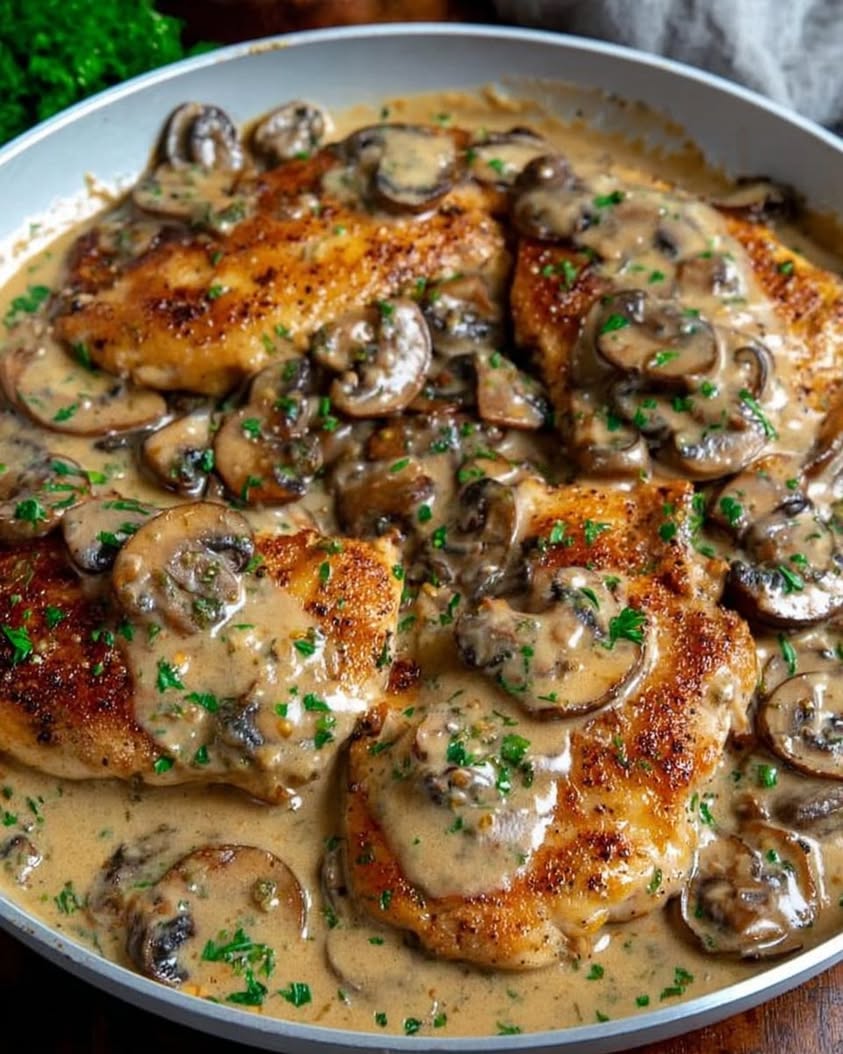
Imagine golden-brown chicken pieces sizzling in a hot skillet, their edges crisping up while the inside stays wonderfully moist. Then you add sliced cremini mushrooms that soak up all those delicious pan juices, taking on a deep, umami flavor. Finally, you stir in heavy cream, sharp Asiago cheese, and a spoonful of whole-grain mustard, watching the sauce transform into a luscious, silky coating that clings perfectly to every piece of chicken and mushroom. The aroma alone will fill your kitchen with warmth and anticipation.
What makes this dish truly special is its simplicity. You do not need any complicated techniques or hard-to-find ingredients to create something this impressive. With just one skillet and about 45 minutes, you can serve a meal that feels elevated yet remains completely approachable. Whether you cook for your family on a busy Tuesday or prepare a romantic dinner for two, this Juicy Chicken and Mushroom Skillet with Creamy Asiago Mustard Sauce never disappoints.
Quick Recipe Highlights
- Flavor Profile: The sauce balances tangy whole-grain mustard with the nutty, salty richness of aged Asiago cheese. The chicken brings a savory foundation, while mushrooms add an earthy depth that ties everything together beautifully.
- Texture: You get a wonderful contrast between the tender, juicy chicken and the soft, meaty mushrooms. The sauce provides a smooth, creamy coating that makes each mouthful feel indulgent and satisfying.
- Aroma: As the dish cooks, the aroma of garlic and thyme mingles with the rich scent of browning chicken and mushrooms. When you add the cream and cheese, the fragrance becomes even more inviting and deeply comforting.
- Visual Appeal: The golden chicken pieces sit nestled among dark, glossy mushrooms, all enveloped in a pale, creamy sauce speckled with mustard seeds. A sprinkle of fresh parsley adds a bright green pop that makes the dish look as good as it tastes.
- Skill Level Needed: This recipe is beginner-friendly. You only need basic knife skills and the ability to monitor heat levels. The steps are straightforward, and the sauce comes together naturally without any tricky emulsifications.
- Special Equipment: A large, heavy-bottomed skillet is essential for even browning and proper sauce development. A wooden spoon or silicone spatula helps you scrape up the flavorful browned bits from the pan bottom.
Recipe Overview
- Difficulty Level: I rate this recipe as easy because it follows a simple sequence of searing, sautéing, and simmering. There is no risk of curdling or breaking the sauce if you follow the instructions. Even novice cooks can achieve excellent results on their first try.
- Category: This dish works perfectly as a main course for dinner. It pairs beautifully with pasta, rice, crusty bread, or a simple green salad. You could also serve it over mashed potatoes for a truly comforting meal.
- Cuisine: The cooking techniques draw from classic European traditions, particularly French and Italian influences. The use of mustard and cream recalls French bistro cooking, while the Asiago cheese brings an unmistakable Italian touch that elevates the entire dish.
- Cost: This recipe uses affordable ingredients like chicken breasts, cremini mushrooms, and pantry staples. The Asiago cheese and heavy cream are the priciest items, but a little goes a long way. Expect to spend around $20 to $25 for all ingredients, making it budget-friendly for four servings.
- Season: You can enjoy this skillet meal year-round. It feels especially cozy during fall and winter when you crave warm, hearty dishes. In spring and summer, it pairs nicely with lighter sides like roasted asparagus or a fresh tomato salad.
- Occasion: This dish is versatile enough for casual family dinners, yet elegant enough for dinner parties or special occasions. It also works wonderfully for meal prep because the flavors deepen and improve after a day in the refrigerator.
Why You Will Love This Recipe
The taste and texture of this dish are absolutely irresistible. The chicken stays incredibly juicy because you sear it first to lock in moisture, then let it finish cooking gently in the creamy sauce. The mushrooms absorb all that savory goodness, becoming tender and flavorful. Meanwhile, the sauce itself is a masterpiece of balance. The sharpness of the Asiago cheese cuts through the richness of the cream, and the mustard adds a subtle tang that prevents the dish from feeling heavy. Every element works together in perfect harmony.
Convenience is another major reason to love this recipe. You prepare everything in one skillet, which means minimal cleanup and less stress. The prep work takes only about 15 minutes, mostly slicing mushrooms and seasoning the chicken. After that, the cooking process flows smoothly without any complicated steps. You can easily multitask by boiling water for pasta or tossing a salad while the skillet works its magic. This is the kind of meal that makes you feel like a gourmet chef without spending hours in the kitchen.
From a nutritional standpoint, this dish offers a satisfying balance of protein, healthy fats, and important vitamins. Chicken breast provides lean protein that keeps you full and supports muscle health. Mushrooms contribute fiber, B vitamins, and antioxidants that support your immune system. The cream and cheese add calcium and vitamin D, while the garlic and thyme offer anti-inflammatory benefits. When you pair this skillet with a side of vegetables or whole grains, you create a well-rounded meal that nourishes your body.
This recipe also excels in social and entertaining settings. When guests arrive, the aroma coming from your kitchen immediately sets a welcoming tone. You can prepare the entire dish in about 45 minutes, which gives you time to visit with company while dinner cooks. The presentation is naturally beautiful, especially when you garnish with fresh herbs and serve directly from the skillet. People love seeing their food arrive at the table in a rustic, sizzling pan, and this dish delivers that satisfying visual experience every time.
Finally, this recipe is cost-effective and uses accessible ingredients. Most items are pantry staples that you probably already have on hand, like olive oil, garlic, salt, and pepper. Chicken breasts and cremini mushrooms are widely available and reasonably priced. Even the Asiago cheese and heavy cream are easy to find at any grocery store. If you want to save even more, you can substitute chicken thighs for the breasts or use a different mushroom variety. The flexibility of this recipe makes it a practical choice for home cooks on any budget.
Historical Background and Cultural Significance
The combination of chicken and mushrooms in a creamy sauce has roots in classic French cuisine, particularly the tradition of sautéing poultry with fungi and a liaison of cream and egg yolks. French chefs have long celebrated the earthy flavor of mushrooms as a natural complement to mild proteins like chicken. Over time, this cooking style spread across Europe, with each region adding its own local cheese or mustard to create unique variations. The use of mustard in cream sauces became especially popular in Dijon, France, where mustard is a culinary staple.
Culturally, skillet dishes like this one represent the heart of home cooking in many European households. They embody the principle of transforming simple ingredients into something extraordinary through proper technique and careful seasoning. In Italy, similar dishes appear in trattorias where cooks use local cheeses like Asiago, Pecorino, or Parmesan to create creamy sauces that coat poultry and vegetables. In France, the tradition of cooking en cocotte, or in a covered pot, has evolved into the one-pan meals that are so beloved today.
The evolution of this recipe reflects the globalization of ingredients and cooking techniques. Asiago cheese, originally from the Veneto region of Italy, has become widely available worldwide, allowing home cooks to experiment with its distinct flavor. Whole-grain mustard, a staple in European condiment culture, adds both visual appeal and a gentle heat that brightens the sauce. The integration of these two ingredients into a classic cream sauce demonstrates how culinary traditions can blend harmoniously to create something new and delicious.
Regional variations of chicken and mushroom skillet dishes abound. In Germany, cooks might use sour cream and caraway seeds for a different flavor profile. In Hungary, paprika and sour cream create a rich, reddish sauce similar to chicken paprikash. In the American South, you might find chicken and mushrooms smothered in a creamy gravy made with buttermilk. Each variation reflects local tastes and available ingredients, but all share the same comforting essence of tender protein and earthy mushrooms in a luscious sauce.
Ingredient Deep Dive
Chicken Breasts: Chicken has been a dietary staple across cultures for centuries, prized for its versatility and mild flavor that adapts to countless preparations. From a nutritional standpoint, chicken breast is an excellent source of lean protein, providing about 26 grams per three-ounce serving. It also supplies B vitamins, particularly niacin and B6, which support energy metabolism and brain function. When selecting chicken breasts, look for ones that are plump and uniform in thickness, which ensures even cooking. Store fresh chicken in the coldest part of your refrigerator and use it within two days, or freeze it for up to three months. For this recipe, boneless, skinless breasts work perfectly, but you can substitute thighs for a juicier, more flavorful result.
Cremini Mushrooms: Also known as baby bellas, cremini mushrooms are a more mature version of white button mushrooms, offering a deeper, earthier flavor. They have been cultivated for centuries, with evidence of mushroom consumption dating back to ancient Egypt and China. Nutritionally, mushrooms are low in calories but rich in selenium, copper, and B vitamins. They also contain beta-glucans, which support immune health. When selecting cremini mushrooms, choose ones that are firm, dry, and free from blemishes. Avoid mushrooms that feel slimy or have a strong odor. Store them in a paper bag inside the refrigerator to maintain freshness for up to a week. If you cannot find cremini mushrooms, white button mushrooms or shiitake mushrooms make excellent substitutes.
Asiago Cheese: This Italian cheese originates from the Asiago plateau in the Veneto region, where it has been produced since the 10th century. Asiago comes in two main varieties: fresh and aged. For this recipe, aged Asiago works best because it has a sharper, nuttier flavor that stands up well to the cream and mustard. Nutritionally, Asiago provides calcium, phosphorus, and protein, contributing to bone health and muscle repair. When selecting Asiago, look for a piece with a firm texture and a pale yellow interior with small holes. Avoid cheese that has an ammonia smell or visible mold. Store Asiago wrapped in wax paper or parchment, then place it in a loose plastic bag in the refrigerator. It will keep for several weeks. Parmesan or Grana Padano can substitute for Asiago if needed.
Whole-Grain Mustard: Mustard seeds have been used as a spice for thousands of years, with origins in ancient Rome and Greece. Whole-grain mustard retains the seeds structure, providing a textured spread that delivers bursts of tangy, mildly spicy flavor. This type of mustard adds both taste and visual interest to the sauce. Nutritionally, mustard seeds contain selenium, magnesium, and omega-3 fatty acids. They also have antimicrobial properties. When buying whole-grain mustard, check the ingredient list to ensure it contains actual mustard seeds and not just added flavors. Store mustard in the refrigerator after opening to maintain its potency. If you do not have whole-grain mustard, Dijon mustard works as a substitute, though it will give a smoother texture.
Heavy Cream: Heavy cream, also called heavy whipping cream, contains at least 36 percent milk fat, which gives it the ability to thicken sauces and add luxurious richness. The use of cream in cooking dates back to medieval European cuisine, where it was a sign of wealth and abundance. From a nutritional perspective, heavy cream provides fat-soluble vitamins A, D, E, and K, as well as calcium. It is calorie-dense, so a little goes a long way in creating a satisfying sauce. When selecting heavy cream, choose a brand with minimal additives and a fresh, sweet smell. Always check the expiration date and store cream in the coldest part of your refrigerator. If you want to reduce calories, you can substitute half-and-half, though the sauce will be thinner. For a dairy-free option, full-fat coconut cream works surprisingly well.
Common Mistakes to Avoid
- Overcrowding the skillet: When you add too many chicken pieces at once, they steam instead of sear. This prevents the development of that beautiful golden crust. Cook the chicken in batches if necessary, giving each piece room to brown properly.
- Cutting chicken unevenly: If your chicken pieces vary widely in thickness, some will overcook while others remain underdone. Take the time to pound the breasts to an even thickness or slice them uniformly for consistent results.
- Skipping the mushroom browning: Mushrooms release a lot of water initially. If you do not cook them long enough, they will remain watery and bland. Let them cook undisturbed for several minutes until they release their moisture and start to brown.
- Adding cream too early: If you pour the cream into the pan while it is still very hot, it can curdle or separate. Always reduce the heat to low before adding cream, and stir gently as it warms through.
- Using pre-shredded cheese: Pre-shredded cheeses contain anti-caking agents that prevent smooth melting. Always grate your Asiago cheese fresh from a block for the creamiest, most flavorful sauce.
- Overcooking the chicken: Chicken breasts can go from perfectly juicy to dry and tough in a matter of minutes. Use an instant-read thermometer to remove them from the pan at 160 degrees Fahrenheit, as carryover cooking will bring them to the safe temperature of 165 degrees.
- Neglecting to scrape the pan: Those brown bits stuck to the bottom of the skillet are packed with flavor. When you add the cream, use a wooden spoon to scrape them up so they become part of the sauce.
- Seasoning too lightly: Cream sauces can dull the perception of salt and seasonings. Taste the sauce before serving and adjust the salt and pepper as needed. A final squeeze of lemon juice can also brighten the flavors.
Essential Techniques
Searing chicken for optimal browning: The Maillard reaction, which causes browning, requires high heat and dry surfaces. Pat your chicken pieces dry with paper towels before seasoning. Heat your skillet over medium-high heat until a drop of water sizzles and evaporates immediately. Add oil and let it shimmer before placing the chicken in the pan. Do not move the chicken for three to four minutes, allowing a golden crust to form. Flip once and cook until the other side browns. This technique locks in juices and creates deep flavor compounds that enhance the entire dish.
Sautéing mushrooms for concentrated flavor: Mushrooms contain about 90 percent water, which must evaporate before browning can occur. Start by heating your skillet over medium-high heat with a tablespoon of oil. Add the mushrooms in a single layer and let them cook undisturbed for three minutes. They will release liquid and shrink. Continue cooking, stirring occasionally, until the liquid evaporates and the mushrooms take on a golden-brown color. This process concentrates their earthy flavor and improves their texture significantly.
Deglazing to build flavor: After removing the chicken and mushrooms from the pan, you will see browned bits stuck to the skillet. These are called fond, and they are pure flavor gold. Pour in a small amount of chicken broth or white wine and use a wooden spoon to scrape the bottom of the pan. The liquid dissolves the fond, incorporating all those caramelized flavors into your sauce. This step takes only 30 seconds but makes a dramatic difference in the depth of your final dish.
Tempering the cream to prevent curdling: When you add cold cream to a hot pan, the sudden temperature change can cause the dairy proteins to seize and curdle. To avoid this, remove the skillet from the heat for 30 seconds before adding the cream. Alternatively, you can warm the cream slightly in a separate container. Pour the cream in a slow, steady stream while stirring gently. Keep the heat low once the cream is added, and do not let the sauce boil. These precautions ensure a silky, stable sauce every time.
Melting cheese into a smooth sauce: Grated cheese melts more evenly than chopped cheese because it has more surface area. Add the grated Asiago gradually, stirring constantly with a wooden spoon. Allow each addition to melt completely before adding more. If the sauce becomes too thick, thin it with a splash of chicken broth or milk. If it becomes too thin, let it simmer gently for a minute or two to reduce. The goal is a sauce that coats the back of a spoon without being gloopy or stringy.
Pro Tips for Perfect Juicy Chicken and Mushroom Skillet with Creamy Asiago Mustard Sauce
Use an instant-read thermometer to check the chicken temperature, removing it from the pan at 160 degrees Fahrenheit. The residual heat will carry it to the perfect 165 degrees while the chicken rests. This prevents the all-too-common problem of dry, overcooked meat.
Slice your mushrooms at least a quarter-inch thick. Thin slices can disintegrate during cooking, while thicker slices hold their shape and provide a satisfying bite. Uniform slices also ensure even cooking and a more professional appearance.
Grate your Asiago cheese while it is still cold from the refrigerator. Cold cheese grates more cleanly and does not clump together. For the smoothest sauce, use the fine side of a box grater rather than the coarse side.
If you want extra depth of flavor, substitute half of the chicken broth with dry white wine when deglazing the pan. Sauvignon Blanc or Pinot Grigio work beautifully. The alcohol cooks off quickly, leaving behind a subtle acidity that brightens the sauce.
Let the finished dish rest for five minutes before serving. This allows the sauce to settle and thicken slightly, coating the chicken and mushrooms more evenly. It also lets the flavors meld together for a more cohesive taste.
For a restaurant-quality finish, garnish with fresh thyme leaves or chopped chives in addition to parsley. The bright herbal notes contrast beautifully with the rich, creamy sauce and add a touch of elegance to the presentation.
Variations and Adaptations
Regional variations: If you want to give this dish a different cultural twist, try adding sun-dried tomatoes and capers for a Mediterranean version. The briny, tangy elements complement the creamy sauce wonderfully. Alternatively, add a teaspoon of smoked paprika and a pinch of cayenne for a Spanish-inspired variation that brings warmth and subtle heat.
Seasonal adaptations: In spring, add fresh asparagus spears or peas during the last few minutes of cooking. The bright green vegetables add color and freshness. In fall, stir in roasted butternut squash cubes or sautéed kale for a heartier version that celebrates the harvest season. In summer, serve the dish with fresh cherry tomatoes and basil on top.
Dietary modifications: To make this dish gluten-free, simply ensure your chicken broth and mustard are certified gluten-free. The recipe is naturally gluten-free otherwise. For a lower-calorie version, substitute half-and-half for the heavy cream and reduce the cheese by half. You can also use chicken thighs instead of breasts for a juicier, more forgiving protein.
Flavor variations: Experiment with different mustard types to change the flavor profile. A grainy honey mustard adds sweetness, while spicy brown mustard brings more heat. You can also swap the Asiago for Gruyere, fontina, or sharp white cheddar for a completely different cheese experience. Each cheese adds its own unique character to the sauce.
Texture modifications: If you prefer a chunkier sauce, leave some of the mushrooms whole or cut them into large pieces. For a silky, smooth sauce, blend half of the mushrooms into the cream before adding the cheese. You can also add a tablespoon of cream cheese to the sauce for an even creamier, tangier result.
Presentation alternatives: Instead of serving the chicken as whole pieces, shred it with two forks and mix it back into the sauce. This works well if you plan to serve the dish over pasta or rice. You can also slice the chicken thinly and fan it over a bed of creamy polenta for an elegant, composed plate.
Serving and Presentation Guide
For a beautiful plated presentation, start by spooning a generous amount of the creamy sauce onto the center of each plate. Place a piece of chicken on top, then arrange several mushrooms around it. Drizzle a little extra sauce over the chicken and garnish with fresh parsley or thyme. This creates a beautiful, restaurant-style look that impresses guests.
Garnishing ideas go beyond fresh herbs. A sprinkle of crispy fried shallots adds both crunch and visual appeal. A few whole-grain mustard seeds scattered over the top reinforce the flavor theme. You can also add a light dusting of grated Asiago cheese just before serving for a final touch of elegance.
Traditional accompaniments include egg noodles, rice, or mashed potatoes, all of which soak up the delicious sauce beautifully. Crusty bread is another classic choice, perfect for mopping up every last drop. For a lighter option, serve the skillet alongside steamed green beans or a simple arugula salad dressed with lemon vinaigrette.
Modern serving suggestions include spooning the dish over creamy polenta or cauliflower mash for a low-carb twist. You can also serve it in hollowed-out baked potatoes or over a bed of sautéed spinach. For a fun, casual presentation, serve the entire skillet at the table with a side of warm bread and let everyone help themselves.
Temperature considerations are important for the best eating experience. Serve this dish hot, straight from the skillet. If you need to hold it for a few minutes, cover it loosely with foil and keep it on the lowest possible heat setting. Do not let it sit for more than 15 minutes before serving, as the sauce will continue to thicken and the chicken may dry out slightly.
Portion control tips help you get the most out of this recipe. A typical serving consists of one chicken breast half, about a cup of mushrooms, and a generous spoonful of sauce. If you serve the dish with a carbohydrate side, you can reduce the chicken portion slightly. This recipe easily feeds four people with satisfying portions.
Wine and Beverage Pairing
A buttery Chardonnay is the classic wine pairing for this creamy dish. The wine’s rich texture and notes of vanilla and oak complement the Asiago cheese and heavy cream beautifully. Look for an unoaked or lightly oaked Chardonnay if you prefer a cleaner flavor profile. Sauvignon Blanc also works well, especially one with herbal notes that echo the thyme in the recipe.
For red wine lovers, a light-bodied Pinot Noir offers a wonderful contrast. Its bright acidity cuts through the richness of the sauce, while its earthy notes enhance the mushrooms. A Beaujolais Villages or a Valpolicella also pairs nicely, offering fruity flavors that do not overpower the dish. Avoid heavy, tannic reds like Cabernet Sauvignon, which can clash with the creamy sauce.
Non-alcoholic alternatives include sparkling water with a squeeze of lemon or a splash of apple cider vinegar. The acidity helps cleanse your palate between bites. A cold, crisp iced tea with a hint of lemon also works well. For a festive touch, try a sparkling apple cider or a non-alcoholic wine spritzer.
Coffee and tea pairings are less common with this dish but can work if you serve it for a late lunch or brunch. A light, floral black tea like Darjeeling complements the mustard notes without overwhelming the dish. For coffee lovers, a mild, smooth roast with low acidity pairs best, as bitter coffee can clash with the creamy sauce.
Temperature considerations apply to all beverages. Serve white wines and sparkling drinks well-chilled, around 45 to 50 degrees Fahrenheit. Serve red wines slightly cool, at about 55 to 60 degrees. Non-alcoholic drinks should be served over ice or at least very cold to refresh the palate between bites of the rich, creamy sauce.
Storage and Shelf Life
Store any leftover chicken and mushroom skillet in an airtight container in the refrigerator. The dish will keep for three to four days. The flavors often deepen and meld together overnight, making leftovers even more delicious. Allow the dish to cool completely before transferring it to the container to prevent condensation from making the sauce watery.
Temperature requirements are straightforward. Keep the dish refrigerated at or below 40 degrees Fahrenheit. Do not leave it at room temperature for more than two hours. If you are serving the dish at a buffet or outdoor gathering, use a warming tray or ice pack to maintain safe temperatures.
Container recommendations include glass or ceramic dishes with tight-fitting lids. Avoid metal containers, which can react with the acidic mustard and cream. If you plan to freeze the dish, use freezer-safe containers and leave a little headspace for expansion. Plastic wrap pressed directly onto the surface of the sauce can prevent freezer burn.
Signs of spoilage include a sour or off smell, visible mold, or a change in texture such as excessive separation or sliminess. If the sauce develops a grainy texture after refrigeration, it is still safe to eat but may not reheat as smoothly. Always trust your senses and discard anything that seems questionable.
Reheating instructions are crucial for maintaining quality. Reheat leftovers gently in a skillet over low heat, adding a splash of chicken broth or milk to thin the sauce if needed. Stir frequently to prevent sticking. You can also reheat in the microwave using 30-second intervals, stirring between each interval. Avoid boiling the sauce, as high heat can cause it to separate.
Freezing guidelines allow you to extend the dishs shelf life up to three months. Freeze the dish in portion-sized containers for easy meals later. Thaw overnight in the refrigerator before reheating. Note that the sauce may become slightly thinner after freezing and thawing, so plan to thicken it during reheating with a little extra cheese or a cornstarch slurry.
Make Ahead Strategies
Prep timeline planning helps you get ahead. You can slice the mushrooms and measure out your seasonings up to two days in advance. Store the sliced mushrooms in a paper bag in the refrigerator. Grate the Asiago cheese and store it in a sealed bag. Measure the cream and mustard together in a small container. This prep work cuts your active cooking time down to about 20 minutes.
Storage between steps is possible if you want to cook the dish partway through. You can sear the chicken and sauté the mushrooms up to one day ahead. Store them separately in the refrigerator. When you are ready to finish, reheat the skillet gently, deglaze the pan, and proceed with the sauce. This approach gives you a head start without sacrificing quality.
Quality impact assessment shows that making the entire dish ahead of time works well. The flavors actually improve after a day in the refrigerator. The only trade-off is that the sauce may thicken more than you prefer. Simply thin it with a little broth or milk when reheating. The chicken will remain juicy as long as you reheat it gently.
Assembly tips for make-ahead success include undercooking the chicken slightly. Remove it from the pan at 155 degrees Fahrenheit instead of 160. This ensures that when you reheat the dish, the chicken does not become overcooked and dry. Also, consider adding a final garnish of fresh herbs after reheating for a pop of color and freshness.
Reheating guidelines for make-ahead meals suggest using a skillet over medium-low heat. Add a tablespoon of butter or olive oil to refresh the flavors. Stir gently as the sauce warms, adding liquid as needed to restore the original consistency. This method takes about 10 minutes and yields results very close to freshly made.
Fresh element additions make a make-ahead dish feel newly made. Serve the reheated skillet with a side of freshly steamed vegetables or a crisp salad. A squeeze of fresh lemon juice over the top just before serving brightens the flavors. A sprinkle of fresh parsley or chives adds a vibrant finish that reminds everyone the dish was made with care.
Scaling Instructions
Halving the recipe is straightforward. Use one large chicken breast, about eight ounces, and half the amount of mushrooms. Reduce the sauce ingredients by half as well. The cooking time will be slightly shorter, so monitor the chicken closely. Use a smaller skillet to ensure proper browning and even heat distribution.
Doubling or tripling the recipe requires some adjustments. Use your largest skillet or cook in batches. If you double the ingredients, you may need to brown the chicken in two batches to avoid overcrowding. The sauce will take a little longer to thicken because there is more liquid. Be patient and let it simmer gently until it reaches the desired consistency.
Equipment adjustments become necessary with larger quantities. If you are cooking for eight or more people, consider using two skillets simultaneously. Alternatively, use a large Dutch oven, which provides plenty of surface area. Just be aware that the chicken may not brown as evenly in a deeper pot, so adjust your expectations accordingly.
Timing modifications matter when scaling. Larger quantities require more time for the pan to come back up to temperature after you add ingredients. Plan for an additional five to ten minutes of total cooking time when doubling the recipe. Stir the sauce more frequently to prevent scorching in the larger pan.
Storage considerations for scaled recipes mean you will likely have leftovers. Plan your storage containers ahead of time. Large batches freeze very well, so consider dividing the extra portions into individual servings for quick future meals. Label containers with the date and contents for easy identification.
Nutritional Deep Dive
Macro breakdown for one serving of this dish, based on the recipe as written, provides approximately 450 calories, 35 grams of protein, 28 grams of fat, and 8 grams of carbohydrates. The protein comes primarily from the chicken and cheese, making it a satiating meal. The fat content is moderate, with most of it coming from the cream and cheese, which also contribute to the creamy texture and rich flavor.
Micronutrient analysis reveals important vitamins and minerals. Chicken breast provides high levels of niacin, vitamin B6, and selenium. Mushrooms offer copper, potassium, and riboflavin. Asiago cheese adds calcium and phosphorus, which support bone health. The dish also provides a small amount of vitamin A from the cream and iron from the mushrooms.
Health benefits of this dish include supporting muscle maintenance and repair through the high-quality protein. The selenium in chicken and mushrooms acts as an antioxidant, helping to protect cells from damage. The calcium from the cheese supports bone density, while the B vitamins aid in energy production and cognitive function.
Dietary considerations vary depending on individual needs. This dish is not suitable for vegans or those with dairy allergies due to the cream and cheese. It contains moderate fat, which may be a concern for those on very low-fat diets. However, it is naturally low in carbohydrates, making it a good option for low-carb or ketogenic eating plans.
Portion analysis helps with meal planning. One serving provides about a quarter of the daily protein needs for an average adult. It also supplies significant amounts of calcium and selenium. Pairing this dish with a side of vegetables adds fiber and additional vitamins, creating a more balanced meal profile.
Weight management tips include being mindful of portion sizes. Stick to one serving per meal and pair it with a generous portion of non-starchy vegetables. The high protein content helps keep you full and satisfied, which can prevent overeating later in the day. Use half-and-half instead of heavy cream to reduce calories without sacrificing too much flavor.
Dietary Adaptations
Gluten-free adaptation: This recipe is naturally gluten-free as written. Just verify that your chicken broth and mustard are certified gluten-free, as some brands may use gluten-containing additives. Serve the dish with gluten-free pasta or rice to keep the entire meal gluten-free. The sauce will be just as delicious and satisfying without any compromise on taste.
Dairy-free adaptation: Replace the heavy cream with full-fat coconut cream or a cashew cream made from soaked cashews blended with water. Substitute the Asiago cheese with a dairy-free Parmesan-style alternative made from nuts or nutritional yeast. The flavor profile will change slightly, but the dish will still be creamy and delicious. Add a squeeze of lemon juice to mimic the tang that the cheese provides.
Vegan adaptation: Use firm tofu or seitan cutlets instead of chicken. Sauté them until golden brown before setting aside. Replace the cream with coconut cream and the cheese with a vegan cheese alternative. Add a tablespoon of white miso paste to the sauce for umami depth. The mushrooms provide plenty of savory flavor, making this a satisfying plant-based meal.
Low-carb adaptation: This recipe is already low in carbohydrates, with only about 8 grams per serving. To make it even lower, serve the dish over cauliflower rice or zucchini noodles instead of traditional pasta or rice. You can also add extra mushrooms and leafy greens to increase volume without adding many carbs.
Chicken and Mushroom Skillet in a Creamy Asiago and Mustard Sauce
- Total Time: 45 minutes
- Yield: 4
Description
A quick and elegant one-pan dinner featuring tender chicken breasts and earthy mushrooms in a rich, creamy Asiago and Dijon mustard sauce.
Ingredients
- 4 boneless, skinless chicken breasts (about 6 oz each)
- Salt and freshly ground black pepper
- 2 tablespoons olive oil
- 1 tablespoon unsalted butter
- 8 ounces cremini mushrooms, sliced
- 3 cloves garlic, minced
- 1 cup heavy cream
- 1/2 cup chicken broth
- 2 tablespoons Dijon mustard
- 1 cup shredded Asiago cheese
- 1 teaspoon dried thyme
- 2 tablespoons chopped fresh parsley
Instructions
- Season chicken breasts with salt and black pepper on both sides.
- Heat olive oil in a large skillet over medium-high heat. Add chicken and cook until golden brown and cooked through (internal temp 165°F), about 6-7 minutes per side. Transfer to a plate.
- In the same skillet, melt butter over medium heat. Add mushrooms and cook until golden and softened, about 5-6 minutes. Add garlic and cook for 1 minute.
- Pour in heavy cream, chicken broth, Dijon mustard, and dried thyme. Stir and bring to a simmer. Cook for 2-3 minutes until slightly thickened.
- Reduce heat to low. Whisk in shredded Asiago cheese until melted and smooth. Season with salt and pepper to taste.
- Return chicken to the skillet and coat with the sauce. Simmer for 2-3 minutes to reheat. Garnish with fresh parsley before serving.
Notes
You can customize the seasonings to taste.
- Prep Time: 15 minutes
- Cook Time: 30 minutes
- Method: Main
- Cuisine: American