The Ultimate Chicken and Mushroom Skillet with Creamy Asiago Mustard Sauce
This Chicken and Mushroom Skillet with Creamy Asiago and Mustard Sauce delivers a restaurant-quality meal straight to your table in just 35 minutes. You will love how the golden seared chicken pairs perfectly with earthy mushrooms and a velvety Asiago sauce. The tangy mustard cuts through the richness beautifully, creating a balanced dish that feels both comforting and elegant. This recipe works wonders for busy weeknights when you crave something special without spending hours in the kitchen.
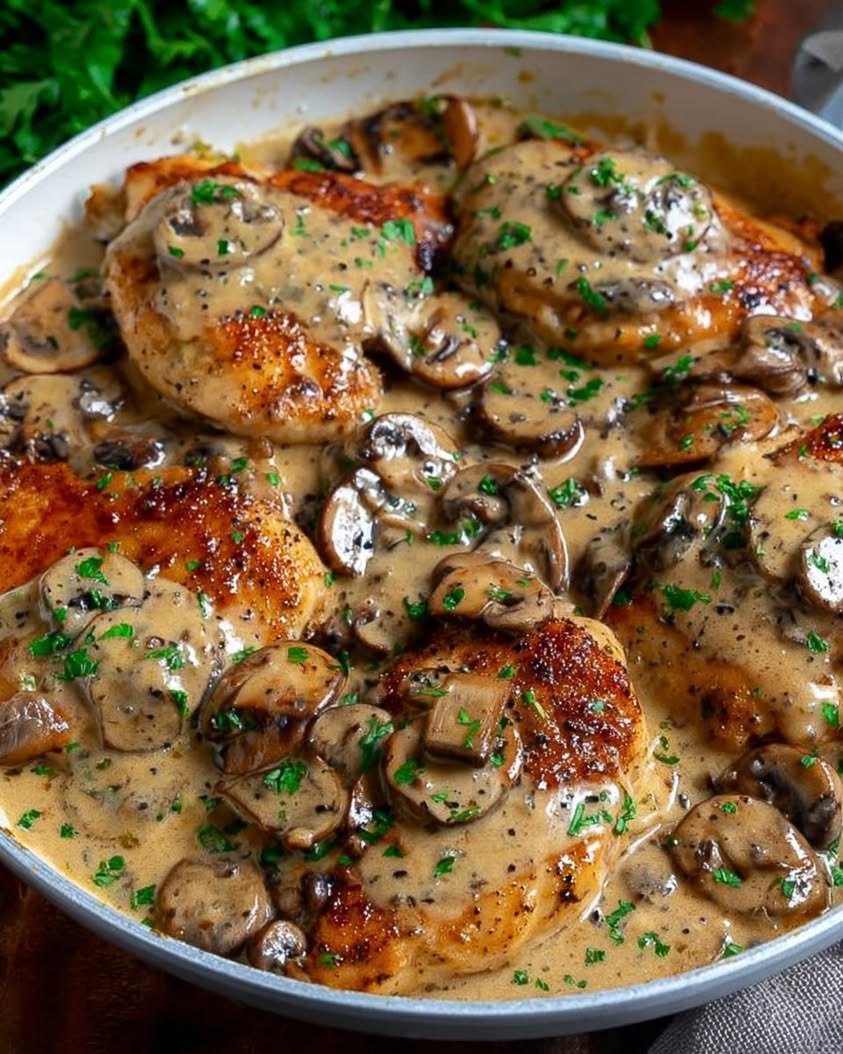
Imagine tender chicken breasts nestled in a luscious creamy sauce studded with savory mushrooms and nutty Asiago cheese. The aroma of garlic and thyme fills your kitchen as the sauce simmers to perfection. Each bite offers a delightful contrast between the crispy chicken skin and the smooth, decadent sauce. This skillet meal also requires minimal cleanup, making it a practical choice for home cooks who value efficiency. Whether you serve it over pasta, rice, or with crusty bread, this dish promises to impress your family and friends.
The beauty of this Chicken and Mushroom Skillet recipe lies in its simplicity and depth of flavor. You can easily adapt it to suit your preferences by swapping mushrooms or adjusting the mustard level. The creamy Asiago mustard sauce comes together quickly using basic pantry staples like chicken broth, heavy cream, and Dijon mustard. This versatile comfort food proves that you do not need complicated techniques to create a memorable dinner. Let us dive into why this recipe deserves a permanent spot in your weekly rotation.
Quick Recipe Highlights
- Flavor Profile: The creamy sauce combines nutty Asiago cheese with sharp Dijon mustard for a sophisticated taste. Earthy mushrooms and aromatic garlic add savory depth that complements the juicy chicken. The slight tang from mustard balances the richness of the cream and cheese.
- Texture: You will enjoy the contrast between the tender chicken and the silky smooth sauce. The mushrooms provide a satisfying meaty bite while the sauce coats every morsel luxuriously. The finished dish has a thick, velvety consistency that clings beautifully to pasta or rice.
- Aroma: The sizzling chicken releases a mouthwatering scent as it browns in the skillet. Garlic and thyme perfume the kitchen with their warm, herbal notes. The finished sauce smells wonderfully rich and inviting, promising a delicious meal ahead.
- Visual Appeal: Golden brown chicken rests atop a creamy ivory sauce studded with dark mushroom slices. Fresh thyme sprigs add a pop of green color for an attractive presentation. The bubbling sauce creates an appetizing appearance that looks straight from a food magazine.
- Skill Level Needed: This recipe requires basic stovetop techniques like searing and simmering that any beginner can master. You only need to monitor the chicken doneness and stir the sauce occasionally. Even novice cooks can achieve impressive results with this straightforward method.
- Special Equipment: A large heavy-bottomed skillet or cast iron pan works perfectly for this one-pan meal. You will need a meat thermometer to ensure the chicken reaches a safe internal temperature. Basic kitchen tools like a whisk and measuring cups complete your equipment list.
Recipe Overview
- Difficulty Level: This recipe rates as easy because the steps are straightforward and require no advanced culinary skills. You simply sear the chicken, cook the mushrooms, and build the sauce in the same pan. The timing is forgiving, and you can easily adjust the seasonings to your taste. Even first-time cooks can feel confident tackling this impressive skillet dinner.
- Category: This dish fits perfectly into the main course category for lunch or dinner. It works wonderfully as a hearty weeknight meal or a special weekend dinner. You can also serve it as part of a larger spread for holiday gatherings or dinner parties.
- Cuisine: The recipe draws inspiration from classic American comfort food with European influences. The use of Asiago cheese and Dijon mustard reflects Italian and French culinary traditions. This fusion creates a familiar yet elevated dish that appeals to a wide range of palates.
- Cost: This meal costs approximately 12 to 15 dollars for four servings, making it budget-friendly. Chicken breasts remain an affordable protein option at most grocery stores. The mushrooms, cream, and cheese add minimal expense while delivering maximum flavor impact.
- Season: This Chicken and Mushroom Skillet shines during fall and winter when comfort foods are most welcome. The earthy mushrooms and rich cream sauce provide warmth and satisfaction on chilly evenings. However, you can certainly enjoy this versatile dish year-round with seasonal vegetable sides.
- Occasion: This recipe suits casual family dinners, date nights, and special celebrations equally well. It impresses guests without requiring you to spend hours in the kitchen. You can also prepare it for meal prep, as the flavors only improve when reheated.
Why You Will Love This Recipe
The taste and texture combination in this Chicken and Mushroom Skillet will win you over immediately. The creamy Asiago mustard sauce delivers a luxurious mouthfeel that feels indulgent without being heavy. Each bite offers tender chicken, earthy mushrooms, and a perfectly balanced sauce that keeps you coming back for more. The tangy mustard adds a pleasant sharpness that prevents the dish from tasting too rich. You will appreciate how the flavors meld together seamlessly in this simple yet sophisticated skillet meal.
Convenience plays a major role in why this recipe belongs in your regular rotation. You only need one skillet for the entire cooking process, which means less time washing dishes. The entire meal comes together in just 35 minutes from start to finish. Most ingredients are pantry staples you likely already have on hand. This streamlined approach makes weeknight cooking feel effortless and enjoyable.
Nutritionally speaking, this dish offers a balanced meal with protein, healthy fats, and essential vitamins. Chicken breast provides lean protein that keeps you feeling full and satisfied. Mushrooms contribute B vitamins, selenium, and antioxidants that support immune health. The cream and cheese add calcium and vitamin D while making the meal feel decadent. You can easily adjust portions to fit your dietary goals without sacrificing flavor.
Socially, this Chicken and Mushroom Skillet recipe makes entertaining simple and stress-free. You can prepare the entire dish in one pan while chatting with guests in the kitchen. The beautiful presentation looks like you spent hours cooking when you actually worked efficiently. Serving this creamy skillet dinner impresses friends without creating a mountain of dirty dishes. Your guests will request this recipe after experiencing its incredible flavor profile.
Cost-effectiveness is another compelling reason to add this dish to your cooking repertoire. Chicken breast remains one of the most affordable protein options available. Mushrooms are relatively inexpensive and add substantial volume and flavor to meals. A little Asiago cheese goes a long way in creating that luxurious sauce texture. You can feed four people generously for under 15 dollars, making this an economical choice for budget-conscious families.
Historical Background and Cultural Significance
The combination of chicken and mushrooms has deep roots in European culinary traditions dating back centuries. French cuisine popularized the concept of sauteed mushrooms paired with poultry in creamy sauces. Italian cooks also embraced this pairing, incorporating regional cheeses like Asiago into their preparations. This particular skillet dinner represents a modern American interpretation of those classic European techniques.
Culturally, skillet meals hold a special place in American home cooking as symbols of practicality and comfort. The one-pan approach reflects the American value of efficiency without sacrificing quality. This recipe connects to the broader tradition of family meals where everyone gathers around the table. The creamy sauce and tender chicken evoke feelings of warmth and nostalgia for many home cooks.
The evolution of this recipe reflects changing tastes and ingredient availability over time. Earlier versions may have used simpler cream sauces without cheese or mustard. The addition of Asiago cheese brings a nutty complexity that elevates the dish significantly. Dijon mustard adds brightness and acidity that balances the richness of the cream and cheese. These modern adaptations show how home cooking continues to evolve with global influences.
Regional variations of chicken and mushroom skillet recipes exist across different parts of the United States. Some versions incorporate wine or sherry for added depth of flavor. Others use different cheese varieties like Parmesan or Gruyere depending on regional preferences. The Pacific Northwest might feature wild mushrooms while the Midwest sticks with standard button mushrooms. This diversity highlights how a simple recipe can adapt to local ingredients and tastes.
Ingredient Deep Dive
Chicken Breasts: Chicken has been a staple protein in American cuisine for generations due to its versatility and affordability. Nutritionally, chicken breast provides high-quality lean protein with minimal saturated fat. When selecting chicken, look for plump breasts with pink flesh and no discoloration. Store raw chicken in the refrigerator at 40 degrees Fahrenheit and use within two days. You can substitute boneless thighs if you prefer darker meat with more flavor.
Mushrooms: Mushrooms have been prized in culinary traditions worldwide for their earthy flavor and meaty texture. They contain beta-glucans that support immune function and are rich in B vitamins. Choose firm, dry mushrooms with smooth caps and avoid any slimy or shriveled specimens. Store mushrooms in a paper bag in the refrigerator to maintain freshness for up to five days. Cremini or baby bella mushrooms work best, but you can use white button or shiitake mushrooms successfully.
Asiago Cheese: Asiago originates from Italy where it has been produced for over a thousand years in the Veneto region. This cheese offers a nutty, slightly tangy flavor that melts beautifully into sauces. Fresh Asiago provides a milder taste while aged Asiago delivers a sharper, more intense flavor. Grate the cheese yourself for the best melting properties and avoid pre-shredded varieties. Parmesan cheese serves as an excellent substitute with similar flavor and melting characteristics.
Dijon Mustard: Dijon mustard comes from the Burgundy region of France where it has been made since the Middle Ages. The mustard seeds provide antioxidants and minerals while adding minimal calories. Authentic Dijon mustard should list only mustard seeds, vinegar, water, and salt as ingredients. Store opened mustard in the refrigerator where it keeps for up to one year. Whole grain mustard can substitute with a slightly different texture and milder heat.
Heavy Cream: Heavy cream has been a cornerstone of French and Italian cooking for creating luxurious sauces and desserts. It provides a significant source of vitamin A, calcium, and conjugated linoleic acid. Look for cream with at least 36 percent milk fat content for the best sauce consistency. Keep heavy cream refrigerated and use within seven to ten days of opening. Half and half can substitute with a thinner sauce, or you can use coconut cream for a dairy-free option.
Chicken Broth: Chicken broth forms the flavorful base for the creamy sauce in this skillet dinner. Low-sodium broth allows you to control the salt level more effectively than regular broth. You can use homemade broth if available for superior flavor and nutritional benefits. Store broth in the refrigerator for up to five days or freeze for several months. Vegetable broth works perfectly as a substitute for a different flavor profile.
Common Mistakes to Avoid
- Overcooking the chicken: Chicken breasts dry out quickly when cooked beyond 165 degrees Fahrenheit internal temperature. Use a meat thermometer to check doneness rather than relying on time estimates. Remove the chicken from the pan as soon as it reaches the correct temperature.
- Skipping the sear step: Properly browning the chicken creates deep flavor through the Maillard reaction. Do not rush this step or overcrowd the pan, which prevents proper browning. Pat the chicken dry before seasoning to ensure a good golden crust forms.
- Adding cream too early: Pouring heavy cream into a screaming hot pan can cause it to curdle and break. Reduce the heat to medium-low before adding the cream to prevent separation. Whisk continuously while incorporating the cream into the sauce base.
- Using pre-shredded cheese: Pre-shredded cheese contains anti-caking agents that prevent smooth melting in sauces. Always grate your Asiago cheese fresh from a block for the silkiest results. This small effort makes a significant difference in the final sauce texture.
- Neglecting to season layers: Seasoning only at the end leaves the dish tasting flat and one-dimensional. Salt the chicken before searing and season the mushrooms as they cook. Taste the sauce before serving and adjust seasonings as needed.
- Overcrowding the pan: Cooking too many mushrooms at once causes them to steam instead of brown properly. Work in batches if necessary to give each mushroom slice room to caramelize. Crowding the pan also lowers the temperature, preventing proper browning.
- Letting the sauce separate: High heat can cause the cream and cheese sauce to break into greasy components. Keep the heat gentle after adding cream and cheese to maintain emulsion stability. Stir frequently and remove from heat once the sauce reaches desired thickness.
- Forgetting to rest the chicken: Cutting into chicken immediately releases juices and leaves the meat dry and tough. Allow the cooked chicken to rest for five minutes before slicing for optimal juiciness. This resting period allows juices to redistribute throughout the meat fibers.
Essential Techniques
Searing Chicken: Searing creates a flavorful brown crust through the Maillard reaction when proteins and sugars caramelize. To master this technique, pat the chicken completely dry before seasoning to remove surface moisture. Heat your skillet over medium-high heat until the oil shimmers before adding the chicken. You will know the sear is successful when the chicken releases easily from the pan with a golden brown color.
Sauteing Mushrooms: Properly sauteed mushrooms develop deep, earthy flavors as their moisture evaporates and they brown in the pan. Start with a hot pan and avoid moving the mushrooms too frequently during the first few minutes. The mushrooms will release liquid initially, but continue cooking until that liquid evaporates. You will see the mushrooms shrink in size and develop a golden brown color when perfectly cooked.
Building a Cream Sauce: Building a stable cream sauce requires gentle heat and constant attention to prevent curdling or breaking. Start by creating a base with aromatics like garlic and thyme before adding liquids. Reduce heat before incorporating heavy cream and whisk in the grated cheese gradually. The sauce should thicken enough to coat the back of a spoon without becoming too thick.
Deglazing the Pan: Deglazing lifts the browned bits from the bottom of the pan and incorporates those flavors into your sauce. Pour chicken broth into the hot pan and scrape the bottom with a wooden spoon or spatula. This technique releases all the caramelized flavor from the searing process. You will see the liquid become darker and more flavorful as it lifts those fond bits.
Pro Tips for Perfect Chicken and Mushroom Skillet with Creamy Asiago Mustard Sauce
Allow your chicken breasts to come to room temperature for about 15 minutes before cooking. This step promotes even cooking throughout the breast and prevents cold spots in the center. Room temperature chicken also sears more evenly, resulting in a better golden crust.
Use a meat thermometer to check internal temperature rather than cutting into the chicken. Insert the thermometer into the thickest part of the breast, avoiding the bone if present. Remove the chicken at 160 degrees Fahrenheit because carryover cooking will bring it to 165 degrees.
Slice your mushrooms uniformly to ensure they cook at the same rate and brown evenly. Thicker slices offer more texture while thinner slices cook faster and integrate into the sauce. Aim for consistent quarter-inch thick slices for the best results in this recipe.
Add the Dijon mustard after the cream but before the cheese for optimal flavor distribution. The mustard can be stirred into the cream base without risk of clumping or separation. This order allows the mustard flavor to meld with the creamy sauce before the cheese thickens everything.
Grate your Asiago cheese while it is cold for easier shredding and less sticking to the grater. Cold cheese grates more cleanly than room temperature cheese, creating fine, even shreds. Measure your grated cheese before adding it to the sauce for accurate quantities.
Reserve a small amount of pasta water if serving this skillet meal over noodles. The starchy water can thin the sauce perfectly if it becomes too thick as it sits. Add the water one tablespoon at a time until the sauce reaches your desired consistency.
Let the finished dish rest for a few minutes before serving to allow flavors to meld together. This brief resting period allows the sauce to thicken slightly and the chicken to absorb more flavor. The dish actually improves after spending 10 minutes off the heat.
Variations and Adaptations
Regional Variations: Southern cooks might add a touch of Cajun seasoning for a spicy kick that complements the creamy sauce. Pacific Northwest versions could feature chanterelle or morel mushrooms for a wild, earthy flavor. New England adaptations might incorporate a splash of white wine and fresh tarragon for brightness. These regional twists show how this versatile recipe adapts to local tastes and ingredient availability.
Seasonal Adaptations: Spring versions can include fresh peas and asparagus tips added during the last few minutes of cooking. Summer adaptations might feature cherry tomatoes and fresh basil stirred into the finished sauce. Fall and winter variations work well with roasted butternut squash cubes or wilted spinach. These seasonal additions keep the recipe fresh and exciting throughout the year.
Dietary Modifications: To make this dish gluten-free, simply use gluten-free chicken broth and serve over rice or quinoa. A dairy-free version can substitute coconut cream for heavy cream and nutritional yeast for cheese. For a lower calorie option, use half the cream and add extra chicken broth instead. These modifications ensure everyone can enjoy this delicious skillet meal regardless of dietary restrictions.
Flavor Variations: Add roasted garlic cloves to the sauce for a sweeter, mellower garlic flavor profile. Incorporate fresh sage leaves or rosemary sprigs for an herbaceous twist on the original. Try using smoked paprika or chipotle powder for a smoky, slightly spicy variation. These flavor adaptations allow you to customize the dish to your personal preferences.
Texture Modifications: For a chunkier sauce, leave the mushrooms in larger slices and add diced bell peppers. A smoother sauce can be achieved by pureeing half the mushroom mixture before adding cream. Add toasted pine nuts or walnuts for crunch if you desire additional textural contrast. These texture modifications create different eating experiences from the same base recipe.
Presentation Alternatives: Serve the chicken sliced atop a bed of creamy polenta for an elegant Italian-inspired presentation. Arrange the chicken and sauce over crispy roasted potatoes for a satisfying British-style meal. Present individual chicken pieces on plates with sauce artfully drizzled around them. These presentation alternatives elevate the dish for special occasions or dinner parties.
Serving and Presentation Guide
Plating Techniques: Place a generous spoonful of the creamy sauce on the center of each plate as a base. Arrange sliced chicken pieces artfully on top of the sauce in a fan pattern. Spoon additional mushrooms and sauce over the chicken for a rustic, inviting appearance. Use a clean paper towel to wipe any sauce drips from the plate edges for a polished look.
Garnishing Ideas: Fresh thyme sprigs add a classic herbaceous touch that matches the flavors in the dish. A sprinkle of freshly cracked black pepper provides visual contrast and enhances the seasoning. Grated Asiago cheese scattered on top reinforces the cheese flavor and adds texture. Chopped fresh parsley offers a bright green color that complements the creamy white sauce.
Traditional Accompaniments: Buttered egg noodles or fettuccine make classic pasta partners that soak up the delicious sauce beautifully. Mashed potatoes provide a comforting base that complements the creamy texture of the dish. Crusty bread works perfectly for sopping up every last bit of the luxurious sauce. Steamed green beans or roasted asparagus add color and nutritional balance to the plate.
Modern Serving Suggestions: Serve the chicken and sauce over cauliflower rice for a low-carb, keto-friendly option. Quinoa or farro offer nutritious whole grain alternatives that add texture and fiber. Spiralized zucchini noodles provide a vegetable-forward base that lightens the meal. These modern options keep the recipe relevant for contemporary dietary preferences.
Temperature Considerations: Serve this dish hot off the stove for the best flavor and sauce consistency. The sauce will thicken as it cools, so you may need to add a splash of broth when reheating. Room temperature leftovers can be reheated gently on the stovetop to restore the smooth sauce texture. Avoid microwaving on high power as this can cause the cream sauce to separate.
Portion Control Tips: Aim for about 6 ounces of cooked chicken per person for a satisfying main course serving. The sauce portion should be around one third cup per serving to complement without overwhelming. Adjust the amount of pasta or grain base to fit your personal appetite and dietary needs. Leftovers store well, so making extra sauce ensures you have enough for seconds.
Wine and Beverage Pairing
Wine Pairings: A crisp Sauvignon Blanc cuts through the richness of the cream sauce while complementing the mustard tang. Chardonnay with moderate oak aging works well because it echoes the nutty Asiago cheese notes. For red wine lovers, a light Pinot Noir offers enough acidity to balance the creamy sauce without overpowering. Both wine options enhance the flavors of this Chicken and Mushroom Skillet beautifully.
Non-Alcoholic Alternatives: Sparkling water with a squeeze of fresh lemon provides palate-cleansing acidity that refreshes between bites. Cold-brewed iced tea with a hint of lemon or peach complements the savory flavors. Apple cider spiced with cinnamon and cloves offers a warm, comforting beverage for cooler weather. These non-alcoholic options accommodate guests who prefer not to drink alcohol.
Beer Pairings: A Belgian witbier with its citrus and spice notes pairs wonderfully with the mustard and cream sauce. An amber ale provides enough malt character to stand up to the rich chicken and mushrooms. For something lighter, a pilsner offers crisp carbonation that cuts through the creaminess. Beer lovers will find excellent options to complement this skillet dinner.
Temperature Considerations: Serve white wines slightly chilled at about 50 degrees Fahrenheit for optimal flavor expression. Red wines should be served slightly below room temperature around 60 degrees Fahrenheit. Non-alcoholic beverages taste best served cold or over ice except for warm tea or cider. Proper serving temperature enhances the drinking experience and complements the food.
Serving Suggestions: Offer wine at the beginning of the meal so guests can sip while the chicken cooks. Provide water glasses for those who prefer a simple palate cleanser between wine sips. Have both alcoholic and non-alcoholic options available to accommodate all your guests. Consider serving a small glass of the wine used in cooking alongside the finished dish.
Storage and Shelf Life
Storage Methods: Place leftover chicken and sauce in an airtight container with the sauce covering the meat. Refrigerate promptly within two hours of cooking to prevent bacterial growth. Separate the chicken from any pasta or grains to prevent them from becoming soggy. Label the container with the date to track how long it has been stored.
Temperature Requirements: Keep leftover chicken and mushroom skillet at a consistent refrigerator temperature of 40 degrees Fahrenheit or below. The sauce should remain fully submerged to prevent drying out or forming a skin. Avoid storing in the refrigerator door where temperature fluctuates more than the main compartment. Proper temperature control maintains food safety and quality for longer storage.
Container Recommendations: Glass containers provide excellent visibility and do not absorb odors or stains from the sauce. Plastic containers with tight-sealing lids work well but may discolor from the mustard over time. Use shallow containers for faster cooling of leftovers to safe temperatures. Choose containers that allow the sauce to cover the chicken completely for moisture retention.
Signs of Spoilage: Discard leftovers if you notice any sour or unpleasant odors coming from the container. Visible mold growth on the surface of the sauce or chicken indicates spoilage. A slimy texture on the chicken surface means bacteria have started growing. When in doubt about food safety, it is always better to throw leftovers away.
Reheating Instructions: Reheat leftover Chicken and Mushroom Skillet in a skillet over medium-low heat for the best texture. Add a splash of chicken broth or milk to restore the sauce consistency if it thickened. Stir frequently while reheating to prevent the sauce from sticking or burning. Microwave reheating is acceptable in 30 second intervals at 70 percent power.
Freezing Guidelines: This creamy sauce freezes well for up to three months when stored in a freezer-safe container. Allow the dish to cool completely before transferring to the freezer to prevent ice crystal formation. Thaw frozen leftovers overnight in the refrigerator before reheating gently on the stovetop. The sauce may separate slightly after freezing but stirring while reheating usually restores the texture.
Make Ahead Strategies
Prep Timeline: You can slice the mushrooms and grate the Asiago cheese up to one day before cooking. Measure the chicken broth, heavy cream, and Dijon mustard into separate containers for easy assembly. Season the chicken breasts and store them covered in the refrigerator for up to 24 hours. These prep steps reduce active cooking time to under 20 minutes on serving day.
Storage Between Steps: Store prepped ingredients in separate airtight containers in the refrigerator to maintain freshness. Keep the grated cheese tightly wrapped to prevent it from drying out or absorbing odors. The seasoned chicken can sit in the refrigerator uncovered for the last hour to dry the surface. Proper storage between prep and cooking ensures the best final results.
Quality Impact Assessment: Prepping ingredients ahead of time does not negatively affect the final dish quality at all. The flavors actually meld better when the chicken has time to absorb the seasonings. Mushrooms sliced ahead of time may darken slightly but this does not affect their taste. Overall, make-ahead preparation improves convenience without sacrificing quality.
Assembly Tips: Keep all prepped ingredients organized near the stove before starting to cook the dish. Have your skillet hot and ready before you begin searing the chicken for optimal results. The sauce comes together quickly, so have the cream and cheese measured and within reach. Following this assembly approach makes the cooking process smooth and enjoyable.
Reheating Guidelines: Follow the same reheating methods as for leftovers to restore the make-ahead dish properly. Add a little broth or cream to refresh the sauce consistency after refrigerating. Reheat over medium-low heat and stir gently to recombine any separated sauce components. The make-ahead dish will taste just as delicious as freshly cooked when reheated correctly.
Fresh Element Additions: Consider adding fresh herbs like thyme or parsley after reheating for bright flavor and color. A squeeze of fresh lemon juice before serving brightens the flavors of the reheated dish. Sprinkle additional fresh Asiago cheese on top just before serving for texture and visual appeal. These fresh additions make the reheated dish feel newly prepared.
Scaling Instructions
Halving the Recipe: You can easily halve this recipe for two people by reducing all ingredients by half. Use a smaller skillet to maintain proper cooking dynamics and prevent overcrowding. The cooking time remains similar but you should check the chicken doneness a few minutes earlier. Leftover sauce stores well if you accidentally make more than needed for two servings.
Doubling or Tripling: Doubling this recipe requires a larger skillet or cooking in two separate batches. You will need to avoid overcrowding the pan to maintain proper browning on the chicken. The sauce volume increases but the cooking time for thickening remains similar to the original. Tripling works best for dinner parties but requires a very large skillet or multiple pans.
Equipment Adjustments: A 12-inch skillet works perfectly for the original recipe serving four people. An 8-inch skillet works well for halving the recipe for two servings. For double batches, you may need to use two 12-inch skillets simultaneously to avoid overcrowding. Always ensure your pan provides enough surface area for proper searing and sauce building.
Timing Modifications: The chicken cooking time remains consistent regardless of batch size when using proper technique. Sauce thickening time may increase slightly when scaling up due to larger liquid volume. Mushrooms will take longer to brown properly when cooking larger quantities at once. Plan for additional cooking time when scaling up the recipe significantly.
Storage Considerations: Larger batches require more fridge space and larger containers for proper storage. Divide large batches into smaller portions for easier reheating and serving later. Consider freezing half of a doubled batch for future meals when you have less time. Proper storage planning ensures you can enjoy the extra portions without waste.
Nutritional Deep Dive
Macro Breakdown: Each serving of this Chicken and Mushroom Skillet provides approximately 35 grams of protein for muscle maintenance and satiety. The fat content comes mainly from the chicken and cream, totaling around 25 grams per serving. Carbohydrates remain low at under 10 grams per serving, making this suitable for low-carb diets. This macro profile makes the dish satisfying without being overly heavy or calorie dense.
Micronutrient Analysis: Chicken breast provides significant amounts of niacin, vitamin B6, and phosphorus for energy metabolism. Mushrooms contribute selenium, copper, and potassium while being naturally low in sodium. Asiago cheese adds calcium for bone health and vitamin A for immune function. This dish offers a wide range of essential micronutrients in a single serving.
Health Benefits: The protein in this dish supports muscle repair and helps maintain healthy body composition. Mushrooms contain beta-glucans that may support immune system function and reduce inflammation. The moderate fat content from cream and cheese helps with absorption of fat-soluble vitamins. This balanced meal provides sustained energy without causing blood sugar spikes.
Dietary Considerations: This recipe works naturally for low-carb and gluten-free dietary patterns without modifications. The dish provides adequate protein for most adults in a single serving. You can adjust portion sizes to fit specific calorie or macronutrient goals easily. The recipe contains dairy but can be adapted for lactose intolerant individuals using lactose-free cream and hard cheese.
Portion Analysis: A standard serving of 6 ounces of chicken with sauce provides approximately 400 total calories. This portion size fits well within most balanced meal plans for lunch or dinner. Adjust the amount of sauce and accompaniments to customize the calorie content per serving. This analysis helps you make informed decisions about portion sizes for your needs.
Weight Management Tips: Serve this dish with plenty of non-starchy vegetables to increase volume and fiber without many calories. Use a food scale to measure portion sizes if tracking calories or macros precisely. The high protein content helps control appetite and reduces the likelihood of between-meal snacking. This recipe can support weight management goals when incorporated into a balanced diet.
Dietary Adaptations
Gluten-Free: This recipe is naturally gluten-free when you use certified gluten-free chicken broth. Check your Dijon mustard label because some brands may contain wheat-based vinegar. Serve over rice, quinoa, or gluten-free pasta instead of regular wheat-based noodles. The creamy sauce works wonderfully with gluten-free options without sacrificing flavor or texture.
Dairy-Free: Replace heavy cream with full-fat canned coconut cream for a dairy-free sauce base. Use nutritional yeast combined with a bit of white miso paste instead of Asiago cheese. The coconut cream provides similar richness while the nutritional yeast adds umami depth. This adaptation creates a delicious dairy-free version that still tastes indulgent and satisfying.
Low-Carb: This recipe already fits low-carb diets with under 10 grams of carbohydrates per serving from mushrooms. Serve over cauliflower rice, zucchini noodles, or simply enjoy the chicken and sauce on its own. The creamy sauce adds richness without adding significant carbs to your meal. This adaptation keeps the dish satisfying while supporting low-carb lifestyle goals.
Keto: The high fat content from cream and cheese makes this recipe perfect for ketogenic diets. Serve over additional sautéed vegetables or cauliflower mash to increase volume without carbs. The protein and fat ratio supports ketosis when portioned appropriately for your macros. This recipe provides a satisfying meal option for those following a strict keto diet.
Paleo: Use coconut cream and a dairy-free cheese substitute to make this recipe paleo-friendly. Replace the heavy cream with full-fat coconut milk and skip the Asiago cheese entirely. Serve over roasted vegetables or sweet potato noodles for a paleo-compliant meal. This adaptation keeps the core flavors while eliminating processed ingredients.
Low-FODMAP: Use only the green tops of scallions instead of garlic for a low-FODMAP version of this recipe. Garlic-infused oil provides flavor without the FODMAPs from whole garlic cloves. Choose mushrooms carefully because some varieties like shiitake may trigger symptoms in sensitive individuals. This adaptation allows those with IBS to enjoy this delicious skillet meal safely.
Troubleshooting Guide
Texture Issues: If your sauce becomes too thick, whisk in additional chicken broth one tablespoon at a time until it loosens. A sauce that remains too thin needs more time simmering to reduce and concentrate the flavors. Grainy sauce texture usually means the cheese was add too quickly or the heat was too high. Grate cheese more finely and add it gradually over low heat to solve this issue.
Flavor Balance: A sauce that tastes flat likely needs more salt or a splash of lemon juice for brightness. Add the salt gradually and taste between additions to avoid over-seasoning the dish. If the mustard flavor is too strong, balance it with an extra splash of cream or a pinch of sugar. For a bland mushroom flavor, try browning them longer to develop deeper savory notes.
PrintChicken and Mushroom Skillet in a Creamy Asiago and Mustard Sauce
- Total Time: 45 minutes
- Yield: 4
Description
Tender chicken breasts and earthy mushrooms simmered in a rich, creamy sauce made with Asiago cheese and tangy mustard. This one-skillet meal is perfect for a quick and satisfying weeknight dinner.
Ingredients
- 1.5 lbs boneless skinless chicken breasts, pounded to even thickness
- salt and freshly ground black pepper
- 2 tablespoons olive oil
- 8 oz cremini mushrooms, sliced
- 3 cloves garlic, minced
- 1/2 cup chicken broth
- 1 cup heavy cream
- 1/4 cup grated Asiago cheese
- 2 tablespoons whole grain mustard
- 1 tablespoon Dijon mustard
- 1 teaspoon dried thyme
- 2 tablespoons chopped fresh parsley, for garnish
Instructions
- Season chicken breasts on both sides with salt and pepper.
- Heat olive oil in a large skillet over medium-high heat. Add chicken and cook for 5-6 minutes per side, until golden and cooked through. Transfer to a plate and set aside.
- In the same skillet, add sliced mushrooms and cook for 4-5 minutes until browned and tender. Add garlic and cook for 1 minute until fragrant.
- Pour in chicken broth, scraping up any browned bits from the bottom of the pan. Let simmer for 1 minute.
- Reduce heat to low. Stir in heavy cream, grated Asiago cheese, whole grain mustard, Dijon mustard, and dried thyme. Whisk until cheese is melted and sauce is smooth.
- Return chicken to the skillet, spooning sauce over the top. Simmer for 3-4 minutes to heat through.
- Garnish with chopped fresh parsley and serve immediately.
Notes
You can customize the seasonings to taste. For a lighter version, substitute half-and-half for heavy cream and reduce the cheese by half. Serve with rice, pasta, or crusty bread.
- Prep Time: 15 minutes
- Cook Time: 30 minutes
- Method: Main
- Cuisine: American