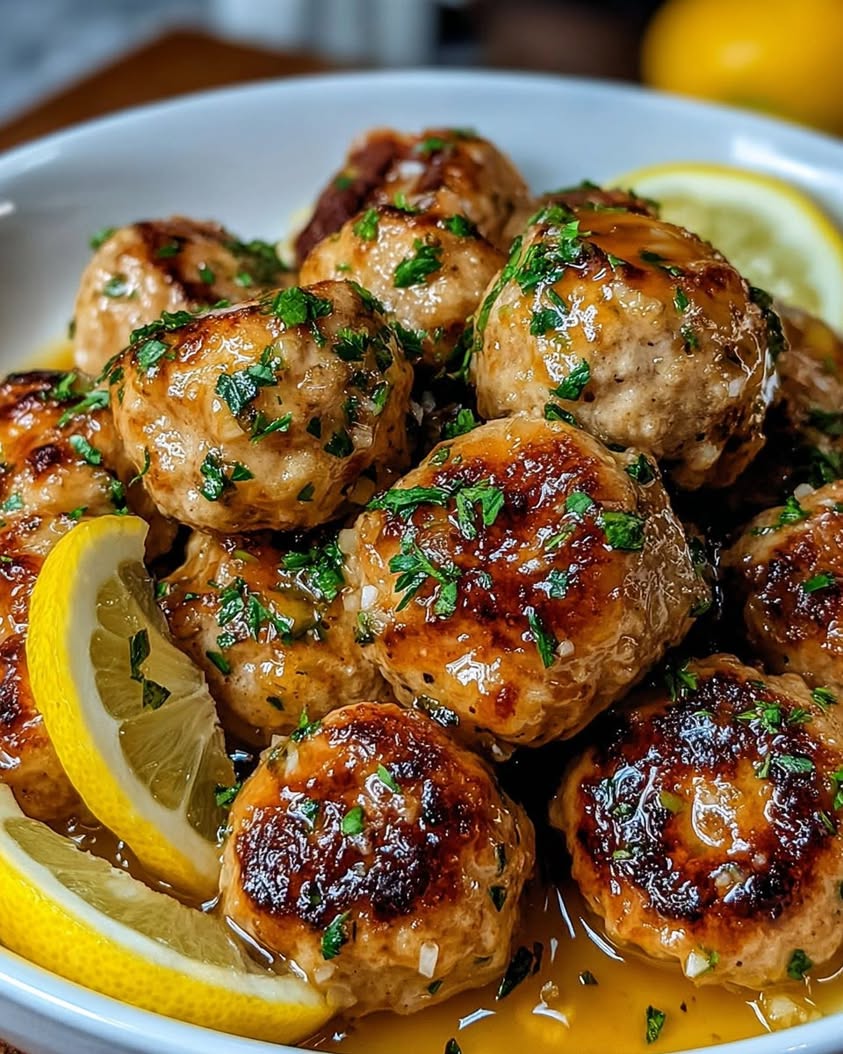
Savory Chicken Meatballs in Lemon Caper Piccata Sauce: A Bright Dinner Idea
Are you searching for a dinner that feels both indulgent and wholesome? Look no further than these savory chicken meatballs in a bright lemon caper piccata sauce. This recipe transforms simple ground chicken into juicy, flavorful spheres that soak up a vibrant, tangy sauce beautifully. The combination of tender meatballs with the zesty punch of lemon and the salty pop of capers creates an unforgettable meal.
This savory chicken meatballs in a bright lemon caper piccata sauce recipe brings a classic Italian-inspired flavor profile to your weeknight table without demanding hours of work. The chicken meatballs themselves stay incredibly moist thanks to a secret ingredient: a panade made from breadcrumbs and milk. Furthermore, the lemon caper piccata sauce comes together in just minutes, making this dish a fantastic choice for busy cooks.
You will love how the bright lemon caper piccata sauce cuts through the richness of the meatballs. The sauce is a beautiful emulsion of butter, white wine, lemon juice, and briny capers. Each meatball is perfectly coated, delivering a burst of flavor in every single bite. Additionally, this dish is naturally gluten-free if you use gluten-free breadcrumbs, and it pairs wonderfully with pasta, rice, or a simple green salad for a complete, satisfying dinner.
Quick Recipe Highlights
- Flavor Profile: The flavor is a stunning balance of bright citrus, savory umami from the chicken, and salty brine from the capers. The sauce has a rich, buttery finish that rounds out the acidity beautifully. You get a complex taste that is both familiar and exciting.
- Texture: The chicken meatballs are tender and juicy on the inside with a beautifully golden-brown crust on the outside. The lemon caper piccata sauce is silky and smooth, coating each meatball perfectly. This contrast between the firm meatball and the luscious sauce is what makes the dish so satisfying.
- Aroma: Your kitchen will fill with the inviting aroma of garlic, sizzling chicken, and fresh lemon. The fragrant notes of white wine and parsley add another layer of complexity to the smell. It is a clean, appetizing scent that promises a delicious meal ahead.
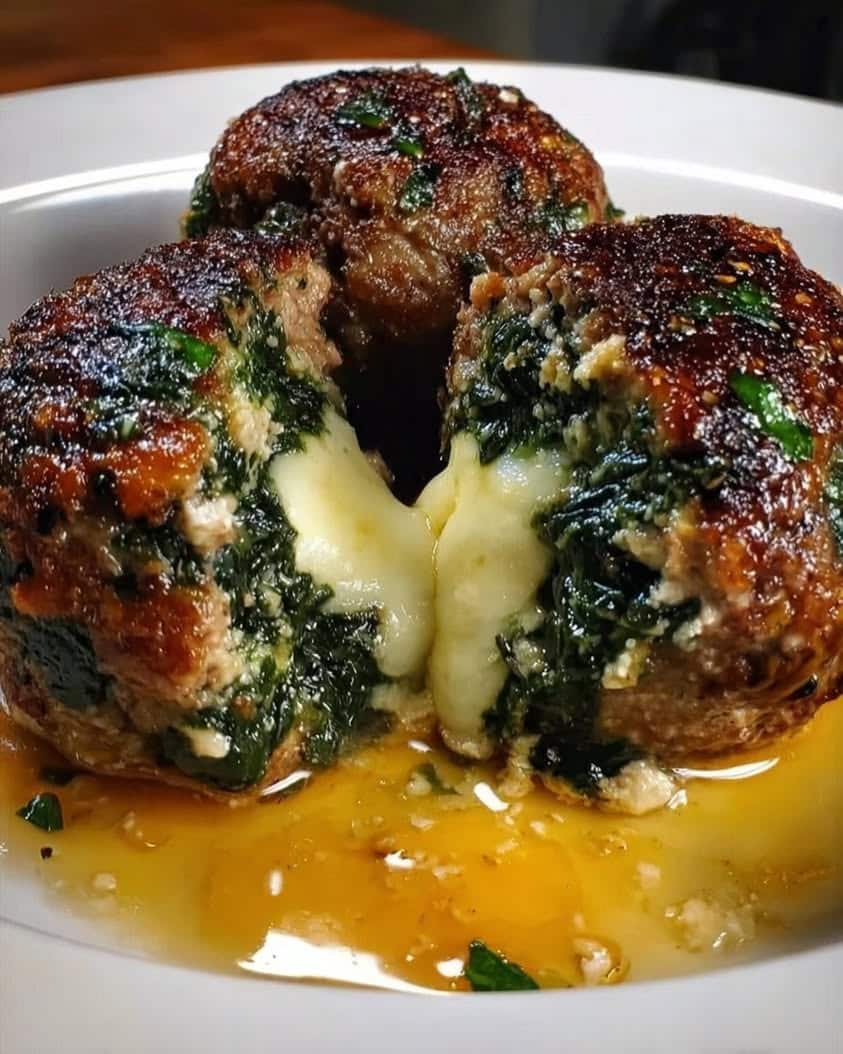
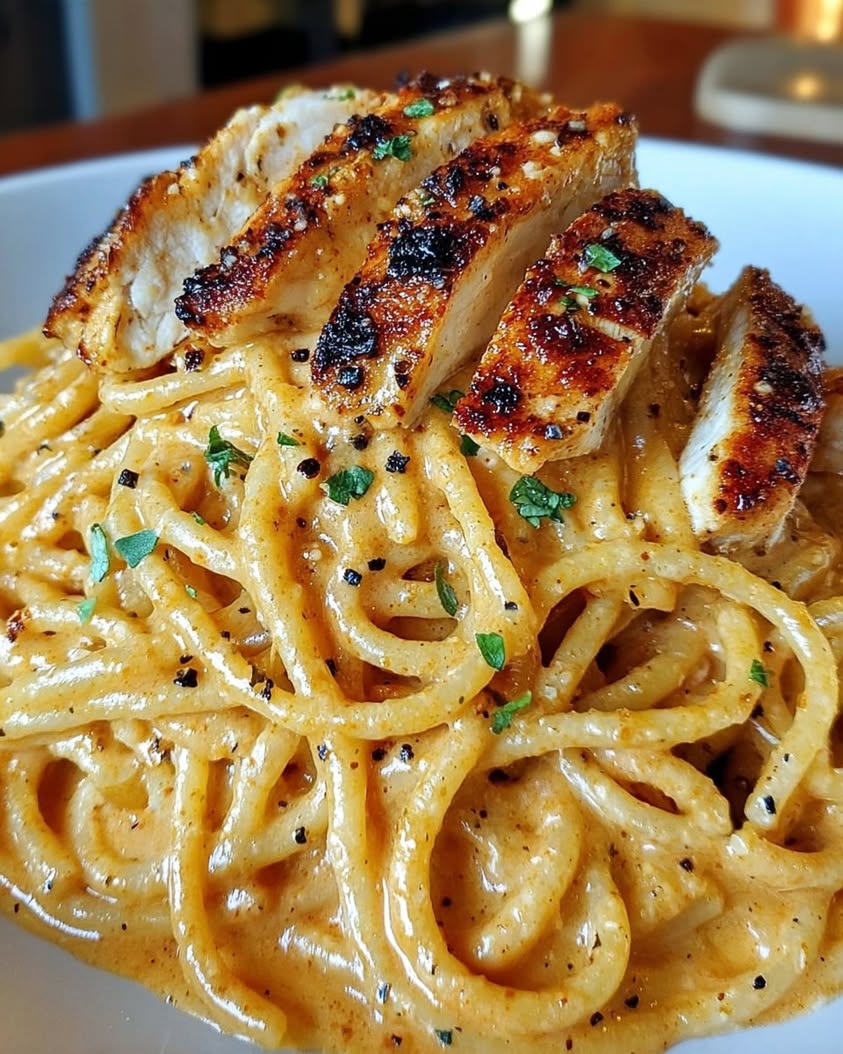
- Visual Appeal: The dish is visually stunning with golden-brown meatballs nestled in a glossy, pale yellow sauce. Bright green parsley and whole capers are scattered on top, adding color and texture. Serving it over a bed of vibrant green herbs or al dente pasta creates a beautiful plate.
- Skill Level Needed: This recipe is perfect for beginners yet still impressive for seasoned home cooks. The techniques are straightforward, involving simple mixing, shaping, and pan-searing. There are no complicated steps or specialized methods required to achieve success.
- Special Equipment: You will need a large skillet, preferably a 12-inch, non-stick or stainless steel pan. A microplane or zester is helpful for getting fresh lemon zest. A good set of tongs and a meat thermometer are also recommended for best results.
Recipe Overview
- Difficulty Level: This savory chicken meatballs in a bright lemon caper piccata sauce recipe earns an easy difficulty rating because the process is very forgiving. Shaping meatballs requires no special skill, and making the sauce is essentially a one-pan affair. The ingredients are common, and the timing for each step is short. Even a novice cook can whip up this elegant dish without stress.
- Category: These savory chicken meatballs in lemon caper piccata sauce are perfect for a main course dinner. They also work wonderfully as an appetizer if you make smaller meatballs and serve them with toothpicks. You can easily categorize this as a quick, healthy weeknight meal that feels like a special weekend dinner.
- Cuisine: This dish draws its inspiration from classic Italian-American cuisine, specifically the famous piccata preparation. The piccata method traditionally uses veal or chicken breast, but adapting it to chicken meatballs is a brilliant modern twist. The flavors of lemon, capers, and butter are cornerstones of this beloved culinary tradition. Consequently, it pays homage to Italian cooking while offering a fresh take.
- Cost: The cost for this recipe is very budget-friendly. Ground chicken is typically one of the most affordable proteins available. Capers and lemons are inexpensive pantry staples, and the other ingredients like garlic and breadcrumbs are also very low cost. You can feed a family of four for under fifteen dollars, making it a fantastic economical choice.
- Season: This bright lemon caper piccata sauce is particularly perfect for spring and summer when fresh lemons are at their peak. The light, citrusy flavors provide a welcome contrast to the heavier stews of winter. However, you can make this meal year-round since lemons are always available. It brings a taste of sunshine to any table.
- Occasion: This dish is ideal for a casual family dinner, yet it is elegant enough for a dinner party. It creates a beautiful presentation that is sure to impress your guests. It is also a fantastic option for a romantic date-night meal because it feels luxurious without requiring too much effort.
Why You Will Love This Recipe
The taste of these savory chicken meatballs in a bright lemon caper piccata sauce is an absolute revelation. Each bite offers a juicy, tender meatball that bursts with savory flavor. The sauce then wraps around it, providing a bright, citrusy kick that wakes up your palate. The saltiness of the capers perfectly complements the acidity of the lemon. This combination is simply irresistible for anyone who loves bold, clean flavors.
From a convenience perspective, this recipe is a game-changer. You can have it on the table in just forty minutes, which is faster than ordering takeout. The entire meal cooks in one skillet, which means less time washing dishes. Furthermore, the ingredient list is short and uses many items you likely already have in your pantry. It is the perfect solution for a busy weeknight when you want a home-cooked meal without a complicated cleanup.
Nutritionally, this dish is a smart choice for your health. Chicken meatballs provide a high amount of lean protein to keep you full and energized. The lemon juice is packed with vitamin C and antioxidants. Capers offer a surprising dose of vitamins A, K, and fiber. By using lean ground chicken and a moderate amount of butter, you create a balanced meal that is both satisfying and good for you. Additionally, this recipe is naturally low in carbohydrates.
This meal is a fantastic choice when you are entertaining guests. The presentation is impressive with its glossy sauce and colorful garnish. It looks like something you would order at a nice restaurant. Your friends and family will think you spent hours in the kitchen. In reality, you can prepare these savory chicken meatballs in a bright lemon caper piccata sauce quickly while visiting with them in the living room.
Finally, this recipe is incredibly cost-effective and uses accessible ingredients. You do not need to hunt down any exotic items or expensive cuts of meat. Everything is available at your standard grocery store. The cost per serving is remarkably low for such a high-quality dish. Therefore, you can eat well and save money, which is always a wonderful combination.
Historical Background and Cultural Significance
The piccata preparation style has its deep roots in Italian cuisine, specifically from the Lombardy region in northern Italy. The word “piccata” itself translates to “larded” or “pounded flat” in Italian, traditionally describing a thin piece of veal. This cooking method was a way to tenderize a less expensive cut of meat while coating it in a flavorful sauce. The use of lemon, a fruit that was historically prized, added a refreshing brightness to the dish. It quickly became a staple of Italian home cooking.
Culturally, the piccata method represents the Italian philosophy of “cucina povera,” or peasant cooking. This approach focuses on using simple, high-quality ingredients to create exceptional meals. The combination of lemon, capers, and butter exemplifies this perfectly. Each ingredient is humble on its own, but together they form a luxurious and complex sauce. This recipe for savory chicken meatballs in a bright lemon caper piccata sauce continues that tradition of resourcefulness and flavor.
The evolution of this recipe is a classic story of immigrant adaptation. When Italian immigrants came to the United States, they brought their cherished recipes with them. Veal was often expensive and hard to find in America, so they adapted the dish. Chicken breast became the most common substitute, leading to the incredibly popular Chicken Piccata we know today. Our recipe takes this evolution one step further by using ground chicken formed into meatballs, which makes the dish even more affordable and accessible.
Regional variations of this dish are quite common across Italy and the United States. In southern Italy, cooks might add olives or sun-dried tomatoes to the sauce for a more robust flavor. Some versions use white wine, while others use chicken broth as the base. We chose to use a combination of white wine and chicken broth for a deeper, more rounded flavor. Each regional variation speaks to the adaptability of this core concept, proving that the bright lemon caper piccata sauce is a versatile canvas for cooks everywhere.
Ingredient Deep Dive
Ground chicken is the star of our savory chicken meatballs in a bright lemon caper piccata sauce. Lean yet flavorful, ground chicken has become a popular protein source in American kitchens. Nutritionally, it is an excellent source of high-quality protein, B vitamins, and selenium, which is important for thyroid function. When selecting ground chicken, look for a package that is cold and without any off-odors. You can store it in the coldest part of your refrigerator for up to two days, or freeze it for up to three months. If you prefer a richer flavor, you can substitute ground turkey or even ground pork.
Lemons are the heart of the bright lemon caper piccata sauce. They provide the essential acidity that cuts through the richness of the meatballs and butter. Historically, lemons were a luxury item used to preserve food and add flavor. Today, they are a staple in many cuisines worldwide. When buying lemons, choose ones that feel heavy for their size and have a firm, bright yellow skin. For the best flavor, always use fresh lemon juice instead of bottled, as the bottled version lacks the vibrant, complex notes. Your zested lemon peel also contains essential oils that add incredible fragrance.
Capers are the tiny, briny flower buds that provide a unique salty flavor to this dish. They are a hallmark of Mediterranean cooking, adding a burst of saltiness without the heaviness of anchovies. These small green buds are typically cured in salt or brine, which gives them their signature tang. Capers are also a good source of antioxidants and have anti-inflammatory properties. Look for non-pareil capers, which are the smallest and most tender variety. You can store an opened jar of capers in the refrigerator for up to a year. If you need a substitute, chopped green olives can provide a similar briny flavor.
Common Mistakes to Avoid
- Do not overmix the meatball mixture. Overmixing develops the gluten in the breadcrumbs and makes the meatballs tough and dense instead of tender and light. Gently combine the ingredients until just mixed to ensure a juicy texture.
- Do not skip the panade. The panade, a mixture of breadcrumbs and milk, is crucial for keeping the chicken meatballs incredibly moist. Without it, the lean ground chicken will become dry and crumbly during cooking.
- Do not overcrowd the skillet when browning the meatballs. Working in batches is vital for getting a beautiful golden-brown crust. If the pan is too full, the meatballs will steam instead of sear, preventing that delicious browning.
- Do not use cold ingredients directly from the fridge. Make sure your ground chicken, eggs, and milk are at room temperature before mixing. Cold ingredients prevent the meatball mixture from binding together properly and can lead to uneven cooking.
- Do not use bottled lemon juice for the sauce. Fresh lemon juice is non-negotiable for achieving that bright, vibrant flavor. Bottled juice often tastes flat and can have a bitter, metallic aftertaste that ruins the sauce.
- Do not add the capers too early in the cooking process. If you cook capers for a long time, they lose their briny punch and become soft. Add them towards the end of the sauce preparation to preserve their texture and flavor.
- Do not simmer the sauce for too long after adding the butter. The butter is added to create a smooth, glossy finish. Simmering it for too long can cause the sauce to break or become greasy. Heat gently until the butter is just melted.
- Do not forget to taste and adjust the seasoning. The saltiness of capers varies by brand, and you may need to add less salt than you think. Always taste the sauce before serving and adjust with salt, pepper, or extra lemon juice.
Essential Techniques
Creating a proper panade is the first essential technique for these savory chicken meatballs in a bright lemon caper piccata sauce. This mixture of breadcrumbs and milk acts as a binder and moisturizer. It is important because lean ground chicken lacks the fat needed to stay juicy. To make the perfect panade, combine fresh breadcrumbs with milk and let it sit for five minutes until it forms a paste. Then, you gently incorporate this paste into the chicken mixture. This simple step guarantees your meatballs will be exceptionally tender and moist.
Mastering the searing technique for the meatballs is equally critical. The goal is to achieve a deep, golden-brown crust on all sides while keeping the inside juicy. Heat your skillet over medium-high heat with a thin layer of olive oil. Place the meatballs in the pan without touching each other. Let them cook undisturbed for three to four minutes per side. The audible sizzle should be constant, and the edges of the meatball will turn a rich brown color. Do not move them too early, or they will stick and tear.
Creating the perfect emulsion for the lemon caper piccata sauce requires careful attention. After removing the meatballs, you deglaze the pan with white wine, scraping up all the browned bits. You then add chicken broth and lemon juice and let it reduce slightly. The critical step comes at the end: swirling in cold butter over low heat. You must add the butter slowly and whisk constantly. This technique creates a stable emulsion that results in a silky, glossy sauce rather than a greasy one. The sauce should coat the back of a spoon smoothly.
Pro Tips for Perfect Savory Chicken Meatballs in Lemon Caper Piccata Sauce
Always use a light hand when shaping your meatballs. Form them just until they hold their shape to keep the texture light and airy. Overworking the mixture is the fastest way to create dense, heavy meatballs.
Use a small ice cream scoop or a tablespoon measure to ensure all your meatballs are the same size. Uniformly sized meatballs cook at the same rate. This consistency ensures that every single meatball on your plate is perfectly cooked.
Do not discard the liquid from the caper jar. The brine is incredibly flavorful and can be used to add a subtle saltiness to other dishes, like salad dressings or marinades. It is a free flavor booster.
For an extra layer of flavor, add a splash of the caper brine to your lemon caper piccata sauce. This will enhance the briny notes and make the sauce even more complex. Start with one teaspoon and adjust to your taste.
Let the cooked meatballs rest for a few minutes before returning them to the pan with the sauce. This resting period allows the juices inside the meatballs to redistribute. As a result, the meatballs will be even juicier when you bite into them.
Use a microplane to zest the lemon directly over the meatball mixture. The fragrant lemon oils will instantly perfume the mixture. This aromatic addition makes the meatballs themselves taste brighter and more flavorful before they even hit the pan.
Variations and Adaptations
Regional variations of this dish are a joy to explore. In some parts of Sicily, cooks add a pinch of red pepper flakes to the lemon caper piccata sauce for a gentle heat. You can also find versions that incorporate fresh cherry tomatoes, which soften and burst into the sauce, adding sweetness. Our recipe stays true to the classic Southern Italian roots, but you can easily adapt it to your own region by adding local ingredients.
Seasonal adaptations can keep this recipe interesting year-round. In the summer, serve the meatballs over a bed of fresh arugula or zucchini noodles for a light, refreshing meal. In the fall, add sautéed mushrooms to the sauce for an earthy, savory depth. During the winter, a side of creamy polenta or roasted root vegetables pairs beautifully with the bright sauce. The recipe is incredibly flexible to whatever is fresh at your market.
Dietary modifications are simple to achieve with this dish. To make it gluten-free, use certified gluten-free breadcrumbs or almond flour for the panade. The recipe is already dairy-free if you use olive oil instead of butter for the sauce. For a lower-carb version, serve the meatballs over cauliflower rice or simply with the sauce. You can also use a dollop of Greek yogurt instead of butter for a healthier fat source.
Flavor variations are limited only by your imagination. Add a teaspoon of Dijon mustard to the sauce for a subtle tangy kick. You can also mix fresh dill or basil into the meatball mixture alongside the parsley. For a richer, deeper sauce, substitute half of the chicken broth with heavy cream. Each variation creates a unique, delicious version of the original dish.
Serving and Presentation Guide
Plating these savory chicken meatballs in a bright lemon caper piccata sauce begins with choosing the right vessel. A wide, shallow bowl allows the sauce to pool beautifully around the meatballs. Start by placing a bed of your chosen base, such as angel hair pasta, creamy polenta, or steamed rice. Arrange the meatballs on top, spacing them evenly. Then, generously spoon the lemon caper piccata sauce over the entire dish.
Garnishing ideas are key to finishing the dish perfectly. A generous sprinkle of fresh, chopped parsley adds a pop of green color and a fresh herbal flavor. You can also add a few extra whole capers on top for visual appeal. Thin slivers of lemon zest add a final touch of elegance and aroma. For a hint of decadence, you can also grate a little fresh parmesan cheese on top if you are not strictly avoiding dairy.
Traditional accompaniments complete the meal seamlessly. A simple side salad with a vinaigrette dressing provides a refreshing contrast to the rich sauce. Crusty bread is essential for sopping up every last drop of the delicious lemon caper piccata sauce. A side of steamed green beans or roasted asparagus also makes a wonderful, healthy addition. The goal is to create a balanced plate with different textures and temperatures.
Modern serving suggestions offer a lighter approach. Serve the meatballs in lettuce wraps for a low-carb, handheld option. You can also skewer them for a fun appetizer at a party. For a complete meal in a bowl, serve them over a grain bowl with quinoa, roasted vegetables, and a dollop of this vibrant sauce. Temperature is important; serve immediately while the sauce is warm and glossy for the best experience.
Wine and Beverage Pairing
A crisp, dry white wine is the classic and perfect companion for this dish. The high acidity in a Pinot Grigio or a Sauvignon Blanc will complement the bright lemon caper piccata sauce wonderfully. The wine’s citrus notes will mirror the lemon in the sauce, creating a harmonious pairing. A dry Vermentino or a unoaked Chardonnay also works beautifully, offering a bit more body without overwhelming the delicate chicken.
For a non-alcoholic alternative, consider a sparkling lemonade or a mineral water with a squeeze of fresh lime. The bubbles and acidity will cut through the richness of the meatballs, just like wine does. A chilled, unsweetened iced tea with lemon also makes a fantastic, refreshing pairing. A simple glass of sparkling water with a cucumber wheel and lemon slice is both elegant and cleansing.
If you are a beer enthusiast, a light, crisp lager or a Belgian witbier is an excellent choice. These beers have a clean finish and subtle citrus notes. They will not overpower the delicate flavors of the chicken and sauce. A pilsner with its delicate bitterness is another great option. Avoid heavy, malty beers or IPAs that may clash with the bright acidity.
Serving temperature is crucial for beverages. White wines should be served well-chilled, between 45 and 50 degrees Fahrenheit. Non-alcoholic drinks should also be served very cold over ice. A warm drink will not refresh your palate effectively between bites. Consequently, keep your chosen beverage properly chilled for the best dining experience.
Storage and Shelf Life
Proper storage methods are vital for maintaining the quality of your leftovers. First, allow the meatballs and sauce to cool to room temperature completely. Then, transfer them to an airtight container. You can store the meatballs and sauce together in the same container. Place the container in the refrigerator immediately. If you store them separately, the meatballs may dry out more quickly.
Temperature requirements are straightforward: keep the leftovers at or below 40 degrees Fahrenheit. Your refrigerator should be set to this temperature for food safety. Under these conditions, the meatballs will stay fresh for three to four days. Always date your container so you know exactly when you cooked the meal. Do not leave the dish out at room temperature for more than two hours total.
Container recommendations are simple. A glass container with a tight-fitting lid is ideal because it will not absorb odors. Plastic containers work well too, but they may stain from the sauce. Ensure the container is not too large, as excess air can speed up spoilage. Fill the container as much as possible without crushing the meatballs. A container that is nearly full will keep the food fresher for longer.
Signs of spoilage are easy to spot and should be heeded. If you notice any sour, unpleasant odor, you must discard the food immediately. A slimy texture on the meatballs or any visible mold is also a clear warning sign. Always trust your senses; if the dish looks or smells wrong, do not risk eating it. The bright color of the sauce should remain vibrant; a dull or separated sauce is a sign of age.
Reheating instructions are crucial for preserving the texture and flavor. The best method is to reheat the meatballs gently on the stovetop. Place them in a skillet over low heat with a splash of water or chicken broth. Cover the pan and warm them for five to seven minutes, stirring occasionally. Alternatively, you can use the microwave, but use a low power setting and heat in short bursts to avoid drying out the meatballs.
Freezing guidelines are excellent for this recipe. These savory chicken meatballs in a bright lemon caper piccata sauce freeze beautifully. To freeze, let the dish cool completely, then transfer it to a freezer-safe container. You can freeze the meatballs and sauce together. They will maintain their best quality for up to three months. Thaw them overnight in the refrigerator before reheating. The sauce may separate slightly upon thawing, but a quick whisk while reheating will bring it back together.
Make Ahead Strategies
A prep timeline makes this a fantastic recipe for busy weeks. You can prepare the meatball mixture up to 24 hours in advance. Simply combine all the ingredients for the meatballs, cover the bowl tightly, and store it in the refrigerator. You can also shape the meatballs and place them on a baking sheet lined with parchment paper. Then, cover the sheet with plastic wrap and refrigerate for up to 24 hours. This advance prep saves you significant time on the day you plan to cook.
Storage between steps is straightforward. If you have shaped the meatballs, keep them covered in the refrigerator until you are ready to cook them. You can also prepare the lemon caper piccata sauce base a day ahead. For the sauce base, you can combine the chicken broth, lemon juice, and capers in a small container. Store it in the refrigerator, and then finish the sauce with the butter and wine when you start cooking. This ensures the sauce is always fresh and bright.
Quality impact assessment confirms this make-ahead strategy is excellent. The meatball mixture actually benefits from resting overnight. The flavors meld together, and the breadcrumbs absorb more moisture, resulting in even more tender meatballs. The sauce base also holds up perfectly. Taking these steps does not compromise the final dish at all. In fact, many cooks prefer the result that comes from advance preparation.
Assembly tips are simple for the final cooking. When you are ready to eat, remove the meatballs from the refrigerator and let them sit at room temperature for about 15 minutes. This prevents the oil from cooling too much when they hit the pan. Then, proceed with the recipe as written, starting with browning the meatballs. You will be amazed at how quickly a fresh, hot meal comes together when the prep work is done.
Reheating guidelines are the same as for general leftovers, but with an important caveat. If you are reheating a portion that was frozen, you must reheat it to an internal temperature of 165 degrees Fahrenheit to ensure food safety. Use a meat thermometer to check the thickest part of a meatball. Reheat gently over low heat to avoid drying out the meatballs. Adding a splash of broth creates steam that helps keep them moist.
Fresh element additions at serving time can elevate the reheated dish. Do not add the fresh garnish until you are ready to serve. A final squeeze of fresh lemon juice and a sprinkle of fresh parsley will reintroduce that bright, vibrant flavor. This last step makes the leftovers taste nearly as good as the original meal. It brightens the flavors and refreshes the entire dish.
Scaling Instructions
Halving the recipe is very easy to do. Simply divide every ingredient by two. If the original recipe requires one egg, you should use half an egg, which you can achieve by whisking an egg and using about two tablespoons of it. The cooking time for the meatballs will be slightly shorter because the pan will be less crowded. Check for doneness a few minutes earlier than the original time suggests. The sauce will also reduce more quickly, so watch it carefully.
Doubling or tripling the recipe for a crowd is also straightforward. You will need to use a larger skillet or work in batches to brown the meatballs. A large 14-inch skillet or a Dutch oven can handle the increased volume. Be prepared for the sauce to take a bit longer to reduce, as there will be more liquid. The meatballs will also take a few extra minutes to cook through in the oven if you choose to bake them.
Equipment adjustments are necessary when scaling up. If you are doubling the recipe, you will need at least two skillets or a very large one to avoid overcrowding. A large roasting pan can also work for baking the meatballs in the oven at 375 degrees Fahrenheit for about 20 minutes. For tripling the recipe, you may need to brown the meatballs in three separate batches. This ensures each meatball gets a proper sear.
Timing modifications are crucial when scaling. The browning process will take longer because you are working in batches. Plan for an extra 10 to 15 minutes of cooking time when you double the recipe. The sauce reduction will also take more time. Patience is key; rushing the process can lead to undercooked meatballs or a watery sauce. Use a meat thermometer to guarantee doneness every time.
Storage considerations become important when you make a large batch. If you have doubled or tripled the recipe, you will likely have significant leftovers. Divide the cooled meatballs and sauce into several smaller containers. This method makes reheating quicker and more efficient. You can also freeze some of the portions for future meals, following the same freezing guidelines. Label each container with the date and contents.
Nutritional Deep Dive
A macro breakdown of this dish reveals a balanced profile. A serving of four meatballs with about a quarter cup of sauce contains approximately 350 to 400 calories. The protein content is high, typically around 30 grams per serving, which comes from the ground chicken and the eggs. The fat content is moderate, around 20 grams, primarily from the chicken and butter. The carbohydrates are low, around 8 to 10 grams, mostly from the breadcrumbs.
A micronutrient analysis shows this dish is packed with valuable nutrients. Chicken provides a significant amount of B vitamins, particularly niacin, which is important for energy metabolism. Lemon juice is an excellent source of vitamin C, a powerful antioxidant. Capers contain vitamin K, which is essential for blood clotting, and vitamin A for good vision. This meal is also a good source of minerals like selenium and phosphorus.
The health benefits of this meal extend beyond simple nutrition. The high protein content promotes satiety, helping you feel full and satisfied for longer. This can be beneficial for weight management by preventing over-snacking later. The vitamin C from the lemon supports a healthy immune system. The overall dish is relatively low in saturated fat, especially if you use a lean grind of chicken. It is a nutritious, balanced meal.
Dietary considerations are important for many people. This recipe is naturally low in carbohydrates, making it suitable for those on a low-carb or diabetic diet. It can be made gluten-free easily by substituting the breadcrumbs. The fat content is moderate, but you can control it by using less butter in the sauce. However, it is not suitable for a vegan or dairy-free diet, though dairy-free alternatives can be used.
Portion analysis is useful for mindful eating. A standard serving is four medium meatballs, which is a generous and satisfying amount. You can easily adjust the portion size based on your hunger levels and daily calorie needs. For a lighter meal, you can serve three meatballs with a larger portion of vegetables. For a more substantial meal, you can serve five or six meatballs. Listen to your body’s hunger cues.
Weight management tips include serving the meatballs over a large bed of vegetables instead of pasta. The vegetables add bulk and fiber with very few calories. You can also use a light spray of olive oil instead of a generous pour to brown the meatballs. Reducing the amount of butter in the sauce by half is another easy way to cut fat and calories. These small adjustments make a big difference over time.
Dietary Adaptations
For a gluten-free adaptation, replace the standard breadcrumbs with a gluten-free alternative. You can use gluten-free panko breadcrumbs, crushed gluten-free crackers, or almond flour. The panade will still work perfectly, keeping the meatballs moist. Ensure that all other ingredients, including the chicken broth and any wine, are certified gluten-free. This adaptation is simple and does not sacrifice any flavor or texture.
A dairy-free adaptation is very easy to achieve. Substitute the milk in the panade with a plant-based alternative like unsweetened oat milk or almond milk. For the sauce, use a good quality vegan butter or a generous drizzle of extra virgin olive oil instead of butter. The flavor profile will shift slightly but will remain delicious. The olive oil version will have a fruitier, more savory taste that many people enjoy.
A vegan adaptation requires more significant changes to the base ingredient. Replace the ground chicken with a plant-based ground meat substitute, such as Beyond Meat or Impossible Foods. You will also need to use a vegan egg substitute, like a flax egg or a commercial egg replacer, as a binder. The panade can remain the same using a plant-based milk. The rest of the recipe adapts naturally, especially if you use the dairy-free and gluten-free options.
A low-carb adaptation is naturally accommodated by this recipe. The primary source of carbs is the breadcrumbs in the meatballs. You can replace the breadcrumbs with almond flour or crushed pork rinds for a zero-carb binder. Serve the meatballs over zucchini noodles, cauliflower rice, or simply in a bowl with extra sauce. The lemon caper piccata sauce itself is naturally low in carbs, making this a very low-carb friendly meal.
A keto adaptation is very similar to the low-carb version, with an added emphasis on fat. Use almond flour as the binder, and be liberal with the butter in the sauce. You can even add a bit of heavy cream to the sauce for extra fat and richness. Serve the meatballs over a bed of sautéed spinach or roasted broccoli to keep the carb count very low. This meal becomes a perfect keto-friendly option that is high in fat and low in carbs.
A paleo adaptation is possible with some substitutions. Use almond flour or tapioca flour instead of breadcrumbs. Ensure the capers you buy are cured in salt, not in oil, to stick to paleo guidelines. Use ghee instead of butter, as ghee is allowed on the paleo diet. Serve the meatballs over cauliflower rice or a simple green salad. This adaptation keeps the dish free of grains and legumes, as per paleo requirements.
Troubleshooting Guide
Texture issues, such as dry or crumbly meatballs, are usually a result of overcooking or not enough fat. Always cook the meatballs to an internal temperature of 165 degrees Fahrenheit and no higher. A digital meat thermometer is your best friend here. Additionally, make sure your panade is properly hydrated. If it looks dry before cooking, add an extra tablespoon of milk to the mixture. The meatballs should feel moist and compact when shaped.
Flavor balance problems often involve the sauce being too sour or too salty. If the lemon caper piccata sauce is too sour, you can add a pinch of sugar or a teaspoon of honey to balance the acidity. If the sauce is too salty, add a splash of water or unsalted chicken broth to dilute it. A small knob of extra butter can also help round out the sharp flavors. Always taste and adjust before serving.
Temperature problems usually mean the meatballs are not cooking evenly. This is almost always caused by overcrowding the pan. You must work in batches to ensure each meatball makes proper contact with the hot pan. If the meatballs are browning too quickly on the outside Print
Savory Chicken Meatballs in a Bright Lemon Caper Piccata Sauce
- Total Time: 35 minutes
- Yield: 4
Description
Tender chicken meatballs simmered in a tangy lemon butter sauce with briny capers, creating a comforting yet bright dish perfect over pasta or with crusty bread.
Ingredients
- 1 lb ground chicken
- 1/2 cup breadcrumbs
- 1/4 cup grated Parmesan cheese
- 1 large egg
- 2 cloves garlic, minced
- 1 tsp salt
- 1/2 tsp black pepper
- 2 tbsp olive oil
- 3 tbsp butter
- 1/4 cup lemon juice (about 2 lemons)
- 1/2 cup chicken broth
- 2 tbsp capers, drained
- 1/4 cup fresh parsley, chopped
Instructions
- In a large bowl, combine ground chicken, breadcrumbs, Parmesan, egg, garlic, salt, and pepper. Mix gently until just combined.
- Form mixture into 1-inch meatballs (about 20).
- Heat olive oil in a large skillet over medium heat. Add meatballs and cook, turning occasionally, until browned on all sides and cooked through (about 10-12 minutes). Remove and set aside.
- In the same skillet, melt butter over medium heat. Add lemon juice, chicken broth, and capers. Bring to a simmer, scraping up any browned bits.
- Return meatballs to the skillet. Simmer for 5 minutes, turning once, until sauce slightly thickens.
- Serve meatballs with sauce, garnished with fresh parsley.
Notes
You can customize the seasonings to taste. For extra brightness, add lemon zest. Serve over angel hair pasta or with crusty bread to soak up the sauce.
- Prep Time: 15 minutes
- Cook Time: 20 minutes
- Method: Main
- Cuisine: American