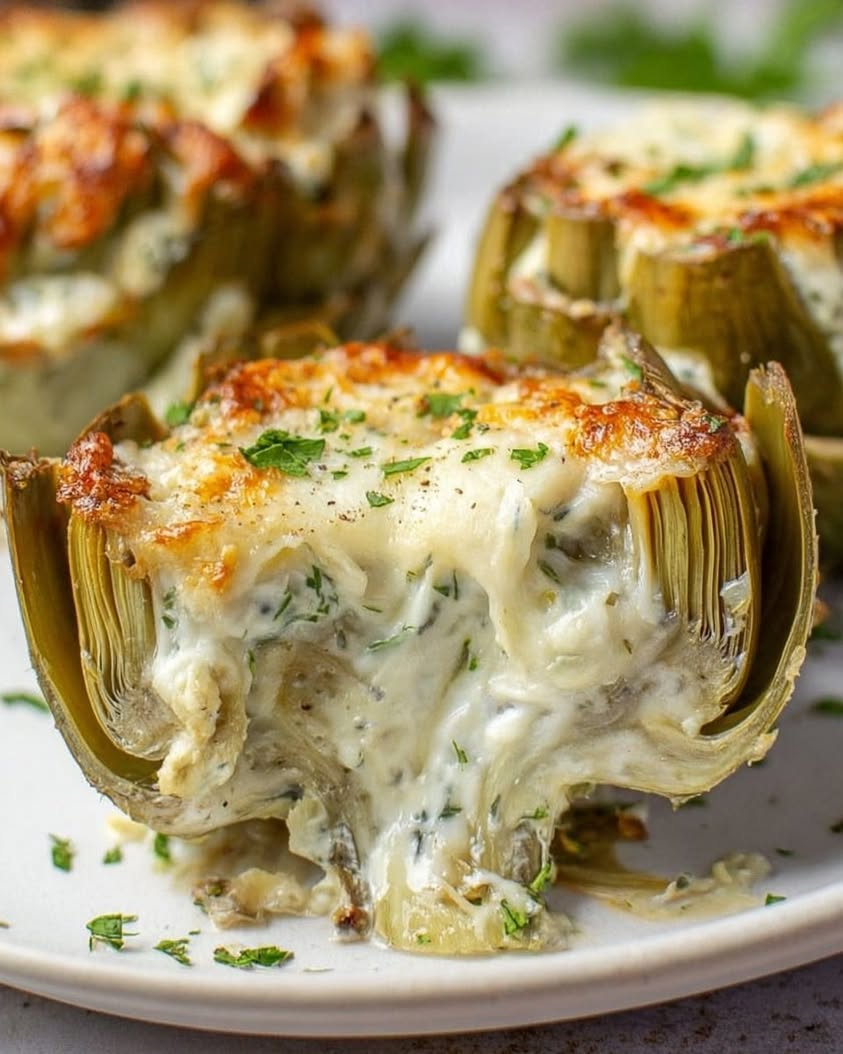
The Ultimate Cheesy Stuffed Artichoke Bottoms Recipe for Any Appetizer
Imagine pulling a golden, bubbling tray of cheesy stuffed artichoke bottoms from the oven. The aroma of melted cheese mingles with earthy artichoke and fresh herbs, filling your kitchen with warmth. This appetizer is not just a dish, but an experience. Each tender artichoke bottom cradles a rich, savory filling that delivers a burst of creamy flavor with every bite. It is the kind of recipe that makes you look like a seasoned chef without the stress of complex techniques. You can prepare these elegant bites for a holiday gathering, a casual dinner party, or even a quiet night in. They disappear quickly, leaving guests asking for the recipe. I love how this recipe transforms simple ingredients into something truly special. It is a versatile dish that feels both comforting and sophisticated at the same time.
This cheesy stuffed artichoke bottoms recipe stands out for its incredible balance of textures and tastes. The artichoke base provides a slight tang and a tender, meaty bite. The stuffing, typically a blend of cheeses, breadcrumbs, and aromatics, becomes perfectly crisp on top while staying luscious and creamy underneath. You control the flavor profile, making it as simple or as indulgent as you like. This recipe is also incredibly forgiving, which makes it perfect for beginner cooks. You can prepare the components ahead of time and assemble them just before baking. This feature saves you stress on the day of your event. Furthermore, these stuffed artichoke bottoms are naturally gluten-free and low in carbs if you choose the right breadcrumbs, making them a guilt-free indulgence. Their elegant presentation and comforting taste make them a reliable crowd-pleaser for any occasion.
Quick Recipe Highlights
- Flavor Profile: This dish delivers a savory, cheesy, and herbaceous flavor. The artichoke adds a subtle earthiness with a slight tang. The creamy cheese filling provides a rich and satisfying counterpoint to the bright notes of lemon and parsley. A final touch of garlic brings everything together into a balanced, savory bite.
- Texture: You experience a wonderful textural journey. The baked artichoke bottom offers a tender, slightly fibrous bite. The cheesy stuffing is smooth and creamy on the inside but develops a golden, crisp crust on top. This contrast between the soft base and the crunchy topping makes each bite incredibly interesting.
- Aroma: While baking, your kitchen fills with an irresistible aroma. You will smell the sweet, nutty scent of melted cheese first. This blends perfectly with the fragrant garlic and the clean, green fragrance of fresh parsley. The overall scent is warm, savory, and deeply inviting.
- Visual Appeal: These stuffed artichoke bottoms look stunning on a platter. The bright green of the artichoke contrasts beautifully with the golden brown, bubbly cheese topping. A sprinkle of fresh parsley adds a pop of vibrant color. They look like individual little presents, each one perfectly portioned and ready to be enjoyed.
- Skill Level Needed: This recipe is perfect for beginner and intermediate cooks. The steps are straightforward and require no special techniques like searing or tempering. The main task is mixing a filling and spooning it into the artichokes. The difficulty is low because the recipe is very forgiving and hard to mess up.
- Special Equipment: You need basic kitchen tools. A medium mixing bowl, a spoon for stirring, and a baking dish are essential. A small cookie scoop makes filling the artichokes much easier and neater. You also need a sharp knife for mincing garlic and herbs.
Recipe Overview
- Difficulty Level: I rate this recipe as easy. There are no complicated techniques involved, such as making a roux or working with fragile pastry. The most challenging part is simply opening and cleaning the artichoke bottoms. Even this step is straightforward. The recipe provides a clear path from start to finish, ensuring success for any home cook.
- Category: This recipe works perfectly as an appetizer or a side dish. You can serve it before a main course like grilled salmon or roasted chicken. It also stands beautifully on its own as a light lunch or snack. For a larger gathering, consider it part of a mezze or antipasti platter. It fits into many meal structures easily.
- Cuisine: This dish draws inspiration from classic Italian-American and Mediterranean cuisine. The combination of artichokes, Parmesan, and breadcrumbs is a hallmark of Southern Italian cooking. It also shares similarities with Greek and Middle Eastern stuffed vegetable dishes. The use of fresh herbs and garlic reflects a rustic, farmhouse style of cooking that values simple, high-quality ingredients.
- Cost: The cost for this recipe is moderate to low. Artichokes can be pricey, especially when fresh, but you can use frozen or canned artichoke bottoms to save money. High-quality Parmesan cheese is another cost factor, but you only need a small amount for a big flavor impact. The rest of the ingredients, like breadcrumbs and herbs, are very affordable pantry staples. This makes it a cost-effective way to make an impressive dish.
- Season: Artichokes are at their peak from March to May. During this spring season, they are freshest, most flavorful, and most affordable. This recipe celebrates the artichoke’s prime time. However, you can make it year-round using high-quality frozen or canned artichoke bottoms. These alternatives maintain a good texture and flavor, allowing you to enjoy this dish whenever you crave it.
- Occasion: This dish is perfect for special occasions and everyday meals. It is a fantastic appetizer for Thanksgiving, Christmas, or Easter dinner. It also shines at birthday parties, baby showers, or bridal brunches. For a more casual affair, serve it alongside a glass of wine for a sophisticated snack. It is versatile enough for any event where you want to impress.
Why You Will Love This Recipe
The taste and texture of this dish are its biggest selling points. You get a creamy, savory filling that contrasts with a tender, slightly firm artichoke base. The combination of melted mozzarella and salty Parmesan creates a rich, umami-packed center. The toasted breadcrumb topping adds a satisfying crunch that makes the dish feel substantial. Every single element works in harmony. You will love how the flavors meld together in the oven, creating something greater than the sum of its parts. This is a recipe that feels decadent and satisfying without being heavy or overly rich. It is a textural and flavor experience that keeps you coming back for more.
The convenience of this recipe is a major reason to love it. You can prep the filling a day in advance and store it in the refrigerator. When your guests arrive, you simply fill the artichoke bottoms and pop them in the oven. This hands-off cooking method is a lifesaver for hosts. Additionally, the recipe is easily scalable, which makes it perfect for any size gathering. You can make just a few for a romantic dinner or dozens for a large party. The clean-up is minimal since you only use one bowl and a baking dish. This ease of preparation takes the stress out of entertaining, letting you enjoy your own party.
Nutritionally, this dish offers a hidden health boost. Artichokes are packed with fiber, which is great for digestion and helps you feel full. They are also rich in antioxidants and vitamins like vitamin C and K. The cheese provides protein and calcium, making the appetizer more satisfying than a simple carb-based snack. By using whole-grain or almond flour breadcrumbs, you can increase the fiber content further. This recipe proves that indulgent food can also be smart. It is a way to enjoy a decadent treat that also offers genuine nutritional benefits. You can feel good about serving this to your family and friends.
The social value of this recipe is immense. It is a show-stopping appetizer that always sparks conversation. Guests are impressed by the beautiful presentation and the unique flavor combination. It functions as a perfect finger food that people can easily pick up and enjoy while mingling. Since it is baked in individual portions, it eliminates the need for messy slicing or serving. This convenience encourages guests to serve themselves and try one. Watching people devour these little bites and then ask for the recipe is the ultimate compliment. It makes you feel like a fantastic host, which is the best reward of all.
Finally, this recipe is incredibly cost-effective for the value it provides. Artichoke bottoms, especially if purchased frozen, are a budget-friendly ingredient. A little bit of cheese goes a long way in creating a rich, luxurious flavor. You probably already have most of the pantry staples like breadcrumbs, garlic, and olive oil. This means you can create a premium-appearing appetizer for a fraction of the cost of ordering it from a restaurant. It is a smart way to entertain on a budget without sacrificing quality or taste. You will be amazed at how far your money goes when you make this cheesy stuffed artichoke bottoms recipe at home.
Historical Background and Cultural Significance
The artichoke has a long and storied history, dating back to ancient Greece. It was considered a food of the elite and was prized for its medicinal properties. The ancient Greeks and Romans cultivated the plant, which is technically a thistle. They believed artichokes could aid in digestion and even act as an aphrodisiac. Over time, the cultivation of artichokes spread throughout the Mediterranean region. They became a staple in Italian, French, and Spanish cuisines. This particular dish, stuffed artichokes, likely evolved as a way to use every part of the vegetable. It is a classic example of making something delicious out of simple, available ingredients. The tradition of stuffing vegetables is a hallmark of Mediterranean peasant cooking, turning humble ingredients into luxurious meals.
In Italian culture, stuffed vegetables, known as ripieni, are a beloved tradition. This method of cooking is deeply rooted in the concept of cucina povera, or poor kitchen cooking. Families would use leftover bread, cheese, and herbs to create a tasty filling for seasonal vegetables. This practice reduced food waste while creating incredibly flavorful dishes. Artichokes stuffed with breadcrumbs and cheese became a regional specialty in areas like Rome and Sicily. The version we enjoy today is a direct descendant of these rustic, home-style recipes. It represents a connection to a simpler time when cooking was about resourcefulness and family. This cultural history adds a layer of meaning to the dish every time you prepare it.
The evolution of this recipe reflects changing tastes and ingredient availability. The original Italian recipe likely used pecorino cheese and stale bread. As Italian immigrants arrived in the United States, they adapted their recipes to local ingredients. Parmesan cheese, more readily available in America, became a common substitute. The addition of mozzarella for extra creaminess is a more modern American influence. This adaptation process shows how recipes are living documents that evolve with their communities. Today, the cheesy stuffed artichoke bottoms recipe is a familiar appetizer in many Italian-American restaurants. It has moved from a simple home-cooked meal to a celebrated party food. This journey demonstrates the recipe’s enduring appeal and its ability to adapt to new contexts.
Regional variations of stuffed artichokes are abundant across Italy. In Sicily, they often include anchovies, capers, and tomatoes for a bold, briny flavor. The Ligurian region favors a lighter filling with mint, parsley, and a touch of lemon. In Naples, cooks sometimes add a bit of salumi like prosciutto or pancetta to the stuffing. Each region uses local herbs and cheeses to create a unique profile. Similarly, across the Mediterranean, you find Greek versions with feta and dill, and Turkish versions with rice and pine nuts. This rich tapestry of variations highlights the incredible versatility of the artichoke. It also shows how a simple concept like stuffing a vegetable can be a canvas for endless culinary creativity. This cheesy stuffed artichoke bottoms recipe is just one delicious interpretation of this global tradition.
Ingredient Deep Dive
Artichoke Bottoms: The artichoke is a thistle, a flower bud that has been cultivated for thousands of years. It holds great cultural significance in the Mediterranean, where it is a symbol of fertility and hospitality. Nutritionally, artichokes are a powerhouse of dietary fiber, especially inulin, which acts as a prebiotic. They are also rich in antioxidants like quercetin and cynarin, which support liver health. When selecting artichoke bottoms, look for frozen, canned, or fresh ones with a vibrant green color. Frozen bottoms are best for texture and flavor; they are tender and not overly salty. Canned bottoms are convenient but can be softer and more acidic. For fresh bottoms, choose artichokes that feel heavy for their size and have tightly closed leaves. Store frozen ones in the freezer until ready to use. Canned artichokes should be rinsed well to reduce sodium. If using fresh, trim the leaves and stem, then steam or boil until tender. You can substitute with halved artichoke hearts, but the presentation will be different.
Parmesan Cheese: Parmesan, or Parmigiano-Reggiano, is a hard, granular cheese with a nutty, salty flavor. It is a protected designation of origin product from Italy, and its production follows strict rules. Nutritionally, it is high in protein and calcium but also relatively low in lactose, making it digestible for many. Its strong flavor means a little goes a long way, which helps manage cost. When selecting Parmesan, always choose a block of real Parmigiano-Reggiano over pre-grated versions. Pre-grated cheese often contains cellulose, which prevents clumping but dilutes flavor. Grate it yourself just before using for the best taste and meltability. Store the block wrapped in wax paper inside a plastic bag in the refrigerator. It can last for months if stored properly. A high-quality Pecorino Romano, which is sharper and saltier, is a great substitution. A good quality Grana Padano is also an excellent alternative with a similar but slightly milder flavor.
Mozzarella Cheese: Mozzarella is a fresh, pulled-curd cheese known for its stretchy, melty texture. It originates from the Campania region of Italy, where it is traditionally made from water buffalo milk. This cheese adds a rich, milky, and creamy element to the stuffed artichokes. It provides the gooey, irresistible texture that makes the filling so satisfying. For best results, use low-moisture mozzarella, which melts without releasing excess water. Fresh mozzarella balls packed in brine can be used, but you must drain and press them dry. Too much moisture will make the stuffing soggy. Shred your own low-moisture mozzarella from a block for superior melt. Pre-shredded cheese is coated with starch to prevent clumping, which inhibits melting. Store mozzarella tightly wrapped in the refrigerator and use it within the week. For a sharper flavor, you can substitute provolone or fontina. For a completely different profile, try smoked mozzarella for a deeper, more complex taste.
Breadcrumbs: Breadcrumbs are the backbone of the stuffing, providing structure and a desired crispy texture. They are a classic ingredient in Italian cucina povera, used to extend more expensive ingredients. From a nutritional standpoint, standard breadcrumbs are simple carbohydrates. However, they are used in small amounts here. For a gluten-free version, use almond flour or crushed pork rinds, which also add protein. When selecting breadcrumbs, you have a choice between Italian seasoned or panko. Panko provides a lighter, crispier, and flakier texture after baking. Italian breadcrumbs have more flavor but a finer, denser crumb. I prefer panko for the superior crunch. You can easily make your own breadcrumbs from stale, crustless bread. Store any leftover breadcrumbs in a sealed bag in the freezer for months. You can substitute crushed crackers, crushed croutons, or even rolled oats for a different texture. For a nuttier flavor, toast the breadcrumbs in a dry pan before mixing them into the filling.
Common Mistakes to Avoid
- Do not skip patting the artichoke bottoms dry. Excess moisture will steam the filling instead of allowing it to brown and crisp. This step is crucial for a golden, crunchy topping. Use paper towels to thoroughly dry each bottom before filling.
- Avoid using pre-shredded mozzarella cheese. It contains starches and anti-caking agents that prevent proper melting. This results in a grainy, less creamy filling. Always shred your own cheese from a block for the best texture and flavor.
- Do not overmix the filling. Overworking the mixture can make the breadcrumbs tough and the filling dense. Mix the ingredients until they are just combined. A light hand ensures the filling stays airy and creamy.
- Do not forget to season the filling generously. The artichoke base is mild, and the filling needs a strong flavor to stand out. Taste the filling before adding it to the artichokes and adjust the salt and pepper accordingly. Remember that Parmesan is salty, so add salt carefully.
- Never use stale or dried-out Parmesan from a can. It lacks the necessary flavor and will not melt properly. This will ruin the taste of your dish. Always use fresh, high-quality Parmesan and grate it yourself.
- Do not overcrowd the baking dish. The artichoke bottoms need space for hot air to circulate. This promotes even browning and prevents them from steaming. Use a single layer in your baking dish, leaving a little space between each one.
- Avoid using a glass baking dish without adjusting the oven temperature. Glass retains heat differently and can cause the bottoms to burn. A metal or ceramic baking dish is a better choice. If using glass, reduce the oven temperature by 25 degrees Fahrenheit.
- Do not skip the rest time after baking. The filling inside the artichokes is extremely hot right out of the oven. Letting them rest for five minutes allows the cheese to set slightly. This prevents you from burning your mouth and helps the artichokes hold their shape.
- Do not use a watery filling. This happens if you add too much liquid or use wet ingredients. The excess water will create a soggy bottom. If your filling looks wet, add a tablespoon more of breadcrumbs to absorb the extra moisture.
- Avoid using giant artichoke bottoms that are shrinking. The filling-to-artichoke ratio is important. If you use very large bottoms, the filling may not be enough. Stick to medium-sized artichoke bottoms for the perfect balance in every single bite.
Essential Techniques
Preparing the Artichoke Bottoms: Mastering this step is the foundation of the entire recipe. If you are using frozen bottoms, thaw them completely in the refrigerator overnight. Then, pat them very dry with paper towels. If using canned, rinse them to remove the brine and pat them dry. For fresh artichokes, you must trim them properly. Cut off the stem and the top third of the leaves. Then, use a spoon to scrape out the fuzzy choke from the center. Immediately rub the cut surfaces with lemon juice to prevent browning. Steam the fresh bottoms for 10 minutes until just tender. The goal is to have a clean, dry, cooked base that can hold the filling without becoming mushy. A common pitfall is not drying them enough, which leads to a watery finished dish. Visual cues for success are a clean, uniform shape and a dry surface that the filling will easily adhere to.
Making the Cheesy Filling: The filling is the heart of this dish, and its preparation requires a light touch. Start by finely mincing your garlic and chopping your fresh parsley. In a bowl, combine the grated Parmesan, shredded mozzarella, and breadcrumbs. Add the garlic, parsley, a pinch of salt, black pepper, and a drizzle of olive oil. Use a fork to mix everything together just until combined. Do not overmix, because this will crush the breadcrumbs and make the filling gummy. The mixture should be moist but not wet. It should hold together slightly when you squeeze a bit in your hand. If it seems too dry, add another teaspoon of olive oil. A common pitfall is over-moistening it, which causes the filling to sink into the artichoke. The visual cue for success is a crumbly mixture that is evenly distributed with visible pieces of cheese and herbs.
Filling and Topping: This technique is all about efficiency and presentation. Use a small spoon or a cookie scoop to fill each artichoke bottom. Mound the filling slightly over the top, pressing it down very gently to ensure it stays in place. You do not want to compress it so much that it becomes dense. A neat, rounded top will look beautiful after baking. For the final touch, sprinkle a light dusting of extra breadcrumbs mixed with a bit more Parmesan on top of each one. This creates an extra-crispy crust. Then, drizzle a tiny stream of olive oil over the top of each filled artichoke. This oil helps the top brown perfectly. A common pitfall is under-filling the artichokes, which makes them look skimpy. The visual cue for success is a generous, domed mound of filling that is slightly mounded above the rim of the artichoke bottom.
Baking to Perfection: The final technique is about managing time and temperature for optimal results. Place the filled artichokes in a preheated oven at 375 degrees Fahrenheit. Bake them on the middle rack. The baking time will be around 15 to 20 minutes. You are looking for the filling to be golden brown and bubbly. The cheese should be fully melted and the edges of the artichoke bottoms should be lightly caramelized. If the tops are browning too quickly, tent the dish loosely with aluminum foil. A key pitfall is over-baking, which dries out the filling and makes the artichoke tough. The visual cue for success is a golden brown, slightly puffed topping. The cheese should be visibly melted, and the entire dish should be steaming hot. A food thermometer inserted into the filling should read at least 165 degrees Fahrenheit.
Pro Tips for Perfect Cheesy Stuffed Artichoke Bottoms Recipe
Use a combination of cheeses for the best flavor. Parmesan adds a sharp, salty nuttiness, while mozzarella provides a creamy, stretchy texture. You can also add a little bit of Gruyere for extra richness. This layered cheese approach creates a complex and satisfying filling.
Toast your breadcrumbs in a dry skillet before mixing them into the filling. This step deepens their flavor and ensures they stay crunchy. Just heat a non-stick pan over medium heat and stir the breadcrumbs for about two minutes. They will become fragrant and lightly golden.
Add a pinch of red pepper flakes to the filling for a subtle kick of heat. The warmth cuts through the richness of the cheese beautifully. It adds a layer of complexity that surprises and delights the taste buds. Just a tiny pinch is enough.
Line your baking dish with parchment paper for easier cleanup. The cheese has a tendency to bubble over and stick to the dish. Parchment paper prevents this mess, making cleanup a breeze. You can lift the finished artichokes directly onto a serving platter.
Do not skip the resting time after baking. The filling is molten hot straight from the oven. Letting the artichokes rest for five to ten minutes allows the cheese to set and cool slightly. This makes them much safer to eat and helps them hold their shape.
To ensure even cooking, use artichoke bottoms that are similar in size. This ensures they all bake at the same rate. If you have a mix of sizes, check the smaller ones for doneness a few minutes early. This prevents the smaller ones from burning.
You can make a vegetarian version using vegetable broth or white wine to moisten the breadcrumbs instead of olive oil. This adds a different layer of flavor. Alternatively, for a richer version, use melted butter instead of olive oil. Both substitutions work wonderfully.
For a beautiful presentation, serve the stuffed artichokes on a bed of arugula or mixed greens. The peppery greens complement the richness of the dish. Drizzle a little balsamic glaze over the plate for color and acidity. This simple plating makes the dish look restaurant-quality.
Variations and Adaptations
Regional Variations: You can adapt the cheesy stuffed artichoke bottoms recipe to reflect different Italian regions. For a Tuscan version, add finely chopped sun-dried tomatoes and a bit of fresh basil. A Neapolitan version might include a pinch of oregano and a touch of anchovy paste for umami. For a coastal Sicilian flair, incorporate capers, olives, and a squeeze of lemon juice. These small changes create entirely new flavor experiences. Each variation pays homage to the diverse culinary landscape of Italy. You can explore these different profiles without changing the basic structure of the recipe.
Seasonal Adaptations: This recipe adapts beautifully to different seasons. In spring, when fresh artichokes are abundant, use them for the best flavor and texture. In summer, you can add fresh corn kernels or diced zucchini to the filling. For a fall version, incorporate some roasted butternut squash puree into the cheese mixture. In winter, use a blend of nutty Gruyere and fontina along with a pinch of nutmeg. These seasonal twists keep the recipe exciting year-round. Using seasonal ingredients also supports local farmers and provides peak flavor.
Dietary Modifications: This recipe is easy to make gluten-free. Simply substitute the regular breadcrumbs with gluten-free panko or almond flour. The filling will still hold together well and become wonderfully crispy. For a dairy-free version, use a high-quality vegan mozzarella and a plant-based Parmesan alternative. Nutritional yeast can also mimic the cheesy flavor. These adaptations ensure everyone can enjoy this dish. The texture will be slightly different, but the result will still be delicious and satisfying.
Flavor Variations: The flavor profile is highly customizable. For a smokier taste, substitute the mozzarella with smoked gouda. Add a touch of smoked paprika and a few drops of liquid smoke to the filling. For an herb-focused version, add fresh thyme, rosemary, and sage. A drizzle of truffle oil before serving adds an incredibly luxurious note. You can also add cooked, crumbled bacon or chopped prosciutto for a meaty version. These flavor variations let you tailor the dish to your specific cravings.
Texture Modifications: You can modify the texture to suit your preference. For a creamier filling, add a couple of tablespoons of cream cheese or ricotta to the mixture. This makes the center extra lush and decadent. For a crunchier topping, mix in some chopped nuts like walnuts or pine nuts into the breadcrumb topping. The nuts add a wonderful toasted flavor and a satisfying crunch. For a softer texture, steam the artichoke bottoms a little longer before filling them.
Presentation Alternatives: Beyond serving them on a platter, you can present them in different ways. Serve them in individual mini gratin dishes for a very elegant look. You can also bake them in a large, shallow casserole dish and serve them family-style. Another option is to skewer a baked artichoke bottom with a toothpick and place it on a spoonful of marinara sauce for a single-bite appetizer. You can also serve them over a bed of creamy polenta for a heartier first course.
Serving and Presentation Guide
Plating Techniques: The presentation of this dish is half the magic. For a classic look, arrange the baked stuffed artichokes in a single layer on a large, warm platter. You can fan them out in a circular pattern. Alternatively, for a more modern look, place three artichokes on a small, square plate. Drizzle a little balsamic reduction or pesto cream around the plate. A clean plate with negative space around the food makes it look more refined. Use a damp paper towel to wipe any smudges off the edges of the plate before serving.
Garnishing Ideas: A good garnish adds both visual appeal and a hint of flavor. A sprinkle of fresh, finely chopped flat-leaf parsley is a classic choice. A few microgreens or baby arugula leaves add a touch of elegance and peppery freshness. You can also shave a few thin curls of Parmesan over the top with a vegetable peeler. For a final touch, a light drizzle of high-quality extra-virgin olive oil adds shine and a fruity note. A pinch of flaky sea salt, like Maldon, provides a satisfying crunch and burst of saltiness.
Traditional Accompaniments: These stuffed artichokes pair wonderfully with classic Italian sides. Serve them alongside a simple arugula salad with lemon vinaigrette. A side of roasted cherry tomatoes or a marinara dipping sauce are also excellent choices. For a more substantial meal, pair them with a bowl of minestrone soup. They also work beautifully as part of an antipasti platter with cured meats, olives, and marinated mushrooms. These accompaniments create a cohesive Italian-themed meal.
Modern Serving Suggestions: For a contemporary twist, serve the artichokes on a wooden board with a dollop of sriracha aioli or chipotle mayo. The spicy, creamy dip contrasts beautifully with the richness of the cheese. Another idea is to serve them over a bed of creamy, cheesy polenta or risotto. They also make excellent toppers for a gourmet burger or a grilled chicken sandwich. You can even chop them up and toss them into a pasta salad for a burst of flavor. These modern interpretations keep the dish fresh and relevant.
Temperature Considerations: These stuffed artichokes are best served hot, straight from the oven. The cheese is most flavorful and the texture is ideal when they are warm. Let them rest for about five minutes after baking to set the filling. If you need to keep them warm for a party, place them in a low oven (200 degrees Fahrenheit) for up to 30 minutes. Avoid letting them sit at room temperature for more than two hours for food safety. They can also be served at room temperature as part of a buffet, but the cheese will be less gooey.
Portion Control Tips: For an appetizer, plan for two to three stuffed artichokes per person. As a side dish, one to two per person is usually sufficient. If serving as a main course for a light lunch, four to five artichokes per person is appropriate. For a party platter, a good rule is to make at least three per guest. This ensures you have enough food for people to enjoy them without running out too quickly. It is always better to have a few extra than to come up short.
Wine and Beverage Pairing
Wine Pairings: The rich, cheesy filling calls for a wine with good acidity. A classic pairing is a crisp Pinot Grigio from Italy. Its clean, mineral notes cut through the fat of the cheese beautifully. A Sauvignon Blanc from the Loire Valley also works very well. For a red wine, a light-bodied Barbera or a Chianti is a fantastic choice. These wines have enough acidity to balance the dish without overpowering the delicate artichoke. Avoid heavy, oaky wines like Cabernet Sauvignon, as their tannins can clash with the artichoke’s natural flavors.
Non-Alcoholic Alternatives: A sparkling water with a squeeze of fresh lemon or lime is a refreshing palate cleanser. It provides the same acidity as wine without the alcohol. A dry apple cider also works wonderfully, offering a touch of sweetness and sparkle. For a more sophisticated option, try an alcohol-free, non-alcoholic Italian vermouth or a botanical tonic water. These drinks have complex flavor profiles that complement the herbs and cheese in the dish. They also look elegant in a cocktail glass.
Coffee and Tea Pairings: These stuffed artichokes pair nicely with a cup of herbal tea. A classic choice is chamomile, which has a gentle, apple-like sweetness. A fragrant jasmine or a green tea with mint also works beautifully. The light, floral notes of these teas do not interfere with the food. For coffee lovers, a small espresso after the meal is a traditional Italian way to finish. The coffee’s bitterness provides a wonderful contrast to the rich, savory appetizer.
Temperature Considerations: If you are serving wine, it should be well-chilled for white wines and slightly below room temperature for reds. White wines should be between 45 and 50 degrees Fahrenheit. Red wines, especially light-bodied ones, are best served around 55 to 60 degrees. Sparkling water and cider should be served ice-cold. The temperature of the beverage should contrast with the hot food. This contrast enhances the overall dining experience. It makes each sip and bite feel more refreshing.
Serving Suggestions: For a perfect wine and food pairing, pour a small glass for each guest before you serve the appetizer. This allows the wine to open up and the flavors to develop. Encourage guests to take a bite and then a sip to experience the flavor combination. For a formal dinner party, you can match a specific wine to this dish. For a casual gathering, a single well-chosen wine that pairs well with the whole menu is the easiest choice. Provide a non-alcoholic option for guests who are not drinking alcohol.
Storage and Shelf Life
Storage Methods: To store leftover baked stuffed artichokes, allow them to cool completely to room temperature. Place them in an airtight container. You can also wrap the entire baking dish tightly with plastic wrap and then with aluminum foil. The key is to prevent air from drying out the filling and the artichokes. Do not leave them out for more than two hours. This storage method will keep them fresh for about three to four days in the refrigerator. The texture of the topping will soften slightly, but the flavor will remain excellent.
Temperature Requirements: The ideal storage temperature is at or below 40 degrees Fahrenheit. This is the safety zone for cooked foods. Use a refrigerator thermometer to check the temperature of your fridge. Warm, unfilled artichoke bottoms can be stored in the fridge for a few days as well. Store them in an airtight bag or container. If they are fresh, you can also freeze them for up to six months. Always label your containers with the date to keep track of freshness.
Container Recommendations: The best containers are glass or ceramic, as they do not retain odors and are non-reactive. A rectangular freezer-safe glass dish with a locking lid is ideal. If using plastic, choose BPA-free options. Make sure the container is just large enough to hold the artichokes in a single layer. This minimizes air space and prevents them from shifting and breaking. You can also lay a piece of parchment paper on top of the artichokes before sealing the lid. This adds an extra layer of protection against drying out.
Signs of Spoilage: Before consuming leftover artichokes, inspect them carefully. The most obvious sign of spoilage is an off or sour smell. Any mold on the surface, which appears as fuzzy spots of green, black, or white, is a clear danger sign. If the artichokes have become excessively mushy or slimy, discard them. A change in color to a dark, unappealing brown is also a bad sign. Always trust your senses. If something looks or smells wrong, it is better to be safe and throw it away.
Reheating Instructions: The best way to reheat these stuffed artichokes is in the oven. Preheat your oven to 350 degrees Fahrenheit. Place the artichokes on a baking sheet lined with parchment paper. Bake for about 10 to 15 minutes, or until they are heated through. The microwave is not recommended, as it will make the filling rubbery and the artichokes soggy. For a crispier top, you can place them under the broiler for the last minute of reheating. Watch them closely to prevent burning.
Freezing Guidelines: You can freeze these artichokes either before or after baking. To freeze before baking, assemble the artichokes completely but do not bake them. Place them on a baking sheet and freeze until solid. Then, transfer them to a freezer-safe bag or container. They can be baked directly from frozen, adding about 10 minutes to the cooking time. To freeze after baking, let them cool completely, then freeze them on a sheet pan. Once frozen, wrap each one individually in plastic wrap and store in a bag. They will keep for up to three months. Thaw them overnight in the refrigerator before reheating in the oven.
Make Ahead Strategies
Prep
Print Tender artichoke bottoms filled with a creamy, cheesy breadcrumb mixture, baked until golden and bubbly. A delightful appetizer or side dish. You can customize the seasonings to taste. Add red pepper flakes for heat or swap herbs like basil or oregano.Cheesy Stuffed Artichoke Bottoms
Description
Ingredients
Instructions
Notes