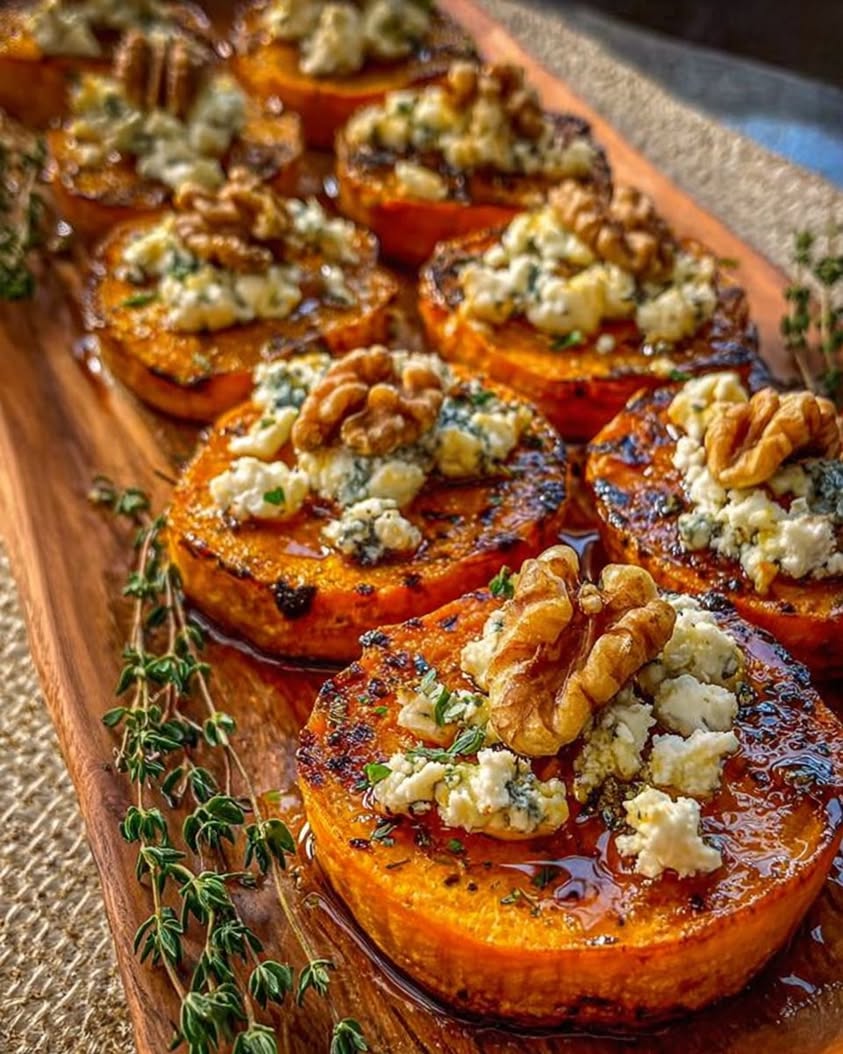
Caramelized Sweet Potatoes with Honey, Goat Cheese & Crunchy Walnuts: A Perfect Harmony of Sweet and Savory
Imagine a dish that perfectly balances the deep, earthy sweetness of roasted vegetables with the bright tang of creamy cheese and the satisfying crunch of toasted nuts. This recipe for Caramelized Sweet Potatoes with Honey, Goat Cheese & Crunchy Walnuts delivers exactly that experience. It transforms simple, wholesome ingredients into an elegant side dish or a satisfying vegetarian main course. The process is straightforward, but the final result feels incredibly special and restaurant-worthy.
Furthermore, this dish is a celebration of texture and contrast. You get the tender, almost creamy interior of the perfectly roasted sweet potato cubes, which are then coated in a sticky, glossy caramelized glaze. Then, you experience the cool, crumbly richness of the goat cheese, followed by the earthy, crisp bite of the walnuts. Finally, a drizzle of floral honey ties every single element together into one harmonious bite. It is a symphony for your senses that is surprisingly simple to achieve at home.
Ultimately, this recipe for Caramelized Sweet Potatoes with Honey, Goat Cheese & Crunchy Walnuts is incredibly versatile. Serve it warm as a stunning side for a holiday feast like Thanksgiving or Christmas. Alternatively, toss it over a bed of peppery arugula for a hearty lunch salad. It is a crowd-pleaser that appeals to a wide range of palates, from those who love bold flavors to those who appreciate subtle, sophisticated combinations.
Quick Recipe Highlights
- Flavor Profile: This dish masterfully combines the natural, robust sweetness of caramelized sweet potatoes with the sharp, tangy punch of goat cheese. The honey adds a floral, mellow sweetness that bridges the gap, while a hint of thyme or rosemary introduces an aromatic, savory note that prevents the dish from being cloying.
- Texture: The texture journey is central to the appeal. Expect fork-tender sweet potato cubes with a slightly crisp, caramelized exterior. The creamy, crumbly goat cheese melts slightly on contact with the warm potatoes. Meanwhile, the walnuts provide a necessary, satisfying crunch that contrasts beautifully with every other component.
- Aroma: As the sweet potatoes roast, your kitchen will fill with a warm, sugary, and earthy fragrance. Adding fresh herbs like thyme introduces a piney, savory scent. Finally, the toasting walnuts release a deep, nutty aroma that signals the dish is nearly ready to serve.
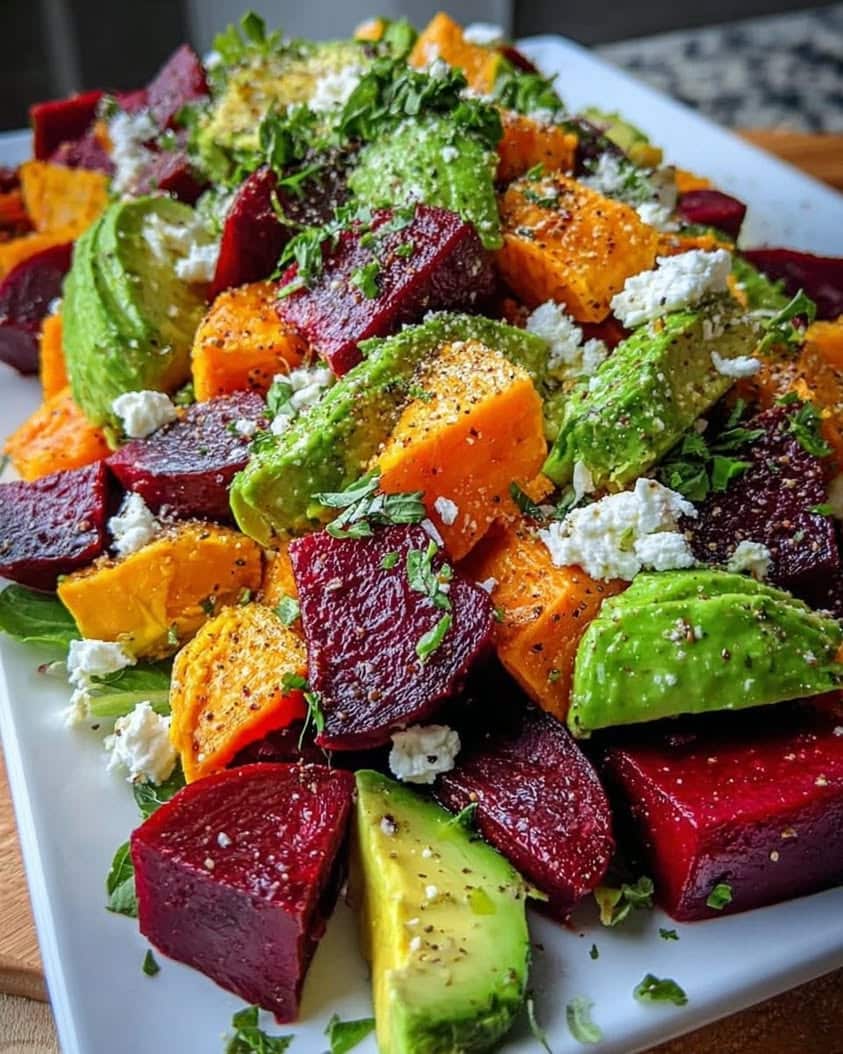
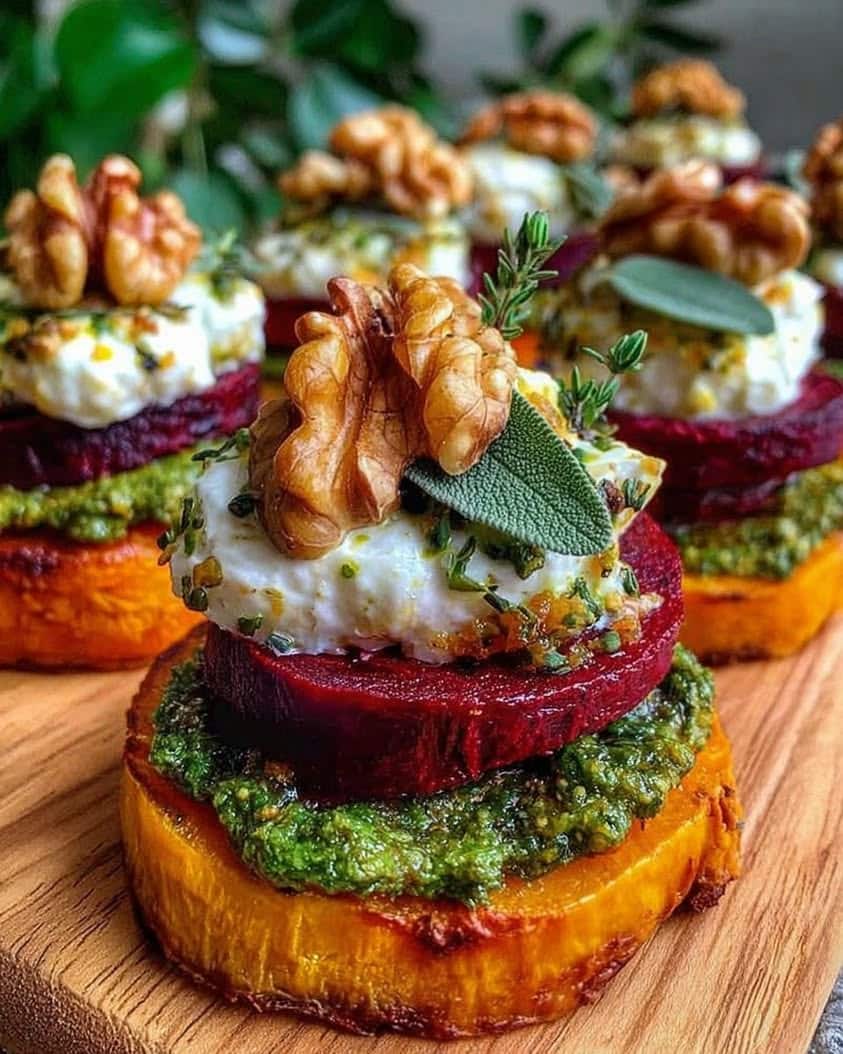
- Visual Appeal: This dish is a feast for the eyes. The vibrant orange of the sweet potatoes glistens with a honey glaze. Snow-white crumbles of goat cheese dot the surface, and the toasted brown walnuts add depth. A final sprinkle of fresh green herbs creates a beautiful, colorful presentation on any table.
- Skill Level Needed: This is a beginner-friendly recipe. The core skills required are simple vegetable chopping, tossing ingredients in oil, and roasting. There is no complicated sauce-making or precise baking science involved. Anyone comfortable using an oven can successfully create this impressive dish.
- Special Equipment: You need only standard kitchen tools. A good chef’s knife and cutting board are essential for cubing the sweet potatoes. A sturdy baking sheet is necessary for even roasting. Additionally, a small bowl for mixing the glaze and a skillet for toasting the walnuts round out the required equipment.
Recipe Overview
- Difficulty Level: We classify this Caramelized Sweet Potatoes recipe as “Easy” for several compelling reasons. The steps are sequential and simple: chop, toss, roast, and assemble. There is no fussy technique like tempering or folding. Moreover, the roasting process is forgiving; a few extra minutes won’t ruin the dish. Consequently, it is perfect for novice cooks and seasoned chefs seeking a reliable, stunning side.
- Category: This versatile dish fits multiple meal categories beautifully. Primarily, it serves as an exceptional side dish for proteins like roast chicken, pork tenderloin, or seared salmon. Simultaneously, when served over greens or with a grain like quinoa, it becomes a complete vegetarian main course. It also functions wonderfully as part of a holiday buffet or a potluck contribution.
- Cuisine: While not tied to one specific tradition, this recipe draws inspiration from modern American and Mediterranean culinary styles. The use of honey, walnuts, and goat cheese is reminiscent of Mediterranean flavor profiles, which often balance sweet, tangy, and earthy notes. The technique of roasting vegetables to caramelization is a cornerstone of contemporary, health-conscious American cooking.
- Cost: This is a cost-effective recipe that yields impressive results. Sweet potatoes are an inexpensive root vegetable available year-round. Goat cheese and walnuts are the premium ingredients, but a little goes a long way in terms of flavor and texture impact. Overall, you can feed four people a restaurant-quality dish for a fraction of the cost of dining out.
- Season: While sweet potatoes are harvested in the fall, their storage quality makes them available and excellent all year. This dish feels particularly fitting for autumn and winter meals, offering warmth and comfort. However, the bright, tangy goat cheese and fresh herbs also make it feel light and appropriate for a spring or summer gathering when served at room temperature.
- Occasion: This recipe is suited for a wide array of occasions. It is elegant enough for formal holiday dinners like Thanksgiving or Christmas. It is also simple enough for a casual weeknight family meal. Furthermore, it is an excellent choice for dinner parties, as most of the work is done ahead of time in the oven, freeing you to socialize with guests.
Why You’ll Love This Recipe
First and foremost, the taste and texture appeal of these Caramelized Sweet Potatoes is undeniable. Each bite delivers a complex layering of flavors that keeps your palate interested. The initial hit is the deep, caramelized sweetness, which is immediately balanced by the tangy, creamy goat cheese. Then, the earthy crunch of the walnut arrives, and a final note of floral honey smooths everything over. This combination is universally satisfying, appealing to both adults and children who enjoy sweet and savory combinations. The contrast between the soft potato, creamy cheese, and crunchy nut creates a mouthfeel that is simply delightful and far more exciting than a standard roasted vegetable.
Next, consider the convenience and preparation benefits. This entire dish comes together with minimal active kitchen time. After the quick prep of cubing the sweet potatoes, the oven does the majority of the work. This hands-off approach means you can prepare other components of your meal, set the table, or simply relax while the magical caramelization happens. The assembly is just a matter of scattering cheese and nuts over the hot potatoes. Therefore, it is a low-stress recipe that yields high-impact results, making it a perfect choice for busy cooks who still want to serve something special.
From a nutritional standpoint, this recipe packs a powerful, healthful punch. Sweet potatoes are a phenomenal source of beta-carotene, vitamin A, vitamin C, and fiber. Goat cheese offers protein and calcium, often in a more digestible form for those sensitive to cow’s milk. Walnuts contribute healthy omega-3 fatty acids, protein, and more fiber. When you use honey in moderation, you are opting for a natural sweetener with antioxidants. Consequently, this dish is not just delicious; it is genuinely nourishing and supports a balanced diet.
Moreover, the social and entertaining value of this dish is exceptionally high. Its beautiful, colorful presentation makes it a centerpiece on any dining table. It is a conversation starter that looks far more complicated than it actually is. Guests will be impressed by the sophisticated flavor combination, and you can bask in the compliments knowing how simple it was to prepare. It is a reliable recipe that you can count on to perform well every single time, reducing host anxiety and allowing you to enjoy your own party.
Finally, the cost-effectiveness and accessibility of the ingredients make this a recipe you can turn to again and again. Sweet potatoes are affordable and available in every grocery store. While goat cheese and walnuts are pricier, you use them as garnishes, so a small amount suffices. You likely already have olive oil, salt, pepper, and honey in your pantry. This accessibility means you can decide to make this stunning dish on a whim without a special shopping trip, which is the hallmark of a truly great, versatile recipe.
Historical Background and Cultural Significance
The story of this dish begins with its central ingredient: the sweet potato. Botanically distinct from the yam, sweet potatoes are native to Central and South America, with evidence of cultivation dating back thousands of years. They traveled across the globe through trade routes, becoming a staple in many cultures due to their hardiness and nutritional value. The technique of caramelizing vegetables, however, is a more modern culinary development, leveraging dry-heat cooking to concentrate natural sugars. Combining this New World tuber with Old World ingredients like goat cheese and walnuts represents a beautiful fusion of global food traditions.
In terms of cultural importance, sweet potatoes hold significant roles worldwide. In the United States, they are deeply associated with Thanksgiving and Southern cuisine, often prepared with marshmallows or brown sugar in sweet casseroles. In many Asian cultures, they are used in both savory and sweet applications, from noodles to desserts. Goat cheese has ancient roots in Mediterranean and Middle Eastern diets, prized for its preservation qualities and tangy flavor. Walnuts are one of the oldest tree foods, revered in Persian, Roman, and Chinese history for their brain-like shape and supposed cognitive benefits. This recipe, therefore, weaves together ingredients with rich, diverse histories.
The evolution of this specific recipe reflects broader trends in contemporary cooking. There has been a significant shift away from overly processed, one-note sweet potato casseroles loaded with sugar. Instead, modern palates appreciate balance. Combining the sweet potato’s natural sugar with savory, tangy, and crunchy elements showcases a more sophisticated approach to vegetable cookery. This evolution speaks to a growing desire for food that is both health-conscious and deeply flavorful, celebrating the inherent qualities of whole ingredients rather than masking them.
Regarding regional variations, the core concept is endlessly adaptable. In the American South, you might find a version using pecans instead of walnuts and a bourbon-infused honey. A Mediterranean variation could include crumbled feta instead of goat cheese and a sprinkle of za’atar. In a Nordic-inspired take, you might use roasted hazelnuts and a dollop of skyr. The beauty of this Caramelized Sweet Potatoes recipe is its template-like quality. It encourages culinary creativity while maintaining a foolproof structure of sweet, creamy, and crunchy elements that work in harmony across countless cultural interpretations.
Ingredient Deep Dive
Let’s start with the star: sweet potatoes. Originating in the Americas, this vibrant tuber was a staple for indigenous peoples long before European contact. Nutritionally, they are a powerhouse, exceptionally high in beta-carotene (which converts to Vitamin A), Vitamin C, manganese, and fiber. When selecting sweet potatoes, look for firm specimens with smooth, unblemished skin. Avoid any with soft spots, cracks, or signs of sprouting. Store them in a cool, dark, well-ventilated place—not the refrigerator, as cold temperatures can alter their texture and flavor. For substitutions, you can use garnet yams, butternut squash, or even carrots, though cooking times may vary slightly.
Next, consider the goat cheese. With a history spanning over 10,000 years, goat cheese is believed to be one of the earliest made dairy products. Its tangy flavor comes from fatty acids like caproic and caprylic acid. It is often easier to digest than cow’s milk cheese due to different protein structures and lower lactose. Choose a fresh, soft goat cheese (chèvre) that is creamy and spreadable. For storage, keep it tightly wrapped in its original packaging or in an airtight container in the refrigerator. If you need a substitute, feta cheese offers a similar salty tang, while ricotta salata provides a crumbly texture. For a vegan version, a firm almond-based cheese or whipped tofu can work.
Now, examine the walnuts. Walnuts are among the oldest tree foods, cultivated since 7000 B.C. They were considered food for the gods in ancient Persia and were a symbol of intellect in Roman times due to their brain-like shape. They are an excellent source of plant-based omega-3 fatty acids (ALA), antioxidants, and minerals like copper and manganese. For the best flavor, always buy raw walnuts and toast them yourself just before using. Store walnuts in an airtight container in the refrigerator or freezer to prevent their oils from turning rancid. Pecans or hazelnuts make wonderful substitutes, each bringing a distinct but complementary flavor profile to the Caramelized Sweet Potatoes.
Finally, the honey and herbs. Honey is nature’s original sweetener, used by humans for millennia. It contains antioxidants and has antimicrobial properties. The flavor of honey varies dramatically based on the flowers foraged by the bees; a mild clover or wildflower honey works perfectly here. Always choose raw, local honey if possible for the best flavor and potential local allergy benefits. Fresh herbs like thyme or rosemary are non-negotiable for their aromatic, savory quality. They cut through the sweetness and add a layer of sophistication. If you only have dried herbs, use about one-third the amount, as their flavor is more concentrated. Rosemary, sage, or even a little chopped fresh sage can create delightful variations.
Common Mistakes to Avoid
- Cutting Uneven Pieces: Inconsistent cube sizes are a primary culprit for uneven cooking. Smaller pieces will burn before larger ones caramelize. Take the time to cut your sweet potatoes into uniform, ¾-inch to 1-inch cubes. This ensures they all roast at the same rate for perfect tenderness.
- Overcrowding the Pan: Dumping all the potatoes onto a small baking sheet is a critical error. They will steam instead of roast, resulting in soggy, pale potatoes. For proper caramelization, spread them in a single layer with a little space between each piece. Use two pans if necessary.
- Skipping the Oil Toss: Do not just drizzle oil over the potatoes on the pan. You must toss them thoroughly in a bowl with oil, salt, and pepper until every surface is lightly coated. This guarantees even browning and seasoning throughout the dish.
- Using Cold Goat Cheese Straight from the Fridge: Adding ice-cold goat cheese to the hot potatoes can cause it to seize up and not melt appealingly. Let the cheese sit at room temperature for 15-20 minutes before crumbling. It will soften and blend more gracefully with the warm ingredients.
- Adding Honey Before Roasting: If you mix honey with the raw potatoes before they go in the oven, the high sugar content will likely cause premature burning. Always add the honey drizzle after the potatoes are caramelized and out of the oven, using the residual heat to thin it slightly.
- Forgetting to Toast the Walnuts: Raw walnuts can taste somewhat bitter and lack the deep, nutty aroma that toasted walnuts provide. Taking the extra five minutes to toast them in a dry skillet or the oven unlocks their full flavor and crunch, elevating the entire dish.
- Underseasoning: Sweet potatoes need ample seasoning to balance their natural sugar. Do not be shy with the salt and pepper during the initial toss. Seasoning in layers—during roasting and again lightly at the end—builds a more complex flavor profile.
- Neglecting to Preheat the Oven: Starting with a properly preheated oven is non-negotiable for achieving the right caramelization. A cold oven will start the cooking process with steam, preventing that desirable crispy exterior. Always wait for your oven to reach the full specified temperature.
Essential Techniques
Uniform Cubing: Mastering the consistent cube is the first step to perfect Caramelized Sweet Potatoes. Why is it important? Even pieces cook at an identical rate, ensuring you don’t end up with a mix of burnt and undercooked bits. To master it, first cut your sweet potato into flat, stable slabs. Then, cut those slabs into even strips, and finally, cube the strips. Use a sharp chef’s knife for clean cuts and control. The common pitfall is rushing this step. Take your time for the best results. Visual cue for success: all cubes should look like matching dice before they hit the pan.
High-Heat Roasting: This technique is the engine of flavor development. Roasting at a high temperature (around 425°F) is crucial because it quickly evaporates surface moisture, allowing the potatoes’ natural sugars to caramelize and brown. This creates the deep, complex flavor and slightly crisp exterior. To master it, ensure your oven is fully preheated and use a heavy-duty, rimmed baking sheet. The common pitfall is roasting at too low a temperature, which steams the vegetables. Visual cues for success: the potatoes should be tender when pierced with a fork and have dark golden-brown, caramelized edges.
Dry-Toasting Nuts: Toasting walnuts is a simple but transformative technique. Why is it important? Heat awakens the nut’s natural oils, intensifying its flavor and aroma while creating a firmer, crispier texture. To master it, use a dry skillet over medium heat. Add the walnuts and stir constantly for 3-5 minutes until fragrant and slightly darkened. The common pitfall is walking away; they can burn in seconds. Visual and olfactory cues for success: the walnuts will become glossy, release a rich, toasty smell, and make a slightly hollow sound when stirred.
Pro Tips for Perfect Caramelized Sweet Potatoes
Use a Hot Baking Sheet: For extra crispiness, place your empty baking sheet in the oven as it preheats. Carefully add the oiled potatoes to the hot pan. This jump-starts the searing process, leading to a better caramelized exterior.
Don’t Stir Too Often: Resist the urge to stir the potatoes every five minutes. Let them sit undisturbed on the hot pan for at least 15-20 minutes. This contact time is what creates those delicious, caramelized spots.
Finish with Flaky Salt: Just before serving, add a final sprinkle of a high-quality flaky sea salt, like Maldon. The delicate crystals provide little bursts of salinity that contrast wonderfully with the sweet honey and potatoes.
Warm Your Serving Platter: If serving this dish as a standalone side, warm your serving platter or bowl. This keeps the Caramelized Sweet Potatoes hot longer, ensuring the goat cheese melts perfectly and the dish stays at an ideal temperature for guests.
Infuse Your Honey: For an extra flavor dimension, gently warm your honey with a sprig of rosemary or thyme before drizzling. Let it steep for 10 minutes, then remove the herb. This herb-infused honey adds a subtle, sophisticated layer.
Add a Touch of Acid: A very small squeeze of fresh lemon juice or a drizzle of balsamic glaze over the finished dish can work wonders. The acidity brightens all the other flavors and cuts through the richness, making each bite taste fresher.
Variations and Adaptations
Regional Variations: Explore global pantries to reinvent this dish. For a Southern twist, use toasted pecans and a bourbon-maple syrup blend instead of honey. A Mediterranean version could feature crumbled feta, toasted pine nuts, and a sprinkle of sumac. For an Asian-inspired take, try a glaze of miso and mirin, with black sesame seeds and chopped scallions as garnish.
Seasonal Adaptations: Make this recipe work year-round. In spring, top with fresh peas and mint. Summer versions can include fresh corn kernels roasted alongside the potatoes and a basil garnish. In fall, incorporate diced apples or pears in the last 10 minutes of roasting. Winter calls for heartier additions like crumbled cooked bacon or crispy sage leaves.
Dietary Modifications: This recipe is naturally gluten-free. For a vegan adaptation, omit the goat cheese and use a dollop of thick, unsweetened coconut yogurt or a crumbled vegan feta. Add a sprinkle of nutritional yeast for a cheesy flavor. Ensure your honey substitute is agave nectar or maple syrup.
Flavor Variations: Change the flavor profile easily. Swap the fresh thyme for smoked paprika and cumin for a smoky, warm vibe. Add a pinch of cayenne or red pepper flakes to the oil toss for a spicy kick. A dash of cinnamon or pumpkin pie spice can enhance the autumnal feel.
Texture Modifications: Play with textures for fun. Instead of walnuts, use pepitas (pumpkin seeds) for a lighter crunch. For extra creaminess, add small dollops of whipped ricotta alongside the goat cheese. For a super-crispy finish, broil the potatoes for the final 1-2 minutes of cooking, watching carefully to prevent burning.
Presentation Alternatives: Serve these Caramelized Sweet Potatoes in creative ways. Pile them into individual roasted sweet potato skins for a fun, edible vessel. Layer them in a mason jar with greens for a portable lunch salad. Mash them slightly and use as a crostini topping on toasted baguette slices.
Serving and Presentation Guide
Plating Techniques: For a family-style presentation, mound the warm Caramelized Sweet Potatoes in the center of a large, shallow bowl or platter. This creates height and visual interest. Crumble the goat cheese over the top, letting some pieces settle into the crevices. Scatter the toasted walnuts generously, then drizzle the honey in a zig-zag pattern from a height for thin, elegant lines. Finally, sprinkle the fresh herbs over everything for a pop of color.
Garnishing Ideas: Beyond the basic herbs, consider edible flowers like nasturtiums for a special occasion. A few pomegranate arils add a jewel-like burst of color and tart juice. For a savory note, crispy fried shallots or garlic chips provide an incredible crunch. A light dusting of smoked paprika or za’atar around the rim of the platter adds a professional touch.
Traditional Accompaniments: As a side dish, these Caramelized Sweet Potatoes pair classically with roast meats. Think herb-roasted chicken, pork loin with a mustard crust, or a simple pan-seared steak. They also complement other vegetable sides like garlicky sautéed greens or a crisp green bean almondine beautifully on a holiday table.
Modern Serving Suggestions: For a contemporary meal, serve the potatoes atop a bed of lemony kale or arugula to create a warm salad. Spoon them over a bowl of creamy polenta or farro for a hearty vegetarian entrée. They also make an incredible filling for a grain bowl, layered with quinoa, avocado, and a tahini-lemon dressing.
Temperature Considerations: This dish is best served warm, not piping hot. Allowing it to sit for 5 minutes after assembly lets the flavors meld and prevents the goat cheese from completely liquefying. It is also delicious at room temperature, making it excellent for buffets or picnics. Avoid serving it cold, as the fats in the cheese and olive oil will solidify.
Portion Control Tips: As a substantial side, plan for about ¾ to 1 cup of the potato mixture per person. If serving as a main course over grains or greens, aim for 1.5 cups per serving. Remember, the goat cheese and walnuts are rich, so a little goes a long way. You can always offer extra garnishes on the side for guests to add as they wish.
Wine and Beverage Pairing
Wine Pairings: The sweet and savory nature of this dish calls for wines with good acidity to balance the richness. A dry Riesling or Gewürztraminer is a fantastic choice, as their slight sweetness and floral notes complement the honey and sweet potato. For red wine lovers, a light-bodied, low-tannin Pinot Noir works beautifully; its red fruit flavors won’t clash with the dish’s sweetness. An off-dry rosé can also be a delightful, versatile pairing.
Non-Alcoholic Alternatives: Sparkling apple cider provides effervescence and autumnal flavor that mirrors the dish’s notes. A ginger beer, with its spicy kick, cuts through the creaminess of the goat cheese wonderfully. For a simpler option, sparkling water with a squeeze of lemon and a sprig of rosemary feels special and cleansing between bites.
Coffee and Tea Pairings: If serving this for a brunch or lunch, consider beverage pairings beyond wine. A medium-roast coffee with notes of caramel or nut pairs surprisingly well. For tea, a smoky Lapsang Souchong can stand up to the robust flavors, while a chamomile or mint tea offers a soothing, palate-cleansing contrast.
Temperature Considerations: Serve white wines and sparkling beverages well-chilled, around 45-50°F. Red wines should be served slightly cooler than room temperature, around 55-60°F, to keep them refreshing. Non-alcoholic sparkling drinks are best served ice-cold to provide a crisp contrast to the warm, rich potatoes.
Serving Suggestions: Always offer water on the table to cleanse the palate. If hosting, consider setting up a small beverage station with the wine and non-alcoholic options in labeled carafes or bottles, allowing guests to serve themselves. This encourages pairing experimentation and adds to the convivial atmosphere of the meal.
Storage and Shelf Life
Storage Methods: Store leftover Caramelized Sweet Potatoes in an airtight container in the refrigerator. It is best to store the components separately if possible: the roasted potatoes in one container, and the goat cheese, walnuts, and herbs in another. This preserves the distinct textures. If stored combined, the walnuts will soften and the cheese will fully integrate.
Temperature Requirements: This dish must be refrigerated within two hours of cooking. The ideal refrigerator temperature is 40°F or below. Do not leave the assembled dish at room temperature for extended periods, as the dairy and moist environment can promote bacterial growth.
Container Recommendations: Use glass or BPA-free plastic containers with tight-fitting lids. For the walnuts, a small zip-top bag or jar is perfect to keep them crunchy. If storing the honey separately, keep it in its original bottle or a sealed glass jar at room temperature.
Signs of Spoilage: Discard the dish if you notice an off or sour smell, significant mold growth (often fuzzy spots in white, green, or blue), or if the sweet potatoes develop an excessively slimy texture. If the walnuts smell rancid (like paint or cardboard), they should be replaced.
Reheating Instructions: Reheat only the sweet potato portion. Spread them on a baking sheet and warm in a 350°F oven for 10-15 minutes until heated through. You can also use a skillet over medium heat. Avoid the microwave, as it will make them soggy. Always add fresh goat cheese, walnuts, and herbs after reheating.
Freezing Guidelines: Freezing is not recommended for the assembled dish. The texture of the thawed sweet potatoes will become mushy and watery. The goat cheese will separate and become grainy. You can freeze the plain roasted sweet potato cubes for up to 3 months, but expect a significant texture change upon thawing and reheating.
Make Ahead Strategies
Prep Timeline: You can prep almost every component 1-2 days in advance. Cube the sweet potatoes and store them submerged in cold water in the refrigerator to prevent browning. Toast the walnuts and store them at room temperature in an airtight container. Crumble the goat cheese and keep it wrapped in the fridge. Measure your honey and oil. This leaves only roasting and assembly for the day of serving.
Storage Between Steps: Keep the pre-cut sweet potatoes in water, changing the water daily. Drain and thoroughly pat them dry with clean kitchen towels before tossing with oil and roasting—this step is crucial for proper caramelization. Keep toasted nuts in a cool, dark place to maintain crispness.
Quality Impact Assessment: Pre-cutting the potatoes has minimal impact if stored in water. Pre-toasting nuts is actually beneficial, as it allows their flavor to mature. Pre-crumbling goat cheese is fine, though it may dry out slightly on the surface; a quick stir before using fixes this. The final roasted potatoes are best served the same day but will keep for 2-3 days refrigerated.
Assembly Tips: For the freshest presentation, assemble the dish just before serving. Have all your prepped components—warm potatoes, cheese, nuts, honey, herbs—in separate bowls or containers. Combine them on the serving platter at the last moment to preserve the contrasting temperatures and textures.
Reheating Guidelines: If you roasted the potatoes ahead, reheat them on a baking sheet in a 400°F oven for 5-10 minutes to re-crisp the edges. You want them hot enough to slightly melt the cheese upon contact. Stir once during reheating to ensure even warming.
Fresh Element Additions: No matter how much you prep ahead, always plan to add the final garnishes fresh. This means crumbling the goat cheese, scattering the nuts, drizzling the honey, and sprinkling the herbs just before the dish hits the table. This guarantees the best possible texture and visual appeal.
Scaling Instructions
Halving the Recipe: Halving this Caramelized Sweet Potatoes recipe is straightforward. Simply divide all ingredient quantities by two. Use a standard quarter-sheet pan or a smaller baking dish for roasting. The cook time may decrease by 5-10 minutes, so start checking for doneness at the 20-minute mark. All other techniques and assembly steps remain identical.
Doubling or Tripling: For a crowd, doubling or tripling works well. Multiply all ingredients consistently. The key adjustment is equipment: you must use multiple baking sheets and roast in batches or on separate oven racks. Rotate the pans and swap their positions halfway through cooking for even browning. Do not pile the potatoes higher on a single pan; they must be in a single layer to caramelize properly.
Equipment Adjustments: Scaling up requires more baking sheets, large mixing bowls, and potentially a larger serving platter. If roasting multiple sheets at once, ensure your oven has good air circulation. Consider using convection mode if available, which promotes even browning and may reduce cooking time slightly. For very large batches, you may need to roast in successive rounds, keeping the finished potatoes warm in a low oven (200°F) on a sheet pan.
Timing Modifications: When cooking multiple trays, the total oven time may increase slightly due to reduced air flow. Add an extra 5-10 minutes to the cook time and rely on visual and textural doneness cues (fork-tender, caramelized edges) rather than the timer alone. Stir each pan individually when you check them.
Storage Considerations: If making a large batch for later use, store the components separately as outlined in the storage section. The roasted sweet potatoes can be refrigerated in several smaller containers for easier reheating. Only assemble the amount you plan to serve immediately to maintain quality.
Nutritional Deep Dive
Macro Breakdown: A serving of these Caramelized Sweet Potatoes provides a balanced mix of macronutrients. The sweet potatoes are primarily a complex carbohydrate source, offering sustained energy and fiber. The goat cheese contributes protein and fat, while the walnuts add healthy fats, more protein, and additional fiber. The honey adds simple carbohydrates. This combination helps stabilize blood sugar compared to a purely sweet dish, as the fiber, fat, and protein slow the absorption of sugars.
Micronutrient Analysis: This dish is exceptionally rich in specific micronutrients. Sweet potatoes are famously high in Vitamin A (as beta-carotene), crucial for vision and immune function. They also provide Vitamin C, manganese, and potassium. Goat cheese offers calcium, phosphorus, and Vitamin B2. Walnuts are a top source of alpha-linolenic acid (an Omega-3), copper, manganese, and biotin. Together, they create a nutrient-dense plate supporting overall health.
Health Benefits: Regular consumption of the key ingredients is linked to numerous benefits. The antioxidants in sweet potatoes and walnuts combat oxidative stress. The fiber supports digestive health and promotes satiety. The healthy fats from nuts and cheese are important for heart and brain health. The anti-inflammatory properties of the Omega-3s in walnuts are well-documented. This dish is a delicious way to consume a wide spectrum of beneficial compounds.
Dietary Considerations: The recipe is naturally gluten-free. For those monitoring sodium, you can control the amount of added salt. The dish contains dairy (goat cheese) and tree nuts (walnuts), which are common allergens. The honey makes it unsuitable for strict vegans and children under one year old. For diabetics, the portion size and the balance of fiber/fat/protein make it a reasonable occasional choice, but individual carbohydrate tolerance should be considered.
Portion Analysis: A standard serving (about 1 cup of the potato mixture with toppings) is satisfying without being overly heavy. It functions perfectly as a side dish portion. If using it as a main, complement it with a large serving of non-starchy vegetables or a lean protein to create a more complete meal. Being mindful of the amount of honey and cheese used allows for easy portion control.
Weight Management Tips: This dish can be part of a weight-conscious diet. The high fiber and protein content promote feelings of fullness. To reduce calories slightly, you can use a cooking oil spray instead of tossing in oil, reduce the honey drizzle by half, or slightly decrease the amount of walnuts and cheese. Remember, the nutrient density means you’re nourishing your body with quality calories, which supports sustainable weight management.
Dietary Adapt
PrintCaramelized Sweet Potatoes with Honey, Goat Cheese & Crunchy Walnuts
-
Total Time: 45 minutes
-
Yield: 4
Description
A savory-sweet side dish featuring tender roasted sweet potatoes, creamy goat cheese, toasted walnuts, and a drizzle of honey for a perfect balance of flavors and textures.
Ingredients
- 2 large sweet potatoes, peeled and cubed
- 2 tablespoons olive oil
- 1 teaspoon smoked paprika
- Salt and black pepper to taste
- 1/2 cup crumbled goat cheese
- 1/3 cup chopped walnuts, toasted
- 2 tablespoons honey
- Fresh thyme leaves for garnish
Instructions
- Preheat oven to 400°F (200°C). Toss sweet potato cubes with olive oil, smoked paprika, salt, and pepper on a baking sheet.
- Roast for 25-30 minutes, stirring halfway, until tender and caramelized at the edges.
- Transfer roasted sweet potatoes to a serving dish. Top with crumbled goat cheese, toasted walnuts, and a drizzle of honey. Garnish with fresh thyme before serving.
Notes
You can customize the seasonings to taste.
- Prep Time: 15 minutes
- Cook Time: 30 minutes
- Method: Side
- Cuisine: American
Caramelized Sweet Potatoes with Honey, Goat Cheese & Crunchy Walnuts
- Total Time: 45 minutes
- Yield: 4
Description
A savory-sweet side dish featuring tender roasted sweet potatoes, creamy goat cheese, toasted walnuts, and a drizzle of honey for a perfect balance of flavors and textures.
Ingredients
- 2 large sweet potatoes, peeled and cubed
- 2 tablespoons olive oil
- 1 teaspoon smoked paprika
- Salt and black pepper to taste
- 1/2 cup crumbled goat cheese
- 1/3 cup chopped walnuts, toasted
- 2 tablespoons honey
- Fresh thyme leaves for garnish
Instructions
- Preheat oven to 400°F (200°C). Toss sweet potato cubes with olive oil, smoked paprika, salt, and pepper on a baking sheet.
- Roast for 25-30 minutes, stirring halfway, until tender and caramelized at the edges.
- Transfer roasted sweet potatoes to a serving dish. Top with crumbled goat cheese, toasted walnuts, and a drizzle of honey. Garnish with fresh thyme before serving.
Notes
You can customize the seasonings to taste.
- Prep Time: 15 minutes
- Cook Time: 30 minutes
- Method: Side
- Cuisine: American