Caramelized Butternut Squash with Gorgonzola and Cranberry-Balsamic Glaze: A Restaurant-Worthy Side Dish
Caramelized Butternut Squash with Gorgonzola and Cranberry-Balsamic Glaze transforms a humble winter vegetable into a stunning centerpiece that will impress everyone at your table. This recipe combines the natural sweetness of roasted butternut squash with the bold, creamy tang of Gorgonzola cheese and the tart, fruity notes of a homemade cranberry-balsamic glaze. When you make caramelized butternut squash with gorgonzola and cranberry-balsamic glaze, you create a dish that balances sweet, salty, creamy, and acidic flavors in every single bite.
The magic of this caramelized butternut squash with gorgonzola and cranberry-balsamic glaze recipe lies in its simplicity. You need just a handful of quality ingredients and about fifty minutes of your time. The oven does most of the work. As the squash roasts, its edges turn golden brown and develop a rich, nutty sweetness. Meanwhile, you simmer cranberries with balsamic vinegar until they burst and create a glossy, jewel-toned glaze that drizzles beautifully over the finished dish. The Gorgonzola melts slightly against the warm squash, creating pockets of creamy, salty goodness that contrast perfectly with the sweet glaze.
This caramelized butternut squash with gorgonzola and cranberry-balsamic glaze works for weeknight dinners, holiday feasts, and everything in between. You can serve it alongside roasted chicken, pork tenderloin, or a simple grain bowl. Additionally, it holds up beautifully at room temperature, which makes it ideal for potlucks and buffets. Whether you are a seasoned home cook or someone who is just learning to roast vegetables, this recipe delivers impressive results with minimal stress. The caramelized butternut squash with gorgonzola and cranberry-balsamic glaze has become a staple in many kitchens because it consistently delivers bold flavor without requiring advanced technique.
Quick Recipe Highlights
- Flavor Profile: This dish delivers a beautiful balance of sweet and savory. The caramelized butternut squash brings deep, nutty sweetness while the Gorgonzola adds a sharp, creamy saltiness. The cranberry-balsamic glaze ties everything together with tart, fruity acidity.
- Texture: You get crispy, caramelized edges on the squash and a soft, velvety interior. The Gorgonzola melts into creamy pockets, and the glaze adds a glossy, slightly sticky finish. Toasted nuts, if you add them, contribute a satisfying crunch.
- Aroma: The kitchen fills with warm, nutty notes as the squash roasts. Balsamic vinegar reduces into a sweet-tangy perfume, and the cranberries release a bright, fruity fragrance. Gorgonzola adds a subtle, earthy sharpness to the overall aroma.
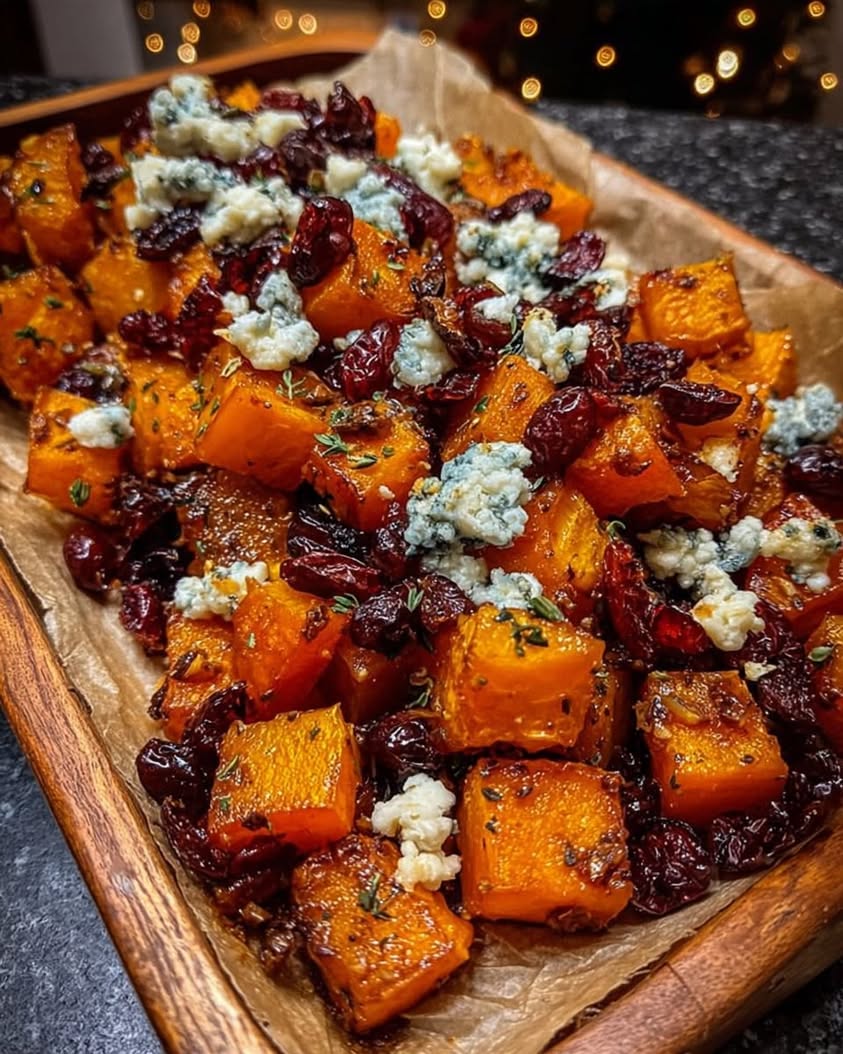
- Visual Appeal: Deep orange squash cubes with golden-brown edges create a stunning base. The glaze adds a glossy, ruby-red sheen, and the crumbled Gorgonzola provides striking white and blue veined accents. Fresh herbs like thyme or rosemary add a pop of green.
- Skill Level Needed: This recipe suits beginners and experienced cooks alike. You need basic knife skills to peel and cube the squash. Roasting and simmering require minimal attention, and the recipe forgiving if your timing varies slightly.
- Special Equipment: You need a large rimmed baking sheet and a small saucepan. A good chef knife and a vegetable peeler make prep easier. Parchment paper simplifies cleanup, and a whisk helps blend the glaze smoothly.
Recipe Overview
- Difficulty Level: I rate this caramelized butternut squash with gorgonzola and cranberry-balsamic glaze as easy. The technique involves roasting and simmering, both of which are fundamental cooking methods. You do not need advanced knife skills beyond basic cubing. The recipe tolerates small mistakes, such as uneven squash cubes or a glaze that reduces a bit too much. Therefore, it is a great choice for cooks who want impressive results without stress.
- Category: This dish works as a side dish, a salad topping, or even a vegetarian main course when served over grains. It fits into holiday menus, weeknight dinners, and meal prep rotations. You can also serve it as an appetizer with crostini or as part of a charcuterie spread.
- Cuisine: This recipe draws from American comfort food traditions with Mediterranean influences. Butternut squash is native to the Americas, while Gorgonzola originates from Italy. Balsamic vinegar comes from Italy as well, and cranberries are a staple in North American cooking. Consequently, this dish represents a modern fusion of Old World and New World ingredients.
- Cost: The total cost runs between eight and twelve dollars for six servings. Butternut squash is affordable, especially in fall and winter. Gorgonzola costs a bit more, but you only need a small amount. Cranberries and balsamic vinegar are pantry staples that last through many recipes.
- Season: Fall and winter are the best seasons for this recipe. Butternut squash reaches peak sweetness after the first frost, and fresh cranberries appear in stores from October through December. However, you can make this dish year-round using frozen cranberries and stored squash.
- Occasion: This caramelized butternut squash with gorgonzola and cranberry-balsamic glaze shines at Thanksgiving, Christmas, and New Year gatherings. It also works for dinner parties, Sunday suppers, and casual potlucks. Because it tastes great at room temperature, it suits buffet-style entertaining.
Why You’ll Love This Recipe
First, the taste and texture of this caramelized butternut squash with gorgonzola and cranberry-balsamic glaze will win you over immediately. The squash develops a deep, caramel-like sweetness as it roasts, and those golden-brown edges add a satisfying crispness. Meanwhile, the Gorgonzola brings a creamy, salty punch that cuts through the sweetness. The cranberry-balsamic glaze adds a tart, fruity brightness that lifts every bite. When all three elements come together, you get a perfect harmony of flavors that feels both comforting and sophisticated. This is the kind of dish that makes people ask for the recipe before they finish their first serving. The textures also keep things interesting because you get creamy, crispy, soft, and glossy all in one bite.
Second, convenience and preparation benefits make this recipe a weeknight hero. You need only fifteen minutes of hands-on prep time. The oven handles the rest while you focus on other tasks. You can roast the squash ahead of time and assemble everything right before serving. Additionally, the glaze comes together in a single small saucepan with minimal stirring. Cleanup stays easy because you use just one baking sheet and one saucepan. This caramelized butternut squash with gorgonzola and cranberry-balsamic glaze also uses simple, accessible ingredients that you can find at any grocery store. You do not need specialty equipment or hard-to-find items.
Third, the nutritional advantages give you reasons to feel good about serving this dish. Butternut squash is packed with vitamin A, vitamin C, and fiber. It provides antioxidants that support immune health and skin health. Gorgonzola adds protein and calcium, though in smaller amounts. Cranberries contribute vitamin C and beneficial plant compounds. Olive oil provides healthy monounsaturated fats. As a result, this caramelized butternut squash with gorgonzola and cranberry-balsamic glaze delivers far more nutritional value than typical holiday side dishes like mashed potatoes or creamed corn. You get real nourishment alongside incredible flavor.
Fourth, the social and entertaining value of this recipe cannot be overstated. This dish looks stunning on a table, with its vibrant orange squash, ruby-red glaze, and striking blue-veined cheese. Guests always comment on the presentation. Moreover, it appeals to a wide range of palates because it balances sweet, salty, and tangy notes. Picky eaters often discover they love butternut squash when it is prepared this way. The recipe also scales easily for crowds, so you can double or triple it for large gatherings. Consequently, this caramelized butternut squash with gorgonzola and cranberry-balsamic glaze has become a go-to for holidays and dinner parties alike.
Fifth, cost-effectiveness and accessibility make this recipe practical for everyday cooking. Butternut squash costs very little, especially when you buy it whole and cube it yourself. Gorgonzola is the priciest ingredient, but a little goes a long way. Cranberries are inexpensive, and balsamic vinegar lasts for months in your pantry. When you break it down, each serving costs around two dollars. That is remarkable for a dish that tastes this impressive. You can also swap ingredients based on what you have on hand. For example, feta or blue cheese can replace Gorgonzola, and dried cranberries can substitute for fresh in a pinch. This flexibility makes the recipe accessible to nearly any home cook.
Historical Background and Cultural Significance
The origin story of this dish reflects the blending of culinary traditions across continents. Butternut squash originated in the Americas and has been cultivated for thousands of years. Indigenous peoples in North America grew squash as part of the Three Sisters agricultural system alongside corn and beans. European colonists adopted squash into their cooking and brought it back to Europe. Meanwhile, Gorgonzola cheese has been produced in northern Italy since the ninth century. Balsamic vinegar has roots in Modena, Italy, dating back to the Middle Ages. Cranberries are native to North America and were used by Indigenous peoples for food, medicine, and dye. When these ingredients come together in this caramelized butternut squash with gorgonzola and cranberry-balsamic glaze, they tell a story of global exchange and culinary creativity.
Cultural importance plays a big role in how this dish fits into modern American cooking. Butternut squash appears on Thanksgiving tables across the country, often roasted or pureed into soup. Cranberries are synonymous with holiday meals, particularly cranberry sauce. Gorgonzola represents the growing appreciation for artisanal cheeses in American kitchens. Combining these elements creates a dish that feels both nostalgic and contemporary. It honors traditional holiday flavors while offering something new and exciting. Many families now include this caramelized butternut squash with gorgonzola and cranberry-balsamic glaze in their holiday rotations because it satisfies both tradition and a desire for innovation.
The evolution of this recipe reflects broader trends in home cooking over the past two decades. During the 2000s, roasted vegetable dishes gained popularity as home cooks embraced simple, flavorful preparations. Balsamic reductions became a staple technique in American kitchens around the same time. Social media and food blogs introduced home cooks to creative combinations like squash with blue cheese and fruit glazes. Over time, the caramelized butternut squash with gorgonzola and cranberry-balsamic glaze evolved from a restaurant-style dish into an accessible home recipe. Today, it appears in cookbooks, magazines, and food websites because it balances elegance with approachability.
Regional variations of this dish exist across the United States and beyond. In New England, cooks often use maple syrup in the glaze to deepen the sweetness. In the South, pecans or candied walnuts add a crunchy texture. On the West Coast, chefs might use aged balsamic and local artisan blue cheese. In Italy, a similar dish might feature pumpkin or delicata squash with Gorgonzola and a drizzle of aged balsamic. Some versions add prosciutto or pancetta for a savory crunch. Others incorporate fresh sage or rosemary for an herbal note. Regardless of the variation, the core idea remains the same. You roast squash until caramelized, top it with something creamy and salty, and finish it with something tart and sweet. This caramelized butternut squash with gorgonzola and cranberry-balsamic glaze adapts beautifully to regional tastes and seasonal ingredients.
Ingredient Deep Dive
Butternut squash serves as the star of this caramelized butternut squash with gorgonzola and cranberry-balsamic glaze recipe. This winter squash has a tan skin and vibrant orange flesh. Its flavor is sweet and nutty, with a smooth, creamy texture when cooked. Butternut squash stores well for weeks in a cool, dark place, which makes it a reliable pantry staple during colder months. When selecting butternut squash, choose one that feels heavy for its size and has a matte, unblemished skin. Avoid squash with soft spots or green patches, which indicate underripeness. You can substitute acorn squash, delicata squash, or kabocha squash if butternut is unavailable. Each brings a slightly different texture and sweetness level, but all work well in this preparation.
Nutritionally, butternut squash delivers an impressive array of vitamins and minerals. One cup of cooked squash provides over four hundred percent of your daily vitamin A needs. It also offers significant vitamin C, potassium, and fiber. These nutrients support immune function, eye health, and digestive health. Additionally, butternut squash contains antioxidants like beta-carotene, which may reduce inflammation and protect against chronic disease. Because it is low in calories and high in fiber, it fits well into weight management plans. The natural sweetness of caramelized butternut squash with gorgonzola and cranberry-balsamic glaze comes from the squash itself, so you do not need added sugar to achieve a rich, dessert-like flavor.
Gorgonzola cheese brings bold character to this dish. This Italian blue cheese originates from the Piedmont and Lombardy regions of northern Italy. It has a creamy texture and a sharp, salty flavor with earthy undertones. Gorgonzola comes in two main styles: dolce, which is younger and milder, and piccante, which is aged longer and more pungent. For this caramelized butternut squash with gorgonzola and cranberry-balsamic glaze, dolce works best because its creaminess complements the sweet squash without overwhelming it. When selecting Gorgonzola, look for a cheese with even blue veining and a fresh, milky aroma. Avoid pieces that look dry or smell overly ammoniated. Store Gorgonzola wrapped in parchment paper inside a loosely sealed container in the refrigerator. It keeps for about two weeks. If you cannot find Gorgonzola, substitute blue cheese, Roquefort, or feta for a milder option.
Cranberries add tartness and vibrant color to the glaze. These native North American berries grow in acidic bogs and are harvested in the fall. Fresh cranberries have a firm texture and an intensely sour flavor that mellows when cooked with sugar. They are rich in vitamin C, fiber, and plant compounds called proanthocyanidins, which may support urinary tract health. When buying fresh cranberries, choose berries that are firm, plump, and deep red. Discard any that are soft or shriveled. Store fresh cranberries in the refrigerator for up to two weeks, or freeze them for up to a year. Dried cranberries work as a substitute, but reduce the sugar in the glaze since dried berries are already sweetened. Frozen cranberries also work well and do not require thawing before cooking.
Balsamic vinegar forms the backbone of the cranberry-balsamic glaze. This aged vinegar comes from Modena, Italy, and is made from grape must. Traditional balsamic vinegar ages for twelve years or more in wooden barrels, developing a thick, syrupy consistency and complex sweet-tart flavor. Commercial balsamic vinegar is younger and thinner but still delivers excellent results in cooking. For this caramelized butternut squash with gorgonzola and cranberry-balsamic glaze, use a mid-range balsamic that you enjoy the taste of. When you reduce it with cranberries and a touch of sugar, it becomes a glossy, intensely flavored glaze. Store balsamic vinegar in a cool, dark place away from heat. It keeps for years and actually improves with age. If you do not have balsamic, you can substitute red wine vinegar with a pinch of sugar, though the flavor will differ.
Common Mistakes to Avoid
- Cutting the squash into uneven pieces leads to uneven cooking. Some pieces will burn while others remain raw. Take time to cut uniform one-inch cubes so everything roasts at the same rate. This small effort makes a big difference in the final texture of your caramelized butternut squash with gorgonzola and cranberry-balsamic glaze.
- Crowding the baking sheet causes the squash to steam instead of roast. When pieces touch each other, moisture gets trapped and prevents browning. Use a large sheet pan and spread the cubes in a single layer with space between them. If needed, use two baking sheets. This ensures proper caramelization.
- Skipping the preheat leaves the oven at the wrong temperature when the squash goes in. Always preheat to 425 degrees Fahrenheit for at least fifteen minutes. A hot oven creates immediate browning and helps the squash develop those desirable caramelized edges. Rushing this step leads to pale, soft squash.
- Under-seasoning the squash results in a flat, boring dish. Salt enhances the natural sweetness of the squash and balances the glaze. Use kosher salt generously before roasting, and taste again after roasting. Add more if needed. The Gorgonzola also adds salt, so factor that in.
- Overcooking the glaze turns it into a sticky, bitter mess. Balsamic vinegar reduces quickly once it starts simmering. Stay nearby and stir frequently during the last few minutes. Remove the glaze from heat when it coats the back of a spoon but still flows freely. It thickens more as it cools.
- Adding Gorgonzola too early causes it to melt completely and disappear into the dish. Instead, crumble the cheese over the hot squash right before serving. The residual heat softens it slightly without turning it into a puddle. This preserves the distinct pockets of creamy, salty cheese.
- Using cold squash straight from the refrigerator slows down the roasting process. Let cubed squash sit at room temperature for fifteen minutes before roasting, or spread it on the baking sheet while the oven preheats. This small step promotes even cooking.
- Forgetting to toss the squash with oil results in dry, leathery pieces. Olive oil helps the squash brown evenly and carries the salt and pepper. Use enough oil to coat each cube lightly without making them greasy. Two tablespoons usually suffice for a medium squash.
- Not tasting the glaze before serving means you might miss an opportunity to adjust the balance. Balsamic vinegars vary in sweetness and acidity. Taste the glaze and add a pinch of salt, a squeeze of honey, or a splash of vinegar as needed. This final adjustment perfects your caramelized butternut squash with gorgonzola and cranberry-balsamic glaze.
- Serving the dish cold mutes the flavors and textures. This dish tastes best warm or at room temperature. If you refrigerate it, let it come back to room temperature or reheat gently in the oven. Cold Gorgonzola loses its creamy appeal and the glaze becomes stiff.
Essential Techniques
Proper knife skills form the foundation of this recipe. You need to peel the butternut squash safely and cut it into uniform cubes. First, cut off the top and bottom ends to create stable surfaces. Then, stand the squash upright and slice down the sides to remove the skin. Cut the squash in half lengthwise, scoop out the seeds, and slice each half into planks. Finally, cut the planks into one-inch cubes. Sharp knives make this process easier and safer. A dull knife requires more force and can slip. Take your time and keep your fingers curled away from the blade. Uniform cubes ensure even roasting, which is critical for the caramelized butternut squash with gorgonzola and cranberry-balsamic glaze.
Roasting at high heat creates the signature caramelization in this dish. When you roast at 425 degrees Fahrenheit, the natural sugars in the squash undergo the Maillard reaction. This chemical process creates hundreds of new flavor compounds and turns the surface golden brown. The key is to use a hot oven, a large baking sheet, and enough oil to conduct heat evenly. Do not stir the squash too often. Let it sit in one place for at least twenty minutes before flipping. This allows the bottoms to develop a deep brown crust. You will know the squash is ready when a fork slides in easily and the edges look crispy and caramelized.
Reducing balsamic vinegar requires patience and attention. Pour the vinegar and cranberries into a small saucepan over medium heat. Bring the mixture to a gentle simmer, then lower the heat. Stir occasionally and press the cranberries with the back of a spoon to release their juices. As the liquid evaporates, the glaze thickens and concentrates in flavor. This process usually takes ten to fifteen minutes. You will know the glaze is ready when it coats the back of a spoon and drips slowly. If it thickens too much, add a tablespoon of water or orange juice to loosen it. Strain the glaze if you prefer a smooth consistency, or leave the cranberry pieces for texture.
Pro Tips for Perfect Caramelized Butternut Squash with Gorgonzola and Cranberry-Balsamic Glaze
- Choose a squash with a long neck and a small bulb. The neck contains solid flesh with no seeds, which makes cubing faster and yields more usable squash. A longer neck means less waste.
- Pat the cubed squash dry with paper towels before tossing with oil. Excess moisture on the surface steams the squash instead of roasting it. Dry cubes brown faster and more evenly, giving you better caramelization.
- Add a pinch of cayenne pepper or red pepper flakes to the oil. A small amount of heat balances the sweetness of the squash and the tartness of the cranberries. It does not make the dish spicy, but it adds depth.
- Roast the squash on the lowest rack of your oven for the first fifteen minutes. This positions it closer to the heating element and promotes browning on the bottom. Then move it to the middle rack to finish cooking evenly.
- Make the glaze while the squash roasts. This parallel workflow saves time and lets you serve the dish hot. The glaze stays warm on the stove while the squash finishes in the oven.
- Crumble the Gorgonzola into small, irregular pieces rather than large chunks. Smaller pieces distribute more evenly across the dish. They also soften faster against the warm squash without completely melting away.
- Drizzle the glaze in a zigzag pattern rather than pouring it all at once. This creates visual appeal and ensures every serving gets an even amount of glaze. You can always pass extra glaze at the table.
- Finish with fresh herbs like thyme, rosemary, or sage. Herbs add color, aroma, and a fresh flavor note that brightens the entire dish. Add them right before serving so they stay vibrant.
Variations and Adaptations
Regional variations of this caramelized butternut squash with gorgonzola and cranberry-balsamic glaze reflect local ingredients and tastes. In New England, cooks often drizzle maple syrup over the squash before roasting for an extra layer of sweetness. In the Midwest, toasted pecans or walnuts add crunch and a nutty flavor. Southern cooks might add a sprinkle of brown sugar and bacon crumbles for a savory-sweet twist. On the West Coast, aged balsamic and artisan blue cheese elevate the dish to restaurant quality. Italian-inspired versions use pancetta and sage with a milder cheese like taleggio. Each variation keeps the core concept intact while adding regional character.
Seasonal adaptations allow you to enjoy this dish year-round. In fall, use fresh cranberries and butternut squash at their peak. In spring, substitute delicata squash and fresh cherries for the cranberries. During summer, try roasted peaches or plums with feta and a honey-balsamic glaze. Winter calls for heartier additions like toasted hazelnuts and dried figs. The caramelized butternut squash with gorgonzola and cranberry-balsamic glaze recipe adapts to whatever is freshest and most flavorful at your local market.
Dietary modifications make this recipe accessible to more people. For a vegan version, omit the Gorgonzola and substitute a plant-based blue cheese or nutritional yeast for a savory note. Use maple syrup instead of honey in the glaze. For a dairy-free option, skip the cheese entirely and add toasted nuts for richness. Gluten-free eaters can enjoy this dish as written since it contains no gluten. Low-carb and keto diets allow this dish in moderation because squash contains natural sugars. However, reduce the cranberries and skip added sweeteners for stricter low-carb plans.
Flavor variations let you customize the dish to your preferences. Add a teaspoon of Dijon mustard to the glaze for tangy depth. Infuse the olive oil with garlic and rosemary before tossing the squash. Use apple cider vinegar instead of balsamic for a brighter, fruitier glaze. Sprinkle smoked paprika or cumin over the squash before roasting for a warm, earthy note. Each tweak changes the character of the dish while preserving its essential charm.
Texture modifications can make this dish even more satisfying. Add toasted pepitas or sunflower seeds for crunch. Top with crispy fried shallots for a savory bite. Sprinkle panko breadcrumbs over the squash during the last five minutes of roasting for a crispy topping. If you prefer a smoother texture, mash the roasted squash lightly before adding the toppings. The glaze can also be pureed for a silkier finish.
Presentation alternatives help you serve this dish in creative ways. Instead of a side dish, pile the squash onto crostini for an elegant appetizer. Serve it over arugula with a drizzle of olive oil for a warm salad. Stuff the squash mixture into acorn squash halves for individual portions. Layer it over creamy polenta or farro for a hearty main course. You can also arrange the squash on a platter and let guests build their own plates.
Serving and Presentation Guide
Plating techniques matter when you want your caramelized butternut squash with gorgonzola and cranberry-balsamic glaze to look as good as it tastes. Start with a warm platter or shallow bowl. Spread the roasted squash in an even layer, then crumble the Gorgonzola over the top. Drizzle the glaze in a back-and-forth motion across the entire dish. Finish with fresh herbs and toasted nuts if using. The colors should pop, so choose a white or neutral platter to make the orange squash and red glaze stand out.
Garnishing ideas elevate the visual appeal of this dish. Fresh thyme leaves add tiny green accents. Pomegranate arils bring jewel-like red pops and a tart crunch. Toasted pepitas add green color and nutty flavor. A sprinkle of flaky sea salt finishes the dish with a subtle crunch and brightness. Microgreens or arugula also work as a fresh green garnish. Choose one or two garnishes to avoid cluttering the plate.
Traditional accompaniments include roasted chicken, pork tenderloin, and turkey. The sweetness of the squash pairs beautifully with savory meats. It also works alongside mashed potatoes, green beans, and stuffing for holiday meals. For a vegetarian spread, serve it with wild rice, lentil salad, and crusty bread. The caramelized butternut squash with gorgonzola and cranberry-balsamic glaze complements a wide range of main dishes.
Modern serving suggestions include grain bowls, flatbreads, and tacos. Pile the squash over quinoa or farro with a handful of greens for a satisfying lunch. Spread ricotta on flatbread, add the squash, and bake until warm for a quick dinner. Stuff the mixture into warm tortillas with black beans and avocado for vegetarian tacos. These creative presentations turn the dish into a main course.
Temperature considerations affect how you serve this dish. It tastes best warm or at room temperature. If serving hot, transfer to a platter and serve immediately. If serving at room temperature, let it sit for twenty minutes after roasting. Avoid serving it cold because the Gorgonzola hardens and the glaze stiffens. For buffets, keep the dish in a warm chafing dish or serve it at room temperature within two hours.
Portion control tips help you plan for guests. A serving size of about one cup works for a side dish. If serving as a main course, plan for one and a half to two cups per person. For potlucks, assume each guest will take half a cup alongside other dishes. The recipe doubles easily, so make extra if you want leftovers. The caramelized butternut squash with gorgonzola and cranberry-balsamic glaze holds up well and tastes great the next day.
Wine and Beverage Pairing
Wine pairings for this caramelized butternut squash with gorgonzola and cranberry-balsamic glaze should balance the sweet, salty, and tangy flavors. A dry Riesling works beautifully because its acidity cuts through the richness of the cheese. Chardonnay with light oak adds buttery notes that complement the creamy Gorgonzola. For red wine lovers, Pinot Noir offers bright cherry flavors and soft tannins that pair well with the cranberry glaze. Syrah or Malbec also work because their bold fruit flavors stand up to the roasted squash. Avoid heavily oaked wines that overwhelm the delicate sweetness of the dish.
Non-alcoholic alternatives include sparkling apple cider, which echoes the sweetness of the squash. Cranberry spritzer with lime adds tartness and fizz. Ginger ale with a splash of cranberry juice offers a refreshing contrast. Iced tea with lemon provides a clean, neutral pairing. For a warm option, mulled apple cider with cinnamon and cloves complements the fall flavors beautifully. These beverages let everyone enjoy a thoughtful pairing regardless of alcohol preferences.
Coffee and tea pairings may seem unusual for a side dish, but they work surprisingly well. A light roast coffee with fruity notes echoes the cranberry glaze. Chai tea with its warm spices complements the roasted squash. Green tea with citrus notes provides a clean finish. Herbal tea like rooibos or hibiscus adds tartness that mirrors the cranberries. These options work especially well if you serve this dish as part of a brunch spread.
Temperature considerations apply to beverages as well. Serve white wines well chilled but not ice cold. Red wines taste best slightly below room temperature. Sparkling ciders and spritzers should be served cold for maximum refreshment. Warm beverages like mulled cider and chai should be hot but not boiling. Matching the beverage temperature to the dish enhances the overall experience.
Serving suggestions for beverages include offering a choice of two or three options so guests can pick what they like. Set up a small beverage station with wine glasses, spritzers, and water. For holiday meals, pair the dish with a signature cocktail like a cranberry rosemary gin fizz. The caramelized butternut squash with gorgonzola and cranberry-balsamic glaze pairs with many beverages, so have fun experimenting.
Storage and Shelf Life
Storage methods for this caramelized butternut squash with gorgonzola and cranberry-balsamic glaze affect both safety and quality. Store leftovers in an airtight container in the refrigerator. Keep the squash, cheese, and glaze separate if possible. This prevents the squash from getting soggy and the cheese from absorbing too much moisture. If you must store everything together, use a container with a tight-fitting lid and place a paper towel under the lid to absorb excess condensation. Proper storage keeps the dish fresh for three to four days.
Temperature requirements matter for food safety. The refrigerator should stay at or below forty degrees Fahrenheit. Do not leave the dish at room temperature for more than two hours. If the room is warm, limit that time to one hour. When reheating, bring the dish to an internal temperature of at least one hundred sixty-five degrees Fahrenheit. These guidelines prevent bacterial growth and keep your food safe to eat.
Container recommendations include glass containers with locking lids. Glass does not absorb odors or stains, and it reheats evenly. Avoid thin plastic containers that can warp in the microwave or oven. If you plan to freeze the dish, use freezer-safe glass or heavy-duty plastic bags. Press out as much air as possible before sealing. Label containers with the date so you know when to use them.
Signs of spoilage include off smells, slimy textures, and visible mold. Gorgonzola already has a strong smell, so rely on texture and appearance. If the squash feels slimy or the glaze looks cloudy, discard the dish. Mold appears as fuzzy green or white patches. When in doubt, throw it out. Foodborne illness is not worth the risk.
Reheating instructions vary depending on your method. For the oven, spread the squash on a baking sheet and warm at 350 degrees Fahrenheit for ten to twelve minutes. Add the cheese and glaze after reheating to preserve their textures. For the microwave, place a portion in a microwave-safe dish, cover loosely, and heat in thirty-second intervals until warm. The microwave may soften the squash further, so the oven method is preferable. Avoid reheating the Gorgonzola at high heat because it melts and separates.
Freezing guidelines allow you to store this dish for longer periods. Freeze the roasted squash without the cheese and glaze for up to three months. Spread the cooled squash on a baking sheet, freeze until solid, then transfer to freezer bags. Reheat in the oven at 400 degrees Fahrenheit until hot and slightly crispy. Prepare the glaze fresh and add the cheese after reheating. The caramelized butternut squash with gorgonzola and cranberry-balsamic glaze tastes nearly as good as fresh when you follow these steps.
Make Ahead Strategies
Prep timeline planning makes this dish easy for entertaining. You can peel and cube the squash up to two days ahead. Store the cubes in an airtight container in the refrigerator with a damp paper towel to prevent drying. You can also roast the squash up to three days ahead and refrigerate it. The glaze keeps for up Print
Caramelized Butternut Squash with Gorgonzola and Cranberry-Balsamic Glaze
- Total Time: 45 minutes
- Yield: 4
Description
Roasted butternut squash caramelized to perfection, topped with tangy Gorgonzola and a sweet-tart cranberry-balsamic glaze. A stunning side dish for any occasion.
Ingredients
- 1 large butternut squash (about 3 pounds), peeled, seeded, and cut into 1-inch cubes
- 3 tablespoons olive oil
- 1 teaspoon salt
- 1/2 teaspoon black pepper
- 1/2 cup dried cranberries
- 1/2 cup balsamic vinegar
- 2 tablespoons honey
- 1/4 cup crumbled Gorgonzola cheese
- 2 tablespoons chopped fresh parsley (optional)
Instructions
- Preheat oven to 425°F (220°C). Line a baking sheet with parchment paper.
- In a large bowl, toss squash cubes with olive oil, salt, and pepper. Spread in a single layer on the prepared baking sheet.
- Roast for 25-30 minutes, flipping halfway, until squash is tender and caramelized.
- While squash roasts, make the glaze: In a small saucepan, combine dried cranberries, balsamic vinegar, and honey. Bring to a simmer over medium heat and cook for 5-7 minutes until slightly thickened. Remove from heat.
- Transfer roasted squash to a serving platter. Drizzle with the cranberry-balsamic glaze and sprinkle with Gorgonzola cheese and parsley, if using.
- Serve warm.
Notes
You can customize the seasonings to taste.
- Prep Time: 15 minutes
- Cook Time: 30 minutes
- Method: Side Dish
- Cuisine: American