Easy Millionaire’s Shortbread Recipe: Candy Bar Meets Baker
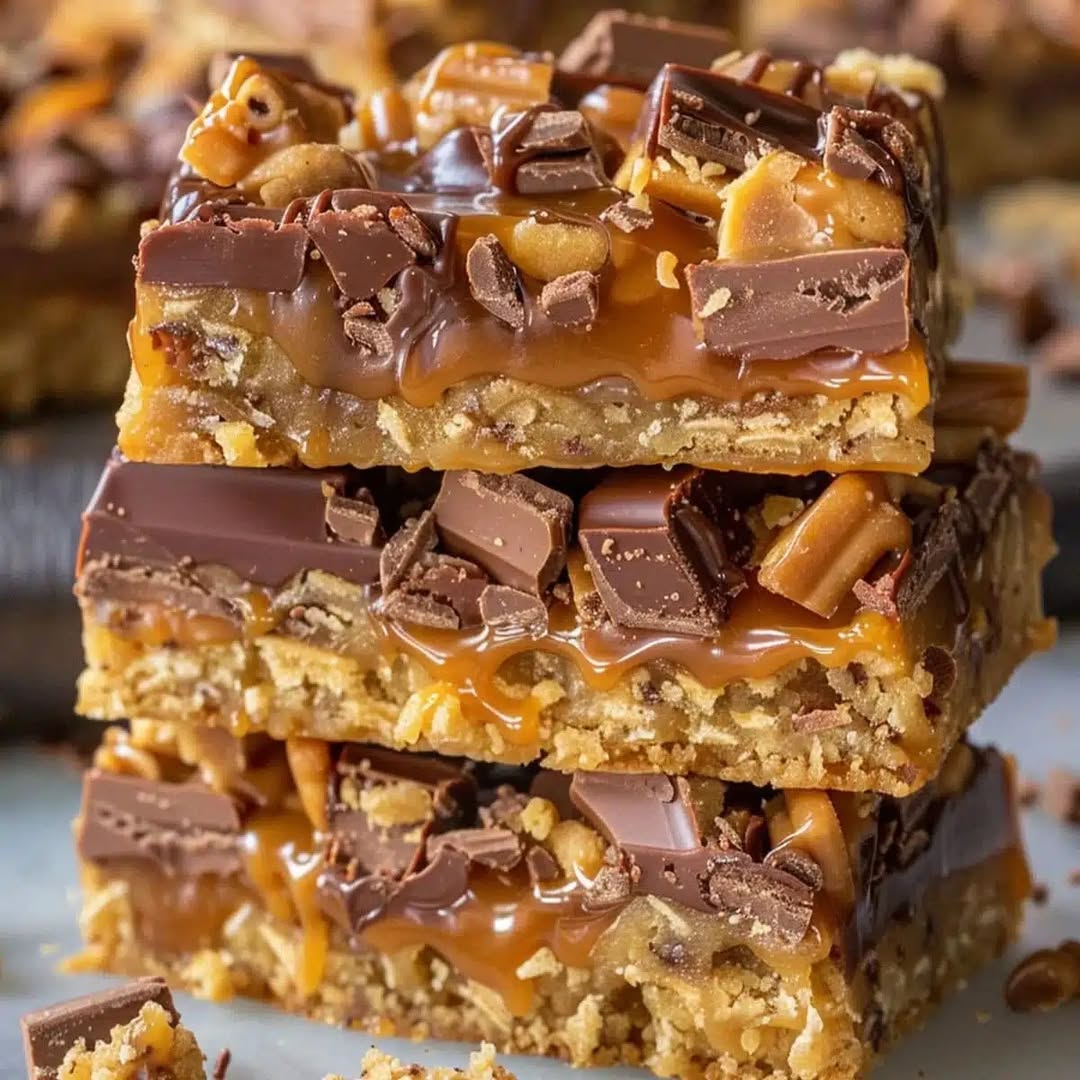
Imagine the ultimate dessert mashup. This Easy Millionaire’s Shortbread Recipe: Candy Bar Meets Baker delivers exactly that. It combines three perfect layers into one unforgettable treat. You get a buttery, crumbly shortbread base, a thick and gooey golden caramel center, and a glossy, rich chocolate topping. Consequently, every bite offers a symphony of textures and flavors that feels both decadent and homemade.
This recipe is your secret weapon for impressive desserts. It looks like it came from a fancy bakery, but the process is surprisingly simple. You do not need any special skills or equipment. Moreover, the ingredients are pantry staples you likely already have. The result is a stunning dessert that will have everyone asking for the recipe. It is the perfect cross between a gourmet candy bar and a comforting homemade bake.
Furthermore, this treat is incredibly versatile. You can serve it at holiday parties, potlucks, or as a special weekend project. It travels well and stores beautifully. Ultimately, this Easy Millionaire’s Shortbread Recipe: Candy Bar Meets Baker is about creating maximum impact with minimal fuss. It is a guaranteed crowd-pleaser that celebrates the simple joy of butter, sugar, and chocolate.
Quick Recipe Highlights
- Flavor Profile: This treat offers a perfect balance. The shortbread provides a sweet, buttery foundation. Next, the caramel layer adds deep, toffee-like notes. Finally, the dark chocolate topping introduces a slight bitterness that cuts the sweetness beautifully.
- Texture: The experience begins with a firm, crumbly shortbread base. Then, you encounter the chewy, soft, and sticky caramel middle. The final layer is a smooth, firm snap of chocolate that melts in your mouth, creating a luxurious contrast.
- Aroma: As it bakes, the kitchen fills with the warm, nutty scent of browning butter from the shortbread. Subsequently, cooking the caramel releases rich, sugary notes reminiscent of butterscotch. The finished bars smell like a premium chocolate shop.
- Visual Appeal: The bars showcase three distinct, clean layers in a beautiful stripe. The golden-brown shortbread, amber caramel, and dark chocolate create a professional, elegant look. Cutting them reveals the perfect cross-section, making them ideal for gift boxes or a dessert platter.
- Skill Level Needed: This is a beginner-friendly recipe. It uses simple techniques like pressing dough into a pan, stirring a stovetop caramel, and melting chocolate. No advanced baking skills are required. However, patience during the cooling and setting stages is key for perfect layers.
- Special Equipment: You only need basic kitchen tools. A square 8×8 inch baking pan, parchment paper, a medium saucepan, and a heatproof spatula are essential. A stand mixer or hand mixer is helpful for the shortbread but not mandatory. A sharp knife run under hot water ensures clean cuts.
Recipe Overview
- Difficulty Level: This recipe earns its “Easy” rating because it breaks down into straightforward, manageable steps. Each layer is simple on its own. There is no yeast, no intricate decorating, and no temperamental techniques. The primary challenge is timing and allowing each layer to set properly before adding the next, which requires patience more than skill.
- Category: This dessert firmly belongs in the category of bar cookies and traybakes. It is a no-fuss, make-ahead sweet treat. It is perfect for dessert tables, afternoon tea, lunchboxes, and gifting. Moreover, it sits comfortably between a cookie and a candy, appealing to a wide range of preferences.
- Cuisine: The dish has strong roots in Scottish and British baking, where shortbread is a classic. The addition of caramel and chocolate creates a modern “millionaire’s” version that has become beloved worldwide. It represents a fusion of traditional baking with universal, indulgent flavors.
- Cost: This is a cost-effective dessert. The main ingredients are butter, flour, sugar, and chocolate. A can of sweetened condensed milk for the caramel is inexpensive. You can make a whole pan for the price of a few gourmet chocolate bars. It is luxury on a budget.
- Season: This rich, comforting treat is excellent year-round. It is particularly popular during the holiday season and colder months. However, its make-ahead nature also makes it perfect for summer picnics and potlucks. The bars are sturdy and travel well without melting if kept cool.
- Occasion: This recipe is incredibly versatile. It is ideal for festive occasions like Christmas, Thanksgiving, and bake sales. It also works for casual gatherings, birthday parties, or as a homemade gift. Essentially, any event that calls for a special, shareable dessert is the right occasion.
Why You’ll Love This Recipe
First, the taste and texture are simply unmatched. This Easy Millionaire’s Shortbread Recipe: Candy Bar Meets Baker delivers a triple threat of sensory pleasure. You experience the crumbly melt-in-your-mouth shortbread, followed by the addictive chew of homemade caramel, and finally the rich snap of chocolate. Each component complements the others perfectly. It satisfies cravings for something sweet, salty, buttery, and chocolatey all at once. Furthermore, the homemade caramel flavor is far superior to anything store-bought, offering a deep, buttery toffee note that elevates the entire bar.
Next, consider the convenience and preparation benefits. This recipe uses a simple, press-in shortbread crust that requires no rolling or chilling. The caramel is a one-pot wonder made from condensed milk. Moreover, the chocolate layer is just melted and poured. There is no need for fancy equipment or difficult techniques. The process is mostly hands-off, involving baking and cooling stages. This makes it an excellent project for beginner bakers or a relaxing kitchen activity. You can easily fit the steps into a busy schedule by breaking them up over a few hours.
Additionally, while this is an indulgent treat, you control the ingredients. You can choose high-quality butter and chocolate. You can also adjust the salt level in the caramel to your taste. Consequently, you avoid the preservatives and artificial flavors found in many commercial candy bars. Making it at home allows for customization, such as using dark chocolate for a less sweet version or adding a sprinkle of sea salt on top for a gourmet touch.
The social and entertaining value of this dessert is immense. A tray of these beautifully layered bars is always a conversation starter. They look professional and thoughtful. They are perfect for sharing at parties, bringing to a friend’s house, or packaging as gifts. Because they are so rich, a small piece is satisfying, meaning one pan goes a long way. They are a guaranteed hit that will make you feel like a master baker without the stress of complex pastry work.
Finally, the cost-effectiveness and accessibility are major wins. The ingredient list is short and affordable. You likely have most items in your pantry already. Compared to buying gourmet chocolate bars or bakery desserts, this homemade version saves money while yielding a much larger quantity. It proves that creating impressive, delicious food does not require expensive or hard-to-find ingredients. This Easy Millionaire’s Shortbread Recipe: Candy Bar Meets Baker is truly an accessible path to dessert luxury.
Historical Background and Cultural Significance
The story begins with shortbread, a staple of Scottish baking for centuries. Originally, it was a luxury item made from leftover bread dough that was dried out in a low oven. Over time, the recipe evolved to use finer ingredients like white flour and sugar, becoming associated with Christmas and Hogmanay (Scottish New Year). The classic shortbread’s simplicity—butter, sugar, flour—made it a cultural icon. The addition of caramel and chocolate to create “Millionaire’s Shortbread” is a much more recent innovation, likely from the latter half of the 20th century.
This evolution reflects a broader trend in baking. Post-war prosperity and the availability of ingredients like sweetened condensed milk inspired bakers to create more decadent versions of traditional recipes. The name “Millionaire’s Shortbread” perfectly captures its essence: it is the richer, more extravagant cousin of the humble shortbread. It symbolizes indulgence and treat-making, transforming a simple biscuit into a layered confection fit for a special occasion.
Interestingly, the recipe gained massive popularity through community cookbooks and women’s magazines. It became a favorite for fundraisers and bake sales because it was easy to make in large batches and always sold out. Its portability and eye-catching layers contributed to its status as a classic “traybake” in the UK and Ireland. The recipe traveled globally, often under different names like “Caramel Slice” in Australia and New Zealand, demonstrating its universal appeal.
Today, Millionaire’s Shortbread holds a cherished place in home baking. It represents a bridge between traditional skills and modern tastes. While gourmet versions appear in cafes with added flavors like sea salt or ginger, the homemade version remains beloved for its nostalgic comfort. It is a dessert that feels both timeless and contemporary, a testament to how simple ingredients can be layered into something extraordinary. This Easy Millionaire’s Shortbread Recipe: Candy Bar Meets Baker continues that delicious tradition.
Ingredient Deep Dive
Let us start with butter, the soul of the shortbread layer. Butter has been a prized baking ingredient for centuries, valued for its ability to create tenderness and flavor. In this recipe, using good-quality, unsalted butter is crucial because it allows you to control the salt level. The butter is creamed with sugar to incorporate air, giving the shortbread its characteristic crumbly yet tender texture. For best results, use butter at cool room temperature. If you need to substitute, a high-quality vegan butter made for baking can work, but avoid spreads with high water content.
Next, sweetened condensed milk is the magic behind the effortless caramel. This ingredient was invented in the 19th century as a way to preserve milk. Cooking it with butter and sugar transforms it into a thick, gooey, foolproof caramel. It eliminates the need for a candy thermometer. When selecting it, ensure you get “sweetened condensed milk,” not “evaporated milk.” There is no direct substitute for this specific chemical reaction, which is why it is the key to this easy method. Store unused canned milk in the refrigerator after opening.
Finally, the chocolate topping defines the final layer. Chocolate’s history spans millennia, from ancient Mesoamerican rituals to modern confectionery. For this recipe, using a chocolate bar you enjoy eating is best. Dark chocolate (around 60-70% cocoa) provides a nice contrast to the sweet layers beneath. Chop it finely for even melting. You can use milk chocolate for a sweeter bar or a mix. While chocolate chips can be used, they contain stabilizers and may not set as firmly. Properly tempered chocolate will give a glossy finish and a clean snap, but simply melting it gently works perfectly for this home baker approach.
Common Mistakes to Avoid
- Overworking the Shortbread Dough: Pressing or kneading the dough too much develops the gluten in the flour. This leads to a tough, hard base instead of a tender, crumbly one. Mix just until the dough comes together, then press it gently into the pan.
- Undercooking the Shortbread Base: A pale, soft base will become soggy under the heavy caramel. Bake the shortbread until it is a light golden brown all over. This ensures it is fully cooked and sturdy enough to support the layers above.
- Rushing the Caramel: Cooking the caramel over too high a heat can cause the bottom to scorch before it thickens properly. Use a medium-low heat and stir constantly with a wooden spoon or silicone spatula. The caramel is ready when it has thickened significantly and turned a deep golden color.
- Pouring Hot Caramel onto a Warm Base: If the shortbread base is still hot, the caramel will soak in and make the bottom layer greasy and soft. Always let the shortbread cool completely in the pan before adding the caramel layer.
- Not Letting the Caramel Set Before Adding Chocolate: Adding melted chocolate onto warm, runny caramel causes the layers to blend and become messy. Allow the caramel layer to cool and set completely at room temperature. You can speed this up in the refrigerator for about 30 minutes.
- Overheating the Chocolate: Melting chocolate over direct heat or in a microwave on high power can cause it to “seize,” becoming grainy and stiff. Always melt chocolate gently using a double boiler or in short bursts in the microwave, stirring frequently.
- Cutting the Bars Before They Are Fully Set: Impatience is the enemy of clean layers. If you cut while the chocolate is soft or the caramel is warm, you will get squished, messy bars. Allow the entire slab to set completely, preferably overnight in the fridge, before slicing.
- Using a Dull Knife to Cut: A dull knife will crack the chocolate and drag the caramel. Use a large, sharp chef’s knife. For the cleanest cuts, run the knife under very hot water, wipe it dry, and make one firm, decisive cut. Wipe and reheat the knife between cuts.
Essential Techniques
First, mastering the “rub-in” or creaming method for shortbread is key. This technique involves beating room-temperature butter and sugar together until the mixture becomes pale and fluffy. This process incorporates tiny air bubbles, which help leaven the dense dough and create a tender crumb. The goal is not to simply mix, but to aerate. Under-creaming results in a dense base, while over-creaming can make it too crumbly. Use an electric mixer on medium speed for 2-3 minutes until the mixture lightens in color noticeably.
Next, successfully cooking the one-pot caramel requires constant attention. The technique involves dissolving sugar into the melted butter and condensed milk mixture, then maintaining a steady simmer. Constant stirring is non-negotiable; it prevents the milk solids and sugar from burning on the bottom of the pan. The visual cue for success is a change in consistency and color. The mixture will thicken to a pudding-like texture and turn from pale yellow to a rich, golden amber. This indicates the Maillard reaction has occurred, developing that deep toffee flavor.
Finally, properly melting chocolate is a fundamental skill. The gentle heat technique ensures the cocoa butter melts evenly without burning. Chop the chocolate uniformly so all pieces melt at the same rate. Using a double boiler (a heatproof bowl over a pot of simmering water) gives you the most control. Alternatively, microwave in 20-second bursts at 50% power, stirring thoroughly after each interval. The chocolate is ready when it is smooth and glossy with just a few unmelted lumps; residual heat will melt these as you stir. Pouring it over a completely cool, set caramel layer is the final crucial step for defined layers.
Pro Tips for Perfect Easy Millionaire’s Shortbread
Line your baking pan with parchment paper, leaving an overhang on two sides. This creates a “sling” that allows you to lift the entire slab out of the pan for easy, crumb-free cutting.
For an extra-flavorful shortbread, use European-style butter with a higher fat content. You can also add a teaspoon of vanilla extract or the finely grated zest of one lemon to the dough.
When making the caramel, use a heavy-bottomed saucepan. It distributes heat evenly and drastically reduces the risk of scorching the sensitive milk and sugar mixture.
Add a generous pinch of sea salt to the caramel as it cooks. This enhances all the flavors and balances the sweetness, creating a more sophisticated taste profile.
Let the finished slab set in the refrigerator, not just at room temperature. The cold ensures all layers firm up completely, especially the chocolate, which makes for impeccably clean slices.
For professional-looking portions, use a ruler to score the chocolate lightly before it fully sets. Then, use these guides to cut along once the slab is completely firm.
If your kitchen is warm, store the cut bars in an airtight container in the fridge. They will keep their shape better and the chocolate will not bloom or soften.
For a festive touch, sprinkle a little flaky sea salt or chopped toasted nuts over the melted chocolate before it sets. This adds texture and visual interest.
Variations and Adaptations
Explore regional variations by adding different flavors. In Scotland, you might find a layer of raspberry jam between the shortbread and caramel. Australian bakers often add desiccated coconut to the shortbread base. For a festive twist, add chopped stem ginger to the caramel or use white chocolate mixed with crushed candy canes for the topping during the holidays.
Consider seasonal adaptations to keep the recipe exciting. In autumn, add a teaspoon of pumpkin pie spice to the shortbread dough. For summer, top the set chocolate with a sprinkle of freeze-dried raspberry powder for a tart contrast. You can also drizzle the finished bars with a little salted caramel sauce or melted peanut butter for extra decadence.
Dietary modifications are straightforward. For a gluten-free version, use a 1:1 gluten-free flour blend in the shortbread. To make it dairy-free, use plant-based butter, a dairy-free condensed coconut milk alternative for the caramel, and a high-quality dairy-free chocolate bar. Vegan versions follow the same dairy-free rules, ensuring the sugar used is certified vegan.
Experiment with flavor variations in each layer. Add orange zest to the shortbread, a tablespoon of bourbon to the caramel, or use a chili-infused dark chocolate for the topping. You can also mix chopped pretzels or toasted pecans into the shortbread dough for a salty crunch.
Texture modifications can create new experiences. Substitute half the flour in the shortbread with ground almonds for a denser, nuttier base. For a firmer caramel, cook it a few minutes longer until it reaches a soft-ball stage. Alternatively, use milk chocolate for a softer, creamier top layer that contrasts with the firmer layers below.
Presentation alternatives offer creative freedom. Instead of bars, press the shortbread into mini muffin tins to create individual tartlet bases. Fill with caramel and top with chocolate for bite-sized treats. You can also crumble the baked shortbread and layer it in glasses with the caramel and chocolate for a deconstructed “millionaire’s” parfait.
Serving and Presentation Guide
Master simple plating techniques to elevate your dessert. Place a single bar on a small, plain plate or a piece of decorative parchment. Use a offset spatula to transfer bars without smudging the chocolate. For a restaurant-style look, add a tiny quenelle of whipped cream or a drizzle of raspberry coulis on the side. Dusting the plate with a light sprinkle of cocoa powder or powdered sugar adds a professional touch.
Garnishing ideas can be minimal yet effective. A single gold leaf flake on each bar screams luxury. A small mint leaf provides color contrast. A few edible flowers make the tray stunning for a special event. A light sprinkle of flaky sea salt just before serving enhances flavor and looks beautiful against the dark chocolate.
Traditional accompaniments keep things simple. In the UK, this is often served with a cup of strong tea or coffee. The bitterness of the drink cuts through the sweetness perfectly. For a more substantial offering, pair it with fresh berries like raspberries or strawberries, which provide a tart, juicy contrast to the rich, dense bars.
Modern serving suggestions embrace creativity. Crumble a bar over vanilla ice cream or a warm brownie for an ultimate sundae. Serve mini bars alongside a cheese board; the salty cheeses pair wonderfully with the sweet caramel. For a party, skewer small squares with a toothpick for easy, mess-free pickup.
Temperature considerations impact the eating experience. Serving the bars straight from the fridge gives a firm bite with distinct layers. Letting them come to room temperature for 10-15 minutes softens the caramel slightly, making it more gooey and yielding. Avoid leaving them in direct sun or a hot room, as the chocolate will soften and lose its snap.
Portion control tips are helpful given the richness of this dessert. Cutting the 8×8 pan into 16 smaller squares (4 cuts by 4 cuts) is standard. For a more elegant, petit four style, cut into 32 tiny rectangles. Use a sharp, clean knife for each cut to ensure neat edges that showcase the beautiful layers.
Wine and Beverage Pairing
Selecting wine pairings requires balancing sweetness. A rich, fortified wine like a Tawny Port or a Cream Sherry is a classic choice. Their nutty, caramelized flavors mirror the notes in the dessert. Alternatively, a late-harvest Riesling or a Sauternes with their honeyed apricot flavors can stand up to the sweetness without being overwhelmed. The key is to choose a beverage that is at least as sweet as the dessert itself.
Non-alcoholic alternatives are just as important. A strong, black coffee or a bold espresso is perfect. The bitterness cuts through the fat and sugar cleansing the palate. For a colder option, a glass of very cold milk is a nostalgic and effective pairing. Sparkling water with a twist of lemon or lime also works well to refresh the palate between bites.
Coffee and tea pairings are a natural fit. A dark roast coffee with chocolatey notes complements the dessert beautifully. For tea, choose a robust black tea like English Breakfast or Earl Grey. The bergamot in Earl Grey adds a fragrant citrus note that contrasts nicely with the sweet caramel. Chai tea, with its warm spices, also creates a wonderful harmony.
Consider temperature for all beverages. Serve coffee and tea hot to provide a warm contrast to the cool, firm dessert. Iced coffee or cold brew can be refreshing in summer. Port and dessert wines are best served slightly cool, not ice cold, to allow their complex aromas to develop fully.
Finally, serving suggestions matter. Offer small pours of dessert wine or liqueurs in appropriate glassware. Present coffee in a French press or a elegant carafe. For a crowd, set up a hot chocolate station with the shortbread bars as dippers. The goal is to create a complete sensory experience that enhances the luxurious nature of your Easy Millionaire’s Shortbread Recipe: Candy Bar Meets Baker.
Storage and Shelf Life
Proper storage methods are essential for maintaining texture. Once completely set and cut, store the bars in a single layer in an airtight container. Place parchment paper between layers if you must stack them to prevent sticking and smudging. The container protects the bars from absorbing odors from the fridge and prevents the chocolate from developing condensation, which can cause sugar bloom.
Temperature requirements depend on your climate. In cool weather, they can be stored at room temperature in a cool, dark pantry for up to 5 days. In warmer or humid climates, refrigeration is mandatory to keep the chocolate firm and prevent the caramel from becoming too soft. Always bring refrigerated bars to room temperature for 10 minutes before serving for the best texture.
Container recommendations include glass or plastic containers with tight-fitting lids. Metal tins are also excellent, especially for gifting. Avoid storing them loosely covered with plastic wrap, as it can stick to the chocolate and ruin the finish. For longer storage, the freezer is your best friend.
Recognize signs of spoilage. While these bars keep well, look for any off smells, significant discoloration of the caramel, or mold (extremely rare due to the sugar content). The chocolate may develop a whitish “bloom” from temperature changes, which is safe to eat but less visually appealing. The shortbread base becoming excessively hard or the caramel weeping are signs they are past their prime.
Reheating instructions are generally not needed, as these are served cool or at room temperature. However, if the bars have been refrigerated and the caramel is too firm, letting them sit out is sufficient. Do not microwave them, as this will melt the chocolate and make the layers a mess.
Freezing guidelines allow you to make this dessert well in advance. Freeze the uncut slab or individual bars on a parchment-lined tray until solid. Then, wrap tightly in plastic wrap and place in a heavy-duty freezer bag or airtight container. They will keep for up to 3 months. Thaw overnight in the refrigerator or at room temperature for a few hours before serving.
Make Ahead Strategies
Creating a prep timeline reduces day-of stress. You can bake the shortbread base up to 2 days in advance. Let it cool completely, then wrap the whole pan tightly in plastic wrap and store at room temperature. The caramel can be made 1 day ahead, cooled, covered, and stored in the refrigerator. Gently re-warm it in a saucepan over low heat until pourable before using. The entire assembled but uncut slab can be made 3 days ahead and stored in the fridge.
Understand storage between steps. The key is ensuring each layer is completely cool and set before adding the next. If storing the shortbread base overnight, keep it covered at room temperature. Do not refrigerate it, as condensation could make it soggy. Prepared caramel can be kept in a sealed container in the fridge; its texture may thicken, which is fine after gentle reheating.
Assess the quality impact of make-ahead steps. The shortbread base actually benefits from resting, as its flavor mellows and texture sets. The caramel holds its flavor perfectly. The only potential issue is the chocolate losing its glossy sheen if refrigerated for many days, but the taste remains unaffected. Overall, making components ahead often improves the final product.
Assembly tips for a make-ahead approach are simple. On the day you plan to assemble, ensure your base is in the pan, your caramel is gently reheated and smooth, and your chocolate is chopped and ready to melt. Work in sequence, allowing each layer to set before proceeding. The final setting time in the fridge is the same whether you made components today or yesterday.
Reheating guidelines are minimal. Only the caramel may need gentle reheating if made ahead and chilled. Use a double boiler or a saucepan on very low heat, stirring constantly. Do not overheat it, as it can become grainy or separate. The goal is just to make it fluid enough to pour evenly over the base.
Consider fresh element additions after storage. If you’ve made the entire slab ahead, add any final garnishes like sea salt, crushed nuts, or a drizzle of contrasting chocolate just before serving. This ensures they look vibrant and adhere properly to the set chocolate surface.
Scaling Instructions
Halving the recipe is simple for a smaller yield. Use an 8×4 inch loaf pan or a 6-inch square pan. Precisely halve all ingredients by weight for the best results. The bake time for the shortbread may be slightly reduced, so start checking for doneness at 15 minutes. The caramel cooking time will also be shorter, as there is less volume to thicken.
Doubling or tripling the recipe is perfect for events. Double all ingredients and use a 9×13 inch pan. The shortbread layer will be thicker, so increase the bake time by 5-10 minutes, watching for that golden color. For the caramel, it is best to make two separate batches rather than one huge one, as it is difficult to cook evenly in a crowded pot. You can melt the chocolate in batches as well.
Equipment adjustments are necessary when scaling. A larger pan requires a larger piece of parchment paper for the sling. When doubling the caramel, ensure you use a large, heavy-bottomed pot to prevent boil-overs and allow for effective stirring. Have multiple heatproof bowls ready for melting chocolate in stages if needed.
Timing modifications are mostly for baking and setting. A thicker shortbread base in a larger pan needs more time in the oven. A larger, thicker slab will also require a longer setting time in the refrigerator—plan for at least 4 hours, preferably overnight, before attempting to cut. The cooling time for the caramel on the counter will also be longer due to increased mass.
Storage considerations remain similar but require more space. A 9×13 inch slab yields many more bars, so ensure you have a large enough airtight container or multiple containers. They will take up more room in the fridge or freezer. Label and date containers clearly, especially if making multiple batches for different occasions.
Nutritional Deep Dive
A macro breakdown reveals this is an energy-dense treat. A standard bar provides significant calories from fats and carbohydrates. The shortbread contributes saturated fat from butter and simple carbs from flour and sugar. The caramel layer is almost pure sugar and fat. The chocolate adds more fat, along with a small amount of fiber and protein if using dark chocolate. This is not a low-calorie food, but it is meant to be enjoyed in moderation as a special dessert.
The micronutrient analysis shows some benefits amidst the indulgence. Quality butter provides vitamins A, E, and K2. Dark chocolate is a source of iron, magnesium, copper, and manganese, as well as antioxidants like flavonoids. Using whole wheat flour in the shortbread (a possible adaptation) would add fiber and B vitamins. However, the primary nutritional value here is in the enjoyment and experience, not in meeting daily vitamin requirements.
Health benefits are linked to mindful consumption and ingredient quality. The satisfaction from a rich, homemade dessert can prevent overeating compared to less satisfying processed sweets. Dark chocolate has known cardiovascular benefits when consumed in moderation. The key is portion control—enjoying one small bar as a deliberate treat rather than mindless snacking.
Dietary considerations are important for those with restrictions. This standard recipe contains gluten, dairy, and refined sugar. It is not suitable for vegan, dairy-free, or gluten-free diets without modifications. The high sugar and saturated fat content means those managing diabetes, heart health, or weight should be particularly mindful of portion size.
Portion analysis is your best tool for balance. Cutting the pan into 16 servings creates a reasonable treat-sized portion. Each bar is rich enough to satisfy a sweet craving completely. Compare this to eating a store-bought candy bar; the homemade version often feels more substantial and satisfying, which can lead to eating less overall.
Weight management tips revolve around strategy. Bake this for a specific occasion and share it, so you are not tempted to eat the whole pan yourself. Portion out individual bars and store them separately. Savor one bar slowly with a cup of tea, focusing on the taste and texture, rather than eating quickly. This practice of mindful eating maximizes enjoyment while supporting your health goals.
Dietary Adaptations
For a gluten-free version, substitute the all-purpose flour with a reliable 1:1 gluten-free baking blend. Look for one that contains xanthan gum, which helps bind the shortbread. Press the dough firmly into the pan, as gluten-free dough can be more crumbly. The bake time may be slightly less, so check for doneness early.
A dairy-free adaptation requires three swaps. Use a high-fat, unsalted plant-based butter stick for the shortbread and caramel. For the caramel, use a canned coconut condensed milk (sweetened). For the topping, choose a high-quality dairy-free dark chocolate bar. Be aware that coconut condensed milk will impart a subtle coconut flavor to the caramel.
Creating a vegan version builds on the dairy-free rules. Ensure your plant-based butter and chocolate are certified vegan. Also, check that the sugar you use is processed without bone char (many organic sugars are). The rest of the process is identical. The result will be slightly different in flavor but still deliciously rich and layered.
A low-carb or keto adaptation is challenging but possible. For the shortbread, use a mix of almond flour and coconut flour with a keto-friendly sweetener. The caramel is the biggest hurdle; you would need to make a sugar-free caramel using butter, a keto sweetener like allulose (which caramelizes), and heavy cream or a thickener. The topping would be a very high-percentage dark chocolate or a sugar-free chocolate. This version is highly specialized and requires precise keto baking knowledge.
For a paleo adaptation, use almond flour and tapioca flour for the base, and coconut oil or ghee instead of butter. The caramel can be made with coconut milk, coconut sugar, and a touch of maple syrup, cooked down extensively. The topping would be a paleo-approved dark chocolate sweetened with coconut sugar. This version is free from grains, refined sugar, and dairy.
A low-FODMAP version is possible for those with sensitivities. Use a gluten-free flour blend that is low-FODMAP (no soy, chickpea, or coconut flour in large amounts). Ensure the sweetened condensed milk is lactose-free (some brands are). Use maple syrup instead of brown sugar in the caramel, as it is low-FODMAP in moderate servings. Dark chocolate is generally low-FODMAP in servings of 30 grams or less per bar.
Troubleshooting Guide
If your shortbread is too crumbly and falls apart, you likely used too much flour or under-measured the butter. Next time, spoon the flour into the measuring cup and level it off; do not scoop. Ensure your butter is at the correct temperature for proper creaming. If it is already baked, pressing the crumbs firmly when adding the caramel can help bind it.
If your caramel is too soft or runny, it was undercooked. It needs to boil for a full 5-7 minutes after coming to a simmer, with constant stirring, until it thickens noticeably. If the slab is already assembled, refrigeration will firm it up significantly. For future batches, cook until the caramel leaves a thick coating on the back of your spoon.
If your caramel is too hard or chewy, it was overcooked. Cooking it over too high heat or for too long drives out too much moisture. Unfortunately, this is not fixable after setting. Next time, use medium-low heat and remove it from the heat as soon as it turns a deep amber and thickens to a pudding consistency.
If your chocolate topping is streaky or has white blooms, it experienced a temperature shock. This happens when warm chocolate is poured onto a very cold caramel layer or when refrigerated bars are brought into a warm, humid room. While it affects appearance, it is still safe to eat. To prevent it, ensure the caramel layer is cool but not ice-cold before adding chocolate, and store bars in a consistent, cool environment.
If the layers separate when cutting, the slab Print
Triple-Layer Caramel Chocolate Shortbread Bars
- Total Time: 45 minutes
- Yield: 16
Description
A decadent no-bake treat featuring a buttery shortbread base, a gooey golden caramel layer, and a rich melted chocolate topping—inspired by candy bars with a homemade baker’s touch.
Ingredients
- 1 1/2 cups graham cracker crumbs
- 1/2 cup unsalted butter, melted
- 1/4 cup granulated sugar
- 1 (14 oz) can sweetened condensed milk
- 1/2 cup unsalted butter
- 1/2 cup light brown sugar
- 1/4 cup light corn syrup
- 1 teaspoon vanilla extract
- 1 1/2 cups semi-sweet chocolate chips
- 1 tablespoon coconut oil or shortening
Instructions
- Combine graham cracker crumbs, melted butter, and granulated sugar in a bowl. Press firmly into a lined 8×8-inch baking pan. Chill for 15 minutes.
- In a saucepan over medium heat, combine sweetened condensed milk, butter, brown sugar, and corn syrup. Cook, stirring constantly, until thickened and golden (about 10-12 minutes). Remove from heat, stir in vanilla, then pour over the chilled base. Spread evenly and chill for 20 minutes.
- Melt chocolate chips with coconut oil in a microwave or double boiler until smooth. Pour over the caramel layer, spreading gently. Chill for at least 1 hour until set, then cut into bars.
Notes
You can customize the seasonings to taste.
- Prep Time: 15 minutes
- Cook Time: 30 minutes
- Method: Dessert
- Cuisine: American