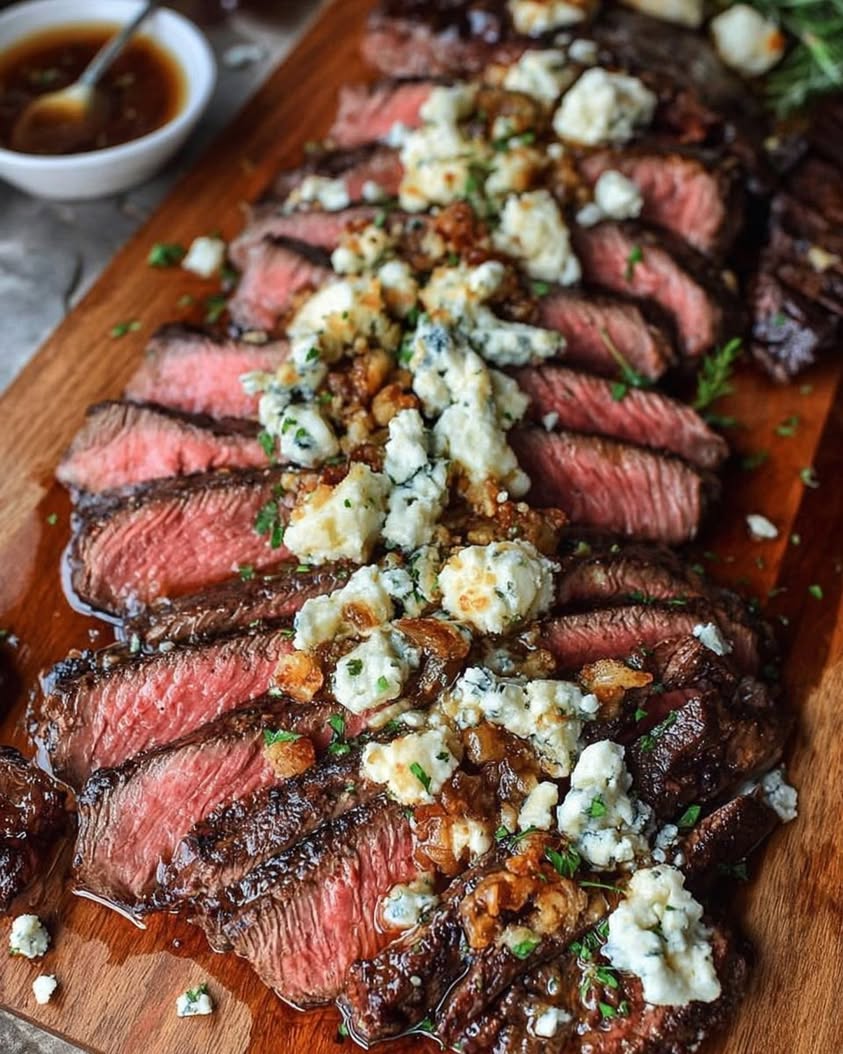
The Perfect Balsamic Marinated Flank Steak with Blue Cheese Crust: A Crowd-Pleasing Main Course
Imagine slicing into a beautifully seared flank steak, only to discover a rich, tangy blue cheese crust that melts into every bite. That is the magic of this Balsamic Marinated Flank Steak with Blue Cheese Crust. The balsamic marinade tenderizes the meat while adding a sweet, tangy depth, and the blue cheese crust provides a creamy, pungent finish that elevates this dish to restaurant quality. This recipe is a fantastic choice for a weeknight dinner or a special weekend meal because it requires minimal hands-on time yet delivers maximum flavor.
The combination of balsamic vinegar and blue cheese is a classic one. The acidity of the balsamic cuts through the richness of the cheese, creating a balanced and sophisticated taste profile. In this Balsamic Marinated Flank Steak with Blue Cheese Crust, the marinade does double duty. First, it infuses the flank steak with a sweet and savory flavor. Second, it helps to break down the muscle fibers, ensuring the steak is tender and juicy after cooking. The blue cheese crust then adds a final layer of texture and flavor that is simply irresistible. You will find that this dish is not only delicious but also visually impressive, with a beautiful dark crust from the sear and the creamy white cheese topping.
This recipe is designed for home cooks of all skill levels. With clear instructions and a few pro tips, you will be able to create a memorable meal. The key to success lies in the marinating time and the quick, high-heat cooking method. Consequently, you can have a fantastic main course on the table in under 30 minutes of active cooking time. This Balsamic Marinated Flank Steak with Blue Cheese Crust is perfect for impressing guests or treating your family to something special without spending all day in the kitchen. The rich aromas of balsamic and blue cheese will fill your home, promising a meal that is both comforting and elegant.
Quick Recipe Highlights
- Flavor Profile: This Balsamic Marinated Flank Steak with Blue Cheese Crust delivers a perfect balance of sweet, tangy, and savory notes. The balsamic provides a bright acidity, while the blue cheese adds a salty, pungent kick that lingers on the palate.
- Texture: The flank steak is tender and juicy from the marinade, with a beautiful charred exterior from the high-heat sear. The blue cheese crust is soft and creamy, creating a wonderful contrast against the firm, chewy meat.
- Aroma: The aroma is a compelling mix of sharp balsamic vinegar, rich blue cheese, and savory grilled beef. The scent is both appetizing and sophisticated, promising a deeply flavorful experience.
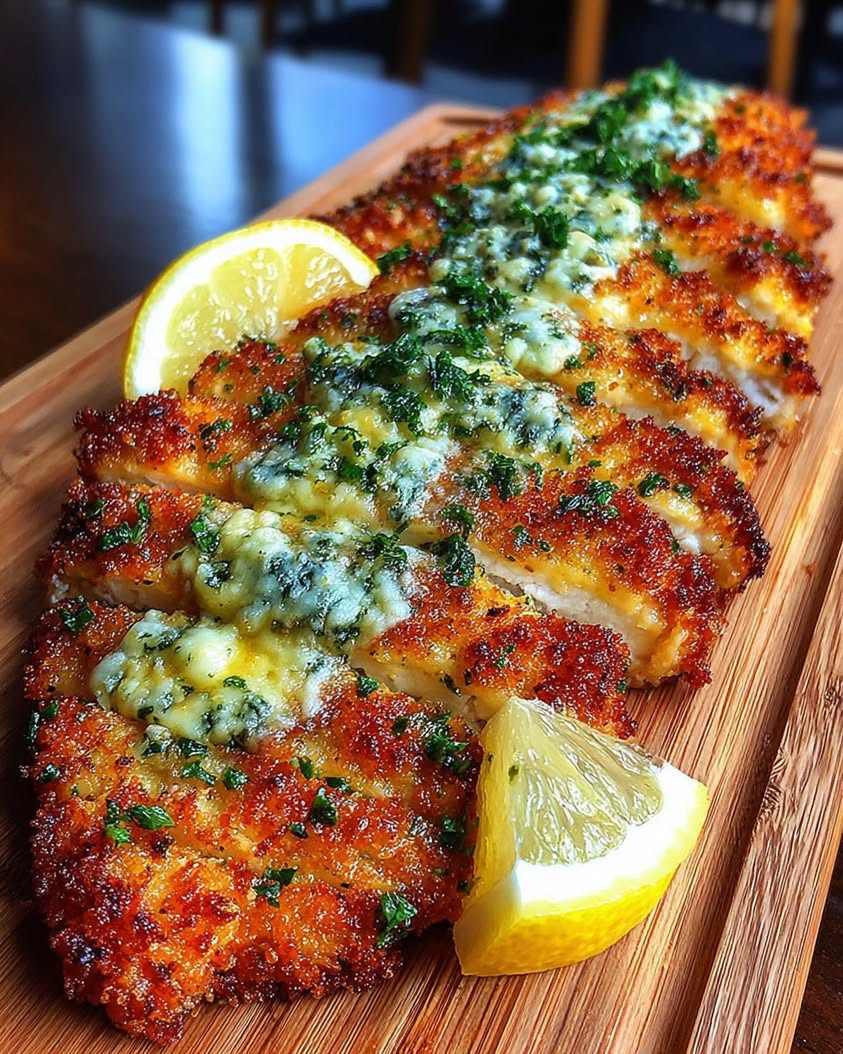
- Visual Appeal: The final dish showcases a deep brown, caramelized steak topped with a generous layer of creamy, golden-brown melted blue cheese. When sliced, the rosy-pink interior of the meat is a beautiful contrast to the dark exterior and white cheese.
- Skill Level Needed: This recipe is rated as Medium difficulty. It requires basic knife skills for trimming the steak and a good understanding of high-heat cooking to achieve the perfect sear without overcooking the interior.
- Special Equipment: You will need a cast-iron skillet or a heavy-bottomed grill pan for the best sear. A sharp chef’s knife for slicing the steak against the grain is also essential for the tenderest results.
Recipe Overview
- Difficulty Level: We rate this Balsamic Marinated Flank Steak with Blue Cheese Crust as Medium difficulty. This is because it involves a marinating step and a quick, high-heat cooking technique. The timing is crucial to achieve medium-rare, but the steps themselves are straightforward. With our detailed guide, you will find it easy to execute.
- Category: This dish fits perfectly into the main course category. It is a hearty and satisfying meal that works beautifully for dinner. It is also a fantastic candidate for grilling season or as a special occasion entree.
- Cuisine: This recipe draws inspiration from American and Italian culinary traditions. The use of balsamic vinegar, a staple in Italian cooking, and blue cheese, which is popular in American cuisine, creates a delightful fusion of flavors. It is a modern take on a classic steakhouse dish.
- Cost: The cost of this dish is moderate. Flank steak is a relatively affordable cut of beef compared to other steaks. Balsamic vinegar and blue cheese are the other main ingredients, and their cost can vary depending on quality. Overall, it is a cost-effective way to enjoy a gourmet meal at home.
- Season: This Balsamic Marinated Flank Steak with Blue Cheese Crust is excellent year-round. It is particularly wonderful in the summer when you can cook it on an outdoor grill. However, it is just as satisfying in the winter when cooked indoors in a hot skillet, providing a warm and comforting meal.
- Occasion: This recipe is perfect for a variety of occasions. It is an impressive dish for a romantic dinner for two or a dinner party with friends. It also works wonderfully for a special family meal, like a birthday or holiday celebration. You can even serve it for a casual backyard barbecue.
Why You’ll Love This Recipe
First and foremost, the taste and texture appeal of this Balsamic Marinated Flank Steak with Blue Cheese Crust is extraordinary. The sweet and tangy balsamic marinade perfectly complements the rich, salty blue cheese crust. The meat is incredibly tender and juicy, while the cheese crust provides a creamy, luxurious mouthfeel. Every bite is a symphony of flavors and textures that will leave you wanting more. Consequently, this dish is a guaranteed crowd-pleaser for anyone who loves bold, savory flavors.
From a convenience perspective, this recipe is a winner. The active preparation time is short, requiring only about 15 minutes of hands-on work. The rest of the magic happens during the marinating time, which is completely passive. Therefore, you can prepare the marinade in the morning, let the steak sit in the refrigerator all day, and then cook it quickly when you get home from work. This Balsamic Marinated Flank Steak with Blue Cheese Crust is the definition of a high-reward, low-effort meal.
It is also important to consider the nutritional advantages. Flank steak is a lean cut of beef, making it a great source of high-quality protein, iron, and B vitamins. The balsamic vinegar and blue cheese, when used in moderation, can be part of a balanced diet. This meal is satisfying and filling, which can help with portion control. Moreover, you can easily pair this dish with a large salad or roasted vegetables to create a complete, nutrient-dense meal.
This recipe is also excellent for social and entertaining value. It looks and tastes like a dish you would order from a high-end restaurant, but it is surprisingly easy to make at home. When you serve this Balsamic Marinated Flank Steak with Blue Cheese Crust to guests, they will be incredibly impressed. The process of slicing the steak to reveal the perfectly cooked interior is a theatrical moment at the dinner table. Plus, it pairs beautifully with a wide range of side dishes and wines, making it a versatile star of any menu.
Finally, this recipe is cost-effective and accessible. Flank steak is often a more affordable cut of beef than sirloin or ribeye, but it is just as delicious when prepared correctly. The other ingredients are common pantry staples. Furthermore, you do not need any fancy or expensive equipment to make it. A simple skillet and a knife are all you need. This makes the Balsamic Marinated Flank Steak with Blue Cheese Crust a fantastic option for home cooks who want to create a memorable meal without breaking the bank.
Historical Background and Cultural Significance
The origin story of combining balsamic vinegar with beef can be traced back to the Emilia-Romagna region of Italy. Balsamic vinegar, or aceto balsamico tradizionale, has been produced in the cities of Modena and Reggio Emilia for centuries. It was originally used by aristocratic families as a condiment and a tonic. The practice of using it to marinate meats, particularly beef, likely emerged from the desire to tenderize and flavor tougher cuts of meat, much like our Balsamic Marinated Flank Steak with Blue Cheese Crust does today.
The cultural importance of pairing a tangy marinade with a blue cheese crust is a more modern development, reflecting a fusion of European and American culinary traditions. Blue cheese has a long history in the United Kingdom, France, and later the United States. The idea of creating a crust from it on a steak is a technique that became popular in upscale American steakhouses. This Balsamic Marinated Flank Steak with Blue Cheese Crust is a perfect example of how chefs combine simple, high-quality ingredients to create something new and exciting.
Over the years, the evolution of this recipe has been driven by a focus on flavor balance and technique. Chefs and home cooks alike have discovered that the acidity of balsamic vinegar is the perfect counterpoint to the richness of blue cheese. The marinade not only adds flavor but also helps to tenderize the flank steak, a cut that can be tough if not treated properly. The technique of searing the steak at high heat and then adding the cheese crust at the end ensures that the cheese melts perfectly without burning.
Regional variations of this dish are plentiful and fascinating. In some variations, cooks use a Worcestershire sauce or soy sauce base in the marinade for added umami. Others prefer a balsamic reduction, which is thicker and sweeter than regular balsamic. The type of blue cheese also varies widely, from the mild and creamy Gorgonzola to the sharp and crumbly Roquefort. These regional twists show how versatile and adaptable the core concept of a Balsamic Marinated Flank Steak with Blue Cheese Crust truly is.
Ingredient Deep Dive
Flank Steak
Flank steak has a rich history as a working-class cut of meat. Originating from the abdominal muscles of the cow, it is a lean, flavorful cut that was often used in Latin American and Asian cuisines for dishes like fajitas and stir-fries. It gained popularity in the United States as a more affordable alternative to tenderloin. Nutritionally, flank steak is an excellent source of protein, iron, and zinc. It is also relatively low in fat compared to other steaks.
When selecting flank steak, look for a piece that is deep red in color with a good amount of marbling. The meat should feel firm and spring back when pressed. Avoid any packages with excessive liquid or a strong, off-putting smell. For storage, keep the steak in its original packaging in the coldest part of your refrigerator for up to three days. If you need to substitute, skirt steak is a good alternative, though it has a slightly different grain. You can also use top round, but you will need to marinate it longer for tenderness.
Balsamic Vinegar
Balsamic vinegar is a dark, sweet, and complex vinegar that originates from Italy. Its cultural significance is immense, as it is a symbol of Italian culinary heritage. True traditional balsamic vinegar is aged for years in wooden barrels, which gives it a syrupy consistency and a rich, sweet-tart flavor. For this Balsamic Marinated Flank Steak with Blue Cheese Crust, a good quality commercial balsamic vinegar works perfectly. It provides the necessary acidity and sweetness for the marinade.
Nutritionally, balsamic vinegar contains antioxidants and is low in calories. It is a fantastic way to add flavor without adding fat. When selecting balsamic, look for one that has a slightly thick consistency and a balanced flavor that is not too sharp. Store it in a cool, dark place away from direct sunlight. It has a long shelf life. If you do not have balsamic, you can substitute with red wine vinegar or apple cider vinegar, mixed with a bit of sugar or honey to mimic the sweetness.
Blue Cheese
Blue cheese has a storied past, with variations like Roquefort and Gorgonzola dating back centuries. It is made by introducing cultures of the mold Penicillium, which creates the characteristic blue veins and sharp, salty flavor. Its cultural importance is significant in many European countries. For this Balsamic Marinated Flank Steak with Blue Cheese Crust, the cheese provides a creamy, pungent counterpoint to the savory steak. It adds a luxurious texture and a kick of umami.
Nutritionally, blue cheese is rich in calcium and protein. It is also a source of probiotics, though the pasteurization process can reduce their presence. When selecting blue cheese, look for a wedge that is creamy and moist, with a strong but pleasant aroma. Avoid any that appears dry or has an ammonia-like smell. Store it tightly wrapped in the refrigerator. It can last for several weeks. Good substitutes include Gorgonzola, Stilton, or even a sharp feta crumbled with a touch of cream.
Garlic
Garlic is a foundational ingredient in cuisines around the world. It has been used for thousands of years for both its culinary and medicinal properties. In this Balsamic Marinated Flank Steak with Blue Cheese Crust, garlic provides a pungent, savory base note that deepens the overall flavor profile. It infuses the meat with its aromatic essence during the marinating process. Nutritionally, garlic is packed with antioxidants and has anti-inflammatory properties.
When selecting fresh garlic, look for firm, plump bulbs with tight, papery skin. Avoid any that are soft, shriveled, or have green sprouts. Store garlic in a cool, dry, well-ventilated area, not in the refrigerator. It can last for several months. For best results, use fresh garlic cloves rather than pre-minced garlic from a jar, which can taste bitter. If you are in a pinch, you can substitute with a pinch of garlic powder added to the marinade.
Olive Oil
Olive oil is a cornerstone of Mediterranean cuisine, and its history is as rich as its flavor. It has been used for cooking, lighting, and religious rituals for millennia. In this Balsamic Marinated Flank Steak with Blue Cheese Crust, the olive oil serves as a carrier for the marinade flavors. It also helps to create a beautiful sear on the steak and prevents it from sticking to the pan. Nutritionally, olive oil is a source of heart-healthy monounsaturated fats.
When selecting olive oil, choose a good quality extra-virgin olive oil for the best flavor. It should have a fruity, peppery taste. Store it in a cool, dark cabinet, as heat and light can cause it to go rancid. For this recipe, you can substitute with avocado oil or another neutral vegetable oil with a high smoke point. This change will affect the flavor slightly, as olive oil contributes its own taste, but the result will still be delicious.
Common Mistakes to Avoid
- Not marinating the flank steak long enough. The balsamic vinegar needs time to tenderize the meat. A minimum of 2 hours is essential, but 4-6 hours is ideal. Skipping this step will result in a tougher, less flavorful steak.
- Using too high of a heat when searing. While you need high heat for a good sear, the heat should be medium-high. If it is too high, the outside will burn before the inside is cooked. Watch for the oil to shimmer before adding the steak.
- Overcrowding the pan. If you cook two steaks in a pan that is too small, the pan will lose heat. This will cause the steak to steam instead of sear. Use a large skillet and cook in batches if necessary.
- Adding the blue cheese too early. The cheese crust should be added only during the last minute or two of cooking. If you add it too early, it will melt off the steak or burn on the pan, creating a mess.
- Not letting the steak rest after cooking. This is a critical step. Letting the steak rest for 5-10 minutes allows the juices to redistribute throughout the meat. If you slice it immediately, all the flavorful juices will run out onto the cutting board.
- Slicing the steak with the grain. Flank steak has long, pronounced muscle fibers. You must always slice it against the grain. This means cutting perpendicular to the lines of the meat. If you slice with the grain, the meat will be tough and chewy.
- Using a low-quality balsamic vinegar. A cheap balsamic can be overly sharp and acidic. It will not provide the sweet, complex flavor needed for a good marinade. Invest in a decent mid-range bottle for the best result.
- Forgetting to dry the steak before searing. After marinating, pat the steak dry with paper towels. A wet surface will not sear properly and will create steam. Dry meat equals a beautiful, brown crust.
Essential Techniques
Marinating for Tenderness and Flavor
Marinating is a crucial technique for this Balsamic Marinated Flank Steak with Blue Cheese Crust. The acidity in the balsamic vinegar helps to break down the dense muscle fibers of the flank steak. This process makes the meat more tender. To master it, combine the balsamic, olive oil, and garlic in a sealed plastic bag or a glass dish. Add the steak and ensure it is fully coated. Place it in the refrigerator for at least 2 hours, flipping the bag halfway through. A common pitfall is not using enough marinade to fully coat the meat. The visual cue for a good marinade is that the steak is glistening and evenly colored.
High-Heat Searing for a Flavorful Crust
Searing is the process of cooking the surface of the steak at a high temperature to create a brown, caramelized crust. This crust is the foundation of the flavor for your Balsamic Marinated Flank Steak with Blue Cheese Crust. It is important to use a heavy-bottomed pan like cast iron, as it retains heat well. Heat the pan until a drop of water sizzles and evaporates on contact. Add a splash of oil. The visual cue for the correct heat is when the oil begins to shimmer and lightly smoke. Place the steak in the pan and do not move it for 2-3 minutes. This allows the crust to form. A common pitfall is moving the steak too soon, which will prevent the crust from forming.
Resting the Steak for Juicy Results
Resting is a passive but extremely important technique. After cooking, the internal juices are forced to the center of the steak by the heat. If you cut into it immediately, these juices will spill out. Therefore, resting allows the juices to redistribute evenly throughout the meat. For this Balsamic Marinated Flank Steak with Blue Cheese Crust, place the cooked steak on a cutting board and tent it loosely with aluminum foil. Let it rest for at least 5 minutes. The visual cue for a properly rested steak is that it is no longer steaming heavily. This simple step is the difference between a dry steak and a perfectly juicy one.
Slicing Against the Grain for Tenderness
This is the most critical skill for serving flank steak. The grain refers to the direction of the muscle fibers. Flank steak has long, distinct fibers that run the length of the cut. If you slice parallel to these fibers, you will get long, tough, stringy pieces. To achieve tender slices for your Balsamic Marinated Flank Steak with Blue Cheese Crust, you need to slice perpendicular to them. First, identify the direction of the lines on the surface of the steak. Then, slice across them. The visual cue for success is that you are cutting across the lines, not along them. This shortening of the muscle fibers is what makes the meat melt in your mouth.
Pro Tips for Perfect Balsamic Marinated Flank Steak with Blue Cheese Crust
First, for a deeper flavor, mince the garlic and let it sit in the balsamic vinegar for 10 minutes before adding the oil. This allows the garlic to infuse the liquid. Second, always pat the steak as dry as possible with paper towels before searing. A dry surface is essential for a great crust. Third, use a meat thermometer to check for doneness. For medium-rare, pull the steak off the heat when it reaches 130 degrees Fahrenheit, as it will continue to cook while resting. Fourth, crumble the blue cheese just before you plan to use it. Pre-crumbled cheese can be dry and less flavorful. Fifth, when adding the cheese crust, cover the pan with a lid or a piece of foil for the last minute. This traps steam and helps the cheese melt quickly and evenly. Sixth, do not be shy with the amount of blue cheese. A generous crust is the defining feature of this dish. Finally, season the steak with a small amount of salt and pepper before searing, even if the marinade is salty. A little extra seasoning enhances the crust.
Variations and Adaptations
Regional Variations
Regional variations of this dish are exciting. In the American Southwest, you might find a version that uses a chipotle marinade for a smoky, spicy kick. The blue cheese crust remains, but the flavors are bolder. In some Italian-American kitchens, the marinade is made with a balsamic reduction, which is thicker, sweeter, and more concentrated than regular vinegar. This creates an almost syrupy glaze on the steak. In the UK, a popular variation uses Stilton cheese for its distinctive, sharp flavor and crumbly texture. These variations highlight the flexibility of the basic concept.
Seasonal Adaptations
Seasonal adaptations can bring fresh energy to this Balsamic Marinated Flank Steak with Blue Cheese Crust. In the summer, grill the steak outdoors for a smoky flavor. Serve it with a fresh tomato and basil salad. In the fall, accompany the steak with roasted butternut squash and a drizzle of maple syrup. In the spring, pair it with crispy roasted asparagus and a squeeze of lemon. In the winter, serve it alongside creamy mashed potatoes or a rich mushroom risotto to create a comforting, warming meal. These seasonal touches make the dish feel new all year round.
Dietary Modifications
For those following a gluten-free diet, this recipe is naturally gluten-free. The balsamic vinegar, garlic, and olive oil are all safe. Just double-check the label on your blue cheese to ensure it has no gluten-based additives. For a dairy-free version, you can create a crust using a dairy-free cheese alternative, such as a cashew-based blue cheese. You could also make a crust from toasted, crushed nuts and herbs for a different texture and flavor. For a lower-sodium version, use a low-sodium balsamic vinegar and reduce the amount of salt you add. You can also skip any additional salt during the searing process.
Flavor Variations
Flavor variations are endless. You can add a tablespoon of Dijon mustard to the marinade for an extra layer of tangy heat. For a sweeter note, add a teaspoon of honey or maple syrup to the balsamic mixture. To add an herbaceous element, include a few sprigs of fresh rosemary or thyme in the marinade bag. You can also experiment with different types of blue cheese. A creamy Gorgonzola dolce will provide a milder, sweeter flavor, while a sharp Roquefort will give a more intense, salty punch. These small changes can dramatically alter the final taste.
Texture Modifications
For a crunchy texture, after the blue cheese crust has melted, you can sprinkle the top with toasted breadcrumbs or crushed croutons. Press them gently into the cheese so they adhere. This creates a delightful crispiness that contrasts with the tender meat and creamy cheese. Another option is to use a panko crust. Mix panko breadcrumbs with melted butter and grated Parmesan cheese, then sprinkle it over the blue cheese crust. Broil for a minute or two until the panko is golden brown and crispy. This modification adds a satisfying crunch to every bite.
Presentation Alternatives
Instead of serving the steak whole and slicing it at the table, you can pre-slice the entire steak before serving. Fan the slices out on a large platter, finishing with a fresh drizzle of balsamic glaze and a scattering of extra blue cheese crumbles and chopped parsley. This creates a beautiful, shareable presentation that is perfect for a dinner party. Another alternative is to serve the steak as part of a composed salad. Slice the steak thinly and place it on a bed of arugula, cherry tomatoes, and shaved Parmesan, with a simple vinaigrette dressing.
Serving and Presentation Guide
Plating techniques for this Balsamic Marinated Flank Steak with Blue Cheese Crust should focus on simplicity and elegance. Start with a warm plate to keep the steak hot. Slice the steak against the grain into thick, even pieces. Fan the slices out in a slight arc on one side of the plate. This creates a beautiful, organized look. Alternatively, you can stack a few slices in the center of the plate for a more casual, rustic appearance. The goal is to show off the beautiful rose-colored interior and the creamy cheese crust.
Garnishing ideas are simple but impactful. A sprinkle of fresh, coarse black pepper over the top adds visual contrast and a final punch of heat. A few fresh herbs, such as chopped chives or flat-leaf parsley, add a pop of green that livens up the plate. For a touch of luxury, you can add a final drizzle of high-quality balsamic glaze around the steak. This adds a beautiful dark swirl to the plate and reinforces the balsamic flavor. A light sprinkle of flaky sea salt right before serving also enhances the taste and texture.
Traditional accompaniments for this dish are hearty and savory. A classic side dish is creamy mashed potatoes. They provide a neutral, buttery base that perfectly soaks up any juices from the steak. Roasted vegetables, such as asparagus, broccoli, or Brussels sprouts, are also a perfect match. Their earthy, slightly bitter flavors balance the richness of the steak and cheese. A simple side salad with a tangy vinaigrette is another great option, adding freshness and acidity to the meal.
Modern serving suggestions can make the meal feel more contemporary. Try serving the sliced steak over a bed of arugula or spinach that has been lightly dressed. The heat from the steak will slightly wilt the greens. For a grain bowl, serve the sliced steak over a base of quinoa or farro, along with roasted vegetables and a dollop of the blue cheese sauce. This is a complete, nutritious, and visually appealing meal that fits current food trends.
Temperature considerations are important for the best eating experience. The steak should be served hot or at room temperature, never cold. If you have let it rest, it will be perfectly warm. The blue cheese crust should be melted and creamy, which is best achieved right out of the pan. When slicing, if the steak has cooled too much, you can quickly dip the slices back into the pan’s hot juices to re-warm them. Portion control is simple. A standard serving of flank steak is about 6 ounces per person.
Wine and Beverage Pairing
Wine pairings for this Balsamic Marinated Flank Steak with Blue Cheese Crust are a joy to explore. A classic and excellent choice is a full-bodied red wine like a Cabernet Sauvignon. Its firm tannins and dark fruit flavors stand up to the rich steak and pungent blue cheese. A Malbec from Argentina is another fantastic option, offering a plush texture and notes of blackberry and plum that complement the balsamic marinade. For a lighter touch, a Zinfandel with its jammy fruit and spicy finish works beautifully.
Non-alcoholic alternatives are just as satisfying. A high-quality sparkling water with a squeeze of lime can cleanse the palate between bites. A rich, unsweetened iced tea with a hint of lemon can also be a great pairing, as its slight bitterness cuts through the fat of the steak and cheese. For a more complex option, consider a non-alcoholic red wine blend or a shrub-based drink made with apple cider vinegar and herbs. These options provide the acidity needed to balance the meal.
If you are considering a coffee or tea pairing, a dark roast coffee can work surprisingly well. Its bold, roasty, and slightly bitter flavors mirror the char of the steak and the saltiness of the cheese. A chai tea latte, with its notes of cinnamon and clove, can also be a unique and warming pairing, especially in the colder months. The spices in the chai can complement the flavors of the balsamic marinade.
Temperature considerations for beverages are important. The wine should be served slightly below room temperature, around 60 to 65 degrees Fahrenheit. This brings out the best in the fruit and tannins. The non-alcoholic drinks should be served cold, over ice. The coffee should be served hot. The serving suggestions are simple. Pour the wine or beverage just before serving the meal to ensure everything is at its ideal temperature.
Storage and Shelf Life
Storage methods for your leftover Balsamic Marinated Flank Steak with Blue Cheese Crust are straightforward. First, allow the steak to cool completely to room temperature. Do not leave it out for more than two hours. Then, wrap the steak tightly in plastic wrap or aluminum foil. Alternatively, place it in an airtight container. This prevents the meat from drying out and absorbing other odors in the refrigerator. Properly stored, the steak will maintain its quality for three to four days.
Temperature requirements are critical for food safety. The refrigerator should be set to 40 degrees Fahrenheit or below. If you plan to keep the steak for longer, freezing is an excellent option. For the best texture, slice the steak before freezing. Place the slices in a single layer on a baking sheet and freeze them until solid. Then, transfer the frozen slices to a freezer-safe bag or container. This prevents them from freezing together in a single block. The steak can be frozen for up to three months.
Container recommendations include glass or plastic containers with tight-fitting lids. For wrapping, plastic wrap is best, followed by a layer of aluminum foil for extra protection against freezer burn. Avoid using only aluminum foil, as it can react with the acidic marinade and give the meat a metallic taste. When reheating, the goal is to warm the meat without overcooking it. The best method is to reheat it gently on the stovetop in a skillet with a splash of beef broth or water, covered, over low heat.
Signs of spoilage are easy to spot. If the steak has a sour, ammonia-like, or off-putting smell, it has gone bad. The texture may become slimy or sticky to the touch. Visually, you might see any discoloration, such as a gray or green tint. If you see any of these signs, it is best to discard the steak immediately. Reheating instructions for frozen steak are simple. Thaw it overnight in the refrigerator. Then, reheat it in a skillet or in the oven on a low setting until it is just warmed through.
Make Ahead Strategies
A well-planned prep timeline makes this Balsamic Marinated Flank Steak with Blue Cheese Crust a breeze to execute. The best strategy is to prepare the marinade and start marinating the steak the day before you plan to cook it. This gives the flavors maximum time to penetrate the meat. On the day of cooking, you will only need to remove the steak from the fridge about 30 minutes before cooking to let it come to room temperature. This ensures more even cooking. You can also crumble the blue cheese and store it in a sealed container in the refrigerator.
Storage between steps is simple. The marinating steak should remain in the refrigerator. The crumbled blue cheese can be stored separately. If you are preparing a side dish ahead of time, such as roasted vegetables, you can roast them and store them in the refrigerator. Then, you can reheat them in the oven while the steak rests. This approach allows you to manage your time efficiently. The main dish itself is best cooked fresh, but the prep work can be done well in advance.
The quality impact of preparing the components ahead is minimal. In fact, a longer marinating time often improves the flavor and tenderness of the steak. The only element that must be made fresh is the blue cheese crust. If you were to melt the cheese and then reheat it, the texture would become rubbery. Therefore, the crust step should always be done right before serving. The rest of the prep work, from marinating to chopping vegetables, can be done hours or even a day ahead without any loss of quality.
Assembly tips for the final meal are simple. When you are ready to cook, remove the steak from the marinade and pat it dry. Have your blue cheese crumbles ready. Cook the steak as directed. While the steak is resting, you can reheat any pre-prepared side dishes. Slice the steak, arrange it on a serving platter, and garnish. The entire assembly process takes just a few minutes. Reheating guidelines for the steak are provided in the storage section. Fresh element additions, like a final squeeze of lemon or a garnish of fresh herbs, should be added right before serving.
Scaling Instructions
Halving the recipe for this Balsamic Marinated Flank Steak with Blue Cheese Crust is easy. Simply use a single flank steak Print
Balsamic Marinated Flank Steak with Blue Cheese Crust
- Total Time: 2 hours 40 minutes
- Yield: 4
Description
A tender flank steak marinated in a tangy balsamic blend, then topped with a savory blue cheese crust and oven-roasted to perfection.
Ingredients
- 1 1/2 pounds flank steak
- 1/4 cup balsamic vinegar
- 2 tablespoons olive oil
- 2 cloves garlic, minced
- 1 teaspoon Dijon mustard
- 1 teaspoon dried rosemary
- 1/2 teaspoon salt
- 1/4 teaspoon black pepper
- 4 ounces blue cheese, crumbled
- 1/4 cup breadcrumbs
- 2 tablespoons chopped fresh parsley
Instructions
- In a small bowl, whisk together balsamic vinegar, olive oil, garlic, Dijon mustard, rosemary, salt, and pepper. Place flank steak in a resealable bag and pour marinade over; seal and refrigerate for at least 2 hours or overnight.
- Preheat oven to 400°F (200°C). Remove steak from marinade and pat dry; discard marinade.
- In a separate bowl, combine crumbled blue cheese, breadcrumbs, and parsley. Press mixture evenly onto one side of the steak.
- Place steak on a baking sheet lined with foil or a rack. Roast for 20-25 minutes for medium-rare, or until desired doneness.
- Let steak rest for 5 minutes before slicing against the grain. Serve warm.
Notes
You can customize the seasonings to taste.
- Prep Time: 15 minutes
- Cook Time: 25 minutes
- Method: Main
- Cuisine: American