Crispy Baked Hot Honey Lemon Feta Chicken Cutlets with Herb Crust: Your New Weeknight Obsession
If you crave crispy chicken with a sticky, spicy, citrusy glaze, then these Crispy Baked Hot Honey Lemon Feta Chicken Cutlets with Herb Crust will become your new favorite dinner. Moreover, this recipe delivers restaurant-quality flavor without deep frying, so you get all the crunch with far less mess. In addition, the combination of hot honey, fresh lemon, and salty feta creates a crave-worthy balance that keeps you coming back for more. Consequently, whether you serve these cutlets on a busy Tuesday or at a weekend gathering, everyone at the table will ask for the recipe.
Furthermore, the herb crust adds a fragrant, savory layer that elevates simple chicken breasts into something truly special. Meanwhile, the hot honey drizzle brings a sweet-and-spicy kick that contrasts beautifully with the creamy feta. Because the oven does most of the work, you can focus on a quick side salad or roasted vegetables while the cutlets bake. As a result, this Crispy Baked Hot Honey Lemon Feta Chicken Cutlets with Herb Crust recipe fits perfectly into a stress-free weeknight routine.
Additionally, this dish shines because it balances textures and temperatures so well. For instance, the panko coating stays golden and crunchy, while the interior remains juicy and tender. At the same time, the lemon zest and fresh herbs brighten every bite, and the feta adds a tangy, salty finish. Therefore, if you want a meal that feels elegant yet approachable, these Crispy Baked Hot Honey Lemon Feta Chicken Cutlets with Herb Crust deliver on every level.
Quick Recipe Highlights
- Flavor Profile: These Crispy Baked Hot Honey Lemon Feta Chicken Cutlets with Herb Crust combine sweet heat from hot honey, bright acidity from fresh lemon, and a savory, salty punch from feta. Furthermore, the herb crust adds earthy notes of parsley, dill, and garlic that round out each bite.
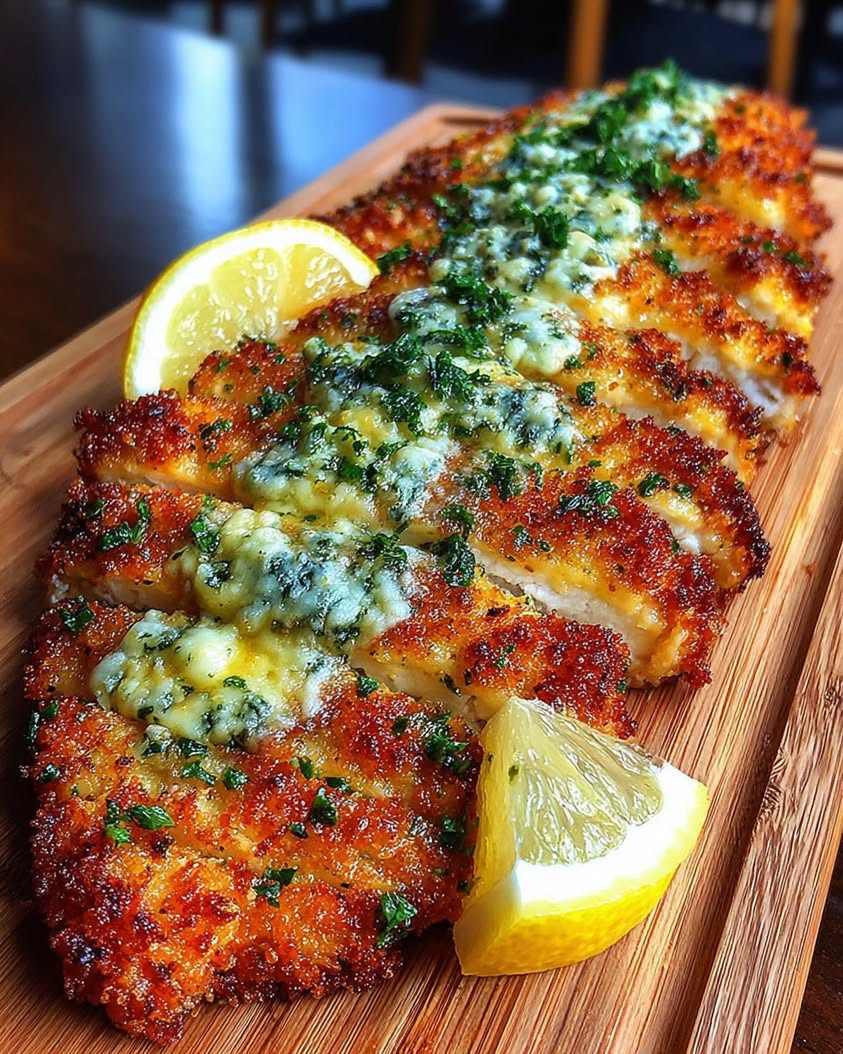
- Texture: The panko and herb coating creates a shatteringly crisp exterior, while the chicken stays tender and juicy inside. Meanwhile, the hot honey glaze adds a sticky, glossy finish that clings to every crevice.
- Aroma: As these cutlets bake, the kitchen fills with the scent of toasted breadcrumbs, garlic, and fresh herbs. In addition, the hot honey and lemon zest release a bright, sweet fragrance that makes everyone hungry.
- Visual Appeal: Golden-brown crusted cutlets topped with crumbled feta and a glossy hot honey drizzle look stunning on a platter. Moreover, a sprinkle of fresh parsley and lemon slices adds vibrant color.
- Skill Level Needed: This recipe suits beginners and experienced cooks alike, because the steps are straightforward and forgiving. However, paying attention to coating technique and oven temperature ensures the best results.
- Special Equipment: You need a rimmed baking sheet, parchment paper, three shallow bowls for dredging, and a wire rack. In addition, a meat mallet helps pound the chicken to an even thickness.
Recipe Overview
- Difficulty Level: I rate this Crispy Baked Hot Honey Lemon Feta Chicken Cutlets with Herb Crust as easy to moderate, because it involves a three-step breading process. Nevertheless, once you set up your stations, the workflow moves quickly and smoothly. Furthermore, the oven handles the cooking, so you do not need advanced stovetop skills.
- Category: This recipe works as a main course for lunch or dinner, and it also functions as a party appetizer when cut into strips. In addition, you can serve it as a protein component in grain bowls or salads.
- Cuisine: This dish draws from Mediterranean and Southern American influences, because it pairs Greek-style feta and lemon with hot honey, a staple of Southern cooking. Meanwhile, the herb crust echoes Italian breaded cutlets. As a result, it represents a modern fusion that feels both familiar and fresh.
- Cost: The ingredients are affordable and easy to find at any U.S. grocery store. For example, chicken breasts, panko, feta, and lemons cost relatively little, while hot honey may already sit in your pantry. Overall, you can feed four people for about twelve to fifteen dollars.
- Season: This recipe works year-round, yet it shines in spring and summer when fresh herbs and lemons are at their peak. During colder months, the hot honey adds a cozy warmth that satisfies comfort food cravings.
- Occasion: Serve these cutlets for weeknight dinners, meal prep Sundays, casual cookouts, or holiday gatherings. Additionally, they work beautifully for potlucks, because they taste great at room temperature.
Why You’ll Love This Recipe
First, the taste and texture of these Crispy Baked Hot Honey Lemon Feta Chicken Cutlets with Herb Crust hit every note you want in a main dish. The crust delivers a satisfying crunch that rivals fried chicken, yet the oven keeps the recipe lighter. Meanwhile, the hot honey balances sweet and spicy elements, and the lemon cuts through the richness. Consequently, each bite feels dynamic and complete, so you never get bored.
Second, convenience makes this recipe a weeknight hero, because you need only one baking sheet and a few bowls. Furthermore, the entire process takes about forty minutes from start to finish, including prep and bake time. In addition, you can bread the cutlets ahead and refrigerate them until ready to bake. As a result, dinner comes together with minimal stress and cleanup.
Third, the nutritional profile offers real advantages, because baking instead of frying reduces added oil. Additionally, chicken provides lean protein, while feta contributes calcium and beneficial fats. The lemon adds vitamin C, and fresh herbs deliver antioxidants. Therefore, you can feel good about serving this dish to your family.
Fourth, this recipe brings strong social and entertaining value, because it looks impressive on a platter. Guests love the golden crust and glossy honey drizzle, and the feta crumbles add a rustic elegance. Moreover, you can prep everything in advance, so you spend more time with your guests. As a result, hosting feels effortless and enjoyable.
Fifth, cost-effectiveness and accessibility make this dish practical for everyday cooking. The ingredients are budget-friendly, and you likely already own most of the pantry staples. Furthermore, you can swap in whatever herbs or cheese you have on hand. Consequently, these Crispy Baked Hot Honey Lemon Feta Chicken Cutlets with Herb Crust adapt to your budget and your pantry.
Historical Background and Cultural Significance
The origin story of this dish blends several culinary traditions, because breaded cutlets appear in Italian, Austrian, and Greek cooking. For example, Italian cooks bread veal and chicken for scaloppine, while Greek cooks layer feta and lemon into countless dishes. Meanwhile, hot honey emerged from Southern American kitchens and gained national popularity in the 2010s. Therefore, this recipe represents a natural meeting point of old-world technique and modern flavor trends.
Culturally, feta holds a cherished place in Greek cuisine, because Greeks have produced brined sheep and goat milk cheese for thousands of years. Additionally, lemon appears throughout Mediterranean cooking as a brightening agent and a natural tenderizer. When you combine these elements with crispy breaded chicken, you honor those traditions while creating something new.
The evolution of this recipe reflects how home cooks now embrace global pantry staples. In the past, home cooks might bread chicken with simple flour and fry it in oil. Today, however, panko, hot honey, and feta sit on mainstream grocery shelves. Consequently, home cooks can build layered, complex flavors without special trips to specialty stores.
Regional variations appear across the United States, because cooks adapt recipes to local tastes. For instance, some Southern cooks add cayenne to the breadcrumbs, while Northeastern cooks might use maple syrup in the glaze. Meanwhile, West Coast cooks often add avocado and citrus to the serving platter. As a result, this dish evolves with each kitchen it enters.
Ingredient Deep Dive
Chicken cutlets form the foundation of this recipe, because they cook quickly and stay tender. Historically, cooks have pounded and breaded thin cuts of meat for centuries to stretch portions and improve texture. Nutritionally, chicken breast offers lean protein, B vitamins, and selenium. When you shop, look for firm, pink breasts without odor, and store them in the coldest part of your fridge for up to two days.
Additionally, you can substitute chicken thighs for extra juiciness, or use turkey cutlets for a similar result. If you prefer plant-based options, try thick slices of firm tofu or cauliflower steaks. Furthermore, always pat your protein dry before breading, because moisture prevents the crust from adhering properly.
Panko breadcrumbs give this dish its signature crunch, because their large, airy flakes crisp better than standard breadcrumbs. Japanese cooks developed panko centuries ago, and it became a global staple thanks to its light texture. Nutritionally, panko provides carbohydrates with minimal fat. When you buy panko, choose plain varieties and season them yourself, and store the box in a cool, dry place for up to six months.
Alternatively, you can use crushed cornflakes, gluten-free panko, or crushed pork rinds for different results. Each swap changes the texture slightly, so experiment to find your favorite. Meanwhile, always toast a small pinch of your coating in a pan first, because that step reveals how the final crust will taste.
Feta cheese brings a tangy, salty bite that defines this recipe, because its brined flavor cuts through the sweet honey glaze. Greek shepherds have made feta for thousands of years, and it remains a protected designation product in the European Union. Nutritionally, feta offers calcium, phosphorus, and probiotics. When you shop, choose feta packed in brine rather than pre-crumbled options, and store it in its brine for up to two weeks.
If you need a substitute, try goat cheese for creaminess, ricotta salata for saltiness, or halloumi for a firmer bite. Each option changes the character of the dish, yet all work well. In addition, you can crumble the feta finely for even distribution, or leave larger chunks for dramatic texture.
Hot honey delivers the signature sweet-and-spicy finish, because it infuses honey with chili peppers for a complex kick. Southern cooks popularized hot honey in recent years, and it now appears in everything from pizza to fried chicken. Nutritionally, honey provides natural sugars and trace antioxidants. When you shop, look for brands with simple ingredients, and store the bottle in your pantry for up to a year.
Moreover, you can make hot honey at home by warming honey with dried chilies and a pinch of salt. If you prefer less heat, use regular honey with a dash of cayenne. Furthermore, a squeeze of fresh lemon in the honey adds brightness that complements the feta.
Fresh herbs tie the crust together, because parsley, dill, and thyme add aroma and color. Historically, Mediterranean cooks have used these herbs for centuries in breads, salads, and roasted meats. Nutritionally, herbs provide vitamins A, C, and K along with antioxidants. When you shop, choose bright, crisp leaves without yellowing, and store them wrapped in damp paper towels inside your fridge.
If you lack fresh herbs, dried versions work in a pinch, though you should use about one third the amount. Additionally, you can blend herbs into the panko or sprinkle them over the finished dish. Either way, they lift the flavor and add visual appeal.
Common Mistakes to Avoid
- Skipping the pounding step: If you do not pound the chicken to an even thickness, the cutlets cook unevenly. Consequently, thin edges dry out while thick centers stay raw. Therefore, always flatten the breasts to about half an inch.
- Using wet chicken: Moisture prevents the coating from sticking, because the flour cannot adhere to a wet surface. Therefore, pat the chicken completely dry with paper towels before dredging.
- Overcrowding the baking sheet: When the cutlets touch each other, they steam instead of crisp. As a result, the crust turns soggy. Therefore, leave space between each piece and use two sheets if necessary.
- Skipping the wire rack: A wire rack lifts the cutlets and allows hot air to circulate underneath. Without it, the bottom crust turns soft. Consequently, always place the rack inside the baking sheet.
- Underseasoning the breadcrumbs: The coating provides most of the flavor, so bland crumbs ruin the dish. Therefore, add salt, pepper, garlic powder, and herbs generously to the panko.
- Burning the honey: Hot honey scorches quickly under high heat, because sugars caramelize fast. Therefore, drizzle it after baking or during the final few minutes.
- Using cold feta: Cold feta tastes muted, because the chill masks its tangy notes. Therefore, let the feta sit at room temperature for fifteen minutes before crumbling.
- Forgetting to rest the chicken: Resting allows juices to redistribute, because the proteins relax after cooking. Consequently, cutting immediately causes juice loss. Therefore, wait five minutes before slicing.
- Ignoring oven temperature: An inaccurate oven leads to uneven browning, because recipes assume a calibrated temperature. Therefore, use an oven thermometer to verify 425 degrees Fahrenheit.
- Reusing contaminated bowls: Raw chicken juices carry bacteria, so using the same bowl for breading causes cross contamination. Therefore, discard used flour and wash your hands often.
Essential Techniques
The breading station technique matters most, because it creates the foundation for a crisp, even crust. Specifically, you set up three shallow bowls with flour, beaten egg, and seasoned panko. Then, you coat each cutlet in flour, shake off the excess, dip it in egg, and press it into the panko. Consequently, each layer adheres to the next, and the crust stays intact during baking. Common pitfalls include skipping the flour, which causes the egg to slide off, and pressing too lightly, which leaves bald spots. For success, look for a fully coated surface with no wet patches.
The hot honey drizzle technique requires attention, because timing determines whether the glaze stays glossy or turns bitter. First, warm the honey gently in a small saucepan or microwave, then stir in chili flakes, lemon zest, and a pinch of salt. Next, drizzle the mixture over the cutlets right after they leave the oven, so the heat helps it spread. However, avoid adding the honey before baking, because the sugars burn quickly at high temperatures. For visual cues, watch for a thin, shiny coating that clings without pooling.
The resting technique protects juiciness, because it allows the meat fibers to reabsorb moisture. After the cutlets finish baking, transfer them to a cutting board and let them sit for five minutes. During this time, the internal temperature equalizes and the juices redistribute. If you skip this step, the first cut releases a flood of juice onto the plate. As a visual cue, look for a slightly relaxed appearance and a steady internal temperature of 165 degrees Fahrenheit.
Pro Tips for Perfect Crispy Baked Hot Honey Lemon Feta Chicken Cutlets with Herb Crust
First, toast your panko briefly in a dry skillet before breading, because this step deepens the golden color and adds nutty flavor. Additionally, toasting removes excess moisture, which helps the crust crisp faster in the oven.
Second, add finely grated lemon zest directly into the panko mixture, because the zest releases oils that perfume the entire crust. Meanwhile, reserve some zest for the honey drizzle to reinforce the citrus note.
Third, use one hand for dry ingredients and one hand for wet ingredients, because this trick keeps your fingers from turning into a breading disaster. Consequently, the process moves faster and cleaner.
Fourth, chill the breaded cutlets for fifteen minutes before baking, because the coating sets and adheres better. Furthermore, this brief rest helps the crust stay put during transfer to the oven.
Fifth, spray the tops lightly with cooking spray or olive oil, because a thin layer of fat encourages browning. However, avoid heavy spraying, which can make the crust greasy.
Sixth, rotate the baking sheet halfway through cooking, because most ovens have hot spots. As a result, every cutlet browns evenly and no piece burns.
Seventh, crumble the feta over the hot cutlets right after baking, because the residual heat softens it slightly without melting it completely. Consequently, you get creamy pockets of cheese in every bite.
Eighth, serve the cutlets on a warm platter, because cold plates cool the crust quickly. Additionally, a warm plate keeps the honey glossy and the cheese soft.
Variations and Adaptations
Regional variations offer endless inspiration, because cooks across the country put their own spin on this dish. For example, a Southern version might add cayenne and smoked paprika to the breadcrumbs for extra heat. Meanwhile, a California variation could include crushed pistachios in the crust and a squeeze of orange in the honey. Additionally, a Greek-inspired version might add oregano and olives to the feta topping. Therefore, you can tailor the recipe to your regional palate.
Seasonal adaptations keep the recipe fresh throughout the year, because produce changes with the calendar. In summer, serve the cutlets with sliced tomatoes, cucumbers, and a lemon vinaigrette. During fall, pair them with roasted squash and a maple-hot honey drizzle. In winter, add a sprinkle of pomegranate seeds for color and tartness. As a result, the dish never feels repetitive.
Dietary modifications make the recipe accessible to more people, because simple swaps address most restrictions. For a gluten-free version, use gluten-free panko or crushed rice cereal. For a dairy-free version, replace feta with a plant-based cheese or omit it entirely. Additionally, for a lower-carb option, use crushed pork rinds or almond flour in place of panko. Consequently, nearly everyone can enjoy this dish.
Flavor variations let you customize the profile, because the base recipe welcomes experimentation. For instance, add smoked paprika and cumin for a Southwestern twist. Alternatively, use harissa in the honey for a North African influence. Furthermore, a drizzle of tahini alongside the hot honey adds creamy richness. Therefore, you can reinvent the dish whenever you like.
Texture modifications suit different preferences, because not everyone wants a crunchy crust. For a softer version, skip the panko and bake the chicken with a lemon-herb marinade instead. Meanwhile, for extra crunch, double the panko layer and press it firmly. Additionally, a quick broil at the end adds a crackling top. As a result, you control the mouthfeel.
Presentation alternatives help you match the dish to any occasion, because plating changes the entire experience. For a casual dinner, slice the cutlets and fan them over a bed of greens. For an elegant platter, arrange whole cutlets on a marble board with lemon slices and herb sprigs. Furthermore, for appetizers, cut the chicken into strips and serve with toothpicks. Consequently, the same recipe works for many settings.
Serving and Presentation Guide
Plating techniques shape the first impression, because a thoughtful arrangement makes food look irresistible. Start by spooning a swoosh of whipped feta or hummus onto each plate. Then, lean a cutlet against the sauce and drizzle hot honey in a zigzag pattern. Consequently, the plate looks dynamic and professional.
Garnishing ideas add color and freshness, because a dull plate feels unfinished. Sprinkle chopped parsley, dill, or mint over the top. Additionally, add thin lemon slices, a scattering of pomegranate seeds, or a pinch of red pepper flakes. As a result, the dish pops on the table.
Traditional accompaniments complement the Mediterranean flavors, because classic sides balance the richness. Serve with Greek salad, roasted potatoes, or warm pita bread. Furthermore, a bowl of tzatziki adds cooling contrast to the hot honey. Consequently, the meal feels complete.
Modern serving suggestions appeal to contemporary tastes, because today’s diners love bowls and boards. Try slicing the cutlets over farro, quinoa, or cauliflower rice. Alternatively, build a grain bowl with roasted vegetables, greens, and a lemon-tahini dressing. As a result, you create a trendy, satisfying meal.
Temperature considerations matter, because the crust loses its crunch as it cools. Therefore, serve the cutlets within ten minutes of baking for the best texture. However, if you plan to serve them at room temperature, keep them on a rack rather than a flat plate. Consequently, air circulates and preserves crispness.
Portion control tips help you plan, because chicken breasts vary in size. Generally, one large cutlet or two smaller ones serve one adult. Meanwhile, for lighter appetites, half a cutlet with extra salad works well. Therefore, you can stretch the recipe or adjust portions easily.
Wine and Beverage Pairing
Wine pairings elevate the meal, because the right bottle highlights the food’s best qualities. A crisp Sauvignon Blanc works beautifully, because its acidity matches the lemon and cuts the honey’s sweetness. Alternatively, a dry Riesling offers floral notes that complement the herbs. For red wine lovers, a light Pinot Noir provides soft tannins without overpowering the dish.
Non-alcoholic alternatives keep everyone refreshed, because not every guest drinks wine. Sparkling water with lemon and mint offers effervescence and citrus. Additionally, an iced hibiscus tea delivers tartness that mirrors the feta. Furthermore, a ginger beer brings spicy sweetness that echoes the hot honey.
Coffee and tea pairings may surprise you, because certain brews complement savory dishes. A lightly brewed green tea with jasmine adds floral notes that harmonize with the herbs. Meanwhile, a cold brew coffee with a hint of orange peel brings depth and brightness. Consequently, these options work beautifully for brunch.
Temperature considerations affect enjoyment, because the wrong temperature mutes flavors. Serve white wines well chilled at around forty-five to fifty degrees Fahrenheit. For reds, aim for fifty-five degrees to preserve fruitiness. Additionally, serve non-alcoholic options over plenty of ice.
Serving suggestions for beverages follow simple rules, because presentation matters here too. Pour wine into stemmed glasses to concentrate aromas. For non-alcoholic drinks, use tall glasses with citrus wheels and herb sprigs. As a result, the drinks look as good as the food.
Storage and Shelf Life
Storage methods determine how well leftovers hold up, because the crust behaves differently over time. Place cooled cutlets in an airtight container and separate layers with parchment paper. Consequently, the pieces do not stick together. Additionally, store the feta and honey separately if possible.
Temperature requirements keep food safe, because bacteria grow quickly at room temperature. Refrigerate leftovers within two hours of cooking, and keep them at forty degrees Fahrenheit or below. Furthermore, do not leave the dish out for long periods during parties.
Container recommendations improve quality, because the right vessel prevents sogginess. Use a glass container with a tight lid rather than a plastic bag, since glass resists stains and odors. Moreover, place a paper towel under the lid to absorb moisture. As a result, the crust stays as crisp as possible.
Signs of spoilage help you avoid illness, because leftovers do not last forever. Discard the chicken if it develops a sour smell, slimy texture, or gray color. Additionally, if the feta turns pink or smells yeasty, throw it out. Consequently, you protect your health.
Reheating instructions preserve texture, because microwaving ruins the crust. Instead, reheat in a 375 degree Fahrenheit oven for eight to ten minutes on a wire rack. Alternatively, use an air fryer at 350 degrees for four to five minutes. As a result, the cutlets regain their crunch.
Freezing guidelines extend shelf life, because many cooks like to batch prep. Wrap cooled cutlets tightly in plastic wrap, then place them in a freezer bag for up to two months. When ready to eat, thaw overnight in the fridge and reheat in the oven. Consequently, you always have a quick dinner on hand.
Make Ahead Strategies
Prep timeline planning saves time, because you can break the recipe into stages. On Sunday, pound and bread the cutlets, then refrigerate them on a rack for up to twenty-four hours. Additionally, mix the hot honey and crumble the feta in advance. As a result, weeknight cooking takes only twenty minutes.
Storage between steps protects quality, because each component behaves differently. Keep breaded cutlets uncovered in the fridge so the coating dries slightly. Meanwhile, store the honey at room temperature and the feta in brine. Furthermore, chop herbs just before serving for maximum freshness.
Quality impact assessment helps you decide what to prep ahead, because not every step tolerates waiting. Breaded cutlets hold well for a day, and the honey improves as flavors meld. However, fresh herbs lose aroma over time, so add them at the end. Consequently, you get the best of both worlds.
Assembly tips streamline the final steps, because organization prevents chaos. Set your baking sheet, rack, and cooking spray near the oven. Then, pull the cutlets from the fridge, spray them, and slide them in. Meanwhile, warm the honey so it drizzles easily.
Reheating guidelines apply to make-ahead meals too, because you want the same quality as fresh. Reheat in the oven rather than the microwave, and add the honey after heating. Additionally, crumble fresh feta over the top just before serving. As a result, the dish tastes freshly made.
Fresh element additions brighten make-ahead meals, because stored food can taste flat. Add a squeeze of lemon, a handful of herbs, or a spoonful of yogurt. Furthermore, a sprinkle of flaky salt wakes up every flavor. Consequently, your leftovers taste vibrant.
Scaling Instructions
Halving the recipe works well for smaller households, because the process scales down easily. Use two chicken breasts and reduce the breading ingredients by half. Additionally, use one egg and a quarter cup of panko. Meanwhile, keep the oven temperature the same, but check for doneness two minutes earlier.
Doubling or tripling suits parties and meal prep, because the recipe multiplies without trouble. Use two baking sheets and rotate them halfway through, switching racks for even browning. Furthermore, increase the honey and feta proportionally. As a result, you feed a crowd with minimal extra effort.
Equipment adjustments matter when scaling, because overcrowding ruins the crust. Use a second sheet pan rather than piling cutlets together. Additionally, if you own a convection oven, reduce the temperature by twenty-five degrees. Consequently, the crust stays crisp.
Timing modifications keep results consistent, because larger batches take longer. Add two to three minutes to the bake time for a doubled recipe. Meanwhile, rotate pans and check the internal temperature at 165 degrees. Furthermore, do not rely on visual cues alone.
Storage considerations change with volume, because big batches need more containers. Use several shallow containers rather than one deep one, since stacking crushes the crust. Additionally, label containers with dates. As a result, you track freshness easily.
Nutritional Deep Dive
The macro breakdown gives you a clear picture, because each serving contains roughly 420 calories. Specifically, you get about 42 grams of protein, 28 grams of carbohydrates, and 16 grams of fat. Additionally, fiber content reaches about 2 grams. Consequently, the dish fits a balanced plate.
Micronutrient analysis reveals hidden benefits, because chicken supplies selenium, niacin, and vitamin B6. Meanwhile, feta contributes calcium, phosphorus, and vitamin B12. Furthermore, lemons add vitamin C, and herbs provide vitamin K. As a result, the meal supports immunity, bone health, and energy metabolism.
Health benefits extend beyond basic nutrition, because baking reduces added fat compared to frying. Additionally, lean protein supports muscle repair and satiety. The olive oil and feta provide heart-healthy fats. Consequently, this dish works within a Mediterranean-style eating pattern.
Dietary considerations matter for special populations, because some diners watch sodium or carbs. Feta and hot honey add sodium and sugar, so moderate portions help. Meanwhile, those with celiac disease need gluten-free panko. Therefore, read labels carefully.
Portion analysis helps with planning, because one serving equals one medium cutlet. Pair it with vegetables to balance the plate. Additionally, if you watch calories, reduce the honey drizzle. As a result, you control the totals.
Weight management tips support healthy goals, because protein keeps you full longer. Serve the cutlets with a large salad instead of fries. Furthermore, use less oil when spraying the crust. Consequently, you enjoy a satisfying meal without excess calories.
Dietary Adaptations
Gluten-free adaptation requires one swap, because standard panko contains wheat. Use gluten-free panko, crushed rice cereal, or almond flour instead. Additionally, verify that your spices and hot honey are certified gluten-free. As a result, the dish suits celiac and gluten-sensitive diners.
Dairy-free adaptation removes the feta, because cheese contains milk proteins. Replace it with a cashew-based vegan feta or omit it entirely. Furthermore, check that your panko and honey contain no hidden dairy. Consequently, the recipe works for lactose intolerance.
Vegan adaptation demands more changes, because chicken and egg are animal products. Substitute firm tofu or seitan for the chicken, and use aquafaba or flax egg for binding. Additionally, choose agave or maple syrup instead of honey. As a result, plant-based eaters enjoy the same flavor profile.
Low-carb adaptation trims the breading, because panko adds carbohydrates. Use crushed pork rinds, almond flour, or Parmesan as the coating. Additionally, reduce the honey drizzle to a minimum. Consequently, the dish fits low-carb plans.
Keto adaptation aligns with low-carb principles, because fat and protein dominate. Almond flour and pork rinds work well, and full-fat feta fits the macros. Furthermore, use a sugar-free honey substitute. As a result, the recipe stays within ketogenic limits.
Paleo adaptation avoids grains and dairy, because the paleo framework excludes both. Use almond flour and cassava flour for the coating, and skip the feta. Additionally, replace honey with a small amount of maple syrup. Consequently, the dish suits paleo eaters.
Low-FODMAP adaptation helps sensitive stomachs, because garlic and honey can trigger symptoms. Use garlic-infused oil instead of garlic powder, and swap honey for maple syrup. Furthermore, choose lactose-free feta if available. As a result, the dish becomes gentler on digestion.
Troubleshooting Guide
Texture issues plague many bakers, because soggy crusts ruin the experience. If your coating turns soft, you likely overcrowded the pan or skipped the wire rack. Therefore, space the cutlets apart and bake on a rack. Additionally, spray lightly with oil to encourage browning.
Flavor balance problems arise when one element dominates, because hot honey can overwhelm mild chicken. If the dish tastes too sweet, add more lemon juice and a pinch of salt. Meanwhile, if it tastes too spicy, increase the honey or add a dollop of yogurt. Consequently, you restore harmony.
Temperature problems stem from oven inconsistency, because many home ovens run hot or cold. Use an oven thermometer and adjust accordingly. Furthermore, check the internal temperature of the chicken with a meat thermometer. As a result, you avoid dry or raw centers.
Equipment challenges appear when you lack certain tools, because not every kitchen has a wire rack. If you have no rack, use a broiler pan or crumple foil into a rack shape. Additionally, a cast iron skillet works for stovetop-to-oven cooking. Therefore, you can still achieve a crisp crust.
Ingredient substitutions require care, because some swaps change the chemistry. If you replace panko with regular breadcrumbs, expect a denser crust. Meanwhile, if you swap feta for mozzarella, the flavor becomes milder. Consequently, adjust seasonings to compensate.
Timing concerns arise when cutlets vary in thickness, because uneven pieces cook at different rates. Pound the chicken to a uniform half inch, and check the thickest part first. Furthermore, if some pieces finish early, move them to a warm plate. As a result, everything cooks evenly.
Recipe Success Stories
Community feedback highlights how much home cooks love this dish, because readers report making it weekly. Many mention that picky eaters who usually avoid chicken now ask for seconds. Additionally, several readers praise how easily the recipe adapts to their pantry. Consequently, the recipe has built a loyal following.
Variation successes show the recipe’s flexibility, because cooks experiment with different coatings. One reader used crushed pretzels for a salty crunch, while another added za’atar to the panko. Furthermore, a reader in Texas swapped hot honey for chipotle honey. As a result, the dish never gets boring.
Adaptation stories reveal how the recipe fits diverse lifestyles, because gluten-free and dairy-free versions work beautifully. One reader made a vegan version with tofu and reported excellent results. Meanwhile, another reader prepped a keto version with pork rinds. Consequently, the recipe serves many dietary needs.
Reader suggestions improve the recipe over time, because home cooks share clever ideas. For example, one reader suggested adding lemon zest to the honey, which became a favorite tweak. Another recommended serving the cutlets over whipped feta for extra creaminess. Therefore, the community keeps the recipe evolving.
Photography tips help readers capture beautiful images, because great photos draw attention online. Shoot in natural light near a window, and angle the camera slightly above the plate. Additionally, drizzle the honey just before shooting so it glistens. As a result, your photos look professional.
Frequently Asked Questions
Can I use chicken thighs instead of breasts? Yes, boneless skinless thighs work beautifully, because they stay juicy and flavorful. However, pound them to an even thickness and add two to three minutes to the bake time. Additionally, check the internal temperature reaches 165 degrees Fahrenheit before serving.
How do I keep the crust from falling off? Press the panko firmly onto the chicken, because gentle patting leaves loose spots. Additionally, chill the breaded cutlets for fifteen minutes before baking, which helps the coating set. Furthermore, avoid flipping the cutlets during baking.
Can I make this recipe ahead of time? Yes, you can bread the cutlets up to twenty-four hours in advance and refrigerate them on a rack. Additionally, mix the hot honey and crumble the feta ahead. Consequently, dinner comes together in minutes.
What can I use instead of panko? Crushed cornflakes, regular breadcrumbs, or crushed pork rinds all work, because each provides a crisp texture. However, adjust the seasoning since these options vary in salt content. Furthermore, gluten-free panko suits celiac diners.
Is hot honey very spicy? Hot honey ranges from mild to moderately spicy, because brands vary in chili content. Taste your honey before drizzling, and adjust the amount to your preference. Additionally, you can make your own with controlled heat levels.
Can I grill these cutlets instead of baking? Yes, grilling works well over medium heat, because the direct heat crisps the coating. However, use a grill mat or foil to prevent sticking. Additionally, watch closely since the honey can burn.
How do I know when the chicken is done? Use a meat thermometer, because visual cues can mislead. The thickest part should read 165 degrees Fahrenheit. Additionally, the juices should run clear, and the meat should feel firm.
Can I freeze the finished dish? Yes, wrap cooled cutlets tightly and freeze for up to two months. Additionally, freeze the honey separately if possible. Consequently, reheating in the oven restores the crunch.
What sides pair best with this recipe? Greek salad, roasted potatoes, and warm pita all complement the flavors, because they balance richness with freshness Print
Crispy Baked Hot Honey Lemon Feta Chicken Cutlets with Herb Crust
- Total Time: 40 minutes
- Yield: 4
Description
These crispy baked chicken cutlets are coated in a flavorful herb and feta crust, then drizzled with a spicy hot honey lemon sauce. Perfect for a weeknight dinner that feels special.
Ingredients
- 4 boneless, skinless chicken breasts, pounded to 1/4-inch thickness
- 1 cup panko breadcrumbs
- 1/2 cup crumbled feta cheese
- 2 tablespoons chopped fresh parsley
- 1 tablespoon chopped fresh dill
- 1 teaspoon garlic powder
- 1/2 teaspoon salt
- 1/4 teaspoon black pepper
- 2 large eggs
- 1/4 cup all-purpose flour
- Cooking spray or olive oil for greasing
- For the Hot Honey Lemon Sauce:
- 1/4 cup honey
- 2 tablespoons fresh lemon juice
- 1 teaspoon red pepper flakes (adjust to taste)
- 1 teaspoon lemon zest
Instructions
- Preheat oven to 400°F (200°C). Line a baking sheet with parchment paper and lightly grease with cooking spray or olive oil.
- In a shallow dish, combine panko breadcrumbs, crumbled feta, parsley, dill, garlic powder, salt, and black pepper. Mix well.
- In another shallow dish, beat the eggs. Place the flour in a third shallow dish.
- Pat the chicken cutlets dry with paper towels. Dredge each cutlet in flour, shaking off excess, then dip into the beaten eggs, and finally press into the panko-feta mixture, coating both sides evenly. Place on the prepared baking sheet.
- Lightly spray the tops of the cutlets with cooking spray or drizzle with a little olive oil to help them crisp.
- Bake for 20-25 minutes, or until the chicken is cooked through and the coating is golden and crispy.
- While the chicken bakes, prepare the hot honey lemon sauce: In a small bowl, whisk together honey, lemon juice, red pepper flakes, and lemon zest. Set aside.
- Once the chicken is done, remove from oven and immediately drizzle with the hot honey lemon sauce. Serve hot.
Notes
You can customize the seasonings to taste.
- Prep Time: 15 minutes
- Cook Time: 25 minutes
- Method: Main
- Cuisine: American