Fresh Avocado Tomato Onion Salad: A Simple, Vibrant Summer Recipe
This fresh avocado tomato onion salad is a celebration of simplicity and peak-season flavor. It is the perfect answer when you need a healthy, beautiful side dish in a hurry. Moreover, it relies on just a handful of high-quality ingredients that sing together in perfect harmony. The creamy avocado, juicy tomatoes, and sharp red onion create a textural and flavor experience that is both satisfying and refreshing.
Imagine a dish that requires no cooking, comes together in minutes, and delivers a powerful nutritional punch. This vibrant salad is exactly that. It is a staple for summer barbecues, a quick lunch, or a light dinner. The combination is timeless for a reason. Ultimately, the magic lies in the quality of your produce and a simple, zesty dressing that lets the natural flavors shine.
Every bite offers a delightful contrast. You get the buttery softness of ripe avocado against the firm, watery pop of tomato. Then, the pungent bite of red onion cuts through the richness. A squeeze of lime and a drizzle of olive oil tie everything together. This avocado tomato onion salad is more than just a recipe. It is a template for healthy, effortless eating that you will return to again and again.
Quick Recipe Highlights
- Flavor Profile: This salad is a bright, tangy, and savory delight. The rich, fatty avocado balances the sweet acidity of the tomatoes. Meanwhile, the red onion adds a necessary sharpness that prevents the dish from being too mild.
- Texture: The experience is all about contrast. Creamy, soft avocado chunks mingle with juicy, firm tomato pieces. The crisp, sharp slices of red onion provide a satisfying crunch in every forkful.
- Aroma: The scent is fresh and herbaceous. You will immediately notice the bright citrus from the lime juice. Additionally, the earthy aroma of fresh cilantro and the pungent note from the onion create an inviting fragrance.
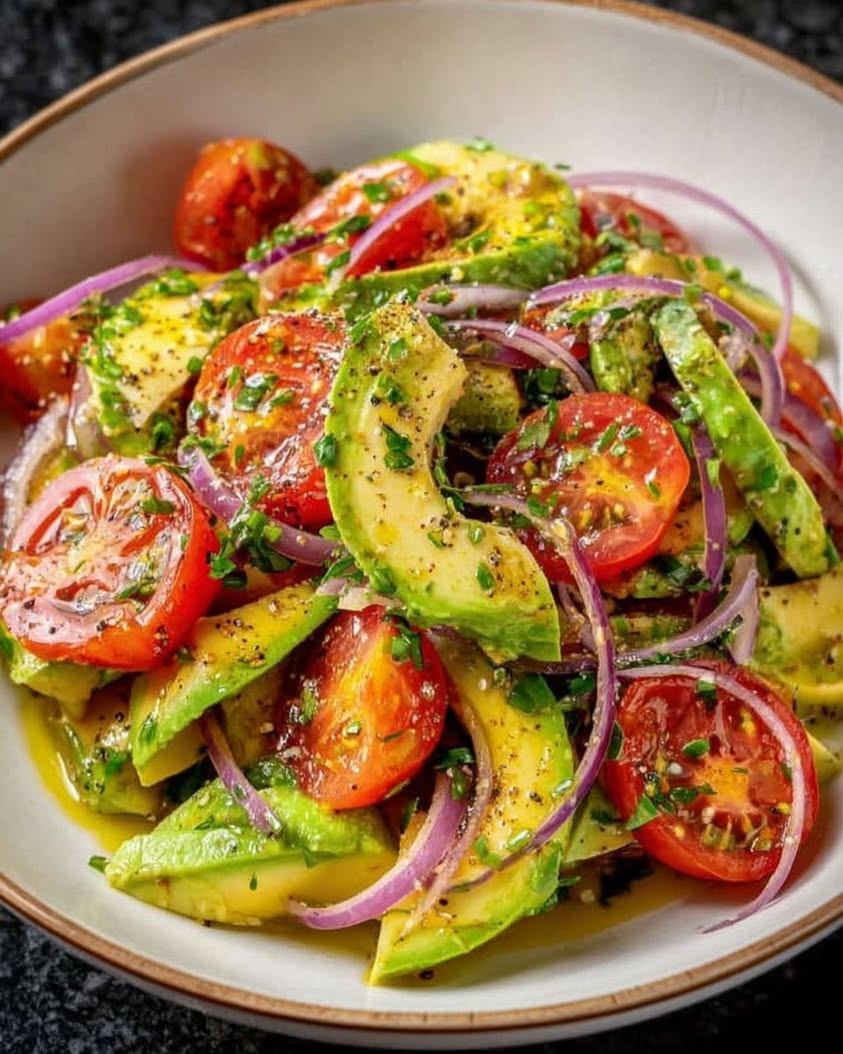
- Visual Appeal: This dish is a feast for the eyes. The vibrant red of the tomatoes, deep green of the avocado, and purple of the onion make a stunning color palette. It looks incredibly appetizing on any table.
- Skill Level Needed: Absolutely no advanced skills are required. This is a beginner-friendly recipe that involves only chopping and mixing. If you can use a knife, you can master this avocado tomato onion salad.
- Special Equipment: You need only basic kitchen tools. A sharp knife, a cutting board, and a mixing bowl are sufficient. A citrus juicer can be helpful but is not mandatory for this simple salad.
Recipe Overview
- Difficulty Level: This recipe is categorically easy. It involves no heat application or complex techniques. The primary tasks are washing, chopping, and gentle tossing. Consequently, it is perfect for novice cooks or anyone needing a stress-free dish.
- Category: This dish falls squarely into the side salad category. It also works beautifully as a healthy snack or a light lunch. Furthermore, it can be a topping for grilled meats or fish, showing its versatile nature.
- Cuisine: While not tied to one specific culture, it draws inspiration from fresh, produce-focused cuisines like Mexican and Mediterranean. The use of lime, cilantro, and avocado is common in many Latin American dishes. Similarly, the tomato-onion-olive oil base is a Mediterranean classic.
- Cost: This is a very budget-friendly recipe, especially in summer. Avocados and tomatoes can be seasonal purchases. Using a single onion and basic pantry staples for dressing keeps the cost per serving remarkably low.
- Season: This avocado tomato onion salad is ideal for late spring through early fall. This is when tomatoes are at their sweet, juicy peak and avocados are plentiful. It captures the essence of summer on a plate.
- Occasion: It is incredibly versatile for events. Serve it at casual weeknight dinners, weekend barbecues, potlucks, or picnics. It also makes an elegant, light starter for more formal gatherings.
Why You’ll Love This Recipe
First and foremost, the taste and texture are utterly irresistible. The creamy avocado melts in your mouth, while the tomato bursts with sweet, acidic juice. The red onion provides a crisp, clean bite that wakes up your palate. Each ingredient complements the others without overpowering. The simple dressing of lime juice, olive oil, salt, and pepper enhances the natural flavors rather than masking them. This harmony makes every forkful a perfect balance of fat, acid, and crunch.
Furthermore, the convenience factor is a major win. You can prepare this entire avocado tomato onion salad in about fifteen minutes with zero cooking. It is the ultimate last-minute dish when guests arrive unexpectedly. Moreover, it requires minimal cleanup since you only need a knife, board, and bowl. This makes it a lifesaver on busy weeknights. You can focus on your main course or simply enjoy this healthy salad on its own.
Nutritionally, this salad is a powerhouse. Avocados provide heart-healthy monounsaturated fats and fiber. Tomatoes are loaded with vitamin C and the antioxidant lycopene. Red onions offer quercetin, a compound with anti-inflammatory properties. Together, they create a meal that supports overall wellness. It is naturally gluten-free, dairy-free, and vegan. Therefore, it fits seamlessly into numerous dietary lifestyles without any special modifications.
For entertaining, this salad is a social superstar. Its vibrant colors make it a beautiful centerpiece on a buffet table. It pairs wonderfully with almost any grilled protein, from chicken to steak to fish. Guests always appreciate a fresh, healthy option among richer dishes. You can easily double or triple the recipe for a crowd without any complicated scaling math. It is a reliable crowd-pleaser that looks far more impressive than the effort required.
Finally, it is incredibly cost-effective and accessible. The ingredient list is short and consists of common items. You can often find ripe avocados and tomatoes on sale during their peak season. There is no need for expensive, hard-to-find specialty products. This accessibility means you can enjoy a restaurant-quality, healthy salad at home for a fraction of the price. It proves that eating well does not have to be complicated or expensive.
Historical Background and Cultural Significance
The origins of combining avocado, tomato, and onion are wonderfully diffuse, reflecting a natural culinary convergence. While no single culture claims invention, similar salads appear across continents. In Mexico, a basic salad of these ingredients often accompanies tacos and grilled meats. Mediterranean countries combine tomatoes and onions frequently, adding local herbs and cheeses. The avocado’s journey from Central America to global kitchens allowed this trinity to form everywhere.
Culturally, this combination represents a celebration of fresh, local produce. Before complex global supply chains, people ate what was ripe and nearby. In summer, tomatoes and onions are ready in gardens across many climates. The addition of avocado, once it became widely available, was a logical step for creaminess and fat. This salad is a modern testament to that timeless principle. It is food in its most honest and seasonal form.
The recipe has evolved primarily in its dressings and additions. The core trio remains constant. However, in the American Southwest, you might find a cumin-lime dressing. In Italy, one might use basil and balsamic vinegar instead of cilantro and lime. These regional twists personalize the basic framework. The internet age has further popularized the combination as a “superfood” salad. Its health benefits have propelled it into the mainstream wellness conversation.
Regional variations are fascinating to explore. In the Caribbean, a Scotch bonnet pepper might be added for heat. A Greek version would include Kalamata olives and feta cheese. Some Asian interpretations use a rice vinegar and sesame oil dressing. This global adaptability proves the strength of the core formula. The avocado tomato onion salad is a culinary chameleon. It welcomes influence while maintaining its essential, refreshing character.
Ingredient Deep Dive
Let us start with the avocado, the star of our salad. Native to south-central Mexico, this fruit has been cultivated for thousands of years. It is packed with monounsaturated fats, which are beneficial for heart health. It also provides nearly 20 vitamins and minerals, including potassium and vitamins K, C, and E. Select an avocado that yields slightly to gentle pressure near the stem. Store unripe avocados at room temperature and refrigerate once ripe. For a substitute, try creamy goat cheese or even blanched, chopped asparagus for a different texture.
Next, the tomato brings vital acidity and juice. Tomatoes originated in western South America and were later cultivated in Mexico. They are an excellent source of vitamin C, potassium, and the antioxidant lycopene. Always choose tomatoes that are heavy for their size and have a deep, uniform color. Never refrigerate tomatoes, as cold temperatures degrade their texture and flavor. If tomatoes are out of season, high-quality canned cherry tomatoes, drained, can work in a pinch. Alternatively, try using ripe mango for a sweet twist.
The red onion provides crucial sharpness and color. Onions have been a dietary staple since prehistoric times. Red onions contain anthocyanins, the pigments that give them color and offer antioxidant properties. They also have quercetin. Choose onions that are firm with dry, papery skins and no soft spots. Store them in a cool, dark, well-ventilated place. For a milder flavor, soak sliced red onions in ice water for 10 minutes before adding. Shallots or thinly sliced green onions make excellent, less pungent substitutes.
Fresh lime juice is the acid that brightens the entire dish. Limes are believed to have originated in Southeast Asia. They are famous for their high vitamin C content, which aids iron absorption. Always juice limes at room temperature for maximum yield. You can store whole limes at room temperature for a week or in the fridge for up to a month. Lemon juice is the most direct substitute, though it has a slightly different flavor profile. A mild white wine vinegar could also work in a pinch.
Extra virgin olive oil adds richness and carries flavors. Olive cultivation began in the Mediterranean over 6,000 years ago. It is a source of healthy fats and antioxidants. Choose a bottle labeled “extra virgin” for the best flavor and quality. Store it in a cool, dark place away from the stove. A neutral oil like avocado oil can substitute, but you will lose the distinctive fruity note. For a dairy-free creaminess, a splash of tahini thinned with water is an interesting alternative dressing base.
Finally, fresh cilantro offers an herbal finish. Cilantro has a long history of use in Latin American, Asian, and Middle Eastern cuisines. It is a good source of vitamins A, C, and K. Choose bunches with vibrant green leaves and firm stems. Store it like a bouquet in a jar of water in the fridge, covered with a plastic bag. For those who dislike cilantro, fresh parsley, basil, or dill are wonderful alternatives. Each will steer the salad’s flavor profile in a new direction.
Common Mistakes to Avoid
- Using underripe or overripe avocados. An underripe avocado will be hard and tasteless, while an overripe one turns mushy and brown. The perfect avocado yields slightly to gentle pressure. Check by removing the small stem nub; if it’s green underneath, it’s ready.
- Refrigerating tomatoes before using them. Cold temperatures break down the tomato’s cell structure, resulting in a mealy, bland texture. Always keep tomatoes at room temperature until you are ready to chop and serve your avocado tomato onion salad.
- Not soaking the red onions. Raw red onion can be overwhelmingly pungent. Soaking the thin slices in ice water for 5-10 minutes tames their sharp bite. This step makes the onion crisp and pleasantly flavorful instead of harsh.
- Adding salt too early. Salting the avocado directly and letting it sit will draw out moisture and accelerate browning. Always assemble the salad just before serving. Add the salt and dressing at the last possible moment for the freshest appearance.
- Over-mixing the salad. Avocado is delicate. Stirring or tossing too vigorously will smash the creamy chunks into a guacamole-like consistency. Gently fold the ingredients together to maintain distinct pieces and textures.
- Using bottled lime juice. The flavor of fresh-squeezed lime juice is far brighter and more complex than its bottled counterpart. Bottled juice often contains preservatives and lacks the vibrant acidity that makes this salad sing.
- Skipping the acid balance. The lime juice is not optional. Its acidity cuts through the fat of the avocado and balances the sweetness of the tomato. Without enough acid, the salad will taste flat and overly rich.
- Chopping ingredients too large or too small. Inconsistent sizes lead to awkward bites. Aim for a medium, uniform dice on the avocado and tomato. Slice the onion thinly so it integrates well without dominating a mouthful.
- Forgetting to taste and adjust. Seasoning is personal. After combining everything, taste the salad. You may need an extra pinch of salt, a squeeze of lime, or a crack of black pepper to perfect the flavor balance.
- Making it too far in advance. This avocado tomato onion salad is best enjoyed immediately. While you can prep ingredients separately, the combined salad will become watery and the avocado will brown if left for more than an hour.
Essential Techniques
Properly dicing an avocado is a foundational skill. First, slice the avocado in half lengthwise around the pit. Twist the halves apart. Safely remove the pit by tapping it with a chef’s knife’s heel and twisting. Then, make lengthwise and crosswise cuts in the flesh while still in the skin. Finally, scoop out the neat cubes with a spoon. This technique gives you uniform pieces without mashing. The key is using a ripe avocado and a sharp knife for clean cuts.
Soaking red onions is a simple but transformative technique. Thinly slice the onion. Then, submerge the slices in a bowl of ice water for 5 to 10 minutes. The cold water crisps the onion and mellows its sulfuric compounds. Afterwards, drain and pat them dry thoroughly. This prevents the onion’s strong flavor from overpowering the delicate avocado and tomato. It also adds a delightful crunch to your avocado tomato onion salad.
Juicing a lime for maximum yield is easy. Roll the whole lime firmly on the countertop with the palm of your hand before cutting. This pressure breaks down the internal membranes. Then, cut the lime in half and use a reamer or citrus juicer. If juicing by hand, use a fork to twist and press inside the halved lime. Always juice at room temperature. This technique ensures you get every last drop of precious, flavorful juice for your dressing.
Gentle folding is the final mixing technique. Combine your chopped ingredients in a wide, shallow bowl. Drizzle the dressing over the top. Using a large rubber spatula or serving spoon, lift the ingredients from the bottom of the bowl and turn them over onto themselves. Repeat just until the dressing is distributed. Avoid stirring or mashing. This method preserves the integrity of each component, ensuring a perfect texture in every bite of your finished salad.
Pro Tips for Perfect Avocado Tomato Onion Salad
Select avocados that are ripe but firm. The stem nub trick is the most reliable indicator. If the area underneath is brown, the avocado is overripe. A green spot means it is perfect. This simple check prevents disappointment.
Use a serrated knife for tomatoes. A smooth blade can crush the tomato’s skin before slicing through. A serrated knife, like a bread knife, glides through the skin easily. This results in clean cuts and less juice loss.
Dice ingredients to similar sizes. Aim for a ½-inch to ¾-inch dice on the avocado and tomato. This ensures each forkful gets a balanced mix of all flavors and textures. Uniformity is key for the perfect bite.
Season in layers. Lightly salt the tomato and onion separately after chopping. Let them sit for a minute to draw out their own juices. Then, combine everything. This builds a more complex, seasoned foundation for the salad.
Add the avocado last. Prepare all other ingredients and the dressing first. Dice and add the avocado just before final mixing. This minimizes its exposure to air, which is the main cause of oxidation and browning.
Use high-quality extra virgin olive oil. Since the dressing is so simple, the flavor of the oil shines through. A fruity, peppery olive oil will elevate the entire dish from good to exceptional.
Consider adding a pinch of cumin or chili powder. A tiny amount of ground spice in the dressing can add wonderful depth. It complements the ingredients without being identifiable. Start with ¼ teaspoon and adjust to taste.
Garnish with the cilantro stems. Finely chop the tender stems along with the leaves. They pack a potent cilantro flavor. This reduces waste and increases the herbal punch in your avocado tomato onion salad.
Variations and Adaptations
For regional twists, consider a Mediterranean version. Substitute the cilantro with fresh basil or oregano. Add crumbled feta cheese and Kalamata olives. Use a red wine vinegar and oregano dressing instead of lime. This variation pairs beautifully with grilled lamb or chicken.
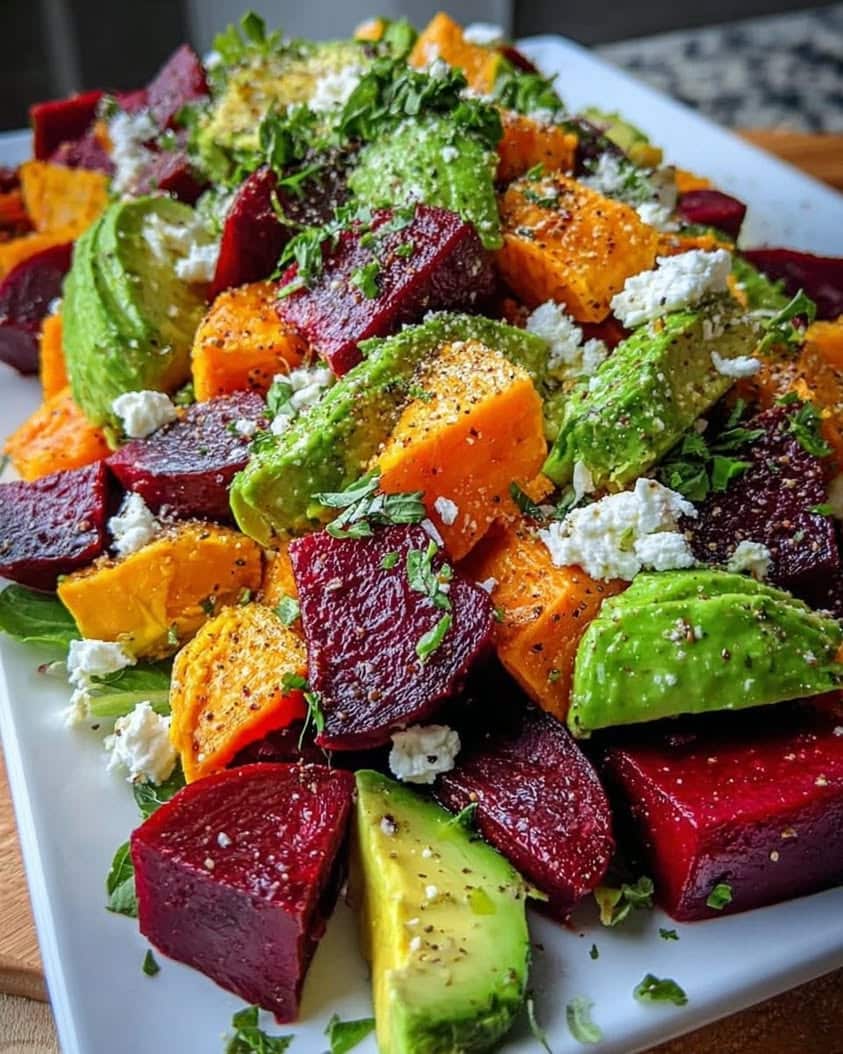
Seasonal adaptations are easy. In winter, use sweet cherry tomatoes and add segments of citrus like orange or grapefruit. For a fall twist, add roasted cubes of butternut squash and pepitas. The basic formula welcomes hearty additions when summer produce is scarce.
Dietary modifications are straightforward. For a vegan, Whole30, or Paleo meal, the recipe is perfect as-is. To add protein for a main dish, mix in cooked quinoa, black beans, or chickpeas. For a keto version, simply increase the avocado ratio and reduce the tomato slightly.
Flavor variations can take many directions. Add minced jalapeño or serrano pepper for heat. Incorporate a teaspoon of Dijon mustard into the dressing for tang. A drizzle of balsamic glaze at the end adds sweet acidity. A handful of sweet corn kernels brings a pop of summer sweetness.
Texture modifications can refresh the experience. Instead of dicing, try slicing the avocado and tomatoes. This creates a more elegant, composed plate. For extra crunch, add toasted pine nuts, sunflower seeds, or homemade croutons just before serving.
Presentation alternatives make it fun. Serve the salad in halved avocado shells or endive leaves as appetizer cups. Layer it in a glass trifle dish for a stunning visual effect. Skewer the ingredients on toothpicks for a party-friendly, mess-free option.
Serving and Presentation Guide
Plating techniques matter for visual appeal. For individual servings, use a wide, shallow bowl or plate. Arrange the salad in a loose mound, allowing the colors to show. Avoid packing it down. For a family-style presentation, a wide, low ceramic bowl or a rustic wooden salad bowl works beautifully. The key is to let the ingredients breathe and look abundant.
Garnishing adds the final professional touch. A final sprinkle of flaky sea salt and cracked black pepper on top looks elegant. Add a few whole cilantro leaves or edible flowers. A lime wedge on the side invites guests to add extra brightness. A light drizzle of olive oil over the finished plate adds a glossy, appealing sheen.
Traditional accompaniments are simple and complementary. In Mexico, this salad often sits alongside grilled carne asada, tacos al pastor, or fresh seafood. It acts as a fresh counterpoint to rich, spicy, or smoky main dishes. Tortilla chips for scooping are also a classic and fun way to eat it.
Modern serving suggestions are versatile. Top a grain bowl with this salad for a complete lunch. Use it as a fresh topping for grilled chicken breasts or fish tacos. Serve it alongside scrambled eggs for a vibrant breakfast. Stuff it into a pita pocket with hummus for a quick wrap.
Temperature considerations are crucial. All ingredients should be at cool room temperature. Chilled avocado can be hard and flavorless. Cold tomatoes lose their taste. Assemble the salad just before serving to prevent wilting or sogginess. The perfect avocado tomato onion salad is fresh, not cold.
Portion control is easy with this healthy dish. As a side, a heaping half-cup to one cup per person is sufficient. As a main dish, aim for one and a half to two cups per serving. Remember, the salad is nutrient-dense but not overly caloric. It is easy to enjoy a satisfying portion without overindulging.
Wine and Beverage Pairing
Wine pairings should complement the salad’s acidity and freshness. A crisp, dry Sauvignon Blanc with its citrus and herbal notes is a perfect match. It echoes the lime and cilantro flavors. A Spanish Albariño or a Portuguese Vinho Verde also works wonderfully with their bright acidity and minerality. For a rosé, choose a dry Provençal style. Avoid heavily oaked wines, as they will clash with the salad’s clean, vibrant profile.
Non-alcoholic alternatives can be just as sophisticated. A sparkling water with a squeeze of lime and a few cucumber slices is refreshing. Iced herbal teas, like lemongrass or mint, are excellent choices. For a more complex mocktail, try a ginger beer with muddled cilantro and lime. The goal is a beverage that cleanses the palate between bites of the rich avocado.
While not typical for a salad, certain light beers pair nicely. A Mexican lager like Corona or Modelo with a lime wedge is a classic, casual pairing. A Belgian-style witbier (white beer) with coriander and orange peel notes can complement the cilantro and citrus in the avocado tomato onion salad beautifully.
Temperature is key for all beverage pairings. White wines, rosés, and beers should be well-chilled but not ice-cold. Over-chilling mutes their flavors. Non-alcoholic drinks are best served cold or over ice. The contrast between the cool drink and the room-temperature salad is part of the enjoyable experience.
Serving suggestions are simple. Pour wines into appropriate glassware to appreciate their aroma. Serve beers in a glass, not straight from the bottle. Present non-alcoholic options in a pretty pitcher with ice and garnishes. Offering a thoughtful beverage pairing elevates the entire meal from simple to special.
Storage and Shelf Life
Storage methods for leftovers are limited but possible. Place any leftover salad in an airtight container. Press a piece of plastic wrap directly onto the surface of the salad to limit air exposure. Then, seal the container lid. Store it in the refrigerator. However, note that the avocado will begin to brown and the tomatoes will release water.
Temperature requirements are strict. The assembled salad must be kept refrigerated if not eaten immediately. Do not leave it at room temperature for more than two hours. The high moisture content of the tomatoes and the delicate nature of the avocado make it susceptible to bacterial growth if left warm.
Container recommendations are important. Use a glass or BPA-free plastic container with a tight-fitting lid. A shallow container is better than a deep one, as it minimizes crushing. The direct-contact plastic wrap trick is the best defense against avocado oxidation for short-term storage.
Signs of spoilage are usually visual and olfactory. Discard the salad if the avocado has turned extensively brown and mushy beyond the surface. If the tomatoes have made the mixture excessively watery and slimy, it is past its prime. Any off or sour smell is a clear indicator that the salad should not be consumed.
Reheating instructions do not apply. This is a cold, fresh salad. Attempting to reheat it would ruin the texture entirely. It is meant to be enjoyed cold or at room temperature directly after preparation.
Freezing guidelines are not recommended. Freezing will completely destroy the cellular structure of the avocado and tomato. They will become mushy and watery upon thawing. This avocado tomato onion salad is a strictly fresh preparation. It does not hold up to freezing at all.
Make Ahead Strategies
A prep timeline can save you time during busy meals. Up to a day ahead, you can wash and dry the cilantro. You can also slice the red onion and store it submerged in water in the fridge. Measure out your olive oil, salt, and pepper. Have your limes ready at room temperature.
Storage between steps is key. Keep pre-chopped onions in their water bath in the refrigerator. Store washed herbs wrapped in a damp paper towel inside a sealed bag. Keep tomatoes and avocados whole and at room temperature until the final hour before serving. This maintains their optimal texture and flavor.
Quality impact assessment is honest. While you can prep components, the assembled salad’s quality peaks immediately after mixing. The avocado will begin to oxidize, and the salt will draw water from the tomatoes. For the best experience, aim to assemble no more than 30 minutes before serving.
Assembly tips for last-minute ease. Set out your mixing bowl and serving dish. Have all prepped ingredients measured and ready. Just before serving, dice the avocado and tomato. Drain and pat the onions dry. Combine everything, dress, toss gently, and serve immediately. This streamlined process takes only five minutes.
Reheating guidelines are not applicable, as discussed. The make-ahead strategy is about component prep, not making the finished dish in advance. The final act of combining should be the last step before the meal.
Fresh element additions are your secret weapon. If you must store a leftover portion, revive it with a fresh squeeze of lime juice and a new sprinkle of chopped cilantro before serving again. This can help brighten flavors that have muted in the fridge overnight.
Scaling Instructions
Halving the recipe is straightforward for smaller servings. Simply divide all ingredient quantities by two. Use one small avocado, one medium tomato, and a quarter of a red onion. The preparation method remains identical. The only adjustment is using a smaller mixing bowl. This is perfect for a quick lunch for one or two people.
Doubling or tripling for a crowd is easy but requires attention. Multiply all ingredients consistently. However, use a very large, wide bowl for mixing to allow for gentle folding. Consider mixing in batches to avoid crushing the avocado. You may need to juice limes in batches as well. For large events, this avocado tomato onion salad scales beautifully.
Equipment adjustments may be necessary when scaling up. A sharp, high-quality chef’s knife becomes even more important for efficiently chopping larger volumes of vegetables. You may need multiple cutting boards to keep ingredients separate during prep. For very large batches, a commercial-style vegetable chopper can save significant time.
Timing modifications are minimal. Prep time will increase linearly with the quantity. Chopping more vegetables takes more time. However, the “cook time” remains zero. Factor in an extra 10-15 minutes of prep for each time you double the recipe. The assembly and mixing time only increases slightly.
Storage considerations change with scale. A large batch for a party should be served immediately. If you must make a double batch with leftovers in mind, consider storing the dressed salad in several smaller containers. This limits the air exposure for each portion and keeps leftovers fresher.
Nutritional Deep Dive
The macro breakdown of this salad is favorable for balanced eating. A serving provides healthy fats primarily from the avocado and olive oil. These are monounsaturated fats that support heart health. The tomatoes and onions contribute complex carbohydrates and fiber. The salad is naturally low in protein, so pairing it with a protein source makes a complete meal. It is also very low in saturated fat and contains no cholesterol.
Micronutrient analysis reveals a wealth of vitamins and minerals. Avocados are rich in potassium, even more than bananas, and vitamins K, C, E, and B-6. Tomatoes provide significant vitamin C, potassium, and the antioxidant lycopene. Red onions offer vitamin C, B vitamins, and potassium. The lime juice adds a boost of vitamin C as well. Together, they create a nutrient-dense dish.
Health benefits are numerous. The monounsaturated fats can help reduce bad cholesterol levels. The fiber promotes digestive health and satiety. Lycopene from tomatoes is linked to reduced risk of heart disease and cancer. The antioxidants in all the ingredients combat oxidative stress and inflammation in the body. This makes the avocado tomato onion salad a true functional food.
Dietary considerations are mostly positive. The recipe is naturally gluten-free, dairy-free, vegan, paleo, and Whole30 compliant. It fits into Mediterranean, vegetarian, and plant-based diets effortlessly. For those on low-FODMAP diets, the onion may need to be omitted or replaced with the green tops of spring onions.
Portion analysis shows it is satisfying without being excessively high in calories. A generous serving contains a good amount of fiber and healthy fat, which helps you feel full. This can prevent overeating later. It is a volume eater’s friend, providing a large, visually appealing portion for a moderate calorie count.
Weight management tips include using this salad as a base. Its high fiber and water content promote fullness. Enjoy it as a starter to help control portions of a richer main course. You can also add lean protein like grilled chicken or shrimp directly to it to create a complete, balanced meal that supports weight goals.
Dietary Adaptations
For a gluten-free diet, this recipe requires no changes. It contains no gluten-containing grains or additives. Always ensure your specific brands of olive oil and other pantry staples are certified gluten-free if you have celiac disease, but this is rarely an issue.
For a dairy-free diet, the recipe is perfect as written. No dairy products are used. It is a creamy-tasting salad without any milk, cheese, or yogurt. This makes it an excellent choice for those with lactose intolerance or a dairy allergy.
For a vegan diet, this is an ideal recipe. All ingredients are plant-based. The creaminess comes from avocado, not animal products. It is a nutrient-dense staple for anyone following a vegan or plant-based lifestyle.
For a low-carb or keto diet, the main adjustment is moderating the tomato. Tomatoes contain some natural sugars. You can reduce the tomato quantity slightly and increase the avocado. The onions are fine in moderation. The dressing ingredients are all low-carb friendly.
For a Paleo diet, the recipe is fully compliant. It uses whole, unprocessed foods that would have been available in prehistoric times. There are no grains, legumes, dairy, or refined sugars. It aligns perfectly with Paleo nutritional principles.
For a low-FODMAP diet, the red onion is the primary concern, as it is high in fructans. Replace it with the green tops of spring onions (scallions), which are low-FODMAP. Ensure the avocado portion is limited to 1/8 of a whole per serving to stay within recommended limits.
For other specific diets like Whole30, it is fully approved. It contains no sugar, grains, legumes, dairy, or additives. It is made entirely from whole food ingredients. This avocado tomato onion salad is a fantastic option during a Whole30 reset.
Troubleshooting Guide
If your salad becomes watery, you likely salted it too early or let it sit too long. The salt draws moisture from the tomatoes. Solution: Always add salt at the last second. For a currently watery salad, drain the excess liquid from the bowl before serving. You can also use a slotted spoon to serve it.
If the avocado turns brown quickly, it was overexposed to air. Solution: Add the avocado last and mix gently. For storing leftovers, the plastic-wrap-pressed-to-the-surface method is crucial. A squeeze of extra lime juice over the top can also slow oxidation. The brown layer is safe to eat but can be skimmed off if desired.
If the flavors taste flat, you probably need more acid or salt. Solution: Add another squeeze of fresh lime juice and a pinch of flaky salt. Taste and adjust. Often, a dish just needs a brightening touch of acid or a seasoning boost to make the flavors pop.
If the onion is too strong and overpowering, you skipped the soaking step. Solution: For future batches, always soak sliced red onions in ice water. For this batch, you can try picking out some of the onion. Adding a bit more avocado and tomato can also help balance the flavor.
If the avocado is too hard or tasteless, it was underripe. Solution: Unfortunately, this is hard to fix once chopped. You can try adding a richer dressing with more olive oil and salt to compensate. For next time, learn the ripening and selection tips mentioned earlier in the ingredient deep dive.
If the salad lacks texture, the ingredients may have been chopped too small or over-mixed. Solution: Aim for a confident, medium dice next time. Gently fold ingredients instead of stirring. To rescue this batch, add a new element of crunch like toasted seeds or nuts just before serving.
Recipe Success Stories
Community feedback on this avocado tomato onion salad is overwhelmingly positive. Many readers report it becoming their “go-to” summer side dish. They love its reliability and the fact that even kids enjoy it. One common theme is how it impresses guests with minimal effort. People are often surprised that something so simple can taste so extraordinary. It consistently receives five-star ratings for its ease and flavor.
Variation successes are fun to hear about. One reader added grilled corn and cotija cheese for a Mexican street corn-inspired version. Another used it as a filling for omelets. A family made it a weekly “Taco Tuesday” staple, adjusting the heat level with different peppers for adults and kids. These adaptations show the recipe’s fantastic versatility as a culinary foundation.
Adaptation stories for dietary needs are inspiring. Several readers with gluten and dairy intolerances expressed gratitude for such a flavorful, “safe” recipe. Vegans appreciate its creaminess without dairy. One person on a low-carb diet simply reduced the tomato and added crumbled bacon, turning it into a hearty main course. It successfully meets diverse needs.
Reader suggestions have been incorporated into this very guide. The tip about soaking onions came directly from community comments. Suggestions for adding cumin, using different herbs, and serving suggestions have all been crowd-sourced from people who make this salad regularly. This collaborative spirit improves the recipe for everyone.
Photography tips from readers are helpful. Many note that natural, indirect light makes the colors of this salad truly pop. Shooting from above in a white Print
Avocado Tomato Onion Salad
- Total Time: 15 minutes
- Yield: 4
Description
A fresh and vibrant salad featuring creamy avocado, juicy tomatoes, and crisp red onions, tossed in a zesty lime dressing for a light and healthy side dish.
Ingredients
- 2 ripe avocados, diced
- 2 medium tomatoes, chopped
- 1/2 red onion, thinly sliced
- 1/4 cup fresh cilantro, chopped
- 2 tablespoons lime juice
- 2 tablespoons olive oil
- 1/2 teaspoon salt
- 1/4 teaspoon black pepper
Instructions
- In a large bowl, combine the diced avocados, chopped tomatoes, sliced red onion, and chopped cilantro.
- In a small bowl, whisk together the lime juice, olive oil, salt, and black pepper until well combined.
- Pour the dressing over the salad ingredients and gently toss to coat everything evenly.
- Serve immediately or chill for 10 minutes to let the flavors meld.
Notes
You can customize the seasonings to taste.
- Prep Time: 15 minutes
- Cook Time: 0 minutes
- Method: Side
- Cuisine: American