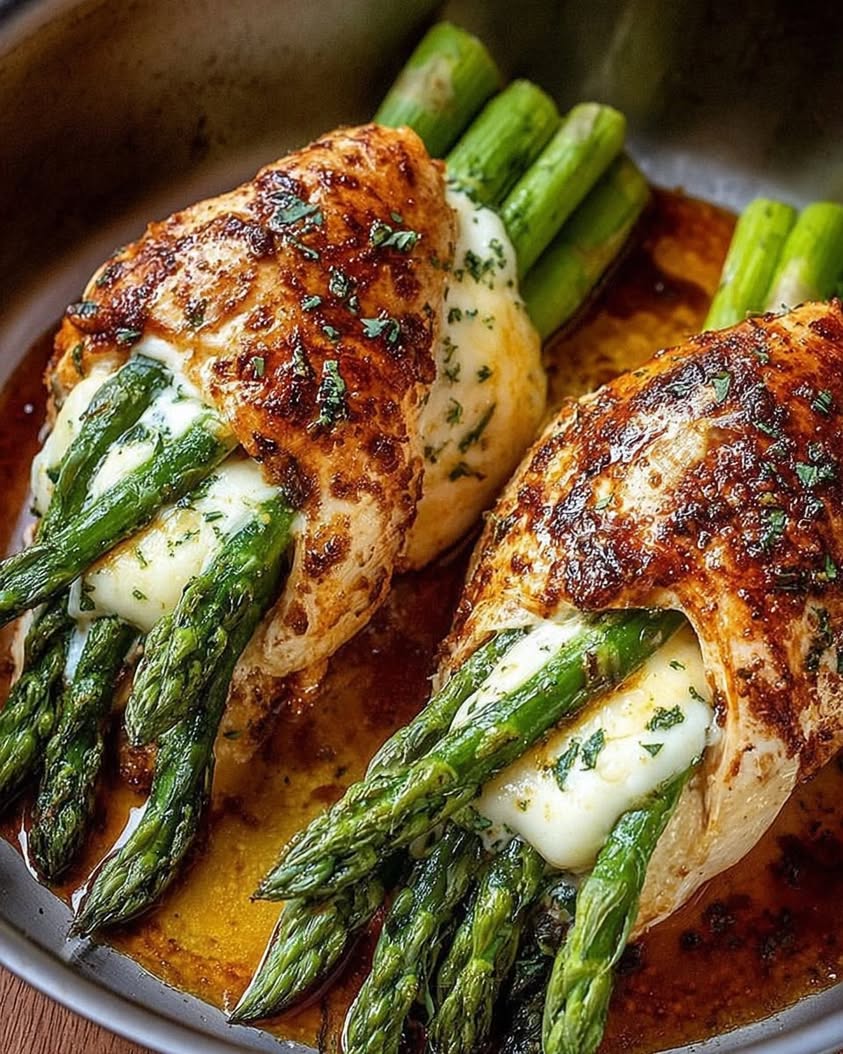
Asparagus Stuffed Chicken Breast: An Elegant, Easy Weeknight Dinner
Imagine slicing into a perfectly golden chicken breast to reveal a vibrant, tender bundle of asparagus and melted cheese. This Asparagus Stuffed Chicken Breast recipe transforms simple ingredients into a restaurant-worthy meal that feels both special and surprisingly approachable. Moreover, it delivers a beautiful presentation that will impress family and guests alike, all while keeping your kitchen routine manageable on a busy evening. The combination of juicy chicken, crisp-tender asparagus, and creamy cheese creates a harmony of textures and flavors in every single bite.
This recipe is a fantastic solution for anyone seeking a healthy, protein-packed dinner that doesn’t sacrifice elegance. By stuffing the chicken, you ensure the meat stays incredibly moist and flavorful throughout the cooking process. Consequently, you get a delicious, well-rounded meal from a single pan, minimizing cleanup and maximizing satisfaction. Ultimately, mastering this Asparagus Stuffed Chicken Breast technique opens the door to endless variations, making it a versatile staple in your culinary repertoire.
Quick Recipe Highlights
- Flavor Profile: This dish features savory, well-seasoned chicken complemented by the fresh, slightly grassy notes of asparagus. The melted cheese, whether creamy mozzarella or tangy goat cheese, adds a rich, luxurious element that ties all the components together beautifully.
- Texture: You’ll experience a wonderful contrast between the crisp, golden-brown exterior of the chicken and its juicy, tender interior. The asparagus provides a pleasant snap, while the melted cheese offers a smooth, gooey finish that makes the dish incredibly satisfying.
- Aroma: As it bakes, your kitchen will fill with the irresistible scent of roasting garlic and herbs, mingled with the savory notes of cooking chicken and the subtle, sweet aroma of the asparagus. It’s a fragrance that promises a delicious meal is moments away.
- Visual Appeal: The presentation is stunning, with the stuffed chicken breasts boasting a gorgeous, golden-brown crust. When sliced, the vibrant green asparagus and oozing white cheese create a beautiful cross-section that looks professionally crafted and is sure to wow at the dinner table.
- Skill Level Needed: This recipe is perfect for confident beginners or intermediate home cooks. It requires basic knife skills for butterflying the chicken and a bit of patience for the stuffing and securing process, but the steps are straightforward and clearly explained.
- Special Equipment: You’ll need a good chef’s knife, a cutting board, toothpicks or kitchen twine for securing the chicken, and a reliable oven-safe skillet or baking dish. A meat mallet or rolling pin is helpful for evenly pounding the chicken, but the bottom of a heavy pan works in a pinch.
Recipe Overview
- Difficulty Level: We rate this Asparagus Stuffed Chicken Breast as intermediate. The process of butterflying and pounding the chicken requires a steady hand and a bit of practice. Additionally, properly stuffing and securing the breasts so the filling doesn’t leak demands attention to detail. However, with clear instructions, most home cooks can achieve excellent results on their first or second try.
- Category: This recipe falls squarely into the main course category, ideal for a hearty dinner. It’s a protein-centric dish that can be paired with simple sides like roasted potatoes, a fresh garden salad, or crusty bread to soak up the juices. It’s suitable for both casual family meals and more formal dinner parties.
- Cuisine: While stuffed meat dishes appear in many global cuisines, this preparation leans into modern American or European-inspired home cooking. It utilizes classic French technique—the paillard or butterflied cut—combined with fresh, accessible ingredients popular in contemporary healthy eating trends. It’s a versatile template that welcomes various cultural flavor infusions.
- Cost: This is a moderately priced meal. Chicken breasts and asparagus are common grocery items, and their cost can vary by season and region. Cheese and basic pantry staples like oil, garlic, and herbs round out the cost. Overall, it’s far more economical than ordering a similar dish at a restaurant, offering high perceived value for the price.
- Season: Asparagus Stuffed Chicken Breast is truly a celebration of spring, when asparagus is at its peak flavor and most affordable. However, thanks to year-round availability of both chicken and asparagus in most markets, it can be enjoyed anytime. It feels particularly fitting for lighter spring and summer evenings but is comforting enough for fall and winter.
- Occasion: This dish is incredibly versatile for occasions. It’s elegant enough for a date night at home, a small dinner party, or a holiday meal like Easter or Mother’s Day. Simultaneously, it’s straightforward enough to elevate a standard Tuesday night dinner, making the ordinary feel special without excessive effort.
Why You’ll Love This Asparagus Stuffed Chicken Breast
First and foremost, the taste and texture combination is simply unbeatable. Each forkful delivers a multi-sensory experience: the savory, herb-crusted chicken, the fresh pop of the asparagus, and the creamy, molten cheese center. This dish feels indulgent and restaurant-quality, yet it’s made from wholesome ingredients you can feel good about serving. The flavors are balanced and sophisticated, proving that healthy eating doesn’t have to be bland or boring. Furthermore, the visual appeal of slicing into the stuffed breast never fails to delight, making the cooking effort instantly rewarding.
From a convenience standpoint, this Asparagus Stuffed Chicken Breast recipe is a weeknight hero. Although it requires some hands-on prep, the active cooking time is relatively short, and the oven does most of the work. You can prepare the components ahead of time, making assembly a breeze when you’re ready to cook. Cleanup is minimal, especially if you use a single oven-safe skillet from sear to bake. Consequently, you get an impressive, complete meal without spending hours in the kitchen or creating a mountain of dishes, which is a major win for busy households.
Nutritionally, this meal is a powerhouse. Chicken breast is an excellent source of lean protein, essential for muscle repair and keeping you full. Asparagus is packed with fiber, folate, and vitamins A, C, and K. By baking the chicken instead of frying it, you keep added fats in check. You control the sodium and quality of ingredients, avoiding the hidden sugars and excessive oils often found in restaurant versions. Therefore, this dish supports a balanced diet while satisfying cravings for something delicious and special.
For social and entertaining value, this recipe is a guaranteed crowd-pleaser. It looks intricate and impressive, suggesting you spent far more time than you actually did. Serving individual stuffed breasts makes for beautiful, portion-controlled plating. It’s a conversation starter and shows care and effort, making guests feel valued. Because it’s all-in-one, you can focus on your company instead of juggling multiple complicated side dishes at the last minute. It’s the perfect centerpiece for a stress-free, memorable dinner party.
Finally, this Asparagus Stuffed Chicken Breast is cost-effective and accessible. The ingredients are not exotic or hard to find; they’re staples at any standard supermarket. Compared to the cost of a similar entrée at a mid-range restaurant, cooking this at home saves a significant amount of money. Additionally, the recipe is forgiving and adaptable. You can swap the cheese, use different herbs, or add sun-dried tomatoes or ham to the filling based on what you have on hand, reducing food waste and making the most of your grocery budget.
Historical Background and Cultural Significance
The concept of stuffing meat is an ancient culinary practice found across countless cultures, originally developed as a method to stretch expensive protein, add moisture, and incorporate flavorful, often foraged, ingredients. While the exact origin of an asparagus-stuffed chicken breast is not documented to a specific time or place, it sits firmly within a rich tradition of European and American cookery. Dishes like roulades, ballotines, and involtini all share the core technique of rolling fillings inside thin cuts of meat. This Asparagus Stuffed Chicken Breast is a modern, streamlined interpretation of those classic, often more labor-intensive, preparations.
Culturally, stuffing signifies abundance, care, and celebration. A stuffed roast or bird has long been the centerpiece of festive meals and holidays. This recipe democratizes that celebratory feeling, bringing the elegance of a stuffed dish to an everyday ingredient like the chicken breast. It reflects a contemporary food trend that prioritizes elevating simple, healthy foods with technique and presentation. Consequently, it bridges the gap between rustic home cooking and aspirational gourmet dining, making a special-occasion technique accessible for regular weeknights.
The evolution of this recipe is tied directly to the popularity of the chicken breast in late 20th-century American cuisine. As lean protein became a dietary focus, the chicken breast rose to prominence but often faced criticism for being dry or bland. Creative cooks responded by developing methods like stuffing, brining, and butterflying to inject flavor and retain moisture. The inclusion of asparagus, a vegetable associated with spring and fine dining, elevates the dish further. This evolution shows how home cooking adapts to nutritional trends while still seeking delicious, satisfying results.
Regional variations of this concept are endless. In Italy, you might find chicken breast stuffed with prosciutto and fontina, known as Saltimbocca or Involtini. In France, a similar technique is used with finer cuts, often involving duxelles or morels. The American version, as presented here, often favors bold, simple flavors and readily available ingredients like mozzarella and fresh asparagus. This adaptability is a testament to the technique’s solid foundation; by mastering the basic method of butterflying, stuffing, and searing, you can take your taste buds on a global tour from your own kitchen.
Ingredient Deep Dive
Chicken Breasts: The chicken breast is a lean, versatile canvas prized in modern cooking for its high protein and low fat content. Historically, dark meat was often preferred for its flavor and moisture, but the breast gained popularity with shifting dietary guidelines. Nutritionally, it’s an excellent source of niacin, vitamin B6, selenium, and phosphorus. For this recipe, select plump, evenly sized boneless, skinless breasts. Look for ones that are uniform in thickness for even cooking. To store, keep in the coldest part of your refrigerator for 1-2 days, or freeze for up to 9 months. For a juicier result, consider brining them in saltwater for 30 minutes before prepping. If needed, turkey cutlets or even pork tenderloin medallions can be substituted.
Asparagus: Asparagus has been cultivated as a culinary delicacy for over 2,000 years, enjoyed by ancient Romans and Egyptians. This perennial vegetable signals the arrival of spring. It is rich in folate, vitamins A, C, E, and K, and is a natural source of inulin, a prebiotic fiber. Choose firm, bright green spears with tight, compact tips. The ends should not be overly woody or dried out. Store asparagus upright in a jar with an inch of water in the refrigerator, loosely covered with a bag, for up to 5 days. For this stuffing, medium-thick spears work best—they are sturdy enough to handle but still tender. Thin spears can overcook, while very thick ones might need peeling. Broccoli spears or long green beans can work in a pinch as a substitute.
Cheese (Mozzarella/Goat Cheese): Cheese adds essential creaminess and richness to the filling. Mozzarella, with its excellent meltability and mild flavor, is a crowd-pleasing choice. Fresh mozzarella is ideal for its soft texture. Goat cheese offers a tangy, sophisticated contrast that pairs wonderfully with the asparagus. Cheese provides calcium, protein, and fat, which helps carry flavors and create a luxurious mouthfeel. Select high-quality cheese for the best result. Store according to package directions. Other excellent stuffing cheeses include fontina, havarti, brie (rind removed), or a sharp cheddar for a more pronounced flavor. For a dairy-free version, consider a melty plant-based cheese alternative.
Garlic & Herbs: Garlic and herbs are the flavor powerhouses. Garlic, used for millennia both medicinally and culinarily, adds a pungent, aromatic base note with cardiovascular benefits. Fresh herbs like thyme or rosemary contribute bright, earthy tones that cut through the richness. Dried herbs are more concentrated, so use about one-third the amount of fresh. Always use fresh garlic for the best flavor in this application. Store fresh herbs like bouquets in a glass of water in the fridge. These elements are crucial for building depth; without them, the dish can taste flat. If you lack fresh herbs, a teaspoon of Italian seasoning or Herbes de Provance is a fine substitute.
Common Mistakes to Avoid
- Not Pounding the Chicken Evenly: If your chicken breasts are uneven in thickness, the thinner parts will overcook and dry out while the thicker parts finish cooking. Always pound them to a uniform ¼-inch thickness. This ensures even cooking and makes rolling much easier.
- Overstuffing the Chicken: It’s tempting to add more filling, but overstuffing will cause the chicken to burst open during cooking, letting juices and cheese escape. Use a moderate amount of asparagus and cheese, and leave a clear border around the edges when assembling.
- Skipping the Sear: Do not transfer unstuffed chicken directly to the oven. Searing in a hot skillet first creates a flavorful golden-brown crust via the Maillard reaction. This step locks in juices and provides critical texture and color that baking alone cannot achieve.
- Using Wet Asparagus: If you wash the asparagus and don’t pat it thoroughly dry, the excess moisture will steam inside the chicken, making the filling soggy and preventing a good sear on the meat. Always dry vegetables thoroughly before stuffing.
- Underseasoning: Chicken breast needs ample seasoning. Be generous with salt and pepper both inside the pocket and on the exterior. Remember, some seasoning will be lost during searing and baking, so season confidently at every stage.
- Not Securing Properly: Relying on just the natural “roll” of the chicken is risky. Use enough toothpicks or kitchen twine to securely close the seam. If the bundle comes undone in the pan, the filling will spill out and potentially burn.
- Overcooking: This is the most common pitfall. Chicken breast cooks quickly, especially when butterflied and thin. Use a meat thermometer and pull the chicken from the oven when it reaches 160-165°F internally. It will continue to cook from residual heat.
- Cutting Immediately After Cooking: Let the Asparagus Stuffed Chicken Breast rest for 5-10 minutes after baking. This allows the juices to redistribute throughout the meat. If you cut it right away, the precious juices will run out onto the cutting board, leaving the chicken dry.
Essential Techniques
Butterflying Chicken Breast: This technique involves slicing the chicken breast horizontally almost all the way through, then opening it like a book. It creates a larger, thinner surface area for stuffing. Place the breast flat on a cutting board, palm firmly on top. Using a sharp knife held parallel to the board, slice into the thicker side, stopping about ½ inch from the opposite edge. Open it up. If it’s still uneven, you can cover it with plastic wrap and gently pound it to an even ¼-inch thickness. The key is a sharp knife and a confident, steady motion. A common mistake is cutting all the way through, creating two separate pieces instead of one connected piece.
Searing for Flavor and Color: Searing is the process of cooking the surface of the meat at a high temperature to create a browned crust. This isn’t to “seal in juices” (a myth), but to develop complex flavors through the Maillard reaction. Heat your skillet with oil until it shimmers and just begins to smoke. Carefully add the stuffed chicken, seam-side down first if possible, and do not move it for 2-3 minutes to allow a proper crust to form. The visual cue for success is a deep golden-brown color that releases easily from the pan. If it sticks, it’s not ready to flip. This step is non-negotiable for building the foundational flavor of your Asparagus Stuffed Chicken Breast.
Testing for Doneness: The safest and most accurate method is using an instant-read meat thermometer. Insert the probe into the thickest part of the chicken, avoiding the cheese filling if possible. The USDA recommends cooking chicken to 165°F. For the juiciest result, remove the chicken from the oven when it reads 160-162°F; carryover cooking will bring it to the safe temperature during resting. If you don’t have a thermometer, make a small cut in the thickest part; the juices should run clear, not pink. The meat should feel firm to the touch but not rock-hard. Undercooked chicken is a safety risk, while overcooked chicken becomes dry and tough.
Pro Tips for Perfect Asparagus Stuffed Chicken Breast
First, bring your chicken to room temperature for 15-20 minutes before cooking. Cold chicken going into a hot pan will seize up and cook unevenly, potentially leaving the center underdone while the outside is perfect.
Second, use a blend of oils for searing. A touch of butter added to the olive oil raises the smoke point and contributes a rich, nutty flavor to the crust that pure butter alone cannot achieve without burning.
Third, stuff the chicken with cold or room-temperature filling, not hot. Hot filling will start cooking the chicken from the inside prematurely, leading to an uneven and potentially unsafe cook.
Fourth, after searing, deglaze the hot skillet with a splash of white wine or chicken broth before transferring it to the oven. This lifts the flavorful browned bits (fond) from the pan, creating an instant sauce base for serving.
Fifth, consider adding a thin layer of prosciutto or deli ham inside the chicken before adding the asparagus and cheese. It adds a salty, savory punch and an extra layer of moisture protection.
Sixth, for extra insurance against dryness, brush the outside of the stuffed chicken very lightly with mayonnaise before searing. It sounds unusual, but it promotes incredible browning and keeps the exterior succulent.
Seventh, if using toothpicks, choose the flat, “restaurant-style” ones if possible. They are less likely to roll and provide better grip. Remember to count how many you use so you can remove them all before serving!
Eighth, let your baked Asparagus Stuffed Chicken Breast rest tented with foil for a full 10 minutes. This patience is rewarded with juicier meat and cleaner, neater slices when you cut into it.
Variations and Adaptations
Regional Variations: Take your taste buds traveling. For an Italian twist, stuff with sun-dried tomatoes, fresh basil, and mozzarella. A French-inspired version could use brie and sautéed mushrooms. For a Mediterranean flair, incorporate spinach, feta cheese, and kalamata olives. A Spanish variation might include manchego cheese and roasted red peppers. These simple swaps keep the technique identical while transforming the flavor profile entirely.
Seasonal Adaptations: While spring is ideal for asparagus, adapt the filling to what’s fresh. In summer, use roasted zucchini strips and fresh pesto. In autumn, try sautéed wild mushrooms and sage. In winter, a filling of caramelized onions and gruyere is wonderfully comforting. This approach ensures your Asparagus Stuffed Chicken Breast concept remains a year-round favorite.
Dietary Modifications: For a keto or low-carb version, ensure no breadcrumbs are in the filling and serve with a side of cauliflower mash. For gluten-free, simply avoid any flour-based thickeners if making a pan sauce. For dairy-free, use a high-quality vegan mozzarella or a cashew-based cream cheese. For paleo, omit the cheese and add more vegetables, perhaps with a slice of avocado inside after baking.
Flavor Variations: Experiment with different seasoning blends. A Cajun spice rub on the outside adds heat. A smear of Dijon mustard inside the pocket offers tang. A sprinkle of smoked paprika in the filling or on the crust introduces a subtle smokiness. Lemon zest mixed with the herbs brightens the entire dish. Don’t be afraid to personalize it.
Texture Modifications: For added crunch, include a few toasted pine nuts or slivered almonds in the stuffing. For a creamier interior, mix a tablespoon of softened cream cheese with the shredded mozzarella. To make the exterior extra crispy, a very light dredge in almond flour or grated parmesan before searing creates a delicious crust.
Presentation Alternatives: Instead of rolling, you can create a pocket by slicing a deep horizontal slit in the side of a chicken breast. For individual servings, use smaller chicken cutlets. For a family-style showstopper, butterfly a whole chicken breast, stuff it, roll it, and roast it as a larger roast, then slice it into medallions at the table.
Serving and Presentation Guide
Plating Techniques: For the most dramatic effect, place the whole stuffed breast on the plate and let your guest make the first cut, revealing the beautiful interior. Alternatively, slice it on a bias into 1-inch medallions and fan them out slightly on the plate. Always pour any pan juices or a simple sauce around, not over, the chicken to maintain the crispness of the seared exterior.
Garnishing Ideas: A final flourish elevates the plate. A simple sprinkle of flaky sea salt and freshly cracked black pepper adds texture. Fresh herb sprigs like thyme, parsley, or chives bring color. A drizzle of high-quality extra virgin olive oil or a balsamic glaze adds shine and a flavor accent. A few lemon wedges on the side are both functional and decorative.
Traditional Accompaniments: This dish pairs classically with simple, clean sides that don’t compete. Buttered egg noodles, creamy polenta, or roasted baby potatoes soak up the juices beautifully. A crisp, green salad with a lemon vinaigrette provides a refreshing contrast. Steamed rice or crusty bread are also excellent, no-fuss options.
Modern Serving Suggestions: For a lighter meal, serve atop a bed of quinoa or farro salad. For low-carb, pair with zucchini noodles or a cauliflower puree. For a deconstructed approach, serve the sliced chicken alongside a composed salad featuring shaved raw asparagus, arugula, and parmesan shavings.
Temperature Considerations: Serve the Asparagus Stuffed Chicken Breast hot from the oven after its rest. Warm your serving plates slightly to keep the food hot longer at the table. If serving with a cold side like salad, plate it separately or on the side to prevent the chicken from cooling down too quickly.
Portion Control Tips: One average-sized chicken breast half per person is a standard serving. For heartier appetites or if sides are light, you can serve a larger breast. For a multi-course meal or lighter eaters, consider slicing one breast between two people and supplementing with more substantial sides.
Wine and Beverage Pairing
Wine Pairings: The lean protein and green vegetable notes call for wines with good acidity. A crisp, unoaked Chardonnay complements the dish without overpowering it. A Sauvignon Blanc, with its herbal and citrus notes, is a classic match for asparagus. For red wine lovers, a light-bodied Pinot Noir with low tannins works beautifully, especially if the filling includes mushrooms or prosciutto. Avoid heavily oaked or high-tannin reds, as they can clash with the asparagus and make the chicken taste metallic.
Non-Alcoholic Alternatives: Sparkling water with a twist of lemon or a cucumber ribbon is always refreshing. For something more crafted, a ginger-based mocktail with lime and mint cuts through the richness. Iced herbal tea, like lemon verbena or mint, is another excellent choice. A tart cherry juice spritzer also offers a nice balance of sweet and sour that pairs well with the savory chicken.
Coffee/Tea Pairings: While not a typical dinner pairing, a post-meal espresso can be lovely. For tea, consider a green tea like Sencha, which has vegetal notes that echo the asparagus, or a light oolong. The key is to choose beverages that are cleansing and not too heavy or sweet, allowing the meal’s flavors to remain the focus.
Temperature Considerations: White wines and non-alcoholic spritzers should be served well-chilled, around 45-50°F. Light reds like Pinot Noir are best served slightly cooler than room temperature, around 55-60°F. This ensures the beverages refresh the palate rather than weighing it down alongside the warm, savory chicken.
Serving Suggestions: Always offer water on the table. If serving wine, pour a taste for the cook first to ensure it’s sound. For non-alcoholic options, consider serving them in elegant glassware to make the meal feel just as special. The right beverage pairing turns a great meal into a memorable dining experience.
Storage and Shelf Life
Storage Methods: Allow any leftover Asparagus Stuffed Chicken Breast to cool completely to room temperature within two hours of cooking. Do not leave it out longer due to food safety risks. Store the chicken in a shallow, airtight container. You can keep it whole or sliced, but sliced pieces may dry out slightly faster. Place a layer of parchment paper between slices if stacking them to prevent sticking.
Temperature Requirements: Refrigerate leftovers promptly. The safe storage temperature for cooked chicken is below 40°F. Use the main body of your refrigerator, not the door, where temperatures fluctuate more. Properly stored, cooked stuffed chicken will last for 3-4 days in the refrigerator.
Container Recommendations: Glass containers with tight-fitting lids are ideal as they don’t absorb odors and allow you to see the contents. Alternatively, use BPA-free plastic containers or wrap the chicken tightly in aluminum foil or plastic wrap before placing it in a zip-top bag. The goal is to minimize exposure to air, which accelerates drying and spoilage.
Signs of Spoilage: Before consuming leftovers, always check for signs of spoilage. Discard the chicken if you detect an off or sour smell, a slimy texture on the surface, or any visible mold. When in doubt, throw it out. Do not taste-test questionable food.
Reheating Instructions: To preserve moisture, reheat gently. The best method is in a covered oven-safe dish with a splash of broth or water at 325°F until warmed through (about 10-15 minutes). You can also use the microwave on medium power in 30-second intervals, but this may make the chicken rubbery. Avoid reheating in a toaster oven or air fryer without covering, as this will dry it out severely.
Freezing Guidelines: You can freeze cooked Asparagus Stuffed Chicken Breast for up to 2-3 months. Wrap each piece individually tightly in plastic wrap, then in aluminum foil or place in a heavy-duty freezer bag, removing as much air as possible. Thaw overnight in the refrigerator before reheating. Note that the texture of the asparagus may become softer upon thawing and reheating.
Make Ahead Strategies
Prep Timeline: You can prepare the components for Asparagus Stuffed Chicken Breast up to 24 hours in advance. Butterfly and pound the chicken breasts, then store them layered between parchment paper in an airtight container in the fridge. Trim and dry the asparagus. Shred or slice the cheese. Mix any dry seasoning blends. This “mise en place” turns the active cooking time into a simple 15-minute assembly and cook process.
Storage Between Steps: Keep prepped ingredients separate until you’re ready to cook. Do not stuff the chicken ahead of time and refrigerate it, as the salt from seasoning will draw moisture out of the chicken, making it wet and potentially unsafe as it sits raw with other ingredients. Keep everything chilled until the moment of assembly.
Quality Impact Assessment: Prepping ingredients ahead has minimal impact on final quality and can actually improve flavor as the chicken seasons throughout. The key is keeping everything very cold until cooking begins. The only potential downside is the asparagus may lose a tiny bit of its snap if pre-trimmed too far in advance, but for stuffing, this is negligible.
Assembly Tips: When ready to cook, take your prepped components from the fridge, assemble the stuffed chicken, secure it, season the outside, and proceed directly to searing. Having everything ready means the chicken spends less time at room temperature, which is safer and leads to better results.
Reheating Guidelines: This dish is best served fresh, but if you must make it fully ahead, follow the storage and reheating instructions above. For the best texture, consider under-baking by 5 degrees if you know you will reheat it later, to avoid overcooking during the second heat application.
Fresh Element Additions: If making ahead, consider adding a final fresh element after reheating. A sprinkle of newly chopped herbs, a fresh squeeze of lemon juice, or a drizzle of vibrant pesto added just before serving can revive the flavors and make the dish taste freshly made.
Scaling Instructions
Halving the Recipe: Halving this Asparagus Stuffed Chicken Breast recipe is straightforward. Use two chicken breast halves, 8-10 asparagus spears, and reduce all other ingredients by half. Cooking time may be slightly reduced by 3-5 minutes, so rely on your meat thermometer. Use a smaller skillet to ensure the pan stays properly crowded for a good sear.
Doubling or Tripling: For a larger crowd, simply multiply all ingredients. The key consideration is your cooking vessel. You will likely need to sear the chicken in batches to avoid overcrowding the pan, which causes steaming instead of browning. Use a large baking sheet or multiple oven-safe skillets for the baking stage. Stagger the batches so you can monitor each one’s internal temperature accurately.
Equipment Adjustments: When scaling up, ensure you have a large enough oven space and baking sheets. If using sheet pans, you may need to rotate them halfway through baking for even cooking. Having multiple instant-read thermometers is helpful for checking several pieces quickly. For very large batches, consider using disposable aluminum pans for easy cleanup.
Timing Modifications: Prep time scales linearly, but cook time does not. Searing will take longer as you work in batches. The oven time may need a slight increase if the baking dish is very crowded, as the steam released will slow the browning and cooking process. Always, always cook to temperature, not strictly to time.
Storage Considerations: If making a large batch with plans for leftovers, let the chicken cool completely before storing. Consider freezing a portion immediately for a future quick meal. Label containers with the date so you can manage your freezer inventory effectively.
Nutritional Deep Dive
Macro Breakdown: A typical serving of this Asparagus Stuffed Chicken Breast provides an excellent balance of macronutrients. It is high in protein from the chicken and cheese, which supports satiety and muscle maintenance. The fat content comes primarily from the cooking oil and cheese, offering sustained energy. Carbohydrates are minimal, coming almost exclusively from the fibrous asparagus. This macro profile makes it suitable for various eating plans, including higher-protein and lower-carb diets.
Micronutrient Analysis: This dish is a micronutrient powerhouse. Chicken breast provides B vitamins, particularly B6 and niacin, crucial for energy metabolism. Asparagus delivers a significant dose of vitamin K for bone health, folate for cell repair, and vitamins A and C as antioxidants. Garlic contributes manganese and vitamin B6. Using olive oil adds heart-healthy monounsaturated fats and vitamin E.
Health Benefits: The combination of lean protein and fibrous vegetables supports weight management by promoting fullness. The nutrients support immune function, bone health, and healthy metabolism. The dish is naturally gluten-free and can be adapted to be low in lactose if using certain cheeses. Its whole-food ingredient list means you’re avoiding processed additives common in pre-made meals.
Dietary Considerations: As written, this recipe is gluten-free. It contains dairy from the cheese. For those monitoring sodium, you can control the amount of added salt. For low-FODMAP diets, garlic can be replaced with garlic-infused oil, and asparagus spears should be limited to the tips only, as the stalks contain higher FODMAPs.
Portion Analysis: One stuffed chicken breast half is a substantial single serving. For precise calorie counting, weigh your individual ingredients. On average, a serving prepared with olive oil, mozzarella, and a medium chicken breast ranges from 350-450 calories, making it a satisfying yet calorie-conscious main course.
Weight Management Tips: To make this dish even more weight-loss friendly, use a reduced-fat cheese or slightly less cheese. Measure your cooking oil with a spoon instead of pouring freely. Serve with a large side of non-starchy vegetables like a big green salad to increase volume and fiber without adding significant calories.
Dietary Adaptations
Gluten-free: This Asparagus Stuffed Chicken Breast recipe is naturally gluten-free as written. Simply ensure that any pre-shredded cheese you use is certified gluten-free, as some anti-caking agents contain wheat. If you choose to make a pan sauce, thicken it with cornstarch instead of flour.
Dairy
Print Tender chicken breasts stuffed with fresh asparagus and creamy cheese, baked to perfection for a simple yet elegant meal. You can customize the seasonings to taste.Asparagus Stuffed Chicken Fillet
Description
Ingredients
Instructions
Notes