Easy Homemade Samoa Cookies Recipe: Irresistible Dessert Ideas for Every Home Baker
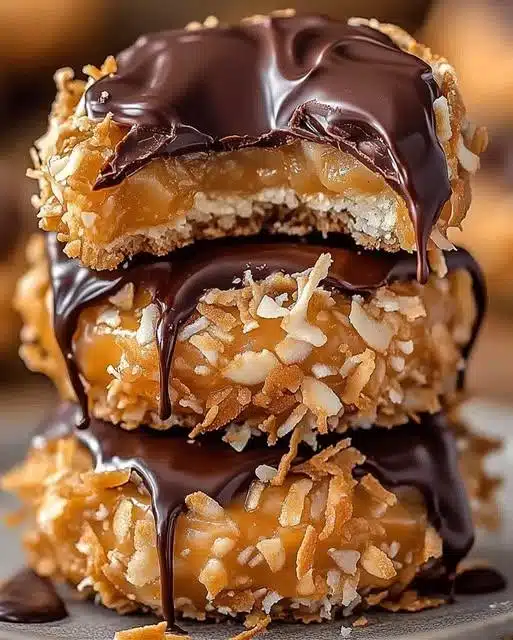
This Easy Homemade Samoa Cookies Recipe brings the beloved Girl Scout cookie straight into your own kitchen, and it delivers on every single front. You get a buttery shortbread base, a chewy caramel and toasted coconut topping, and a rich chocolate drizzle that ties everything together. Because this Easy Homemade Samoa Cookies Recipe uses simple pantry staples and clear steps, even a weekend baker can pull off a bakery-quality batch. Moreover, the payoff is enormous: warm, gooey, homemade cookies that taste fresher than anything from a box.
The first bite of a Samoa cookie is pure magic. The shortbread crumbles gently, the caramel stretches just enough to feel indulgent, and the toasted coconut adds a nutty depth that balances the sweetness. Then the chocolate drizzle hits your tongue and rounds out the flavor with a smooth, slightly bitter finish. Consequently, these cookies disappear fast at parties, bake sales, and holiday gatherings. In fact, this Easy Homemade Samoa Cookies Recipe has become a favorite dessert idea for families who want a fun weekend project with a spectacular result.
Beyond the taste, this Easy Homemade Samoa Cookies Recipe offers real convenience. You likely already have flour, butter, sugar, and vanilla in your pantry, and the caramel and coconut come together in one saucepan. Meanwhile, the dough chills while you prep the topping, so you save time without cutting corners. Above all, homemade Samoa cookies let you control the sweetness, the toast level of the coconut, and the amount of chocolate. Therefore, you end up with a dessert that fits your taste perfectly, and you gain a reliable recipe you can return to all year long.
Quick Recipe Highlights
- Flavor Profile: Expect a rich buttery shortbread, a deep caramel sweetness, and a toasted coconut nuttiness that keeps every bite interesting. The dark chocolate drizzle adds a gentle bitterness that balances the sugar beautifully.
- Texture: The base stays crisp and tender, while the caramel-coconut topping brings a chewy, slightly sticky contrast. Chocolate sets firm on top, so you get a satisfying snap with each bite.
- Aroma: Toasting coconut fills your kitchen with a warm, nutty fragrance that signals dessert is near. Brown butter and caramel notes deepen the aroma, and melted chocolate adds a final sweet finish.
- Visual Appeal: Golden shortbread rings topped with amber caramel and toasted coconut look rustic and inviting. Drizzled chocolate adds contrast and a professional touch that makes them look bakery-made.
- Skill Level Needed: You need basic baking skills such as creaming butter, shaping dough, and working with caramel. However, the steps stay straightforward, and visual cues guide you through each stage.
- Special Equipment: A stand or hand mixer speeds up the dough, and a 2-inch round cutter shapes the bases. You also need a small saucepan for caramel and a piping bag or zip bag for the chocolate drizzle.
Recipe Overview
- Difficulty Level: This recipe lands at an intermediate level because it involves two components: shortbread and caramel topping. Caramel requires attention to color and temperature, but the process stays forgiving. Beginners can succeed with a candy thermometer and patience. Overall, the effort rewards you with impressive cookies.
- Category: These cookies shine as a dessert, snack, or homemade gift. You can serve them at bake sales, cookie swaps, and holiday trays. Moreover, they work as an afternoon treat with coffee or tea.
- Cuisine: The recipe draws from American baking traditions with roots in Girl Scout cookie culture. Shortbread reflects Scottish influence, while caramel and coconut echo tropical flavors popular in the United States. Together, they create a distinctly American treat with global touches.
- Cost: A batch costs roughly 8 to 12 dollars depending on pantry stock and brand choices. Butter, sugar, and flour stay affordable, and coconut and chocolate are the pricier items. Per cookie, the cost drops well below store-bought versions.
- Season: These cookies suit fall and winter holidays best because caramel and chocolate feel cozy. However, they work year-round for parties and potlucks. Summer bakers can chill the dough faster and serve cookies with iced coffee.
- Occasion: Bake them for birthdays, cookie exchanges, school events, and holiday gift boxes. They also make a lovely addition to bridal showers and casual weekend gatherings. Because they travel well, they suit potlucks and picnics too.
Why You’ll Love This Recipe
Taste and texture define this Easy Homemade Samoa Cookies Recipe, and that combination keeps people coming back. The shortbread brings a clean butter flavor that never tastes heavy. The caramel adds a soft chew, and the toasted coconut contributes crunch and depth. Meanwhile, the chocolate drizzle smooths everything out with a bittersweet note. As a result, each cookie delivers a balanced bite that feels rich without overwhelming you.
Convenience makes this Easy Homemade Samoa Cookies Recipe a practical choice for busy bakers. The dough comes together in one bowl, and the topping cooks in a single saucepan. You can chill the dough for an hour or overnight, so you bake on your own schedule. Additionally, the cookies store well for days, which means you can bake ahead for events. Therefore, you gain flexibility without sacrificing freshness.
Nutritional advantages exist even in a dessert like this Easy Homemade Samoa Cookies Recipe. You control the sugar, and you can reduce it slightly in the shortbread without ruining the texture. Toasted coconut adds fiber and healthy fats, and dark chocolate brings antioxidants. Because you make them at home, you avoid preservatives and mystery ingredients. Consequently, you enjoy a treat that feels a little more wholesome than packaged cookies.
Social and entertaining value sets this Easy Homemade Samoa Cookies Recipe apart. These cookies look impressive on a platter, and guests always ask for the recipe. Kids love helping with the chocolate drizzle, which makes baking a family activity. Furthermore, cookie swaps and bake sales love a homemade version of a classic favorite. As a result, you become the baker everyone hopes will show up.
Cost-effectiveness and accessibility round out the appeal of this Easy Homemade Samoa Cookies Recipe. The ingredients are easy to find at any grocery store, and none of them are specialty items. You likely own the equipment already, so the barrier to entry stays low. Over time, homemade cookies cost less per serving than boxed versions. Moreover, you can double the batch for pennies more and share the bounty with friends and neighbors.
Historical Background and Cultural Significance
The Samoa cookie began as a Girl Scout cookie creation, and its origin story ties to the organization’s long history of cookie sales. Girl Scouts started selling cookies in the 1910s as a way to fund troop activities. Over decades, the cookie lineup grew, and caramel and coconut varieties appeared. The Samoa name emerged in the 1970s, though the exact origin of the name remains debated. Today, the cookie stands as one of the most beloved flavors in the lineup.
Cultural importance surrounds these cookies because they connect generations of families. Many Americans remember selling cookies door to door or buying boxes from a neighbor’s child. The Samoa, with its distinctive caramel and coconut, holds a nostalgic place in that memory. Consequently, homemade versions carry emotional weight beyond simple dessert. They evoke childhood, community, and the spirit of giving.
The evolution of the recipe reflects changing home baking trends. Early home versions relied on stovetop caramel and hand-shaped dough. Then food blogs and cooking shows popularized shortcut methods and clearer instructions. Now, home bakers can find dozens of variations, from air fryer versions to gluten-free adaptations. Meanwhile, the core combination of shortbread, caramel, coconut, and chocolate remains unchanged.
Regional variations exist across the United States and beyond. Some bakers add sea salt to the caramel for a modern twist, while others swap in dark chocolate or milk chocolate based on preference. In the South, cooks sometimes add pecans to the topping for extra crunch. Internationally, bakers in Canada and the UK have adopted the cookie with local ingredient tweaks. Therefore, the Samoa cookie continues to evolve while staying recognizable.
Ingredient Deep Dive
Butter anchors the shortbread in this Easy Homemade Samoa Cookies Recipe, and its history stretches back centuries in European baking. Unsalted butter gives you control over salt levels, and its fat content creates tenderness. Nutritionally, butter provides fat-soluble vitamins and rich flavor. When selecting butter, choose a reputable brand with high fat content for better texture. Store it wrapped in the fridge for up to a month or freeze it for longer. As a substitute, you can use plant-based butter sticks for a dairy-free version.
All-purpose flour builds the structure of the shortbread, and its role in baking dates back to ancient grain milling. Flour offers carbohydrates and small amounts of protein and B vitamins. Select a fresh, unbleached flour for consistent results, and check the expiration date. Keep flour in an airtight container in a cool, dark place for up to six months. For gluten-free needs, swap in a one-to-one gluten-free flour blend with a binder.
Granulated sugar sweetens the dough and helps browning during baking. Sugar has a long history in global trade, and it influences both flavor and texture in cookies. Use fresh, dry sugar, and store it in a sealed container away from moisture. You can reduce the sugar by a tablespoon or two without harming the dough. For a deeper flavor, substitute light brown sugar in part.
Toasted coconut defines the Samoa identity, and its culinary history spans tropical regions worldwide. Coconut provides fiber, healthy fats, and a natural sweetness that deepens when toasted. Choose unsweetened shredded coconut for control over sugar, and check for a fresh smell. Store coconut in the fridge after opening to preserve freshness. If you dislike coconut, chopped nuts or crushed graham crumbs can mimic the texture.
Soft caramels make the topping approachable, and their history links to candy making traditions in Europe and America. Caramels bring chew, sweetness, and a glossy finish. Select a soft caramel brand that melts smoothly, and check for freshness. Store caramels at room temperature in a sealed bag. For a shortcut, use a jarred caramel sauce thickened with a little butter.
Dark chocolate brings balance to the sweetness, and its cultivation dates back thousands of years in Mesoamerica. Chocolate offers antioxidants and a deep cocoa flavor that complements caramel. Choose a bar with 55 to 70 percent cocoa for a clean melt and rich taste. Store chocolate in a cool, dry place away from light. For dairy-free needs, use a vegan dark chocolate bar.
Common Mistakes to Avoid
- Overworking the dough makes the shortbread tough instead of tender. Mix just until the flour disappears, and stop before the dough looks shiny. A light hand keeps the texture crisp and delicate.
- Skipping the chill time causes the dough to spread too much in the oven. Chill for at least 30 minutes so the butter firms up. As a result, the cookies hold their shape and bake evenly.
- Undertoasting the coconut leaves the topping flat and pale. Toast the coconut until it turns golden brown and smells nutty, and stir often to prevent burning. This step builds the signature flavor.
- Burning the caramel happens when you walk away from the pan. Stir constantly over medium heat and watch for a smooth, glossy melt. If the caramel scorches, start over rather than risk a bitter taste.
- Adding too much caramel makes the topping slide off the cookies. Use just enough to coat the coconut and bind it to the base. A thin layer sets better and keeps the cookie neat.
- Thick chocolate drizzle looks messy and overwhelms the cookie. Snip a tiny corner from the bag and pipe thin lines back and forth. Consequently, the cookies look elegant and the chocolate balances the sweetness.
- Baking on a warm sheet pan causes uneven browning. Let pans cool between batches, or rotate between two pans. This small habit improves consistency across the batch.
- Cutting cookies with a dull cutter creates ragged edges. Use a sharp round cutter and dip it in flour between cuts. Clean edges make the finished cookies look professional.
- Storing cookies before the chocolate sets leads to smeared tops. Let the chocolate firm up at room temperature or in the fridge first. After that, layer cookies with parchment paper.
- Ignoring oven hot spots leads to uneven batches. Rotate the pan halfway through baking and use an oven thermometer. Therefore, every cookie bakes to the same golden color.
Essential Techniques
Creaming butter and sugar properly matters because it builds air into the dough, which affects texture. Start with room-temperature butter and beat until the mixture looks pale and fluffy. Scrape the bowl often so the mixture stays even. You will know you succeeded when the butter looks light and the sugar no longer feels gritty. Avoid over-creaming, which can make the dough too soft.
Toasting coconut correctly deepens the flavor of this Easy Homemade Samoa Cookies Recipe. Spread the coconut in a thin layer on a dry sheet pan and bake at a low temperature, stirring every few minutes. Watch closely near the end because coconut browns fast. The visual cue is a golden color and a nutty aroma. Pull the pan when the coconut looks toasted, not dark brown.
Melting caramel with control keeps the topping smooth and prevents burning. Use medium heat and stir constantly with a heatproof spatula. The caramel should melt into a glossy pool without bubbling aggressively. A visual cue is a smooth, pourable consistency. If the caramel thickens too much, add a teaspoon of cream or butter to loosen it.
Shaping uniform cookies ensures even baking and a polished look. Roll the dough to an even thickness, and use a sharp cutter with a flour dip. Place cookies with equal spacing on the pan. The visual cue is a clean edge and consistent size. Consistent shapes also make the topping step easier and neater.
Pro Tips for Perfect Samoa Cookies
Weigh your flour for accuracy, because scooping can pack in too much and dry out the dough. A kitchen scale takes seconds and improves consistency. Consequently, your shortbread turns out tender every time.
Chill the dough in a flat disk rather than a ball, since a disk chills faster and rolls more evenly. Wrap it tightly to prevent drying. This small step saves time and improves texture.
Toast extra coconut and keep it in a jar for future batches. Having a stash ready shortens prep time on busy days. Moreover, the toasted coconut adds crunch to yogurt and oatmeal.
Use a candy thermometer if you feel unsure about caramel, because it removes guesswork. Aim for a gentle simmer and a smooth melt rather than a hard boil. As a result, the topping stays chewy, not brittle.
Set up a drizzle station with a parchment-lined tray before you start. Place cookies close together so you can pipe quickly and neatly. This setup keeps the process clean and efficient.
Serve cookies slightly chilled for a firmer chocolate shell, or at room temperature for a softer chew. Each temperature changes the experience in a pleasant way. Therefore, you can match the serving style to the occasion.
Package cookies in single layers with parchment between them for gifts. A small cellophane bag and a ribbon make a lovely presentation. Because the cookies hold up well, they travel safely.
Variations and Adaptations
Regional variations let you explore flavors tied to different places. Add a pinch of sea salt to the caramel for a coastal twist that echoes salted caramel trends. Swap in pecans or macadamia nuts for a Southern or tropical feel. Some bakers add a dash of cinnamon to the shortbread for warmth. These tweaks keep the classic identity while introducing local character.
Seasonal adaptations shift the flavor profile throughout the year. In fall, add pumpkin pie spice to the shortbread and drizzle with cinnamon chocolate. During summer, use a lighter milk chocolate and serve cookies chilled. For winter holidays, a white chocolate drizzle with cranberries looks festive. Each season offers a fresh way to enjoy this Easy Homemade Samoa Cookies Recipe.
Dietary modifications make the recipe more inclusive for guests with restrictions. Use gluten-free flour blend and certified gluten-free oats if needed for a gluten-free version. Swap butter for plant-based sticks and use vegan caramel and chocolate for a vegan batch. For dairy-free needs, check caramel labels carefully. These changes preserve the texture and flavor closely.
Flavor variations bring creativity without extra effort. Add almond extract to the dough for a marzipan-like note, or use espresso powder in the caramel for a mocha taste. A splash of rum extract in the caramel creates a grown-up version. Meanwhile, orange zest in the shortbread pairs beautifully with dark chocolate. Try one variation at a time to learn what you love.
Texture modifications suit different preferences. Bake the shortbread a minute longer for a crunchier bite, or pull it early for a softer cookie. Add crispy rice cereal to the topping for extra crunch. For a chewier result, use a slightly thicker caramel layer. These adjustments let you tailor the cookie to your crowd.
Presentation alternatives help the cookies fit any event. Cut the shortbread into hearts for Valentine’s Day or stars for holidays. Dip half the cookie in chocolate instead of drizzling for a modern look. Mini versions work well on dessert platters, and large versions make statement gifts. Therefore, the same recipe serves many occasions.
Serving and Presentation Guide
Plating techniques matter because the first impression sets the tone. Arrange cookies in a single layer on a flat platter with small gaps between them. Use parchment or a doily for contrast, and keep the drizzle side up. A simple white plate makes the amber caramel and dark chocolate pop. For a bakery-style look, stack a few cookies in the center and fan the rest around them.
Garnishing ideas elevate the presentation with minimal effort. A light dusting of flaky sea salt on the chocolate adds sparkle and flavor. Small chocolate curls or a few toasted coconut flakes on top reinforce the theme. Fresh mint leaves add color contrast on a dessert tray. Keep garnishes simple so the cookie remains the star.
Traditional accompaniments connect the cookie to its roots. Serve them with cold milk, hot coffee, or black tea for classic pairings. A scoop of vanilla ice cream turns the cookie into a plated dessert. Crumbled cookies over yogurt make a fun breakfast parfait. These familiar pairings feel comforting and crowd-pleasing.
Modern serving suggestions open up new possibilities. Crumble cookies over chocolate mousse for a textured topping. Use them as a base for icebox cake layers with whipped cream. Sandwich two cookies with vanilla ice cream for an ice cream sandwich. Therefore, the cookie becomes a building block for creative desserts.
Temperature considerations affect texture and taste. Serve slightly chilled cookies for a firm chocolate shell and a chewy center. Room-temperature cookies offer a softer caramel and a tender crumb. On warm days, chill the cookies briefly before serving to prevent smearing. Let guests know the best serving temperature for the ideal bite.
Portion control tips help with crowds and dietary goals. Cut cookies smaller for events with many desserts, and keep larger ones for plated servings. Serve two per person with fruit for balance. Store leftovers in single layers so guests can grab one without disturbing the rest. Thoughtful portions keep the table neat and the cookies fresh.
Wine and Beverage Pairing
Wine pairings for this Easy Homemade Samoa Cookies Recipe focus on sweetness and balance. A tawny port matches the caramel and chocolate notes beautifully, while an off-dry Riesling balances the sugar with acidity. For a festive option, a small glass of cream sherry complements the coconut and butter. Serve wines slightly cool, and keep pours small because the dessert is rich. These pairings turn a cookie into a tasting experience.
Non-alcoholic alternatives keep the pairing accessible to everyone. Cold milk remains the classic choice because the fat coats the palate and tames sweetness. Iced coffee with a splash of cream offers a bittersweet contrast to the caramel. Sparkling water with a twist of orange cleanses the palate between bites. Therefore, every guest finds a drink that works.
Coffee and tea pairings deepen the experience for after-dinner moments. A medium-roast coffee brings nutty notes that echo the toasted coconut. Espresso cuts through the sweetness with intensity, while a dark roast adds smoky depth. For tea lovers, a strong black tea or chai complements the spices and caramel. Serve drinks warm, and offer a small pitcher of milk on the side.
Temperature considerations for beverages matter as much as the drink choice. Cold milk and iced coffee feel refreshing with a rich cookie, while hot coffee and tea feel cozy on cool days. Serve wine at cellar temperature to preserve its aromatics. In summer, a chilled glass of milk or a cold brew makes the perfect companion. Match the drink temperature to the season for the best experience.
Serving suggestions bring the pairing together with style. Set cookies on a small board with cups or glasses nearby so guests can help themselves. Offer two drink options to suit different tastes, and label them clearly. Add small napkins and a bowl for cookie crumbs. These touches make the pairing feel intentional and welcoming.
Storage and Shelf Life
Storage methods determine how long your Easy Homemade Samoa Cookies Recipe stays fresh. Once the chocolate sets, layer cookies in an airtight container with parchment paper between layers. Keep the container in a cool, dry place away from sunlight and heat. This method preserves texture and prevents sticking. Properly stored cookies stay fresh for about one week.
Temperature requirements matter because heat melts chocolate and softens caramel. Room temperature works for short-term storage, ideally below 75 degrees Fahrenheit. In warm kitchens, store cookies in the fridge to keep the chocolate firm. Bring them to room temperature before serving for the best texture. Avoid storing near the stove or in direct sun.
Container recommendations focus on airtight seals and gentle layering. Use a sturdy plastic or glass container with a tight lid. Line the bottom with parchment and add a sheet between each layer. Do not stack cookies more than three layers deep to prevent cracking. Label the container with the date for easy tracking.
Signs of spoilage include a stale smell, soft or soggy texture, or visible mold. Chocolate may develop a white bloom from temperature changes, which is harmless but affects appearance. Caramel that turns gritty or weeping indicates moisture exposure. When in doubt, discard the cookies to be safe. Freshness matters most for flavor and enjoyment.
Reheating instructions help revive texture if cookies soften. A quick 3 to 5 minutes in a 300-degree oven firms the shortbread and warms the caramel. Let cookies cool before serving so the chocolate sets slightly. For a cold treat, chill them in the fridge instead. Choose the method that matches your preferred texture.
Freezing guidelines extend shelf life for busy bakers. Freeze baked cookies in a single layer on a sheet pan, then transfer to a freezer bag with parchment between layers. Freeze for up to two months for best quality. Thaw in the fridge overnight and bring to room temperature before serving. This approach keeps cookies ready for last-minute guests.
Make Ahead Strategies
Prep timelines make this Easy Homemade Samoa Cookies Recipe stress-free for events. Make the dough up to two days ahead and keep it wrapped in the fridge. Toast the coconut and melt the caramel on the day you plan to assemble. Bake and top the cookies in the morning for an afternoon event. This schedule spreads the work and keeps the final steps fresh.
Storage between steps protects quality and flavor. Keep the dough tightly wrapped to prevent drying, and store toasted coconut in a sealed jar. Melted caramel holds well over low heat for a short time, so plan the topping step when you can work quickly. Store baked shortbread in an airtight container until you add the topping. These habits keep each component at its best.
Quality impact assessment helps you decide what to prep early. Shortbread holds up beautifully for a day or two, and the flavor deepens slightly. Caramel and coconut topping tastes best the same day it sets, though it keeps well for several days. Chocolate drizzle holds firm once set. Overall, most components make ahead with minimal loss.
Assembly tips streamline the final steps. Set up a workstation with baked bases, warm caramel, toasted coconut, and a spoon. Work in small batches so the caramel stays warm and spreadable. Press the topping gently so it adheres, then move cookies to a rack. A tidy setup makes the process fast and consistent.
Reheating guidelines apply mainly to shortbread if you bake it ahead. A brief warm-up in the oven restores crispness before adding topping. Do not reheat the caramel once it is on the cookie, because it may slide. Instead, warm the base, then add topping at room temperature. Therefore, texture stays ideal.
Fresh element additions bring life to make-ahead batches. Add the chocolate drizzle shortly before serving for a glossy look. A final sprinkle of sea salt or toasted coconut adds freshness and crunch. Serve with fresh fruit or a cold drink to complete the experience. These touches make the cookies taste newly made.
Scaling Instructions
Halving the recipe works well when you want a smaller batch. Divide all ingredients by two, and use a smaller saucepan for the caramel. Keep the chilling time the same because the dough size does not change the technique. Bake in smaller batches on a single sheet pan. This approach gives you fresh cookies without extra leftovers.
Doubling or tripling the recipe suits holidays and big events. Multiply ingredients carefully and use a larger mixing bowl for the dough. Work in batches when baking so the oven stays consistent. Make the topping in a larger saucepan to prevent overflow. As a result, you fill cookie trays with less stress.
Equipment adjustments keep the process smooth when scaling up. Use a stand mixer for larger dough batches, and keep extra sheet pans on hand. A second cooling rack helps when cookies pile up. For very large batches, a piping bag with a fine tip speeds the drizzle. Plan your space before you start.
Timing modifications matter because larger batches take longer from start to finish. Allow extra time for chilling, rolling, and baking in batches. Keep the topping warm between batches, or reheat gently. Rotate pans and watch the oven closely. Consequently, every cookie bakes to the same standard.
Storage considerations grow with batch size. Use multiple airtight containers or stackable boxes with parchment layers. Label each container with the date and flavor variation. Keep some cookies for now and freeze the rest for later. This plan protects quality and avoids waste.
Nutritional Deep Dive
Macro breakdown helps you understand the treat in context. Each cookie delivers mostly carbohydrates and fat from butter, sugar, and coconut, with a small amount of protein from flour. The chocolate and caramel add sugar and fat. Enjoy them as an occasional dessert rather than a daily staple. Balance them with lighter meals and activity.
Micronutrient analysis shows some bright spots. Dark chocolate brings antioxidants and small amounts of iron and magnesium. Coconut offers fiber and trace minerals, and butter provides fat-soluble vitamins. These benefits do not make the cookie a health food, but they add value to a balanced diet. Choose higher-cocoa chocolate to maximize benefits.
Health benefits center on enjoyment and satisfaction, which matter for a healthy relationship with food. A homemade cookie made with real ingredients feels more satisfying than a processed snack. You control the sugar and portion size, which supports mindful eating. Sharing cookies also builds connection and joy. Therefore, the dessert supports well-being beyond nutrition numbers.
Dietary considerations include allergens and personal goals. Butter and flour mean the cookie contains dairy and gluten, though swaps exist. Sugar content makes portion awareness important for people managing blood sugar. Coconut is safe for most but can bother sensitive stomachs in large amounts. If you have concerns, consult a professional.
Portion analysis helps you plan servings. One cookie makes a sensible treat, and two work for a special occasion. Pair cookies with protein or fruit to slow sugar absorption. Offer smaller cookies at events so guests can sample without overdoing it. These strategies keep the dessert enjoyable and balanced.
Weight management tips fit cookies into a healthy lifestyle. Plan dessert into your day rather than eating it mindlessly. Savor each bite and serve cookies on a small plate to make portions feel generous. Freeze extras so you always have a single serving on hand. As a result, you enjoy the treat without guilt.
Dietary Adaptations
Gluten-free adaptations use a one-to-one gluten-free flour blend with a binder like xanthan gum. Chill the dough well because gluten-free dough can be softer. Roll gently and use a floured cutter to prevent sticking. The texture stays tender and the flavor remains rich.
Dairy-free adaptations swap butter for plant-based sticks and use vegan caramel and dark chocolate. Check labels for milk solids in caramel and chocolate. The dough behaves similarly, though it may brown a bit faster. Serve slightly chilled to firm up the chocolate.
Vegan adaptations combine dairy-free swaps with vegan sugar and chocolate. Many granulated sugars are vegan, but check packaging to confirm. Use a caramel made with coconut cream and plant butter. The result tastes rich and chewy.
Low-carb adaptations replace sugar with a brown sugar substitute and use almond flour in the shortbread. Keep the coconut unsweetened and choose low-sugar chocolate. The texture changes slightly, so watch the bake time. These cookies suit a lower-sugar lifestyle.
Keto adaptations follow similar swaps with careful carb counts. Use almond or coconut flour and sugar-free caramel and chocolate. Portion sizes stay small because the cookies remain calorie-dense. Enjoy them as an occasional treat within your carb limit.
Paleo adaptations skip refined sugar and use almond flour and maple syrup sparingly. Choose dairy-free chocolate and a caramel made from coconut. Keep the coconut unsweetened and toasted. The cookies feel wholesome and satisfying.
Low-FODMAP adaptations require care with coconut and chocolate. Keep portions modest and choose a chocolate without high-FODMAP sweeteners. Use a Low-FODMAP certified flour blend if needed. Introduce coconut gradually to test tolerance. These steps help sensitive stomachs enjoy the dessert.
Other specific diets may need creative swaps. Nut-free bakers can use seed butter and nut-free chocolate. Egg-free dough works fine because the recipe uses no eggs. Sugar-free versions need careful caramel choices. Always test small batches first.
Troubleshooting Guide
Texture issues often trace to dough handling. If cookies turn out tough, you likely overmixed the dough or used too much flour. Weigh the flour and mix just until combined. For a crumbly dough, add a teaspoon of water at a time. Small adjustments fix texture fast.
Flavor balance problems usually involve caramel or chocolate. If cookies taste too sweet, use dark chocolate with 70 percent cocoa and add a pinch of salt to the caramel. If the caramel tastes bitter, it scorched, so start over. Taste each component before assembly. Balancing sweet and bitter makes the cookie shine.
Temperature problems affect both dough and caramel. Warm dough spreads, so chill it well before baking. Caramel that hardens too fast needs gentle heat and a splash of cream. If chocolate seizes, add a teaspoon of coconut oil and stir gently. Temperature control solves most issues.
Equipment challenges include dull cutters and uneven pans. Sharpen or replace cutters for clean edges. Use light-colored pans for even browning. A piping bag without a tip works fine when you snip a tiny corner. Simple tools still deliver great results.
Ingredient substitutions change texture and flavor. Dairy-free butter may bake faster, so check early. Gluten-free flour needs proper chilling. Sugar substitutes brown differently, so watch color closely. Test substitutions in small batches first.
Timing concerns arise when batching. Bake one sheet at a time on the center rack for even results. Set a timer and check early, since ovens vary. Rotate pans halfway through. With practice, you learn your oven’s rhythm.
Recipe Success Stories
Community feedback shows this Easy Homemade Samoa Cookies Recipe winning over bakers of all levels. Readers report success on the first try thanks to clear steps and visual cues. Many say the cookies taste better than the boxed version. Others love that kids can help with the drizzle. These stories inspire confidence for new bakers.
Variation successes highlight creativity in the kitchen. One reader added espresso powder to the caramel and called it a mocha Samoa. Another used chopped pecans instead of half the coconut for a crunchy twist. A holiday baker drizzled white chocolate over the cookies for a festive look. Each variation kept the classic identity intact.
Adaptation stories show the recipe’s flexibility. A gluten-free baker used a one-to-one blend and reported excellent texture. A vegan reader swapped in plant butter and vegan caramel with great results. A keto baker made mini versions with almond flour and sugar-free chocolate. These successes prove the recipe adapts widely.
Reader suggestions improve the recipe over time. Many recommend toasting extra coconut for snacking. Others suggest a squeeze bottle for the chocolate drizzle, which makes neat lines easy. Some readers chill cookies before serving for a firmer bite. These ideas reflect a community that loves to refine and share.
Photography tips help readers show off their bakes. Natural light near a window makes caramel and chocolate look rich. A simple background keeps focus on the cookie, and a few toasted coconut flakes add interest. Shoot cookies slightly cooled so the chocolate looks glossy. As a result Print
Samoa Cookies Recipe: Easy Homemade Dessert Ideas
- Total Time: 45 minutes
- Yield: 4
Description
These Samoa cookies are a homemade version of the classic Girl Scout favorite. A buttery shortbread base is topped with gooey caramel, toasted coconut, and a drizzle of chocolate. Perfect for satisfying your sweet tooth!
Ingredients
- 1 cup unsalted butter, softened
- 1/2 cup granulated sugar
- 2 cups all-purpose flour
- 1/4 teaspoon salt
- 1 teaspoon vanilla extract
- 2 cups shredded coconut
- 1 package (11 oz) caramels, unwrapped
- 2 tablespoons milk
- 1 cup semi-sweet chocolate chips
- 1 tablespoon shortening
Instructions
- Preheat oven to 350°F (175°C). Line baking sheets with parchment paper.
- In a large bowl, cream together butter and sugar until light and fluffy. Beat in vanilla extract. Gradually add flour and salt, mixing until dough forms.
- Roll dough into 1-inch balls and place on prepared baking sheets. Flatten each ball slightly with the bottom of a glass. Bake for 10-12 minutes, or until edges are lightly golden. Remove from oven and let cool completely.
- While cookies cool, toast the coconut: spread shredded coconut on a baking sheet and bake at 350°F for 5-7 minutes, stirring occasionally, until golden brown. Set aside.
- In a microwave-safe bowl, combine caramels and milk. Microwave in 30-second intervals, stirring until smooth. Stir in toasted coconut.
- Spread a spoonful of the caramel-coconut mixture onto each cooled cookie.
- Melt chocolate chips and shortening in a microwave-safe bowl in 30-second intervals, stirring until smooth. Drizzle over cookies. Let chocolate set before serving.
Notes
You can customize the seasonings to taste.
- Prep Time: 15 minutes
- Cook Time: 30 minutes
- Method: Main
- Cuisine: American