Crispy Hot Honey Lemon Feta Chicken Recipe You’ll Love
If you have been searching for a dinner that delivers bold flavor without demanding hours in the kitchen, this Crispy Hot Honey Lemon Feta Chicken Recipe You’ll Love deserves a permanent spot in your rotation. Imagine biting through a golden, crackling crust into juicy chicken, then tasting the warm sting of hot honey mingling with bright lemon and the salty tang of feta. That first bite genuinely surprises people, and it keeps them coming back for more. Whether you cook on a busy weeknight or host friends on a Saturday evening, this dish fits both moments beautifully.
What makes this Crispy Hot Honey Lemon Feta Chicken Recipe You’ll Love so approachable is its smart layering of simple components. You build a crispy coating with seasoned flour and a quick pan sear, then finish the chicken in the oven while you whisk together a glossy hot honey lemon glaze. The feta crumbles over the top at the end, softening just enough to become creamy against the crunch. Because each element takes only minutes, the whole meal comes together in about forty five minutes, and most of that time works in your favor while the oven does its job.
Beyond the flavor, this recipe offers real flexibility. You can serve the chicken over rice, pile it onto a salad, tuck it into warm pita, or pair it with roasted vegetables. The hot honey lemon feta combination also travels well, which means leftovers taste fantastic the next day. Families with picky eaters can adjust the heat level, and home cooks who love big flavors with minimal fuss will appreciate how forgiving each step is. In short, this is the kind of recipe that earns repeat requests and makes you look like a seasoned pro.
Quick Recipe Highlights
- Flavor Profile: Expect a bold balance of sweet, spicy, salty, and bright notes. Hot honey brings gentle warmth, lemon adds fresh acidity, and feta delivers a savory, tangy finish. Each flavor stays distinct yet works in harmony.
- Texture: The crust turns deeply crispy thanks to a seasoned flour coating and a hot pan sear. Inside, the chicken stays tender and juicy, while the feta softens into small creamy pockets. This contrast of crunch and creaminess defines the dish.
- Aroma: Garlic, smoked paprika, and citrus zest fill the kitchen as the chicken sears. The hot honey glaze releases a subtle floral heat that blends with the feta’s tang. Guests often comment on the aroma before the plate even lands.
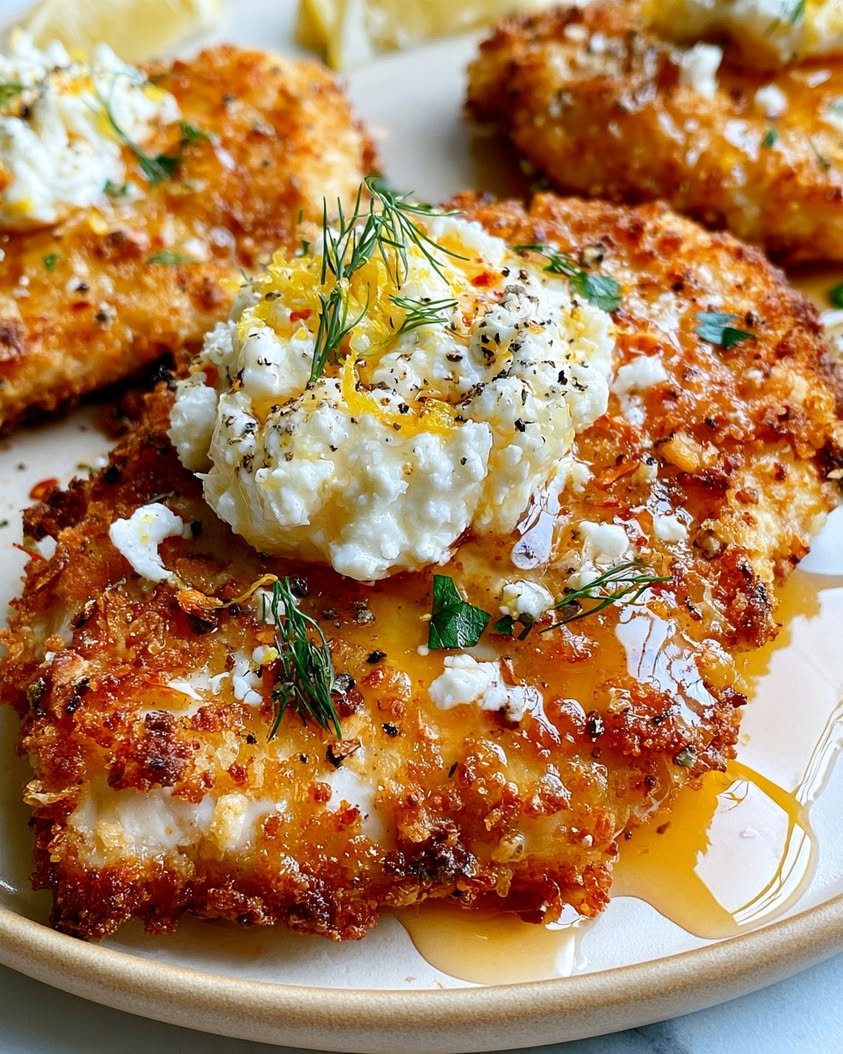
- Visual Appeal: Golden brown chicken glistens under the honey glaze, and white feta crumbles add contrast. Fresh herbs and lemon slices finish the plate with bright color. The result looks restaurant worthy with almost no extra effort.
- Skill Level Needed: This recipe suits beginners and experienced cooks alike. Basic knife skills and comfort with a skillet handle the hard parts. The oven finish removes any pressure to time everything perfectly.
- Special Equipment: You need one large oven safe skillet, a whisk, and a few mixing bowls. A meat thermometer helps ensure doneness, though visual cues work well too. No specialty tools or appliances are required.
Recipe Overview
- Difficulty Level: This dish lands firmly in the easy category because each step is straightforward. You coat the chicken, sear it, and finish it in the oven, so there is no complex sauce work. The glaze takes one minute to whisk, and the feta needs only a quick crumble. Even first time cooks can succeed on the first attempt.
- Category: It works as a main course for dinner and also shines as a meal prep protein. You can serve it for weeknight family meals or weekend gatherings with equal success. The leftovers perform beautifully in salads and sandwiches.
- Cuisine: The recipe draws inspiration from Mediterranean and Middle Eastern flavor traditions. Feta and lemon echo Greek cooking, while hot honey reflects modern American comfort food trends. The combination feels fresh yet familiar to a U.S. audience.
- Cost: Budget friendly ingredients keep this dish accessible for most households. Chicken thighs or breasts, flour, spices, honey, lemon, and feta cover the core costs. Pantry staples like oil and paprika often already sit in your kitchen, so the shopping list stays short.
- Season: This chicken works year round thanks to readily available ingredients. Spring and summer highlight the lemon and fresh herbs, while fall and winter welcome the warm honey heat. The oven finish adds cozy appeal during colder months.
- Occasion: Serve it for casual family dinners, game nights, or relaxed dinner parties. The impressive presentation suits holiday tables and potlucks too. Because it scales easily, it fits both intimate meals and larger gatherings.
Why You’ll Love This Recipe
Taste and texture drive this recipe straight to the top of the keeper list. The crispy coating gives way to juicy chicken, and the hot honey lemon glaze balances sweetness with a gentle kick. Feta adds a salty, creamy counterpoint that makes each bite feel complete. When people describe this Crispy Hot Honey Lemon Feta Chicken Recipe You’ll Love, they mention crunch, heat, and brightness in the same breath. That layered experience keeps dinner interesting from the first bite to the last.
Convenience makes this recipe a weeknight hero. Prep takes about fifteen minutes, and the oven handles the rest while you set the table or tidy the kitchen. You need one skillet and a few bowls, which means cleanup stays minimal. Since the chicken finishes in the oven, you avoid hovering over the stove. That hands off approach frees you to focus on sides or simply relax after a long day.
Nutritionally, chicken provides lean protein that satisfies without weighing you down. Lemon adds vitamin C, and garlic brings antioxidants to the plate. Feta contributes calcium and a rich mouthfeel with modest portions. By controlling the honey amount, you manage sugar intake without losing the signature glaze. This balance makes the dish feel indulgent while still fitting sensible eating patterns.
Socially, this chicken earns raves at gatherings because it looks and tastes impressive. Guests see golden crust, glossy glaze, and bright herbs, and they assume you spent hours cooking. You can serve it family style or plate it individually for a dinner party feel. The recipe also invites conversation about the hot honey trend, which makes it a natural centerpiece. Hosts love a dish that sparks compliments with minimal stress.
Cost effectiveness rounds out the appeal because chicken remains one of the most affordable proteins. A jar of honey and a block of feta last through multiple meals. The spice blend uses pantry staples that stretch across many recipes. Compared with takeout or restaurant chicken dishes, this homemade version saves money while delivering equal or better flavor. Accessibility and value make it a reliable choice any week.
Historical Background and Cultural Significance
The story behind this dish blends Mediterranean tradition with modern American innovation. Feta and lemon have seasoned Greek and Middle Eastern cooking for centuries. Shepherds and home cooks alike paired salty cheese with bright citrus to lift simple meals. Chicken, as a versatile protein, carried those flavors across many regional kitchens. This recipe draws directly from that long culinary lineage.
Culturally, feta holds protected status in Greece and appears in everything from salads to baked dishes. Lemon appears throughout Mediterranean cuisine as a natural seasoning rather than just a garnish. Honey has deep roots in Greek and Middle Eastern sweets and savory glazes. When these elements meet chicken, they reflect a centuries old pattern of balancing salt, acid, and sweetness. Home cooks today inherit that wisdom with every plate.
The hot honey element arrived more recently through American food culture. Chefs began infusing honey with chili for pizza and fried chicken, and the trend spread fast. Combining hot honey with lemon and feta merges two culinary worlds in a way that feels current. This evolution shows how recipes travel, adapt, and gain new life in home kitchens. The dish stands as a snapshot of modern fusion cooking.
Regional variations appear wherever cooks make the recipe their own. Some add oregano for a Greek accent, while others lean into smoked paprika for deeper warmth. In the southern United States, cooks sometimes increase the chili heat and serve the chicken over grits. Mediterranean home cooks might swap in halloumi when feta is unavailable. These adaptations keep the core idea alive while honoring local tastes.
Ingredient Deep Dive
Chicken serves as the foundation, and thighs or breasts both work well. Chicken has fed families across every culture for thousands of years, and its mild flavor accepts bold seasonings easily. Nutritionally, it delivers high quality protein, B vitamins, and minerals like selenium. Look for firm, pink meat with a clean smell, and choose air chilled options when possible. Store raw chicken in the coldest part of your fridge and cook within two days. If you prefer alternatives, turkey cutlets or firm white fish can stand in, though cooking times will shift.
Feta brings the signature salty tang and creamy crumble. This brined cheese originated in Greece and remains central to Mediterranean tables. It supplies calcium and protein while adding richness with modest amounts. Choose blocks packed in brine for the best texture and flavor. Keep feta submerged in its brine in the refrigerator, and it will last for weeks. Goat cheese or ricotta salata make solid substitutes when needed.
Honey forms the base of the hot honey glaze and balances the chili heat. Beekeeping traditions span thousands of years, and honey remains one of the oldest sweeteners known. It offers natural sugars plus trace antioxidants and soothing properties. Select a mild wildflower honey so the chili flavor shines through. Store honey at room temperature away from direct sunlight, and it keeps indefinitely. Maple syrup or agave can replace honey for a vegan version.
Lemon delivers brightness that cuts through the richness of the dish. Citrus cultivation spread from Asia across the Mediterranean centuries ago, and lemons became essential to regional cooking. They provide vitamin C and a clean, aromatic lift. Pick lemons that feel heavy for their size with smooth skin. Refrigerate cut lemons and use zest before juicing for maximum flavor. Lime or white wine vinegar can substitute in a pinch.
Chili flakes or cayenne power the heat in the hot honey. Chili peppers originated in the Americas and spread worldwide through trade. Capsaicin creates the warmth many cooks crave and may support metabolism. Choose fresh, aromatic flakes and store them in a cool, dark place. Adjust the amount to control heat precisely. Smoked paprika can add depth if you prefer milder spice.
Garlic and smoked paprika round out the seasoning blend. Garlic has seasoned food for thousands of years across cultures, while smoked paprika comes from dried, smoked peppers in Spain. Together they add savory depth and antioxidants. Select firm garlic heads and paprika with a strong aroma. Keep garlic cool and dry, and store paprika sealed away from light. Onion powder and regular paprika make workable backups.
Common Mistakes to Avoid
- Overcrowding the pan traps steam and prevents browning, so the crust turns soggy instead of crispy. Sear in batches when needed to give each piece breathing room.
- Skipping the pat dry step leaves surface moisture that blocks browning. Dry the chicken thoroughly with paper towels before coating.
- Using cold chicken straight from the fridge slows cooking and creates uneven results. Let the chicken sit at room temperature for fifteen minutes first.
- Under seasoning the flour leads to flat flavor because the coating carries much of the taste. Season the flour generously with salt, pepper, and paprika.
- Burning the honey happens when you add it too early or over high heat. Brush the glaze on near the end and keep the heat moderate.
- Overbaking dries out the chicken and ruins the juicy interior. Use a meat thermometer and pull the chicken at 165 degrees Fahrenheit.
- Adding feta too soon makes it melt into a puddle instead of holding its shape. Crumble it over the chicken in the final minutes of baking.
- Neglecting the rest time causes juices to run out and leave dry meat. Let the chicken rest five minutes before slicing or serving.
- Using a pan that is not oven safe risks damage and unsafe handling. Confirm your skillet can handle high heat before starting.
- Doubling the glaze without adjusting heat can scorch the sugars. Stir continuously and lower the flame when making larger batches.
Essential Techniques
Pan searing creates the crispy foundation of the dish, and mastering it changes everything. High heat and a thin layer of oil encourage browning through the Maillard reaction, which builds deep flavor. Heat the skillet until a drop of water sizzles, then lay the chicken away from you to avoid splatter. Watch for a golden edge before flipping, usually three to four minutes. The pitfall is moving the chicken too soon, so be patient and let the crust release naturally.
Oven finishing ensures even doneness without drying the exterior. The ambient heat cooks the interior gently while the crust stays crisp on top. Use the middle rack and check the internal temperature near the end. Visual cues include clear juices and firm texture when pressed. A common mistake is skipping the preheat, so give the oven full time to reach temperature. A meat thermometer removes all guesswork.
Whisking the hot honey glaze requires attention because sugar scorches quickly. Combine honey, chili, and lemon juice over low heat and stir until smooth. The glaze should coat a spoon and look glossy, which signals the right consistency. Keep the heat low and pull the pan off before it bubbles aggressively. Burned honey turns bitter, so taste as you go. A whisk prevents clumps and keeps the glaze silky.
Resting the chicken preserves juices that would otherwise run onto the plate. During rest, carryover heat finishes the interior while fibers relax and reabsorb moisture. Five minutes usually suffices, and a loose foil tent keeps the crust warm without steaming it. The visual cue is a slight settling of the crust as juices redistribute. Avoid cutting too early, and your reward is juicy meat with every slice. This small step separates good results from great ones.
Pro Tips for Perfect Crispy Hot Honey Lemon Feta Chicken Recipe You’ll Love
Pat the chicken completely dry before coating because moisture fights crispiness at every turn. A dry surface helps the flour adhere evenly and brown fast. Use paper towels on both sides and check for hidden damp spots. This tip alone improves the crust dramatically.
Season the flour aggressively since the coating carries much of the dish’s flavor. Add salt, pepper, garlic powder, and smoked paprika and taste a pinch before using it. Under seasoned coating tastes flat no matter how good the glaze is. Generous seasoning pays off in every bite.
Heat the oil until it shimmers before adding the chicken. Proper heat creates an instant sear that seals in juices and builds color. If the chicken sizzles weakly, the oil is not ready. Wait for that shimmer and then proceed confidently.
Brush the hot honey glaze on in two thin coats rather than one thick layer. The first coat sets during baking, and the second adds shine and heat at the end. This approach prevents pooling and burning. Double glazing delivers better flavor distribution too.
Crumble the feta by hand for irregular pieces that look appealing and melt unevenly in the best way. Uniform cubes melt into one texture, while crumbles create creamy pockets. Use a light hand and scatter from height. The result looks rustic yet polished.
Add fresh lemon zest and herbs after baking to keep the flavors bright and raw. Heat dulls citrus zest and fresh herbs, so save them for the finish. A quick shower of parsley and zest refreshes the whole plate. This final flourish makes the dish taste restaurant fresh.
Variations and Adaptations
Regional variations let you tilt the dish toward different culinary traditions. For a Greek inspired version, add dried oregano to the flour and finish with fresh dill. For a southern twist, increase the chili flakes and serve over creamy grits with a squeeze of lime. Middle Eastern cooks might drizzle tahini over the plate for richness. Each direction keeps the crispy chicken core while reshaping the flavor profile in exciting ways.
Seasonal adaptations keep the dish fresh throughout the year. In summer, serve the chicken over a tomato and cucumber salad with extra lemon. During fall, pair it with roasted squash and a sprinkle of warm spices. Winter calls for mashed potatoes and a heavier hand with the honey. Spring welcomes fresh herbs like mint and a lighter glaze. The recipe flexes with whatever the market offers.
Dietary modifications make the dish accessible to more eaters. Gluten free cooks can swap the flour for a one to one gluten free blend with excellent results. Dairy free diners can omit the feta or use a plant based alternative. For lower sugar versions, reduce the honey and lean on lemon for brightness. Each change requires small adjustments, yet the dish keeps its identity.
Flavor variations expand the recipe’s range dramatically. Swap the lemon for lime and add cilantro for a Latin inspired profile. Try infusing the honey with rosemary for a savory herbal note. A touch of soy and ginger turns it into an Asian leaning glaze. Even a simple change like extra smoked paprika shifts the whole character. Experimentation rewards curious cooks.
Texture modifications suit different preferences. For extra crunch, press panko breadcrumbs onto the chicken before searing. For a lighter crust, skip the flour and simply roast the chicken with the glaze. Grilled versions char beautifully and taste smoky. Air fryer versions crisp quickly with less oil. Each method delivers its own appeal.
Presentation alternatives make this dish work for any setting. Serve it sliced over pasta for a hearty dinner, or shred it into tacos with slaw. A grain bowl with quinoa and greens feels modern and wholesome. Skewers transform it into party food, and pita wraps make it lunch friendly. The same recipe fits many formats with minimal effort.
Serving and Presentation Guide
Plating techniques elevate the dish with almost no extra work. Place the chicken slightly off center and spoon a little glaze over the top for shine. Scatter feta and herbs around the plate rather than only on the chicken. A lemon wedge on the side adds color and invites a fresh squeeze. Negative space on the plate makes the food look intentional and elegant.
Garnishing ideas should balance color and flavor. Fresh parsley, mint, or dill adds green contrast to the golden crust. Extra lemon zest brightens the plate and signals the citrus element. Cracked black pepper and a few extra chili flakes hint at the heat. Avoid overcrowding the garnish so the chicken remains the star.
Traditional accompaniments lean Mediterranean with rice, pita, and a crisp cucumber salad. A yogurt sauce with garlic and herbs cools the heat beautifully. Roasted potatoes soak up any extra glaze. Warm bread rounds out the table and keeps the meal satisfying. These familiar sides feel natural and crowd pleasing.
Modern serving suggestions push the dish in fresher directions. A bed of baby greens with a light vinaigrette keeps the meal bright. Farro or quinoa bowls add texture and whole grain substance. Quick pickled onions bring acidity and pop to the plate. Charred vegetables like broccolini pair beautifully with the honey heat.
Temperature considerations matter because the dish tastes best served warm, not piping hot. Let the chicken rest, then plate it while the glaze still looks glossy. Warm the serving plates to keep the crust from going soggy. Serve extra glaze on the side at room temperature for a fresh contrast. Attention to temperature preserves texture and flavor.
Portion control tips help when hosting or meal planning. One breast or two thighs makes a generous serving alongside sides. Slice the chicken before serving so guests take exactly what they need. Pair with plenty of vegetables to stretch portions naturally. A little planning keeps the table balanced and satisfying.
Wine and Beverage Pairing
Wine pairings should balance the honey sweetness and the chili heat. A crisp Sauvignon Blanc cuts through the richness with bright acidity. Dry Riesling offers aromatic fruit that complements the spice without overpowering. For red drinkers, a light Pinot Noir works beautifully with the feta tang. Avoid heavy tannic reds because they amplify heat in uncomfortable ways.
Non alcoholic alternatives deserve just as much attention. Sparkling water with lemon and mint refreshes the palate between bites. Iced green tea with a touch of honey mirrors the glaze in a gentle way. A cucumber lime cooler tempers the spice and feels festive. These options keep all guests covered with style.
Coffee and tea pairings may surprise you, yet they work for afternoon or brunch versions. A lightly brewed black tea offers structure and light tannins that match the feta. Cold brew coffee brings subtle sweetness that complements the honey. Herbal teas like chamomile mellow the heat for evening meals. Experiment to find your favorite match.
Temperature considerations shape how beverages interact with the food. Serve whites well chilled to counter the heat, but not so cold that flavors disappear. Reds should sit slightly below room temperature for balance. Sparkling drinks and teas taste best fresh and chilled. Think about temperature the same way you think about seasoning.
Serving suggestions complete the beverage experience. Offer a small pitcher of the sparkling option at the table for easy refills. Provide chilled glasses and fresh garnishes like lemon slices and mint sprigs. Set wine bottles on the counter to breathe before pouring. Thoughtful presentation makes any drink feel special.
Storage and Shelf Life
Storage methods determine how well leftovers hold up the next day. Transfer cooled chicken to an airtight container and keep any extra glaze separately. Store feta crumbles in their own small container to preserve texture. This separation prevents the crust from turning mushy. Label containers with the date for easy tracking.
Temperature requirements keep food safe and flavorful. Refrigerate leftovers within two hours of cooking and set the fridge to forty degrees Fahrenheit or below. Place containers on a middle shelf where temperature stays consistent. Avoid the door shelves for longer storage. Prompt cooling and cold storage protect both safety and taste.
Container recommendations matter for maintaining quality. Glass containers with tight lids resist stains and odors. Shallow containers cool food faster than deep ones. Wrap chicken portions snugly to limit air exposure. For feta, a small jar with a lid keeps the crumbles contained and fresh.
Signs of spoilage help you decide when to discard leftovers. Sour smells, slimy textures, or cloudy glaze indicate trouble. Mold on the feta or the chicken means it is time to throw it out. When in doubt, err on the side of caution. Freshness matters more than saving a few bites.
Reheating instructions preserve texture better than you might expect. Warm chicken in the oven at 350 degrees for ten minutes to revive the crust. A skillet over medium heat works well for single portions. Avoid the microwave for the full plate because it softens the coating. Always reheat to 165 degrees Fahrenheit for safety.
Freezing guidelines offer long term storage options. Freeze chicken portions in a single layer before bagging to prevent sticking. Cooked chicken keeps for up to three months at zero degrees. Thaw overnight in the refrigerator for the best texture. Add fresh glaze and feta after reheating to restore the dish’s signature finish.
Make Ahead Strategies
A prep timeline makes cooking day effortless. Chop garlic, zest lemons, and measure spices up to two days ahead. Store each in small containers so assembly moves fast. Mix the flour coating the night before for quick access. A little planning turns a forty five minute recipe into a thirty minute breeze.
Storage between steps protects quality without compromising flavor. Coat the chicken and refrigerate it uncovered for up to two hours to help the crust set. Keep the glaze in a jar at room temperature for a few hours. Hold crumbled feta in the fridge until baking time. Separate storage keeps every component at its best.
Quality impact assessment helps set realistic expectations. The crispy crust fades with advanced preparation, so sear and bake close to serving time. The glaze holds beautifully and even improves as flavors meld. Feta crumbles stay fresh for days in the fridge. Prioritize fresh searing for the best results.
Assembly tips speed up the final steps. Set up a coating station with flour, chicken, and a clean plate. Preheat the oven and skillet together so nothing waits. Have the glaze whisked and the feta crumbled before the chicken hits the pan. Efficient setup keeps the process calm and enjoyable.
Reheating guidelines after make ahead prep keep the dish strong. Reheat seared chicken in the oven at 350 degrees for ten to twelve minutes. Brush on fresh glaze after reheating to restore shine. Add new feta and herbs at the end for freshness. Small touches bring the dish back to life.
Fresh element additions make leftovers taste new again. Squeeze fresh lemon over reheated chicken for a burst of brightness. Sprinkle chopped herbs to revive the plate’s color. Add a handful of greens or a spoon of yogurt sauce for new texture. These small updates keep repeat meals exciting.
Scaling Instructions
Halving the recipe works well for smaller households. Use one large skillet and sear the chicken in two batches if space is tight. Reduce the baking time slightly and check the internal temperature early. Keep the glaze proportions the same for consistent flavor. Leftovers disappear quickly, so halving rarely means waste.
Doubling or tripling the recipe suits gatherings and meal prep. Use two skillets or sear in batches so the crust develops properly. Make the glaze in a larger pan and keep the heat low. Bake chicken on a sheet pan in a single layer for even cooking. A little planning handles larger volumes with ease.
Equipment adjustments keep larger batches manageable. Sheet pans and cooling racks spread the chicken for even oven heat. An instant read thermometer becomes even more valuable at scale. Extra mixing bowls keep the coating station organized. Simple swaps make big batches feel just as easy as small ones.
Timing modifications prevent bottlenecks when scaling. Sear all chicken first, then bake everything together on sheet pans. Hold finished batches in a warm oven on low heat. Make the glaze once in a larger quantity and brush as needed. Clear sequencing keeps the kitchen calm and the food hot.
Storage considerations matter when you cook extra. Cool multiple containers on the counter before refrigerating. Use shallow containers so large batches cool faster. Freeze portions for future weeks to maximize convenience. Organized storage turns extra cooking into future time savings.
Nutritional Deep Dive
The macro breakdown highlights a balanced plate. Chicken provides roughly thirty grams of protein per serving, which supports muscle maintenance and satiety. Fat comes from the oil, feta, and chicken skin, and you can reduce it by trimming or removing skin. Carbohydrates come mostly from the flour coating and honey glaze. The overall profile fits a moderate, satisfying meal.
Micronutrient analysis reveals meaningful contributions. Chicken delivers B vitamins, selenium, and phosphorus. Feta adds calcium and vitamin B12, and lemon brings vitamin C. Garlic and paprika supply antioxidants that support overall wellness. Together these nutrients cover a wide range of daily needs.
Health benefits extend beyond basic nutrition. High protein meals support steady energy and appetite control. The capsaicin in chili flakes may support metabolism and circulation. Citrus adds freshness without excess sodium. Balanced meals like this encourage sustainable eating habits.
Dietary considerations help you adapt the recipe to specific needs. Those watching sodium can reduce added salt and use less feta. Lower sugar approaches reduce honey and emphasize lemon. Gluten free and dairy free swaps appear in the adaptations section. Knowing the numbers empowers smart choices.
Portion analysis guides realistic serving sizes. One breast or two thighs paired with vegetables makes a balanced plate. Measure feta with a light hand to manage fat and sodium. Use the glaze generously but mindfully. Portion awareness keeps the dish indulgent yet sensible.
Weight management tips fit naturally into this recipe. Pair chicken with high fiber sides like roasted vegetables or whole grains. Use the glaze as a flavor accent rather than a pour. Stick to one serving of feta to keep calories in check. These habits support long term goals without sacrificing taste.
Dietary Adaptations
Gluten free versions swap the flour for a one to one gluten free blend or cornstarch. Rice flour crisps beautifully and stays light. Verify that all spices and the hot honey are certified gluten free. The rest of the recipe already fits gluten free needs. Most tasters cannot tell the difference.
Dairy free adaptations remove the feta and replace it with a plant based alternative or omit it entirely. Nutritional yeast adds a savory note that mimics cheese. Coconut oil can replace butter if any appears in your version. Check the glaze ingredients for hidden dairy. The result stays bold and satisfying.
Vegan versions require more creativity because chicken is the centerpiece. Substitute firm tofu or cauliflower steaks and press them well before coating. Use agave instead of honey and a plant based feta. Adjust cooking times based on the substitute. The crispy hot honey treatment works surprisingly well on plants.
Low carb approaches skip the flour and roast the chicken directly with the glaze. The crispy skin still delivers texture and flavor. Serve over greens instead of rice. Reduce honey slightly to manage sugar. These tweaks keep the dish aligned with carb conscious goals.
Keto versions focus on fat and protein while limiting carbs. Use almond flour for the coating and keep the honey amount modest. Feta fits keto beautifully, and so do the spices. Pair with low carb vegetables like broccoli or spinach. The dish remains rich and flavorful.
Paleo versions replace the flour with arrowroot or almond flour and use a paleo approved sweetener. Choose a high quality feta or omit dairy based on your approach. Keep the spice blend simple and clean. Serve with roasted vegetables for a complete paleo plate. The core flavors stay intact.
Low FODMAP adaptations require attention to garlic and honey. Swap garlic for garlic infused oil and use maple syrup in place of honey. Confirm that all spices and the feta are low FODMAP friendly. Keep portions moderate to avoid stacking triggers. The recipe adapts well with small swaps.
Other specific diets like Mediterranean and flexitarian fit the dish naturally. The core ingredients align with Mediterranean eating patterns, especially when paired with vegetables. Flexitarians can enjoy smaller chicken portions with extra plant sides. The recipe invites sensible eating without rigid rules. Flexibility makes it a long term favorite.
Troubleshooting Guide
Texture issues usually trace back to moisture or heat. If the crust turns soggy, dry the chicken better and raise the searing heat. If it browns too fast, lower the flame and finish in the oven. If the inside dries out, pull the chicken at 165 degrees and rest it. Small adjustments fix most texture problems.
Flavor balance problems respond to quick fixes. If the dish tastes too sweet, add lemon juice and a pinch of salt. If it tastes flat, more salt and a squeeze of citrus usually help. If the heat overwhelms, serve with yogurt sauce or reduce the chili next time. Taste as you go and adjust with confidence.
Temperature problems come up often in this recipe. An oven that runs hot burns the glaze, so use an oven thermometer to confirm settings. Chicken that cooks unevenly may need pounding to even thickness. Cold spots in the pan slow browning, so preheat fully. Reliable temperature control solves most issues.
Equipment challenges appear when the pan is not oven safe or the skillet is too small. Use a cast iron or stainless steel skillet rated for high heat. If the pan crowds the chicken, sear in batches or use a sheet pan. A meat thermometer removes guesswork and protects your investment. Match equipment to the task for smooth results.
Ingredient substitutions can shift texture and flavor. If you lack feta, ricotta salata or goat cheese work well. No fresh lemon means bottled juice plus a little zest substitute. If honey is unavailable, maple syrup changes the flavor slightly but still works. Taste and adjust until the dish feels right.
Timing concerns trip up many cooks. If the chicken browns early, move the pan to the oven sooner. If the glaze scorches, lower the heat and stir constantly. If dinner runs late, rest the chicken loosely tented while you finish sides. Flexible timing keeps the meal stress free.
Recipe Success Stories
Community feedback confirms that this Crispy Hot Honey Lemon Feta Chicken Recipe You’ll Love earns repeat requests. Readers report making it weekly because the family loves the crunch and the glaze. Many mention that picky eaters ask for seconds, which rarely happens. The consistent praise centers on bold flavor with simple steps. These stories show the recipe’s real world appeal.
Variation successes highlight how adaptable the dish truly is. One reader swapped honey for maple syrup and added rosemary for a fall version. Another used the recipe for chicken sandwiches with pickled onions. A grill version became a summer favorite at cookouts. Each variation kept the crispy hot honey core while making it personal.
Adaptation stories show the recipe bending to real life. Busy parents sear the chicken ahead and bake it when they get home. College students make it in a single skillet with minimal cleanup. Traveling nurses pack leftovers for shifts and report they still taste great. Practical success like this proves the recipe’s durability.
Reader suggestions continue to improve the dish. Some recommend a quick brine for extra juiciness, while others double the glaze for dipping. A popular tip adds lemon zest to the flour for deeper citrus flavor. These community ideas make the recipe even better over time. Sharing knowledge keeps the dish evolving.
Photography tips help readers capture the dish at its best. Shoot in natural light near a window for warm tones. Plate the chicken with feta and herbs visible for texture and color. Capture a close up of the glaze for visual appeal. A squeeze of lemon right before the shot adds freshness and shine.
Frequently Asked Questions
Can I use chicken breasts instead of thighs? Yes, and the recipe works well with either option. Breasts cook faster, so check the internal temperature early to avoid dryness. Thighs stay juicier and handle higher heat with more forgiveness. Pound thick breasts to even thickness for consistent cooking. Adjust bake time by a few minutes as needed.
How do I make this less spicy? Print
Crispy Hot Honey Lemon Feta Chicken
- Total Time: 45 minutes
- Yield: 4
Description
A deliciously crispy chicken dish featuring a sweet and spicy hot honey glaze, tangy lemon, and salty feta cheese. Perfect for a weeknight dinner with a kick.
Ingredients
- 4 boneless, skinless chicken breasts
- 1/2 cup all-purpose flour
- 1 teaspoon salt
- 1/2 teaspoon black pepper
- 1/2 teaspoon garlic powder
- 1/2 teaspoon paprika
- 2 large eggs, beaten
- 1 cup panko breadcrumbs
- 1/2 cup grated Parmesan cheese
- 1/4 cup olive oil
- 1/3 cup honey
- 2 tablespoons hot sauce (e.g., Frank's RedHot)
- 1 tablespoon fresh lemon juice
- 1 teaspoon lemon zest
- 1/2 cup crumbled feta cheese
- Fresh parsley, chopped (for garnish)
Instructions
- Preheat oven to 400°F (200°C). Line a baking sheet with parchment paper.
- In a shallow dish, mix flour, salt, pepper, garlic powder, and paprika. In another dish, beat eggs. In a third dish, combine panko and Parmesan cheese.
- Dredge each chicken breast in flour mixture, dip in eggs, then coat with panko mixture, pressing gently to adhere.
- Heat olive oil in a large skillet over medium-high heat. Cook chicken for 3-4 minutes per side until golden brown. Transfer to prepared baking sheet.
- Bake for 15-20 minutes or until chicken is cooked through (internal temperature 165°F).
- Meanwhile, in a small saucepan, combine honey, hot sauce, lemon juice, and lemon zest. Warm over low heat, stirring until smooth.
- Brush hot honey glaze over cooked chicken. Sprinkle with feta cheese and fresh parsley. Serve immediately.
Notes
You can customize the seasonings to taste.
- Prep Time: 15 minutes
- Cook Time: 30 minutes
- Method: Main
- Cuisine: American