Golden Sweet Potato Butternut Rosti Casserole with Feta, Sage and Cranberry: A Cozy Crowd-Pleasing Bake
This Golden Sweet Potato Butternut Rosti Casserole with Feta, Sage and Cranberry brings together the very best of autumn and winter comfort food in one gorgeous baking dish. Imagine a crisp, golden crust giving way to tender strands of sweet potato and butternut squash, all wrapped around pockets of salty feta, fragrant sage, and tart cranberries. Because the Golden Sweet Potato Butternut Rosti Casserole with Feta, Sage and Cranberry bakes into a single stunning dish, it works beautifully for holiday tables, weekend brunches, and cozy weeknight dinners alike. Moreover, the recipe leans on simple pantry staples, so you can pull it together without a trip to a specialty store.
The moment this Golden Sweet Potato Butternut Rosti Casserole with Feta, Sage and Cranberry comes out of the oven, your kitchen fills with the nutty sweetness of roasted squash and the earthy perfume of sage. Furthermore, the cranberries add little bursts of brightness that cut through the richness of the cheese and butter. Whether you serve it as a vegetarian main course or a show-stopping side dish, this Golden Sweet Potato Butternut Rosti Casserole with Feta, Sage and Cranberry delivers big flavor with surprisingly little fuss. In addition, the dish holds up beautifully on a buffet line, which makes it a reliable choice for entertaining.
If you have never made a rosti before, do not worry, because this casserole version removes the stress of flipping individual potato cakes. Instead, you press the shredded vegetables into a baking dish, scatter the toppings over the top, and let the oven do the heavy lifting. As a result, you get all the crispy edges and tender centers of a classic rosti without standing over a hot skillet. Meanwhile, the Golden Sweet Potato Butternut Rosti Casserole with Feta, Sage and Cranberry rewards you with a presentation that looks far more complicated than it actually is.
Quick Recipe Highlights
- Flavor Profile: The dish balances sweet, savory, and tangy notes in every bite. Nutty roasted squash and sweet potato mingle with salty feta, while sage adds an earthy herbal depth. Tart cranberries deliver a bright finish that keeps the richness in check.
- Texture: Expect a crisp, golden top layer that crackles under the fork. Beneath it, the shredded vegetables stay tender and moist, and the feta melts into creamy pockets. The cranberries soften slightly and add a pleasant juicy pop.
- Aroma: Sage dominates the initial aroma with its woodsy, slightly peppery scent. Roasted butter nut squash and sweet potato add warm caramel notes, and the butter sizzling at the edges rounds everything out.
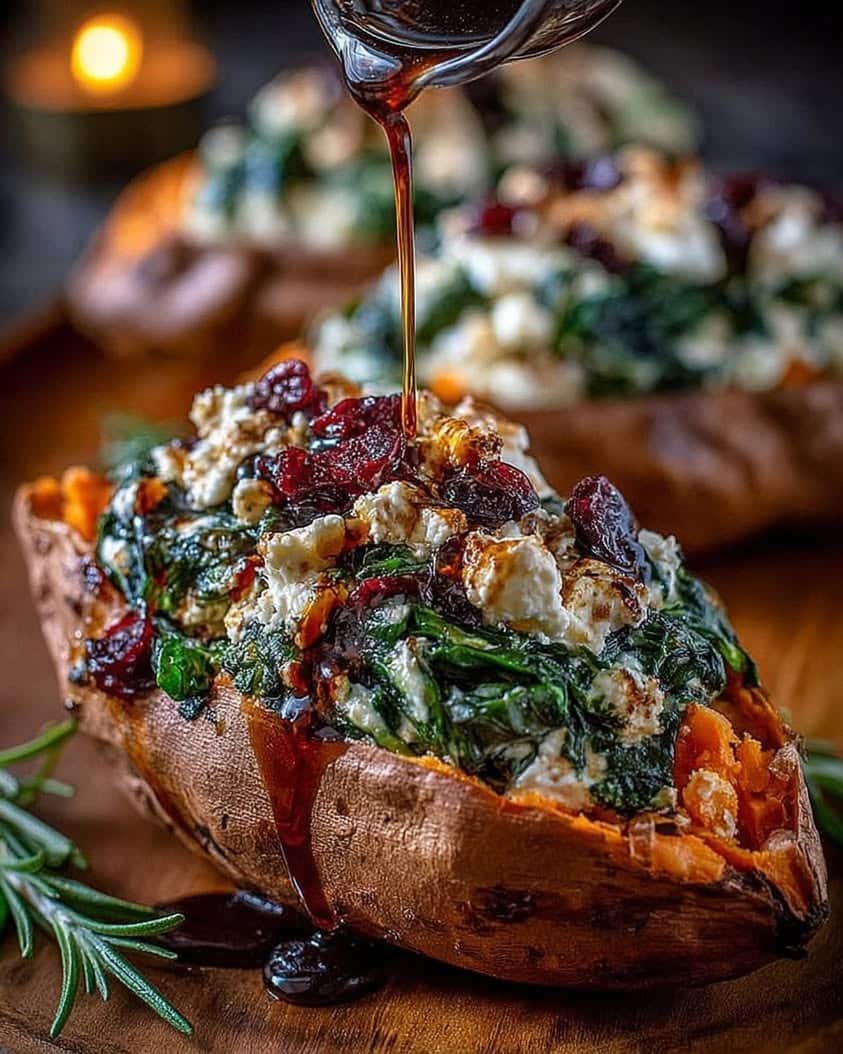
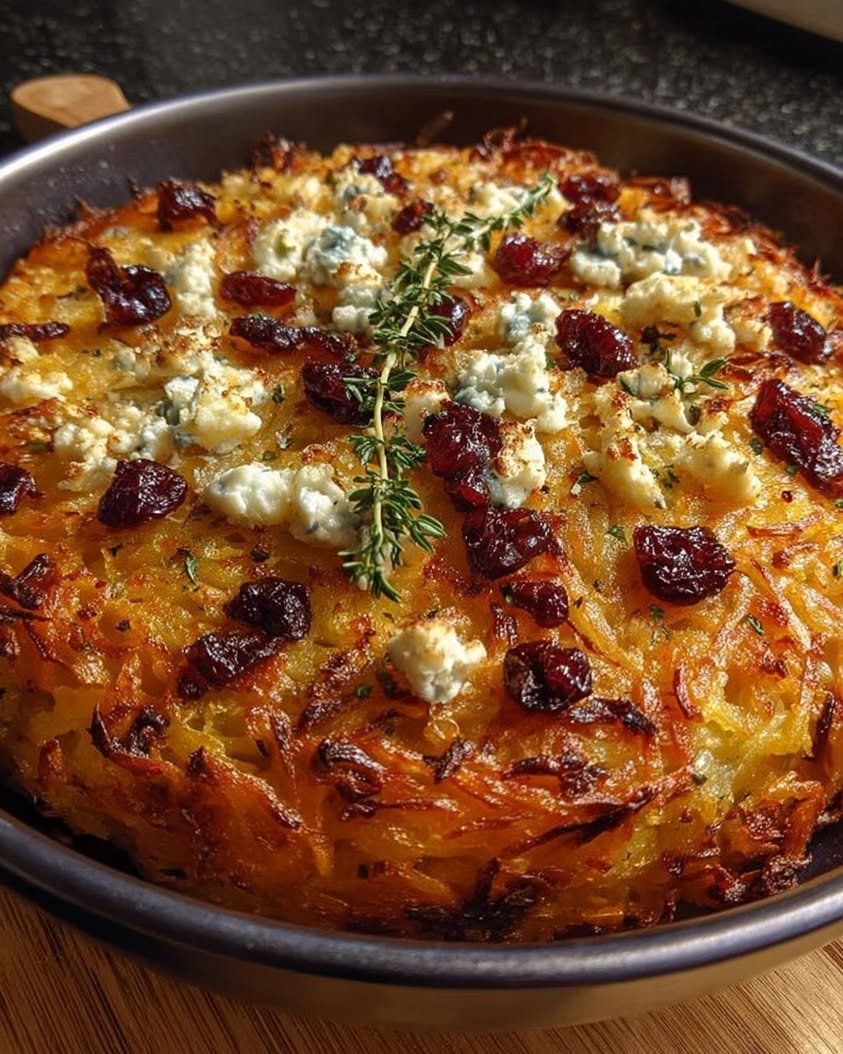
- Visual Appeal: Deep orange sweet potato and pale gold butternut squash create a striking marbled look. White feta crumbles and ruby red cranberries dot the surface, and a scattering of fresh sage leaves adds a final pop of green.
- Skill Level Needed: You need basic knife skills and a box grater, and that is about it. The recipe rewards careful squeezing of the shredded vegetables, and it asks for patience while the casserole bakes. Beginners can absolutely succeed here.
- Special Equipment: A box grater or food processor with a shredding disk saves time. You also need a clean kitchen towel for wringing out moisture, a 9×13 inch baking dish, and a large mixing bowl. A mandoline is optional for uniform slices.
Recipe Overview
- Difficulty Level: Moderate describes this recipe well, because the steps are straightforward but a few details matter. Specifically, removing excess moisture from the vegetables determines whether you get a crisp crust or a soggy center. Additionally, layering the ingredients properly keeps the top golden and the middle tender. Still, anyone comfortable with a grater and an oven can master this dish on the first try.
- Category: This dish shines as both a vegetarian main course and a hearty side dish. It also works for brunch, holiday dinners, and potlucks. Furthermore, leftovers reheat well for an easy weekday lunch.
- Cuisine: The rosti originated in Swiss cooking as a humble potato cake, and this recipe gives it a North American harvest twist. Sweet potato and cranberry nod to Thanksgiving traditions, while feta and sage bring Mediterranean and European touches. As a result, the dish feels both familiar and fresh.
- Cost: The ingredients are affordable and easy to find, and most cost comes from the dairy and produce. Budget roughly 15 to 20 dollars for the full recipe, depending on your region and season. However, you can often find sweet potatoes and butternut squash on sale during fall and winter months.
- Season: Fall and winter are prime time for this bake, because sweet potatoes, squash, and cranberries hit peak quality. Moreover, the warm, hearty flavors suit cooler weather perfectly. You can still make it year-round, but the dish tastes best when the produce is in season.
- Occasion: Holidays like Thanksgiving and Christmas top the list, since the colors and flavors feel festive. It also suits weekend brunches, dinner parties, and cozy family meals. Because it is a one-dish bake, it travels well to potlucks and gatherings.
Why You’ll Love This Recipe
First and foremost, the taste and texture make this dish memorable. The crisp, golden crust offers a satisfying crunch that contrasts beautifully with the tender vegetable interior. Meanwhile, the salty feta and tart cranberries create a flavor balance that keeps every bite interesting. You get sweet, savory, salty, and tangy notes all at once, and that complexity makes people reach for seconds. Furthermore, the sage ties everything together with an earthy warmth that feels like a hug on a cold day.
Convenience also plays a big role in this recipe’s appeal. You do not need to fry individual rosti cakes, flip them, or babysit a skillet. Instead, you mix, press, top, and bake, which frees you to prepare other dishes while the oven does the work. Additionally, the recipe uses one mixing bowl and one baking dish, so cleanup stays manageable. Because the casserole bakes unattended for most of the time, it suits busy hosts who want to enjoy their own parties.
Nutritionally, this bake brings plenty to the table as well. Sweet potatoes and butternut squash deliver fiber, vitamin A, and potassium, and they add natural sweetness without refined sugar. Feta contributes calcium and protein, while sage has been used traditionally for its antioxidant properties. In addition, cranberries add vitamin C and a tart flavor that reduces the need for extra salt. As a result, you get a dish that feels indulgent but still offers real nutritional substance.
Socially, the Golden Sweet Potato Butternut Rosti Casserole with Feta, Sage and Cranberry makes a stunning centerpiece that sparks conversation. Its marbled orange and gold surface looks impressive on a buffet, and guests love the festive cranberry and sage garnish. Because it serves eight generously, it fits family gatherings and dinner parties with ease. Moreover, the dish suits vegetarians and omnivores alike, so you can serve one dish that pleases everyone at the table.
Finally, cost effectiveness seals the deal, because the recipe uses humble, accessible ingredients. Sweet potatoes, butternut squash, onion, and eggs are budget staples, and dried cranberries keep well in the pantry. Instead of expensive cuts of meat, feta provides the rich, salty element at a modest price. Therefore, you can feed a crowd beautifully without stretching your grocery budget, and the leftovers stretch even further.
Historical Background and Cultural Significance
The story of this dish begins with the rosti, a beloved Swiss potato cake with deep roots in the canton of Bern. Traditionally, farmers fried shredded potatoes in butter until a crisp crust formed, and they served the cake for breakfast or supper. Over time, the rosti became a symbol of Swiss home cooking, and regional cooks added their own touches, from bacon to cheese. Consequently, the rosti evolved from a peasant staple into a dish that appears on restaurant menus across Switzerland.
When cooks brought the rosti concept to North America, they adapted it to local ingredients, especially during autumn harvests. Sweet potatoes and butternut squash grow abundantly in the United States, and home cooks began folding them into gratins and hash browns. Cranberries, a native North American berry, entered the mix as a natural partner for roasted squash. Meanwhile, feta and sage reflected Mediterranean influences that became popular in American kitchens. As a result, the Golden Sweet Potato Butternut Rosti Casserole with Feta, Sage and Cranberry represents a true fusion of Old World technique and New World flavors.
Today, the dish holds cultural importance as a vegetarian centerpiece for holiday tables. Many families now include meatless mains alongside the turkey, and this casserole fills that role with confidence. Its colors echo traditional fall palettes, so it fits seamlessly into Thanksgiving and Christmas spreads. Furthermore, home cooks appreciate how the recipe honors classic rosti technique while embracing modern tastes.
Regional variations continue to appear as cooks make the recipe their own. In New England, some cooks add maple syrup or sharp cheddar for a local twist. In the South, a pinch of smoked paprika or a handful of pecans shows up in the mix. On the West Coast, fresh goat cheese sometimes replaces the feta for a tangier finish. Regardless of the variation, the core idea stays the same: shredded root vegetables, a crisp baked crust, and a balance of sweet, salty, and tart flavors.
Ingredient Deep Dive
Sweet potatoes anchor this dish with their natural sweetness and vivid orange color. Cultivated for centuries in Central and South America, sweet potatoes traveled the world and became a staple in many cuisines. Nutritionally, they deliver beta-carotene, fiber, and potassium, and their natural sugars caramelize beautifully in the oven. When selecting sweet potatoes, look for firm, unblemished skin and avoid any soft spots. Store them in a cool, dark place for up to several weeks, and swap in Yukon gold potatoes if you prefer a less sweet flavor.
Butternut squash brings a nutty, mellow sweetness that complements the sweet potato without overpowering it. This winter squash originated in the Americas and remains a fall favorite for soups, roasts, and gratins. It offers vitamin A, vitamin C, and fiber, and its smooth texture grates easily. Choose a squash that feels heavy for its size with a matte, unblemished rind, and store it whole in a cool, dry spot for up to three months. If butternut squash is unavailable, try delicata or acorn squash as a substitute.
Feta cheese adds the salty, tangy counterpoint that makes this bake sing. This brined cheese has ancient Greek origins and appears in cuisines across the Mediterranean. It contributes calcium and protein, and its crumbly texture creates creamy pockets throughout the casserole. Look for feta packed in brine rather than pre-crumbled varieties, because the brine keeps it fresher and more flavorful. Store it in its brine in the refrigerator for up to two weeks, and substitute goat cheese or ricotta salata if you prefer a different tang.
Fresh sage provides the signature earthy, aromatic note of the dish. This herb has a long history in European cooking, and it pairs famously with squash, butter, and cheese. Sage contains antioxidants and adds depth without extra salt or fat. Choose bunches with vibrant, unblemished leaves and a strong fragrance, and store them wrapped in a damp paper towel in the refrigerator. If fresh sage is scarce, use dried sage at about one third of the quantity, and substitute thyme or rosemary for a different herbal profile.
Dried cranberries deliver tart, chewy bursts that brighten the whole dish. Cranberries are native to North America, and indigenous communities used them for food and medicine long before settlers arrived. The dried version offers concentrated flavor and a pleasant texture, plus fiber and vitamin C. Select cranberries that feel soft and plump, and avoid any that clump together or look shriveled. Store them in an airtight container in the pantry for several months, and swap in raisins, dried cherries, or fresh cranberries if needed.
Common Mistakes to Avoid
- Skipping the moisture squeeze causes a soggy casserole, because shredded vegetables release a lot of water. Therefore, always wring them out in a clean towel until they feel dry.
- Using cold butter or skipping the butter drizzle means the top will not brown properly. Consequently, melt the butter and drizzle it evenly for a golden crust.
- Overmixing the vegetables with the egg and flour creates a dense, heavy texture. Instead, fold gently just until everything comes together.
- Cutting the vegetables unevenly leads to uneven cooking, so aim for consistent shreds. A box grater’s coarse side works well for this task.
- Under-seasoning the mixture leaves the casserole flat, because the egg and flour mute the flavors. Therefore, season each layer with salt and pepper as you go.
- Packing the casserole too densely traps steam and prevents crisping. Press lightly, and leave a little room for air to circulate.
- Baking at too high a temperature browns the top before the center cooks. Stick to the recommended temperature and use the foil tent if browning happens too fast.
- Adding the cranberries only at the end can leave them dry, so tuck some into the mixture early. They hydrate as they bake and taste juicier.
- Skipping the resting period causes the casserole to fall apart when sliced. Let it rest ten minutes so the layers set.
- Reheating in a microwave alone makes the crust soggy, so finish leftovers in a hot oven. Try a 400 degree oven for five to ten minutes to restore crunch.
Essential Techniques
Wringing out the shredded vegetables is the single most important step in this recipe. Sweet potato and squash hold enormous amounts of water, and that water steams the casserole from within if you leave it in. To master this, pile the shreds into a clean kitchen towel, twist the top, and squeeze hard over the sink. Do this in batches if the towel gets soaked, and repeat until the shreds feel dry and clump together. The visual cue for success is a towel that stays fairly dry after a second squeeze, and this step alone transforms the final texture.
Layering the casserole evenly ensures consistent cooking from edge to center. First, spread half the vegetable mixture in a single layer, then scatter half the feta and cranberries. Next, add the remaining vegetables and press them gently into an even layer. Finally, top with the remaining cheese, cranberries, and sage. The technique matters because thick spots bake slower, and thin corners burn. You will know you succeeded when the surface looks level and the edges meet the pan evenly.
Managing browning is another key skill, because a golden top needs the right heat and timing. Start the casserole covered with foil to let the center cook through, then uncover it for the final twenty minutes. If the top browns too quickly, tent it loosely with foil again and continue baking. The visual cue to watch for is an even, deep golden color across the surface, not dark brown patches. This two-stage approach prevents a burnt crust with a raw middle.
Resting the casserole before slicing lets the structure set and keeps portions neat. When you pull the dish from the oven, the cheese is molten and the egg is still firming up. Give it ten minutes on a cooling rack, and the layers will hold their shape on the spatula. You will know it is ready when the cheese stops bubbling and the edges pull away from the pan slightly. Patience here pays off with picture-perfect servings.
Pro Tips for Perfect Golden Sweet Potato Butternut Rosti Casserole
- Grate the vegetables a day ahead and store them in the refrigerator to save time on baking day. Dry them thoroughly before mixing so the crust stays crisp.
- Use a food processor with a shredding disk if you want to cut prep time in half. Just process the sweet potato and squash in short pulses to avoid mush.
- Go generous with the melted butter on top, because it encourages browning and adds flavor. Brush the edges of the pan too for easy cleanup.
- Crumble the feta by hand rather than with a spoon, since irregular pieces melt more beautifully. Larger crumbles create creamier pockets.
- Add a pinch of nutmeg or cinnamon to the vegetable mix for a warmer flavor profile. The spice complements the sweet potato without overpowering the sage.
- Tent with foil for the first three quarters of baking, then uncover for the last stretch. This technique guarantees a tender center and a crisp top.
- Serve with a dollop of sour cream or Greek yogurt for a cooling contrast. The creamy tang balances the salty feta and tart cranberries.
- Make extra because leftovers reheat like a dream. The casserole keeps for days and tastes just as good the second time around.
Variations and Adaptations
Regional variations invite you to explore different flavor directions. In the Americas, adding a handful of toasted pecans or walnuts brings crunch and a Southern feel. A New England version might include boiled cider or maple syrup for extra sweetness. In a Mediterranean adaptation, swap feta for halloumi and add za’atar for a bold, herbal lift. Meanwhile, a Swiss-inspired take keeps the focus on potato and butter, with sage playing a supporting role. Because the base recipe is flexible, you can easily explore all these directions.
Seasonal adaptations keep the dish fresh throughout the year. In fall and winter, celebrate the harvest with the original ingredient list and add a touch of cinnamon. During spring, try grating in parsnips or carrots along with the squash for a brighter flavor. In summer, lean lighter and serve a smaller portion alongside grilled vegetables or a crisp salad. Consequently, this Golden Sweet Potato Butternut Rosti Casserole with Feta, Sage and Cranberry works as a year-round template.
Dietary modifications make the recipe accessible to more eaters. Gluten-free cooks can swap the flour for a gluten-free blend or cornstarch. Dairy-free versions use dairy-free feta or skip the butter in favor of olive oil. For a vegan adaptation, replace the egg with a flax egg and choose a plant-based cheese. Each swap keeps the structure intact while fitting the needs of different guests at your table.
Flavor variations allow you to tailor the dish to any menu. Add a teaspoon of smoked paprika for a smoky edge, or infuse the melted butter with garlic and rosemary. A sweeter version leans on cranberries and a drizzle of maple syrup at the end. For a savory twist, stir caramelized onions into the vegetable mix before baking. The core technique stays the same, so each variation requires minimal additional effort.
Texture modifications give you control over the final bite. If you love maximum crunch, spread the mixture thinner in a 9 by 13 pan and extend the uncovered bake time. For a softer gratin feel, press the mixture firmly and cover it for the first thirty minutes. Add chopped nuts on top for extra crunch, or finish with breadcrumbs tossed in butter. These choices let you shape the casserole to your preference without changing the flavor.
Presentation alternatives range from rustic to refined. Use a cast iron skillet to serve the casserole straight from the stovetop to table, and watch guests admire the dramatic edges. Alternatively, bake in a pretty ceramic dish and garnish with whole sage sprigs and fresh cranberries. Individual portions in ramekins make elegant first-course servings, and a larger centerpiece dish suits buffets. Moreover, slicing it into squares makes for easy party bites.
Serving and Presentation Guide
Plating techniques can elevate the dish from homey bake to elegant centerpiece. For family-style service, place the baking dish on a trivet and let guests scoop their own portions. For plated dinners, cut clean squares and place them slightly off center on a warm plate. Then, arrange a spoonful of cranberry sauce or a dollop of yogurt alongside the square. A final drizzle of olive oil or butter adds shine and signals a dish made with care.
Garnishing ideas should echo the flavors inside the casserole. Scatter a few fresh sage leaves over the top just before serving for a pop of green. Add whole cranberries for a jewel-like accent, or use a small handful of pomegranate seeds in place of the cranberries during the holidays. Finally, a light dusting of black pepper brightens the whole presentation, and a small bowl of extra feta on the side invites guests to adjust their portions.
Traditional accompaniments vary by occasion and region. At Thanksgiving, serve the casserole alongside turkey, gravy, and green beans for a classic spread. For a holiday brunch, pair it with a spinach and citrus salad and warm bread. In a Swiss-inspired meal, offer it with a simple green apple salad and sliced sausages. Because the casserole already balances sweetness and tang, the sides on offer should stay bright and crisp.
Modern serving suggestions fit a lighter, more contemporary table. Serve a square of the casserole over a bed of arugula tossed in lemon vinaigrette, and let the warm juices wilt the greens slightly. Alternatively, top the square with a poached egg for an elegant breakfast or brunch plate. For a meatless dinner, pair it with a bowl of lentils or a simple bean salad, and finish the meal with something fresh and acidic.
Temperature considerations matter for the best possible experience. Serve the casserole hot from the oven after a ten-minute rest, because the cheese should still be molten. If it cools at the buffet, place it on a warming tray or reheat portions in a hot oven for five minutes. Conversely, avoid shocking hot slices into the refrigerator, since rapid temperature changes affect the texture. A room-temperature slice also tastes lovely at a picnic or lunch setup.
Portion control tips help with planning and presentation. A 9 by 13 pan cuts into eight generous squares or twelve modest ones. For a holiday table with many side dishes, smaller portions work well because you can always offer seconds. Meanwhile, larger squares work as a main course, especially for vegetarian guests. Plan one to two squares per person depending on appetites and the rest of the menu.
Wine and Beverage Pairing
Wine pairings should balance the sweetness of the vegetables and the salt of the feta. A crisp white like Sauvignon Blanc cuts through the richness with bright acidity and citrus notes. Alternatively, an unoaked Chardonnay brings a buttery texture that echoes the squash and melted feta. For something with a little sparkle, a dry cider pairs beautifully with the cranberries and sage. Moreover, a light-bodied red such as Pinot Noir works surprisingly well, because low tannins let the sweet flavors shine without clashing.
Non-alcoholic alternatives deserve just as much attention at the table. Sparkling apple cider over ice with a twist of orange feels festive and pairs well with the seasonal flavors. A glass of dry non-alcoholic white wine offers acidity to cut the richness, while a cranberry spritz pleases guests who love tart drinks. For something warming, mulled apple juice with cinnamon and cloves invites cozy vibes. Each of these options complements the dish without overshadowing it.
Coffee and tea pairings can turn the casserole into a brunch centerpiece. A light roast coffee adds nutty, bright notes that work with the roasted vegetables. For tea, a chai blend brings warm spice notes that echo the sage and cranberry. Alternatively, a lemony rooibos or an earthy green tea cleanses the palate between bites. If you serve the dish for breakfast, offer a small coffee and tea station near the buffet so guests can help themselves.
Temperature considerations apply to beverages too, since the right temperature lifts the whole experience. Serve whites and ciders well chilled, but avoid ice-cold temperatures that mute aroma. Reds such as Pinot Noir taste best slightly below room temperature, around 60 to 65 degrees. For hot drinks, brew tea and coffee just before serving so the aroma stays fresh through the meal. A simple glass of cold sparkling water with citrus rounds out the options for all guests.
Storage and Shelf Life
Storage methods for this casserole are simple and forgiving, because the dish holds up remarkably well. Let leftovers cool to room temperature, then cover the baking dish tightly with foil or transfer portions to airtight containers. The refrigerator works well for four to five days, though the crust softens over time. For the best texture, store slices in a single layer rather than stacking them, or separate layers with parchment paper. Label the container with the date so you can track freshness easily.
Temperature requirements keep leftovers safe and delicious. Keep the casserole in the refrigerator at 40 degrees or below, and never leave it at room temperature for more than two hours. If you freeze portions, use freezer-safe containers or heavy-duty freezer bags and press out excess air. Store frozen portions for up to two months for the best quality. Furthermore, thaw overnight in the refrigerator rather than on the counter so the texture stays consistent.
Container recommendations make leftovers easy to reheat and serve. For small households, divided glass containers let you grab single portions for lunch. A large airtight container works for the whole bake, but seal it tightly to prevent the casserole from absorbing other fridge odors. Avoid storing in plastic bags alone, because the cheese sticks to the plastic and makes cleanup messy. Parchment paper between layers keeps slices intact for a prettier presentation later.
Signs of spoilage help you know when to toss leftovers. Discard the casserole if it develops an off smell, slick surface, or visible mold, and do not taste a questionable bite. The cheese may darken and dry out before spoilage, which is normal, but fuzzy patches are not. Similarly, if the vegetables turn slimy or the cranberries look cloudy, it is time to let the dish go. When in doubt, throw it out, so no one risks a bad meal.
Reheating instructions restore much of the original appeal. For the best crust, reheat in a 400 degree oven for five to ten minutes, or until the top sizzles and the center is heated through. Microwave portions in short bursts if you are in a hurry, though the top will soften. A skillet works beautifully for single servings, because it can crisp the bottom while the oven finishes the top. Add a fresh sprinkle of feta or fresh sage after reheating to bring the dish back to life.
Freezing guidelines keep this dish in your back pocket for busy nights. Cut the cooled casserole into portions, wrap each tightly in plastic wrap, and then place them in freezer bags. Freeze for up to two months, and thaw overnight in the refrigerator before reheating. Because the texture softens after freezing, plan to serve it as a cozy home meal rather than a showpiece. Even so, the flavors hold up impressively well, which makes batch cooking worthwhile.
Make Ahead Strategies
Prep timing makes holiday cooking far more manageable, because this dish breaks gracefully into stages. Up to two days ahead, grate the sweet potato and squash, wrap the shreds in towels, and store them in bags in the refrigerator. You can also crumble the feta, chop the sage, and measure the flour and spices in advance. On baking day, simply mix, press, top, and bake. Consequently, you free up oven time and counter space for other dishes.
Storage between steps keeps the components fresh without sacrificing quality. The shredded vegetables stay best when completely dry, so squeeze them again before mixing if they feel damp. The mixed filling holds in the refrigerator for several hours, but wait to add the egg and flour until just before baking. Store the feta and cranberries together in a sealed container, and keep sage wrapped in a slightly damp towel. This approach protects texture and flavor at every stage.
Quality impact assessment helps you decide which steps to perform early. Graters and shreds hold up beautifully, and the feta and cranberries barely notice a day in the fridge. The assembled, unbaked casserole also bakes well after a few hours of chilling, so you can assemble it before guests arrive. However, avoid assembling more than a day ahead, because the vegetables release water over time. Fresh sage loses some aroma if chopped too early, so consider chopping it just before use.
Assembly tips streamline your baking day. Layer the casserole in the dish you plan to bake in, cover it tightly, and refrigerate until the oven preheats. Let the assembled dish sit at room temperature for fifteen minutes before baking, since cold dishes slow the cooking time. Add five to ten minutes to the bake time if it goes in straight from the fridge. This small adjustment keeps the center tender and the top golden.
Reheating guidelines for make-ahead versions mirror those for leftovers. Reheat whole portions in a moderate oven covered with foil, then uncover for the last ten minutes to crisp the top. Individual squares reheat quickly in a toaster oven, and they taste nearly as good as fresh. Add fresh elements such as sage leaves, extra feta, or a drizzle of olive oil after reheating to brighten the dish. Also, consider a squeeze of lemon to wake up the flavors.
Scaling Instructions
Halving the recipe suits smaller households or a quiet dinner for two to four. Use an 8 by 8 inch baking dish, and reduce the bake time slightly, checking for doneness at thirty-five to forty minutes. Keep the oven temperature the same, and watch the top carefully, because a smaller dish browns faster. Also, use one large sweet potato and half a small butternut squash, and reduce the feta and cranberries accordingly. Leftovers from a half batch rarely stick around anyway.
Doubling or tripling works well when you feed a crowd or plan for leftovers. Use two 9 by 13 pans for a double batch, or three pans for a triple, and rotate the pans halfway through baking for even color. Add ten to fifteen minutes to the bake time for larger volumes, and check the center with a knife for doneness. Mixing in batches keeps the shreds manageable, because one giant bowl can overflow. Furthermore, keeping the layers even ensures the timing stays predictable.
Equipment adjustments make scaled recipes easier to handle. For a double batch, use a food processor to shred faster, and set out two clean towels for wringing. A colander lined with a towel also helps drain larger volumes of vegetables. For a triple batch, borrow a second large mixing bowl from a neighbor or use a big stockpot. Cooling racks and extra spatulas come in handy when serving multiple pans at once.
Timing modifications keep scaled versions consistent. Smaller batches bake faster, so start checking early and trust visual cues over the clock. Larger batches need extra time, and covering with foil for the first portion of baking protects the top. Rest the finished casserole for ten minutes regardless of size, because structure sets the same way. Write the adjusted times on a sticky note attached to the recipe, so you remember for next time.
Storage considerations grow with batch size, because you might have more leftovers than usual. Portion extras into freezer containers before setting the dish on the table, so the main dish stays presentable. Label and date each container, and note the bake date on top. Larger pans take longer to cool, so divide leftovers into smaller containers to speed chilling. Moreover, share extra portions with neighbors, because this dish makes a welcome gift.
Nutritional Deep Dive
The macro breakdown of this casserole leans balanced, with a mix of carbohydrates, fat, and protein. Sweet potato and squash supply most of the carbohydrates, and their fiber slows digestion for steady energy. Feta and eggs contribute protein and fat, while olive oil and butter add richness. Per serving, expect roughly 250 to 300 calories depending on portion size and specific ingredients, so the dish fits comfortably into most eating plans.
Micronutrient analysis reveals a standout profile thanks to the vegetables. Sweet potatoes deliver impressive amounts of beta-carotene, which the body converts to vitamin A, and they add potassium and vitamin C. Butternut squash contributes vitamin A, vitamin C, and manganese, and sage brings antioxidants. Feta adds calcium and a bit of vitamin B12, while cranberries supply vitamin C and polyphenols. As a result, this dish supports immune health, vision, and bone strength.
Health benefits go beyond the vitamin list, because the fiber and healthy fats work together. Fiber from the vegetables supports digestion and helps you feel satisfied, which can reduce overeating at meals. The fats from feta and olive oil help the body absorb fat-soluble vitamins like vitamin A. Additionally, the dish contains no refined sugar, and its sweetness comes entirely from vegetables and dried fruit. For a holiday dish, that balance is a genuine win.
Dietary considerations matter for guests with specific needs, so plan ahead if you host a crowd. The original recipe contains dairy, eggs, and gluten, so label the dish clearly at a buffet. Offer a dairy-free version alongside, or point guests to the salad and other safe options. For low-sodium diets, reduce the feta and season with herbs and pepper instead of salt. A quick note on the serving card helps everyone make informed choices.
Portion analysis helps with mindful eating without turning the meal into a math exercise. A modest square alongside vegetables and lean protein makes a balanced plate. Larger squares suit vegetarian mains, where the casserole carries the protein and calories for the meal. Pair portions with plenty of salad or steamed greens to add volume and freshness. Because the dish is rich, small portions often satisfy more than expected.
Weight management tips center on enjoying the dish without overdoing it. Serve portions on smaller plates, and fill half the plate with vegetables first. Eat slowly, and savor the contrast of crunchy top and creamy center, since mindful eating supports satisfaction. Keep leftovers in the refrigerator rather than on the counter, so second helpings require intention. Finally, pair the casserole with water or sparkling water to stay hydrated through the meal.