Caramelized Brussels Sprouts with Feta, Walnuts and Hot Honey Drizzle: A Sweet and Savory Side Dish
Caramelized Brussels sprouts with feta, walnuts and hot honey drizzle transform a humble vegetable into a show-stopping side dish. If you grew up pushing Brussels sprouts around your plate, this recipe will change your mind completely. The sprouts roast until their edges turn deep golden brown and crispy. Then they get topped with creamy, salty feta cheese, crunchy toasted walnuts, and a sweet-spicy hot honey drizzle that ties everything together. Every bite delivers contrast: crispy and creamy, sweet and salty, earthy and bright.
This caramelized Brussels sprouts with feta, walnuts and hot honey drizzle recipe works beautifully for weeknight dinners, holiday tables, and potluck gatherings alike. You need just a handful of ingredients and one sheet pan. The oven does most of the work while you toast walnuts and whisk together the hot honey. In about 35 minutes, you have a restaurant-quality side that looks impressive but requires almost no effort. The caramelization brings out natural sweetness, which balances the tang of feta and the gentle heat of the honey.
Whether you serve these caramelized Brussels sprouts with feta, walnuts and hot honey drizzle alongside roasted chicken, a holiday turkey, or a simple grain bowl, they deliver bold flavor without heaviness. The recipe is naturally gluten-free and vegetarian, and you can adapt it for vegan diets with one easy swap. Home cooks of any skill level can master this dish on the first try. Keep reading to learn the techniques, pro tips, and variations that make this recipe a repeat favorite.
Quick Recipe Highlights
- Flavor Profile: The caramelized Brussels sprouts with feta, walnuts and hot honey drizzle deliver a bold mix of sweet, salty, earthy, and spicy notes. Roasting concentrates the sprouts’ natural sugars, while feta adds a tangy brine and hot honey brings gentle heat with floral sweetness.
- Texture: Crispy, charred outer leaves give way to tender interiors, and toasted walnuts add a satisfying crunch. Crumbled feta contributes a creamy, slightly crumbly contrast that keeps every bite interesting.
- Aroma: The kitchen fills with nutty, roasted notes as the sprouts caramelize, layered with warm chili and honey from the drizzle. Toasted walnuts add a deep, toasty fragrance right before serving.
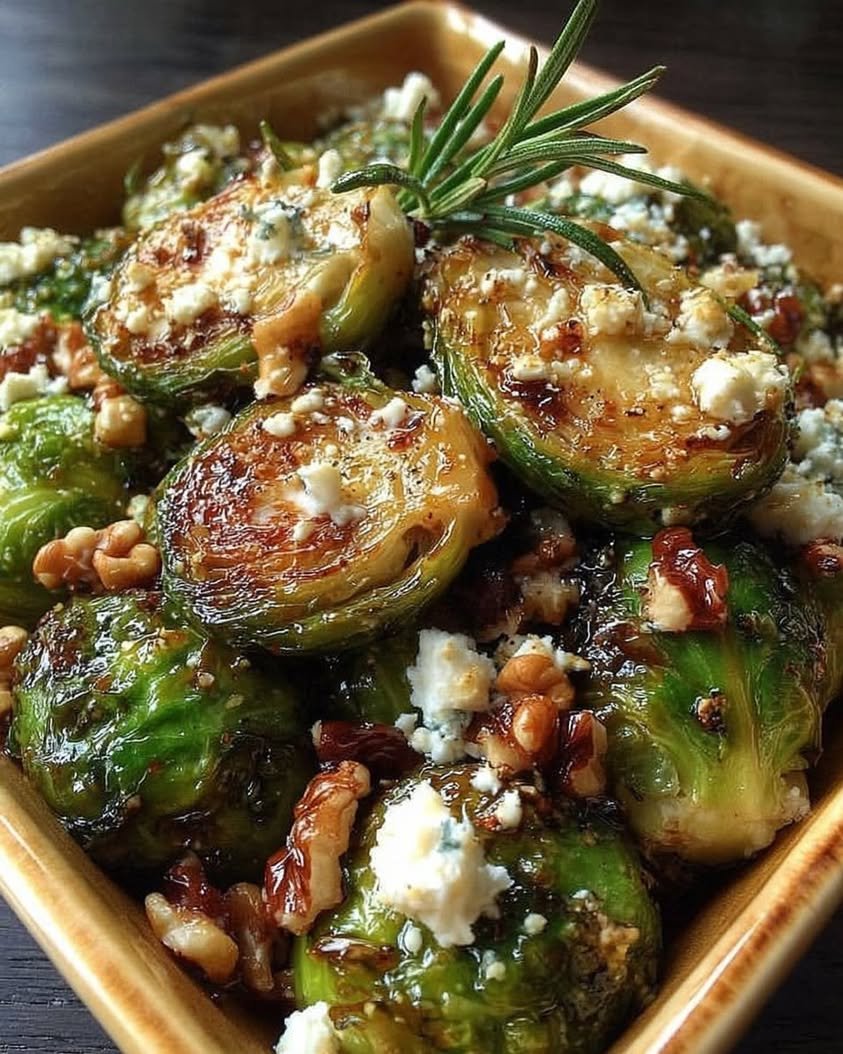
- Visual Appeal: Deep golden-brown sprout edges contrast with snowy white feta and glossy amber honey. Scattered walnuts and a sprinkle of fresh herbs make the platter look vibrant and polished.
- Skill Level Needed: This recipe suits beginners because it relies on simple roasting and assembly rather than advanced techniques. The main skills involve trimming sprouts, spreading them in a single layer, and watching for caramelization.
- Special Equipment: You need a large sheet pan, a small skillet for toasting walnuts, and a whisk for the hot honey. A sharp knife and cutting board make trimming the sprouts quick and safe.
Recipe Overview
- Difficulty Level: I rate this recipe as easy because it uses one pan and minimal hands-on time. The oven handles the caramelization, so you do not need precise stovetop timing. The only watchpoint involves checking the sprouts near the end so they char without burning.
- Category: This dish works as a side dish, a vegetable main for light lunches, or a holiday spread component. You can also fold leftovers into salads, grain bowls, or pasta for a quick second meal.
- Cuisine: The recipe draws on Mediterranean and American modern farm-to-table influences. Feta and honey reflect Greek culinary traditions, while sheet-pan roasting fits contemporary American home cooking. The hot honey drizzle nods to the popular sweet-heat trend rooted in Southern and global chili traditions.
- Cost: The ingredients stay budget-friendly because Brussels sprouts, walnuts, and feta are affordable staples. Expect about $8 to $12 total for four servings, depending on cheese and honey quality. Pantry staples like olive oil, salt, and pepper round out the list.
- Season: Fall and winter suit this recipe best because Brussels sprouts peak in cool weather and turn sweetest after frost. Holiday tables from Thanksgiving through New Year love this dish. However, supermarkets carry sprouts year-round, so you can make it anytime.
- Occasion: Serve this dish for weeknight dinners, holiday feasts, potlucks, and dinner parties. The presentation looks festive enough for special occasions but the effort stays low for casual meals. It also travels well to gatherings because it tastes good warm or at room temperature.
Why You’ll Love This Recipe
The taste and texture appeal of caramelized Brussels sprouts with feta, walnuts and hot honey drizzle comes down to contrast. Crispy roasted leaves crackle against creamy feta, while toasted walnuts add a crunch that keeps each bite lively. Sweet hot honey mellows the sprouts’ mild bitterness and lifts the salty cheese. This layering of flavors means your palate never gets bored, and even sprout skeptics come back for seconds.
Convenience makes this recipe a weeknight hero. You trim and halve the sprouts, toss them with oil, and slide them into the oven. While they roast, you toast walnuts and stir together hot honey in under five minutes. One sheet pan means less cleanup, and the whole dish comes together in about 35 minutes. Because the components hold well, you can prep parts ahead and assemble at the last minute.
Nutritional advantages give this dish extra appeal. Brussels sprouts deliver fiber, vitamin C, vitamin K, and antioxidants called glucosinolates. Walnuts contribute heart-healthy omega-3 fatty acids, and feta adds protein and calcium. Olive oil brings healthy fats that help your body absorb fat-soluble vitamins. Compared to cream-laden holiday sides, this caramelized Brussels sprouts with feta, walnuts and hot honey drizzle offers plenty of flavor for modest calories.
Social and entertaining value sets this recipe apart. The platter looks colorful and abundant, so guests instantly notice it on a crowded table. Hot honey has built-in conversation appeal, and the sweet-heat combo pleases a wide range of palates. Because the dish serves well at room temperature, hosts can set it out early and skip last-minute stress. Picky eaters and adventurous diners both find something to enjoy.
Cost-effectiveness and accessibility round out the reasons to love this recipe. Brussels sprouts rank among the cheapest vegetables per pound, especially in fall. Walnuts and feta cost a bit more but stretch across several servings. You need no specialty equipment or hard-to-find ingredients, and most grocery stores stock everything. That combination makes caramelized Brussels sprouts with feta, walnuts and hot honey drizzle a reliable, repeatable recipe for any budget.
Historical Background and Cultural Significance
The origin story of Brussels sprouts traces back to ancient Rome, where farmers cultivated early forms of the vegetable. Modern Brussels sprouts likely emerged in Belgium near Brussels during the 16th century, which gave the vegetable its name. European growers refined the plant into the tight, miniature cabbage we know today. Belgian farmers popularized the crop, and it spread across northern Europe before reaching North America in the 19th century.
Cultural importance varies across regions. In Belgium and the Netherlands, sprouts appear in hearty winter dishes with butter and nutmeg. British cooks famously pair them with chestnuts at Christmas. In the United States, the vegetable earned a reputation as a bitter, overcooked side dish for decades. However, the roasted Brussels sprout revival of the 2000s and 2010s transformed public opinion, making charred sprouts a trendy restaurant staple.
The evolution of this specific recipe reflects modern culinary trends. Roasting replaced boiling as the preferred cooking method because caramelization tames bitterness. The addition of feta and walnuts borrows from Mediterranean flavor traditions. Hot honey, popularized by American producers and chefs in the 2010s, brings a contemporary sweet-heat twist. Together, these elements show how a traditional winter vegetable adapts to current tastes.
Regional variations abound. Greek cooks might finish roasted sprouts with lemon and oregano alongside feta. Italian versions could include pancetta and balsamic. Middle Eastern adaptations bring za’atar and pistachios. American versions often lean into hot honey and toasted nuts, as this recipe does. Each region layers its own pantry staples onto the same basic roasting technique, proving the dish’s flexibility across cultures.
Ingredient Deep Dive
Brussels sprouts anchor this dish, and their history spans centuries of European agriculture dating back to ancient Rome. Belgian growers refined the modern vegetable near Brussels, which explains the name. Nutritionally, sprouts deliver abundant vitamin C, vitamin K, fiber, and folate for very few calories. When you shop, choose firm, bright green heads with tight leaves and no yellowing. Smaller sprouts tend to taste sweeter and cook faster. Store them unwashed in a perforated bag in the refrigerator crisper drawer for up to a week. If you cannot find sprouts, broccoli florets or green cabbage wedges make workable substitutes.
Feta cheese originated in Greece and appears in culinary records going back thousands of years. Traditional feta uses sheep’s milk or a sheep-goat blend, which gives it a tangy, briny flavor. The cheese provides calcium, protein, and a satisfying saltiness that balances the sweet honey. Look for feta packed in brine rather than pre-crumbled varieties, since blocks stay creamier. Keep feta refrigerated in its brine and use it within a week after opening. Goat cheese, cotija, or ricotta salata can stand in when needed.
Walnuts carry a long history as a prized nut across Persian, Mediterranean, and European cuisines. They offer omega-3 fatty acids, protein, and antioxidants, especially in their papery skins. Select walnuts that feel heavy and smell fresh, not dusty or bitter. Store them in an airtight container in the refrigerator or freezer because their oils turn rancid at room temperature. Pecans, almonds, or pistachios work well as swaps, and toasted pumpkin seeds make a nut-free alternative.
Hot honey blends honey with chili peppers, and its modern popularity grew from American artisan producers. Honey brings floral sweetness while chili adds gentle heat, creating the signature drizzle. Honey supplies antioxidants and natural sugars, and chili contains capsaicin. Choose a mild, aromatic honey for the base and a fruity chili like Fresno or habanero for balance. Keep hot honey in a sealed jar at room temperature for several months. Maple syrup with a pinch of cayenne or regular honey with red pepper flakes both work as substitutes.
Common Mistakes to Avoid
- Overcrowding the sheet pan: When sprouts sit too close together, they steam instead of roast. Spread them in a single layer with space between pieces so hot air reaches every surface.
- Skipping the drying step: Wet sprouts refuse to brown and turn soggy. Pat them thoroughly dry after washing, because moisture fights the caramelization you want.
- Using too little oil: Sprouts need a light but thorough coating to conduct heat and crisp. Toss them until every piece glistens, then spread them out.
- Cutting sprouts unevenly: Mixed sizes cook at different rates and leave you with burnt edges and raw centers. Halve them through the core and trim stems so pieces stay similar in size.
- Not preheating the oven fully: A cold oven produces pale, soft sprouts. Give the oven a full 10 to 15 minutes at 425°F so the pan and air reach temperature.
- Roasting at too low a heat: Low temperatures draw out moisture and prevent browning. Stick with high heat and check near the end for char.
- Adding feta too early: Feta softens and melts if it roasts too long. Sprinkle it on after the sprouts come out so it stays creamy and distinct.
- Burning the walnuts: Walnuts go from toasted to bitter in seconds. Toast them in a dry skillet over medium-low heat, stirring constantly, and pull them off the heat as soon as they smell fragrant.
- Drizzling honey before roasting: Hot honey contains sugars that burn quickly at high heat. Always drizzle after roasting so the flavor stays bright and the glaze stays glossy.
- Underseasoning: Sprouts need confident salt and pepper to taste their best. Season before roasting and taste after assembly, adjusting as needed.
Essential Techniques
Proper trimming and halving form the foundation of even cooking. Cut off the tough stem end, then slice each sprout lengthwise through the core. The core holds the leaves together, so halving through it keeps pieces intact. Remove any loose or yellowed outer leaves, since those burn fast. Why it matters: uniform pieces caramelize at the same rate. Master it by keeping your knife sharp and sorting sprouts by size. Common pitfalls include cutting off too much stem, which causes pieces to fall apart. Visual cue: each half should hold together flat on the cut side.
Achieving caramelization requires high heat, dry surfaces, and space. Toss the sprouts with oil and seasonings, then arrange them cut side down on a hot sheet pan. Why it matters: the cut face contacts the hot pan directly, which drives browning and sweetness. Master it by preheating the oven fully and using a heavy pan. Common pitfalls include flipping too early, which tears the caramelized surface. Visual cue: the cut sides should turn deep golden brown with charred edges before you stir them.
Toasting walnuts builds depth and crunch. Place the nuts in a dry skillet over medium-low heat and stir often for three to five minutes. Why it matters: toasting removes raw bitterness and releases aromatic oils. Master it by staying at the stove and watching color closely. Common pitfalls include walking away, since nuts scorch quickly. Visual cue: the walnuts turn one shade darker and smell warm and nutty.
Whisking hot honey creates the finishing touch. Combine honey and finely chopped chili or chili flakes in a small saucepan, warm gently, and let it steep. Why it matters: gentle heat infuses the honey with chili flavor without scorching it. Master it by keeping the heat low and stirring steadily. Common pitfalls include boiling the honey, which dulls the floral notes. Visual cue: the honey thins slightly, turns glossy, and smells of chili and flowers.
Pro Tips for Perfect Caramelized Brussels Sprouts with Feta, Walnuts and Hot Honey Drizzle
Choose sprouts of similar size so they finish cooking at the same time. If your sprouts vary widely, quarter the large ones and halve the small ones. Consistent sizing prevents the burnt-and-raw problem that frustrates many home cooks.
Preheat the sheet pan itself in the oven for five minutes before adding the sprouts. A hot pan starts the caramelization the moment the sprouts touch down. This simple step mimics restaurant techniques without extra equipment.
Arrange sprouts cut side down and resist the urge to stir early. Let them sit for at least 15 minutes so the flat faces develop deep browning. You only need one or two stirs in the final minutes.
Toast the walnuts while the sprouts roast so everything finishes together. This parallel workflow cuts total time and fills the kitchen with warm aromas right before serving.
Make hot honey a day ahead so the chili flavor fully infuses. A short rest in the jar deepens the heat and sweetness, and the drizzle keeps for weeks in the pantry.
Assemble in layers for the best presentation. Start with a bed of sprouts, scatter feta and walnuts, then finish with the hot honey drizzle in thin ribbons. Reserve a few walnuts for the top so the platter looks intentional.
Taste and adjust the salt level after adding feta, since the cheese brings its own saltiness. A small squeeze of lemon brightens the dish if the flavors taste flat.
Serve on a warm platter to keep the sprouts tender longer. A cold plate pulls heat from the food quickly, especially at gatherings where the dish sits out.
Variations and Adaptations
Regional variations let you tour the world with the same technique. Greek-style versions add lemon zest, oregano, and a sprinkle of dill alongside the feta. Italian adaptations use pancetta, balsamic glaze, and Parmesan in place of feta. Middle Eastern spins bring za’atar, pomegranate seeds, and pistachios for color and brightness. Southern American versions amplify the hot honey with extra cayenne and smoked paprika. Each variation keeps the roasting method intact while swapping the finishing flavors.
Seasonal adaptations keep the dish fresh all year. In fall, add roasted apple chunks or pear slices for extra sweetness. Winter versions welcome pomegranate seeds and citrus segments. Spring and summer lean lighter, so try shaved sprouts in a raw salad with the same feta, walnuts, and hot honey dressing. Matching the sides to the season keeps the dish exciting across the calendar.
Dietary modifications make the recipe inclusive. For vegan diners, swap feta for a dairy-free cheese or salted toasted almonds. Dairy-free eaters can also use coconut-based feta alternatives with good results. For a lower-sugar version, blend hot honey with a sugar-free syrup or use regular honey sparingly. Each swap preserves the sweet-salty-crunchy balance that defines the dish.
Flavor variations go beyond the original. Smoked paprika and cumin bring warmth, while maple syrup replaces honey for a woodland note. Horseradish-honey drizzle adds a sharp kick that pairs beautifully with beef. Sriracha-based honey offers a different heat profile with garlic undertones. Feel free to treat the drizzle as a canvas and adjust heat levels to your family’s taste.
Texture modifications suit different preferences. For extra crunch, add panko breadcrumbs toasted in olive oil. Softer textures come from a brief steam before roasting or a slightly lower oven temperature. If you prefer creamy elements, use whipped feta as a base layer and pile the sprouts on top. Texture personalizes the dish without changing its character.
Presentation alternatives fit various tables. Serve the sprouts in a shallow bowl for family style, or pile them on a wooden board for a rustic look. Individual ramekins make elegant party portions, and skewers turn the dish into a passed appetizer. The recipe adapts to formal platters and casual spreads with equal ease.
Serving and Presentation Guide
Plating techniques matter because we eat with our eyes first. Pile the roasted sprouts loosely on a wide platter so the charred edges show. Scatter feta and walnuts deliberately, then drizzle hot honey in thin zigzags using a spoon. Keep the arrangement organic and slightly uneven, since structured piles look stiff. A white or dark platter makes the colors pop.
Garnishing ideas add freshness and contrast. A sprinkle of chopped parsley, dill, or mint brings bright green against the amber honey. Lemon zest adds color and aroma, and flaky sea salt crystals catch the light. Pomegranate seeds sparkle like jewels on holiday tables. Choose one or two garnishes so the dish looks focused rather than cluttered.
Traditional accompaniments include roast turkey, glazed ham, and roasted chicken. These proteins share the oven and pair well with the sweet-salty profile. For vegetarian spreads, serve alongside mushroom Wellington, lentil loaf, or a creamy risotto. Holiday tables often pair sprouts with mashed potatoes and cranberry sauce, and this version fits right in.
Modern serving suggestions expand beyond the dinner plate. Fold the sprouts into a grain bowl with farro or quinoa and a lemony dressing. Toss them with pasta and a splash of olive oil for a quick weeknight meal. Pile them on toasted sourdough with whipped feta for a show-stopping crostini. The dish flexes into salads and sandwiches with ease.
Temperature considerations matter for flavor. These sprouts taste best warm, but they hold up well at room temperature for buffets. If you need to reheat, warm them in a 350°F oven for five to eight minutes rather than the microwave, which softens the crisp edges. Add fresh feta and a new drizzle of hot honey after reheating.
Portion control tips help with meal planning. A serving of about one cup works as a hearty side. For large gatherings, plan roughly one quarter pound of raw sprouts per person. Since the dish is rich with cheese and nuts, smaller portions satisfy, and leftovers store well for lunches the next day.
Wine and Beverage Pairing
Wine pairings can elevate caramelized Brussels sprouts with feta, walnuts and hot honey drizzle. A crisp Sauvignon Blanc cuts through the richness of feta and complements the sweet-heat glaze. Dry Riesling pairs well with the chili honey because its slight sweetness matches the dish. For red wine lovers, a light Pinot Noir works, and a dry rosé bridges the flavors beautifully. Avoid heavy tannic reds that clash with the heat and cheese.
Non-alcoholic alternatives keep the pairing options open. Sparkling water with lime slices refreshes the palate between bites. Unsweetened iced tea with lemon offers tannins without alcohol. Ginger beer brings spicy fizz that mirrors the hot honey’s kick. Apple cider, especially in fall, echoes the roasted sweetness of the sprouts.
Coffee and tea pairings may sound unconventional, but they work with this dish. A black tea with citrus notes cleanses the palate, and green tea adds herbal contrast. For coffee drinkers, a medium roast complements the toasted walnuts. Keep these beverages warm rather than iced for cold-weather meals.
Temperature considerations apply to beverages as well. Serve white wines well chilled and reds slightly below room temperature to keep them lively. Sparkling options should be cold for maximum refreshment. For cider and tea, warm temperatures suit cozy gatherings.
Serving suggestions finish the pairing plan. Offer two options, such as a crisp white and a non-alcoholic sparkler, so guests can choose. Pour modest portions so each course gets a fresh glass. Set a pitcher of citrus water on the table for easy refills throughout the meal.
Storage and Shelf Life
Storage methods decide how well leftovers taste the next day. Transfer cooled sprouts to an airtight container within two hours of cooking. Keep the feta and walnuts separate if possible, since they soften when stored together. A glass container works best because it resists stains and odors.
Temperature requirements are straightforward: refrigerate the dish at 40°F or below. Do not leave the sprouts at room temperature for more than two hours, and cut that window to one hour in warm weather. Proper cooling before sealing the container prevents condensation that makes the sprouts soggy.
Container recommendations focus on keeping textures intact. Use shallow containers so leftovers chill quickly and evenly. If you must layer the dish, separate each layer with parchment paper. Press out excess air before sealing lids to protect flavor.
Signs of spoilage keep you safe. Discard the dish if you notice off odors, sliminess, or visible mold. Feta turns sour when spoiled, and walnuts smell bitter when their oils turn rancid. When in doubt, throw it out, since food safety always comes first.
Reheating instructions preserve quality. Warm leftovers in a 350°F oven for five to eight minutes, spread on a sheet pan. The oven restores crisp edges better than a microwave. Refresh the dish with a new sprinkle of feta and a fresh drizzle of hot honey.
Freezing guidelines help with long-term planning. Freeze roasted sprouts without cheese and nuts for up to three months in freezer-safe bags. Thaw overnight in the refrigerator, then reheat at 400°F for eight to ten minutes. Add fresh feta, walnuts, and hot honey after reheating for the best results.
Make Ahead Strategies
Prep timeline planning makes entertaining simpler. Trim and halve the sprouts up to two days ahead and store them in a sealed container in the refrigerator. Whisk the hot honey up to a week ahead so the flavors meld. Toast the walnuts a day before and keep them at room temperature in a jar.
Storage between steps keeps each component at its best. Keep raw prepared sprouts cold and dry until roasting time. Store feta in its brine until serving, and hold walnuts at room temperature so they stay crunchy. Hot honey sits at room temperature because refrigeration makes it too thick.
Quality impact assessment shows where make-ahead works best. Raw trimmed sprouts hold beautifully and roast just as well after storage. Toasted walnuts stay crisp for several days in a sealed jar. Hot honey improves after a day as the chili infuses. Only the final roast needs to happen fresh.
Assembly tips speed up the last minutes before serving. Set out the platter, feta, walnuts, and hot honey within reach. Roast the sprouts, transfer them to the platter, and build the layers in under two minutes. This workflow keeps the cook calm even when guests arrive.
Reheating guidelines for make-ahead stages remain simple. Reheat only roasted sprouts, and do so at high heat to restore crispness. Never reheat the assembly; add feta and drizzle fresh. Warm the platter itself for restaurants-style presentation.
Fresh element additions complete the dish at the end. A final sprinkle of fresh herbs, lemon zest, or flaky salt revives flavor after storage. A fresh drizzle of hot honey glosses the sprouts and makes them look newly made. These small touches separate a good dish from a great one.
Scaling Instructions
Halving the recipe works easily for two people. Use half a pound of sprouts, a quarter cup of feta, and a quarter cup of walnuts. Keep the oven temperature the same because the method depends on high heat. Smaller batches may roast slightly faster, so check at 18 minutes.
Doubling or tripling suits holiday crowds. Use two sheet pans for a double batch and three for a triple, since overcrowding ruins caramelization. Rotate pans halfway through roasting and swap rack positions for even cooking. Increase the hot honey batch by the same factor and store extra in a jar.
Equipment adjustments matter at scale. Home ovens often need pans on upper and lower racks, so rotate once midway. Larger batches may need a few extra minutes, and the pan size must stay large enough for a single layer. Work in batches if pans are scarce rather than crowding the sprouts.
Timing modifications keep larger batches precise. Expect two to five extra minutes for double batches because the oven loses heat when loaded. Toast walnuts in larger batches in the oven on a separate pan at 350°F for five to seven minutes, stirring once.
Storage considerations expand with batch size. Label containers with dates and keep larger batches portioned into meal-sized amounts. Freeze extra roasted sprouts without toppings as planned. Hot honey keeps for weeks, so extra drizzle never goes to waste.
Nutritional Deep Dive
The macro breakdown of caramelized Brussels sprouts with feta, walnuts and hot honey drizzle shows a balanced profile. Each serving delivers roughly 220 calories, 8 grams of protein, 14 grams of fat, and 16 grams of carbohydrates. Fiber lands around 4 grams, and added sugars from honey stay modest at about 6 grams. These numbers make the dish feel indulgent while fitting into most eating plans.
Micronutrient analysis reveals impressive depth. Brussels sprouts load each serving with more than a day’s vitamin K and most of the daily vitamin C needs. Folate, vitamin B6, and manganese appear in meaningful amounts. Feta adds calcium and phosphorus, and walnuts contribute magnesium and omega-3 fats. The honey delivers trace antioxidants and polyphenols.
Health benefits extend beyond vitamins. The glucosinolates in sprouts support the body’s natural detox pathways. Fiber promotes digestive health and steady blood sugar. Walnut omega-3 fats support heart and brain health. Feta’s protein and calcium contribute to bone strength and satiety.
Dietary considerations include gluten-free and vegetarian status by default. Those watching sodium should note that feta brings salt, so reduce added salt. Anyone monitoring sugar can cut the honey portion or use a low-sugar alternative. Walnut allergies require a seed swap such as toasted pumpkin seeds.
Portion analysis shows the dish fits well as a side at about one cup per serving. As a main with grain added, plan on two servings. The richness from cheese and nuts means smaller portions satisfy, which helps with calorie control at big meals.
Weight management tips frame the dish as a strategic choice. Compared to creamy casseroles, this recipe delivers big flavor with moderate calories. Pair it with lean protein and fill half the plate with vegetables. The fiber and protein combo supports fullness, which curbs overeating at holiday meals.
Dietary Adaptations
Gluten-free eaters enjoy this recipe as written because none of the ingredients contain gluten. Still, check labels on hot honey and feta for additives or thickeners. Skip breadcrumb variations in the texture section unless you use certified gluten-free panko. When serving guests with celiac disease, use clean pans and utensils to avoid cross-contact.
Dairy-free adaptations replace feta with a coconut-oil-based vegan cheese or salty toasted nuts. Marinated white beans make a creamy stand-in with a brine-like tang. Nutritional yeast sprinkled over the sprouts adds savory depth. Taste after swapping and adjust salt, since cheese alternatives vary in seasoning.
Vegan versions also swap hot honey’s honey for maple syrup infused with chili. This change keeps the sweet-heat contrast while removing animal products. Use agave syrup if you prefer a neutral sweetness. The dish remains gluten-free and plant-based with these swaps.
Low-carb and keto adaptations cut the honey portion or replace it with a sugar-free syrup whisked with chili. Brussels sprouts contain some carbs but fit moderate low-carb plans. Increase olive oil and walnuts slightly for satiety. Keep feta, which brings fat and protein with minimal carbs.
Paleo adaptations focus on whole ingredients. Swap feta for a paleo-friendly cheese alternative or omit it and add extra walnuts. Use honey for the drizzle since natural sweeteners fit paleo guidelines in moderation. Ensure the chili and spices are pure with no additives.
Low-FODMAP considerations matter for sensitive stomachs. Brussels sprouts contain high FODMAP compounds, so small portions of about half a cup may suit some people. Celery or green beans make gentler swaps. Keep the feta, walnuts, and hot honey as written for a low-FODMAP-friendly drizzle.
Other specific diets adapt with simple choices. Mediterranean eating plans welcome the olive oil, vegetables, and nuts. DASH diets benefit from the low sodium if you reduce feta and salt. Vegetarian meal plans find a protein-rich side here. Always taste after swaps to keep the sweet-salty-crunchy balance intact.
Troubleshooting Guide
Texture issues usually trace back to moisture or heat. Soggy sprouts steam when crowded or wet, so dry them and spread them out. Tough sprouts need more oven time, so return them in five-minute increments. Mushy results mean the oven was too low or the sprouts sat in liquid; use high heat and a rimmed pan without added water.
Flavor balance adjustments fix most complaints. If the dish tastes bitter, add a pinch of salt and a fresh drizzle of hot honey to mellow the sprouts. If it tastes too sweet, add feta and a squeeze of lemon. When heat overwhelms, blend the hot honey with plain honey. Taste one assembled bite and adjust from there.
Temperature problems include ovens that run cool. An oven thermometer helps you confirm the true reading, since many home ovens run 25°F off. Always preheat for a full 15 minutes before roasting. If browning happens too fast, move the pan lower rather than lowering the heat.
Equipment challenges appear with thin or dark sheet pans. Thin pans warp and brown unevenly, so use heavy aluminum or lined dark pans with parchment. A large pan matters more than an expensive one. If you own only small pans, roast in two batches rather than crowding.
Ingredient substitutions can change timing and flavor. For example, goat cheese melts faster than feta, so add it even later. Pecans toast faster than walnuts, so check them sooner. Syrup drizzles thinner than honey, so use less and taste for sweetness.
Timing concerns center on the final minutes. Set a timer for the earliest suggested bake time and check for deep golden cut sides. Every oven differs, so rely on visual cues rather than the clock alone. If guests are late, roast the sprouts on time and hold them warm on a heated platter.
Recipe Success Stories
Community feedback keeps flooding in about this caramelized Brussels sprouts with feta, walnuts and hot honey drizzle. Readers report that sprout skeptics ate them without complaint. Families share that kids ask for seconds, and holiday hosts say the platter empties first. Many note that the hot honey drizzle turns a simple vegetable into the star of the table.
Variation successes show how readers personalize the dish. One home cook used pistachios instead of walnuts with excellent results. Another drizzled maple-chili syrup for a fall version. A reader added pomegranate seeds for a holiday table and received requests for the recipe. These adaptations prove the recipe bends without breaking.
Adaptation stories highlight dietary success. Vegan readers swapped feta for almond ricotta and maple hot honey and loved the result. A reader on a keto plan cut the honey and used a sugar-free syrup. Another cook with a nut allergy used toasted pepitas and reported no loss of texture.
Reader suggestions improve the recipe for everyone. Double the hot honey and keep extras for roasted carrots or chicken. Pre-toast walnuts for three minutes in the oven to save a pan. Assemble on a warm platter so the cheese stays creamy through dinner. These small ideas come from real kitchens.
Photography tips help readers share beautiful photos. Shoot from a low angle to capture the glaze shine. Use natural window light and a neutral surface so the amber honey glows. Add a fresh herb sp Print
Caramelized Brussels Sprouts with Feta, Walnuts & Hot Honey Drizzle
- Total Time: 40 minutes
- Yield: 4
Description
Roasted Brussels sprouts caramelized to perfection, topped with creamy feta, crunchy walnuts, and a spicy-sweet hot honey drizzle. A perfect side dish or appetizer.
Ingredients
- 1 lb Brussels sprouts, trimmed and halved
- 2 tablespoons olive oil
- Salt and pepper to taste
- 1/2 cup crumbled feta cheese
- 1/4 cup chopped walnuts
- 2 tablespoons honey
- 1/2 teaspoon red pepper flakes (or to taste)
Instructions
- Preheat oven to 400°F (200°C). Line a baking sheet with parchment paper.
- In a bowl, toss Brussels sprouts with olive oil, salt, and pepper. Spread evenly on the baking sheet.
- Roast for 25-30 minutes, flipping halfway, until caramelized and tender.
- Meanwhile, in a small bowl, mix honey and red pepper flakes. Set aside.
- Transfer roasted Brussels sprouts to a serving dish. Sprinkle with feta and walnuts, then drizzle with hot honey.
Notes
You can customize the seasonings to taste.
- Prep Time: 10 minutes
- Cook Time: 30 minutes
- Method: Side
- Cuisine: American