Garlic Parmesan Chicken Spaghetti in Spicy Cajun Cream Sauce: A Weeknight Dinner Worth Craving
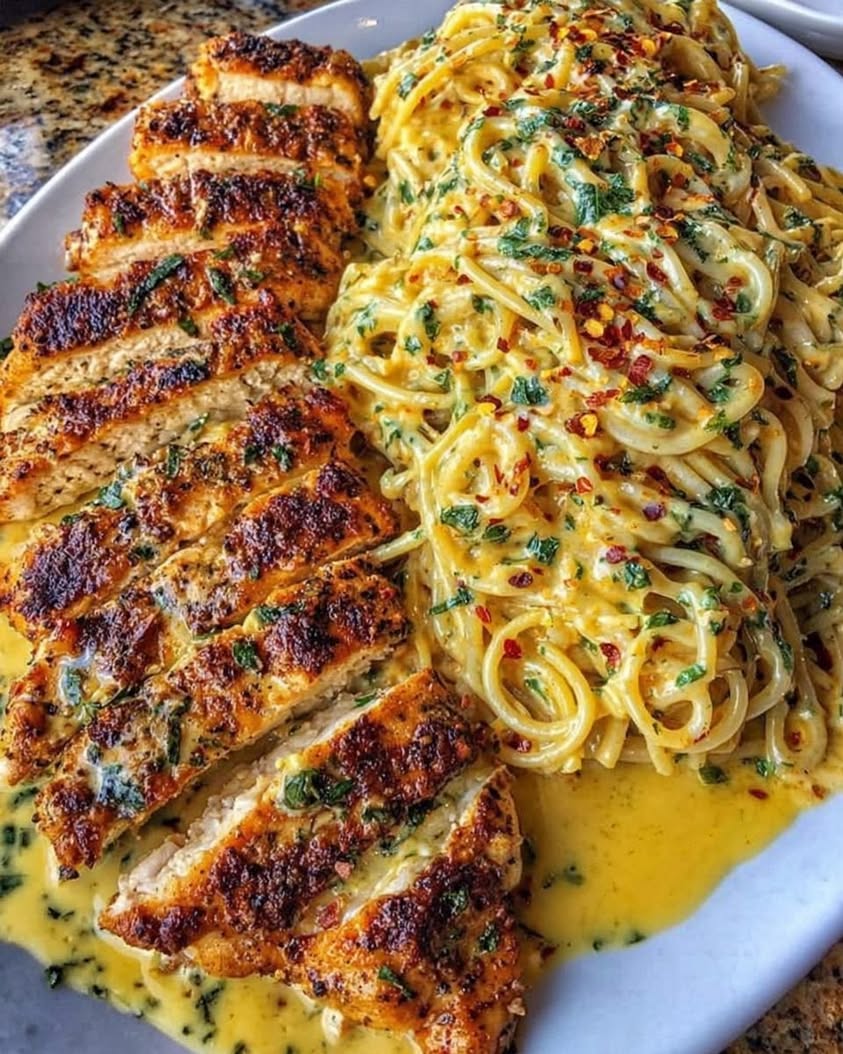
If you crave a dinner that delivers bold flavor without a marathon session in the kitchen, this Garlic Parmesan Chicken Spaghetti in Spicy Cajun Cream Sauce deserves a permanent spot in your rotation. This dish combines tender spaghetti, golden seared chicken, and a velvety cream sauce that hums with garlic, Parmesan, and Cajun spice. Each forkful brings warmth, richness, and just enough heat to keep you coming back for more. The recipe comes together in about forty minutes, so it fits neatly into busy weeknights while still feeling special enough for weekend guests.
The magic of this Garlic Parmesan Chicken Spaghetti in Spicy Cajun Cream Sauce lies in its layers of flavor. First, Cajun seasoning coats the chicken and builds a savory crust. Then, garlic and Parmesan melt into a cream sauce that clings to every strand of pasta. Finally, a touch of heat lingers on your tongue and invites the next bite. Because the ingredient list stays short and the technique stays simple, even beginner cooks can nail this recipe on the first try. You do not need fancy equipment or hard-to-find ingredients, and that accessibility makes this dish a reliable crowd-pleaser all year long.
Beyond great taste, this Cajun chicken spaghetti recipe offers real versatility. You can adjust the spice level, swap in different pasta shapes, or add vegetables to stretch the dish further. The creamy Cajun pasta sauce works beautifully with grilled chicken, shrimp, or even roasted vegetables for a meatless version. Meanwhile, the garlic Parmesan combination keeps everything familiar and comforting. In short, this spicy chicken pasta recipe gives you restaurant-style flavor at home for a fraction of the cost, and it rewards you with leftovers that taste even better the next day.
Quick Recipe Highlights
- Flavor Profile: Expect a bold blend of garlicky richness, nutty Parmesan, and smoky Cajun heat that builds gently with each bite. The cream sauce softens the spice while the seasoned chicken adds a savory backbone. Every element balances so no single flavor overwhelms the plate.
- Texture: The spaghetti stays perfectly al dente and coats evenly in the thick cream sauce. Seared chicken pieces remain juicy and tender inside their seasoned crust. Parmesan melts into the sauce to create a smooth, luxurious mouthfeel without any graininess.
- Aroma: Garlic sizzling in butter fills your kitchen with an irresistible invitation to dinner. As the Cajun seasoning blooms in the pan, smoky paprika and cayenne notes rise with it. Finally, the Parmesan and cream bring a warm, dairy-rich finish to the air.
- Visual Appeal: Golden-brown chicken pieces contrast beautifully against the pale cream sauce and ribbons of spaghetti. A sprinkle of fresh parsley adds a bright pop of green. Serve it in shallow bowls so guests can see the glossy sauce clinging to every strand.
- Skill Level Needed: This recipe suits beginners because the steps are straightforward and forgiving. You only need basic knife skills and the ability to stir a sauce. The forgiving nature of cream sauces means small timing errors will not ruin the dish.
- Special Equipment: You need a large skillet or Dutch oven for searing the chicken and building the sauce. A large pot for boiling spaghetti and a set of tongs make the process smoother. A wooden spoon or silicone spatula handles the deglazing and stirring with ease.
Recipe Overview
- Difficulty Level: I rate this dish as easy because it relies on one skillet and one pot for most of the work. The sauce comes together with simple stirring rather than advanced techniques like emulsification or tempering. Beginners can follow the steps in order and succeed on the first attempt. The forgiving nature of a cream-based sauce gives you room to adjust seasoning at the end.
- Category: This dish works as a main course for dinner and also shines as a potluck contribution. It fits the pasta night category perfectly and satisfies the whole family. You can serve it as a hearty weeknight meal or a casual weekend dinner. Leftovers make an excellent next-day lunch.
- Cuisine: This recipe draws from Cajun cooking traditions of Louisiana combined with Italian-American pasta comfort. The Cajun seasoning brings smoky heat while the Parmesan and garlic nod to Italian flavors. Together they form a fusion dish that feels both familiar and exciting. Home cooks across the U.S. have embraced these blended flavors for good reason.
- Cost: A batch serves four for roughly twelve to fifteen dollars depending on your grocery store. Chicken breast or thighs provide affordable protein while pantry staples make up the rest. The most expensive item is often the Parmesan, but you can buy a wedge and grate it yourself for savings. Overall the cost per serving lands near three to four dollars.
- Season: This recipe works year-round because it uses pantry staples and basic proteins. It suits cozy fall and winter evenings when you want something warm and comforting. In summer, you can lighten it with fresh herbs and a squeeze of lemon. Spring gatherings also welcome this dish thanks to its bright garlic notes.
- Occasion: Serve it for family dinners, date nights at home, or casual parties with friends. It fits game-day gatherings because it holds well on a buffet line. The dish also suits holiday weekends when you need a reliable crowd-pleaser. It even works for meal prep Sundays because leftovers store beautifully.
Why You’ll Love This Recipe
The taste and texture of this Garlic Parmesan Chicken Spaghetti in Spicy Cajun Cream Sauce hit every note you want in comfort food. The cream sauce feels rich and velvety on your tongue, yet the Cajun spice cuts through the heaviness with smoky warmth. Garlic and Parmesan add depth without overpowering the chicken. Meanwhile, the seared chicken brings a satisfying contrast in texture against the soft pasta. You get complexity and balance in every bite, and that balance keeps the dish from tasting one-dimensional.
Convenience sets this recipe apart from other creamy pasta dishes because it uses one skillet and one pot. You sear the chicken, build the sauce, and toss everything together without juggling extra pans. The whole process takes about forty minutes from start to finish, which makes it faster than takeout in most cases. Cleanup stays manageable, too, since the sauce comes together in the same skillet used for the chicken. That efficiency makes this spicy Cajun chicken pasta a strong weeknight option.
Nutritionally, this recipe offers solid protein from the chicken and satisfying energy from the pasta. The Parmesan contributes calcium, and the garlic brings antioxidants and flavor without extra sodium. You control the spice level, so the dish suits different tolerance levels in the household. Adding a handful of spinach or roasted peppers boosts fiber and vitamins without changing the core flavor. As a result, the dish can flex toward lighter eating when you want it to.
Social and entertaining value matters too, and this dish delivers on that front. The presentation looks impressive in a serving bowl with parsley scattered on top. Guests appreciate the bold Cajun flavor because it feels special, yet the recipe stays approachable. You can serve it family-style so everyone scoops their own portion, which keeps hosting relaxed. The recipe also doubles easily, so feeding a larger crowd does not require extra effort or stress.
Finally, cost-effectiveness makes this garlic Parmesan chicken spaghetti a smart choice for budget-conscious cooks. Chicken thighs or breasts often go on sale, and dry pasta remains one of the cheapest staples available. A block of Parmesan lasts for several meals when grated at home. Cajun seasoning blends are inexpensive and last for months in the pantry. When you add it all up, this recipe consistently beats restaurant prices while delivering comparable flavor and satisfaction.
Historical Background and Cultural Significance
Cajun cooking traces its roots to the French Acadians who settled in Louisiana after their expulsion from Canada in the eighteenth century. Those settlers adapted French techniques to local ingredients and created a cuisine known for bold seasoning and hearty comfort. Cajun seasoning blends typically combine paprika, cayenne, garlic powder, and onion powder. That smoky, spicy profile eventually found its way into pasta dishes as Louisiana cooks blended traditions. Today, Cajun cuisine enjoys wide popularity across the United States.
Italian-American pasta culture developed its own identity in cities such as New York and New Orleans, where immigrant families opened restaurants and shared recipes. Garlic and Parmesan became signature flavors in these kitchens, and creamy pasta sauces gained popularity through the twentieth century. The combination of Alfredo-style cream sauce with Cajun spice reflects the natural overlap between these two culinary traditions. New Orleans, in particular, hosts a rich history of Italian restaurants that serve both seafood and pasta with local flair. That cross-pollination shaped modern fusion recipes like this one.
The evolution of this recipe follows broader trends in American home cooking toward fusion comfort food. As cooks started experimenting with Cajun seasoning beyond gumbo and jambalaya, pasta became a natural canvas for bold spice. The creamy sauce tempers the heat while garlic and Parmesan add savory depth. Food blogs and social media accelerated the spread of Cajun cream pasta recipes, and home cooks embraced their ease. Now the dish appears in countless kitchens as a weeknight staple with Louisiana soul.
Regional variations abound depending on where you live and who taught you to cook. In Louisiana, cooks might use andouille sausage alongside the chicken for extra smoke. In the Midwest, you will find recipes that add broccoli and bell peppers for extra color. Southern cooks sometimes finish the sauce with a splash of hot sauce or a pinch of extra cayenne. Coastal kitchens frequently swap in shrimp for chicken and create their own seafood-forward versions. Each variation reflects local tastes while honoring the same core flavor profile.
Ingredient Deep Dive
Chicken serves as the protein backbone, and it carries cultural importance as a staple of American home cooking. Chicken breast or thighs offer lean protein and adapt to nearly any seasoning. Nutrition-wise, chicken provides B vitamins and selenium while remaining relatively low in saturated fat. Choose breasts for leaner eating or thighs for juicier results with more flavor. Select meat that looks pink and fresh with no off odors, and store it in the coldest part of your fridge. Substitute shrimp, tofu, or extra vegetables if you prefer a different protein.
For safety and flavor, pat the chicken dry before seasoning because moisture blocks browning. Store raw chicken on the bottom shelf of the refrigerator and use it within two days of purchase. Freeze portions you will not cook immediately, and thaw them overnight in the fridge. When you marinate or season, let the chicken sit for fifteen minutes so the spices adhere. These habits protect your kitchen and improve the final dish.
Pasta forms the base and ties the whole dish together with its comforting chew. Spaghetti holds a beloved place in Italian-American cuisine and appears on family tables across the country. Semolina pasta delivers carbohydrates for energy along with small amounts of iron and fiber. Look for bronze-die pasta if you want a rougher surface that grips sauce better. Buy pasta with a clean, uniform color and store it in an airtight container away from moisture. Gluten-free pasta or chickpea pasta work well as substitutes for dietary needs.
Cooking pasta correctly strengthens the dish because overcooked noodles turn mushy in cream sauce. Reserve a cup of pasta water before draining so you can loosen the sauce if needed. Toss the spaghetti into the sauce immediately after draining to prevent sticking. Store dry pasta in your pantry for up to two years without issue. Fresh pasta works too, though it cooks faster and needs a shorter sauce time.
Heavy cream creates the silky body of the Cajun cream sauce and ranks among the most common dairy ingredients in comfort cooking. Cream adds richness and helps carry fat-soluble flavors from the spices and garlic. Nutritionally, cream delivers fat and calories, so portion control matters if you watch intake. Choose fresh cream with a date well ahead and avoid cartons that look swollen or smell sour. Store cream in the refrigerator and use it within a week of opening. Half and half or whole milk with a butter-thickened roux work as substitutes for lighter versions.
Parmesan brings salty, nutty depth that defines garlic Parmesan chicken spaghetti. Authentic Parmigiano-Reggiano ages at least twelve months and carries a protected designation in Italy. It offers calcium and protein along with concentrated umami flavor. Buy a wedge and grate it yourself because pre-shredded cheese often contains anti-caking agents that prevent smooth melting. Wrap the wedge tightly in parchment and store it in the fridge for several weeks. Pecorino Romano or Grana Padano make excellent substitutes with slightly different sharpness.
Cajun seasoning brings the signature spice and smoky character to this dish. Commercial blends vary in heat, so taste yours before adding a full tablespoon. Paprika, cayenne, garlic powder, onion powder, and dried oregano commonly appear in these blends. The seasoning contributes little nutrition but massive flavor impact, so use it strategically. Store blends in a cool pantry and replace them yearly because spices fade with age. You can make your own blend easily with pantry staples for fresher flavor and custom heat.
Garlic appears throughout the recipe as a foundational aromatic that defines the dish’s name. Cultures worldwide value garlic for its flavor and reputed health properties, and it holds a central place in Mediterranean cooking. Fresh garlic contains sulfur compounds with antioxidant potential along with trace vitamins. Choose firm, tight bulbs with papery skin and no sprouts. Keep bulbs in a cool, dry place with airflow and avoid the refrigerator. Garlic powder works in a pinch, though fresh minced garlic delivers the best flavor.
Common Mistakes to Avoid
- Overcrowding the pan when searing chicken causes steaming instead of browning, so work in batches. Give each piece space so the surface can develop color. Crowded chicken turns gray and rubbery rather than golden and juicy.
- Adding the cream before the garlic softens leads to raw-tasting sauce, so saute the garlic first. Watch for a light golden color and a strong aroma before pouring cream. Burnt garlic turns bitter and ruins the whole batch.
- Boiling the sauce after the cream goes in risks curdling and greasiness, so keep the heat low. Stir gently and avoid a rolling boil once dairy enters the pan. Gentle simmering preserves the smooth texture you want.
- Skipping pasta water leaves you without a tool to fix a thick sauce. Always reserve at least a cup before draining the spaghetti. A splash of starchy water loosens the sauce and helps it coat each strand evenly.
- Under-seasoning the chicken results in flat flavor no sauce can fix. Season generously before cooking and taste a piece before it goes into the sauce. Cajun blends need proper salt balance to shine.
- Using pre-shredded Parmesan introduces anti-caking starches that clump in the sauce. Grate a fresh wedge on the fine side of a box grater for smooth melting. Fresh cheese tastes better and dissolves more evenly.
- Overcooking the pasta makes the finished dish mushy and heavy. Drain spaghetti a minute before the package time suggests. Carryover cooking finishes the pasta in the hot sauce.
- Tossing everything together over high heat can split the cream and tighten the sauce. Drop the heat before combining pasta and sauce. Gentle folding protects the emulsion.
- Ignoring the spice level of your Cajun blend surprises guests who cannot handle heat. Taste your seasoning before using it and adjust the amount. Offer extra spice at the table so everyone controls their own heat.
- Letting the chicken rest is easy to forget, yet resting keeps the juices inside the meat. Give the seared pieces five minutes before slicing. Skipping rest wastes moisture on the cutting board instead of the plate.
Essential Techniques
Searing chicken properly creates the flavor foundation for the entire dish. Start with a hot pan and dry meat because moisture prevents browning through a process called the Maillard reaction. Pat the chicken dry, season generously, and lay it away from you in the pan. Wait until the pieces release easily before flipping so you keep the crust intact. Visual cues include a golden-brown surface and slightly firm texture when pressed. Master this step and your chicken Parmesan spaghetti will taste deeper and more savory.
Building the cream sauce requires patience with the garlic and attention to heat. Saute minced garlic in butter or oil over medium heat until fragrant, about thirty seconds to a minute. Pour in the cream slowly and stir constantly while scraping the pan’s fond into the sauce. Keep the heat at a gentle simmer and never let the sauce boil hard after dairy enters. The sauce should coat a spoon and look glossy, which signals proper emulsification. If it looks grainy, lower the heat and stir in a splash of pasta water.
Deglazing captures the browned bits left from searing chicken, and those bits carry concentrated flavor. After removing the chicken, pour chicken broth or a splash of wine into the hot pan. Scrape with a wooden spoon until the liquid lifts the fond into a dark, savory liquid. Let it reduce by half before adding the next ingredients for a more concentrated taste. This step takes about two minutes yet delivers deep complexity. Skipping deglazing wastes flavor that would otherwise enrich the sauce.
Tossing pasta with sauce properly ensures every strand gets coated without breaking. Transfer the drained spaghetti directly into the skillet over low heat. Add a splash of reserved pasta water and lift the pasta with tongs to fold it through the sauce. Continue tossing until the sauce thickens and clings rather than pooling at the bottom. The visual cue is a shiny, even coating with no dry patches. This technique transforms plain pasta into a cohesive, restaurant-quality dish.
Pro Tips for Perfect Garlic Parmesan Chicken Spaghetti in Spicy Cajun Cream Sauce
Grate your Parmesan fresh right before cooking so it melts smoothly into the sauce. Pre-shredded cheese contains starches that can clump and turn the sauce grainy.
Taste your Cajun seasoning before you commit to a full tablespoon because brands vary wildly in heat. Add half first and adjust after the sauce comes together.
Reserve more pasta water than you think you need because it rescues a sauce that tightens too fast. A cup takes no extra effort and saves dinner when timing slips.
Warm your cream slightly before adding it to the pan to prevent temperature shock that can split the sauce. A quick microwave stint or a warm water bath helps.
Slice the chicken against the grain for tender bites that do not chew tough. Look at the muscle fibers and cut across them rather than along them.
Finish the dish with a squeeze of lemon juice to brighten the heavy cream and lift the Cajun spice. The acid adds balance without tasting sour.
Serve in warm bowls because hot food cools quickly on cold ceramic. A quick rinse of bowls with hot water does the trick.
Let leftovers cool completely before refrigerating so condensation does not water down the sauce. Airtight containers keep the pasta fresh for three to four days.
Variations and Adaptations
Regional variations let you tailor the dish to local tastes and traditions. Louisiana cooks often add andouille sausage for extra smoke and spice alongside the chicken. Midwest versions frequently toss in broccoli florets or bell peppers for color and crunch. Coastal kitchens swap the chicken for shrimp and add a squeeze of lemon before serving. Each region leaves its mark while keeping the creamy Cajun sauce intact. Try a few versions to find the one your family loves most.
Seasonal adaptations keep the dish interesting all year. In fall, add roasted butternut squash cubes for sweetness that balances the heat. Winter versions benefit from a handful of kale stirred in during the last minutes of cooking. Spring calls for fresh peas and a scattering of basil on top. Summer invites diced tomatoes and a lighter hand with the cream. These tweaks keep the recipe fresh without changing its core identity.
Dietary modifications expand who can enjoy this garlic Parmesan chicken spaghetti. Gluten-free pasta and a cornstarch slurry instead of flour handle gluten concerns. Dairy-free cream alternatives and nutritional yeast replace the Parmesan for lactose intolerance. Vegan cooks can use plant-based chicken and cashew cream for a fully plant-based meal. Low-carb eaters substitute zucchini noodles or spaghetti squash for the pasta. Each adaptation preserves the Cajun garlic Parmesan spirit while fitting specific needs.
Flavor variations range from mild to fiery depending on your preferences. Add extra cayenne or a dash of hot sauce for heat lovers. A teaspoon of smoked paprika deepens the smoky profile without adding much spice. White wine in the deglazing step brings acidity and elegance for dinner parties. A spoonful of tomato paste adds richness and color for a rosé-style sauce. Experiment boldly because the cream base accepts many flavor directions.
Texture modifications change how the dish feels on the palate. Crushed red pepper flakes and toasted breadcrumbs add crunch on top. A drizzle of olive oil at serving loosens a thick sauce for a silkier mouthfeel. Adding sauteed mushrooms brings meaty texture without extra protein. Stirring in fresh spinach at the end creates soft contrast against the pasta. Consider these additions when you want a new sensory experience from the same recipe.
Presentation alternatives make the dish work for different settings. Family-style service in a large bowl suits casual nights at home. Individual shallow bowls with parsley garnish elevate the plate for guests. A cast-iron skillet presentation keeps the meal warm and looks rustic. Meal-prep containers portion the dish neatly for weekday lunches. Choose the presentation that fits your occasion and let the food shine.
Serving and Presentation Guide
Plating techniques matter because people taste with their eyes first. Twirl spaghetti with tongs into a neat nest in the center of a shallow bowl. Arrange sliced chicken on top so guests see the crust and the juicy interior. Spoon extra sauce over the pasta to create a glossy finish. Leave a small rim of clean bowl around the food for a polished look. These simple steps make homemade food look restaurant-ready.
Garnishing ideas add color and freshness to the rich cream sauce. Chopped parsley brings bright green contrast, and torn basil offers a peppery note. A pinch of red pepper flakes signals the spicy Cajun character. Grated Parmesan on top reinforces the star flavor and adds texture. Toasted breadcrumbs or crushed croutons add crunch that plays against the creamy pasta. Choose one or two garnishes so the plate stays clean and focused.
Traditional accompaniments round out the meal with complementary flavors. A crisp Caesar salad balances the richness of the cream sauce. Garlic bread helps soak up every last drop of sauce. Steamed green beans or roasted broccoli add freshness and color to the table. A simple caprese salad brings brightness in summer months. Keep sides light so the main dish remains the star.
Modern serving suggestions fit contemporary dining trends and preferences. Serve the dish in individual pasta bowls for a bistro feel. Offer extra Cajun seasoning and Parmesan at the table so guests customize their plates. Pair with sparkling water and lime for a refreshing contrast. A charcuterie board as a starter sets a relaxed, entertaining mood. These touches make the meal feel considered without extra work.
Temperature considerations protect both flavor and food safety. Serve the pasta hot from the pan because cream sauces tighten as they cool. Warm the bowls to keep the dish hot longer at the table. Reheat leftovers gently with a splash of water or broth to restore the sauce. Never leave cream-based dishes at room temperature for more than two hours. Proper temperature care keeps each serving as good as the first.
Portion control tips help you enjoy the dish without overeating. A standard serving equals about one cup of pasta with chicken and sauce. Use smaller bowls because they make portions look generous. Pair with a large salad to fill the plate with fewer calories. Save extra sauce for dipping bread rather than adding more pasta. These habits keep the meal balanced and satisfying.
Wine and Beverage Pairing
Wine pairings should match the richness and spice of the Cajun cream sauce. A crisp Sauvignon Blanc cuts through the cream with bright acidity. An unoaked Chardonnay offers body that stands up to the Parmesan without competing. For red wine fans, a light Pinot Noir brings fruit and low tannins that suit the spice. Avoid heavily oaked wines because they clash with the Cajun heat. Serve white wines well chilled and reds slightly cool.
Non-alcoholic alternatives keep the meal enjoyable for everyone at the table. Sparkling water with lime refreshes the palate between rich bites. Iced tea with lemon provides tannins that echo the wine experience. A virgin mojito brings mint and lime that complement the Cajun spices. Ginger beer delivers a spicy kick that mirrors the heat of the dish. Offer two options so guests have variety.
Coffee and tea pairings work surprisingly well with this meal, especially at brunch. An iced black tea with a slice of lemon cleanses the palate. A light lager-style beer also pairs beautifully because carbonation lifts the creaminess. For a warming option, an amber tea balances the smoky paprika notes. Keep beverages cold and simple so they do not distract from the food. These choices suit casual dinners and weekend gatherings alike.
Temperature considerations apply to drinks, not just the food. Serve white wines at forty-five to fifty degrees Fahrenheit for maximum freshness. Reds taste best slightly below room temperature to keep alcohol in check. Cold beer and sparkling water should stay on ice until pouring. Warm drinks like tea should arrive hot but not scalding. Proper drink temperatures elevate the whole dining experience.
Serving suggestions tie the beverage program together with the meal. Offer a pitcher of the chosen drink so guests can refill themselves. Provide both sparkling and still water for flexibility. Set glasses out before guests arrive so service feels smooth. Pair the drink with the garnish on the plate for a cohesive look. These steps make the pairing feel intentional and thoughtful.
Storage and Shelf Life
Storage methods determine how well leftovers keep their flavor and texture. Transfer cooled pasta to shallow airtight containers rather than deep ones. Press plastic wrap against the surface if you plan to keep it more than a day. Store sauce and pasta together because they marry further overnight. Keep containers in the coldest part of the fridge for best results. Label with the date so you know when to use it.
Temperature requirements are strict for cream-based dishes. Refrigerate within two hours of cooking and keep the fridge at forty degrees Fahrenheit or below. Do not leave the dish in the car or on the counter for extended periods. When reheating, bring the internal temperature to one hundred sixty-five degrees. Follow these guidelines and food safety stays intact.
Container recommendations make a real difference in freshness. Glass containers with tight lids resist staining and odors better than plastic. Quart-sized containers fit single portions and stack neatly. Use silicone lids or press-and-seal wrap for partial batches. Avoid metal containers because acidic tomato-based variations can react with the metal. Choose containers that fit your shelf space and reheating needs.
Signs of spoilage help you know when to discard leftovers. Sour smells, bubbling, or visible mold mean the food has gone bad. Slimy texture on the pasta or chicken is another red flag. When in doubt, throw it out because cream sauces spoil faster than dry dishes. Trust your senses and do not risk illness.
Reheating instructions protect texture and flavor when you reheat leftovers. Warm gently on the stovetop with a splash of water or broth. Stir occasionally and keep the heat low to prevent splitting. A microwave works too on medium power with a cover to trap moisture. Let the dish rest a minute before stirring. Proper reheating makes leftovers taste nearly as good as the first serving.
Freezing guidelines apply if you want longer storage, though texture changes occur. Freeze in portions in freezer-safe containers for up to two months. Thaw overnight in the refrigerator before reheating. Expect the cream sauce to loosen slightly, so stir in a little fresh cream or broth. Add fresh Parmesan at reheating to restore flavor. Freezing works best when you accept some texture compromise.
Make Ahead Strategies
Prep timelines keep the cooking session smooth and stress-free. Chop the garlic, grate the Parmesan, and trim the chicken up to a day ahead. Store each prepped item in its own container in the fridge. Measure the Cajun seasoning into a small bowl so it is ready to use. These steps cut your active cooking time in half. You can even set the table while the water boils.
Storage between steps protects food quality when you pause the recipe. Cook the chicken fully and refrigerate it if you want to finish the dish the next day. Prepare the sauce up to the point of adding cream, then cool and store it. Keep pasta separate and slightly undercooked so it does not absorb all the sauce. Reheat components separately and combine at the end for the freshest result. This approach works well for busy schedules.
Quality impact assessment helps set realistic expectations for make-ahead meals. Cream sauces lose a little silkiness after refrigeration, though they still taste great. Pasta absorbs sauce as it sits, so add a splash of broth at reheating. Chicken stays juicy for a day or two in sauce. Fresh herbs should go on right before serving for the best flavor. Plan around these changes and the dish still impresses.
Assembly tips help you pull the meal together quickly on serving day. Reheat the sauce in a wide skillet over low heat while the pasta boils. Add the sliced chicken and let it warm through in the sauce. Toss in the drained pasta with a little pasta water and stir gently. Finish with fresh herbs and extra Parmesan at the table. This assembly order keeps each element at its best.
Reheating guidelines matter for both flavor and safety. Always reheat leftovers to one hundred sixty-five degrees. Stir frequently so the sauce heats evenly without scorching. If the sauce looks thick, add a teaspoon of water at a time until it relaxes. Taste after reheating and add a pinch of salt or squeeze of lemon if needed. A little attention restores the dish to near-fresh quality.
Fresh element additions brighten make-ahead portions. Top with fresh parsley or basil just before serving. A squeeze of lemon or a pinch of red pepper wakes up the flavors. Add freshly grated Parmesan for the same nutty hit as the first day. A handful of arugula tossed in at the end brings fresh texture. These small additions make reheated food feel brand new.
Scaling Instructions
Halving the recipe works well for couples or small households. Use two chicken breasts and half a pound of spaghetti. Reduce the cream to three quarters of a cup and watch the sauce carefully since smaller volumes reduce faster. Keep the same spice ratio to maintain flavor balance. Cooking time shortens slightly, so start checking a minute or two early. Leftovers still keep for the same duration.
Doubling or tripling the recipe suits parties, potlucks, and meal prep. Brown the chicken in batches so the pan does not overcrowd. Build the sauce in a larger Dutch oven so there is room to stir. Cook pasta in two pots or in batches if your pot cannot hold it all. Double the spice only if your guests enjoy heat, otherwise keep the same ratio. This approach feeds a crowd without compromising flavor.
Equipment adjustments become necessary at larger scales. Switch to a wide, heavy-bottomed Dutch oven for double batches so the sauce heats evenly. Use a larger stockpot for boiling the spaghetti and a second colander if possible. Grab extra tongs for tossing since more pasta requires more handling. A larger serving bowl keeps the food hot longer at the table. These tools make big batches manageable.
Timing modifications follow from the changes in volume. A double batch adds about five to ten minutes of cook time because heating more sauce and pasta takes longer. Start the water boiling earlier so the pasta finishes in step with the sauce. Brown chicken in smaller batches and hold it warm in a low oven while you finish the rest. Accept the extra time and the meal still comes together smoothly. Plan for these minutes so dinner does not arrive late.
Storage considerations shift with larger volumes. Divide leftovers into several small containers so each cools quickly. Large containers cool slowly and risk bacterial growth in the center. Label dates and freeze portions you will not eat within four days. Share extra portions with neighbors or freeze them for future dinners. Smart storage keeps big batches safe and convenient.
Nutritional Deep Dive
Macro breakdown describes the balance of protein, carbs, and fat in a serving. Each serving provides roughly forty grams of protein from chicken and Parmesan. Carbohydrates arrive mainly from the spaghetti, landing near fifty grams per serving. Fat from cream and butter adds richness and brings the total to around thirty grams. These macros deliver a satisfying, energy-dense meal. Adjust portion sizes if you need different macro targets.
Micronutrient analysis reveals more than macros alone suggest. Chicken contributes B vitamins, selenium, and phosphorus. Parmesan adds calcium and vitamin A along with zinc. Garlic brings trace manganese and vitamin C along with antioxidants. Cajun spices add small amounts of vitamin A from paprika. The dish covers several nutrient bases even though it leans on comfort ingredients.
Health benefits stem from a balanced plate rather than a single food. Protein supports muscle maintenance and satiety, which helps you feel full longer. Calcium and vitamin D pairings support bone health when you drink fortified milk with the meal. Garlic and spices add flavor without sodium when you cook from scratch. Serving with vegetables boosts fiber and vitamins. These choices make the meal part of a balanced diet.
Dietary considerations guide modifications for specific health goals. Reducing cream and using half-and-half lowers fat and calories. Choosing whole wheat pasta raises fiber while keeping the same structure. Cutting back on Parmesan and salt supports sodium-conscious diets. Adding vegetables increases vitamins and fiber without changing the core recipe. Small changes add up to meaningful nutritional improvements.
Portion analysis helps you eat the right amount for your needs. A cup and a half of pasta with chicken and sauce represents a satisfying portion. Pair it with a side salad to fill half the plate with vegetables. Save dessert for later so the main dish remains the centerpiece. Let hunger cues guide second helpings rather than habit. Balanced portions keep the meal enjoyable and sustainable.
Weight management tips apply even to comfort food. Measure the pasta on a kitchen scale for accurate portions. Use a smaller bowl to make portions look larger. Take a walk after dinner to aid digestion. Drink water before meals to support satiety. These habits let you enjoy this garlic Parmesan chicken spaghetti while staying on track.
Dietary Adaptations
Gluten-free versions swap regular spaghetti for rice pasta, corn pasta, or chickpea pasta. These alternatives cook quickly and Print
Garlic Parmesan Chicken Spaghetti in Spicy Cajun Cream Sauce
- Total Time: 45 minutes
- Yield: 4
Description
A rich and creamy pasta dish featuring tender chicken, garlic, Parmesan, and a spicy Cajun kick, served over spaghetti.
Ingredients
- 12 oz spaghetti
- 2 boneless, skinless chicken breasts, sliced into strips
- 2 tbsp olive oil
- 4 cloves garlic, minced
- 1 cup heavy cream
- 1/2 cup grated Parmesan cheese
- 1 tbsp Cajun seasoning
- 1/2 tsp salt
- 1/4 tsp black pepper
- Fresh parsley, chopped (for garnish)
Instructions
- Cook spaghetti according to package directions; drain and set aside.
- Season chicken strips with salt, pepper, and 1/2 tbsp Cajun seasoning.
- Heat olive oil in a large skillet over medium-high heat. Add chicken and cook until golden and cooked through, about 5-7 minutes. Remove chicken from skillet and set aside.
- In the same skillet, reduce heat to medium. Add garlic and sauté for 30 seconds until fragrant.
- Pour in heavy cream and bring to a simmer. Stir in Parmesan cheese and remaining Cajun seasoning. Cook until sauce thickens slightly, about 3-5 minutes.
- Return chicken to the skillet along with cooked spaghetti. Toss to coat evenly in the sauce.
- Garnish with fresh parsley and serve hot.
Notes
You can customize the seasonings to taste.
- Prep Time: 15 minutes
- Cook Time: 30 minutes
- Method: Main
- Cuisine: American