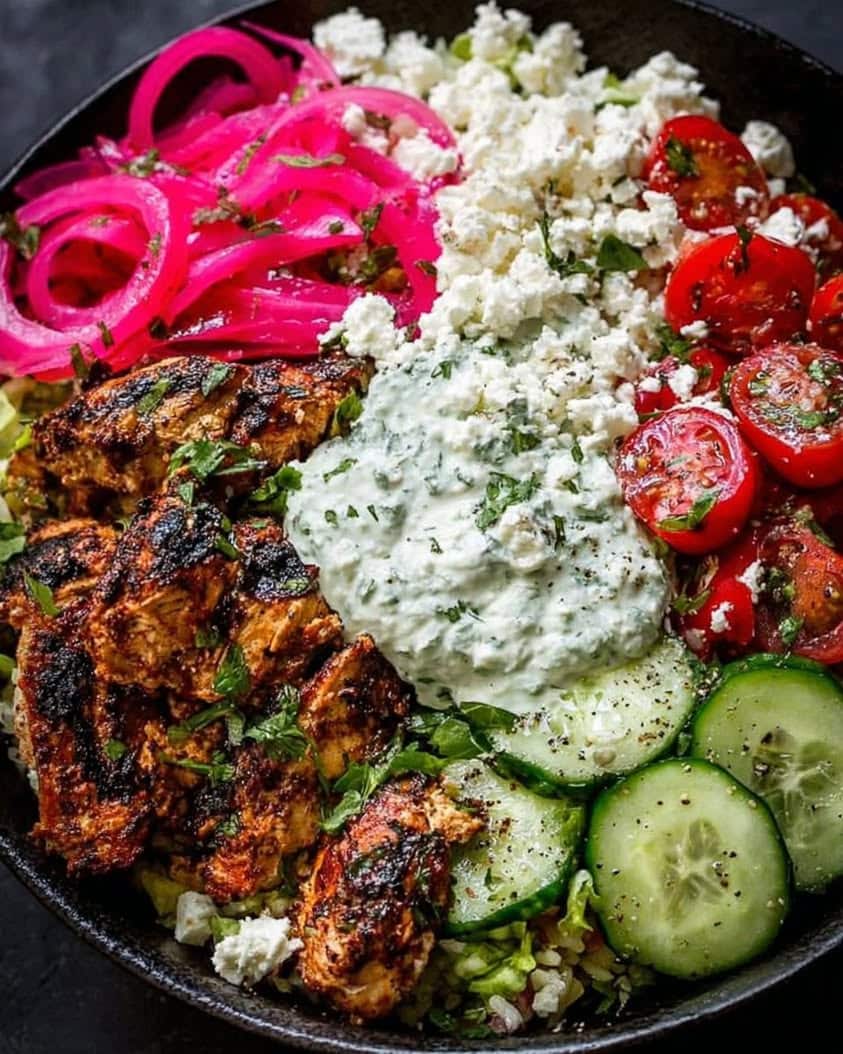
Loaded Mediterranean Chicken Power Bowl with Tzatziki and Feta: A Flavor-Packed Meal You Will Crave
This Loaded Mediterranean Chicken Power Bowl with Tzatziki and Feta brings the sunny flavors of the Greek islands straight to your kitchen table. Imagine juicy, herb-marinated chicken thighs resting on a bed of fluffy quinoa, surrounded by crisp cucumbers, sweet cherry tomatoes, briny Kalamata olives, and creamy feta crumbles. Then you drizzle cool, garlicky tzatziki over the whole bowl, and suddenly every bite tastes like a vacation. Because this Mediterranean chicken power bowl comes together in just 40 minutes, it fits beautifully into busy weeknights. Moreover, the bright colors and fresh textures make it a showstopper for weekend gatherings. Whether you meal prep on Sunday or cook for friends on Friday, this bowl delivers big flavor without stress. Consequently, home cooks across the United States have made this loaded Mediterranean chicken bowl a staple in their rotation.
What makes this Mediterranean chicken power bowl truly special is balance. The chicken brings savory depth, the tzatziki adds tangy creaminess, and the feta contributes a salty punch. Meanwhile, the vegetables supply crunch and freshness, and the quinoa keeps everything hearty and satisfying. Additionally, this recipe works for nearly every dietary preference, because you can easily swap ingredients without losing the magic. For example, skip the feta to make it dairy-free, or use tofu instead of chicken for a plant-based version. Furthermore, the bowl packs protein, fiber, and healthy fats into one gorgeous meal. As a result, you feel energized rather than sluggish after eating. Truly, this Greek chicken power bowl with tzatziki and feta checks every box for taste, nutrition, and convenience.
If you love Mediterranean food, this loaded chicken power bowl will quickly become your go-to. The marinade uses lemon, oregano, garlic, and olive oil, which tenderize the chicken while building bold flavor. Then the homemade tzatziki comes together in minutes with Greek yogurt, grated cucumber, dill, and lemon juice. In addition, the bowl assembly takes almost no effort, because you simply arrange components and drizzle sauce. Consequently, even beginner cooks can nail this recipe on the first try. Moreover, leftovers hold up beautifully for lunches the next day. Because the components store separately, the textures stay fresh. Ultimately, this Mediterranean chicken power bowl recipe proves that healthy eating never has to taste boring.
Quick Recipe Highlights
- Flavor Profile: Expect a bold mix of tangy lemon, earthy oregano, and pungent garlic from the chicken marinade. The tzatziki adds cool creaminess with a hint of dill, while the feta delivers salty richness. Together, these elements create a bright, layered taste that keeps every bite interesting.
- Texture: The bowl offers a satisfying contrast between juicy, charred chicken and crunchy cucumbers and bell peppers. Quinoa provides a fluffy base, and the olives and feta add pleasant bites of firmness. Meanwhile, the tzatziki coats everything in silky smoothness.
- Aroma: As the chicken sears, the kitchen fills with the warm scent of oregano and garlic mingling with fresh lemon. The tzatziki contributes a cool, herbaceous note from dill and cucumber. Even the quinoa carries a subtle nutty fragrance that rounds out the experience.
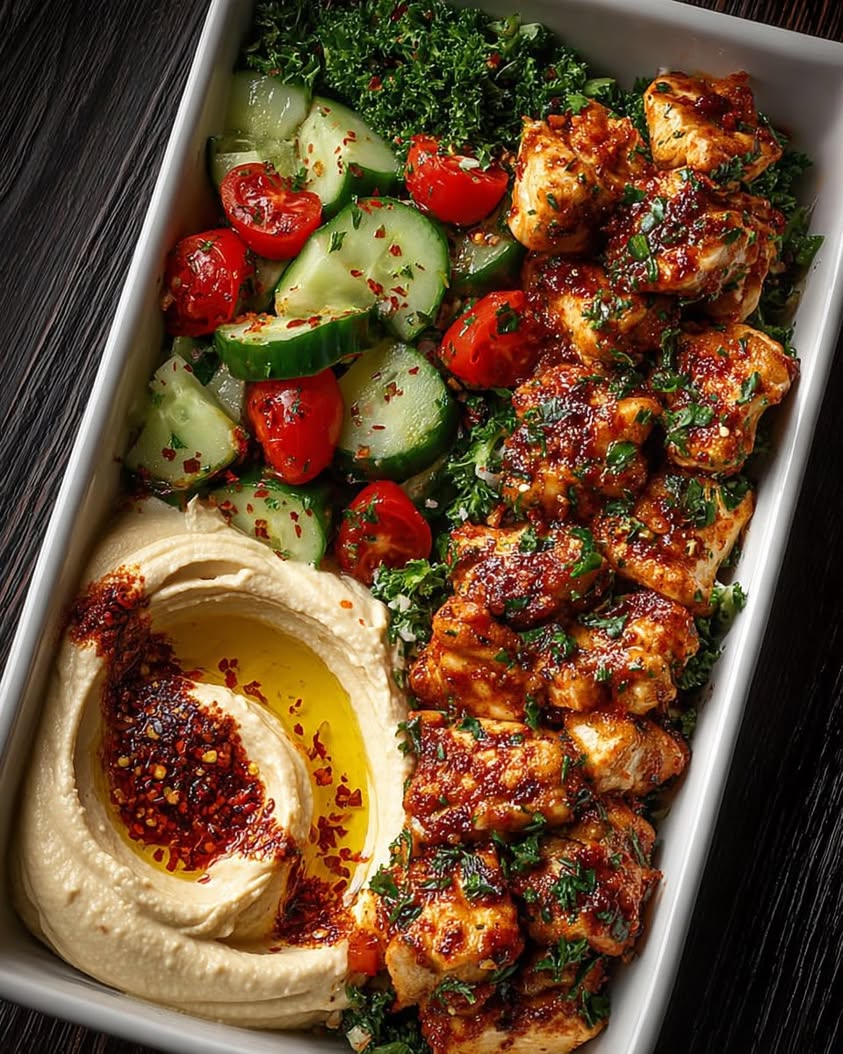
- Visual Appeal: This Mediterranean chicken power bowl looks like a work of art, because the colors pop brilliantly. Deep green cucumbers, ruby-red tomatoes, purple olives, and snowy feta sit against golden chicken and pale quinoa. Finally, a drizzle of white tzatziki and a sprinkle of fresh parsley complete the picture.
- Skill Level Needed: This recipe suits cooks of all experience levels, since it relies on simple techniques like marinating, searing, and chopping. The tzatziki requires only stirring, and the bowl assembly involves arranging ingredients. Consequently, even someone making their first power bowl will succeed.
- Special Equipment: You need a large skillet or grill pan for cooking the chicken, along with a mixing bowl for the marinade and another for the tzatziki. A box grater handles the cucumber, and a fine-mesh strainer helps drain it. Additionally, sharp knives and a cutting board make the vegetable prep quick and safe.
Recipe Overview
- Difficulty Level: I rate this recipe as Easy because it uses straightforward steps and forgiving ingredients. The chicken marinade does most of the flavor work while you relax, and the tzatziki comes together with simple stirring. Moreover, the bowl assembly requires zero cooking skill, since you just arrange components. Consequently, this Mediterranean chicken power bowl suits weeknight cooks and beginners alike.
- Category: This dish functions as a main course for lunch or dinner, and it doubles as an excellent meal prep option. Because it travels well in containers, it also works as a portable office lunch. Additionally, you can serve it as part of a larger Mediterranean spread for parties.
- Cuisine: The recipe draws heavily from Greek and broader Mediterranean culinary traditions, which emphasize olive oil, lemon, herbs, and fresh vegetables. The tzatziki sauce originates in Greece, while the bowl format reflects modern fusion cooking. Furthermore, the combination of quinoa and feta bridges traditional and contemporary tastes. Consequently, this bowl honors Mediterranean roots while fitting modern American kitchens.
- Cost: Budget roughly $4 to $6 per serving, depending on where you shop and whether you buy organic ingredients. Chicken thighs cost less than breasts, and quinoa, cucumbers, and tomatoes remain affordable staples. Meanwhile, feta and olives add moderate expense, but a little goes a long way. Overall, this Mediterranean chicken bowl delivers excellent value for a protein-rich meal.
- Season: This recipe shines in summer, when tomatoes and cucumbers peak in sweetness and crunch. However, thanks to year-round grocery availability, you can enjoy it in any season. In colder months, simply roast the vegetables for a warmer version. Consequently, this bowl adapts beautifully to whatever your local market offers.
- Occasion: Serve this loaded chicken power bowl for casual family dinners, meal prep Sundays, or healthy lunch gatherings. Because of its stunning presentation, it also works for dinner parties and potlucks. Additionally, it makes a thoughtful dish to bring to a friend who needs a nourishing meal.
Why You’ll Love This Recipe
Taste and texture appeal drive this recipe to the top of my weeknight rotation. The chicken marinade combines lemon juice, garlic, oregano, and olive oil, which infuses every bite with bright, savory flavor. When you sear the chicken, the exterior develops a golden crust while the inside stays juicy and tender. Meanwhile, the tzatziki brings cool contrast, and the feta adds a salty, creamy finish. Because each component contributes distinct texture, from crunchy cucumber to fluffy quinoa, your mouth never gets bored. Additionally, the olives deliver briny bursts that tie the whole Mediterranean chicken power bowl together. Honestly, the flavor combination tastes even better than it looks, and it looks spectacular.
Convenience and preparation benefits make this Mediterranean chicken bowl ideal for real life. The entire recipe takes only 40 minutes from start to finish, which beats most takeout delivery times. Moreover, you can marinate the chicken in the morning and cook everything at night with minimal effort. The tzatziki takes five minutes, and the quinoa cooks hands-off while you chop vegetables. Because the components store well separately, you can prep a big batch on Sunday and eat well all week. Furthermore, cleanup stays manageable, since the recipe uses one skillet and a few bowls. Consequently, busy families and professionals love this bowl for its ease.
Nutritional advantages set this loaded Mediterranean chicken power bowl apart from typical comfort food. The chicken delivers lean protein for muscle maintenance and satiety, while quinoa supplies complete plant protein and fiber. Moreover, the vegetables contribute vitamins, minerals, and antioxidants, including vitamin C from tomatoes and vitamin K from cucumbers. The olive oil and tzatziki provide healthy fats that support heart health and keep you full longer. Because the recipe uses Greek yogurt instead of mayo or sour cream, you get creaminess for far fewer calories. Additionally, the feta adds calcium, and the olives bring beneficial monounsaturated fats. Overall, this bowl nourishes your body while satisfying your cravings.
Social and entertaining value make this Greek chicken power bowl a party favorite. The bowl format invites customization, so guests can build their own versions with different toppings and sauces. Consequently, picky eaters and adventurous eaters alike find something to love. The vibrant colors create a beautiful spread on any table, which makes it perfect for buffets and potlucks. Moreover, you can scale the recipe easily for crowds, and the components hold up well at room temperature. Additionally, serving this Mediterranean chicken bowl sparks conversation, because people love discussing the flavors and origins. Truly, it earns compliments every time.
Cost-effectiveness and accessibility round out the reasons to love this recipe. Chicken thighs and quinoa rank among the most affordable protein and grain options at U.S. supermarkets. Furthermore, cucumbers, tomatoes, lemons, and garlic appear on nearly every grocery budget list. The tzatziki uses plain Greek yogurt, which costs far less than specialty sauces. Because the recipe relies on pantry staples like olive oil, oregano, and dill, you avoid expensive one-off purchases. Additionally, leftovers stretch the value even further, since one batch covers multiple meals. Consequently, this Mediterranean chicken power bowl proves that eating well does not require a big budget.
Historical Background and Cultural Significance
The origin story of this recipe traces back to the Mediterranean basin, where Greek, Turkish, and Levantine cooks have combined grilled meats with yogurt sauces for centuries. Tzatziki, the crown jewel of this bowl, originated in Greece and appears in various forms across the region, from Turkish cacik to Indian raita. Moreover, the tradition of pairing charred meat with fresh vegetables and flatbreads appears throughout Mediterranean history. As a result, the Mediterranean chicken power bowl represents an evolution of ancient eating patterns rather than a modern invention. Furthermore, the influence of Greek cuisine spread to the United States through immigration waves in the early twentieth century, which brought souvlaki, gyros, and yogurt-based sauces to American cities. Consequently, this bowl carries real cultural heritage on its plate.
Cultural importance emerges in how Mediterranean cooks treat food as both sustenance and celebration. In Greece, meals stretch for hours, and sharing dishes with family and friends matters as much as the food itself. The combination of grilled chicken, fresh vegetables, and tzatziki reflects this communal spirit, because each component invites sharing. Meanwhile, feta holds protected designation of origin status in Europe, which underscores its deep cultural roots. Additionally, olives and olive oil form the backbone of the Mediterranean diet, which researchers have studied for decades. This Mediterranean chicken bowl recipe thus connects your dinner table to traditions spanning thousands of years.
The evolution of the recipe reflects how immigration, travel, and the internet transformed regional dishes into global favorites. Greek immigrants brought tzatziki and souvlaki to American diners, where they gained popularity through restaurants and festivals. Meanwhile, the grain bowl trend of the 2010s inspired cooks to combine Mediterranean components with quinoa and other base grains. Consequently, the loaded Mediterranean chicken power bowl with tzatziki and feta emerged as a natural fusion. Furthermore, social media accelerated its spread, because photogenic bowls perform brilliantly on Instagram and Pinterest. Additionally, meal prep culture embraced the format, since components store and reheat well. Ultimately, this recipe shows how tradition adapts to modern life.
Regional variations of this Greek chicken power bowl appear across the Mediterranean and beyond. In Greece, cooks might serve the chicken on pita with extra tzatziki and call it a souvlaki plate. In Lebanon, similar bowls feature toum, a garlic sauce, instead of tzatziki, along with tabbouleh. Meanwhile, Israeli cooks add hummus, pickled onions, and za’atar to their chicken bowls. In the United States, regional twists appear as well, including Southwestern versions with corn and black beans or California-style bowls with avocado. Because the bowl format welcomes creativity, every home cook can leave a personal mark. Additionally, vegetarians substitute falafel or grilled halloumi with excellent results. This flexibility explains why the Mediterranean chicken bowl continues to evolve and delight.
Ingredient Deep Dive
Chicken thighs bring richness and flavor that chicken breasts often lack, because the extra fat keeps the meat juicy through high-heat cooking. Historically, Mediterranean cooks favored dark meat for grilling and roasting, since it stays tender over open flames. Nutritionally, thighs deliver quality protein, iron, and zinc, though they carry more fat than breasts. When shopping, look for boneless, skinless thighs with even thickness and a clean, mild smell. Store them in the refrigerator for up to two days or freeze them for three months. If you prefer, substitute chicken breasts, but reduce the cooking time and watch for dryness. Alternatively, tofu or chickpeas make excellent plant-based swaps that still absorb the marinade beautifully.
Because thighs tolerate marinades so well, they soak up lemon, garlic, and oregano without turning mushy. Additionally, the char from a hot skillet adds smoky depth that complements the tzatziki. Choose thighs from a reputable brand, and pat them dry before searing to ensure good browning. For meal prep, cut the cooked chicken into strips so the bowl assembles quickly. Furthermore, grilled, roasted, or pan-seared methods all work, so pick whichever suits your kitchen. Consequently, the chicken component adapts to your schedule and equipment.
Quinoa, the base grain, originated in the Andes mountains of South America, where the Inca called it “the mother grain.” Although not native to the Mediterranean, quinoa fits the bowl format because of its fluffy texture and neutral flavor. Nutritionally, it stands out as a complete protein, containing all nine essential amino acids, along with fiber and magnesium. When buying quinoa, choose pre-rinsed varieties to skip the bitter saponin removal step, or rinse it yourself under cold water. Store it in an airtight container in a cool, dry place for up to a year. If you lack quinoa, substitute couscous, farro, or rice, but adjust cooking times accordingly. Moreover, batch-cooking quinoa on the weekend simplifies assembly all week.
Because quinoa pairs so well with Mediterranean flavors, it absorbs the tzatziki and chicken juices without turning soggy. Consequently, every spoonful delivers cohesive flavor rather than separate components. Cook quinoa with a pinch of salt or a splash of olive oil to enhance its nutty character. For extra depth, toast the dry quinoa for two minutes before adding water. Additionally, fluff it with a fork after cooking to keep the grains separate. As a result, your Mediterranean chicken power bowl rests on a perfectly textured base.
Greek yogurt forms the heart of the tzatziki, and its history stretches back thousands of years across the Mediterranean and Middle East. Nutritionally, Greek yogurt packs double the protein of regular yogurt along with probiotics that support gut health. When shopping, choose plain, full-fat or low-fat Greek yogurt without added sugar or thickeners. Check the ingredient list for just milk and live cultures. Store it in the refrigerator and use it within two weeks of opening. If you need a dairy-free swap, use coconut yogurt or cashew cream, though the flavor shifts slightly. Furthermore, thicker yogurts yield the best tzatziki texture, so strain watery brands before mixing.
Because yogurt provides a cooling counterpoint to the warm chicken, it balances the entire bowl. Additionally, the probiotics offer digestive benefits that complement the fiber-rich vegetables. Mix the tzatziki an hour ahead so the flavors meld, or make it the night before for maximum depth. Grate the cucumber and squeeze out excess water thoroughly, because watery tzatziki ruins the texture. Furthermore, a pinch of salt draws out moisture, so salt the grated cucumber and wait ten minutes before squeezing. As a result, your sauce stays thick and creamy rather than runny.
Feta cheese, a brined Greek cheese, holds protected designation of origin status, which means authentic feta must come from Greece and follow traditional methods. Historically, shepherds stored cheese in brine-filled wooden barrels, which produced the salty, tangy flavor we know today. Nutritionally, feta contributes calcium, protein, and vitamin B12, though its sodium content runs high, so portion mindfully. When buying, choose blocks packed in brine rather than pre-crumbled varieties, because blocks retain more flavor and moisture. Store feta in its brine in the refrigerator for up to two weeks after opening. For substitutions, try goat cheese, ricotta salata, or a dairy-free almond-based feta. Additionally, crumble feta right before serving to keep it fresh.
Because feta brings salty creaminess, it contrasts beautifully with juicy tomatoes and crunchy cucumbers. Additionally, a little feta goes far, so you can reduce the amount without losing impact. For a creamier texture, mash some feta into the tzatziki. Furthermore, pairing feta with olives creates a classic Greek flavor duo that anchors the bowl. As a result, this Mediterranean chicken bowl tastes authentic and satisfying.
Kalamata olives, named for the Greek city of Kalamata, deliver the briny, fruity punch that makes this bowl sing. Culturally, Greeks have cultivated olives for thousands of years, and the olive branch symbolizes peace across the region. Nutritionally, olives provide monounsaturated fats and antioxidants, though they carry sodium. When shopping, choose olives packed in water or olive oil rather than mystery brine, and look for firm texture and glossy skin. Store them in the refrigerator in their liquid for up to six months. If you dislike Kalamata olives, substitute Castelvetrano olives for a milder flavor or capers for a sharper bite. Moreover, rinse olives before using if you prefer less salt.
Because olives add texture and depth, they turn a simple bowl into a loaded Mediterranean chicken power bowl. Additionally, slicing them lengthwise helps distribute flavor across the entire bowl. Meanwhile, a few olives deliver big impact, so a small jar lasts through several batches. Furthermore, olives pair wonderfully with lemon and oregano, which reinforces the Mediterranean profile. As a result, each bite carries a pleasant briny note that ties the dish together.
Common Mistakes to Avoid
- Overcooking the chicken ranks as the most frequent error, because dry chicken ruins the bowl’s juiciness. Use a meat thermometer and pull the chicken at 165 degrees Fahrenheit. Then let it rest for five minutes so the juices redistribute. Additionally, avoid slicing too early, since early slicing releases moisture.
- Skipping the marinade time limits flavor, because the chicken needs at least 30 minutes to absorb the lemon, garlic, and oregano. If you can, marinate for two to four hours. Meanwhile, keep the marinade simple, since too many ingredients can muddy the taste. Consequently, patience pays off with deeper flavor.
- Using watery cucumber in the tzatziki creates a soupy sauce that pools on the plate. Grate the cucumber, then squeeze it in a clean kitchen towel until nearly dry. Additionally, salt the cucumber first to draw out extra moisture. As a result, your tzatziki stays thick and creamy.
- Undercooking quinoa leads to crunchy, unpleasant grains that distract from the Mediterranean chicken power bowl experience. Rinse the quinoa and simmer it covered for 15 minutes, then let it steam off the heat for five more minutes. Furthermore, fluff with a fork instead of stirring to keep grains separate. Consequently, every bite feels tender and fluffy.
- Forgetting to pat the chicken dry prevents proper browning, because moisture steams the meat instead of searing it. Dry the chicken thighs thoroughly with paper towels before seasoning and cooking. Additionally, preheat the skillet until it is hot before adding oil. As a result, you get that golden crust that looks and tastes fantastic.
- Adding cold tzatziki straight from the fridge dulls the flavors and shocks the warm bowl. Let the sauce sit at room temperature for ten minutes before serving. Meanwhile, taste it for salt and lemon balance. Furthermore, a final stir ensures even flavor distribution.
- Overloading the bowl with sauce masks the fresh ingredients and turns the dish heavy. Drizzle tzatziki generously but mindfully, tasting as you go. Additionally, serve extra sauce on the side so guests control portions. Consequently, the Mediterranean chicken bowl stays balanced.
- Prepping vegetables too far in advance leads to limp cucumbers and soggy tomatoes. Chop vegetables within a few hours of serving, or store them in separate containers. Furthermore, keep cucumbers and tomatoes apart until assembly, since tomato juice softens cucumbers. As a result, the bowl stays crisp.
- Neglecting to season the quinoa leaves the base flat and boring. Cook quinoa in salted water or broth, and finish with a squeeze of lemon. Additionally, a drizzle of olive oil adds richness. Consequently, the base layer complements the toppings rather than fading beneath them.
- Rushing the rest time for the chicken causes juice loss and dry meat on the cutting board. Rest the thighs for at least five minutes before slicing. Meanwhile, use that time to arrange the bowls. Furthermore, the resting period makes the chicken easier to slice cleanly.
Essential Techniques
Marinating the chicken delivers flavor deep into the meat, because acidic lemon juice and salty components break down surface proteins and carry garlic and oregano inward. To master this technique, whisk the marinade until emulsified, add the chicken, and refrigerate for at least 30 minutes or up to four hours. Avoid over-marinating beyond eight hours, since the acid can toughen the texture. Furthermore, turn the chicken once halfway through so every side contacts the marinade. You know the marinade worked when the chicken looks glossy and smells intensely of lemon and herbs. Consequently, this step builds the flavor foundation for the entire Mediterranean chicken power bowl.
Searing the chicken creates browning through the Maillard reaction, which develops hundreds of flavor compounds and gives the Mediterranean chicken bowl its savory depth. Additionally, the crust contrasts beautifully with the juicy interior. Heat a heavy skillet over medium-high heat until a drop of water sizzles, then add oil and lay the chicken smooth-side down. Resist moving it for four to five minutes, because the crust forms only when the meat stays in contact with the hot surface. Furthermore, watch for golden-brown edges as your visual cue. If the chicken smokes excessively, lower the heat slightly. As a result, your kitchen fills with incredible aroma, and the chicken looks restaurant-quality.
Grating and draining cucumber determines the texture of the tzatziki, which either coats the bowl beautifully or turns it watery. First, grate the cucumber on the large holes of a box grater. Then, sprinkle it with salt and let it sit for ten minutes so the salt draws out moisture. Next, wrap the grated cucumber in a clean towel and squeeze until no more liquid drips. Moreover, squeeze twice for extra insurance. The visual cue for success is a compact, dry ball of cucumber that holds its shape. Additionally, don’t skip this step, because watery tzatziki undermines the entire Mediterranean chicken power bowl recipe.
Fluffing quinoa with a fork preserves the grain’s delicate texture, because stirring smashes the grains and creates a gummy base. After the quinoa simmers covered for 15 minutes, remove it from the heat and let it steam, still covered, for five minutes. Then, use a fork to rake through the grains gently, separating clumps. Furthermore, taste a spoonful to check doneness, since undercooked quinoa feels crunchy. The visual cue for success is grains that look plump, separate, and slightly translucent around the edges. As a result, your Mediterranean chicken bowl has a light, fluffy foundation that carries toppings without turning mushy.
Pro Tips for Perfect Loaded Mediterranean Chicken Power Bowl
Make the tzatziki a day ahead, because resting overnight deepens the dill and garlic flavor and thickens the sauce. Additionally, cold tzatziki holds better, so you can focus on cooking the chicken the next day. Taste it before serving and adjust with lemon or salt as needed.
Season the chicken in layers, because salt applied before the marinade penetrates better than salt added at the end. Furthermore, sprinkle a little salt on the cooked chicken after resting to sharpen the flavor. As a result, every bite tastes seasoned all the way through.
Warm the bowls before serving, since a warm bowl keeps the chicken and quinoa hot while the cool toppings stay fresh. Simply run the bowls under hot water and dry them, or pop them in a low oven for two minutes.
Chop the vegetables into uniform sizes, because consistent pieces create even texture and make the bowl easier to eat. Additionally, uniform chopping makes the Mediterranean chicken bowl look professionally plated and boosts visual appeal.
Use the chicken resting time wisely, because the five-minute rest is perfect for assembling the bowls. Arrange quinoa, arrange vegetables, crumble feta, and drizzle tzatziki while the juices settle in the chicken.
Hold the salt on the tzatziki until just before serving, since the feta and olives bring plenty of saltiness to the bowl. Then taste and adjust, because over-salting masks the fresh dill and lemon.
Serve extra tzatziki on the side, because guests love adding more sauce and the bowl stays balanced. Furthermore, leftover tzatziki makes an excellent dip for raw vegetables or pita the next day.
Toast the quinoa in a dry pan for two minutes before cooking, because toasting releases nutty aromas that deepen the grain’s flavor. Watch closely and stir constantly, since quinoa burns quickly. As a result, the base tastes richer.
Variations and Adaptations
Regional variations offer endless inspiration for this Greek chicken power bowl. Eastern Mediterranean cooks might add za’atar, sumac, or a drizzle of tahini, which deepens the flavor and adds a smoky note. Meanwhile, a North African version includes harissa-spiced chicken and a side of preserved lemon. In Lebanon, toum, a whipped garlic sauce, replaces tzatziki for a bolder punch. Additionally, Italian cooks might swap feta for shaved parmesan and add a handful of arugula. Because the bowl format adapts so easily, you can travel the Mediterranean through your dinner table.
Seasonal adaptations keep this recipe fresh year-round. In summer, highlight heirloom tomatoes, fresh corn, and cucumbers at peak sweetness. During fall, swap in roasted sweet potatoes and Brussels sprouts, and serve the bowl warm. Moreover, winter bowls benefit from roasted peppers, caramelized onions, and a richer, garlic-forward tzatziki. In spring, add blanched asparagus, radishes, and fresh peas, which bring bright color and crisp texture. Consequently, the Mediterranean chicken bowl never feels repetitive.
Dietary modifications make the loaded Mediterranean chicken power bowl accessible to nearly everyone. For gluten-free needs, the recipe already qualifies, though confirm your feta and yogurt brands if you have severe sensitivities. Additionally, dairy-free versions use coconut yogurt and omit the feta or swap in almond-based feta. Vegan adaptations replace chicken with crispy chickpeas or grilled tofu, and aquafaba or cashew cream replaces the yogurt. Furthermore, low-carb eaters swap quinoa for cauliflower rice. As a result, no one has to skip this delicious Mediterranean chicken bowl.
Flavor variations let you customize the dish to your mood. For a smoky twist, add smoked paprika and grilled peppers to the marinade and bowl. Additionally, a spicy version uses harissa or red pepper flakes in the tzatziki. For extra tang, drizzle a lemon vinaigrette over the vegetables. Meanwhile, herb lovers can fold mint, parsley, and cilantro into the quinoa. Consequently, the Mediterranean chicken power bowl can taste different every single week.
Texture modifications matter for anyone with sensory preferences or dietary restrictions. If you dislike quinoa’s pop, choose rice, couscous, or orzo for a softer base. Additionally, roasted vegetables replace raw ones for a warmer, tenderer bowl. Guests with dental concerns appreciate softened cucumbers, which you can pickle briefly in vinegar. Meanwhile, coarser crumbled feta adds bigger bursts of flavor, while finely crumbled feta distributes evenly. As a result, the Mediterranean chicken bowl fits every texture preference.
Presentation alternatives transform the same components into new meals. Rather than a bowl, serve the chicken and toppings on warm pita as a wrap or use them to stuff a pita pocket. Additionally, arrange everything on a large platter for a family-style Greek feast. For appetizer portions, skewer small chicken bites with cucumber and feta. Furthermore, mason jar salads layer the ingredients beautifully for a portable lunch. Because the Mediterranean chicken power bowl components travel well, you have options everywhere.
Serving and Presentation Guide
Plating techniques make the Mediterranean chicken bowl look as good as it tastes. Start with a wide, shallow bowl, then spread quinoa in a ring to create a well in the center. Place sliced chicken in the well, then arrange vegetables in color blocks around the rim. Finally, drizzle tzatziki in a zigzag across the top and scatter feta and olives. You eat with your eyes first, so this arrangement maximizes visual impact and makes the loaded Mediterranean chicken power bowl look restaurant-ready.
Garnishing ideas elevate the final presentation with minimal effort. Fresh parsley, mint, or dill sprigs add color and aroma. Additionally, a sprinkle of sumac or za’atar brings a tangy, earthy finish. Toasted sesame seeds or crushed pistachios add crunch. Meanwhile, lemon wedges on the side invite a fresh squeeze at the table. Consequently, these small touches make the Mediterranean chicken power bowl feel special.
Traditional accompaniments round out the meal with Mediterranean authenticity. Warm pita bread, flatbread, or crusty sourdough soaks up extra tzatziki beautifully. Additionally, a side of lentil soup or hummus deepens the Mediterranean theme. A simple salad of greens with lemon vinaigrette adds freshness. Meanwhile, pickled onions or pepperoncini bring tangy contrast. Consequently, serving these alongside the bowl creates a complete Greek-inspired feast.
Modern serving suggestions fit contemporary American lifestyles. For lunch boxes, pack components separately for a build-your-own Mediterranean chicken bowl. Casual family dinners work best with components on the table for self-assembly. Additionally, this bowl works brilliantly as a meal prep situation, with containers stacked for the whole week. Furthermore, offer the bowl as a party station with toppings in small bowls. Because customization engages guests, the Mediterranean chicken power bowl becomes interactive entertainment.
Temperature considerations matter for flavor and food safety. Serve the chicken warm or at room temperature, and keep the tzatziki cold in the refrigerator until serving. Meanwhile, the vegetables taste best cool or at room temperature, since cold mutes their sweetness. Additionally, warm the quinoa and bowls so the dish holds temperature longer. Consequently, the Mediterranean chicken bowl maintains balanced temperatures throughout the meal.
Portion control tips help manage nutrition and cost. Use one cup of cooked quinoa per serving and four to five ounces of cooked chicken. Meanwhile, pile vegetables generously, since they add volume and nutrients for few calories. Additionally, aim for two tablespoons of feta and one to two tablespoons of tzatziki per serving. Consequently, the Mediterranean chicken power bowl stays balanced and satisfying.
Wine and Beverage Pairing
Wine pairings for this Mediterranean chicken bowl focus on crisp, bright styles that cut through the creamy tzatziki and salty feta. A Greek Assyrtiko delivers mineral acidity and citrus notes that mirror the lemon marinade. Additionally, a dry rosé from Provence brings fresh strawberry and melon flavors that complement the vegetables. Sauvignon Blanc offers grassy, citrusy freshness that loves dill and cucumber. Meanwhile, a light Pinot Grigio works beautifully for casual weeknight meals. Consequently, these wines enhance rather than overpower the Mediterranean chicken power bowl.
Non-alcoholic alternatives suit guests who skip alcohol while keeping the meal festive. Sparkling water with lemon and mint matches the fresh Mediterranean flavors. Additionally, unsweetened iced tea with a squeeze of orange provides tannins without alcohol. A cucumber-mint agua fresca brings cooling refreshment on hot days. Meanwhile, a virgin mojito or lemon soda adds effervescence. Consequently, everyone at the table has a delicious option with the Mediterranean chicken bowl.
Coffee and tea pairings might sound unusual for dinner, but they work beautifully for lunch or brunch versions of this bowl. Iced green tea complements the lemon and herbs with grassy notes. Additionally, mint tea echoes the tzatziki and adds a cooling finish. A light black tea like English Breakfast pairs with the charred chicken. Meanwhile, a gentle oolong brings floral notes that round out the feta. Consequently, tea lovers can enjoy sophisticated pairings with this Mediterranean chicken bowl recipe.
Temperature considerations affect how beverages interact with the dish. Serve white wines well-chilled at around 45 to 50 degrees Fahrenheit for maximum crispness. Additionally, keep non-alcoholic refreshers heavily iced so they stay cold through the meal. Meanwhile, let red wines, if you choose them, sit at cellar temperature to avoid overwhelming the delicate tzatziki. Consequently, the right temperature keeps every sip refreshing alongside the Mediterranean chicken power bowl.
Serving suggestions complete the experience. Offer a water pitcher with lemon slices on the table so guests can refresh their palates. Additionally, match glassware to the beverage, such as white wine glasses for the rosé and tall glasses for the agua fresca. Keep extra tzatziki nearby, because cool sauce pairs beautifully with every drink. Furthermore, serve beverages before the food arrives so guests settle in comfortably. As a result, the meal flows smoothly from first sip to last bite.
Storage and Shelf Life
Storage methods determine how well leftovers perform, and the Mediterranean chicken power bowl stores beautifully when handled right. Keep each component in its own airtight container, because mixing everything together overnight makes the vegetables limp. Additionally, store the chicken in one container, quinoa in another, and the tzatziki in a third with a tight lid. Meanwhile, keep vegetables dry and whole until serving time. Consequently, you can enjoy the Mediterranean chicken bowl for days without texture loss.
Temperature requirements keep food safe and fresh. Refrigerate all components promptly, since the chicken and yogurt cannot sit at room temperature for more than two hours. Additionally, set the refrigerator to 40 degrees Fahrenheit or below. Meanwhile, keep the tzatziki Print
Loaded Mediterranean Chicken Power Bowl with Tzatziki & Feta
- Total Time: 30 minutes
- Yield: 2
Description
A vibrant and satisfying bowl packed with grilled chicken, fresh vegetables, creamy tzatziki, and briny feta. Perfect for a healthy lunch or dinner.
Ingredients
- 2 boneless, skinless chicken breasts
- 2 tablespoons olive oil
- 1 teaspoon dried oregano
- 1 teaspoon garlic powder
- Salt and pepper to taste
- 1 cup cooked quinoa
- 1 cup cherry tomatoes, halved
- 1 cucumber, diced (divided)
- 1/2 red onion, thinly sliced
- 1/2 cup Kalamata olives, pitted
- 1/2 cup crumbled feta cheese
- 1 cup Greek yogurt
- 1 clove garlic, minced
- 1 tablespoon fresh lemon juice
- 1 tablespoon chopped fresh dill
Instructions
- Season chicken breasts with olive oil, oregano, garlic powder, salt, and pepper. Grill or pan-sear over medium-high heat for 6-7 minutes per side until cooked through. Let rest, then slice.
- In a small bowl, combine Greek yogurt, minced garlic, lemon juice, chopped dill, and half of the diced cucumber. Mix well and refrigerate until ready to use.
- Assemble bowls: start with a base of cooked quinoa. Top with sliced chicken, cherry tomatoes, remaining cucumber, red onion, and Kalamata olives. Sprinkle with feta cheese and serve with tzatziki on the side.
Notes
You can customize the seasonings to taste.
- Prep Time: 15 minutes
- Cook Time: 15 minutes
- Method: Main
- Cuisine: Mediterranean