Golden Butternut and Zucchini Rosti Rolls with Feta, Spinach, Cranberry and Sage Brown Butter: A Showstopping Vegetarian Centerpiece
Golden Butternut and Zucchini Rosti Rolls with Feta, Spinach, Cranberry and Sage Brown Butter bring restaurant-level elegance straight to your home kitchen. Imagine crisp, golden strands of butternut squash and zucchini wrapped around creamy feta, wilted spinach, and tart dried cranberries, then finished with a nutty sage brown butter and a drizzle of walnut honey. This dish delivers warmth, texture, and a stunning presentation that makes any dinner feel special.
If you love recipes that look impressive yet remain approachable, these Golden Butternut and Zucchini Rosti Rolls with Sage Brown Butter will quickly become a favorite. The rosti technique gives you a crunchy exterior, while the filling stays creamy and bright. Meanwhile, the everything seasoning adds a savory, aromatic kick that ties every element together. Whether you serve these rolls for a holiday table or a cozy weeknight dinner, they deliver bold flavor without overwhelming effort.
Best of all, this recipe celebrates seasonal produce at its peak. Butternut squash offers natural sweetness, zucchini adds freshness, and sage brown butter brings a rich, toasted depth. As a result, the Golden Butternut and Zucchini Rosti Rolls with Feta and Spinach feel indulgent yet balanced. Plus, the walnut honey drizzle adds a final layer of sweetness and crunch that guests will remember long after the meal ends.
Quick Recipe Highlights
- Flavor Profile: Savory, nutty, and subtly sweet with tangy feta and tart cranberry notes. The sage brown butter adds a toasted, aromatic richness that balances the natural sweetness of the squash.
- Texture: Crisp, golden exteriors give way to creamy, tender fillings. The walnuts add a satisfying crunch, while the honey glaze brings a silky finish.
- Aroma: Warm sage, toasted butter, and savory everything seasoning fill the kitchen. These aromas build anticipation and make the dish feel cozy and inviting.
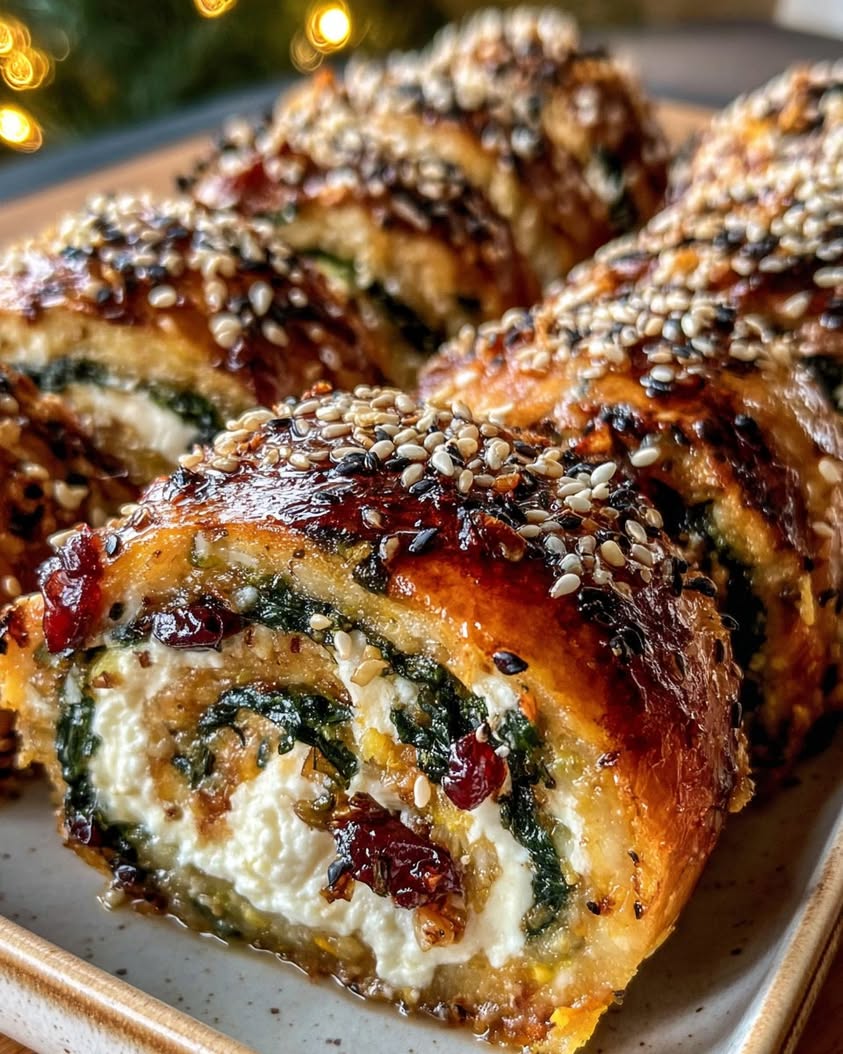
- Visual Appeal: Deep golden rolls with flecks of green zucchini and orange squash look stunning on any plate. A drizzle of walnut honey and a sprinkle of cranberries add beautiful contrast.
- Skill Level Needed: Home cooks with basic knife skills and some experience with pan-frying can master this dish. The rolling technique becomes easier after the first roll, and the steps are straightforward.
- Special Equipment: You need a box grater or food processor, a clean kitchen towel, a large skillet, and a rimmed baking sheet. A nonstick pan helps prevent sticking during the fry step.
Recipe Overview
- Difficulty Level: This recipe sits at an intermediate level because it involves grating, squeezing, rolling, and pan-frying. However, each step is simple on its own, and the process flows logically. With a bit of patience, even newer cooks can succeed. The payoff is a dish that looks far more complex than it actually is.
- Category: These rolls work beautifully as a vegetarian main course, a hearty side dish, or a brunch centerpiece. They also shine on holiday tables alongside roasted proteins. Because they are satisfying and elegant, they fit many menus.
- Cuisine: The rosti technique originates in Swiss and German cooking, where grated potatoes fry into crisp cakes. This recipe borrows that method and swaps in butternut and zucchini for a lighter twist. The feta, cranberry, and sage brown butter add Mediterranean and American holiday influences. Together, they create a modern fusion dish with broad appeal.
- Cost: The ingredients are affordable and easy to find at most grocery stores. Butternut squash and zucchini cost little, especially in season, while feta, walnuts, and dried cranberries add modest expense. Overall, the dish feeds six people generously for a reasonable price.
- Season: Fall and winter are ideal because butternut squash peaks then, and the warm sage brown butter suits cooler weather. However, you can make these rolls year-round with good-quality produce. The dish feels especially festive during the holidays.
- Occasion: Serve these rolls for Thanksgiving, Christmas, Easter, or a special dinner party. They also work for a cozy Sunday supper or a weekend brunch. Their elegant look makes them a natural choice for celebrations.
Why You’ll Love This Recipe
The taste and texture of these Golden Butternut and Zucchini Rosti Rolls with Sage Brown Butter deliver pure comfort with a refined edge. Crisp, golden exteriors contrast beautifully with the creamy feta and spinach filling. Additionally, the tart cranberries cut through the richness, while the walnut honey adds a gentle sweetness. Every bite offers a new layer of flavor, so the dish never feels one-note.
Convenience also makes this recipe a winner. You can prepare the components ahead and assemble them when you are ready to cook. The filling comes together in minutes, and the rosti batter needs only a quick squeeze before rolling. As a result, the recipe fits busy schedules without sacrificing elegance. Cleanup stays manageable, too, since you use a few basic tools.
Nutritionally, this dish brings plenty of advantages. Butternut squash provides vitamin A and fiber, while zucchini adds hydration and lightness. Spinach contributes iron and folate, and walnuts offer healthy fats. Meanwhile, feta adds protein and calcium. Because the recipe uses minimal processed ingredients, you can feel good about serving it to family and friends.
Social and entertaining value sets this recipe apart. The rolls look impressive on a platter, and guests love the interactive, shareable format. You can plate them individually for a plated dinner or arrange them family-style for a buffet. Either way, they spark conversation and photographs. Therefore, they make a memorable addition to any gathering.
Finally, this recipe is cost-effective and accessible. Most ingredients are pantry or refrigerator staples, and seasonal produce keeps costs low. You do not need specialty equipment or hard-to-find items. Consequently, home cooks of all budgets can enjoy a dish that feels luxurious. The result is a recipe you will return to again and again.
Historical Background and Cultural Significance
The story of these rolls begins with rosti, a beloved Swiss dish of grated potatoes fried into crisp cakes. Swiss farmers traditionally served rosti for breakfast, using leftover potatoes from the night before. Over time, rosti became a national symbol of Swiss home cooking. Its simple technique of squeezing moisture from grated vegetables and frying them into golden cakes forms the backbone of this recipe.
Culturally, rosti represents resourcefulness and comfort. Families across Switzerland and Germany prize the dish for its crispy edges and hearty character. Immigrants brought similar grated-vegetable cakes to North America, where cooks adapted them with local produce. As a result, the technique spread widely and inspired countless variations, including this butternut and zucchini version.
The evolution of this particular recipe reflects modern tastes for lighter, vegetable-forward dishes. Cooks began swapping potatoes for squash and zucchini to reduce starch and add color. Meanwhile, Mediterranean ingredients like feta and spinach entered the mix, reflecting growing interest in global flavors. The addition of cranberry and sage brown butter nods to American holiday traditions, creating a bridge between old-world technique and new-world flavor.
Regional variations abound. In some kitchens, cooks add cumin or smoked paprika for warmth, while others fold in herbs like dill or parsley. Some versions use ricotta instead of feta for a milder filling. Additionally, walnut honey can give way to maple syrup or pomegranate molasses. These adaptations show how a simple technique can inspire endless creativity across cultures and seasons.
Ingredient Deep Dive
Butternut squash brings natural sweetness, vibrant color, and a creamy texture to the rosti. Indigenous to the Americas, squash has long been a staple in Native American cooking and later in colonial kitchens. Nutritionally, it offers vitamin A, vitamin C, potassium, and fiber, supporting immune health and digestion. When selecting butternut, choose one that feels heavy for its size with smooth, matte skin. Store it whole in a cool, dark place for up to a month, and refrigerate cut pieces wrapped tightly for up to five days. If you cannot find butternut, try acorn squash or sweet potato for a similar effect.
In this recipe, butternut also helps bind the rosti because its starch and moisture balance well with zucchini. Grate it on the large holes of a box grater for the best texture. Additionally, squeezing out excess moisture prevents soggy rolls. Because butternut sweetens as it cooks, it pairs beautifully with savory feta and earthy sage. You can also roast extra squash for soups or salads later in the week.
Zucchini adds freshness, moisture, and a light green fleck that brightens the rolls. Originally from the Americas, zucchini became popular in Italian cooking and spread worldwide. It provides vitamin C, potassium, and antioxidants while staying low in calories. Choose firm, glossy zucchini with unblemished skin, and store them in the refrigerator crisper drawer for up to a week. For substitutions, yellow summer squash works well, and cucumber is not recommended because of its high water content.
Because zucchini holds a lot of water, squeezing it thoroughly is essential. Otherwise, the rosti will steam instead of fry and lose its crunch. Pair zucchini with butternut for a balanced sweetness and freshness. The combination also keeps the rolls from feeling heavy. As a bonus, zucchini absorbs the flavors of sage and brown butter beautifully.
Feta cheese delivers tangy, salty richness that balances the sweetness of the squash. With roots in Greek cuisine, feta has been made for centuries and remains a cornerstone of Mediterranean cooking. It offers calcium, protein, and a distinctive briny flavor. Look for blocks packed in brine for the best texture, and store them submerged in brine in the refrigerator for up to two weeks. If you need a substitute, goat cheese or ricotta salata works well.
Feta crumbles easily, so you can distribute it evenly through the filling. Its saltiness means you need less added salt elsewhere. Additionally, feta holds its shape during baking, creating creamy pockets in each roll. For a milder flavor, rinse the feta briefly before crumbling. This step removes some brine while preserving the tang.
Spinach adds color, nutrients, and a mild earthy flavor to the filling. Cultivated for centuries across Asia and Europe, spinach is now a global staple. It provides iron, folate, vitamin K, and antioxidants. Choose crisp, dark green leaves and store them in a breathable bag in the refrigerator for up to five days. Frozen spinach works well too, but squeeze it dry before use.
Wilt spinach briefly before folding it into the filling. This step removes excess water and concentrates the flavor. Because spinach cooks down significantly, you need a generous handful for each batch. Pair it with feta and cranberry for a classic flavor trio. Additionally, spinach adds visual contrast that makes the filling look as good as it tastes.
Dried cranberries bring tartness, sweetness, and chewy texture to the filling. Native to North America, cranberries have long been part of Indigenous food traditions and later became a holiday staple. They offer fiber and antioxidants, particularly proanthocyanidins. Choose cranberries with no added sugar when possible, and store them in a sealed container in a cool, dry place for up to six months. Raisins or chopped dried apricots make good substitutes.
In this recipe, cranberries balance the richness of feta and brown butter. They also add a festive pop of red that brightens the plate. Chop them roughly so they distribute evenly through the filling. Additionally, soaking them briefly in warm water softens their texture if they feel too chewy. Their tangy bite keeps each roll from tasting too rich.
Sage brown butter forms the signature finish and brings an unmistakable toasted, nutty aroma. Brown butter, known as beurre noisette in French cooking, has been used for centuries to add depth to sauces and baked goods. Sage, a Mediterranean herb, pairs naturally with butter and squash. Together, they create a warm, aromatic sauce that ties the dish together.
To make sage brown butter, melt butter over medium heat until the milk solids turn golden and smell nutty. Then add fresh sage leaves and swirl until crisp. Watch carefully, because butter can burn quickly. Store leftover sage brown butter in the refrigerator for up to a week and reheat gently. This sauce also tastes wonderful drizzled over roasted vegetables or pasta.
Walnut honey adds sweetness, crunch, and a final flourish. Walnuts have been cultivated for thousands of years and are prized for their healthy fats and brain-friendly nutrients. Honey, one of the oldest sweeteners, brings natural sweetness and antimicrobial properties. Combine chopped walnuts with warm honey and a pinch of salt for a simple yet elegant drizzle. Maple syrup works as a substitute for honey, and pecans can replace walnuts.
Everything seasoning adds savory depth and a subtle crunch to the rolls. This blend of sesame seeds, poppy seeds, garlic, and onion has roots in American deli culture and became a popular topping for bagels. It contributes texture and umami along with a pleasant aroma. Store the blend in an airtight jar for up to six months. You can also use it on roasted vegetables, eggs, or avocado toast.
Common Mistakes to Avoid
- Not squeezing enough moisture from the vegetables leads to soggy rolls that never crisp. Use a clean kitchen towel and wring the grated squash and zucchini in batches. You should remove as much liquid as possible before mixing the batter.
- Using a skillet that is not hot enough causes the rosti to stick and absorb oil. Preheat the pan over medium-high heat and test with a small piece of batter. The oil should shimmer before you add the rolls.
- Overfilling the rolls makes them hard to seal and causes the filling to spill during cooking. Use about two tablespoons of filling per roll and resist the urge to add more. A light hand keeps the rolls neat.
- Skipping the rest time for the batter allows excess liquid to surface during cooking. Let the mixed batter sit for five minutes, then squeeze again if needed. This small pause improves the final texture.
- Burning the brown butter happens quickly because butter can go from nutty to bitter in seconds. Keep the heat moderate and swirl constantly. Pull the pan off the heat as soon as the solids turn golden.
- Adding salt too early draws out moisture and makes the vegetables weep. Salt the filling lightly and taste before adjusting. Remember that feta and everything seasoning already add salt.
- Rolling the rosti too tightly can cause them to burst, while rolling too loosely makes them fall apart. Aim for a snug but gentle roll that holds its shape. Practice with the first one and adjust as you go.
- Baking at too high a temperature dries out the filling before the exterior browns. Use a moderate oven and check the rolls halfway through. If they brown too fast, tent them with foil.
- Ignoring the resting period after baking means the filling can spill when you cut into the rolls. Let them sit for five minutes before serving. This allows the cheese to set slightly.
- Serving the walnut honey cold makes it thick and hard to drizzle. Warm it gently before serving so it coats the rolls evenly. A few seconds in the microwave is enough.
Essential Techniques
Grating and squeezing the vegetables forms the foundation of any successful rosti. Grating creates uniform strands that bind together, while squeezing removes excess water that would otherwise steam the rolls. Use the large holes of a box grater or a food processor fitted with a shredding disk. Then wrap the grated vegetables in a clean towel and wring firmly over the sink. You should see a surprising amount of liquid come out, and the drier the vegetables, the crisper the final rolls. A common pitfall is rushing this step, so take your time and work in batches if needed.
Rolling the rosti requires a gentle, confident hand. Spread a thin layer of the vegetable mixture on a clean surface, then place the filling in the center. Fold the edges over the filling and press gently to seal. You want a snug roll that holds together but does not compress the filling too much. If the mixture feels loose, add a little more squeezed vegetable or a sprinkle of flour. Visual cues include a neat, compact roll with no visible gaps. Practice makes perfect, and the first roll often teaches you the right pressure.
Pan-frying sets the crust and gives the rolls their golden color. Heat a thin layer of oil in a skillet over medium-high heat until it shimmers. Then place the rolls seam side down and cook until deeply golden, turning gently with tongs. Avoid crowding the pan, because steam trapped between rolls softens the crust. A common pitfall is moving the rolls too soon, so wait until they release easily from the pan. The visual cue is a rich amber color and a crisp sound when you tap the roll.
Browning butter requires attention and a good nose. Melt butter over medium heat and swirl the pan as it foams. The milk solids will turn golden and release a nutty aroma, which signals the perfect moment to add sage. Watch closely, because the line between nutty and burnt is thin. Visual cues include golden-brown flecks at the bottom of the pan and a fragrant, toasty scent. If the butter smells sharp or bitter, start over with fresh butter.
Pro Tips for Perfect Golden Butternut and Zucchini Rosti Rolls
First, chill the grated and squeezed vegetables for ten minutes before mixing. This step helps them hold together and reduces stickiness. Second, use a nonstick or well-seasoned skillet for the fry step. It prevents tearing and makes turning easier. Third, keep your hands slightly damp when rolling to prevent the mixture from sticking to your fingers.
Fourth, toast the everything seasoning briefly in a dry pan before sprinkling it on the rolls. This step wakes up the oils in the seeds and boosts the aroma. Fifth, warm the walnut honey just before serving so it drizzles easily. Sixth, sprinkle fresh cranberries or pomegranate seeds over the finished dish for a bright, seasonal touch.
Seventh, rest the rolls for five minutes after baking so the filling sets. Eighth, pair the dish with a simple green salad dressed in lemon vinaigrette to cut through the richness. These small touches elevate the dish from good to unforgettable.
Variations and Adaptations
Regional variations offer endless inspiration. For a Middle Eastern twist, addza’atar and chopped pistachios to the filling and swap the honey for pomegranate molasses. For an Italian spin, use ricotta instead of feta and finish with a light tomato sauce. For a Swiss-inspired version, fold in grated Gruyere and serve with a dollop of sour cream. Each variation keeps the rosti technique intact while shifting the flavor profile.
Seasonal adaptations keep the dish fresh year-round. In spring, replace butternut with grated parsnip or carrot and add fresh peas. In summer, use yellow squash and corn kernels for a sweeter, brighter filling. In fall, add roasted pumpkin and toasted pepitas. In winter, lean into hearty greens like kale and finish with a cranberry-port reduction.
Dietary modifications make the recipe accessible to more eaters. For a gluten-free version, ensure the everything seasoning and any added flour are certified gluten-free. For a dairy-free version, use a plant-based feta and substitute olive oil for brown butter. For a vegan version, skip the feta entirely and add a cashew-based cream. Each change requires small adjustments, but the core technique remains the same.
Flavor variations let you tailor the dish to your mood. Add smoked paprika for a smoky note, cumin for warmth, or lemon zest for brightness. Swap sage for thyme or rosemary depending on what you have on hand. A pinch of chili flakes in the brown butter adds gentle heat. These small tweaks keep the recipe exciting.
Texture modifications can make the rolls crunchier or softer. Add crushed walnuts or almonds to the rosti mixture for extra crunch, or fold in breadcrumbs for a lighter texture. For a softer bite, use ricotta and skip the pan-fry, baking the rolls instead. Each approach changes the mouthfeel while preserving the flavor.
Presentation alternatives let you shape the dish to your table. Instead of rolls, form the mixture into small patties for appetizers or a large cake for slicing. You can also bake the mixture in a muffin tin for individual portions. Serve the walnut honey on the side for dipping. These options make the recipe flexible for any occasion.
Serving and Presentation Guide
Plating techniques matter when you want the rolls to shine. Place two or three rolls on a warm plate and spoon sage brown butter over the top. Drizzle walnut honey in a zigzag pattern for visual interest. Add a small mound of greens or a dollop of yogurt for contrast. Keep the plate uncluttered so the golden rolls become the star.
Garnishing ideas elevate the dish further. Sprinkle toasted walnuts, dried cranberries, and fresh sage leaves over the top. Add microgreens for a fresh pop of green. A light dusting of everything seasoning adds texture and aroma. These touches make the dish look magazine-ready without much extra effort.
Traditional accompaniments include roasted root vegetables, buttered noodles, or a simple green salad. For a holiday table, serve the rolls alongside mashed potatoes and cranberry sauce. Modern serving suggestions include pairing with a grain bowl or layering the rolls over a bed of farro. The dish adapts to many menus and styles.
Temperature considerations help you serve the rolls at their best. These rolls taste best when served warm, within ten minutes of baking. If you must hold them, keep them in a low oven covered with foil. Room-temperature serving works for buffets, but reheat briefly to revive the crust. Avoid serving them cold, because the butter and cheese firm up.
Portion control tips keep the meal balanced. Two rolls per person makes a satisfying vegetarian main, while one roll works well as a side. For appetizers, cut each roll in half and serve with toothpicks. Pair with a side salad to round out the plate. These portions keep the meal hearty but not heavy.
Wine and Beverage Pairing
Wine pairings can enhance the flavors of these rolls. A crisp Sauvignon Blanc cuts through the richness of feta and brown butter. Alternatively, an unoaked Chardonnay complements the squash and sage. For red wine lovers, a light Pinot Noir offers fruit and acidity without overpowering the dish. Sparkling wine works beautifully for celebrations and adds festive flair.
Non-alcoholic alternatives include sparkling apple cider, which echoes the sweet-tart notes of cranberry and honey. A chilled kombucha or sparkling water with citrus also cleanses the palate. For a warm option, serve apple-cranberry spiced tea. These drinks pair well with the autumnal flavors.
Coffee and tea pairings suit brunch or afternoon gatherings. A light black tea with bergamot complements the sage and feta. Herbal teas like chamomile or rooibos add warmth without caffeine. For coffee lovers, a medium roast with nutty notes mirrors the walnut honey. Choose beverages that do not overpower the dish.
Temperature considerations matter for beverages. Serve white wines and ciders well chilled to balance the richness of the rolls. Red wines should sit at cellar temperature for the best flavor. Warm drinks should be hot but not scalding. Matching temperatures to the dish creates a more enjoyable experience.
Serving suggestions include offering a small tasting flight of wines so guests can compare. Provide water glasses with lemon to refresh the palate. Set up a beverage station for buffets so guests can serve themselves. These touches make the meal feel thoughtful and complete.
Storage and Shelf Life
Storage methods keep leftovers fresh and safe. Store cooled rolls in an airtight container in the refrigerator for up to four days. Keep the sage brown butter and walnut honey in separate jars so the rolls stay crisp. Reheat gently in a skillet or oven to restore texture. Avoid stacking rolls tightly, because they can stick together.
Temperature requirements matter for food safety. Keep the rolls refrigerated at or below 40 degrees Fahrenheit. Do not leave them at room temperature for more than two hours. When transporting, use a cooler with ice packs. These practices protect both flavor and safety.
Container recommendations include glass containers with tight lids for the rolls and small jars for sauces. Use parchment paper between layers to prevent sticking. Label containers with the date to track freshness. These habits make leftovers easier to manage.
Signs of spoilage include a sour smell, slimy texture, or visible mold. If you notice any of these, discard the rolls immediately. The sauces should smell nutty and sweet, not rancid. Trust your senses when deciding whether leftovers are safe to eat.
Reheating instructions vary by method. For the oven, place rolls on a baking sheet and warm at 350 degrees Fahrenheit for eight to ten minutes. For the skillet, heat over medium heat until crisp. Reheat sauces gently and drizzle fresh honey before serving. These steps bring back the original texture.
Freezing guidelines let you store rolls for longer periods. Freeze baked rolls on a baking sheet until firm, then transfer to a freezer bag for up to two months. Thaw overnight in the refrigerator and reheat in the oven. Freeze the brown butter separately and reheat gently. Avoid freezing the walnut honey, because it can crystallize.
Make Ahead Strategies
A prep timeline makes this recipe easy to fit into a busy schedule. Grate and squeeze the vegetables up to a day ahead and store them covered in the refrigerator. Make the filling and refrigerate it separately for up to two days. Prepare the sage brown butter a week ahead and reheat gently. Pre-measure the everything seasoning and walnuts for quick assembly.
Storage between steps protects texture and flavor. Keep grated vegetables in a sealed container with a paper towel to absorb moisture. Store the filling in a separate container to keep the vegetables crisp. Keep sauces in small jars so they are easy to reheat. Label everything with dates for clarity.
Quality impact assessment helps you decide what to prep. The filling and sauces hold up well, but the rolls are best assembled and baked fresh. If you assemble early, refrigerate the rolls for up to four hours before baking. This short hold keeps the texture close to fresh.
Assembly tips ensure a smooth cooking session. Set up a rolling station with the vegetables, filling, and a damp towel. Roll the rolls while the oven preheats so they go straight into the pans. Pan-fry just before baking to maximize crispness. A well-organized station saves time and reduces stress.
Reheating guidelines for make-ahead rolls include warming in the oven at 350 degrees Fahrenheit for ten minutes. Cover with foil if the tops brown too fast. Reheat sauces separately and drizzle just before serving. Fresh garnishes revive the dish after reheating.
Fresh element additions bring back vibrancy. Add fresh herbs, toasted nuts, and a squeeze of lemon after reheating. A drizzle of new walnut honey restores sweetness. These touches make make-ahead rolls taste freshly made.
Scaling Instructions
Halving the recipe works well for smaller households. Use half of each ingredient and reduce the pan size to avoid crowding. Keep the same cooking times, but check the rolls a few minutes early. Leftover sauces keep well in the refrigerator. This approach minimizes waste while preserving flavor.
Doubling or tripling the recipe suits parties and holidays. Work in batches when squeezing the vegetables to keep the mixture dry. Use two skillets or bake the rolls on two sheets to avoid steaming. Keep sauces warm in a slow cooker for easy serving. These strategies make large-batch cooking manageable.
Equipment adjustments help when scaling. A larger skillet or griddle speeds up the frying step. Use a food processor for larger batches to save time. Have extra baking sheets and cooling racks ready. Planning equipment needs upfront avoids bottlenecks.
Timing modifications keep large batches on track. Prep the vegetables in stages so they stay fresh. Cook the rolls in batches and keep finished ones warm in a low oven. Reheat sauces just before serving. A clear timeline keeps the meal running smoothly.
Storage considerations for larger batches include using stackable containers and labeling by date. Freeze extra rolls in single layers for easy access. Share leftovers with guests in small containers. These habits keep the kitchen organized.
Nutritional Deep Dive
Macro breakdown of these rolls shows a balance of carbohydrates, protein, and fat. Butternut and zucchini provide complex carbohydrates and fiber, while feta and walnuts add protein and healthy fats. The honey and cranberries contribute quick energy. Altogether, the dish offers a satisfying macronutrient mix for a main or side.
Micronutrient analysis reveals a wealth of vitamins and minerals. Butternut delivers vitamin A and potassium, spinach adds iron and folate, and feta provides calcium. Walnuts contribute magnesium and omega-3 fats. Sage offers antioxidants and a distinctive flavor. This combination supports overall health.
Health benefits include steady energy from fiber and protein, plus antioxidants from cranberries and spinach. The healthy fats in walnuts and olive oil support heart health. Because the recipe emphasizes vegetables, it fits well into balanced eating patterns. Portion control keeps the dish moderate in calories.
Dietary considerations vary by eater. Those watching sodium should rinse the feta and go light on the everything seasoning. People with nut allergies can skip the walnuts and use seeds instead. Those avoiding dairy can choose plant-based alternatives. The recipe adapts to many needs.
Portion analysis helps you plan meals. Two rolls provide a hearty serving with a good mix of nutrients. Pair with a salad to boost fiber and volume. For lighter appetites, one roll plus a side works well. Balanced portions keep the meal satisfying.
Weight management tips include serving the rolls with plenty of vegetables and lean proteins. Use the sauces sparingly to control added fats and sugars. Enjoy the dish as part of a balanced week rather than a daily indulgence. Mindful portions support long-term goals.
Dietary Adaptations
Gluten-free adaptation is simple because the recipe uses little flour. Use certified gluten-free everything seasoning and confirm that the cranberries are processed in a gluten-free facility. If the batter needs binder, use gluten-free flour or almond flour. These swaps keep the dish safe and delicious.
Dairy-free adaptation requires plant-based feta and a butter alternative. Choose a firm plant-based feta for the best texture, and use vegan butter for the sage brown butter. Check that the walnut honey is dairy-free, which it usually is. These changes preserve the flavor profile.
Vegan adaptation goes a step further by removing all animal products. Use plant-based feta, vegan butter, and maple syrup instead of honey. Add nutritional yeast for a cheesy note. These adjustments create a fully plant-based version that still tastes rich.
Low-carb adaptation focuses on reducing starch. The recipe already uses vegetables instead of potatoes, so it fits well. Skip any added flour and keep portions moderate. Pair with lean proteins and leafy greens. This approach keeps carbs in check.
Keto adaptation requires higher fat and very low carbs. Use full-fat feta and plenty of olive oil or butter. Skip the honey and use a sugar-free syrup. Keep cranberries to a minimum because of their sugar content. These tweaks align the dish with keto goals.
Paleo adaptation avoids dairy and grains. Use a paleo-friendly cheese alternative or skip the feta, and replace butter with ghee or olive oil. Skip the honey or use a small amount of raw honey. Choose paleo-certified everything seasoning. These changes keep the dish paleo-friendly.
Low-FODMAP adaptation requires careful ingredient choices. Use garlic-infused oil instead of garlic in the seasoning, and limit honey to small amounts. Choose feta, which is low in lactose, and use spinach and zucchini, which are low-FODMAP. These adjustments make the dish gentler on sensitive stomachs.
Troubleshooting Guide
Texture issues often stem from excess moisture. If the rolls feel soggy, squeeze the vegetables again and pat the filling dry. If they crumble, add a little more binder such as flour or a beaten egg. For crispier rolls, make sure the oil is hot before frying. These fixes restore the desired texture.
Flavor balance matters when the dish tastes flat or too rich. Add a squeeze of lemon or a pinch of salt to brighten the filling. If it feels too rich, reduce the feta or add more cranberries for tartness. Taste as you go and adjust carefully. Small tweaks make a big difference.
Temperature problems can affect both texture and safety. If the rolls brown too fast, lower the oven temperature and cover with foil. If the center stays cold, extend the baking time and check with a thermometer. Keep the oil at a steady medium-high heat for frying. Consistent temperatures produce consistent results.
Equipment challenges include sticking and uneven cooking. Use a nonstick or well-seasoned skillet to prevent sticking. Rotate baking sheets halfway through cooking for even browning. If your oven runs hot, use an oven thermometer. These steps keep the process smooth.
Ingredient substitutions can change the dish. If you swap feta for ricotta, add salt to compensate. If you use frozen spinach, squeeze it very dry. If you skip walnuts, add seeds for crunch. Adjust seasoning after any substitution.
Timing concerns are common when juggling multiple dishes. Prep components ahead and keep them organized. Cook the rolls in batches and hold them warm. Reheat sauces at the last minute. A clear plan keeps timing on track Print
Golden Butternut & Zucchini Rosti Rolls with Feta, Spinach, Cranberry & Sage Brown Butter + Walnut Honey + Everything Se
- Total Time: 45 minutes
- Yield: 4
Description
Crispy golden rosti rolls filled with butternut squash, zucchini, feta, spinach, and cranberries, finished with a nutty sage brown butter, walnut honey, and a sprinkle of everything seasoning.
Ingredients
- 2 cups grated butternut squash
- 2 cups grated zucchini, squeezed dry
- 1 cup crumbled feta cheese
- 1 cup chopped fresh spinach
- 1/2 cup dried cranberries
- 2 large eggs
- 1/2 cup all-purpose flour
- 1/2 teaspoon salt
- 1/4 teaspoon black pepper
- 4 tablespoons unsalted butter
- 8 fresh sage leaves
- 1/4 cup chopped walnuts
- 2 tablespoons honey
- 1 teaspoon everything seasoning
Instructions
- Preheat oven to 400°F (200°C). In a large bowl, combine grated butternut squash, zucchini, feta, spinach, cranberries, eggs, flour, salt, and pepper. Mix until well combined.
- Divide mixture into 8 portions and shape each into a roll. Place on a parchment-lined baking sheet and bake for 25-30 minutes, until golden and set.
- While rolls bake, make sage brown butter: melt butter in a small saucepan over medium heat. Add sage leaves and cook until butter is golden brown and sage is crisp, about 3-4 minutes. Remove from heat.
- In a small bowl, mix walnuts with honey to make walnut honey.
- To serve, drizzle rolls with sage brown butter and walnut honey, then sprinkle with everything seasoning.
Notes
You can customize the seasonings to taste.
- Prep Time: 15 minutes
- Cook Time: 30 minutes
- Method: Main
- Cuisine: American