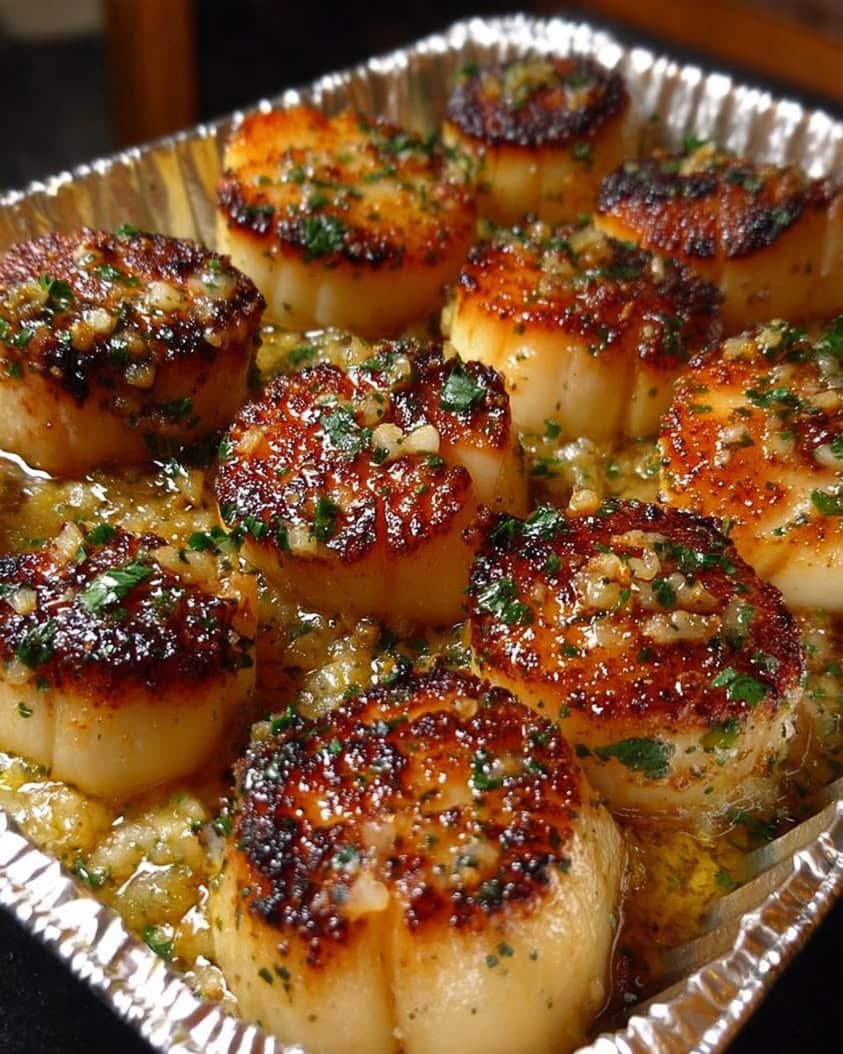
Garlic Butter Baked Scallops: A Quick and Elegant Dinner
Garlic Butter Baked Scallops deliver restaurant-quality elegance straight from your home oven. Imagine sweet, tender sea scallops bathed in a rich, garlicky butter sauce, then baked until they turn golden and bubbly. The aroma alone will draw everyone to the kitchen. This dish proves that you do not need complicated techniques to create something truly spectacular. With just a handful of ingredients and twenty-two minutes, you can serve a meal that feels luxurious yet remains wonderfully simple. Whether you are planning a romantic dinner, a festive holiday gathering, or simply want to treat yourself on a busy weeknight, this recipe delivers consistent, delightful results every single time.
The magic of garlic butter baked scallops lies in the beautiful contrast of flavors and textures. The natural sweetness of fresh scallops pairs perfectly with the savory depth of garlic and the creamy richness of butter. A hint of lemon juice and a sprinkle of fresh parsley brighten the entire dish, cutting through the richness and lifting the flavors. When you bake scallops in garlic butter, the oven gently cooks them, preserving their delicate moisture while creating a lightly caramelized top. This method avoids the common pitfalls of pan-searing, like overcooking or sticking, making it an ideal choice for both novice and experienced home cooks. The result is a plate of scallops that look and taste like a professional chef prepared them.
Furthermore, this recipe for garlic butter baked scallops fits seamlessly into a variety of dietary lifestyles. Scallops are naturally lean, high in protein, and low in fat, making them a smart choice for anyone watching their waistline or managing their health. The garlic butter adds richness without overwhelming the dish. You can easily adjust the amount of butter or substitute with olive oil for a lighter version. Because the cooking time is short, the scallops retain their high levels of vitamins and minerals. Serving them with a side of steamed vegetables, a light salad, or a small portion of pasta creates a balanced, nutritious meal that satisfies both your taste buds and your wellness goals. This recipe truly embodies the idea that healthy eating can also be indulgent and delicious.
Quick Recipe Highlights
- Flavor Profile: Garlic butter baked scallops offer a sublime balance of sweet, briny scallop meat, savory roasted garlic, and rich, melted butter. A squeeze of fresh lemon juice adds a bright, acidic finish that keeps the dish from feeling heavy. The combination creates a sophisticated, crowd-pleasing flavor that appeals to a wide range of palates.
- Texture: The exterior of each scallop develops a slight, tender bite, while the interior remains incredibly soft, moist, and almost buttery. The garlic butter sauce clings to the scallops, providing a velvety mouthfeel. Toasted breadcrumbs, if used, add a delicate crunch that contrasts beautifully with the yielding seafood.
- Aroma: As the scallops bake, the kitchen fills with the intoxicating scent of toasted garlic and warm butter. This aromatic experience primes the appetite and creates a sense of anticipation. The fresh parsley added at the end contributes a bright, grassy note that lifts the entire aroma profile.
- Visual Appeal: Garlic butter baked scallops present beautifully, with the scallops turning an opaque, creamy white and the butter sauce bubbling and golden brown around the edges. A garnish of vibrant green parsley and a sprinkle of lemon zest adds a pop of color. The dish looks elegant enough for a dinner party yet remains rustic and inviting.
- Skill Level Needed: This recipe requires very basic cooking skills, such as mixing ingredients and operating an oven. The main challenge is avoiding overcooking, which is easily managed by following the suggested baking time. Even a beginner cook can achieve impressive results with garlic butter baked scallops.
- Special Equipment: You will need a small mixing bowl, a baking dish that fits the scallops in a single layer, and a spoon for drizzling the butter mixture. A garlic press or sharp knife is helpful for mincing garlic. No specialized kitchen tools are required, making this recipe accessible to everyone.
Recipe Overview
- Difficulty Level: I rate this garlic butter baked scallops recipe as Easy because it involves minimal prep work and a short, forgiving cooking process. The most complex step is mincing garlic, which most home cooks can handle. Because the oven does the work, there is little risk of burning or splattering. This makes it a perfect starting point for anyone new to cooking seafood.
- Category: This dish works as a main course for a light dinner or as an impressive appetizer for gatherings. It also fits well into a holiday menu as a seafood alternative to traditional roasts. You can serve it over pasta, rice, or a bed of greens to make it a complete meal.
- Cuisine: Garlic butter baked scallops draw from classic French and American seafood traditions. The French influence appears in the use of butter, garlic, and parsley, similar to escargot or garlic shrimp. American coastal cuisine often features baked scallops with buttery cracker toppings. This recipe blends those influences into a simple, modern dish.
- Cost: The primary cost comes from the scallops, which can range from twelve to twenty-four dollars per pound depending on the season and source. Butter, garlic, lemon, and parsley are inexpensive pantry staples. Overall, a meal for four might cost between twenty and thirty-five dollars, which is far less than ordering similar dishes at a restaurant.
- Season: While sea scallops are available year-round, they are at their peak in the colder months, from late fall through early spring. However, this baked recipe works beautifully in any season because the oven method does not rely on fresh herbs from the garden. In summer, you can pair it with a crisp salad, and in winter, it feels cozy and warming.
- Occasion: Garlic butter baked scallops suit romantic dinners, anniversary celebrations, New Year’s Eve parties, and holiday feasts. They also work for a special weeknight treat when you want to elevate an ordinary evening. Because they cook so quickly, they are ideal for impromptu entertaining.
Why You’ll Love This Recipe
First and foremost, you will love this recipe because of its incredible taste and texture. Garlic butter baked scallops deliver a perfect bite every time, with the sweet, tender scallop meat complemented by the savory, rich garlic butter. The texture is sublime, offering a soft, almost melt-in-your-mouth quality that is hard to find in other seafood dishes. When you add a squeeze of fresh lemon and a sprinkle of parsley, the flavors come alive. This is the kind of dish that makes people close their eyes and sigh with satisfaction. It feels indulgent, yet it comes together with almost no effort. Whether you are a seasoned cook or a beginner, you will appreciate how consistently delicious this recipe turns out.
Secondly, the convenience and preparation benefits make garlic butter baked scallops a staple in any busy kitchen. From start to finish, you need only twenty-two minutes. The prep work involves just mincing garlic, melting butter, and arranging scallops in a dish. There is no need for dredging, breading, or standing over a hot stove. You simply mix, drizzle, and bake. Cleanup is equally simple because you use only one baking dish and one small bowl. This means you can enjoy a gourmet meal without spending hours in the kitchen or facing a mountain of dishes. For anyone juggling work, family, or other commitments, this recipe is a lifesaver.
Thirdly, the nutritional advantages of garlic butter baked scallops are impressive. Scallops are an excellent source of lean protein, providing over twenty grams per serving with very little fat. They are also rich in vitamin B12, which supports nerve health, and selenium, a powerful antioxidant. The garlic offers immune-boosting properties, while the butter provides essential fatty acids. Unlike fried seafood, baking avoids heavy breading and excess oil, keeping the calorie count reasonable. You can further lighten the dish by using olive oil instead of butter or reducing the amount of butter. This makes garlic butter baked scallops a smart choice for health-conscious eaters who still want a satisfying, flavorful meal.
Fourthly, the social and entertaining value of this dish cannot be overstated. Garlic butter baked scallops look and smell impressive, so they work beautifully for dinner parties, holiday gatherings, or romantic evenings. Your guests will assume you spent hours in the kitchen, but you know the truth. The dish is also easy to scale up for a crowd, and you can prepare the garlic butter mixture ahead of time. This allows you to spend more time with your guests and less time stressing over the stove. Serving scallops also adds a touch of elegance that makes any occasion feel special. Whether you are celebrating a promotion, a birthday, or simply the weekend, this recipe elevates the moment.
Finally, the cost-effectiveness and accessibility of garlic butter baked scallops make it a practical choice. While scallops can be pricey, they are still far more affordable than a restaurant meal. You can often find frozen scallops on sale, which work perfectly in this recipe after proper thawing. The other ingredients are basic pantry items that most people already have. This means you can create a restaurant-quality dish at a fraction of the cost. Additionally, the recipe is forgiving, so you do not need to buy the most expensive scallops. Even smaller bay scallops work well, though you will need to adjust the baking time. This accessibility ensures that anyone can enjoy garlic butter baked scallops, regardless of budget.
Historical Background and Cultural Significance
The origin of garlic butter baked scallops traces back to coastal communities in North America and Europe, where fresh seafood was abundant. In New England, Native American tribes harvested scallops for centuries, often drying them for winter storage. European settlers adopted these practices and began baking scallops with butter and breadcrumbs, a technique rooted in English and French culinary traditions. The addition of garlic, however, became more prominent in the twentieth century as Italian and French immigrants influenced American seafood cooking. This fusion created the modern garlic butter baked scallops we know today, a dish that honors both Old World techniques and New World ingredients.
Culturally, garlic butter baked scallops hold a special place in celebration meals along the Atlantic coast. In towns like Nantucket and Cape Cod, scallop season brings communities together for festivals and feasts. The dish symbolizes the bounty of the sea and the skill of local fishermen. For many families, baking scallops with garlic butter is a holiday tradition, served alongside roasted potatoes and green beans. Beyond the United States, similar dishes appear in French cuisine as coquilles Saint-Jacques and in Italian cuisine as capesante al forno. Each culture adds its own twist, but the core combination of scallops, butter, and garlic remains universal.
The evolution of this recipe reflects changes in home cooking technology and consumer preferences. In the mid-twentieth century, casseroles and baked seafood dishes became popular because they were easy and economical. Women entering the workforce needed quick, reliable meals, and baking scallops fit that need perfectly. Over time, cooks began experimenting with different herbs, citrus, and even spicy elements like red pepper flakes. The rise of the food network and online recipes further popularized garlic butter baked scallops, turning it from a regional specialty into a national favorite. Today, variations abound, from keto-friendly versions to gluten-free adaptations.
Regional variations of garlic butter baked scallops showcase local ingredients and tastes. In New England, cooks often top the scallops with buttery Ritz cracker crumbs for a crunchy texture. In the South, you might find them baked with a touch of hot sauce or Cajun seasoning. On the West Coast, chefs incorporate white wine and shallots for a more delicate, French-inspired sauce. In Florida, Key lime juice sometimes replaces lemon for a tropical twist. Internationally, Japanese cooks might use soy sauce and mirin, while Mediterranean versions include olives and tomatoes. These variations prove that garlic butter baked scallops is a versatile template that welcomes creativity.
Ingredient Deep Dive
Sea scallops are the star of this dish, prized for their sweet, delicate flavor and firm yet tender texture. Historically, scallops have symbolized hospitality and generosity in many coastal cultures. Nutritionally, they pack a powerful punch with high-quality protein, vitamin B12, magnesium, and potassium. When selecting scallops, look for those labeled dry, meaning they have not been treated with sodium tripolyphosphate, which causes them to absorb water and prevents proper browning. Fresh scallops should smell briny and sweet, not fishy. Store them in the coldest part of your refrigerator for up to two days. If you cannot find fresh, frozen scallops work well when thawed overnight in the fridge. For substitutions, shrimp or firm white fish like cod can replace scallops, though cooking times will vary.
Butter provides the rich, creamy base for the garlic sauce and helps the scallops develop a golden edge. Culturally, butter has been a symbol of prosperity and comfort for centuries. It contains fat-soluble vitamins A, D, E, and K, along with conjugated linoleic acid, which may offer health benefits. For the best flavor, choose unsalted butter so you can control the sodium level. Keep butter wrapped tightly in the fridge to prevent it from absorbing odors. You can substitute olive oil, ghee, or a plant-based butter for dietary needs. However, keep in mind that butter browns and caramelizes differently than oil, so the flavor profile will shift slightly.
Garlic is the aromatic heart of this recipe, transforming simple butter into a savory, fragrant sauce. Throughout history, garlic has been revered for its medicinal properties and bold flavor. It contains allicin, a compound with antimicrobial and antioxidant effects. When selecting garlic, choose firm, plump heads with tight skin and no green sprouts. Store garlic in a cool, dark, well-ventilated place, not in the refrigerator. Fresh minced garlic is ideal, but jarred minced garlic works in a pinch. For a milder flavor, roast the garlic first. If you dislike garlic, you can substitute shallots or a pinch of asafoetida for a similar savory note.
Lemon juice adds brightness and acidity, balancing the richness of the butter and cutting through the natural brininess of the scallops. Lemons have a long history in Mediterranean and Middle Eastern cuisines, symbolizing freshness and purification. They are an excellent source of vitamin C and antioxidants. Choose lemons that feel heavy for their size and have smooth, thin skin. Store them in the refrigerator for up to two weeks or at room temperature for a few days. Bottled lemon juice can substitute in a pinch, but fresh juice offers superior flavor. For a twist, try lime juice or a splash of white wine vinegar.
Fresh parsley is the classic garnish for garlic butter baked scallops, adding color and a clean, grassy flavor. Parsley has been cultivated for over two thousand years and was sacred to the Greeks, who used it to crown victors. It is rich in vitamins K, C, and A, along with antioxidants. Flat-leaf Italian parsley offers more flavor than curly parsley. Look for bright green, unwilted leaves and store it in a glass of water in the fridge, covered with a plastic bag. Dried parsley can substitute, but use one-third the amount. Other herbs like basil, chives, or tarragon also work well.
Common Mistakes to Avoid
- Overcooking the scallops: Scallops cook very quickly, and just one or two extra minutes can turn them rubbery and tough. They are done when they turn opaque and firm up slightly. Remove them from the oven as soon as the centers are no longer translucent. Remember that they will continue to cook a bit from residual heat.
- Using wet or treated scallops: If your scallops are labeled wet or soaked in a preservative solution, they will release water during baking and steam instead of roast. This prevents browning and dilutes the garlic butter sauce. Always look for dry-packed scallops, or pat them very dry with paper towels before cooking.
- Not drying the scallops thoroughly: Even dry scallops have surface moisture. Pat them completely dry with paper towels before placing them in the baking dish. Any moisture on the surface will create steam and prevent the butter sauce from clinging properly. Dry scallops brown better and have a more concentrated flavor.
- Burning the garlic: Minced garlic burns easily, especially at high heat. If you are melting butter on the stove, add the garlic only for the last thirty seconds. Alternatively, mix raw minced garlic with melted butter and pour it over the scallops before baking. The oven heat is gentle enough to cook the garlic without burning it.
- Using too little fat: Garlic butter sauce needs enough butter to coat the scallops and create a bubbly, rich sauce. If you skimp on the butter, the scallops may dry out and the garlic will not caramelize properly. For four servings, use at least four tablespoons of butter. You can always add a drizzle of olive oil for extra richness.
- Crowding the baking dish: Scallops need space to cook evenly. If they are packed too closely, they will steam rather than bake, resulting in a rubbery texture. Use a baking dish large enough to hold them in a single layer with a little space between each scallop. If you double the recipe, use two dishes.
- Skipping the lemon juice: Lemon juice is not just a garnish; it is a critical flavor balancer. Without it, the dish can taste flat and overly rich. Add the lemon juice to the butter mixture before baking, and serve extra wedges on the side. The acid brightens the scallops and cuts through the fat.
- Not seasoning the scallops: The garlic butter provides plenty of flavor, but the scallops themselves also need salt and pepper. Season them lightly on both sides before adding the butter mixture. This ensures that every bite is well seasoned, not just the exterior. Use kosher salt or sea salt for the best texture.
- Using the wrong baking dish: A metal baking dish heats faster and can cause the butter to burn. A glass or ceramic baking dish provides more even, gentle heat. Choose a dish that is just large enough for the scallops. If the dish is too large, the butter will spread out and burn rather than coating the scallops.
- Letting the dish sit before serving: Garlic butter baked scallops are best served immediately. As they sit, the butter solidifies and the scallops cool, losing their appealing texture. If you must wait, keep them warm in a low oven for no more than five minutes. Reheating in the microwave will make them tough.
Essential Techniques
Patting the scallops dry is the most important technique for achieving a beautiful, golden crust and a concentrated flavor. Moisture on the surface of the scallops creates steam in the oven, which prevents browning and makes the butter sauce watery. To dry them properly, place the scallops on a plate lined with paper towels, then cover them with another paper towel and press gently. Let them sit for five to ten minutes while you prepare the other ingredients. You will notice the paper towels become damp. For best results, change the paper towels once and pat again. This simple step takes only a minute but dramatically improves the final dish. Dry scallops also absorb the garlic butter more effectively, so every bite is flavorful.
Mincing garlic finely and evenly ensures that it distributes throughout the butter sauce without creating large, overpowering chunks. A garlic press makes quick work of this, but you can also use a sharp chef’s knife. First, smash the garlic clove with the flat side of the knife to loosen the skin. Remove the skin, then slice the clove thinly and chop it into small pieces. Rock the knife back and forth over the garlic until it forms a fine paste. If you prefer a milder garlic flavor, sprinkle a pinch of salt over the minced garlic and smear it with the side of your knife. This technique, called making a garlic paste, breaks down the cell walls and releases more flavor. Evenly minced garlic cooks at the same rate, so no bits burn while others remain raw.
Melting butter gently without burning it preserves the rich, nutty flavor that makes this dish so delicious. Butter burns at a relatively low temperature, around three hundred degrees Fahrenheit, so you must use low heat. Cut the butter into small pieces so it melts evenly. Place it in a small saucepan over low heat and swirl the pan occasionally. As soon as the butter is fully melted, remove it from the heat. If you see brown specks forming at the bottom of the pan, you have browned the butter, which adds a nutty flavor but can become bitter if taken too far. For this recipe, you want melted, not browned, butter. You can also melt butter in the microwave in ten-second bursts, stirring between each burst.
Arranging the scallops in a single layer with space between them allows hot air to circulate and ensures even cooking. If scallops touch each other, they will steam and become rubbery. Use a baking dish that fits the number of scallops you are cooking without overcrowding. For four servings, an eight by eight inch glass dish works well. Place the scallops flat side down so they sit stable in the dish. If you have scallops of different sizes, put the smaller ones near the center and the larger ones near the edges, as the edges of the dish tend to be hotter. This small adjustment helps all the scallops finish cooking at the same time.
Checking for doneness by looking for opacity and firmness prevents overcooking, which is the most common mistake with scallops. Raw scallops are translucent and soft. As they cook, they become opaque and slightly firm to the touch. The best way to test is to press the center of a scallop with your finger. It should feel springy but not hard. If it feels mushy, it needs more time. If it feels firm and rubbery, it is overcooked. In a three-hundred-seventy-five-degree oven, scallops typically take ten to twelve minutes. Start checking at eight minutes, especially if your scallops are on the smaller side. Remember that they continue to cook after you remove them from the oven, so pull them out when they are just barely done.
Pro Tips for Perfect Garlic Butter Baked Scallops
First, always use fresh, dry-packed scallops if possible. Wet scallops are treated with a chemical solution that makes them absorb water, which prevents browning and dilutes flavor. If you can only find wet scallops, soak them in a bowl of cold water with a tablespoon of lemon juice for ten minutes, then pat them very dry. This helps remove some of the preservatives.
Second, keep the garlic butter mixture simple. Melted butter, minced garlic, salt, pepper, and a squeeze of lemon juice are all you need. Adding too many herbs or spices can overpower the delicate sweetness of the scallops. Let the natural flavor of the seafood shine through.
Third, do not skip the lemon juice. The acid is essential for balancing the richness of the butter. Add it to the butter mixture before baking, and serve extra lemon wedges on the side. A little lemon zest in the butter mixture also adds a bright, floral note.
Fourth, preheat your oven thoroughly. A fully preheated oven ensures that the scallops start cooking immediately, which helps them brown and cook evenly. Give your oven at least fifteen minutes to reach the correct temperature. An oven thermometer can verify the accuracy of your setting.
Fifth, consider adding a crunchy topping. A mixture of panko breadcrumbs, melted butter, and a little Parmesan cheese sprinkled over the scallops before baking adds a delightful texture. This is optional but takes the dish to a new level. Toast the breadcrumbs lightly in a dry pan first for extra crunch.
Sixth, serve the scallops immediately after baking. They lose their appeal as they cool. If you must hold them, keep them in a warm oven at two hundred degrees Fahrenheit for no more than five minutes. Do not reheat them in the microwave, as this will make them tough and rubbery.
Seventh, pair garlic butter baked scallops with simple sides that complement rather than compete. Steamed asparagus, roasted broccoli, or a light angel hair pasta with olive oil and herbs works beautifully. Avoid heavy, creamy sides that will make the meal feel too rich.
Variations and Adaptations
Regional variations of garlic butter baked scallops offer endless inspiration for customizing the dish to your tastes. In New England, a classic version tops the scallops with buttery Ritz cracker crumbs and a sprinkle of paprika. This adds a nostalgic, crunchy texture that many people love. In the South, cooks often add a dash of hot sauce or Cajun seasoning to the butter mixture for a spicy kick. On the West Coast, white wine and shallots often replace some of the butter, creating a lighter, more elegant sauce. Internationally, Japanese cooks might add soy sauce, mirin, and a sprinkle of sesame seeds, while Mediterranean versions include chopped olives, capers, and tomatoes. These regional adaptations show how versatile this recipe can be.
Seasonal adaptations allow you to enjoy garlic butter baked scallops year-round with fresh, local ingredients. In spring, add chopped fresh tarragon or chives to the butter mixture and serve with steamed peas. In summer, top the scallops with a salsa of diced tomatoes, basil, and balsamic vinegar for a bright, refreshing twist. In fall, incorporate roasted squash or pumpkin puree into the serving plate, and add a pinch of nutmeg to the butter. In winter, a creamy Parmesan sauce or a sprinkle of toasted hazelnuts adds warmth and richness. By adjusting the herbs, spices, and sides, you can make this dish feel perfectly suited to any season.
Dietary modifications make garlic butter baked scallops accessible to almost everyone. For a gluten-free version, ensure that all ingredients are certified gluten-free and skip any breadcrumb toppings. For a dairy-free version, substitute the butter with a high-quality vegan butter or olive oil. For a vegan version, you cannot use scallops, but you can bake thick slices of king oyster mushrooms or hearts of palm with the same garlic butter sauce for a similar texture. For a low-carb or keto version, the recipe is already perfect, as long as you do not add breadcrumbs. For a paleo version, use ghee or olive oil and omit any dairy. For a low-FODMAP version, use garlic-infused oil instead of fresh garlic. Each of these adaptations preserves the core flavors of the dish while meeting specific dietary needs.
Flavor variations let you explore different culinary traditions without changing the basic technique. Try a lemon dill version by adding fresh dill and lemon zest to the butter. For a spicy version, add red pepper flakes and a minced jalapeno. For a smoky version, add a pinch of smoked paprika and a dash of Worcestershire sauce. For an Asian-inspired version, use sesame oil, ginger, soy sauce, and a drizzle of honey. For a Mediterranean version, add chopped sun-dried tomatoes, olives, and feta cheese. The possibilities are endless, and each variation brings a new personality to the dish.
Texture modifications can accommodate different preferences. If you like a crispy top, add a panko and Parmesan crust. If you prefer a softer, more uniform texture, skip the breadcrumbs and simply bake the scallops in the butter sauce. For a creamier sauce, add a tablespoon of heavy cream or cream cheese to the butter mixture. For a lighter sauce, use half butter and half olive oil, and add a splash of white wine. You can also puree the garlic butter with fresh herbs for a vibrant green sauce. These small changes allow you to tailor the dish to your exact liking.
Presentation alternatives help you serve garlic butter baked scallops in creative ways. For an elegant appetizer, serve each scallop in a small ceramic ramekin with a spoonful of sauce. For a family-style meal, arrange the scallops on a large platter and drizzle the pan sauce over the top. For a pasta dish, toss the baked scallops and sauce with linguine or fettuccine. For a salad, place the scallops over mixed greens with a lemon vinaigrette. For a surf and turf option, pair the scallops with a small filet mignon. Whatever presentation you choose, the dish will look and taste impressive.
Serving and Presentation Guide
Plating techniques for garlic butter baked scallops should highlight the natural beauty of the seafood. Use a warm plate, as cold plates will cool the scallops too quickly. Place three or four scallops in a row or a circle in the center of the plate. Spoon a generous amount of the garlic butter sauce from the baking dish over each scallop. The sauce should glisten and pool slightly around the base. If you added a breadcrumb topping, arrange the scallops so the golden crust faces up. Leave space around the edges of the plate for sides or garnishes, keeping the presentation clean and uncluttered. A white plate provides the best contrast for the creamy scallops and green parsley.
Garnishing ideas can elevate the visual appeal of garlic butter baked scallops from simple to stunning. Fresh chopped parsley is the classic choice for its bright green color and fresh flavor. A sprinkle of lemon zest adds a pop of yellow and a burst of citrus aroma. Toasted breadcrumbs or crushed crackers add texture and a golden hue. A drizzle of the pan sauce mixed with a little heavy cream creates an elegant swirl. For a touch of heat, a few thin slices of red chili pepper or a sprinkle of red pepper flakes add color and spice. Microgreens or edible flowers can make the dish look like a restaurant creation. Always add delicate garnishes just before serving so they stay fresh.
Traditional accompaniments for garlic butter baked scallops include simple, comforting sides that soak up the flavorful sauce. Steamed white rice is a classic choice because it absorbs the garlic butter beautifully. Crusty bread is another favorite, perfect for dipping into the sauce. Angel hair pasta tossed with olive oil and parsley makes a light and elegant base. For vegetables, steamed asparagus, roasted broccoli, or sauteed spinach provide a fresh, nutritious contrast. A simple green salad with a lemon vinaigrette cuts through the richness. In New England, boiled potatoes with butter and parsley are a traditional pairing. Choose sides that do not overpower the delicate flavor of the scallops.
Modern serving suggestions offer creative ways to enjoy garlic butter baked scallops beyond the traditional dinner plate. Serve them as an appetizer on a charcuterie board with toothpicks for easy picking. Turn them into tacos by placing two scallops in a warm corn tortilla with cabbage slaw and a drizzle of the garlic butter sauce. Add them to a grain bowl with quinoa, roasted vegetables, and a dollop of pesto. Top a baked potato with chopped scallops and garlic butter for a luxurious twist. Use them as a topping for creamy risotto or polenta. For a low-carb option, serve them over zucchini noodles or cauliflower rice. These modern presentations make the dish versatile for any meal or gathering.
Temperature considerations are crucial for serving garlic butter baked scallops. They taste best when served piping hot, straight from the oven. The butter should still be bubbling, and the scallops should be warm throughout. If the scallops cool too much, the butter solidifies and the texture becomes less appealing. To keep them hot, warm your serving plates in a low oven for a few minutes before plating. If you are serving a crowd, bake the scallops in batches so that each batch comes out just before serving. Avoid holding them under a heat lamp, as this will overcook them. If you must transport the dish, wrap the baking dish tightly in foil and place it in an insulated carrier, but plan to serve within thirty minutes.
Portion control tips help you serve garlic butter baked scallops appropriately for different occasions. For a main course, plan on four to six large sea scallops per person, depending on the size and the appetites of your guests. For an appetizer, two to three scallops per person is sufficient. If you are serving the scallops over pasta or rice, you can reduce the number of scallops per person to three or four. For a buffet, assume each guest will take two to three scallops. When scaling the recipe, remember that the baking dish size must also increase to keep the scallops in a single layer. Overcrowding will ruin the texture. Use two dishes if necessary.
Wine and Beverage Pairing
Wine pairings for garlic butter baked scallops should complement the rich, buttery sauce without overpowering the delicate seafood. A crisp, unoaked Chardonnay is a classic choice, offering green apple and citrus notes that mirror the lemon in the recipe. Sauvignon Blanc from New Zealand or Sancerre provides bright acidity and herbal notes that cut through the butter. For a lighter option, Pinot Grigio or Albariño works beautifully. If you prefer red wine, choose a light-bodied Pinot Noir with low tannins, served slightly chilled. A dry sparkling wine, such as Champagne or Prosecco, offers effervescence that cleanses the palate between bites. Avoid heavily oaked Chardonnays or bold Cabernet Sauvignons, as they will overwhelm the scallops.
Non-alcoholic alternatives for garlic butter baked scallops can be just as sophisticated and refreshing. Sparkling water with a squeeze of fresh lemon or lime is simple and palate-cleansing. A homemade lemonade with fresh mint is slightly sweet and pairs well with the savory garlic. Iced tea with a hint of peach or mango adds a fruity contrast. For a warm option, a light green tea or jasmine tea offers subtle floral notes that complement the seafood. Sparkling apple cider, particularly a dry variety, mimics the effervescence of Champagne without the alcohol. Ginger ale with a splash of cranberry juice creates a festive, refreshing mocktail. These options ensure that everyone at the table can enjoy a thoughtful pairing.
Coffee and tea pairings for garlic butter baked scallops are less common but can work if chosen carefully. A light roast coffee with bright acidity and citrus notes can echo the lemon in the dish. Avoid dark roasts, which are too bold and bitter. For tea, a white tea like Silver Needle offers delicate floral notes that will not compete with the scallops. A green tea with lemon or ginger adds a refreshing zing. Herbal teas like chamomile or lemongrass provide a soothing, caffeine-free option. If you serve coffee or tea after the meal, keep it light and unsweetened. The goal is to refresh the palate, not to dominate it.
Temperature considerations for beverages served with garlic butter baked scallops are important for the overall dining experience. White wines and sparkling wines should be served well chilled, Print
Garlic Butter Baked Scallops
- Total Time: 25 minutes
- Yield: 4
Description
Tender, juicy scallops baked in a rich garlic butter sauce with a hint of lemon and fresh herbs. This elegant dish is surprisingly easy to make and perfect for a special dinner or a quick weeknight treat.
Ingredients
- 1 lb large sea scallops, patted dry
- 4 tablespoons unsalted butter, melted
- 4 cloves garlic, minced
- 2 tablespoons fresh lemon juice
- 1 tablespoon chopped fresh parsley
- 1/2 teaspoon salt
- 1/4 teaspoon black pepper
- 1/4 cup Panko breadcrumbs (optional)
- Lemon wedges for serving
Instructions
- Preheat oven to 425°F (220°C). Lightly grease a baking dish.
- In a small bowl, combine melted butter, minced garlic, lemon juice, parsley, salt, and pepper.
- Arrange scallops in a single layer in the prepared baking dish. Pour the garlic butter mixture over the scallops, turning to coat.
- If using, sprinkle Panko breadcrumbs evenly over the top.
- Bake for 12-15 minutes, until scallops are opaque and firm to the touch.
- Optional: Broil for 1-2 minutes to brown the breadcrumbs, watching closely to avoid burning.
- Serve immediately with lemon wedges.
Notes
You can customize the seasonings to taste. For a richer sauce, add a splash of white wine before baking. Be careful not to overcook the scallops, as they can become tough.
- Prep Time: 10 minutes
- Cook Time: 15 minutes
- Method: Main
- Cuisine: American