Vibrant Beetroot Avocado Feta Salad Recipe for Healthy Eating
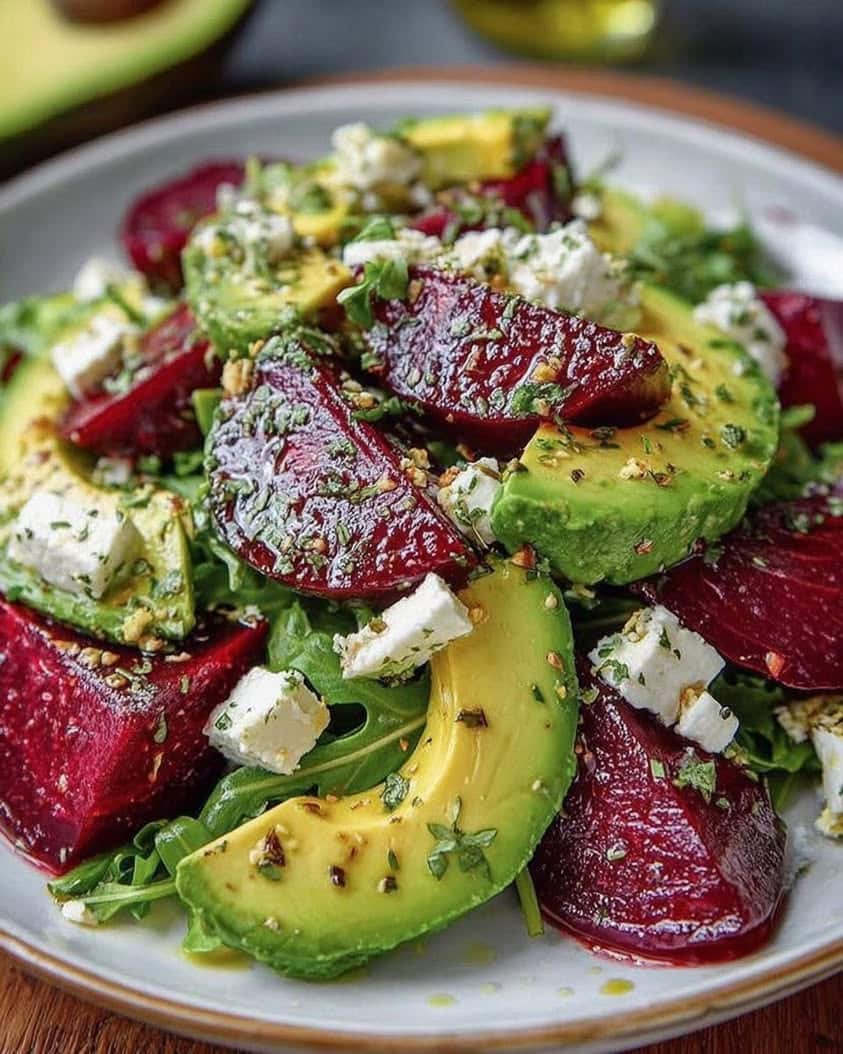
This Vibrant Beetroot Avocado Feta Salad Recipe for Healthy Eating delivers a stunning combination of earthy, creamy, and tangy flavors that will transform your everyday meals. Furthermore, the striking colors of deep magenta beets, bright green avocado, and snowy white feta create a visual masterpiece that looks impressive on any table. Additionally, this salad offers a perfect balance of nutrients, making it an excellent choice for anyone seeking a delicious and wholesome dish.
Many people shy away from preparing beetroot at home because they worry about staining their hands or dealing with a messy kitchen. However, this Vibrant Beetroot Avocado Feta Salad Recipe for Healthy Eating simplifies the process significantly by using straightforward techniques that minimize fuss. Consequently, you can enjoy restaurant-quality flavors without any stress. Moreover, the recipe comes together in under an hour, which means you can serve it on busy weeknights or elegant dinner parties with equal ease.
Furthermore, this salad suits a wide range of dietary preferences, including gluten-free and vegetarian lifestyles. The creamy avocado complements the firm, tender beetroot beautifully, while the feta cheese adds a salty punch that ties everything together. In addition, a simple lemon and olive oil dressing brightens all the ingredients without overpowering them. Ultimately, this Vibrant Beetroot Avocado Feta Salad Recipe for Healthy Eating will become a staple in your rotation because it tastes incredible and supports your wellness goals.
Quick Recipe Highlights
- Flavor Profile: This salad combines the natural sweetness of roasted beets with the rich, buttery taste of avocado. Additionally, the feta cheese contributes a tangy, salty element that balances the sweetness perfectly. A hint of fresh lemon juice and cracked black pepper adds brightness and a subtle kick.
- Texture: You will experience a delightful mix of creamy avocado, tender yet firm beetroot, and crumbly feta. Furthermore, toasted walnuts or pumpkin seeds add a satisfying crunch. The contrasting textures keep every bite exciting and prevent the salad from feeling monotonous.
- Aroma: The earthy scent of roasted beets fills the kitchen as they cook, creating a warm and inviting atmosphere. Fresh dill or mint adds a grassy, aromatic note that lifts the entire dish. Meanwhile, the citrusy fragrance of lemon zest and juice adds a clean, refreshing finish.
- Visual Appeal: The deep ruby red of the beets against the vibrant green avocado creates a stunning color contrast. Moreover, the white feta crumbles and fresh green herbs add visual interest and texture. This salad looks especially beautiful when arranged on a white platter or in a clear glass bowl.
- Skill Level Needed: This recipe requires only basic kitchen skills, such as chopping, roasting, and mixing. Therefore, even beginner cooks can execute it successfully without prior experience. The most advanced technique involves roasting beets, which simply requires wrapping them in foil and placing them in the oven.
- Special Equipment: You will need a sharp knife, a cutting board, and a baking sheet for roasting the beets. Additionally, a small whisk or fork works well for blending the dressing. A vegetable peeler helps remove the beet skins easily after roasting, though you can also use your fingers once the beets cool.
Recipe Overview
- Difficulty Level: This recipe earns an easy rating because it involves minimal cooking and straightforward assembly. Roasting beets requires no special technique beyond wrapping them in foil and letting the oven do the work. Chopping avocado and crumbling feta demand only basic knife skills. Consequently, anyone can prepare this dish with confidence.
- Category: This salad works beautifully as a side dish, a light main course, or even a brunch option. Furthermore, you can serve it as an appetizer before a larger meal or bring it to potlucks as a crowd-pleasing contribution. Its versatility makes it suitable for many dining occasions.
- Cuisine: This recipe draws inspiration from Mediterranean and Middle Eastern culinary traditions, where fresh vegetables and simple dressings reign supreme. The combination of beets, avocado, and feta reflects a modern fusion approach that celebrates seasonal produce. Additionally, the use of lemon and olive oil echoes classic Greek and Levantine flavor profiles.
- Cost: Preparing this salad costs approximately eight to twelve dollars for four servings, depending on your location and the season. Beets and avocados represent the primary expenses, while feta, lemon, and olive oil are pantry staples you likely already own. Therefore, this dish offers excellent value for a nutrient-dense, restaurant-quality meal.
- Season: Fall and winter highlight beets at their sweetest, making these cooler months ideal for this recipe. However, avocados remain available year-round, so you can enjoy this salad whenever the craving strikes. Spring and summer versions benefit from adding fresh herbs like basil or mint for a lighter feel.
- Occasion: This salad shines at dinner parties, holiday gatherings, and casual family meals alike. Additionally, it works well for meal prep lunches because the components store separately for several days. Whether you serve it for a festive celebration or a simple weeknight dinner, it always impresses.
Why You’ll Love This Recipe
The taste and texture of this salad will win you over from the very first bite. The natural sweetness of roasted beets pairs beautifully with the creamy, mild flavor of ripe avocado. Meanwhile, the salty, tangy feta cuts through the richness and adds a savory depth that keeps you coming back for more. Furthermore, the lemon dressing ties everything together with a bright, zesty finish. Each component contributes something unique, and the combination creates a harmonious flavor experience that feels both indulgent and nourishing.
Convenience and preparation benefits make this recipe a weeknight winner. You can roast the beets ahead of time and store them in the refrigerator for up to five days. Consequently, assembling the salad takes only minutes when you are ready to eat. Additionally, the dressing comes together in a single bowl with just a whisk and a few simple ingredients. This means you spend less time in the kitchen and more time enjoying your meal with family and friends.
Nutritional advantages abound in this Vibrant Beetroot Avocado Feta Salad Recipe for Healthy Eating. Beets provide essential vitamins, minerals, and dietary fiber that support digestive health and heart function. Avocados deliver healthy monounsaturated fats that promote satiety and brain health. Moreover, feta cheese adds protein and calcium, while olive oil contributes anti-inflammatory properties. As a result, this salad supports your overall wellness while satisfying your taste buds.
Social and entertaining value sets this salad apart from ordinary side dishes. Its striking appearance sparks conversation and compliments from guests before they even take a bite. Furthermore, the recipe scales easily, so you can double or triple it for larger gatherings without complicating the process. Whether you host a dinner party or attend a potluck, this salad always earns rave reviews. Therefore, it becomes your go-to dish for special occasions and casual get-togethers alike.
Cost-effectiveness and accessibility ensure this recipe fits into any budget. Beets rank among the most affordable root vegetables, and avocados offer excellent value when purchased in season. Additionally, the remaining ingredients, such as feta, lemon, and olive oil, last for many meals and add versatility to your pantry. Consequently, you can enjoy a nutritious, elegant salad without breaking the bank. This makes the recipe ideal for everyday cooking and special occasions alike.
Historical Background and Cultural Significance
Beets have a long and fascinating history that stretches back thousands of years to ancient Mediterranean civilizations. The Greeks and Romans cultivated beets for both food and medicinal purposes, recognizing their value long before modern nutrition science confirmed their benefits. Furthermore, the original beets resembled modern chard more than the bulbous root vegetables we know today. Over centuries, selective breeding transformed beets into the sweet, vibrant roots that now star in dishes like this salad.
Cultural importance surrounds beets in many regions around the world. In Eastern Europe, borscht stands as a beloved beet-based soup that warms families through cold winters. Additionally, Australians famously enjoy beetroot on burgers, while Indians incorporate beets into curries and side dishes. The avocado, meanwhile, holds sacred status in Mexican culture and has been cultivated for over ten thousand years. Feta cheese originated in Greece and remains a protected designation of origin product today.
The evolution of this recipe reflects broader trends in modern cooking that emphasize fresh, colorful, and nutrient-dense ingredients. Chefs and home cooks began combining beets with avocado and feta in the late twentieth century as global cuisine became more accessible. Furthermore, the rise of farmers markets and seasonal eating movements encouraged people to experiment with unexpected flavor combinations. Consequently, this salad emerged as a contemporary classic that bridges traditional ingredients with modern sensibilities.
Regional variations of this salad exist across the United States and beyond. In California, cooks often add citrus segments and toasted almonds for a bright, crunchy twist. Meanwhile, New York restaurants might feature pickled beets instead of roasted ones for a tangier profile. Additionally, some versions incorporate grains like quinoa or farro to transform the salad into a heartier main course. Regardless of the variation, the core combination of beetroot, avocado, and feta remains beloved for its perfect balance of flavors and textures.
Ingredient Deep Dive
Beets serve as the vibrant heart of this salad and offer a fascinating cultural history. Ancient Romans used beets medicinally, while medieval Europeans relied on them during times of scarcity. Furthermore, beets contain betalain pigments that provide their signature red color and powerful antioxidant properties. Nutritionally, beets deliver folate, manganese, potassium, and fiber that support heart health and detoxification. When selecting beets, choose firm, smooth specimens with intact greens if possible, as the greens indicate freshness.
Storage for beets involves removing the greens and keeping the roots in a cool, dark place or the refrigerator crisper drawer for up to three weeks. Additionally, you can roast beets ahead of time and refrigerate them for five days. If you cannot find fresh beets, canned or pre-cooked beets work as a convenient substitute, though the flavor differs slightly. Furthermore, golden beets or candy-striped chioggia beets offer beautiful color variations that prevent staining and add visual interest to the salad.
Avocados bring creamy richness and a subtle, nutty flavor to this recipe. Mexican cultures have cultivated avocados for millennia, and the fruit holds deep significance in Central American cuisine. Furthermore, avocados provide healthy monounsaturated fats, fiber, potassium, and vitamins E and K. When choosing avocados, look for fruit that yields slightly to gentle pressure and has unblemished skin. Avoid avocados that feel mushy or have dark, sunken spots, as these indicate overripeness or damage.
Storage recommendations for avocados depend on ripeness. Store unripe avocados at room temperature for two to five days until they soften. Once ripe, transfer them to the refrigerator to extend their life by several days. Furthermore, adding lemon or lime juice to cut avocado prevents browning by slowing oxidation. If you cannot find fresh avocados, consider using pre-made guacamole as a substitute, though the texture will differ considerably from sliced or cubed avocado.
Feta cheese contributes a salty, tangy punch that elevates the entire salad. This brined cheese originated in Greece and has been produced for thousands of years, earning protected designation of origin status in the European Union. Furthermore, feta offers protein, calcium, and beneficial bacteria from the brining process. When selecting feta, choose blocks packed in brine rather than pre-crumbled varieties, as the blocks retain more moisture and flavor. Look for white, firm cheese with a slightly crumbly texture.
Storage for feta involves keeping it submerged in its brine in an airtight container in the refrigerator. Additionally, you can store feta in olive oil with herbs for extended shelf life and added flavor. If you need a substitute, goat cheese, ricotta salata, or even blue cheese can work in a pinch, though each brings a different flavor profile. Consequently, feel free to experiment with different salty cheeses to find your perfect match.
Common Mistakes to Avoid
- Overcooking the beets until they become mushy destroys the pleasant texture that makes this salad enjoyable. Therefore, roast beets until a knife slides in easily but they still hold their shape. Check them at thirty minutes and every ten minutes thereafter.
- Using underripe avocados results in a hard, flavorless salad that lacks creaminess. Additionally, overripe avocados turn brown and mushy, ruining the presentation. Choose avocados that yield slightly to pressure and have no soft spots.
- Skipping the lemon juice causes avocado to brown quickly and leaves the salad lacking brightness. Consequently, always toss avocado pieces with lemon juice immediately after cutting. This simple step preserves color and enhances flavor.
- Adding too much dressing overwhelms the delicate flavors of beetroot and avocado. Furthermore, excess dressing makes the salad soggy and unappetizing. Dress the salad lightly and toss gently just before serving.
- Forgetting to cool roasted beets completely before assembling causes avocado to wilt and feta to melt. Therefore, plan ahead and refrigerate beets until they reach room temperature or cooler. This step ensures the salad maintains its integrity.
- Using cold, hard feta straight from the refrigerator prevents it from crumbling properly. Additionally, cold feta lacks the creamy texture that complements the other ingredients. Let feta sit at room temperature for fifteen minutes before crumbling.
- Neglecting to toast nuts or seeds leaves the salad missing a crucial crunchy element. Moreover, untoasted nuts taste flat and raw compared to their toasted counterparts. Toast walnuts or pumpkin seeds in a dry pan for three to five minutes until fragrant.
- Choosing bland, low-quality olive oil diminishes the dressing and the overall salad experience. Consequently, invest in a good extra virgin olive oil with a fruity, peppery flavor. The dressing relies on olive oil as a primary flavor component.
- Assembling the salad too far in advance causes ingredients to break down and lose their appeal. Therefore, prepare components ahead but combine them just before serving. This approach keeps textures crisp and colors vibrant.
- Discarding beet greens wastes a nutritious and delicious ingredient. Furthermore, beet greens taste similar to spinach and work beautifully in sautés or smoothies. Save them for another recipe instead of throwing them away.
Essential Techniques
Roasting beets properly forms the foundation of this recipe and deserves careful attention. First, scrub the beets clean and trim the stems, leaving about an inch of stem attached to prevent bleeding. Next, wrap each beet loosely in aluminum foil and place them on a baking sheet. Roast at four hundred degrees Fahrenheit for forty-five to sixty minutes, depending on size. Additionally, you know beets are ready when a knife slides in with no resistance. After roasting, let them cool in the foil, then rub the skins off with a paper towel. This technique concentrates the natural sugars and creates a tender, flavorful result.
Choosing and cutting avocados correctly ensures the creamy texture that makes this salad special. First, select a ripe avocado that gives slightly when you press near the stem. Then, cut lengthwise around the pit, twist the halves apart, and remove the pit with a spoon. Furthermore, slice or cube the avocado according to your preference and immediately toss with lemon juice. This technique prevents browning and keeps the avocado looking fresh. Mastering this skill helps you enjoy avocados in countless dishes beyond this salad.
Making a balanced vinaigrette requires understanding the ratio of oil to acid. Generally, use three parts oil to one part acid, such as lemon juice or vinegar. Additionally, whisk in salt, pepper, and any herbs or shallots for flavor. Taste the dressing and adjust as needed before pouring it over the salad. This technique ensures the dressing enhances rather than overwhelms the ingredients. Once you master this skill, you can create endless dressing variations.
Toasting nuts and seeds brings out their essential oils and intensifies their flavor. Place walnuts, pumpkin seeds, or almonds in a dry skillet over medium heat. Stir frequently and watch carefully because nuts burn quickly once they start to brown. Furthermore, remove them from the pan as soon as they smell fragrant, about three to five minutes. This technique transforms ordinary nuts into a crunchy, flavorful garnish. Consequently, you should never skip this step when making this salad.
Pro Tips for Perfect Vibrant Beetroot Avocado Feta Salad Recipe for Healthy Eating
Roast beets a day ahead to save time and ensure they cool completely before assembling the salad. Furthermore, cold beets slice more cleanly and prevent avocado from browning. This simple prep step makes the recipe even easier to execute on busy days.
Use a light hand with the dressing to let the natural flavors of each ingredient shine. Additionally, toss gently to avoid mashing the avocado and breaking apart the feta. Add dressing gradually and taste as you go.
Add fresh herbs like dill, mint, or basil just before serving for a burst of color and aroma. Furthermore, herbs provide a fresh counterpoint to the earthy beets and creamy avocado. Chopping herbs finely ensures even distribution throughout the salad.
Season each component individually before combining them for a well-balanced dish. Additionally, a pinch of salt on the avocado and beets enhances their natural flavors. This attention to detail separates a good salad from a great one.
Choose golden or candy-striped beets if you want to avoid the notorious red staining that comes with traditional red beets. Consequently, you get the same earthy flavor and nutritional benefits with a different visual impact. This tip helps you control the final look of the salad.
Serve the salad on a chilled platter or in a chilled bowl to keep ingredients crisp and fresh. Furthermore, cold surfaces slow the softening process and preserve the avocado’s texture. This small detail makes a noticeable difference at the table.
Crush or tear feta into irregular pieces instead of cutting neat cubes for a more rustic look. Additionally, irregular pieces distribute differently throughout the salad and create pockets of salty flavor. This aesthetic choice adds character to the presentation.
Finish the salad with flaky sea salt and freshly cracked black pepper for a final flourish. Moreover, these finishing touches add texture and intensity that elevate the entire dish. Avoid using table salt, which lacks the same visual and textural appeal.
Variations and Adaptations
Regional variations of this salad appear across the Mediterranean and beyond. In Greece, cooks might add kalamata olives and red onion for a more traditional flavor profile. Meanwhile, in the Middle East, za’atar spice and pomegranate seeds add exotic flair. Additionally, Italian versions might incorporate balsamic glaze and pine nuts. Each region contributes its own twist while honoring the core combination of beets, avocado, and feta. Exploring these variations helps you understand how different cultures approach similar ingredients.
Seasonal adaptations allow you to enjoy this salad year-round with fresh, local produce. In spring, add snap peas and radishes for brightness and crunch. During summer, cherry tomatoes and corn kernels bring sweetness and color. Fall versions benefit from roasted sweet potatoes or apples. Winter calls for citrus segments and pomegranate seeds. Consequently, this salad never becomes boring because it evolves with the seasons.
Dietary modifications make this versatile salad suitable for nearly every eater. For a vegan version, substitute feta with cashew cheese or simply omit it and add nutritional yeast. Dairy-free eaters can use vegan feta alternatives now widely available. Additionally, swapping avocado for the same amount of cannellini beans creates a lower-fat option. These adaptations ensure everyone at your table can enjoy this dish.
Flavor variations let you customize the salad to match your mood or the rest of your meal. Add cumin and coriander to the dressing for a warm, earthy twist. Moreover, smoked paprika adds depth and a hint of spice. Asian-inspired versions might use rice vinegar, sesame oil, and ginger in the dressing. Consequently, this recipe becomes a canvas for your creativity.
Texture modifications address different preferences and dietary needs. Replace avocado with roasted butternut squash for a starchy, hearty alternative. Additionally, add cooked quinoa or farro to transform the salad into a grain bowl. Toasted breadcrumbs or crispy shallots provide crunch if nuts pose an allergy concern. These changes keep the salad exciting and adaptable.
Presentation alternatives suit different occasions and serving styles. Arrange the salad on individual plates for an elegant plated starter. Furthermore, serve it family-style on a large platter for casual gatherings. For a portable option, layer the ingredients in mason jars for meal prep lunches. Stuffed into pita pockets, the salad becomes a satisfying sandwich filling. Each presentation approach brings its own charm.
Serving and Presentation Guide
Plating techniques for this Vibrant Beetroot Avocado Feta Salad Recipe for Healthy Eating matter because we eat with our eyes first. Start by spreading a bed of mixed greens or arugula on a large platter or individual plates. Then, arrange beet slices in a circular pattern, overlapping slightly for visual interest. Furthermore, tuck avocado pieces between and around the beets for a natural, organic look. Scatter feta crumbles over the top and finish with toasted nuts. This approach creates a stunning composition that highlights each ingredient.
Garnishing ideas elevate the salad from ordinary to extraordinary with minimal effort. Fresh dill, mint, or basil add bright green accents against the deep red beets. Additionally, edible flowers like nasturtiums or violets create a romantic, restaurant-quality presentation. Microgreens offer delicate texture and a pop of color. A sprinkle of flaky sea salt and cracked pepper adds the final touch. These garnishes enhance both appearance and flavor.
Traditional accompaniments for this salad include crusty bread for soaking up the dressing. Furthermore, grilled pita or flatbread works beautifully for a Mediterranean-inspired meal. Serve alongside roasted chicken, lamb, or fish for a complete dinner. A bowl of hummus or tzatziki complements the flavors and adds creaminess. These pairings create a cohesive and satisfying dining experience.
Modern serving suggestions include turning this salad into a grain bowl with added quinoa or farro. Additionally, layer it on toast with ricotta for an elegant brunch option. Use it as a topping for flatbread pizza or wrap it in spring roll wrappers. The salad also works as a filling for tacos or as a side for burgers. These contemporary approaches keep the recipe relevant and exciting.
Temperature considerations affect how the salad tastes and feels in your mouth. Serving it slightly chilled or at cool room temperature works best. If the salad sits in the refrigerator too long, the avocado hardens and loses its creamy appeal. Therefore, remove it from the refrigerator fifteen minutes before serving. This brief warming period lets the flavors bloom and the textures relax.
Portion control tips help you serve appropriate amounts without waste. For a side dish, plan about one cup of salad per person. If serving as a main course, increase to two cups per person. Furthermore, the recipe doubles easily for larger crowds. Knowing portion sizes helps you plan effectively for any occasion.
Wine and Beverage Pairing
Wine pairings for this salad should complement the earthy sweetness of beets and the creamy richness of avocado. A crisp Sauvignon Blanc offers bright acidity that cuts through the feta’s saltiness. Additionally, a dry Rosé brings fruity notes that echo the beets’ natural sweetness. For red wine lovers, a light Pinot Noir provides subtle earthiness without overwhelming the salad. These wines enhance the dining experience without competing with the food.
Non-alcoholic alternatives offer refreshing options for those who prefer to skip alcohol. Sparkling water with lemon or lime slices provides effervescence and citrus brightness. Moreover, kombucha offers probiotic benefits and a tangy flavor that pairs well with the salad. Fresh-squeezed beet and carrot juice creates a thematic and nutritious beverage. Iced green tea with mint delivers antioxidants and a clean finish. These options ensure everyone has a delightful drink.
Coffee and tea pairings work surprisingly well with this salad for unconventional meals. A light black tea like Darjeeling offers astringency that balances the creamy avocado. Furthermore, a cold brew coffee provides richness that complements the earthy beets. Herbal teas like peppermint or chamomile add a soothing element. These beverages turn a simple salad into a complete and comforting experience.
Temperature considerations for beverages matter as much as the food itself. Serve white wines and sparkling drinks well-chilled for maximum refreshment. Additionally, red wines benefit from slight cooling, around fifty-five to sixty degrees. Room-temperature water or tea feels more comforting in cooler months. Matching beverage temperature to the season enhances overall enjoyment.
Serving suggestions for beverages include offering a variety of options so guests can choose their preference. Set up a small drink station with wine, sparkling water, and infused water. Furthermore, provide garnishes like lemon wedges, mint sprigs, and ice. This thoughtful touch makes guests feel pampered and cared for. A well-stocked drink selection rounds out the meal beautifully.
Storage and Shelf Life
Storage methods for this salad require separating components to maintain freshness. Keep roasted beets in an airtight container in the refrigerator for up to five days. Furthermore, store dressing separately in a jar with a tight-fitting lid for up to one week. Avocado should be cut fresh each time you serve the salad. Feta keeps well in its brine for several weeks. This separation strategy preserves textures and flavors.
Temperature requirements for storage are straightforward and easy to follow. Refrigerate all components at thirty-five to forty degrees Fahrenheit. Additionally, keep the refrigerator consistent and avoid frequent temperature fluctuations. A thermometer helps you monitor conditions accurately. Proper temperature control prevents spoilage and extends shelf life significantly.
Container recommendations include glass containers with airtight lids for optimal freshness. Furthermore, glass does not retain odors or stains like plastic can. Mason jars work beautifully for storing dressings and smaller components. Use shallow containers for beets to cool them quickly after roasting. The right containers make storage organized and efficient.
Signs of spoilage to watch for include sliminess, off odors, and visible mold growth. Additionally, avocado turns brown and develops an unpleasant texture when past its prime. Feta develops a sour smell and yellowish discoloration when spoiled. Beets become mushy and develop a fermented odor over time. Discard any component that shows these signs immediately.
Reheating instructions apply mainly to the beets if you prefer them warm. Gently warm roasted beets in a skillet over low heat or in the microwave for thirty seconds. Furthermore, avoid overheating because beets become mushy when cooked too long. Let them cool slightly before adding to the salad. Room-temperature or cold beets work equally well.
Freezing guidelines for this salad are limited because avocado and fresh vegetables do not freeze well. However, you can freeze roasted beets for up to three months in freezer-safe bags. Additionally, freeze the dressing separately in ice cube trays for easy portions. Thaw both in the refrigerator overnight before using. Accept that the texture of thawed beets differs slightly from fresh.
Make Ahead Strategies
Prep timeline for making this salad ahead involves roasting beets and preparing dressing in advance. Roast beets up to five days before serving and refrigerate them whole. Furthermore, make the dressing up to one week ahead and store it in a jar. Chop nuts and crumble feta the day before. This staggered approach breaks the work into manageable tasks.
Storage between steps keeps each component in optimal condition until assembly. Keep beets wrapped tightly or in an airtight container to prevent drying. Furthermore, store dressing at room temperature if using within a day, or refrigerate for longer storage. Keep feta submerged in brine until ready to use. Proper storage preserves quality and flavor.
Quality impact assessment helps you decide which steps truly benefit from advance preparation. Roasted beets actually improve in flavor after a day in the refrigerator. Furthermore, dressing blends and mellows beautifully overnight. However, avocado must be cut fresh because it browns quickly. Therefore, focus your make-ahead efforts on beets and dressing.
Assembly tips for quick serving include having all components ready and within reach. Additionally, use a large platter or bowl for easy tossing. Add dressing gradually and toss gently to avoid mashing ingredients. Finish with nuts and herbs just before serving. This efficient workflow makes entertaining stress-free.
Reheating guidelines for make-ahead salads involve bringing components to room temperature before serving. Furthermore, cold salads taste flat because flavors mute at low temperatures. Remove beets from the refrigerator thirty minutes before assembling. This simple step enhances the overall flavor experience.
Fresh element additions should happen at the last moment to maintain texture and color. Slice avocado and squeeze lemon juice over it right before serving. Additionally, add fresh herbs and toasted nuts at the very end. These finishing touches keep the salad looking and tasting vibrant.
Scaling Instructions
Halving the recipe works easily for smaller households or intimate dinners. Use two medium beets, one avocado, and half the feta called for in the original recipe. Furthermore, reduce dressing ingredients proportionally but taste and adjust as needed. The smaller batch comes together in the same amount of time. This flexibility makes the recipe practical for any household size.
Doubling or tripling the recipe suits larger gatherings and potlucks. Use a larger baking sheet or roast beets in batches to ensure even cooking. Additionally, make extra dressing in a larger jar or bowl. Consider assembling the salad on a large platter or in a big bowl. This scalability makes the recipe perfect for entertaining.
Equipment adjustments for larger batches include using multiple baking sheets for beets. Furthermore, a larger whisk or immersion blender helps emulsify bigger batches of dressing. Use a spacious cutting board for chopping more avocado. Having the right tools makes scaling up easier and more efficient.
Timing modifications for larger batches require longer roasting times for more beets. Additionally, allow extra time for cooling and assembling. Start prep earlier to avoid feeling rushed. The total time increases, but the process remains straightforward.
Storage considerations for scaled recipes involve having enough containers for leftovers. Furthermore, label containers with dates to track freshness. Store components separately as you would for the original recipe. Proper storage ensures you enjoy the salad for days.
Nutritional Deep Dive
Macro breakdown for this salad reveals a well-balanced profile. Each serving provides approximately fifteen grams of healthy fats from avocado and olive oil. Furthermore, you get about eight grams of protein from feta cheese. Carbohydrates come primarily from beets, contributing around twelve grams per serving. This macronutrient balance supports sustained energy and satiety.
Micronutrient analysis shows impressive vitamin and mineral content. Beets deliver folate, manganese, and potassium in significant amounts. Furthermore, avocado provides vitamins E, K, C, and several B vitamins. Feta contributes calcium, phosphorus, and vitamin B12. These micronutrients support bone health, immune function, and cellular repair.
Health benefits of this salad extend beyond basic nutrition. The fiber in beets and avocado promotes digestive health and regularity. Furthermore, antioxidants in beets fight inflammation and support heart health. Healthy fats in avocado improve cholesterol profiles. Regular consumption of colorful vegetables like beets supports overall wellness.
Dietary considerations for this salad include notes for various eating patterns. The recipe fits naturally into Mediterranean and vegetarian diets. Furthermore, it works for gluten-free eaters without modification. Those watching sodium should moderate feta portions. Understanding these considerations helps you adapt the recipe to your needs.
Portion analysis helps you fit this salad into your daily eating plan. A one-cup serving contains approximately two hundred calories. Furthermore, this portion provides satisfying volume without excessive calories. Pair with grilled protein for a complete meal. Adjust portions based on your activity level and goals.
Weight management tips include using this salad as a filling, nutrient-dense option. The fiber and healthy fats promote satiety and reduce cravings. Furthermore, the vibrant colors and flavors satisfy without added sugars. Enjoy this salad as part of a balanced approach to eating. It proves that healthy food can taste indulgent.
Dietary Adaptations
Gluten-free adaptation requires no changes because this recipe contains no gluten-containing ingredients. However, verify that any added ingredients like crackers or breadcrumbs are certified gluten-free. Furthermore, check labels on feta and other packaged items for hidden gluten. Serve with gluten-free bread if desired. This recipe naturally suits gluten-free lifestyles.
Dairy-free modification involves omitting feta or replacing it with a dairy-free alternative. Furthermore, vegan feta made from almonds or coconut oil provides similar tang and texture. Nutritional yeast adds a cheesy flavor without dairy. Adjust the dressing if needed to compensate for flavor changes. These swaps maintain the salad’s appeal for dairy-free eaters.
Vegan adaptation requires removing feta and ensuring all other ingredients are plant-based. The beets, avocado, and dressing are naturally vegan. Additionally, substitute feta with cashew cheese, tofu feta, or simply omit it. Increase herbs and lemon for added flavor. This version satisfies vegan diners without sacrificing taste.
Low-carb adaptation focuses on reducing the beet content, which provides most of the carbohydrates. Furthermore, use smaller amounts of beet or substitute with radishes for crunch. Increase avocado and greens to maintain volume. Adjust dressing to avoid added sugars. This approach keeps the salad suitable for low-carb plans.
Keto adaptation requires significant modifications because beets contain natural sugars. Replace beets with roasted radishes or turnips for a similar earthy flavor. Furthermore, use full-fat feta and generous olive oil. Keep avocado for healthy fats. This version fits ketogenic macros while delivering satisfaction.
Paleo adaptation removes feta because dairy Print
Beetroot Avocado Feta Salad
- Total Time: 1 hour
- Yield: 4
Description
A vibrant and refreshing salad featuring roasted beets, creamy avocado, and tangy feta cheese, tossed with a light lemon vinaigrette.
Ingredients
- 2 medium beets, roasted, peeled, and cubed
- 1 large avocado, cubed
- 1/2 cup crumbled feta cheese
- 2 cups mixed salad greens
- 1/4 cup chopped walnuts (optional)
- 2 tablespoons olive oil
- 1 tablespoon lemon juice
- 1 teaspoon honey
- Salt and pepper to taste
Instructions
- Preheat oven to 400°F (200°C). Wrap beets in foil and roast for 45-60 minutes until tender. Let cool, then peel and cube.
- In a small bowl, whisk together olive oil, lemon juice, honey, salt, and pepper to make the dressing.
- In a large bowl, combine roasted beets, avocado, and salad greens. Drizzle with dressing and toss gently.
- Top with crumbled feta and walnuts. Serve immediately.
Notes
You can customize the seasonings to taste.
- Prep Time: 15 minutes
- Cook Time: 45 minutes
- Method: Salad
- Cuisine: American