Greek Beef Wraps with Hot Honey and Garlic Feta Sauce: A Weeknight Dinner Worth Craving
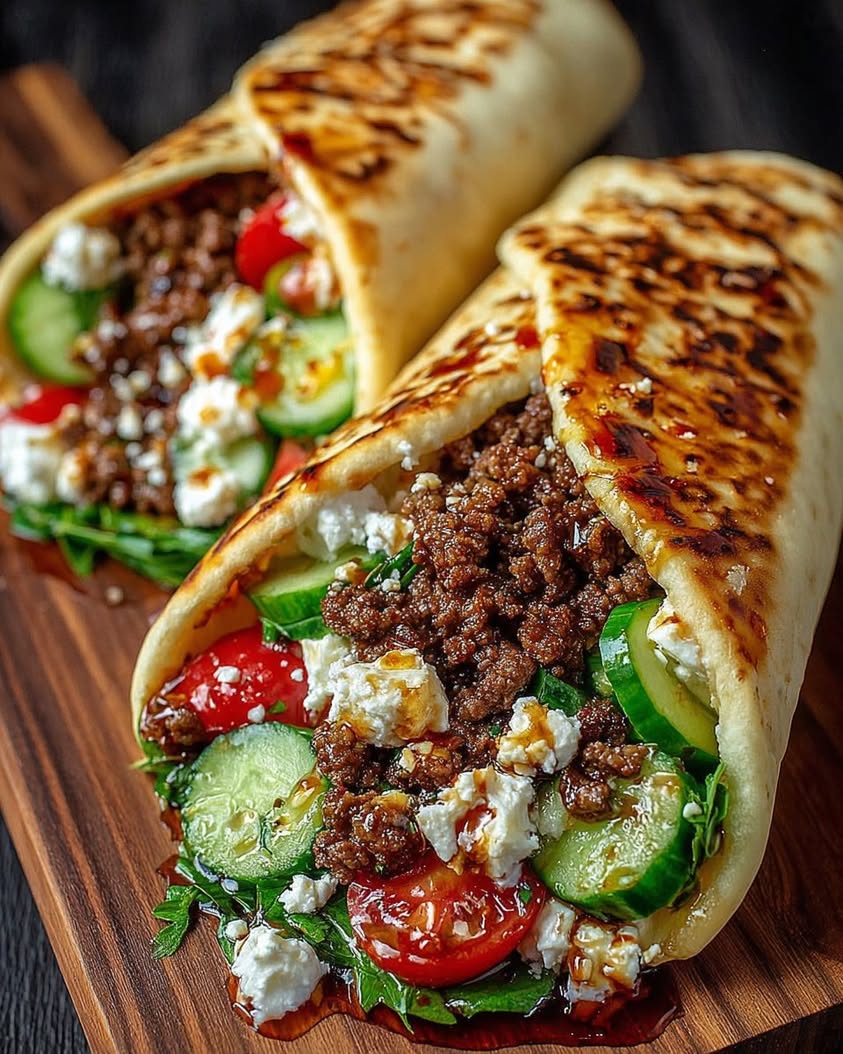
Greek Beef Wraps with Hot Honey and Garlic Feta Sauce bring the bold, sunny flavors of the Mediterranean straight to your dinner table in about half an hour. Imagine juicy, oregano-kissed ground beef tucked into warm, pillowy flatbread, then drizzled with a creamy garlic feta sauce that cools every bite. A final swirl of spicy hot honey ties everything together with a sweet-heat finish that keeps you coming back for more. These Greek Beef Wraps with Hot Honey and Garlic Feta Sauce are the kind of meal that feels special enough for guests yet simple enough for a busy Tuesday.
If you love gyros, souvlaki, or anything wrapped in warm bread, this recipe will quickly become a favorite. The beef cooks fast in a single skillet, which means less cleanup and more time at the table. Meanwhile, the garlic feta sauce comes together in a food processor or blender in just minutes. The hot honey? It takes two ingredients and about five minutes on the stove. Together, these components create a layered, restaurant-quality wrap you can make at home any night of the week.
What makes Greek Beef Wraps with Hot Honey and Garlic Feta Sauce truly shine is the balance of flavors and textures. You get savory, herby beef, cool and tangy feta cream, crisp fresh vegetables, and a warm, chewy flatbread that holds it all together. The hot honey adds a gentle burn that lingers just long enough to make you reach for the next bite. Whether you serve these wraps for a family dinner, a game-day spread, or a casual date night, they deliver big flavor with minimal fuss.
Quick Recipe Highlights
- Flavor Profile: Savory, herbaceous beef meets tangy, garlicky feta cream with a sweet-spicy honey drizzle. The combination hits salty, creamy, fresh, and fiery notes all at once.
- Texture: Juicy, crumbled beef contrasts with cool, silky sauce and crunchy cucumber, tomato, and red onion. The warm flatbread adds a soft, chewy backbone to every bite.
- Aroma: Oregano, garlic, and cumin fill the kitchen as the beef sears, while the hot honey releases a floral, chili-tinged perfume that signals dinner is ready.
- Visual Appeal: Golden-brown beef, snowy white feta sauce, ruby-red tomatoes, and a glossy amber honey drizzle create a colorful, Instagram-worthy plate.
- Skill Level Needed: A confident beginner can handle this recipe with ease. If you can brown ground beef and blend a sauce, you already have the skills required.
- Special Equipment: A large skillet, a food processor or blender, and a small saucepan cover it. No grill, no rotisserie, and no special tools needed.
Recipe Overview
- Difficulty Level: This recipe lands in the easy-to-intermediate range because it involves three simple components: seasoned beef, a blended sauce, and a quick hot honey. None of the steps require advanced knife skills or tricky techniques. The only thing to watch is not overcooking the beef, which stays juicy when you pull it off the heat promptly.
- Category: Consider this a main course that doubles as a handheld dinner, a party appetizer, or a meal-prep lunch. It fits beautifully into weeknight dinner rotations, casual entertaining menus, and even backyard cookouts.
- Cuisine: The recipe draws from Greek and Mediterranean traditions, especially the flavors of gyros and souvlaki. The hot honey adds a modern American twist that nods to the spicy-sweet trend popularized by Nashville hot chicken and chili crisp culture. The result is a fusion wrap that honors classic Greek seasoning while embracing contemporary tastes.
- Cost: Ground beef anchors the recipe as an affordable protein, and the remaining ingredients like feta, honey, and flatbread are budget-friendly staples. A full batch for four people typically costs less than a single takeout order of gyros. Pantry spices you likely already own keep the overall price low.
- Season: These wraps work year-round, though they shine brightest in spring and summer when tomatoes and cucumbers taste their best. In cooler months, you can serve them with roasted vegetables or a warm soup on the side. The hot honey brings a cozy kick that feels welcome in fall and winter, too.
- Occasion: Serve Greek Beef Wraps with Hot Honey and Garlic Feta Sauce for family dinners, game days, casual parties, or meal-prep Sundays. They also make a fun addition to a Mediterranean-themed spread alongside hummus, tabbouleh, and grilled vegetables.
Why You’ll Love This Recipe
The taste and texture appeal of this recipe comes from layers of contrast. Juicy, oregano-scented beef hits your tongue first, followed by the cool, tangy feta sauce that softens the spice. Then the hot honey arrives with a slow, sweet burn that lingers pleasantly. Crunchy cucumbers and onions keep every bite lively, while the warm flatbread wraps everything in a cozy, chewy blanket. Few dishes deliver this much sensory variety in a single handheld package.
Convenience sets this recipe apart from more complicated Greek dishes. Traditional gyros require vertical rotisseries and hours of marinating, but this version uses ground beef that cooks in about ten minutes. The sauce blends in a food processor while the beef browns, and the hot honey simmers on a back burner. Cleanup stays minimal because you use only three vessels. Weeknight cooks will appreciate how quickly dinner reaches the table.
Nutritionally, these wraps offer a solid balance of protein, healthy fats, and fresh vegetables. Ground beef provides iron, zinc, and B vitamins, while feta contributes calcium and probiotics. Cucumbers and tomatoes add hydration, fiber, and antioxidants like lycopene. Honey delivers quick energy, and the olive oil in the sauce brings heart-healthy monounsaturated fats. You can lighten the dish further by choosing lean ground beef and whole wheat flatbread.
Socially, Greek Beef Wraps with Hot Honey and Garlic Feta Sauce create a build-your-own experience that guests adore. Set out the beef, sauce, vegetables, and honey, then let everyone assemble their own wrap. This interactive style sparks conversation and accommodates picky eaters who want to skip certain toppings. It also works beautifully for buffets, potlucks, and casual gatherings where people mingle while they eat.
Cost-effectiveness rounds out the list of reasons to love this recipe. Ground beef remains one of the most affordable proteins at the grocery store, especially compared to lamb or steak. Feta, while slightly pricier than some cheeses, goes a long way because a little delivers big flavor. Flatbread, honey, and spices are pantry-friendly and versatile. You can feed four people generously for the price of one restaurant meal, which makes this recipe a smart choice for budget-conscious households.
Historical Background and Cultural Significance
The origin story of this dish begins with the Greek gyro, a beloved street food that dates back centuries. Ancient Greeks wrapped meat, vegetables, and sauces in flatbread long before the modern gyro emerged. The word gyro means turn, referring to the vertical rotisserie that cooks stacked meat. When Greek immigrants brought these traditions to the United States in the twentieth century, the gyro became a staple of diners and food carts across the country.
Cultural importance surrounds Greek food because it emphasizes sharing, hospitality, and fresh ingredients. In Greece, meals stretch for hours with family and friends gathered around a table. Flatbread wraps fit this philosophy perfectly because they encourage casual, communal eating. The combination of meat, vegetables, and sauce reflects the Mediterranean diet, which UNESCO recognizes as an intangible cultural heritage. Every bite connects you to centuries of culinary tradition.
The evolution of this recipe reflects how immigrant cuisines adapt and thrive in new homes. American cooks swapped lamb for ground beef, which is cheaper and more widely available. They added feta sauce for creaminess and hot honey for a modern kick. These tweaks honor the original while embracing local tastes and ingredients. The result is a dish that feels both authentic and entirely new.
Regional variations abound across Greece and the diaspora. In Athens, you might find pork or chicken gyros with tzatziki and tomatoes. On the island of Crete, lamb and wild greens often appear in wraps. Greek-American versions lean heavily on beef and lamb blends with thick tzatziki. Middle Eastern shawarma and Turkish doner kebab share DNA with these wraps, proving that flatbread and seasoned meat transcend borders.
Ingredient Deep Dive
Ground beef serves as the heart of these wraps, and its cultural significance runs deep in American cooking. Home cooks prize it for affordability, versatility, and speed. Nutritionally, beef delivers high-quality protein, iron, zinc, and vitamin B12, all essential for energy and muscle health. Look for ground chuck with an 80/20 lean-to-fat ratio for the juiciest results, or choose 90/10 for a leaner option. Store raw beef in the coldest part of your fridge and use it within two days, or freeze it for up to three months. Ground lamb, turkey, or plant-based crumbles all work as substitutes.
Feta cheese brings a briny, tangy punch that defines Greek cuisine. Greeks have made feta for thousands of years, and it holds protected designation of origin status in the European Union. This cheese offers calcium, protein, and probiotics that support bone and gut health. Choose blocks packed in brine rather than pre-crumbled varieties for better flavor and texture. Keep feta submerged in its brine in the refrigerator for up to two weeks. If you need a substitute, try goat cheese, ricotta salata, or a firm sheep milk cheese.
Honey adds natural sweetness and helps create the signature hot honey drizzle. Beekeepers have harvested honey for at least eight thousand years, and cultures worldwide treasure it for food and medicine. Honey contains antioxidants and natural sugars that provide quick energy. Select raw, unfiltered honey for the most robust flavor. Store it at room temperature in a sealed jar, where it keeps almost indefinitely. Maple syrup or agave nectar can replace honey if needed.
Garlic infuses both the beef and the feta sauce with pungent, savory depth. This humble bulb has flavoring food and medicine for over five thousand years across civilizations. Garlic offers allicin, a compound linked to immune support and heart health. Pick firm, tight heads with dry papery skins, and avoid any that feel soft or sprouted. Keep garlic in a cool, dark, well-ventilated spot for several weeks. Shallots, garlic powder, or roasted garlic paste all serve as backups.
Flatbread provides the vessel that holds everything together. Cultures from Greece to India to Mexico have baked flatbreads for millennia because they require only flour, water, and heat. Flatbread delivers carbohydrates for energy plus small amounts of fiber and protein. Choose soft, pliable rounds like pita, naan, or lavash that fold without cracking. Store them in an airtight bag at room temperature for a few days or freeze for longer. Tortillas, lettuce wraps, or gluten-free flatbreads all work beautifully.
Common Mistakes to Avoid
- Overcooking the beef: Dry, crumbly beef ruins the wrap’s juiciness. Brown it over medium-high heat and pull it off as soon as it loses its pink color. Residual heat continues cooking it gently.
- Skipping the sauce chill: Warm feta sauce turns runny and loses its cooling contrast. Chill it for at least fifteen minutes before serving so it thickens and brightens the wrap.
- Burning the honey: Hot honey scorches quickly because of its sugar content. Keep the heat low and stir constantly, pulling the pan off as soon as the chili flakes darken.
- Using cold flatbread: Cold bread cracks and feels stale. Warm each round for fifteen seconds per side in a dry skillet so it folds without tearing.
- Underseasoning the beef: Ground beef needs aggressive seasoning to taste vibrant. Add salt, oregano, cumin, and garlic generously, then taste before serving.
- Overstuffing the wraps: Too much filling causes blowouts and messy eating. Aim for about three-quarters of a cup of beef per wrap and layer vegetables thinly.
- Draining all the fat: A little fat carries flavor and keeps the beef moist. Leave a tablespoon or two in the pan instead of pouring everything off.
- Making honey too far ahead: Hot honey thickens as it sits and can crystallize. Make it fresh or reheat gently with a splash of water before drizzling.
- Ignoring vegetable freshness: Limp cucumbers and mealy tomatoes drag down the wrap. Choose crisp, firm produce and slice it just before serving.
Essential Techniques
Browning ground beef properly builds the flavor foundation for these wraps. High heat sears the surface, creating deep savory notes through the Maillard reaction. Break the meat into small crumbles with a wooden spoon, and resist stirring too often so it can develop color. Watch for a rich brown crust and listen for a steady sizzle. If the pan looks dry, add a drizzle of olive oil, and if it smokes, lower the heat slightly. Mastering this step elevates the entire dish.
Blending a smooth feta sauce requires patience and the right order of operations. Start by pulsing the feta, garlic, and lemon juice alone until they form a paste. Then stream in the olive oil and yogurt while the machine runs. This method prevents lumps and creates a silky texture. If the sauce looks thick, add a tablespoon of water at a time until it pours easily. Taste and adjust salt and lemon before chilling, since cold temperatures mute flavors.
Infusing honey with chili flakes demands gentle, steady heat. Warm the honey in a small saucepan over low heat, then add red pepper flakes and a pinch of salt. Stir constantly and watch for the flakes to darken and the honey to thin. Pull the pan off before the mixture bubbles aggressively, which signals the sugar is close to burning. Let it cool for a few minutes so it thickens slightly before drizzling. This technique transforms plain honey into a glossy, spicy condiment.
Warming flatbread correctly makes the wrap pliable and fragrant. Heat a dry skillet over medium heat and place one round in the pan. Cook for about fifteen seconds per side until soft and slightly puffed. Stack the warmed breads under a clean kitchen towel to trap steam and keep them tender. Avoid microwaving, which makes bread rubbery and tough. This small step makes a big difference in how the final wrap feels in your hands.
Pro Tips for Perfect Greek Beef Wraps with Hot Honey and Garlic Feta Sauce
- Season the beef in stages, adding half the spices before browning and half after. This layered approach deepens flavor and prevents the spices from burning.
- Make the feta sauce a day ahead so the garlic mellows and the flavors meld. A night in the fridge transforms good sauce into great sauce.
- Slice cucumbers and onions paper-thin with a mandoline for restaurant-quality texture. Uniform slices distribute evenly and prevent bulky bites.
- Toast the flatbread directly over a gas flame for a few seconds per side for a smoky char. This trick mimics the char of a traditional gyro pita.
- Keep the hot honey warm in a squeeze bottle for easy drizzling. A bottle gives you control and avoids messy spooning at the table.
- Pat vegetables dry with paper towels before assembling. Excess moisture makes wraps soggy and causes them to fall apart.
- Add a handful of fresh herbs like dill, mint, or parsley right before serving. The bright, green notes lift the richness of the beef and feta.
- Serve the sauce in a bowl on the side so guests can add as much or as little as they like. This also keeps leftover wraps from getting soggy.
Variations and Adaptations
Regional variations let you explore the broader Mediterranean and Middle Eastern traditions. Swap the beef for lamb to mimic a classic Greek gyro, or use shredded chicken for a lighter take. Try a Turkish-inspired version with sumac, parsley, and a garlic yogurt sauce. A Lebanese adaptation might include pickled turnips and tahini. Each twist keeps the spirit of the wrap while introducing new flavors that keep dinner interesting.
Seasonal adaptations help this recipe shine all year long. In summer, pile on fresh tomatoes, cucumbers, and sweet peppers from the farmers market. In fall, swap in roasted squash, caramelized onions, and arugula for a cozier feel. Winter calls for pickled vegetables and a richer feta sauce with extra garlic. Spring invites radishes, peas, and fresh herbs that add brightness after heavy winter meals.
Dietary modifications make this dish accessible to nearly every eater. For gluten-free diners, choose certified gluten-free flatbread or serve the beef over rice. Dairy-free versions replace feta with a cashew-based cheese and swap yogurt for coconut yogurt. Vegan cooks can use lentils or crumbled tofu seasoned with the same spices. Low-carb eaters can wrap everything in lettuce or serve it as a bowl without bread.
Flavor variations keep the recipe exciting across many meals. Add harissa to the beef for a North African kick, or drizzle tahini over the feta sauce for extra nuttiness. A smoked paprika and chipotle version leans Tex-Mex, while a za’atar and sumac blend keeps things firmly Mediterranean. You can also sweeten the honey with cinnamon or infuse it with rosemary for a fragrant twist that surprises guests.
Texture modifications let you customize every bite. Toast the flatbread longer for a crispier shell, or keep it soft for a chewier feel. Add crushed pita chips or toasted nuts for crunch, or fold in creamy avocado for richness. Some cooks prefer shredded lettuce over sliced cucumbers for a finer texture. Adjusting these elements lets you tailor the wrap to your family’s preferences.
Presentation alternatives turn the same ingredients into entirely different meals. Serve the beef and toppings over a bed of greens as a Greek salad. Pile everything onto a platter as a mezze spread with dips and pita wedges. Shape the beef into meatballs and serve them with the feta sauce as an appetizer. Scoop the mixture into phyllo cups for elegant party bites.
Serving and Presentation Guide
Plating techniques make these wraps look as good as they taste. Arrange two wraps side by side on a white plate, cut on a bias to reveal the colorful layers inside. Drizzle a thin zigzag of hot honey across the top for a glossy finish. Add a small bowl of feta sauce on the side and a wedge of lemon for brightness. A scattering of fresh herbs completes the picture.
Garnishing ideas add visual interest and fresh flavor. Sprinkle crumbled feta, chopped dill, and a pinch of red pepper flakes over the wraps. Thin slices of red onion and a few cherry tomato halves fill empty plate space. A drizzle of olive oil and a dusting of dried oregano give a rustic, taverna feel. Edible flowers or microgreens offer an upscale touch for dinner parties.
Traditional accompaniments round out the meal with Mediterranean flair. Serve Greek lemon potatoes, horiatiki salad, or warm pita with hummus on the side. A bowl of kalamata olives and pepperoncini adds tangy contrast. Rice pilaf or quinoa tabbouleh provides a hearty base for bigger appetites. Tzatziki or baba ganoush gives guests extra dipping options.
Modern serving suggestions fit busy lifestyles and casual gatherings. Set everything up as a build-your-own wrap bar so guests customize their plates. Offer the beef in a slow cooker to keep it warm for hours. Pair the wraps with sweet potato fries, kale chips, or a simple cucumber salad. For a lighter meal, serve the fillings over cauliflower rice or mixed greens.
Temperature considerations matter for the best eating experience. Serve the beef hot, the feta sauce cold, and the vegetables at room temperature for contrast. Warm the flatbread right before assembling so it stays pliable. If you make the wraps ahead, keep components separate and assemble at the table. This strategy preserves textures and prevents sogginess.
Portion control tips help you serve the right amount for different appetites. Use a quarter-cup measure for the beef and two tablespoons for the sauce to keep wraps manageable. For kids, offer half-size portions with milder honey. For hearty eaters, add a second flatbread or serve extra beef on the side. Balancing filling and bread ensures every bite stays intact.
Wine and Beverage Pairing
Wine pairings for Greek Beef Wraps with Hot Honey and Garlic Feta Sauce favor bright, fruit-forward bottles that stand up to spice. A dry Greek Assyrtiko brings citrus and minerality that cut through the richness of the beef. A California Zinfandel offers jammy fruit that tames the hot honey. For red lovers, a Syrah or Grenache delivers peppery notes that echo the oregano and cumin. Avoid heavy oaked wines that overpower the fresh vegetables.
Non-alcoholic alternatives keep the meal refreshing and family-friendly. Sparkling water with lemon and mint cleanses the palate between bites. A cucumber-lime cooler or homemade hibiscus iced tea adds color and tang. Greek-style yogurt drinks like ayran pair beautifully with the beef and cool the spice. Ginger beer offers a spicy-sweet match for the hot honey.
Coffee and tea pairings work surprisingly well with this dish. A strong Greek coffee after the meal echoes the Mediterranean experience and aids digestion. Iced mint tea or chamomile offers a soothing finish. If you enjoy kombucha, choose a ginger or citrus flavor for a fizzy, tangy contrast. Mulled cider in colder months complements the warm spices in the beef.
Temperature considerations matter for beverage service. Serve crisp whites and sparkling drinks well chilled for maximum refreshment. Reds taste best slightly below room temperature, around sixty-five degrees. Hot beverages like mulled cider should steam gently without scalding. Cold drinks should be icy but not diluted with too much melted ice.
Serving suggestions for beverages focus on convenience and style. Set up a drink station with glasses, ice, and garnishes so guests help themselves. Offer a signature cocktail like a Greek-inspired spritz with ouzo and soda. Provide a pitcher of sangria with citrus and herbs for larger gatherings. Keep water glasses filled and accessible to balance the spicy honey’s heat.
Storage and Shelf Life
Storage methods depend on which component you are saving. Keep the cooked beef in an airtight container in the refrigerator for up to four days. Store the feta sauce separately in a sealed jar so it stays creamy and does not absorb odors. Keep the hot honey in a glass jar at room temperature for up to two weeks. Fresh vegetables should be sliced only when needed to preserve crispness.
Temperature requirements protect food safety and flavor. Refrigerate beef and feta sauce below forty degrees Fahrenheit. Never leave cooked beef at room temperature for more than two hours. The hot honey can stay out because its low water activity prevents bacterial growth. Flatbread keeps best at room temperature in a sealed bag for three days.
Container recommendations help maintain quality longer. Use glass containers with tight lids for the sauce to avoid staining and odor transfer. Vacuum-sealed bags work well for the beef if you plan to freeze it. Squeeze bottles make hot honey easy to store and drizzle. Silicone bags or zip-top pouches protect flatbread from drying out.
Signs of spoilage help you know when to toss leftovers. Beef that smells sour, feels slimy, or shows discoloration should be discarded. Feta sauce that separates and smells rancid or yeasty has gone bad. Honey that crystallizes is still safe but needs gentle reheating. Flatbread with mold or a stale, cracked texture should be replaced.
Reheating instructions keep leftovers tasting fresh. Warm the beef in a skillet over medium heat with a splash of water to restore moisture. Microwave works in a pinch but can toughen the meat, so cover the bowl with a damp paper towel. Warm the flatbread separately in a dry pan. Serve the feta sauce cold and revive the hot honey with a few seconds in the microwave.
Freezing guidelines extend shelf life for future meals. Freeze cooked beef in portioned bags for up to three months, pressing out excess air. Feta sauce does not freeze well because dairy can separate, so make it fresh. Hot honey freezes beautifully in small jars and thaws quickly at room temperature. Flatbread freezes well when wrapped tightly in foil and plastic.
Make Ahead Strategies
A prep timeline keeps weeknight cooking stress-free. Brown the beef up to three days ahead and refrigerate it in its cooking juices. Blend the feta sauce the night before so the flavors deepen. Make the hot honey up to two weeks in advance and store it in a squeeze bottle. Slice vegetables the morning of serving and keep them in cold water to stay crisp.
Storage between steps protects quality and food safety. Cool the beef completely before sealing it in containers to avoid condensation. Press plastic wrap directly onto the surface of the feta sauce to prevent a skin from forming. Keep prepped vegetables in separate containers so their flavors stay distinct. Store flatbread in its original bag until ready to warm.
Quality impact assessment helps you decide what to prep ahead. The beef actually tastes better after a day because the spices meld, so making it ahead is a win. The feta sauce improves overnight as the garlic mellows. Vegetables lose crispness after a day, so slice them fresh when possible. Hot honey keeps its punch for weeks with no quality loss.
Assembly tips make the final step fast and stress-free. Set all components on the counter in the order you need them. Warm the flatbread just before assembling so it stays pliable. Layer the sauce first to create a moisture barrier, then add beef and vegetables. Finish with the hot honey right before serving to preserve its gloss.
Reheating guidelines for prepped components keep everything tasting fresh. Warm the beef gently in a covered skillet with a tablespoon of water. Toast the flatbread in a dry pan for fifteen seconds per side. Serve the sauce cold straight from the fridge. If the honey has thickened, microwave it for ten seconds and stir.
Fresh element additions brighten make-ahead meals. Add chopped herbs, lemon zest, or crumbled feta right before serving to restore vibrancy. A squeeze of fresh lemon juice wakes up the beef’s flavor. Crisp lettuce or sprouts added at the last minute bring texture that prepped food lacks. These small touches make leftovers taste almost as good as the first serving.
Scaling Instructions
Halving the recipe works well for smaller households or couples. Use half a pound of ground beef and cut the feta sauce ingredients in half. Keep the honey amount the same because it stores well and you will want extra. Cooking time stays similar because the smaller batch browns quickly. Watch the pan closely since less meat can overcook faster.
Doubling or tripling suits parties, potlucks, and meal prep days. Use a large Dutch oven or two skillets to brown larger amounts of beef without steaming it. Blend the feta sauce in batches so the food processor does not overflow. Make extra hot honey in a bigger saucepan, keeping the heat low to prevent scorching. Warm flatbread in the oven wrapped in foil at three hundred degrees.
Equipment adjustments prevent bottlenecks when scaling up. Use a twelve-inch skillet for up to two pounds of beef, or work in batches to keep the heat high. A blender handles larger sauce batches more easily than a small food processor. Sheet pans lined with foil make it easy to warm many flatbreads at once. Squeeze bottles keep hot honey flowing for a crowd.
Timing modifications keep bigger batches on schedule. Brown the beef in batches so each pound gets proper contact with the hot pan. Blend the sauce first and refrigerate it while you cook the meat. Make the hot honey up to a week ahead for large gatherings. Assemble wraps in an assembly line with one person per component.
Storage considerations for scaled recipes require extra containers. Use larger airtight containers or multiple smaller ones so the beef cools quickly. Label containers with dates to track freshness. Freeze extra portions in single-serving bags for grab-and-go lunches. Keep the feta sauce in one large jar or portion it into smaller jars for easy access.
Nutritional Deep Dive
The macro breakdown for each serving shows a well-rounded meal. You get roughly thirty grams of protein from the beef and feta, plus about thirty-five grams of carbohydrates from the flatbread and honey. Fat lands around twenty-five grams, mostly from the beef, feta, and olive oil. Calories hover near four hundred fifty per wrap depending on your flatbread and beef lean ratio. These numbers make the wrap a satisfying main course.
Micronutrient analysis reveals a wealth of vitamins and minerals. Beef contributes iron, zinc, vitamin B12, and selenium, all crucial for energy and immunity. Feta adds calcium, phosphorus, and vitamin B2 for bone health. Tomatoes supply vitamin C and lycopene, while cucumbers bring vitamin K and potassium. Garlic and oregano offer antioxidants that fight inflammation.
Health benefits stem from the Mediterranean-inspired ingredients. Olive oil supports heart health with monounsaturated fats, and garlic may help lower blood pressure. Lean beef provides satiating protein that keeps you full for hours. Fresh vegetables add fiber that aids digestion and stabilizes blood sugar. Honey delivers antimicrobial compounds along with its sweetness.
Dietary considerations matter for people with specific needs. Those watching sodium should use less feta and season the beef with herbs instead of salt. People with dairy sensitivity can swap feta for a plant-based alternative. Anyone managing blood sugar should go easy on the hot honey or use a low-sugar sweetener. Portion control helps balance calories for weight management.
Portion analysis guides how much to serve at each meal. One wrap with about three-quarters of a cup of beef and two tablespoons of sauce delivers a balanced plate. Two wraps suit active adults or teenagers with bigger appetites. Half a wrap works as an appetizer or a light lunch with a side salad. Adjust portions based on hunger, activity level, and overall daily intake.
Weight management tips help you enjoy the dish while meeting goals. Choose lean ground beef or ground turkey to cut saturated fat. Use whole wheat or low-carb flatbread for extra fiber and fewer refined carbs. Load up on vegetables to add volume without many calories. Drizzle hot honey sparingly and measure the feta sauce to keep portions in check.
Dietary Adaptations
Gluten-free versions require only one swap: the flatbread. Choose certified gluten-free pita, corn tortillas, or lettuce cups for wrapping. Check that your spices and hot honey contain no hidden gluten from fillers. The beef, feta sauce, and vegetables already fit a gluten-free diet. Serve over rice or quinoa if you prefer a bowl format.
Dairy-free adaptations replace the feta and yogurt in the sauce. Use a cashew-based feta or a firm almond cheese for tang and crumble. Swap Greek yogurt for coconut yogurt or a dairy-free sour cream. Nutritional yeast adds a cheesy flavor if you want extra depth. Taste and adjust lemon and salt since dairy-free cheese varies widely in flavor.
Vegan versions skip animal products entirely. Replace the beef with seasoned lentils, crumbled tempeh, or a plant-based ground. Use vegan feta made from almonds or soy for the sauce. Choose agave or maple syrup instead of honey for the hot drizzle. Warm the wraps in a dry skillet just like the original, and pile on plenty of vegetables for texture.
Low-carb adaptations cut the bread and boost the vegetables. Serve the beef and toppings over a bed of romaine, spinach, or arugula. Use large lettuce leaves as wraps for a handheld option. Skip the honey or use a sugar-free hot sauce for the same kick. Add avocado and olive oil for healthy fats that keep you full.
Keto and paleo versions follow similar logic with careful swaps. For keto, choose low-carb flatbread or lettuce wraps and keep the honey to a minimum. Use full-fat feta and olive oil for healthy fats. Paleo eaters should avoid dairy, so use a cashew-based feta and skip the yogurt. Both diets welcome the beef, vegetables, and herbs without changes.
Low-FODMAP adaptations help people with sensitive digestion. Skip the garlic and onion, or use garlic-infused oil for flavor without the FODMAPs. Choose lactose-free yogurt for the sauce and limit the honey to one teaspoon. Cucumbers and tomatoes are low-FODMAP in small portions. Use gluten-free flatbread to avoid wheat-based triggers.
Troubleshooting Guide
Texture issues often stem from overcooking or undercooking key components. If the beef turns out dry, add a tablespoon of olive oil or broth and stir gently to restore moisture. If the feta sauce looks grainy, blend it longer or add a splash of water. If the flatbread cracks when folding, warm it longer so it becomes pliable. Small adjustments fix most texture problems quickly.
Flavor balance makes or breaks the wrap, so taste as you go. If the beef tastes flat, add salt, lemon juice, or a pinch more oregano. If the feta sauce tastes too salty, blend in plain yogurt or a squeeze of lemon. If the hot honey overwhelms, dial back the chili flakes next time. Balance salty, tangy, sweet, and spicy until the flavors sing.
Temperature problems arise when components sit too long. If the beef cools before serving, reheat it quickly in a hot skillet. If the feta sauce warms up and thins out, chill it for ten minutes. If the flatbread turns cold and stiff, warm it again in a dry pan. Serve everything promptly for the best contrast between hot and cold.
Equipment challenges rarely derail this recipe, but they can slow you down. If your food processor is small, blend the feta sauce in two batches. If your skillet is crowded, brown the beef in shifts so it sears instead of steams. If you lack a squeeze bottle, spoon the hot honey from a small pitcher. Improvise with what you have and keep moving.
Ingredient substitutions require small adjustments. Ground turkey cooks faster than beef, so watch it closely. Coconut yogurt tastes tangier than Greek yogurt, so add less lemon. Maple syrup is sweeter than honey, so use a bit less. Gluten-free flatbread tears more easily, so warm it thoroughly before folding.
Timing concerns fade with practice and planning. If the beef finishes before the sauce, cover it and keep it warm over low heat. If the honey thickens too much, reheat it gently with a few drops of water. If guests arrive early, keep components warm and assemble at the table. Flexible timing makes this recipe forgiving for any cook.
PrintGreek Beef Wraps with Roasted Garlic Feta Sauce & Hot Honey
- Total Time: 45 minutes
- Yield: 4
Description
Savory Greek-inspired beef wraps featuring tender seasoned beef, creamy roasted garlic feta sauce, and a drizzle of spicy hot honey, all wrapped in warm pita bread with fresh vegetables.
Ingredients
- 1 lb flank steak or sirloin, thinly sliced
- 2 tablespoons olive oil
- 1 tablespoon red wine vinegar
- 2 teaspoons dried oregano
- 1 teaspoon garlic powder
- 1 teaspoon onion powder
- 1/2 teaspoon salt
- 1/4 teaspoon black pepper
- 4 large pita breads or flatbreads
- 1 cup cherry tomatoes, halved
- 1/2 cucumber, thinly sliced
- 1/4 red onion, thinly sliced
- 1/2 cup crumbled feta cheese (for sauce)
- 1/4 cup Greek yogurt
- 1 head garlic, roasted
- 1 tablespoon lemon juice
- 2 tablespoons hot honey
- Fresh dill or parsley for garnish (optional)
Instructions
- In a bowl, combine olive oil, red wine vinegar, oregano, garlic powder, onion powder, salt, and pepper. Add sliced beef and toss to coat. Marinate for at least 15 minutes.
- While beef marinates, prepare roasted garlic feta sauce: Squeeze roasted garlic cloves from skins into a blender or food processor. Add feta, Greek yogurt, and lemon juice. Blend until smooth, adding a little water if needed for desired consistency. Set aside.
- Heat a large skillet over medium-high heat. Cook beef slices for 2-3 minutes per side until browned and cooked through. Remove from heat.
- Warm pita breads in a dry skillet or microwave.
- To assemble wraps: Spread roasted garlic feta sauce on each pita. Top with beef slices, cherry tomatoes, cucumber, and red onion. Drizzle with hot honey and garnish with fresh dill or parsley if desired.
- Fold or roll wraps and serve immediately.
Notes
You can customize the seasonings to taste.
- Prep Time: 15 minutes
- Cook Time: 30 minutes
- Method: Main
- Cuisine: Greek