Mediterranean Lemon Chicken Pita Wraps: A Fresh, Easy Dinner Idea
Mediterranean Lemon Chicken Pita Wraps bring the bright, sun-soaked flavors of the Greek islands straight to your dinner table. Imagine tender chicken breasts marinated in fresh lemon juice, garlic, and oregano, then seared until golden and tucked into warm, pillowy pita bread. Because the yogurt sauce adds a cool, creamy contrast, every bite delivers a perfect balance of tangy, savory, and refreshing notes that make this dish an instant family favorite.
If you crave a quick weeknight meal that tastes like a weekend getaway, this Mediterranean Lemon Chicken Pita Wraps recipe delivers exactly that. Moreover, the ingredient list stays short and budget-friendly, so you can whip up a restaurant-quality dinner without a trip to a specialty market. In addition, the wraps come together in under thirty minutes, which means you spend less time in the kitchen and more time enjoying your evening. Consequently, this recipe has become a staple in countless American households that value both flavor and convenience.
Furthermore, these Mediterranean Lemon Chicken Pita Wraps offer incredible versatility. You can serve them as a casual lunch, a light dinner, or even a party-friendly finger food. Because the chicken marinade does most of the heavy lifting, the recipe requires minimal technical skill. Meanwhile, the fresh toppings let everyone customize their own wrap, which makes feeding picky eaters surprisingly simple. As a result, this dish works beautifully for busy families, meal preppers, and anyone who loves bold Mediterranean flavors.
Quick Recipe Highlights
- Flavor Profile: These Mediterranean Lemon Chicken Pita Wraps deliver a vibrant mix of citrusy lemon, earthy oregano, and pungent garlic. The creamy tzatziki-style sauce softens the acidity and adds a cool, herbaceous finish. Meanwhile, a hint of red onion and tomato keeps every bite tasting fresh and lively.
- Texture: The chicken stays juicy and tender on the inside while developing a lightly charred exterior. Warm pita bread offers a soft, chewy cradle for the filling. Additionally, crisp cucumber and crunchy lettuce add a satisfying snap that contrasts beautifully with the creamy sauce.
- Aroma: As the chicken sears, the kitchen fills with the intoxicating scent of garlic, lemon, and toasted oregano. The aroma alone signals that something special is cooking. Furthermore, fresh dill and mint in the sauce release bright, grassy notes that lift the entire dish.
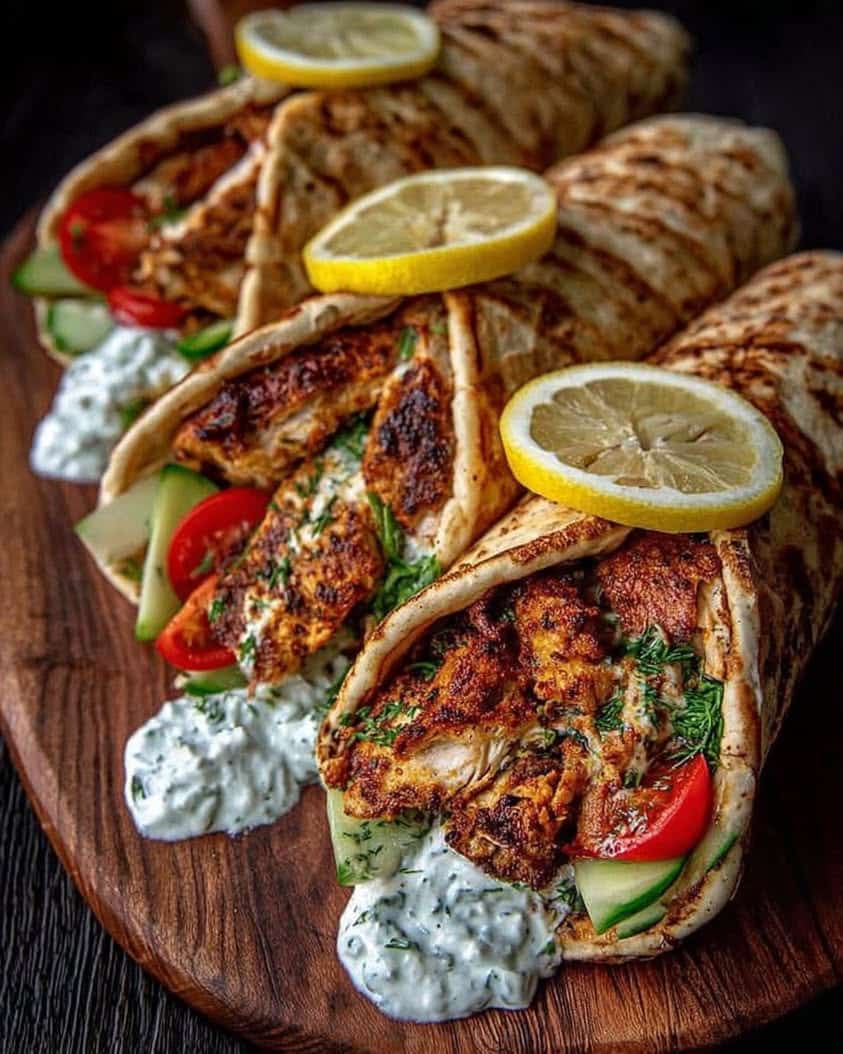
- Visual Appeal: Golden-brown chicken nestled in a pillowy pita creates an inviting contrast of warm tones. Bright red tomatoes, green cucumbers, and snowy white sauce add vivid pops of color. Because you assemble the wraps at the table, the presentation feels interactive and impressive.
- Skill Level Needed: This recipe suits beginners who can handle basic stovetop cooking. You simply mix a marinade, sear the chicken, and assemble the wraps. Therefore, even a first-time cook can achieve excellent results without stress.
- Special Equipment: A large skillet or grill pan handles the chicken perfectly, and a sharp chef’s knife makes quick work of the vegetables. Additionally, a simple mixing bowl and whisk cover the marinade and sauce. You need no fancy gadgets or specialty appliances.
Recipe Overview
- Difficulty Level: This recipe ranks as easy because it relies on straightforward techniques like marinating, pan-searing, and assembling. The marinade does most of the flavor work, so you simply wait while the chicken absorbs all that citrusy goodness. Moreover, the sauce comes together in one bowl with a quick stir. Consequently, the entire process feels relaxed and approachable.
- Category: These wraps function as a main course for lunch or dinner, yet they also shine as an appetizer when sliced into smaller portions. You can serve them as a handheld meal on busy nights or as part of a larger Mediterranean spread. Furthermore, they work wonderfully as a grab-and-go lunch for work or school.
- Cuisine: This dish draws direct inspiration from Greek and broader Mediterranean cooking traditions. Greek cuisine famously pairs lemon, oregano, and olive oil with grilled meats, and this recipe honors that classic combination. Additionally, the pita wrapper and yogurt sauce echo the street food culture found throughout Greece and the Middle East. As a result, each bite carries authentic Mediterranean character.
- Cost: The recipe uses affordable, widely available ingredients like chicken breasts, lemons, yogurt, and pita bread. A rough cost estimate lands between ten and fourteen dollars for four generous servings. Because you likely already stock olive oil, garlic, and dried oregano, the effective cost drops even lower.
- Season: Summer offers the best window for this recipe because tomatoes, cucumbers, and fresh herbs reach peak flavor. However, the dish works year-round thanks to year-round supermarket availability. In fact, the bright lemon notes feel especially welcome during cold months when you crave a taste of sunshine.
- Occasion: Weeknight dinners, casual weekend lunches, game-day gatherings, and summer picnics all suit these wraps perfectly. Because assembly happens at the table, the recipe encourages a fun, build-your-own atmosphere. Meanwhile, the elegant presentation makes it suitable for dinner parties and holiday entertaining.
Why You’ll Love This Recipe
First and foremost, the taste and texture of these Mediterranean Lemon Chicken Pita Wraps create an unforgettable eating experience. The lemon marinade penetrates the chicken and infuses every fiber with bright, zesty flavor. Meanwhile, the garlic and oregano add savory depth that keeps each bite interesting. Because the creamy yogurt sauce cools the palate, the wraps never taste heavy or one-dimensional. In addition, the crisp vegetables introduce a refreshing crunch that balances the tender chicken beautifully. Consequently, you get a complete sensory package in every single bite.
Secondly, convenience sets this recipe apart from other Mediterranean-inspired meals. You need only fifteen minutes of prep time and twelve minutes of cooking, which means dinner lands on the table in under half an hour. Furthermore, the marinade requires just a few pantry staples that most American kitchens already stock. Because cleanup involves only one skillet and a couple of bowls, you avoid the dreaded post-dinner mess. As a result, this recipe fits seamlessly into even the busiest weeknight schedule.
Thirdly, the nutritional profile gives you plenty of reasons to feel good about serving these wraps. Lean chicken breast provides a generous dose of high-quality protein, which supports muscle repair and keeps you feeling full. Additionally, the fresh vegetables deliver fiber, vitamins, and antioxidants that support overall health. Because the sauce uses Greek yogurt instead of heavy mayonnaise, you get creaminess without excessive fat. Therefore, these wraps satisfy both your appetite and your wellness goals.
Fourthly, the social and entertaining value of this dish cannot be overstated. Because everyone builds their own wrap, guests with different preferences all leave happy. You can set out the components on a large platter and let people graze at their own pace. Moreover, the colorful spread creates a stunning table display that sparks conversation. Whether you host a casual cookout or an intimate dinner party, these Mediterranean Lemon Chicken Pita Wraps make entertaining effortless and memorable.
Finally, cost-effectiveness and accessibility make this recipe a true winner for everyday cooking. The ingredients remain affordable at any standard grocery store, and you need no specialty equipment. Furthermore, the recipe scales easily, so you can feed a crowd without doubling your workload. Because the flavors appeal to a wide range of palates, even picky eaters usually find something to enjoy. As a result, you gain a reliable, budget-friendly recipe that you will return to again and again.
Historical Background and Cultural Significance
The story of these Mediterranean Lemon Chicken Pita Wraps begins in the ancient olive groves and coastal villages of Greece. For centuries, Greek cooks have marinated meat in lemon juice and olive oil to tenderize it and impart bright flavor. Moreover, oregano grew wild across the Mediterranean hillsides, so it naturally became a cornerstone of local cooking. Consequently, the lemon-oregano combination evolved into one of the most recognizable flavor profiles in Western cuisine. This recipe honors that long, delicious tradition.
Culturally, the pita holds a place of honor throughout Greece and the Middle East. Bakers have produced this round, pocketed flatbread for thousands of years, and families across the region still bake it fresh daily. Additionally, street vendors in Athens and Thessaloniki have sold grilled meat wrapped in pita for generations. Because the bread serves as both utensil and vessel, it represents practical, portable eating at its finest. Therefore, wrapping chicken in pita connects you to a rich culinary lineage.
Over time, the recipe evolved as Greek immigrants brought their traditions to America and beyond. In the United States, Greek-American diners popularized gyros and souvlaki wraps during the mid-twentieth century. Meanwhile, home cooks began experimenting with easier versions that used chicken breast instead of lamb or pork. Furthermore, the rise of Mediterranean diets in the 1990s introduced these flavors to an even wider audience. As a result, the modern Mediterranean Lemon Chicken Pita Wrap reflects both old-world roots and new-world innovation.
Regional variations abound, and each one adds its own character to the dish. In Greece, cooks often add french fries inside the wrap for extra heartiness, while Lebanese versions might include pickled turnips and tahini sauce. Additionally, Turkish cuisine offers a similar concept called durum, which features thin flatbread and grilled meats. Because Mediterranean cooking varies so widely, you can adapt this recipe to reflect whichever regional style you prefer. Ultimately, that flexibility keeps the tradition alive and evolving.
Ingredient Deep Dive
Chicken breast serves as the heart of these Mediterranean Lemon Chicken Pita Wraps, and its cultural significance spans the globe. People have raised chickens for thousands of years, and the bird appears in cuisines from Asia to Europe to the Americas. Nutritionally, chicken breast offers an excellent source of lean protein, B vitamins, and minerals like selenium and phosphorus. When you shop, look for firm, pinkish meat without any gray patches or unpleasant odor. Furthermore, store raw chicken in the coldest part of your refrigerator and cook it within two days of purchase. If you prefer dark meat, thighs make a juicy and flavorful substitute.
Chicken also adapts beautifully to countless preparations, which explains its enduring popularity. Because it absorbs marinades so readily, the meat takes on the lemon, garlic, and oregano flavors with remarkable ease. Additionally, chicken remains one of the most affordable proteins in American supermarkets, which makes it ideal for feeding a family on a budget. Consequently, home cooks reach for chicken more often than almost any other meat. For this recipe, boneless, skinless breasts keep the prep simple and the cooking fast.
Lemon delivers the signature brightness that defines this recipe, and its history stretches back thousands of years to Southeast Asia. Traders eventually carried lemons across the Middle East, North Africa, and Europe, where they became essential to Mediterranean cooking. Nutritionally, lemons pack a powerful punch of vitamin C, which supports immune function and skin health. When selecting lemons, choose fruit that feels heavy for its size and yields slightly to gentle pressure. Moreover, store lemons in the refrigerator crisper drawer to extend their freshness for up to three weeks. In a pinch, bottled lemon juice works, but fresh juice tastes far superior.
Because lemon juice also tenderizes meat, it plays a dual role in this marinade. The acid gently breaks down protein fibers, which results in exceptionally tender chicken after cooking. Furthermore, lemon zest contains aromatic oils that amplify the citrus flavor beyond what juice alone can achieve. Consequently, always include a bit of zest when you want maximum lemon impact. Just avoid marinating chicken for more than a few hours, because too much acid can make the texture mushy.
Greek yogurt forms the creamy base of the sauce, and cultures across the Mediterranean have enjoyed it for centuries. People in Greece, Turkey, and the Levant have strained yogurt to create thick, tangy varieties that work beautifully in savory dishes. Nutritionally, Greek yogurt provides protein, calcium, and probiotics that support digestive health. When you shop, choose plain, full-fat or low-fat yogurt without added sugar or flavorings. Additionally, check the expiration date and store the container in the refrigerator, where it keeps for about two weeks. If you need a substitute, sour cream or a plant-based yogurt both work well.
Garlic rounds out the core flavor trio, and humans have cultivated it for at least five thousand years. Ancient Egyptians, Greeks, and Romans all valued garlic for both cooking and medicine. Today, nutritionists recognize garlic for its antioxidant compounds, including allicin, which may support heart health. When selecting garlic, look for firm, tight bulbs with dry, papery skin and no green sprouts. Furthermore, store whole bulbs in a cool, dark place with good airflow, where they last for months. Pre-minced jarred garlic offers convenience, but fresh cloves deliver noticeably better flavor.
Oregano brings an earthy, slightly peppery note that anchors the Mediterranean character of these wraps. This herb grows wild on sunny hillsides throughout Greece and Italy, and dried oregano has become a pantry staple worldwide. Additionally, oregano contains antioxidants and may offer antibacterial properties. When buying dried oregano, choose brands with a strong, fragrant aroma, since scent indicates freshness. Store dried herbs away from heat and light to preserve their potency for up to a year. If you have fresh oregano on hand, use three times the amount called for in the dried version.
Common Mistakes to Avoid
- Marinating the chicken for too long: Lemon juice contains acid that breaks down protein fibers, so leaving chicken in the marinade for more than four hours can turn the texture mushy. Aim for thirty minutes to two hours for the best results. If you need more time, reduce the lemon juice and increase the olive oil.
- Overcooking the chicken: Dry, rubbery chicken ruins an otherwise perfect wrap, so use a meat thermometer to confirm the internal temperature reaches 165 degrees Fahrenheit. Additionally, let the chicken rest for five minutes before slicing so the juices redistribute. Consequently, every slice stays moist and tender.
- Skipping the resting period: Resting allows the juices to settle inside the meat instead of running onto the cutting board. If you slice immediately after cooking, you lose moisture and flavor. Therefore, always budget five minutes of rest time into your cooking plan.
- Using cold pita bread: Cold pita feels stiff and tears easily when you try to wrap it. Instead, warm the bread in a dry skillet, microwave, or oven until it becomes soft and pliable. As a result, the pita folds without cracking and tastes far more appealing.
- Under-seasoning the chicken: A bland marinade produces bland chicken, so taste the marinade before adding the meat. Add salt, pepper, and extra oregano if the flavor seems flat. Because the marinade flavors the entire dish, this step matters enormously.
- Overloading the wraps: Piling too much filling into a single pita makes wrapping impossible and creates a messy eating experience. Therefore, exercise restraint and serve extra filling on the side. Consequently, your wraps hold together beautifully.
- Neglecting to dry the vegetables: Excess moisture from tomatoes and cucumbers turns the pita soggy. Pat the vegetables dry with paper towels before assembly, and consider seeding the tomatoes. As a result, the wraps stay crisp and structurally sound.
- Making the sauce too thin: Watery yogurt creates a runny sauce that soaks into the bread. Strain the yogurt for thirty minutes if it looks thin, or add a spoonful of Greek yogurt with higher fat content. Additionally, chilling the sauce helps it thicken before serving.
- Ignoring the skillet temperature: A cold pan steams the chicken instead of searing it, which prevents that desirable golden crust. Preheat the pan over medium-high heat until a drop of water sizzles on contact. Furthermore, avoid crowding the pan, because overcrowding lowers the temperature and steams the meat.
- Forgetting to warm the pita properly: A properly warmed pita should feel soft, steamy, and flexible. If it feels stiff or cracks when folded, it needs more heat. Consequently, never skip this simple but crucial step.
Essential Techniques
Marinating properly ranks as the most important technique in this recipe, because the marinade builds the entire flavor foundation. To master it, whisk together lemon juice, zest, olive oil, garlic, oregano, salt, and pepper until the mixture looks uniform. Then add the chicken and turn each piece to coat every surface. Additionally, press the chicken down so the marinade makes full contact. Because acid can overwhelm the meat over time, limit the soak to two hours at room temperature or up to four hours in the refrigerator. The visual cue for success is chicken that looks glossy and slightly lighter in color, which signals the acid has begun its work.
Pan-searing creates the golden crust and deep flavor that make these wraps taste restaurant-quality. Start by heating a heavy skillet over medium-high heat until it feels hot when you hold your hand a few inches above the surface. Add a thin film of olive oil, then lay the chicken pieces down without crowding them. Furthermore, resist the urge to move the chicken for the first four to five minutes, because a proper sear needs uninterrupted contact with the hot pan. When the edges turn opaque and the underside shows a rich brown color, flip the pieces and cook until the internal temperature hits 165 degrees Fahrenheit.
Slicing against the grain ensures tender, easy-to-chew chicken in every bite. First, let the cooked chicken rest for five minutes so the juices redistribute. Then, examine the surface to identify the direction of the muscle fibers, which look like parallel lines. Next, angle your knife perpendicular to those lines and cut into thin strips. Because this technique shortens the tough fibers, each piece feels remarkably tender. Additionally, cutting on a slight diagonal produces wider, more attractive slices that look beautiful inside the pita.
Warming pita bread correctly turns a good wrap into a great one, because soft bread folds without cracking. The simplest method involves heating a dry skillet over medium heat and placing the pita in it for about thirty seconds per side. Alternatively, wrap the stack of pitas in a damp paper towel and microwave them for twenty to thirty seconds. You can also wrap them in foil and place them in a warm oven for five minutes. The visual cue for readiness is a pita that feels steamy, flexible, and slightly puffed, which means it will fold around the filling perfectly.
Pro Tips for Perfect Mediterranean Lemon Chicken Pita Wraps
Zest the lemons before you juice them, because the outer peel holds concentrated oils that deliver a huge flavor boost. Once you juice a lemon, the zest becomes difficult to remove and far less fragrant. Therefore, always reach for the zester first. Consequently, your marinade gains a deeper, more complex citrus character.
Pound the chicken breasts to an even thickness before marinating, because uniform pieces cook at the same rate. Place each breast between two sheets of plastic wrap and gently flatten it with a rolling pin or the flat side of a mallet. As a result, you avoid dry edges and undercooked centers.
Add a pinch of sugar or a drizzle of honey to the marinade if your lemons taste especially sour. This small adjustment balances the acidity without making the chicken sweet. Furthermore, it encourages better browning during searing. Consequently, the final flavor tastes rounder and more polished.
Chill the yogurt sauce for at least twenty minutes before serving, because cold sauce contrasts beautifully with warm chicken and bread. Additionally, the resting time allows the garlic and herbs to infuse the yogurt more fully. As a result, the sauce tastes brighter and more cohesive.
Toast the pita directly over a gas flame for a few seconds per side if you want a subtle smoky char. This technique mimics the flavor of traditional Mediterranean flatbread baked in a hot oven. However, watch closely, because pita scorches quickly. Consequently, you gain an authentic touch with minimal effort.
Set up a dedicated assembly station with all toppings in small bowls before you cook the chicken. This organization keeps the final steps fast and stress-free. Moreover, it lets guests serve themselves without waiting. Therefore, the whole meal flows smoothly from kitchen to table.
Double the sauce recipe if you love generous condiments, because leftover sauce tastes fantastic on sandwiches, salads, and grilled vegetables. It keeps in the refrigerator for up to five days. Additionally, the flavors deepen overnight, so the sauce may taste even better the next day.
Use a cast-iron skillet whenever possible, because cast iron retains heat exceptionally well and produces a superior sear. If you do not own cast iron, any heavy-bottomed stainless steel pan works fine. Furthermore, preheating the pan thoroughly matters more than the pan material itself.
Variations and Adaptations
Regional variations let you explore the wider Mediterranean world without leaving your kitchen. For a Greek-inspired version, add crumbled feta cheese, kalamata olives, and a sprinkle of dried mint to the filling. If you prefer Lebanese flavors, swap the yogurt sauce for tahini mixed with lemon juice and garlic. Additionally, a Turkish-style wrap might include sumac onions and a dash of paprika. Because each region offers its own signature ingredients, you can rotate through these variations to keep weeknight dinners exciting.
Seasonal adaptations help you make the most of fresh produce throughout the year. During summer, load the wraps with ripe heirloom tomatoes, sweet bell peppers, and fresh basil. In autumn, consider adding roasted red peppers or a handful of baby spinach for extra nutrients. Meanwhile, winter calls for pickled vegetables and preserved lemons when fresh options look lackluster. Consequently, the recipe stays vibrant and relevant no matter the calendar.
Dietary modifications ensure that almost everyone can enjoy these Mediterranean Lemon Chicken Pita Wraps. Simply choose gluten-free pita to accommodate celiac diners, and verify that all packaged ingredients carry a gluten-free label. For dairy-free needs, replace the Greek yogurt with a coconut-based alternative and skip the feta. Additionally, vegan eaters can substitute grilled portobello mushrooms or crispy chickpeas for the chicken. Because the recipe centers on fresh vegetables and lean protein, most diets fit comfortably within its framework.
Flavor variations let you customize the profile to match your mood. Add a teaspoon of smoked paprika for a deeper, earthier note, or stir harissa into the yogurt sauce for a spicy kick. Furthermore, a squeeze of orange juice alongside the lemon creates a sweeter, more complex citrus blend. If you love heat, thin-slice a jalapeno and tuck it inside the wrap. As a result, you never grow bored with the same old flavor combination.
Texture modifications address different preferences and dietary needs. Toast the pita until crisp if you enjoy a crunchier bite, or keep it soft and steamy for a pillowy experience. Additionally, shredded cabbage adds extra crunch, while avocado contributes a rich, creamy mouthfeel. Because texture plays such a big role in satisfaction, feel free to experiment until you find your ideal combination.
Presentation alternatives let you reshape the dish for different occasions. Serve the components in lettuce cups instead of pita for a lighter, low-carb option. Alternatively, pile everything into a bowl and call it a Mediterranean chicken salad. For parties, thread the chicken and vegetables onto skewers and serve the sauce on the side. Consequently, one recipe yields endless serving possibilities.
Serving and Presentation Guide
Plating techniques can elevate these wraps from casual fare to impressive centerpiece material. Arrange the filled pitas on a wooden board or a large ceramic platter, and lean them slightly against one another for height. Additionally, scatter cherry tomatoes and cucumber slices around the base for a pop of color. Because the eye eats first, a thoughtful arrangement makes the meal feel special. Consequently, even a simple weeknight dinner looks worthy of a dinner party.
Garnishing ideas add the finishing touch that makes these wraps shine. Sprinkle fresh chopped dill, parsley, or mint over the top just before serving. Furthermore, a light drizzle of olive oil and a few cracks of black pepper enhance the visual appeal. A wedge of lemon on each plate invites guests to add extra brightness. As a result, the presentation feels polished and intentional.
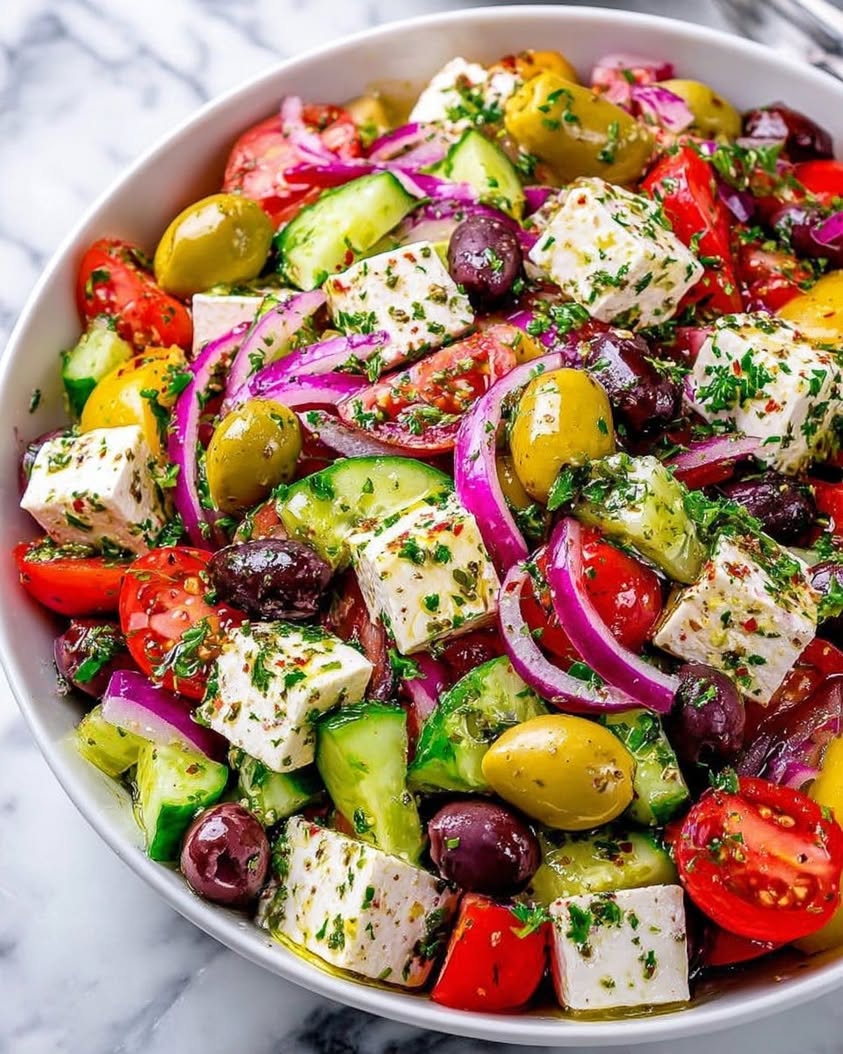
Traditional accompaniments round out the meal with authentic Mediterranean flair. Serve a simple Greek salad with tomatoes, cucumbers, red onion, and feta on the side. Additionally, roasted lemon potatoes or seasoned rice pilaf make hearty companions. Because these sides echo the flavors in the wraps, the whole plate feels harmonious. Consequently, your dinner table transports everyone straight to a seaside taverna.
Modern serving suggestions offer fresh ways to enjoy the same flavors. Pair the wraps with sweet potato fries for a fun American twist, or add a side of quinoa tabbouleh for a lighter option. Furthermore, a bowl of hummus with warm pita triangles makes an excellent appetizer. Because the recipe pairs well with so many sides, you can tailor the meal to any occasion.
Temperature considerations matter more than many cooks realize. Serve the chicken warm, the vegetables cool, and the sauce chilled for the best contrast. Additionally, warm the pita right before assembly so it stays soft throughout the meal. Because temperature affects both texture and flavor perception, these small details make a noticeable difference. As a result, every element arrives at its ideal state.
Portion control tips help you serve satisfying portions without overloading the wraps. Aim for about four ounces of chicken per pita, along with a generous handful of vegetables and two tablespoons of sauce. Furthermore, slice the filled wraps in half for easier handling and a more elegant look. Because a balanced ratio of components keeps the wrap intact, resist the urge to overstuff. Consequently, everyone enjoys a neat, flavorful meal.
Wine and Beverage Pairing
Wine pairings for these Mediterranean Lemon Chicken Pita Wraps should emphasize crisp acidity and bright fruit notes. A dry Greek white such as Assyrtiko pairs beautifully, because its mineral backbone complements the lemon and oregano. Additionally, a Sauvignon Blanc from New Zealand offers grassy, citrusy flavors that echo the herbs in the dish. If you prefer red, choose a light-bodied Pinot Noir served slightly chilled. Consequently, the wine enhances rather than overwhelms the food.
Non-alcoholic alternatives keep the meal refreshing for guests who avoid alcohol. Sparkling water with fresh lemon and mint delivers a crisp, effervescent lift that mirrors the marinade. Furthermore, homemade lemonade with a sprig of rosemary makes a lovely seasonal choice. Iced hibiscus tea adds a tart, ruby-red option that pairs surprisingly well with Mediterranean flavors. As a result, everyone at the table has a thoughtful beverage to enjoy.
Coffee and tea pairings may sound unconventional, but the right brew works beautifully here. A light-roast coffee with citrus notes complements the lemon chicken surprisingly well. Additionally, a cup of Moroccan mint green tea offers a refreshing, palate-cleansing finish after the meal. Because these beverages share flavor compounds with the dish, they create a cohesive tasting experience. Therefore, do not overlook them when planning your menu.
Temperature considerations apply to beverages just as they do to food. Serve white wine well chilled, around forty-five to fifty degrees Fahrenheit, to preserve its crisp character. Meanwhile, light red wines taste best slightly cool, around fifty-five degrees. Because warm beverages flatten the flavors, keep everything properly chilled until serving. Consequently, each sip refreshes the palate between bites.
Serving suggestions help you present drinks with the same care as the food. Offer wine in stemmed glasses to concentrate the aromas, and garnish non-alcoholic options with lemon wheels or fresh herbs. Furthermore, set out a pitcher of ice water with cucumber slices as a simple, elegant default. Because thoughtful presentation elevates the whole experience, these small touches matter. As a result, your table looks cohesive and inviting.
Storage and Shelf Life
Storage methods determine how well your leftovers hold up, so treat each component separately. Keep the cooked chicken in an airtight container in the refrigerator, where it stays fresh for up to four days. Additionally, store the yogurt sauce in its own sealed container, because it should not mingle with the chicken juices. Keep chopped vegetables dry and sealed, and store pita bread at room temperature in a resealable bag. As a result, each element retains its ideal texture.
Temperature requirements matter enormously for food safety. The refrigerator should stay at or below forty degrees Fahrenheit, and the freezer at zero degrees. Furthermore, never leave cooked chicken at room temperature for more than two hours. Because bacteria multiply rapidly in the danger zone between forty and one hundred forty degrees, prompt refrigeration keeps your food safe. Consequently, proper temperature control protects both quality and health.
Container recommendations help you avoid soggy or dried-out leftovers. Choose glass containers with airtight lids for the chicken, since glass does not retain odors or stains. For the sauce, a small mason jar works perfectly and looks charming on the shelf. Additionally, wrap pita bread in foil or a zip-top bag to keep it soft. Because the right container preserves moisture and flavor, invest in a few good pieces.
Signs of spoilage tell you when to discard leftovers without hesitation. Chicken that looks slimy, smells sour, or develops a grayish tint has gone bad and should be thrown away. Additionally, yogurt sauce that separates badly or smells yeasty should not be eaten. Mold on the pita or vegetables signals spoilage as well. When in doubt, err on the side of caution and start fresh.
Reheating instructions preserve the texture of the chicken and prevent dryness. Warm the chicken gently in a covered skillet over medium-low heat with a splash of water or broth. Alternatively, microwave it in short bursts, checking frequently to avoid overcooking. Because high heat toughens the meat, keep the temperature moderate. Furthermore, reheat the pita separately so it stays soft while the chicken warms through.
Freezing guidelines let you plan ahead for busy weeks. Freeze cooked chicken in a freezer-safe bag with the air pressed out, and label it with the date. It keeps well for up to three months. However, avoid freezing the yogurt sauce, because dairy-based sauces tend to separate and turn grainy. As a result, freeze only the chicken and prepare fresh sauce on serving day.
Make Ahead Strategies
A solid prep timeline transforms this recipe into an effortless weeknight meal. Two days ahead, marinate the chicken and refrigerate it, or one day ahead, cook the chicken and slice the vegetables. On serving day, simply warm the chicken, mix the sauce, and warm the pita. Because the components come together quickly at the end, the final assembly takes only minutes. Consequently, you can enjoy a homemade dinner even on the most chaotic evenings.
Storage between steps protects quality while you work ahead. Keep the marinated chicken in a sealed container at the bottom of the refrigerator, away from ready-to-eat foods, to prevent cross-contamination. Additionally, store chopped vegetables in separate containers so their flavors and textures stay distinct. Because prepped ingredients hold well for a day or two, this strategy streamlines your cooking process.
Quality impact assessment helps you decide which steps truly benefit from advance preparation. Marinating ahead improves flavor significantly, and cooking the chicken ahead changes the texture only slightly. Vegetables, however, taste best when chopped fresh, because they lose crispness over time. Therefore, prioritize the chicken and sauce for make-ahead tasks, and handle the vegetables on serving day.
Assembly tips ensure that prepped components come together seamlessly. Set out all your containers, warm the pita, and slice the chicken right before serving. Furthermore, have your sauce ready in a squeeze bottle or small bowl for easy drizzling. Because everything sits within reach, assembly becomes a quick, pleasant task rather than a scramble.
Reheating guidelines keep pre-cooked chicken tasting fresh and juicy. Warm it gently rather than blasting it with high heat, and add a touch of olive oil or broth to restore moisture. Additionally, avoid reheating the same portion multiple times, because repeated warming dries out the meat. As a result, reheat only what you plan to eat.
Fresh element additions bring life back to make-ahead meals. Add freshly chopped herbs, crisp lettuce, or juicy tomatoes right before serving to brighten the texture and flavor. Furthermore, a squeeze of fresh lemon juice over the assembled wrap restores that signature zing. Because these final touches require seconds, they deliver big returns on freshness.
Scaling Instructions
Halving the recipe works beautifully when you cook for two instead of four. Use two chicken breasts, half the marinade, and half the sauce, and keep the vegetable amounts roughly the same for generous portions. Furthermore, reduce the pita count to two or three, depending on appetite. Because the cooking time stays nearly identical for smaller batches, you can follow the same method without adjustment. As a result, scaling down requires minimal mental math.
Doubling or tripling the recipe suits parties, meal prep, and large families. Multiply all ingredients by two or three, but consider cooking the chicken in batches to avoid crowding the pan. Additionally, make the sauce in a larger bowl and taste it before serving to confirm the seasoning balance. Because lemon and garlic intensity can vary, adjust to taste rather than blindly trusting the math. Consequently, larger batches taste just as good as the original.
Equipment adjustments keep larger batches manageable. Use two skillets simultaneously, or cook the chicken in waves and keep finished pieces warm in a low oven. Furthermore, enlist a second cutting board for vegetables so multiple people can help. Because organization prevents chaos, set up your station before you start cooking. As a result, big-batch cooking feels calm and controlled.
Timing modifications prevent dry chicken when you scale up. Because crowded pans cook unevenly, extend the cooking time slightly and check the internal temperature frequently. Additionally, let larger batches rest a few extra minutes before slicing. Meanwhile, warm the pita in batches so every piece Print
Mediterranean Lemon Chicken Pita Wraps
- Total Time: 30 minutes
- Yield: 4
Description
Marinated chicken with lemon and herbs, wrapped in warm pita with fresh veggies and creamy tzatziki. A quick and healthy Mediterranean-inspired meal.
Ingredients
- 1 lb boneless, skinless chicken breasts, cut into strips
- 1/4 cup olive oil
- 1/4 cup fresh lemon juice
- 2 cloves garlic, minced
- 1 tsp dried oregano
- 1/2 tsp ground cumin
- Salt and pepper to taste
- 4 pita breads
- 1 cup tzatziki sauce
- 1 cup shredded lettuce
- 1 tomato, sliced
- 1/2 red onion, thinly sliced
- 1/2 cucumber, sliced
Instructions
- In a bowl, whisk together olive oil, lemon juice, garlic, oregano, cumin, salt, and pepper. Add chicken strips and toss to coat. Marinate for at least 15 minutes.
- Heat a grill pan or skillet over medium-high heat. Cook chicken for 5-7 minutes per side, until cooked through and slightly charred. Remove from heat.
- Warm pita breads in the same pan for about 30 seconds per side.
- To assemble, spread tzatziki sauce on each pita. Top with lettuce, tomato, onion, cucumber, and chicken strips. Roll up tightly and serve.
Notes
You can customize the seasonings to taste.
- Prep Time: 15 minutes
- Cook Time: 15 minutes
- Method: Main
- Cuisine: Mediterranean