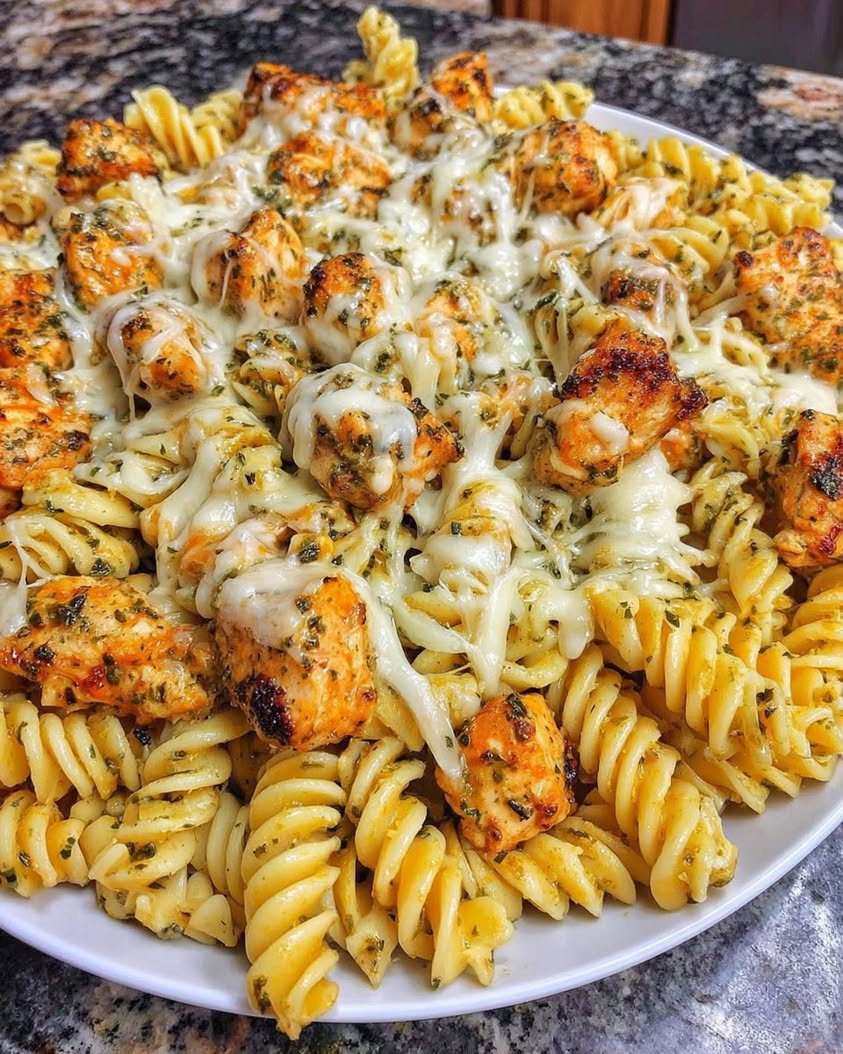
One-Pot Garlic Butter Chicken Rotini with Parmesan Cream: Easy Weeknight Dinner
The ultimate solution for busy weeknights has arrived in the form of this incredible One-Pot Garlic Butter Chicken Rotini with Parmesan Cream. This skillet dinner combines tender chicken pieces, perfectly cooked rotini pasta, and a luxuriously creamy garlic butter sauce that will have everyone asking for seconds. This easy weeknight dinner is not just a meal; it is an experience that brings restaurant-quality flavors right to your home table without the hassle of multiple pots and pans.
When you crave something comforting, hearty, and deeply satisfying, this One-Pot Garlic Butter Chicken Rotini with Parmesan Cream delivers on every level. The rich, golden sauce clings beautifully to every noodle, while the succulent chicken adds protein and substance. This dish is perfect for those evenings when you need a reliable, delicious dinner that comes together quickly and efficiently. You will appreciate how the simple ingredients transform into a cohesive and memorable meal that feels both indulgent and approachable.
The beauty of this one-pot meal lies in its clever cooking method. By cooking the pasta directly in the broth and cream mixture, the starches release naturally, creating a silky, velvety sauce without any extra work. Meanwhile, the garlic butter infuses every component with aromatic richness, and the Parmesan adds a savory, nutty depth that completes the flavor profile. This recipe is destined to become a staple in your culinary rotation because it truly delivers an unbeatable combination of taste, convenience, and comfort.
Quick Recipe Highlights
- Flavor Profile: This easy weeknight dinner boasts a rich, savory taste with distinct garlic notes and nutty Parmesan undertones. The golden chicken brings a mild, juicy flavor that absorbs the buttery sauce perfectly, creating a balanced and delicious experience in every single bite.
- Texture: You will love the contrast between the al dente rotini, the tender chicken pieces, and the incredibly smooth, velvety parmesan cream sauce. The sauce coats the pasta beautifully without being too heavy, delivering a luxurious mouthfeel that keeps you coming back for more.
- Aroma: The moment you start cooking, the fragrant aroma of sizzling garlic and butter will fill your kitchen. As the dish simmers, the savory scent of chicken and herbs blends with the rich Parmesan, creating an irresistible preview of the comforting meal to come.
- Visual Appeal: This one-pot dish presents beautifully with glossy rotini nestled in a pale golden sauce, punctuated by caramelized chicken pieces and specks of fresh parsley. The creamy texture and appealing color make it a stunning centerpiece for any dinner table, promising warmth and abundance.
- Skill Level Needed: This recipe is exceptionally approachable for cooks of all levels. With clear steps and simple techniques, you can create a fantastic meal even if you are just starting your cooking journey. The one-pot method simplifies the process and minimizes cleanup considerably.
- Special Equipment: You only need a large, heavy-bottomed pot or Dutch oven with a lid to prepare this dish. This versatile piece of equipment ensures even heat distribution for perfectly cooked chicken and pasta every time you make this easy weeknight dinner.
Recipe Overview
- Difficulty Level: We classify this One-Pot Garlic Butter Chicken Rotini with Parmesan Cream as an easy recipe because it uses straightforward techniques and common ingredients. There are no complex steps like tempering eggs or making a roux from scratch. The key is simply managing your time and heat, which the detailed instructions make foolproof for any home cook.
- Category: This versatile dish works perfectly as a main course for dinner, offering a complete and balanced meal in a single pot. It also shines as a hearty option for potlucks and family gatherings, where it can be served directly from the cooking vessel. You can even enjoy it as a satisfying leftovers lunch the next day.
- Cuisine: This recipe draws inspiration from classic Italian-American cooking, which is known for its comforting, family-style dishes. The combination of garlic, butter, and Parmesan cheese is a cornerstone of this culinary tradition. This adaptation focuses on convenience, bringing those beloved flavors to life in an efficient one-pot format that fits modern lifestyles.
- Cost: This is an incredibly cost-effective meal that uses affordable, everyday ingredients like chicken breasts, pasta, and broth. The Parmesan and butter add rich flavor without requiring expensive cuts of meat or exotic produce. You can easily feed a family of six for under twenty dollars, making it a budget-friendly choice for weekly meal planning.
- Season: While you can enjoy this easy weeknight dinner all year round, it is especially comforting during the cooler months of fall and winter. The warm, creamy sauce and hearty components are perfect for cozy evenings indoors. However, its simplicity and light enough texture also make it a pleasant option for spring and summer dinners.
- Occasion: This dish is ideal for busy weeknights when you need a reliable meal fast, but it is also impressive enough for casual entertaining. It makes a wonderful dish for family dinners, game-day gatherings, or simply a comforting meal on a rainy day. Guests will be impressed by the rich flavor, not realizing how simple it was to prepare.
Why You’ll Love This Recipe
The taste and texture of this One-Pot Garlic Butter Chicken Rotini with Parmesan Cream are truly exceptional, offering a comforting and satisfying meal. The garlic butter creates a rich, savory base that infuses every component with aromatic depth and flavor. Meanwhile, the Parmesan cream sauce is luxuriously smooth and coats each piece of rotini perfectly, ensuring every forkful is packed with deliciousness. The tender chicken provides a hearty, protein-rich element that makes this a complete and fulfilling dinner option for the entire family.
The convenience and preparation benefits of this one-pot meal are unmatched for a busy home cook. You can cook the entire dish, from raw chicken to finished pasta, in a single vessel, which means less cleanup and more time to relax. The streamlined process eliminates the need to boil pasta separately, saving you time and energy. This straightforward approach to cooking makes it incredibly easy to get a wholesome, delicious dinner on the table even on the most hectic days.
Nutritional advantages are also woven into this recipe, offering a balanced meal with a good source of protein. The chicken provides essential amino acids, while the pasta offers carbohydrates for energy. The Parmesan contributes calcium, and you can easily add spinach or peas for an extra boost of vitamins and fiber, making this dish as nourishing as it is delicious.
From a social and entertaining value perspective, this dish is a true crowd-pleaser that brings people together. Serving this bubbling, creamy pasta directly from the pot creates a warm and casual dining experience that encourages sharing. It is a reliable choice for potlucks, where it can be transported easily, or for intimate dinner parties where comfort food is celebrated. The universal appeal of garlic, butter, and cheese makes it a guaranteed hit with a wide range of palates.
Finally, the cost-effectiveness and accessibility of the ingredients make this recipe a practical choice for any household. Most items, such as chicken, pasta, garlic, and Parmesan, are readily available at any grocery store for a reasonable price. This means you can create a restaurant-quality meal that feels special and indulgent without a hefty grocery bill, proving that gourmet flavors can be achieved on a budget.
Historical Background and Cultural Significance
The origins of this easy weeknight dinner can be traced back to the Italian tradition of “pasta al burro,” or pasta with butter, which is a classic Roman dish. This simple yet profound combination highlights the quality of a few key ingredients, relying on butter and cheese to create a satisfying meal. Over time, Italian immigrants brought these core principles to America, where they evolved with local ingredients and preferences, eventually inspiring the creamy, garlicky versions we know and love today.
Culturally, the marriage of garlic, butter, and Parmesan cheese holds a significant place in Italian-American cuisine. Garlic has been a cornerstone of Mediterranean cooking for centuries, valued for its pungent flavor and health properties, while butter is a staple fat that provides richness. Parmesan, or Parmigiano-Reggiano, is a celebrated, aged cheese that offers a nutty, umami flavor, creating a trinity of ingredients that defines many beloved family recipes across the United States.
The recipe’s evolution from traditional multi-pot methods to a one-pot approach reflects a broader trend in modern cooking. As lifestyles became busier, home cooks sought ways to replicate complex flavors without the time-consuming effort and extensive cleanup. The one-pot method cleverly utilizes the starch released from pasta to create a creamy sauce, a technique that eliminates the need for heavy cream and simplifies the process, all while building layers of flavor in a single vessel.
Regional variations of this classic dish are common, with different areas adding their own local touches. Some might incorporate herbs like rosemary or thyme, while others might add sun-dried tomatoes or spinach for an extra layer of flavor and color. In the American South, you might find it with a dusting of Cajun seasoning, while other regions may swap the chicken for shrimp or sausage. These adaptations showcase the recipe’s inherent flexibility and its ability to absorb local culinary identities, making it a living, breathing part of the American dinner table.
Ingredient Deep Dive
Chicken breast serves as the primary protein in this easy weeknight dinner and has a long history as a healthy, versatile meat choice. It is an excellent source of lean protein, which is essential for building and repairing tissues, and it contains essential vitamins and minerals like B6 and niacin. When selecting chicken, look for pieces that are firm, pink, and have no off-putting odor. For storage, keep it refrigerated at 40 degrees Fahrenheit or below and use it within one to two days of purchase, or freeze it for up to nine months for best quality. If you need a substitution, chicken thighs will also work beautifully, offering a slightly richer flavor and more forgiving nature that resists drying out.
Rotini pasta, with its distinctive spiral shape, is perfect for this dish because the grooves and twists catch the creamy sauce so effectively. Originating in Southern Italy, this shape is designed to hold onto chunky sauces, ensuring a burst of flavor in every bite. Pasta is a complex carbohydrate that provides sustained energy, making it a great base for a balanced meal. When shopping, look for rotini made from durum wheat semolina, which yields the best texture, and store it in a cool, dry place for up to a year. If you do not have rotini, other short pasta shapes like penne, fusilli, or farfalle will work as excellent alternatives in this one-pot recipe.
Garlic is the aromatic heart of this recipe, providing a pungent, savory kick that defines the dish. This bulb has been used for both culinary and medicinal purposes for millennia, prized for its potential immune-boosting properties and distinctive flavor profile. For the best results, select garlic bulbs that are firm, heavy for their size, and have dry, papery skins without any signs of sprouting. Store garlic in a cool, dark, well-ventilated place and avoid refrigeration, which can cause it to become rubbery. If you are in a pinch, one teaspoon of garlic powder can substitute for one clove, although the fresh flavor will be somewhat different.
Parmesan cheese is essential for the nutty, salty, umami-rich flavor that makes this sauce so addictive. True Parmigiano-Reggiano is aged for at least 12 months and has a crystalline texture and complex flavor that cannot be replicated. It is a good source of calcium and protein, making it a nutritious addition to your meal. When shopping for Parmesan, always opt for a fresh block and grate it yourself, as pre-shredded versions often contain anti-caking agents that prevent melting smoothly. Store the block wrapped in wax paper and then in a plastic bag in the refrigerator, where it will keep for several weeks. Grana Padano or Pecorino Romano can be used as substitutes, though they each have their own distinct characteristics.
Common Mistakes to Avoid
- Overcooking the chicken is a frequent error that results in dry, tough meat. Cook the chicken just until it is no longer pink in the center and reaches an internal temperature of 165 degrees Fahrenheit, then remove it from the pot to prevent it from continuing to cook and becoming stringy.
- Adding too much liquid at once can result in a soupy, watery sauce. Start with the recommended amount of broth and cream, and remember that the pasta will absorb some liquid as it cooks. You can always add more hot broth if the mixture becomes too dry, but you cannot easily remove excess liquid.
- Neglecting to stir the pot regularly is a recipe for sticking and burning. The starch from the pasta will naturally want to settle at the bottom of the pot. You should stir the mixture every few minutes to ensure even cooking and to keep the sauce from scorching.
- Using pre-shredded cheese is a shortcut that will compromise the texture of your cream sauce. These cheeses are coated in starch to prevent clumping, which interferes with their ability to melt into a smooth, velvety sauce. Always grate your Parmesan from a block for the best results.
- Overcooking the pasta until it is mushy is a common pitfall in one-pot dishes. Al dente pasta, which is firm to the bite, actually holds up better in a cream sauce. Since it cooks in liquid, you should check it a minute or two before the package instructions suggest to ensure it is cooked but not overly soft.
- Skipping the step of searing the chicken properly will lead to a less flavorful dish. The golden-brown crust that forms on the chicken during searing is packed with flavor, which our easy weeknight dinner relies on. Take your time with this step and do not move the chicken too soon, allowing the sear to develop.
- Adding the Parmesan cheese over high heat can cause it to clump and turn gritty. For a smooth sauce, you should remove the pot from the heat, then gradually stir in the grated cheese. This gentle approach allows the cheese to melt into the sauce without breaking.
- Forgetting to season the dish properly at the end is a missed opportunity. The pasta and chicken are bland on their own. After incorporating the cheese, you should taste the sauce and adjust the seasoning with salt, pepper, or a pinch of red pepper flakes to brighten up all the flavors.
- Cooking the garlic for too long before adding other liquids can cause it to burn and turn bitter. Garlic should be sautéed for only 30 to 60 seconds until it is fragrant but not colored. Burnt garlic can ruin the entire batch with an acrid taste.
- Not covering the pot appropriately can either trap too much moisture or let it all escape. The recipe calls for a lid to gently steam the pasta, but leaving it on for the entire time could make the sauce too thin. Follow the recipe’s instructions for when to cover and when to leave it uncovered to achieve the perfect consistency.
Essential Techniques
Mastering the searing of the chicken is the first crucial step in building flavor for this easy weeknight dinner. This technique involves cooking the meat in a hot pan with a small amount of fat to create a deeply caramelized crust on the outside while keeping the inside juicy and tender. You should pat the chicken dry before seasoning it, as this promotes better browning. Then, place it in the hot pot without crowding it, allowing it to sear undisturbed for several minutes before flipping it. The golden-brown crust that develops through this process is packed with flavor and adds a delicious dimension to the final sauce.
Understanding how to build a flavorful base with aromatics, such as garlic and onions, is fundamental to many great recipes. This process involves cooking these ingredients gently in butter or oil to soften them and release their essential oils and flavors. After searing the chicken, you will lower the heat and sauté the garlic in the butter that remains in the pot. The goal is to soften and mellow the garlic, infusing the butter with its aroma without browning it. This flavorful foundation will season the entire sauce, making every bite of this one-pot meal taste complex and well-developed.
Perfecting the one-pot pasta cooking method is the secret to achieving a rich and cohesive cream sauce. Instead of boiling pasta separately, you will add it directly to the pot with the liquid ingredients. This method allows the pasta to release its natural starches into the cooking liquid, which thickens it and creates a silky, flavorful sauce that clings beautifully to the noodles. You need to stir the mixture frequently to prevent sticking, and the liquid will be largely absorbed by the time the pasta is tender. This technique simplifies the cooking process and eliminates the need to make a separate sauce, saving you time and effort.
Properly melting the Parmesan cheese into the sauce is an essential final step that requires careful attention. Parmesan is a hard cheese with a high protein content, so it can become clumpy or stringy if it is added at too high a temperature. To ensure a smooth, velvety result, you should remove the pot from the heat before stirring in the cheese. Gently folding in the shredded cheese in batches allows it to melt slowly into the residual heat of the sauce, creating a creamy emulsion. This technique is key to achieving the luxurious texture that makes this dish so irresistible.
Pro Tips for Perfect One-Pot Garlic Butter Chicken Rotini with Parmesan Cream
To ensure your chicken stays exceptionally moist and flavorful, try brining it in a saltwater solution for 15 to 30 minutes before you begin cooking. This simple step helps the meat retain moisture during the searing process, resulting in a juicier and more tender final dish.
Pat the chicken pieces completely dry with paper towels before seasoning and searing them in the hot pot. Moisture on the surface of the meat will create steam, which prevents the browning process. A dry surface is essential for achieving that beautiful, golden-brown crust.
Feel free to use a mix of chicken breasts and thighs for a more complex flavor and texture. Dark meat from the thighs is more forgiving and adds a rich flavor to the dish. This combination can elevate the overall taste of your one-pot meal.
When stirring the pasta, be gentle but thorough. You want to make sure the rotini doesn’t stick to the bottom, but you also don’t want to break it apart. A silicone spatula or wooden spoon is ideal for this task, as they are gentle on the pasta and the pot.
Consider adding a splash of white wine after sautéing the garlic to deglaze the pan. This step lifts up all the browned bits from the bottom, which are full of flavor. The wine also adds a touch of acidity that can help balance the richness of the butter and cream.
For an extra layer of flavor, use chicken broth instead of water as the cooking liquid. The broth infuses the pasta with a savory, savory taste from the inside out. This is a simple swap that significantly enhances the final flavor profile of this easy weeknight dinner.
Do not be shy with the fresh parsley and black pepper at the very end. The bright green parsley adds a pop of color and a fresh, herbaceous note that cuts through the cream. A good crack of black pepper adds a subtle warmth and spice that brings everything together.
Make it a complete meal by adding a couple of handfuls of baby spinach or frozen peas in the last few minutes of cooking. The spinach will wilt into the sauce, adding color, nutrients, and a mild, earthy flavor. This is a fantastic way to get more vegetables onto your dinner plate.
Variations and Adaptations
Regional variations of this cream-based pasta dish are found throughout Italy and the United States. In Northern Italy, you might find it with a heavier hand of butter and a sprinkle of nutmeg in the cream sauce, which adds a sweet, aromatic warmth. In contrast, Southern Italian versions may incorporate more garlic and a pinch of red pepper flakes for a touch of heat. Here in the U.S., especially in the South, you might encounter a version with a subtle, smoky flavor added, making it a true fusion of culinary cultures.
Seasonal adaptations can really make this recipe shine. In the spring, you can add fresh asparagus and peas, which pair beautifully with the creamy sauce and garlic. During the summer months, incorporating fresh tomatoes and basil can add a burst of brightness and acidity. In the fall, sautéed mushrooms or butternut squash give the dish a hearty, earthy flavor, making it a perfect comfort meal as the leaves begin to turn.
Dietary modifications are simple to make with this one-pot recipe. To make it gluten-free, simply substitute your favorite gluten-free rotini and ensure your chicken broth is certified gluten-free. The one-pot method works well with gluten-free pasta, just be careful not to overcook it, as these varieties can become mushy faster. This allows everyone to enjoy an easy weeknight dinner, regardless of dietary needs.
Flavor variations are limited only by your imagination, as this base recipe is a fantastic canvas for experimentation. For a spicy kick, add a teaspoon of red pepper flakes or a chopped jalapeño along with the garlic. A smoky flavor could be introduced by cooking the chicken with a bit of smoked paprika or using andouille sausage instead of half the chicken. For an herby twist, stir in fresh thyme and rosemary with the butter for an aromatic and savory dish.
Texture modifications can change the character of the dish entirely. You could stir in some crispy cooked bacon at the end for a salty, crunchy element that contrasts with the creamy sauce. Adding toasted breadcrumbs on top provides a classic Italian-American topping that gives a satisfying crunch. These small additions create new dimensions and make the recipe feel different every time you prepare it.
Presentation alternatives are worth considering for different dining occasions. While this dish is traditionally served right from the pot, you could pour it into a large gratin or casserole dish, top it with extra cheese and breadcrumbs, and broil it briefly until golden and bubbly. This gratin-style approach is a beautiful option for a dinner party or holiday meal. If you want a more formal presentation, use a large, wide bowl to fan out the rotini elegantly and garnish with a sprig of fresh basil.
Serving and Presentation Guide
The plating technique for this creamy rotini can be as casual or as chic as you like. For a relaxed family dinner, you can simply serve it directly from the pot, allowing everyone to help themselves. For a more polished look, use tongs to carefully twirl a portion of the rotini and chicken into a neat nest in the center of a wide, shallow bowl. This not only looks elegant but also shows off the creamy texture of the sauce beautifully.
Garnishing ideas are simple but can have a major impact on the final dish. A generous sprinkling of fresh, finely chopped parsley adds a vibrant green color that contrasts with the golden sauce. A final shaving of fresh Parmesan over the top provides a visual cue of the cheesy flavor inside. A light crack of fresh black pepper and a drizzle of good quality olive oil can enhance both flavor and appearance.
Traditional accompaniments for this classic pasta dish include a simple side salad with a bright vinaigrette to cut through the richness. Crusty garlic bread or a warm baguette is also essential for sopping up every last bit of the delicious sauce. For a lighter option, consider serving it alongside steamed broccoli or asparagus to add a healthy crunch.
Modern serving suggestions might involve pairing this dish with a simple balsamic-glazed chicken or serving it as a hearty side alongside a steak or pork chop. It also works well in a bowl presentation with additional toppings like grilled vegetables. The versatile flavor profile allows it to adapt well to different parts of a larger meal, from the main attraction to a beloved side dish.
Temperature considerations are important for this dish, as it is best served hot and fresh from the stove. The cheese sauce will begin to set and become less creamy as it cools. Therefore, you should have everything ready so you can serve it immediately upon finishing, ensuring guests experience the luxurious, velvety texture at its prime. If you have leftovers, reheat them gently with a splash of broth or milk to restore the creamy consistency.
Portion control tips can help you manage serving sizes for your family or guests. As a main course, this hearty dish generously serves six people. When planning your meal, you can estimate about one and a half cups of the cooked pasta per person. If you are serving it as a side dish, this amount of pasta could easily serve eight or more.
Wine and Beverage Pairing
Wine pairings for this creamy One-Pot Garlic Butter Chicken Rotini with Parmesan Cream should focus on medium-bodied white wines with enough acidity to cut through the richness. An oaked Chardonnay with its buttery notes can complement the sauce beautifully, while a vibrant Pinot Grigio or Sauvignon Blanc offers a crisp contrast to the creamy texture. For a red wine option, a light-bodied Pinot Noir with its soft tannins and earthy undertones can be a surprisingly delightful match without overwhelming the dish.
Non-alcoholic alternatives are plentiful if you prefer not to drink wine, and you can choose something that will cleanse the palate between bites. A sparkling water with a squeeze of fresh lemon offers a bright, effervescent contrast to the rich cream and butter. A lightly sweetened iced tea can also work nicely, with its subtle tannins and slight sweetness complementing the nutty Parmesan. For a special meal, consider a non-alcoholic sparkling cider or a sophisticated non-alcoholic wine alternative that mimics the characteristics of a dry white wine.
Coffee and tea pairings, while less common, can still be enjoyable if you are serving this meal for brunch or a casual late lunch. A mild, light-roast coffee can provide a pleasant, earthy contrast to the rich pasta. For tea, a classic Earl Grey with its notes of bergamot and citrus can help cleanse the palate against the buttery sauce. A simple glass of unsweetened iced tea is also an excellent, refreshing companion to this hearty meal.
Temperature considerations for your beverage are essential to enhancing the dining experience. For white wine, you should serve it well-chilled, between 45 and 50 degrees Fahrenheit, to maximize its crispness and acidity. Red wine like Pinot Noir should be served slightly cool, around 55 to 60 degrees Fahrenheit. If you are serving beer, a lager or pilsner should be cold, making it a refreshing counterpart to the rich and creamy pasta dish.
Serving suggestions go beyond just the drink itself, as the choice of glassware can elevate the experience. Use a large-bowled wine glass for whites to allow the aromas to gather and concentrate. For sparkling water, a highball glass filled with ice and a lemon wheel creates a refreshing presentation. Paying attention to these small but thoughtful details will make your easy weeknight dinner feel like a special occasion.
Storage and Shelf Life
Proper storage methods are crucial for enjoying your One-Pot Garlic Butter Chicken Rotini with Parmesan Cream for several days after cooking. Allow the dish to cool down to room temperature, but do not leave it out for more than two hours to prevent bacterial growth. Once cooled, transfer the pasta to an airtight container to keep it from drying out and absorbing other odors from the fridge. Stored this way, it will maintain its quality for up to four days.
Temperature requirements are straightforward for this dish, as it is a dairy-based meal that must be kept refrigerated. Your refrigerator should be set to 40 degrees Fahrenheit or below. Ensure the airtight container is sealed properly before refrigerating. Avoid storing the hot pasta in a warm spot on the fridge shelf, as this can raise the internal temperature of your appliance and affect the safety of other foods.
Container recommendations can make a real difference in preserving the quality of the leftovers. Glass containers are often preferred because they do not retain stains or odors and are safe for reheating in the microwave or oven. Plastic containers with tight-fitting lids are also fine and are lighter for carrying leftovers. You should avoid using containers that are too large, as the excess empty space can lead to faster moisture loss, affecting the texture of the pasta.
Signs of spoilage are important to recognize to avoid foodborne illness. If you notice any off-putting, sour odor emanating from the dish, it is a clear indicator that it has gone bad and should be discarded. Visually, if you see any mold growth or if the sauce has separated and become watery with a slimy texture, the leftovers are no longer safe to eat. Trust your senses, and when in doubt, it is always best to throw it out.
Reheating instructions will help you bring the dish back to a creamy state, similar to when it was first made. The best way to reheat the pasta is on the stovetop over medium-low heat, adding a splash of chicken broth, milk, or water to loosen the sauce. Stir gently and frequently until it is heated through thoroughly. If you are using a microwave, heat the pasta in 30-second intervals, stirring between each, and add a little liquid to prevent it from drying out in the microwave.
Freezing guidelines are a bit tricky for this pasta because the creamy Parmesan sauce can sometimes separate and become grainy upon thawing. If you plan to freeze it, the texture will change slightly, but it will still be palatable. Place the cooled pasta in a freezer-safe, airtight container, leaving a little headspace, and freeze for up to two to three months. Thaw it overnight in the refrigerator and reheat gently, adding some extra liquid to help bring the sauce back together.
Make Ahead Strategies
Your prep timeline can be easily managed to have a delicious dinner ready quickly on a busy night. You can complete all the vegetable prep, such as mincing the garlic and chopping the parsley, a day in advance. Store these aromatics in airtight containers in the refrigerator. You can also spice and sear the chicken a few hours before you plan to cook the rest of the meal, storing the chicken in a covered bowl in the fridge until you are ready to combine everything.
Storage between steps is simple for this recipe, as many of the components can be prepared ahead. The key is to wait to add the final ingredients, like the Parmesan and the cooked pasta, until you are ready to serve. You can prepare the garlic butter base and sear the chicken ahead of time, then refrigerate them together. Then, when you want to cook, simply add the liquids and pasta and follow the recipe from that point.
Quality impact assessment shows that making the entire dish ahead of time will have a minor effect on the final texture. The pasta will continue to absorb the sauce and might become softer upon reheating. To best preserve the texture, cook the chicken and make the sauce, but add the pasta closer to the end of the cooking time. This way, the pasta remains al dente, and the sauce is perfectly creamy when you are ready to eat.
Assembly tips are useful if you want to prepare the dish up to the point of baking or serving. Add the almost-cooked pasta and most of the cheese into the pot off the heat. Then, you can transfer the mixture to a baking dish, cover it, and refrigerate it for a day. To serve, you could warm it in the oven at 350 degrees Fahrenheit until bubbly and heated through, finishing with the remaining Parmesan and parsley.
Reheating guidelines for a make-ahead version of this dish are similar to storing leftovers. Reheat gently on the stovetop or in the oven with a splash of broth to loosen the sauce. For meal prepping throughout the week, portion the pasta into individual containers. This makes for an incredibly easy lunch that you can reheat in the microwave quickly and enjoy on the go.
Fresh element additions are what can bring a reheated version of this dish back to life. A final squeeze of lemon juice over the top can add brightness. A generous handful of extra fresh parsley or basil adds a welcome pop of color and freshness. Adding some recently toasted breadcrumbs will reintroduce a crunchy texture that gets lost during reheating, making the meal feel new again.
Scaling Instructions
Halving the recipe is a simple way to prepare a meal for two or three people. You should reduce all of the ingredients by half, but it is wise to keep the cooking times similar, as you will be cooking the same individual pieces of chicken. Use a smaller pot, like a 4-quart Dutch oven, to accommodate the smaller volume and ensure even cooking. Be vigilant when checking the liquid levels, as a smaller amount of sauce might reduce faster, so you may not even need all of the broth called for.
Doubling or tripling this easy weeknight dinner is great for a large crowd or for meal prep. The most important consideration is that you must use a very large pot or Dutch oven to give all the ingredients enough room to cook evenly. You should also sear the chicken in batches to avoid steaming it and preventing the crust from forming. Be aware that a larger quantity of pasta will take a few minutes longer to cook and absorb more liquid, so you may need to add more broth or water during the cooking process.
Equipment adjustments are necessary when scaling the recipe significantly. A heavy 5 to 7-quart Dutch oven is perfect for making the standard recipe, but for a larger batch, you may need a pot closer to 8 or 10 quarts. You might also consider using two pots simultaneously if you do not have one large enough. When scaling up, you must ensure your equipment can handle the volume and weight of the ingredients, including the lid for the simmering step.
Timing modifications will occur when you are cooking a larger batch, because the ingredients are crammed closer together. The chicken may take a little longer to sear correctly if it is crowding the pan, which is why batching it is vital. When adding the pasta, you might need to add an extra few minutes to the total cooking time to reach the al dente stage. Stirring will also need to be more frequent to prevent burning at the bottom of a fuller pot.
Storage considerations are critical when you are scaling this recipe for a crowd. Ensure you have enough suitable containers to store all the leftovers safely. The cooked pasta should be placed in shallow containers so it cools down quickly and evenly in the refrigerator, not letting the heat sit in the middle for too long. This is the best way to maintain quality and safety.