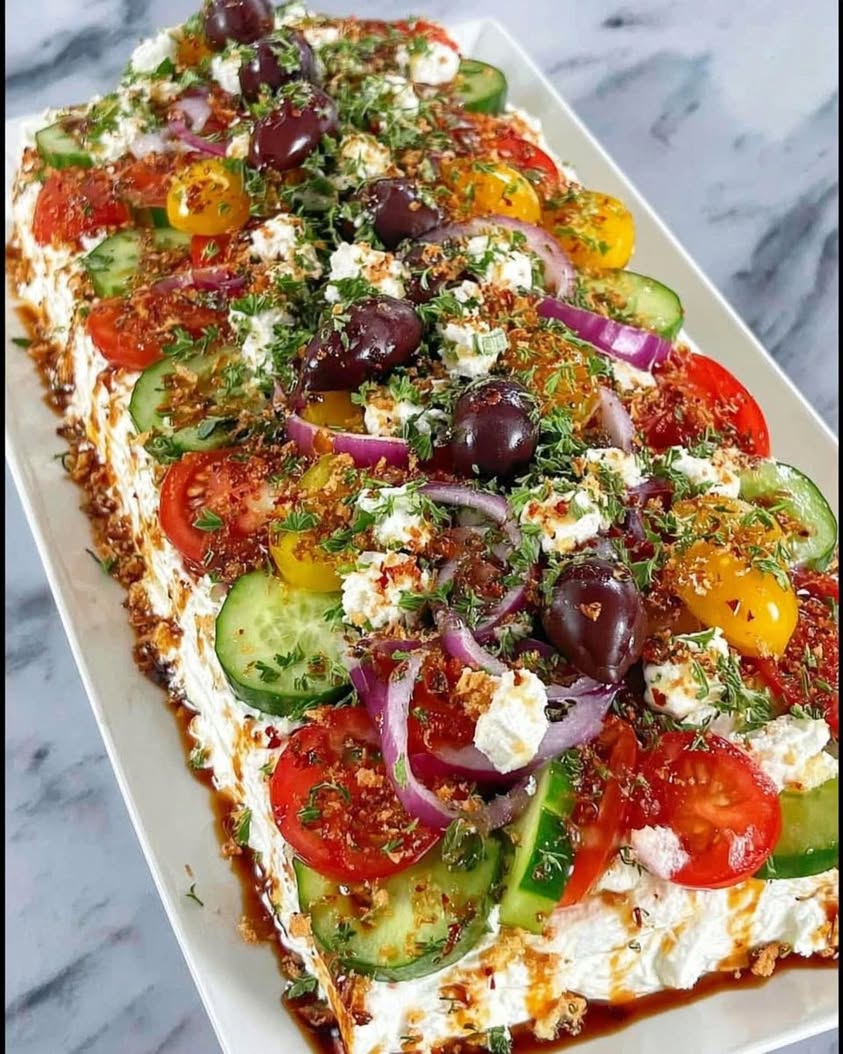
The Ultimate Greek Feta Board with Hot Honey and Crispy Onions
The Ultimate Greek Feta Board with Hot Honey and Crispy Onions represents everything we adore about modern entertaining. This showstopping appetizer transforms humble ingredients into an unforgettable centerpiece that guests will gather around all evening long. When you combine the salty, tangy creaminess of baked feta with the sweet heat of honey infused with chili flakes, plus the satisfying crunch of golden fried onions, you create a flavor experience that feels both indulgent and effortlessly chic.
I first discovered this incredible combination while traveling through the Mediterranean coast, where feta cheese holds a place of reverence in every kitchen. The Greeks have always known that good food brings people together, and this Greek Feta Board with Hot Honey and Crispy Onions embodies that philosophy perfectly. Moreover, this recipe requires minimal cooking skills while delivering maximum impact, making it ideal for both casual family dinners and elegant dinner parties.
What truly sets this Greek Feta Board with Hot Honey and Crispy Onions apart from ordinary cheese boards is its interactive nature and dramatic presentation. The warm, bubbling feta invites guests to dive in immediately, while the array of accompaniments encourages exploration and personalization. Furthermore, the balance of temperatures, textures, and flavors creates a memorable tasting journey that keeps people coming back for more. Consequently, this dish has become a staple at gatherings across America, and once you try it, you will understand why it deserves a permanent place in your entertaining repertoire.
Quick Recipe Highlights
- Flavor Profile: This dynamic board delivers a perfect symphony of tastes, starting with the salty, briny feta that mellows into creamy richness when baked. The hot honey adds a sweet floral note followed by a gentle, building heat that lingers pleasantly. Crispy fried onions contribute savory umami depth, while fresh herbs brighten every bite with their aromatic freshness.
- Texture: The contrast of textures creates pure magic, featuring the soft, spreadable interior of warm feta against the crackly crust that forms during baking. The crispy fried onions shatter satisfyingly between your teeth, while crusty bread offers chewy resistance. Consequently, every mouthful presents a new textural adventure that keeps your palate engaged and delighted.
- Aroma: As the Greek Feta Board with Hot Honey and Crispy Onions bakes, your kitchen fills with the intoxicating scent of melting cheese mingling with Mediterranean herbs and garlic. The honey reduction adds a sweet, caramelized fragrance that suggests warmth and comfort. Furthermore, the fried onions contribute a savory, golden aroma that triggers immediate hunger and anticipation.
- Visual Appeal: This board presents a stunning palette of colors, featuring the golden-brown feta topped with glistening amber honey and deep green herbs. The crispy onions add rustic golden tones, while fresh figs and grapes provide jewel-like purple and ruby accents. Therefore, this dish creates a gorgeous spread that photographs beautifully and tempts everyone who sees it.
- Skill Level Needed: Even novice cooks can master this recipe with complete confidence, as it requires only basic kitchen techniques like baking, frying, and mixing. The instructions are straightforward, and the forgiving nature of the ingredients means small variations will not ruin the final result. Consequently, this Greek Feta Board with Hot Honey and Crispy Onions is perfect for building kitchen confidence.
- Special Equipment: You will need a small oven-safe skillet or baking dish for the feta, a medium saucepan for the honey, and a wire rack for draining the fried onions. A good chef’s knife makes prep easier, and a wooden board or large platter provides the perfect canvas for arranging all the accompaniments.
Recipe Overview
- Difficulty Level: This recipe earns its easy rating because it involves minimal hands-on time and straightforward techniques that anyone can master. The baking process does most of the work, and the honey reduction requires only basic stove-top attention. Furthermore, the assembly is completely flexible, allowing you to arrange the components however you prefer without worrying about perfection.
- Category: This dish belongs to the appetizer and starter category, specifically falling under the trending umbrella of baked feta recipes and charcuterie-style boards. It works beautifully as a party centerpiece, game day snack, or elegant starter for a dinner party. Additionally, it can serve as a light lunch when paired with a fresh green salad for a satisfying meal.
- Cuisine: Rooted in traditional Greek culinary principles, this recipe celebrates the Mediterranean tradition of simple, high-quality ingredients prepared with respect. The combination of feta, honey, and herbs reflects ancient Greek cooking methods that have evolved over thousands of years. Meanwhile, the hot honey trend adds a contemporary American twist that bridges cultures beautifully.
- Cost: This Greek Feta Board with Hot Honey and Crispy Onions delivers excellent value considering the impressive presentation and generous servings. A block of quality feta costs between five and eight dollars, while honey, onions, and bread are budget-friendly staples. Therefore, you can serve an impressive appetizer for under twenty dollars total, making it perfect for entertaining on a budget.
- Season: While this dish shines year-round, it particularly excels during late summer and early autumn when figs and grapes reach their peak ripeness. The warm, comforting elements also make it perfect for cozy fall and winter gatherings. Moreover, the fresh, bright flavors work wonderfully for spring celebrations and summer patio parties alike.
- Occasion: This versatile board suits countless occasions, from casual weekday snacking to formal holiday entertaining. It shines at dinner parties, birthday celebrations, bridal showers, and holiday gatherings where guests mingle and graze. Furthermore, it makes an excellent addition to wine nights, football parties, or any event where good food brings people together.
Why You Will Love This Recipe
The taste experience of this Greek Feta Board with Hot Honey and Crispy Onions is genuinely extraordinary, combining familiar Mediterranean flavors with an exciting sweet-heat element that feels modern and fresh. When the warm feta hits your tongue, it immediately melts and spreads, releasing its salty creaminess across your palate. The hot honey then arrives with its initial sweetness followed by a pleasant tingle of heat that builds gradually rather than overwhelming. Consequently, the crispy onions add their savory crunch, creating a complete bite that satisfies every craving simultaneously.
Preparation convenience makes this recipe a lifesaver for busy hosts who want impressive results without spending hours in the kitchen. You can prepare the hot honey and crispy onions ahead of time, then simply bake the feta when guests arrive. Therefore, you get to actually enjoy your own party rather than being trapped in the kitchen. Moreover, the assembly takes mere minutes, and the forgiving nature of the dish means everything can be arranged casually without sacrificing beauty.
Nutritionally, this Greek Feta Board with Hot Honey and Crispy Onions offers surprising benefits despite its indulgent character. Feta cheese provides excellent protein and calcium, while also containing probiotics that support digestive health. The honey delivers natural antioxidants and antibacterial properties, while olive oil contributes heart-healthy monounsaturated fats. Furthermore, serving with vegetables like cucumbers and peppers adds vitamins and fiber, creating a more balanced appetizer than typical fried party foods.
The social value of this board cannot be overstated, as it naturally encourages gathering, sharing, and conversation. The interactive format invites everyone to build their perfect bite, sparking discussion about favorite combinations and creating memorable shared experiences. Moreover, the dramatic presentation becomes a conversation starter itself, with guests inevitably asking for the recipe before they even taste it. Consequently, this dish transforms ordinary gatherings into special occasions through the simple act of sharing delicious food.
Cost-effectiveness makes this recipe accessible to everyone, regardless of cooking budget or experience level. Quality ingredients remain affordable, and most items are readily available at any grocery store. The yield provides generous portions that feed a crowd impressively, making it far more economical than ordering expensive restaurant appetizers. Additionally, the simple techniques mean you can confidently prepare this dish repeatedly, developing your skills while saving money on dine-out entertaining.
Historical Background and Cultural Significance
The story of this Greek Feta Board with Hot Honey and Crispy Onions begins with feta itself, which has been produced in Greece since ancient times. Historical records show cheese-making in Greece dating back to Homer’s era, with feta being specifically mentioned in texts from the Byzantine period. The cheese got its name from the Italian word fetta, meaning slice, referencing how it is traditionally cut from the block. Moreover, feta earned Protected Designation of Origin status in 2002, meaning only cheese produced in specific regions of Greece can bear this treasured name.
Honey has equally deep roots in Greek culture, with Greece having one of the oldest honey traditions in Europe. Ancient Greeks considered honey a sacred food, linking it to their gods and incorporating it into religious ceremonies, medical treatments, and daily cooking. The legendary Hymettus honey from the mountains near Athens remains famous for its delicate, floral sweetness that balances beautifully with savory cheeses like feta. This tradition of combining honey with cheese dates back to ancient Greek symposia and continues in modern Greek meze culture.
The fried onion component joins this board tradition more recently, drawing inspiration from the Arabic and Mediterranean practice of topping dishes with crispy fried alliums. Crispy onions appear throughout Middle Eastern and North African cuisines, where they add textural contrast to bean dishes, salads, and grilled meats. Furthermore, the modern American love affair with crispy onions on everything from burgers to casseroles has transformed this humble garnish into a beloved staple. Consequently, the combination represents a beautiful meeting of tradition and trend.
Regional variations of baked feta appear throughout the Eastern Mediterranean, with each culture adding its signature touches. In Greece, bouyiourdi features feta baked with tomatoes and peppers, while the famous saganaki preparation fries cheese until golden and crispy. Turkey offers puff pastry-wrapped feta, and Lebanon contributes akkawi cheese with sweet syrups. This Greek Feta Board with Hot Honey and Crispy Onions stands at the crossroads of these traditions, honoring the classics while creating something entirely new and delicious.
Ingredient Deep Dive
Feta cheese represents the heart of this Greek Feta Board with Hot Honey and Crispy Onions, and understanding this remarkable cheese is essential. Feta has been central to Greek cuisine for thousands of years, with references appearing in ancient texts and archaeological evidence showing cheese-making equipment dating back 8,000 years. The cheese is traditionally made from sheep’s milk or a mixture of sheep’s and goat’s milk, giving it a distinctive tangy, salty flavor that cannot be replicated with cow’s milk varieties. Nutritionally, feta provides approximately 14 grams of protein and 21 grams of fat per 100 grams, along with significant amounts of calcium, phosphorus, and B vitamins. When selecting feta, look for blocks packed in brine rather than pre-crumbled products, as the brine preserves moisture and flavor. Store feta submerged in brine in the refrigerator for up to three months, changing the brine weekly. For this recipe, you can substitute lower-sodium feta if needed, or use a milder Bulgarian-style feta for more subtle flavor.
Hot honey brings the modern twist to this classic combination, and its production represents a fascinating culinary development. Hot honey likely originated in Brooklyn when chef Michael Kurtz combined honey with Thai chili peppers, creating a condiment that rapidly became a national sensation. The process involves infusing real honey with chili peppers or pepper extracts, balancing sweetness with heat in a way that enhances both qualities. Beyond its flavor contribution, honey offers nutritional benefits including antioxidants, enzymes, and trace minerals. Additionally, honey has antibacterial properties and has been used medicinally for centuries. When choosing honey for heating and infusing, select a good-quality raw honey with a flavor profile you enjoy, as different varieties from clover to wildflower will create different taste experiences. For a milder version, reduce the chili flakes, or omit them entirely for traditional sweet honey. If you prefer a different sweetener, maple syrup or agave can substitute, though each will change the flavor character noticeably.
Crispy fried onions provide the satisfying crunch that elevates this board from delicious to unforgettable. Onions have been cultivated for over 5,000 years with origins in Central Asia, spreading through ancient trade routes to become a foundational ingredient in cuisines worldwide. Moreover, onions contain quercetin, a powerful antioxidant with anti-inflammatory properties, along with vitamin C, fiber, and prebiotics that support gut health. Yellow or sweet onions work best for frying due to their higher sugar content, which promotes the beautiful golden caramelization fans of this dish love. When selecting onions, choose firm bulbs with dry, papery skins and no signs of sprouting or softness. Store them in a cool, dry, dark place with good air circulation for up to several months. Shallots make an excellent substitute, offering a more delicate flavor, while leeks create a different but equally delicious texture and taste.
Olive oil serves as the foundation for much of this dish, connecting the Mediterranean ingredients in authentic style. Greece produces some of the world’s finest olive oils, continuing a tradition that began thousands of years ago with olive trees that are among the oldest cultivated plants in history. Extra virgin olive oil provides healthy monounsaturated fats, particularly oleic acid, along with polyphenols that offer powerful antioxidant protection. Furthermore, olive oil contains vitamin E and vitamin K essential for various bodily functions. Select extra virgin olive oil with a greenish hue and peppery finish that indicates high quality and freshness. Store olive oil away from heat and light in a cool, dark cupboard, and use within six months of opening for best flavor.
Fresh herbs, particularly oregano and thyme, bring authentic Mediterranean aromas that perfume the entire dish. Oregano has been used since ancient Greek times when it was considered a symbol of joy and happiness, with Hippocrates using it as both medicine and seasoning. This versatile herb contains carvacrol and thymol, compounds with antibacterial and antifungal properties. Fresh thyme offers similar benefits, containing thymol as well as rosmarinic acid, both powerful antioxidants. When selecting fresh herbs, look for vibrant color and strong aroma without any wilting. Store fresh herbs wrapped in slightly damp paper towels in the refrigerator for up to a week. If fresh herbs are unavailable, dried oregano and thyme can substitute using approximately one-third the fresh quantity, though the flavor will be more concentrated and slightly different.
Sourdough bread provides the perfect vehicle for scooping and spreading this incredible feta mixture. Sourdough bread-making dates back to ancient Egypt when wild yeasts and bacteria naturally leavened dough, creating bread with distinctive tanginess and better keeping qualities. The fermentation process makes sourdough easier to digest than conventional bread, reducing gluten sensitivity for some people while increasing nutrient availability. Moreover, sourdough contains prebiotics and probiotics that support a healthy gut microbiome. Choose a bakery-fresh loaf with a crackling crust and chewy interior, ideally one displaying visible air pockets that indicate proper fermentation. Store bread at room temperature in a paper bag for two days, or freeze sliced in an airtight bag for up to three months. For variety, offer pita bread, water crackers, or crostini alongside the sourdough to accommodate different preferences.
Common Mistakes to Avoid
- Overcrowding the baking dish can trap steam and prevent the feta from developing its desirable golden crust. Use a dish that fits the feta snugly with about half an inch of space around each side. This allows proper air circulation and promotes even browning and bubbling.
- Burning the honey occurs when you walk away from the stove even briefly, as honey can transition from perfectly infused to scorched quickly. Stay close and watch for small bubbles rather than a vigorous rolling boil, which indicates the heat is too high and the sugars are burning.
- Skipping the pat-dry step for the feta will result in watery honey and excess liquid in the pan. Blot the feta thoroughly with paper towels before baking to ensure the honey coats properly and the cheese develops the desired glaze.
- Slicing onions too thick prevents them from frying to the perfect crispness in the time specified. Cut them uniformly thin, about one-eighth inch, ensuring they cook evenly and achieve that satisfying shatter factor.
- Frying at incorrect temperature causes either greasy, soggy onions or burned, bitter ones. Maintain the oil between 350 and 360 degrees Fahrenheit, using a thermometer to verify the temperature before adding any onions to the oil.
- Adding too many spices to the honey overpowers the delicate feta and other board components. Start with a small amount of chili flakes and adjust gradually, tasting as you go to find the perfect balance that suits your preferences.
- Serving the board cold takes away the magic of the warm, bubbling feta that makes this dish so special. Bake the feta just before serving and bring the board immediately to the table while everything is still warm and seductive.
- Forgetting to season the fried onions properly while they are still warm means they will taste flat, even with their crispy texture. Salt them immediately after draining to help the seasoning adhere to the oil-coated surface.
Essential Techniques
Infusing honey requires gentle heat and patience, as you must warm the honey enough to extract the chili flavors without causing the sugar to burn or caramelize. Heat the honey with chili flakes over medium-low heat until it barely simmers, then remove it from the heat and allow it to steep for several minutes. The key visual cue is the honey becoming slightly less viscous and having small bubbles form around the edges, never a rolling boil in the center. Consequently, the honey should flow easily from a spoon while still retaining its characteristic golden color. If you accidentally burn the honey, discard it and begin again, as scorched honey tastes bitter and unpleasant.
Frying onions successfully depends heavily on maintaining oil temperature and using the right technique. Begin by heating the oil until it registers 350 degrees Fahrenheit on a thermometer, then add onions in small batches to prevent temperature drops. The onions should sizzle immediately upon hitting the oil, which confirms proper heat for crisp results. Stir gently and frequently to ensure even browning, and remove onions with a slotted spoon when golden brown but before they get too dark, as they continue cooking while draining. Spread them in a single layer on paper towels to drain thoroughly, and season immediately while still warm.
Baking feta requires understanding how the cheese transforms under heat, from its initial firm, crumbly state to a soft, creamy texture. Bake at 400 degrees Fahrenheit for fifteen to twenty minutes, watching for the edges to begin bubbling and the surface to develop golden spots. The center should remain slightly firm while the exterior becomes melty and spreadable. Additionally, the cheese will puff slightly and might release some water, which enhances the surrounding olive oil and herbs with briny flavor. Test readiness by gently pressing the surface with a wooden spoon, which should meet minimal resistance while retaining some structure.
Arranging the charcuterie board successfully balances aesthetics with functionality, creating a spread that invites exploration while remaining practical to serve. Start by placing the baked feta in a prominent position, then add larger items first to create a strong foundation. From there, arrange smaller components in small clusters or lines, creating visual paths across the board. Furthermore, overlap and nestle items together to create a lush, abundant look that seems effortless despite careful planning. Provide multiple spreading knives and ensure easy access to all items, so guests never struggle to reach their desired ingredients.
Pro Tips for Perfect Greek Feta Board with Hot Honey and Crispy Onions
Always bring your feta to room temperature before baking, as this ensures even heating and prevents the outside from overcooking while the center remains cool. Remove the cheese from the refrigerator thirty minutes before you plan to bake it, and pat it dry carefully to remove excess brine. This small step dramatically improves the texture of the final baked feta, producing a uniformly creamy interior beneath the beautifully golden crust. Additionally, room-temperature feta absorbs the olive oil and honey flavors more readily, creating a more cohesive and delicious final product.
Make your crispy fried onions ahead of time to reduce stress on party day, as they stay crisp for several hours when stored properly. After frying and cooling completely, place them in an airtight container with a paper towel to absorb excess moisture. Keep them in a cool, dry place rather than the refrigerator, where humidity would soften them. Furthermore, you can make them up to three days in advance, and they will still deliver that glorious crunch that makes this Greek Feta Board with Hot Honey and Crispy Onions so beloved.
Bake the feta on a piece of parchment paper or in a ceramic dish rather than directly on a metal pan. This prevents sticking and makes clean-up significantly easier, which will help you enjoy the entire experience more fully. Additionally, the parchment creates a barrier that helps maintain the feta’s shape while still allowing browning to occur. Use scissors to trim the parchment to fit your pan perfectly, avoiding excess paper that might burn in the oven.
Consider making a double batch of hot honey, as it keeps beautifully in the refrigerator for several weeks. Store the cooled honey in an airtight jar or bottle, and simply reheat it slightly before serving if it has become too thick from cold temperatures. Furthermore, this extra hot honey can elevate scrambled eggs, roasted vegetables, or even pizza on busy weeknights, making your preparation time wonderfully worthwhile beyond this board.
Take time to select beautiful, varied accompaniments that create visual and flavor interest across the entire board. Choose at least three bread options, several fresh fruits, some vegetables for crunch, and perhaps some olives or cured meats to provide something for everyone. Mix colors and shapes to create visual excitement, and remember that guests first eat with their eyes before they ever taste a bite. Additionally, the contrast between the hot feta and room-temperature accompaniments creates a delightful temperature experience throughout the meal.
For the best experience, serve this dish warm rather than piping hot, as the flavors meld beautifully while the temperature cools from its initial bake. Let the Greek Feta Board with Hot Honey and Crispy Onions rest for several minutes after coming from the oven, allowing the honey to set slightly and the feta to firm up just enough for optimal spreading. This magical window of temperature offers the perfect texture for bread dipping and scooping, ensuring every bite hits exactly the right notes.
Variations and Adaptations
Regional variations of this dish appear throughout the Mediterranean, each adding local character to the basic baked feta concept. In Cyprus, cooks often add fresh tomatoes and capers, creating a brighter, more acidic flavor profile. Turkish versions typically incorporate spicy red pepper paste called biber salcasi, adding rich, smoky depth. Italian cooks should try substituting buffalo mozzarella for the feta, creating a milder but equally delicious experience. Meanwhile, Mexican-inspired versions can swap the feta for cotija cheese and add fresh lime juice and cilantro for a vibrant twist.
Seasonal adaptations ensure this board remains relevant all year round, incorporating the best produce each season offers. During summer, add fresh peaches or nectarines for sweeter contrast to the salty feta. Autumn suggests adding figs, pomegranate seeds, and perhaps roasted pumpkin or squash cubes. Winter lends itself to citrus segments and persimmons, which brighten the board with color and acidity. Spring invites fresh strawberries and watermelon radishes for beautiful pink and red tones. Consequently, the Greek Feta Board with Hot Honey and Crispy Onions can become a year-round staple that always feels seasonal and current.
Dietary modifications create versions of this board suitable for various eating patterns without sacrificing deliciousness. For a vegetarian version, simply omit any meat additions and focus on vegetables, fruits, and cheese. A gluten-free board uses rice crackers, seed crisps, or vegetable spears instead of bread. Those following a low-carb or keto approach can serve with cucumber cups, bell pepper strips, and flax crackers. Moreover, the base recipe already works perfectly for a vegetarian and naturally gluten-free dish with minor adjustments.
Flavor variations allow you to personalize the board to match your preferences or the theme of your gathering. Smoked paprika added to the honey introduces a subtle smokiness that pairs wonderfully with grilled meats. Fresh rosemary or thyme sprigs in the honey create an herbal infusion that brightens the entire board. Try adding a splash of balsamic vinegar to the honey for tangy complexity that mirrors traditional Greek sweet-and-sour pairings. Similarly, the crispy onions can be seasoned with za’atar, which adds sesame, sumac, and herbal notes that sing alongside feta.
Texture modifications ensure everyone finds something appealing on the board, regardless of their preferences. For extra creaminess, add whipped feta dip alongside the baked feta, giving guests a smoother option. Include toasted pita wedges for a soft chewy contrast to crispy crackers and sourdough. Honeycomb pieces provide stunning visual interest while offering a waxy, chewy texture. Additionally, olives can be served whole, pitted, or marinated, each presenting a different mouthfeel and flavor experience.
Presentation alternatives offer flexibility for various serving situations and event formats. For a sit-down dinner, serve individual mini feta bowls made in ramekins rather than one large shared board. For casual gatherings, create a grazing table with multiple components spread across a large surface. For portable picnics, prepare the components separately and pack them in a charcuterie box for easy transport. Each presentation style maintains the delicious essence while adapting to fit your specific needs and venue.
Serving and Presentation Guide
Plating techniques for this spectacular board start with choosing the right foundation, whether that is a rustic wooden board, a marble or slate slab, or a beautiful ceramic platter. Whatever you choose, make sure it provides enough space for all components without crowding, allowing guests to serve themselves easily. Begin by placing the warm feta dish prominently in the center or slightly offset, establishing it as the clear focal point. Then, arrange accompaniments in small clusters around the cheese, creating natural groupings that encourage exploration and discovery.
Garnishing ideas can elevate the visual appeal and add fresh aromatics that complement the rich cheese. Fresh oregano sprigs scattered across the board add color and fragrance while echoing Mediterranean tradition. Edible flowers like borage or calendula petals sprinkle delicate color and sophistication. A drizzle of extra virgin olive oil completed just before serving adds gloss and richness. Furthermore, a final scattering of flaky sea salt over the entire board brightens all the flavors and adds pleasant crunch.
Traditional accompaniments pair naturally with Greek Feta Board with Hot Honey and Crispy Onions, creating a more complete Mediterranean experience. Include good-quality Kalamata olives for their distinctive flavor and beautiful dark color. Add sliced cucumber and cherry tomatoes for fresh, hydrating contrast to the rich feta. Hummus or tzatziki dips provide cool, creamy complements to the warm and crispy elements. Pickled vegetables offer acidic contrast that cuts through the fatty richness, balancing the board beautifully.
Modern serving suggestions might incorporate fusion elements that make this board feel contemporary and exciting. A scattering of pomegranate arils adds jewel-toned color and pop of tangy sweetness. Include sweet mini peppers sliced into rings for a milder pepper flavor that contrasts the hot honey heat. Pita chips provide a sturdy, portable alternative to heavier bread. Additionally, consider serving individual small plates so guests can compose their own bites without mixing flavors unnecessarily.
Temperature considerations affect the success of this dish significantly, as feta transforms dramatically from room temperature to warm. The perfect serving temperature for baked feta falls between 140 and 150 degrees Fahrenheit, when it is meltingly soft but not dangerously hot. Consequently, remove the dish from the oven about five minutes before placing it on the serving board. The honey should be served warm or at room temperature, never cold, to maintain its fluid consistency. Therefore, take the honey out of the refrigerator at least one hour before serving, or gently warm it.
Portion control tips help ensure all guests can enjoy the board without running out of any beloved component. For eight servings, plan for approximately one-quarter pound of feta per person, accounting for enthusiastic spreaders. Provide at least two servings of bread per person, more if hearty appetites are expected. Eight to ten accompaniment items per person allows everyone to sample everything without depletion. Furthermore, having backup components ready to replenish the board keeps guests satisfied longer and reduces stress for the host.
Wine and Beverage Pairing
Wine pairings elevate this Greek Feta Board with Hot Honey and Crispy Onions to a complete tasting experience, and the options are wonderfully varied. A crisp, dry white wine like Assyrtiko from Santorini offers bright acidity that cuts through the rich feta while complementing the honey’s sweetness. Furthermore, Pinot Grigio or Sauvignon Blanc work beautifully, with their citrus and herbal notes echoing the Mediterranean ingredients. For those preferring red wine, a light-bodied rosé provides the perfect middle ground, offering enough structure and fruit while maintaining the freshness this dish deserves.
Sparkling wine presents another excellent pairing option, as the bubbles cleanse the palate between bites of rich cheese and honey. Prosecco’s gentle effervescence and pear-like fruit notes complement the board beautifully without overwhelming the delicate flavors. Crémant d’Alsace offers similar elegance at a better price point, while Champagne represents the ultimate celebration choice for special gatherings. Moreover, serving sparkling wine slightly chilled around 45 degrees Fahrenheit brings out the best qualities of the wine alongside warm foods.
Non-alcoholic alternatives deserve equal consideration, especially for designated drivers and guests who skip alcohol. A sparkling water with lemon and fresh mint offers refreshing contrast to the rich board, with its citrus and herbal notes echoing the Mediterranean theme. Brewed and chilled hibiscus tea provides tart, fruity complexity that stands up beautifully to the honey. Additionally, a simple combination of sparkling water with a splash of pomegranate juice creates a festive mocktail in colors that match the board.
For beer enthusiasts, this board pairs surprisingly well with certain styles, particularly Belgian-style farmhouse ales called saisons. These beers feature citrusy, spicy notes and a dry finish that complements feta and honey. A crisp lager or pilsner offers clean, refreshing contrast to the rich ingredients. Additionally, wheat beers with their subtle banana and clove aromas create interesting flavor interplay with the honey’s sweetness. Serve beers well-chilled at 40 to 45 degrees Fahrenheit for optimal refreshment.
Serving suggestions for beverages enhance the overall dining experience, matching temperatures and glasses appropriately. White wines should be chilled to roughly 50 degrees Fahrenheit, while reds are best served at cellar temperature around 60 to 65 degrees Fahrenheit. Provide appropriate glassware, ensuring white wine glasses have stems to prevent hands from warming the wine. Have plenty of water available throughout the meal, as the salty feta and crispy onions create thirst that water quenches admirably.
Storage and Shelf Life
Storage methods for leftovers extend the enjoyment of your Greek Feta Board with Hot Honey and Crispy Onions beyond the initial serving. After the meal, transfer any remaining baked feta to an airtight container and refrigerate it promptly within two hours of serving. The hot honey can also be stored in the refrigerator in a sealed jar, where it will keep for several weeks. Crispy onions should be stored separately in an airtight container with moisture absorbers, remaining crisp for up to three days when properly sealed. Accompaniments like bread and vegetables have their owns optimal storage requirements based on their individual characteristics.
Temperature requirements for storing components vary depending on the specific item, and following these guidelines ensures food safety. Baked feta must be refrigerated at or below 40 degrees Fahrenheit to prevent bacterial growth, as it contains dairy and has been held at room temperature. Hot honey can actually be stored at room temperature in a cool, dark cupboard where it will keep indefinitely without spoiling. Fried onions keep longest in a cool, dry environment away from heat sources. Fresh produce accompaniments should always be refrigerated separately unless immediately consumed during service.
Container recommendations protect the flavors and textures of leftover components while preventing cross-contamination. Glass containers with tight-fitting lids work best for baked feta, as they do not absorb odors or stain like plastic containers might. Mason jars are perfect for storing hot honey, allowing you to see the beautiful color while keeping the honey securely contained. For crispy onions, a container with a sealable lid and a paper towel placed inside helps absorb any residual moisture. Wrap bread tightly in paper bags or plastic wrap to prevent staleness.
Signs of spoilage should be immediately recognizable to prevent consuming food that may have gone bad. Baked feta that has developed an off odor, visible mold, or a slimy texture should be discarded without hesitation. Honey that has crystallized or developed an unusual smell indicates it may have absorbed moisture or been contaminated. Crispy onions that become soggy or develop a stale odor have lost their appeal and should likely be discarded. Always trust your senses and err on the side of caution when assessing leftover ingredients.
Reheating instructions help maintain quality while making your leftovers taste freshly made. For best results, reheat leftover baked feta in the oven at 350 degrees Fahrenheit for about ten minutes until warmed through and melty. Alternatively, reheat individual portions in the microwave at reduced power to prevent the cheese from becoming rubbery. The hot honey can be gently warmed on the stove or in the microwave, and it will flow beautifully once reheated. Crispy onions cannot be successfully reheated to restore their crunch, so enjoy them immediately or use them as seasoning crumbles on soups or salads.
Freezing guidelines allow you to extend the life of certain components beyond refrigerator storage, though results vary. Baked feta freezes surprisingly well, though its texture becomes crumblier upon thawing, making it better for cooking rather than direct serving. Hot honey should not be frozen, as the sugar content may cause separation upon thawing; simply store at room temperature. Fried onions are not suitable for freezing, as their crispness diminishes significantly when frozen. Therefore, freeze only the feta, and finish the other components within their normal shelf life.
Make Ahead Strategies
Prep timeline planning transforms this from a last-minute scramble into a relaxed, enjoyable cooking experience. Up to three days before serving, fry the onions and store them properly as discussed. The hot honey can also be prepared this far in advance, allowing the flavors to meld and intensify. On the day before your event, prepare the accompaniments including washing fruits and vegetables, slicing bread Print
Greek Feta Board with Hot Honey + Crispy Fried Onions
- Total Time: 30 minutes
- Yield: 4
Description
A stunning appetizer board featuring creamy feta cheese baked until warm, drizzled with spicy hot honey, and topped with crispy fried onions. Serve with pita chips, fresh veggies, and olives for a crowd-pleasing Mediterranean-inspired starter.
Ingredients
- 1 (8 oz) block feta cheese
- 1/4 cup hot honey (or regular honey mixed with red pepper flakes)
- 1/2 cup all-purpose flour
- 1/2 teaspoon salt
- 1/2 teaspoon black pepper
- 1/2 teaspoon paprika
- 1 large onion, thinly sliced
- 1/2 cup buttermilk (or regular milk with 1 tsp lemon juice)
- Vegetable oil, for frying
- Pita chips, cucumber slices, cherry tomatoes, kalamata olives, and fresh oregano for serving
Instructions
- Preheat oven to 375°F (190°C). Place feta block in a small oven-safe skillet or baking dish. Bake for 10-12 minutes until warm and slightly softened.
- While feta bakes, prepare crispy onions. In a shallow bowl, whisk together flour, salt, pepper, and paprika. Pour buttermilk into another shallow bowl. Dip onion slices into buttermilk, then dredge in flour mixture, shaking off excess.
- Heat about 1/2 inch of vegetable oil in a large skillet over medium-high heat until shimmering (350°F). Fry onions in batches, turning occasionally, until golden and crispy, about 3-4 minutes. Drain on paper towels and season with extra salt.
- Remove feta from oven and transfer to a serving board or platter. Drizzle generously with hot honey.
- Top feta with crispy fried onions and sprinkle with fresh oregano. Arrange pita chips, cucumbers, tomatoes, and olives around the board. Serve immediately.
- Optional: Add extra hot honey for drizzling at the table.
Notes
You can customize the seasonings to taste. Adjust the spice level of the hot honey by adding more or less red pepper flakes. If you prefer a milder flavor, use regular honey.
- Prep Time: 15 minutes
- Cook Time: 15 minutes
- Method: Appetizer
- Cuisine: Mediterranean