Cottage Cheese Mushroom Spinach Lasagna Bake: Easy High-Protein Dinner
This Cottage Cheese Mushroom Spinach Lasagna Bake is the high-protein dinner you have been searching for, and it delivers comfort food flavor without the guilt. I created this recipe during a busy week when I craved something warm, cheesy, and satisfying, but I wanted to keep things lighter than a traditional lasagna. The creamy cottage cheese mixture replaces heavy ricotta, and the earthy mushrooms and vibrant spinach add nutrients and texture in every single bite.
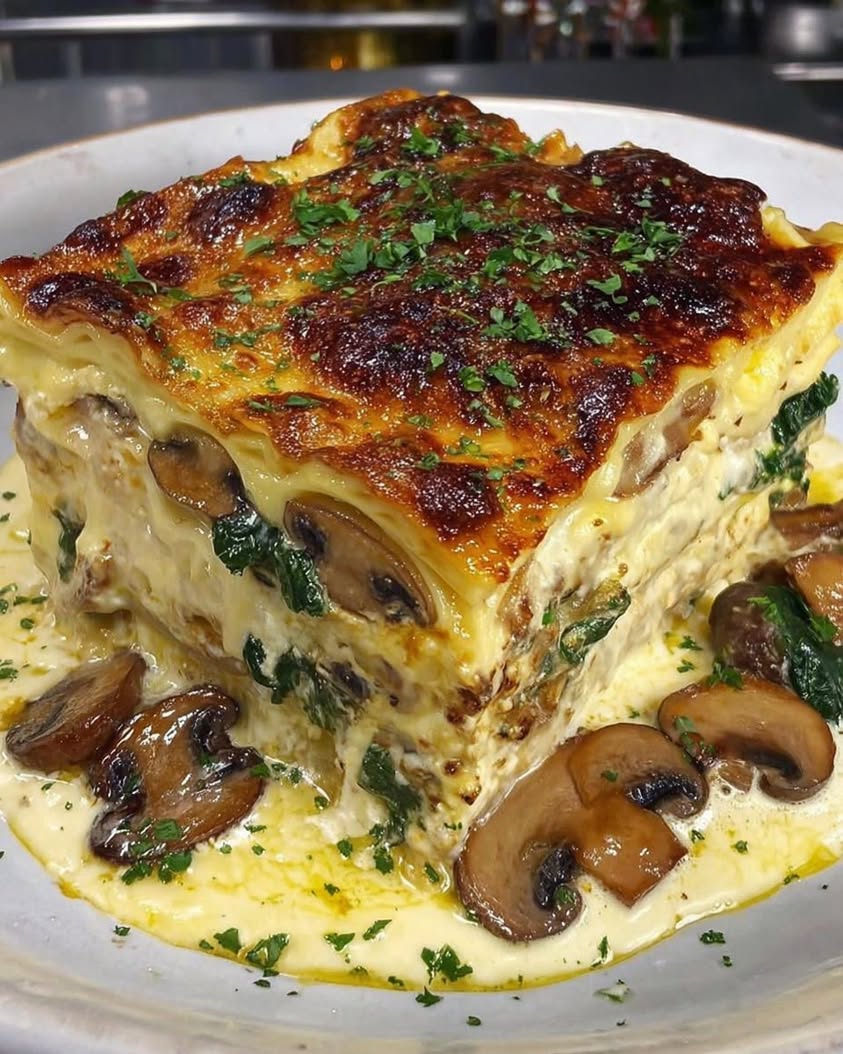
What makes this Cottage Cheese Mushroom Spinach Lasagna Bake truly special is how the ingredients work together to create layers of flavor that feel indulgent but are actually quite wholesome. The mushrooms become savory and meaty as they cook, while the spinach adds a fresh, slightly sweet note that balances the richness of the cheese sauce. Each forkful delivers a perfect combination of tender pasta, creamy filling, and bubbling cheese on top, making this dish an instant family favorite that you will make again and again.
Moreover, this easy high-protein dinner comes together with minimal fuss, and it uses simple ingredients that you can find at any grocery store. Whether you are meal prepping for the week or hosting a casual dinner party, this lasagna bake fits the bill perfectly. Consequently, I am thrilled to share all my tips, tricks, and variations with you so that you can create the best possible version in your own kitchen.
Quick Recipe Highlights
- Flavor Profile: The savory mushrooms provide an umami richness, while the spinach adds a mild earthiness, and the cottage cheese brings a subtle tang that brightens the whole dish. Furthermore, the tomato sauce and mozzarella create a classic Italian-American flavor combination that feels familiar and comforting.
- Texture: You get a wonderful contrast between the tender lasagna noodles, the creamy and slightly chunky cottage cheese filling, the soft mushrooms, and the gooey, melted mozzarella on top. Additionally, the edges of the pasta become slightly crispy and chewy, which adds another layer of textural interest.
- Aroma: The scent of garlic and onions sautéing in olive oil fills your kitchen first, and then the mushrooms release their earthy fragrance as they brown. Consequently, the entire house smells like a cozy Italian restaurant, especially when the lasagna is bubbling in the oven.
- Visual Appeal: The layers are beautifully visible when you cut into the bake, showing distinct bands of red sauce, green spinach, white cheese filling, and golden-brown melted mozzarella on top. This visual presentation makes the dish look as appetizing as it tastes, perfect for serving to guests.
- Skill Level Needed: This recipe is ideal for beginner cooks as well as experienced home chefs because the steps are straightforward and forgiving. Since you are using store-bought lasagna noodles and simple techniques, there is very little room for error, making it a stress-free cooking experience.
- Special Equipment: You need a 9×13 inch baking dish, a large skillet for sautéing the vegetables, and a mixing bowl for combining the filling. Additionally, having a good quality chef’s knife and a wooden spoon will make the preparation even easier and more enjoyable.
Recipe Overview
- Difficulty Level: This easy high-protein dinner is rated as easy because it uses basic cooking methods like sautéing, boiling pasta, and assembling layers in a baking dish. The entire process is very forgiving, even if you are new to cooking, because the ingredients combine beautifully regardless of minor tweaks. Consequently, this is an approachable recipe that builds confidence in the kitchen while delivering impressive results every time. The steps flow logically from one to the next, and the hands-on time is relatively short compared to other lasagna recipes.
- Category: This dish falls under the categories of casseroles, pasta bakes, and comfort food, but it also works wonderfully as a make-ahead meal for busy families. Moreover, it can serve as a main course for lunch or dinner, and it pairs nicely with a simple green salad or garlic bread to round out the meal. The versatility of this lasagna bake means you can enjoy it for casual weeknight dinners or dress it up for more formal occasions with just a few extra garnishes.
- Cuisine: The recipe is rooted in Italian-American culinary traditions, which adapted classic Italian lasagna to include more readily available ingredients in the United States. Therefore, you will find familiar elements like marinara sauce, mozzarella, and lasagna noodles, but with the addition of cottage cheese, which is a distinctly American twist. This fusion of flavors and techniques creates a dish that honors its Italian heritage while embracing the convenience and heartiness that American home cooks love.
- Cost: This Cottage Cheese Mushroom Spinach Lasagna Bake is quite affordable, with most ingredients being budget-friendly and easy to find. The mushrooms and spinach are reasonably priced vegetables, and cottage cheese costs less than traditional ricotta, making this a smart choice for frugal cooks. Overall, you can expect to spend around twenty to twenty-five dollars for a full 9×13 pan that feeds eight people, which equals roughly three dollars per serving.
- Season: While this lasagna bake is delicious year-round, it shines brightest in the cooler months of fall and winter when you crave warm, hearty comfort food. However, you can also enjoy it in the spring or summer by using fresh, in-season spinach from your garden or the farmers market. The versatility of the ingredients means you can adapt the recipe to whatever produce is available, making it a truly seasonal-friendly dish.
- Occasion: This lasagna bake is perfect for Sunday family dinners, potluck gatherings, holiday meals, and casual get-togethers with friends. Moreover, it is an excellent choice for meal prep because it reheats beautifully, and the leftovers taste just as good the next day. Therefore, whether you are feeding a crowd or simply looking for convenient meals throughout the week, this recipe adapts seamlessly to your needs.
Why You’ll Love This Recipe
The first reason you will absolutely adore this Cottage Cheese Mushroom Spinach Lasagna Bake is the incredible flavor combination that hits all the right notes. The mushrooms bring a deep, savory umami flavor that mimics the richness of meat, while the spinach contributes a fresh, slightly bitter note that cuts through the creaminess. Meanwhile, the cottage cheese adds a subtle tanginess that brightens the entire dish, and the tomato sauce ties everything together with its sweet and acidic profile. Additionally, the melted mozzarella on top creates a golden, bubbly crust that adds both flavor and texture, making every bite a delightful experience.
The second reason this easy high-protein dinner will become a staple in your home is the sheer convenience it offers to busy cooks. Unlike traditional lasagna recipes that require you to cook the noodles separately and carefully layer everything, this bake is more forgiving and straightforward. You can assemble the entire dish in advance, refrigerate it overnight, and then pop it in the oven when you are ready to eat. Consequently, this makes it an ideal recipe for weeknight dinners when you are short on time, or for entertaining when you want to minimize stress and maximize enjoyment.
Furthermore, the nutritional profile of this lasagna bake is genuinely impressive, and it sets this recipe apart from other comfort foods. The cottage cheese provides a substantial amount of protein, with roughly thirteen grams per half-cup serving, which helps keep you full and satisfied. Additionally, the spinach is packed with iron, vitamins A and K, and antioxidants, while the mushrooms contribute B vitamins, selenium, and immune-boosting properties. Therefore, this dish proves that you can enjoy hearty, cheesy comfort food without sacrificing your health goals.
Socially, this lasagna bake is a crowd-pleaser that brings people together, and it is perfect for sharing with family and friends. When you bring this bubbling, cheesy casserole to the table, it becomes the centerpiece of the meal, encouraging everyone to gather and enjoy. The familiar, comforting aroma of garlic, herbs, and tomato sauce creates a warm, inviting atmosphere, and the servings are generous and satisfying. Consequently, this recipe is perfect for building connections and creating lasting memories around the dinner table.
Finally, this recipe is incredibly cost-effective, and it allows you to stretch your grocery budget without compromising on flavor or quality. Cottage cheese is significantly cheaper than ricotta, and mushrooms and spinach are among the more affordable vegetables you can buy. Additionally, the ingredients have a decent shelf life, and you can easily use up leftover vegetables or cheese in this versatile bake. Therefore, you can feed your family a delicious, healthy meal for less than you might spend on takeout, which is a win-win situation for your wallet and your taste buds.
Historical Background and Cultural Significance
Lasagna has a rich and storied history that dates back centuries, with its origins traced to ancient Greece and Rome, where layers of pasta were baked with various fillings. The modern iteration of lasagna we know today, featuring flat pasta sheets, tomato sauce, and cheese, emerged in the Italian region of Emilia-Romagna during the Middle Ages. However, the dish as we recognize it truly came into its own after tomatoes were introduced to Europe from the Americas in the 16th century. Over time, lasagna became a beloved staple of Italian cuisine, with each region developing its own unique variations and traditional preparations.
The cultural importance of lasagna in Italian households cannot be overstated, as it is often reserved for Sunday family meals, religious holidays, and special celebrations. In many Italian families, the recipe for lasagna is passed down through generations, with each cook adding their own personal touch and secret ingredient. Moreover, lasagna represents the concept of “la famiglia” or family, bringing everyone together around the table for a shared, comforting meal. The dish is synonymous with warmth, hospitality, and the joy of gathering with loved ones to share good food and good company.
When Italian immigrants came to the United States in the late 19th and early 20th centuries, they brought their cherished lasagna recipes with them, adapting them to the ingredients available in their new homeland. Consequently, American versions of lasagna began to evolve, incorporating cottage cheese instead of ricotta, which was not as widely available in the United States at the time. Additionally, American cooks often added ground beef or sausage to make the dish heartier, and they used no-boil noodles for convenience. This Cottage Cheese Mushroom Spinach Lasagna Bake is a modern descendant of that Italian-American tradition, putting a healthier, vegetable-forward spin on the classic.
Regional variations of lasagna are abundant throughout Italy, with Northern versions using béchamel sauce and spinach, while Southern versions favor ricotta and tomato-based sauces. In the United States, you will find endless variations, from the meat-heavy “Sunday gravy” style to lighter, vegetable-packed versions like the one featured here. Moreover, our recipe incorporates mushrooms for their meaty texture and spinach for its nutritional punch, creating a modern, health-conscious twist on tradition. Therefore, this Cottage Cheese Mushroom Spinach Lasagna Bake pays homage to the dish’s rich history while embracing contemporary tastes and dietary preferences.
Ingredient Deep Dive
Cottage cheese is the star of this high-protein lasagna bake, and its history in American kitchens is both practical and fascinating. This fresh cheese product was traditionally made at home from leftover milk, and it became popular in the United States during the 20th century as a budget-friendly protein source. Nutritionally, cottage cheese is packed with casein protein, which digests slowly and keeps you feeling full, making it a favorite among athletes and health-conscious eaters. When selecting cottage cheese for this recipe, you should look for a full-fat or low-fat version with a creamy texture, and you can also choose curd size based on your preference. For storage, keep it refrigerated and use it within a week of opening, and for substitution, you can use ricotta or a blended silken tofu for a dairy-free option.
Mushrooms have been foraged and cultivated for thousands of years, with different varieties playing important roles in cuisines around the world, particularly in Asian and European cooking. In this recipe, cremini mushrooms are ideal because they offer a deeper, earthier flavor than white button mushrooms, and they hold up well during cooking. Nutritionally, mushrooms are low in calories but rich in B vitamins, selenium, and antioxidants, and they provide a satisfying, meaty texture that makes them excellent for vegetarian dishes. When choosing mushrooms, look for firm, dry caps with no blemishes, and store them in a paper bag in the refrigerator to maintain freshness. If you cannot find cremini mushrooms, shiitake or portobello mushrooms make excellent substitutes, and dried mushrooms can be rehydrated if needed.
Spinach has a long history that traces back to ancient Persia and was later introduced to Europe and eventually the Americas, and it has been celebrated for its incredible nutritional density for centuries. This leafy green is loaded with iron, calcium, folate, and vitamins A, C, and K, making it one of the most nutrient-dense foods you can eat. For this recipe, you can use fresh baby spinach, which is tender and mild, or mature spinach, which has a slightly stronger flavor. Good spinach leaves should be deep green, crisp, and free from yellowing, and you should store them in a damp paper towel in a plastic bag in the crisper drawer. If fresh spinach is not available, frozen spinach that has been thawed and squeezed dry works perfectly well as a substitute.
Lasagna noodles have a history that is intertwined with the development of pasta itself, which has been a staple of Italian cuisine for centuries. While freshly made pasta is wonderful, dried lasagna noodles are convenient and reliable, and they provide a sturdy structure for the bake. There are also no-boil noodles available, which save time and simplify the prep process, though they require a bit more sauce to ensure proper cooking. Standard dried lasagna noodles should be cooked until just al dente, since they will continue to cook in the oven. For a gluten-free option, you can use oven-ready lasagna noodle sheets made from rice or lentil flour, and these work quite well in this recipe.
Common Mistakes to Avoid
- Not draining the spinach properly is a common mistake that can make your lasagna bake watery and soggy. If you are using frozen spinach, you must thaw it completely and then squeeze out as much liquid as possible using your hands or a clean kitchen towel. Fresh spinach should be sautéed until the liquid evaporates, and you should not add extra water during the cooking process. Excess moisture in the filling can ruin the texture and leave you with a soupy, unappetizing final dish.
- Overcooking the lasagna noodles is another frequent error, as soft, mushy noodles will not hold up well during assembly and baking. You should always cook your noodles to just al dente, which means they are tender but still have a slight bite to them. Furthermore, remember that the noodles will continue to cook in the oven, so slightly undercooking them is better than overcooking. If you use no-boil noodles, you must ensure there is enough sauce in the baking dish to hydrate them properly.
- Skipping the step of seasoning the vegetables is a missed opportunity to build deep, layered flavors in your dish. The mushrooms and spinach should be seasoned with salt, pepper, and perhaps some dried oregano or thyme as they cook, which allows the flavors to meld. Adding salt and herbs early in the cooking process ensures the seasoning is not just on the surface but permeates the vegetables. Therefore, you should taste and adjust the seasoning of your vegetable mixture before assembling the bake.
- Using a baking dish that is too small can cause your lasagna bake to overflow, creating a mess in your oven and resulting in uneven cooking. You need a 9×13 inch baking dish with at least two-inch-high sides to accommodate all the layers comfortably. Additionally, the dish should be large enough to fit all the noodles and filling without crowd, allowing the heat to circulate properly. If you are scaling the recipe, use appropriately sized pans that fit the volume of ingredients.
- Not letting the lasagna rest after baking is a mistake that leads to messy slices that fall apart on the plate. After removing the lasagna from the oven, you should let it rest for at least ten minutes, and ideally up to twenty minutes, to allow the layers to set. The resting time allows the sauce to thicken slightly and the cheese to firm up, making it much easier to slice. Cutting into the lasagna immediately will result in a runny, sloppy mess, so patience is essential here.
- Greasing the baking dish is a step that some cooks skip, but it is crucial for ensuring the lasagna does not stick to the pan. You should spread a thin layer of olive oil, butter, or nonstick spray on the bottom and sides of your baking dish. This simple step makes serving and cleanup much easier, and it also adds a bit of richness to the edges of the bake. Consequently, do not overlook your pan preparation before you start layering.
- Using a low-quality tomato sauce can greatly diminish the flavor of your final dish, as the sauce is a key component of the lasagna. Look for a tomato sauce that is rich, flavorful, and not overly watery, and consider adding garlic powder, oregano, or a splash of red wine to boost its taste. You can also use crushed tomatoes with a bit of water if you prefer a chunkier texture. Therefore, choose a sauce you would enjoy eating on its own, since it will define the overall flavor profile of the bake.
- Forgetting to cover the lasagna during the first part of baking can cause the top to burn before the interior is properly cooked. You should cover the baking dish with aluminum foil for the first thirty minutes of baking, which traps steam and help the pasta cook evenly. Then, you remove the foil for the final fifteen minutes to allow the cheese on top to bubble and brown. This two-stage baking method yields perfectly cooked lasagna with a beautiful, golden crust.
Essential Techniques
The first essential technique in making a great lasagna bake is properly sautéing the vegetables, which builds a flavorful foundation for the entire dish. You should heat a large skillet over medium-high heat, add olive oil, and then add the mushrooms in a single layer, allowing them to brown rather than steam. The key is to not overcrowd the pan, as this will cause the mushrooms to release water and boil instead of searing. Then, after the mushrooms have browned and released their liquid, you add the garlic and spinach, cooking until the spinach wilts completely. This technique concentrates the flavors and removes excess moisture, ensuring your filling is rich and thick, not watery.
The second crucial technique is building the cottage cheese filling correctly, as it serves as the creamy binder for your lasagna layers. You should combine the cottage cheese with an egg, some grated Parmesan cheese, and a handful of fresh herbs, mixing everything until well combined. The egg acts as a binding agent that helps the filling set during baking, preventing it from being runny. Additionally, seasoning the filling well with salt, pepper, and a pinch of nutmeg is important, as the cottage cheese has a mild flavor that benefits from a little boost. This step ensures your filling is creamy, flavorful, and holds its shape when sliced.
Mastering the assembly process is another essential technique that determines the structure and integrity of your lasagna bake. You should start by spreading a thin layer of tomato sauce on the bottom of the baking dish, which prevents the noodles from sticking and adds flavor to the bottom layer. Then, you alternate layers of noodles, sauce, vegetable mixture, and cheese filling, making sure to cover the noodles completely. Additionally, pressing down gently on each layer as you assemble helps eliminate air pockets and creates a more cohesive bake. Finally, you will finish with a generous layer of mozzarella on top, which melts and browns to create a beautiful, cheesy crust.
The final key technique is managing the baking time and temperature to achieve perfectly cooked pasta and a golden, bubbly top. You should bake the lasagna at 375 degrees Fahrenheit, which is hot enough to cook the pasta and melt the cheese without burning the top. Covering the dish with foil for the first part of the bake traps moisture and helps the noodles cook through, and then removing it at the end allows the top to brown. Furthermore, letting the lasagna rest after baking is a critical part of the process, as we mentioned earlier. This resting period allows the layers to solidify, making the lasagna much easier to cut and serve cleanly.
Pro Tips for Perfect Cottage Cheese Mushroom Spinach Lasagna Bake
Tip number one is to fully cook your vegetable mixture before assembling the lasagna, which prevents a watery final dish. You should sauté the mushrooms until they have released all their liquid and started to brown, and then cook the spinach until it is wilted and any excess moisture has evaporated. Therefore, your vegetable layer will be thick and flavorful, not soggy, which maintains the integrity of your lasagna structure.
Tip number two is to press the lasagna noodles down gently as you layer them, ensuring they are nestled into the sauce and cheese mixtures. This helps the noodles absorb moisture from the sauce, which allows them to cook evenly and become perfectly tender. Furthermore, this gentle pressing removes any air pockets that could create uneven cooking or dry spots. Consequently, your finished lasagna will have a uniform texture throughout every slice.
Tip three involves seasoning the cottage cheese filling generously, as this bland cheese needs a lot of help to become delicious. You should add salt, black pepper, a pinch of grated nutmeg, and some minced garlic or onion powder to the filling mixture, and taste it before you assemble. Additionally, the addition of fresh herbs like basil or parsley brightens the flavor, while a splash of lemon juice adds a refreshing note. This step ensures your filling is as flavorful as the rest of the dish, not a bland afterthought.
Tip number four is to use a quality tomato sauce that you enjoy, since it contributes significantly to the overall taste of the lasagna. You can enhance a basic jarred sauce by simmering it with a bay leaf, a pinch of sugar, or some balsamic vinegar to deepen its flavor. Moreover, if you have time, making a quick homemade sauce from crushed tomatoes, garlic, and basil takes your lasagna to the next level. Therefore, do not skip this crucial component, as a great sauce elevates the entire meal.
Tip five is to let the lasagna rest for at least fifteen minutes after pulling it out of the oven, which is essential for clean serving. During this time, the sauce thickens, the cheese sets, and the layers become more stable, making it much easier to cut neat squares. Additionally, the lasagna will hold its shape better on the plate, creating a more attractive presentation. So, resist the urge to dig in immediately, and allow your dish that crucial resting time.
Tip number six is to consider making a double batch and freezing one for later, as this lasagna freezes and reheats beautifully. Assemble the lasagna in a disposable foil pan, cover it tightly with plastic wrap and foil, and freeze it for up to three months. When you are ready to eat, you can bake it directly from the freezer, adding about twenty extra minutes of baking time. This strategy gives you an effortless dinner for busy nights when you simply do not have time to cook from scratch.
Variations and Adaptations
Regional variations of this lasagna bake can transform the basic recipe into something entirely new and exciting, reflecting different culinary traditions. In some parts of Italy, you might find this dish made with a béchamel sauce instead of ricotta or cottage cheese, creating a richer, silkier texture. In other regions, the vegetables might be swapped for zucchini, eggplant, or roasted red peppers, depending on what is in season locally. Additionally, some cooks add a layer of hard-boiled eggs or salami to their lasagna, which is a traditional touch in certain parts of Italy, and you can experiment with these ideas to create your own regional twist.
Seasonal adaptations are easy to make with this lasagna bake, as you can swap the vegetables based on what is fresh at the farmers market. In the spring, you might use asparagus, peas, and fresh herbs like mint and tarragon, which add a bright, fresh flavor to the dish. In the summer, you can incorporate zucchini, summer squash, and basil, while in the fall, butternut squash and kale would pair beautifully with the mushrooms. Consequently, this recipe is truly versatile and can be changed up to celebrate the best produce each season has to offer.
Dietary modifications are straightforward for this easy high-protein dinner, making it accessible for many different eating styles. For a gluten-free version, simply use gluten-free lasagna noodles or replace them with thinly sliced zucchini or roasted eggplant strips. For a lower-fat option, you can use reduced-fat cottage cheese and part-skim mozzarella, which will still yield a satisfying dish. Additionally, to make this bake vegetarian-friendly as written, it already is, and you can ensure all your ingredients are certified vegetarian if needed. These simple swaps mean almost everyone can enjoy this delicious meal.
Flavor variations can dramatically change the character of your lasagna, so do not be afraid to get creative with your seasonings. You could add a teaspoon of red pepper flakes to the sauce for a spicy kick, or stir in some chopped sun-dried tomatoes and olives for a Mediterranean twist. Additionally, using smoked mozzarella or a blend of provolone and mozzarella adds a deeper, nuttier flavor profile. You could also incorporate a layer of roasted garlic, thinly sliced, or a spoonful of pesto to the cottage cheese mixture for an extra layer of complexity.
Serving and Presentation Guide
Plating your Cottage Cheese Mushroom Spinach Lasagna Bake properly can elevate the homemade look of the dish and make it feel more elegant. Use a wide, flat spatula to carefully lift each square of lasagna onto a plate, being careful to keep the layers intact. The clean, straight edges of the cut square are visually appealing, so using a sharp knife and a gentle sawing motion when cutting is important. For a polished look, consider serving on a white ceramic plate that provides a beautiful contrast to the vibrant red and green colors of the lasagna.
Garnishing ideas can add a final touch of color, texture, and freshness to your lasagna bake, making it even more appealing to the eye. A sprinkling of fresh basil leaves, roughly torn or chiffonade, adds a pop of bright green and a fragrant, herbaceous aroma. A light shaving or grating of Parmesan cheese on top adds a salty, nutty finish that complements the other cheeses. Furthermore, a drizzle of good quality extra-virgin olive oil over the finished lasagna adds a glossy sheen and a fruity flavor note that ties everything together.
Traditional accompaniments for this lasagna bake are simple, classic sides that round out the meal and add variety in texture and flavor. A crisp green salad with a light vinaigrette provides a refreshing contrast to the rich, warm lasagna, and it helps cleanse the palate. Garlic bread or crusty Italian bread is also a natural pairing, perfect for sopping up any extra sauce from your plate. Additionally, a plate of roasted or steamed vegetables, such as broccoli or green beans, can add more servings of veggies to your meal, making it even more nutritious.
Modern serving suggestions might involve family-style service, where the entire baking dish is placed in the center of the table. This approach encourages sharing and creates a warm, communal atmosphere, as everyone helps themselves to a portion, and you can pass the salad and bread for everyone to enjoy. Alternatively, for a more casual setting, you could serve the lasagna in a bowl, which feels cozy and comforting. Additionally, you might consider making mini lasagnas in individual ramekins for a fun, personalized presentation at dinner parties.
Temperature considerations are important, as lasagna is best served hot, straight from the oven, when the cheese is gooey and the sauce is bubbling. However, you should let it rest for a few minutes to allow it to set, and you should be careful when serving it right away, so your guests do not burn themselves. Leftovers are also delicious served at room temperature, and many people even enjoy cold lasagna. Therefore, pay attention to your preferred temperature and make sure to serve accordingly.
Portion control tips are useful if you are mindful of your calorie intake or serving this as part of a larger meal. One 3×4 inch square of this lasagna is a reasonable serving, especially if you are serving it alongside other dishes. You can also cut the lasagna into smaller pieces and serve it as a side dish or appetizer. Moreover, using a kitchen scale to weigh your portions can help you manage your intake more precisely.
Wine and Beverage Pairing
Wine pairing for this Cottage Cheese Mushroom Spinach Lasagna Bake is wonderfully flexible, as the earthy mushrooms and creamy sauce complement several different varietals. For a red wine, a medium-bodied Chianti or Sangiovese is a classic choice, as its bright acidity and moderate tannins cut through the richness without overwhelming the dish. Alternatively, a fruity Merlot or a soft Pinot Noir would work beautifully, acknowledging the tomato sauce and veggies. If you prefer white wine, an oaked Chardonnay offers a creamy texture and buttery notes that match the cheese sauce well.
Non-alcoholic beverage alternatives pair nicely with this lasagna, providing refreshment and flavor to complement the meal. A sparkling water with a squeeze of lemon or lime cleanse the palate and provides a refreshing contrast to the rich, cheesy dish. Additionally, a classic Italian soda made with sparkling water, a splash of fruit syrup, and a bit of cream is a fun, festive choice. Unsweetened iced tea with a hint of lemon is another excellent option, offering a slightly tannic, cool contrast to the hot lasagna.
Coffee and tea pairings might seem unconventional, but they can be surprisingly enjoyable with this dish, especially as part of a larger meal. A medium-roast coffee with earthy, chocolatey notes can stand up to the umami richness of the mushrooms and cheese. For tea lovers, a smoky Lapsang Souchong black tea offers an interesting contrast, while a classic Earl Grey with its bergamot citrus notes provides a lovely, aromatic drink. Additionally, a simple, lightly sweetened green tea can help cleanse the palate between bites.
Temperature is an important consideration when serving drinks, as different beverages are best enjoyed at certain temperatures. Red wine should be served slightly below room temperature, around 60 to 65 degrees Fahrenheit, to showcase its fruit flavors. White wine and sparkling water should be well chilled, and iced tea should be served with plenty of ice. If you are serving coffee, ensure it is hot and freshly brewed for the best flavor profile.
Serving suggestions for these beverages are all about enhancing your dining experience and catering to your preferences. A stemless wine glass is great for casual dinners, while a proper tulip-shaped glass can enhance red wine aromas. For beer, serve it in a pint glass, and consider offering a Belgian-style witbier, which has notes of orange peel and coriander that pair well with this dish. Always make sure to serve non-alcoholic drinks in attractive glassware with plenty of ice and a garnish for extra appeal.
Storage and Shelf Life
Storage methods for this lasagna bake are quite simple, as long as you follow a few basic guidelines to maintain quality and safety. Leftover lasagna should be cooled to room temperature within two hours of cooking, and then stored in an airtight container. You can keep the lasagna in the refrigerator for up to four days, and it will retain its flavor and texture nicely. For more extended storage, you can freeze large pieces or individual slices for up to three months, wrapped tightly in plastic wrap and aluminum foil.
Temperature requirements are crucial for safe food storage, as improper storage can lead to foodborne illness and a spoiled dish. Your refrigerator should be set to 40 degrees Fahrenheit or below to slow bacterial growth and keep the lasagna fresh. For the freezer, a temperature of 0 degree Fahrenheit is necessary to maintain food quality and safety. Always ensure that your cooked lasagna has reached an internal temperature of at least 165 degrees Fahrenheit before you eat it, as you reheat it thoroughly.
Container recommendations are important, since using a proper container can extend the shelf life and preserve the quality of your lasagna. An airtight glass container with a tight-fitting lid is ideal, as it prevents the lasagna from absorbing other odors in the fridge and keeps it from drying out. For freezing, wrap the lasagna in a layer of plastic wrap and then a layer of aluminum foil, or use a freezer-safe, airtight plastic container. Mason jars are not recommended for freezing liquids, but they are fine for storing a chilled portion of lasagna for a few days.
Signs of spoilage should be recognized to ensure you do not eat a dish that has gone bad, and you should always err on the side of caution if you are unsure. If the lasagna develops an off odor, such as a sour or rancid smell, discard it immediately. Any visible signs of mold growth, which might appear as fuzzy green or white spots, mean the entire dish should be thrown away. Additionally, if the texture becomes slimy or excessively mushy, it is a sign of degradation, and you should not consume the lasagna.
Reheating instructions are vital to enjoy your leftover lasagna while maintaining its delicious taste and texture. For best results, reheat individual slices in a toaster oven or standard oven at 350 degrees Fahrenheit, covered loosely with foil to prevent the top from burning. You can also use the air fryer at 350 degrees Fahrenheit for ten to twelve minutes, which will help the edges get crispy again. The microwave is a convenient option, but it tends to make lasagna soft and steamy, so it is best only for a quick meal. Always reheat to an internal temperature of 165 degrees Fahrenheit and let it stand for one minute before serving.
Freezing guidelines are clear, and they help you make the most of your batch of lasagna. You should freeze the lasagna before or after baking, and the process is slightly different for each. If freezing an unbaked lasagna, assemble it in a disposable foil pan, cover it tightly, and freeze it; when baking from frozen, you will need to add about thirty extra minutes of baking time. For baking a thawed lasagna, thaw it in the refrigerator overnight, and then bake it as you normally would, adding no extra time. Always allow extra time for the lasagna to rest after baking, regardless of whether it was fresh or from frozen.