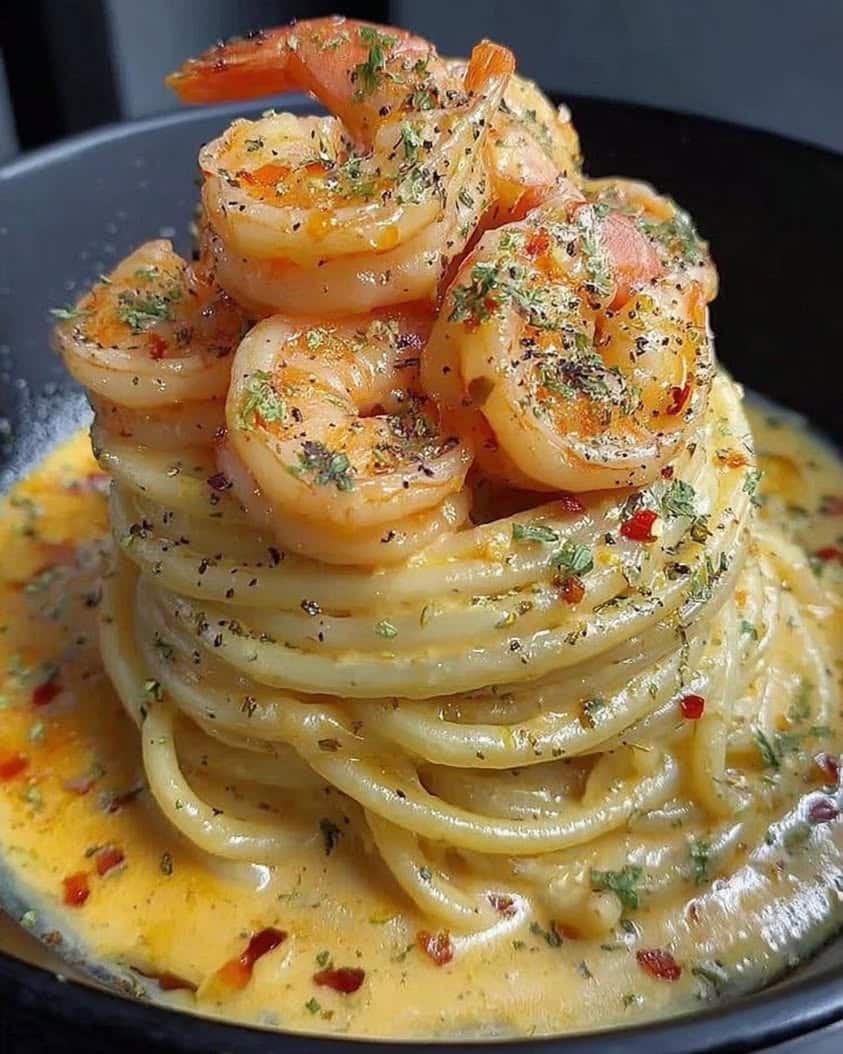
The Ultimate Creamy Shrimp Linguine Explosion for Weeknight Dinners
The Ultimate Creamy Shrimp Linguine Explosion is the kind of dish that transforms an ordinary Tuesday into a special occasion. This recipe brings together succulent shrimp, al dente linguine, and a velvety garlic cream sauce that coats every single strand of pasta. As the sauce simmers, the aroma of garlic and fresh herbs fills your kitchen, creating an anticipation that makes the first bite even more rewarding. This creamy shrimp linguine explosion delivers restaurant-quality results without requiring you to leave the comfort of your home.
What makes this creamy shrimp linguine explosion truly special is its perfect balance of rich flavors and satisfying textures. The shrimp are seared to golden perfection, developing a sweet caramelized exterior while remaining tender and juicy inside. The cream sauce dances with notes of white wine, Parmesan cheese, and a hint of lemon zest that brightens the entire dish. Each forkful delivers silky pasta coated in luxurious cream, punctuated by plump shrimp and finished with fresh parsley for a pop of color and freshness.
Therefore, this recipe is designed for busy home cooks who crave something extraordinary without spending hours in the kitchen. The entire process takes just thirty minutes from start to finish, making it achievable even on the most hectic weeknights. Moreover, the ingredients are simple and readily available at any grocery store, yet they combine to create something truly memorable. Whether you are cooking for your family or impressing dinner guests, this creamy shrimp linguine explosion will become your go-to recipe for countless occasions.
Quick Recipe Highlights
- Flavor Profile: This dish features a harmonious blend of sweet shrimp, savory garlic, rich cream, nutty Parmesan, and bright lemon. The white wine adds a subtle acidity that cuts through the richness, while red pepper flakes provide a gentle warmth that lingers pleasantly.
- Texture: The silky smooth cream sauce clings beautifully to the al dente linguine, creating a luxurious mouthfeel. The shrimp offer a satisfying snap with each bite, while the toasted garlic bits add a delicate crunch that enhances the overall experience.
- Aroma: The intoxicating fragrance of sautéed garlic and shallots in butter forms the aromatic foundation. As the cream and wine incorporate, a sweet and savory scent emerges, finished with the fresh herbal notes of parsley and the bright citrusy aroma of lemon zest.
- Visual Appeal: This dish presents beautifully with glossy linguine draped in a pale golden sauce, punctuated by coral-pink shrimp. Fresh green parsley and a final dusting of Parmesan create an appetizing contrast that makes the plate Instagram-worthy.
- Skill Level Needed: This recipe falls comfortably within the easy category, requiring basic cooking techniques like sautéing, boiling, and simmering. Even novice cooks can achieve excellent results by following the straightforward steps and paying attention to timing.
- Special Equipment: You will need a large pot for boiling pasta, a deep skillet for the sauce, a fine grater for the Parmesan, and a sharp chef’s knife. No specialized gadgets are required, making this an accessible recipe for any kitchen.
Recipe Overview
- Difficulty Level: This recipe earns its easy rating because the steps are straightforward and forgiving. The sauce comes together quickly without requiring advanced techniques like reducing over high heat or tempering eggs. Even with minimal cooking experience, you can confidently prepare this dish, and the generous margin for error ensures consistent results.
- Category: This creamy shrimp linguine explosion serves as a complete main course that satisfies fully on its own. It also works beautifully as a dinner party centerpiece or a romantic date-night meal. Although it shines as a dinner entree, the leftovers make a delightful lunch that can be enjoyed cold or gently reheated.
- Cuisine: This recipe draws inspiration from classic Italian-American cooking, which has its roots in Southern Italian coastal regions. The combination of seafood, pasta, cream, and wine reflects the resourcefulness of Italian immigrants who adapted their traditional dishes to American ingredients. This culinary fusion has produced beloved dishes that now appear on menus across the United States and beyond.
- Cost: The ingredients are moderately priced with shrimp being the most significant expense at approximately eight to ten dollars. The other components like pasta, cream, Parmesan, and pantry staples add only a few dollars to the total. Overall, this recipe costs around fifteen dollars for four generous servings, making it remarkably economical compared to restaurant prices.
- Season: This dish shines during the winter months when creamy comfort food is most appealing, but it satisfies year-round. During summer, you can lighten the sauce with fresh tomatoes and basil for a seasonal twist. Spring brings opportunities to incorporate fresh peas or asparagus, while autumn pairs beautifully with roasted butternut squash.
- Occasion: This creamy shrimp linguine explosion fits a variety of occasions, from casual family dinners to elegant dinner parties. It also makes a wonderful meal for Valentine’s Day, anniversaries, or other romantic celebrations. Because it comes together so quickly, you can even prepare it for a festive weeknight meal to break up the monotony of everyday cooking.
Why You’ll Love This Recipe
First and foremost, the taste experience is absolutely extraordinary. The sweet, briny shrimp perfectly complement the rich, savory cream sauce with its layers of garlic, shallots, and white wine. Moreover, the nutty Parmesan adds depth and umami that elevates the entire dish beyond typical pasta recipes. Furthermore, the lemon zest brightens everything, preventing the cream from feeling too heavy while adding a refreshing citrus note that lingers after each bite.
Secondly, the convenience factor cannot be overstated because the entire dish comes together in just thirty minutes. There is no lengthy marinating, no complicated techniques, and no special equipment required. Consequently, you can have a restaurant-quality meal on the table even after a long day at work. In addition, the one-pan method for the sauce minimizes cleanup and simplifies the cooking process considerably.
Thirdly, the nutritional advantages make this recipe a smart choice for balanced eating. Shrimp is lean protein that is low in calories but rich in selenium, vitamin B12, and omega-3 fatty acids. The Parmesan provides calcium and protein, while the pasta offers complex carbohydrates for sustained energy. Although cream adds richness, you can control the amount or substitute lighter alternatives without sacrificing too much flavor.
Fourthly, this recipe delivers impressive social value because it looks and tastes much more complicated than it actually is. Therefore, you can confidently serve this to guests, knowing that they will be wowed by the elegant presentation and complex flavors. For entertainers, this dish allows you to spend less time in the kitchen and more time socializing with your company while still presenting something truly special.
Finally, the cost-effectiveness and accessibility of ingredients make this recipe a practical choice. Shrimp, pasta, and cream are all budget-friendly items available at any grocery store. Additionally, most of the other ingredients like garlic, onions, and spices are likely already in your pantry. Since this recipe yields four generous portions, you can stretch your food budget while still enjoying a luxurious meal that feels indulgent and satisfying.
Historical Background and Cultural Significance
The combination of pasta and seafood has deep roots in Italian culinary traditions, particularly along the coastal regions of Southern Italy. Consequently, dishes like spaghetti alle vongole and linguine with clams have been enjoyed for centuries. When Italian immigrants arrived in America during the late nineteenth and early twentieth centuries, they adapted their traditional recipes to incorporate American ingredients and tastes. Moreover, the abundant shrimp available in American waters quickly became a popular addition to pasta dishes, eventually leading to the development of shrimp scampi and similar preparations.
Furthermore, the creamy version of this dish emerged during the mid-twentieth century as Italian-American restaurants gained popularity across the United States. Suddenly, rich and indulgent preparations that used heavy cream became synonymous with upscale dining. The addition of cream to savory pasta sauce was partly influenced by French culinary techniques that many Italian chefs learned while working in fine dining establishments. Additionally, the post-war prosperity allowed more families to afford luxury ingredients like shrimp and cream for home cooking, making these dishes more accessible than ever before.
Moreover, the evolution of this creamy shrimp linguine explosion reflects broader culinary trends toward flavor fusion and creativity. Recipe developers began experimenting with different ingredients, adding white wine for acidity, lemon for brightness, and red pepper flakes for heat. These innovations transformed a simple pasta dish into a complex layering of flavors and textures. Furthermore, the rise of food media and television cooking shows in the 1990s and 2000s brought these dishes into American homes, inspiring home cooks to recreate restaurant favorites in their own kitchens.
Regional variations across the United States demonstrate the versatility and adaptability of this beloved dish. In the Pacific Northwest, chefs often incorporate locally sourced Dungeness crab alongside the shrimp. Additionally, along the Gulf Coast, the shrimp might be blackened or grilled before being added to the pasta. Moreover, in Italian-American communities on the East Coast, you might find the addition of broccoli or peas for extra color and nutrition. Consequently, these regional adaptations showcase how a classic foundation can be personalized to reflect local ingredients and preferences while maintaining its essential character.
Ingredient Deep Dive
Shrimp is the star of this dish, and its significance in global cuisine dates back thousands of years. Moreover, shrimp has been harvested from coastal waters since ancient times in Mediterranean, Asian, and American cultures. Therefore, this versatile crustacean has developed rich culinary traditions across diverse societies. Furthermore, shrimp is incredibly nutritious, offering high-quality protein, essential minerals like zinc and iodine, and antioxidants that support overall health. Additionally, its quick cooking time makes it perfect for busy weeknight meals, and the sweet, delicate flavor pairs beautifully with a wide range of sauces and seasonings.
When selecting shrimp for this creamy shrimp linguine explosion, look for specimens that are firm, translucent, and free from any fishy odor. In fact, fresh shrimp should have a mild sea-breeze scent, not an overwhelming ammonia smell. You can choose either wild-caught or responsibly farmed varieties depending on availability and personal preference. For storage, keep shrimp in the coldest part of your refrigerator on a bed of ice and use them within one to two days of purchase. If you need to substitute, consider using scallops, chicken breast, or firm white fish like cod, although each will yield a different flavor profile and texture experience.
Parmesan cheese, another cornerstone ingredient, brings a salty, nutty complexity that enhances the overall sauce beautifully. Therefore, freshly grated Parmesan from a wedge will always deliver superior flavor compared to pre-shredded versions. Moreover, true Parmigiano-Reggiano from Italy carries specific PDO certification that guarantees authentic production methods. Additionally, the nutritional value of Parmesan includes substantial calcium and protein, offering an excellent alternative to processed cheese products. When not using Parmesan, you can substitute Pecorino Romano for a sharper flavor or Grana Padano for a more accessible option at a lower price point.
Heavy cream provides the luxurious base for your sauce, contributing richness and body that coats the linguine perfectly. Moreover, cream selection matters because light cream or half-and-half will produce a thinner sauce with reduced flavor impact. Therefore, for truly decadent results, use heavy whipping cream with a fat content of at least 36 percent. Additionally, cream is a concentrated source of fat-calories, so mindful portion control is recommended for those watching their intake. For substitutions, you might try coconut milk for a dairy-free option, although it will impart a subtle tropical note that may not suit every preference.
White wine typically plays a supporting role in this dish, yet it significantly influences the final flavor profile. Consequently, choose a dry white wine such as Sauvignon Blanc, Pinot Grigio, or an unoaked Chardonnay that you would happily drink. The bright acidity in these wines helps balance the richness of the cream while adding a complex fruity dimension that water cannot replicate. Moreover, the alcohol evaporates during cooking, leaving only flavor compounds behind for your enjoyment. For a non-alcoholic substitute, use chicken broth combined with a splash of lemon juice and a touch of white wine vinegar to mimic the acidity and complexity.
Common Mistakes to Avoid
- Overcooking the shrimp is perhaps the most frequent error because shrimp cook incredibly quickly. Once they turn pink and opaque, they are done and will become rubbery if left any longer. Therefore, remove the shrimp from the heat promptly and only return them to the pan at the very end of the cooking process.
- Using pre-grated Parmesan is a common shortcut that compromises flavor significantly. The anti-caking agents in packaged shredded parmesan prevent smooth melting and add an unpleasant powdery texture. Always purchase a solid wedge and grate it fresh for the creamiest sauce with maximum flavor impact.
- Boiling the cream sauce too vigorously can cause it to separate or curdle, ruining the smooth texture. Consequently, keep the heat at a gentle simmer and stir frequently to ensure the sauce emulsifies properly. The cream should gently bubble rather than aggressively boil.
- Failing to salt the pasta water leads to bland noodles that dilute the overall flavor of your dish. Furthermore, you want the pasta itself seasoned properly so it does not rely only on the sauce for flavor. Use generous salt in the pasta water, approximately one to two tablespoons per gallon.
- Draining the pasta completely and skipping reserved pasta water results in a sauce that struggles to coat the noodles effectively. Therefore, reserve at least a cup of starchy cooking water before draining. This liquid will smooth out the sauce and help it cling beautifully to each strand.
- Adding too much red pepper flakes can overwhelm the delicate shrimp and cream flavors. Consequently, start with a conservative pinch and taste, then adjust according to your heat preference. Remember that you can always add more later but cannot remove excess heat once added.
- Cooking the garlic too aggressively will result in a bitter, burnt taste that spoils the entire sauce. Therefore, cook garlic just until fragrant, about thirty to forty-five seconds, and never let it brown deeply. The gentle heat of the pan at medium-low temperature is ideal for this crucial step.
- Overloading the skillet with shrimp simultaneously lowers the pan temperature, causing them to steam instead of sear. Consequently, this leads to bland, gray, and rubbery shrimp. Cook in a single layer and work in batches if necessary to achieve proper browning.
- Adding cold cream directly to a hot pan can cause temperature shock, increasing the risk of curdling. Therefore, allow the cream to come to room temperature before incorporating it into your sauce by setting it out while preparing other ingredients.
- Undercooking the linguine because it will continue to cook when tossed with the sauce results in mushy pasta the next day. Therefore, cook the pasta to just shy of al dente in boiling water. This slight under-cooking allows the noodles to finish cooking in the sauce without becoming soggy.
Essential Techniques
Properly searing shrimp requires selecting the right pan and managing heat precisely. First, use a heavy-bottomed skillet that distributes heat evenly for consistent browning. Heat your pan over medium to medium-high heat before adding oil, waiting until the surface is properly hot, then add the shrimp. Furthermore, ensure each shrimp touches the hot pan surface completely, and resist the urge to move them for at least two minutes. The visual cue of golden-brown edges and a bright pink color signals that the shrimp are perfectly seared. Mastering this step adds caramelized flavor and appealing color that enhance the entire dish immensely.
Making a proper roux forms the backbone of your creamy sauce. Consequently, start by melting butter gently until it foams and then subsides, indicating the butter has reached optimal temperature. Add the flour and stir continuously for about two minutes until the mixture smells nutty but shows no color change. The roux should have a smooth, paste-like consistency with no lumps remaining. Furthermore, adding the liquid gradually while whisking constantly prevents clumping and ensures even thickening. The visual indicator is a glossy sauce that lightly coats the back of a spoon when ready, signaling proper consistency.
Mastering the pasta-water technique significantly impacts the final dish quality. Therefore, always salt your water generously until it tastes like the ocean, because this is the only chance to season the pasta from within. Moreover, cook the linguine to one to two minutes less than the package recommendation for al dente and reserve one cup of the starchy cooking water. This liquid is golden for pasta dishes because its starch content helps thicken and emulsify the sauce. Additionally, the salted water adds flavor while the starch creates body that transforms your sauce into a silky, clinging coating for the pasta.
Pro Tips for Perfect Creamy Shrimp Linguine Explosion
Begin by patting the shrimp completely dry with paper towels before seasoning. Therefore, excess moisture can lower the pan temperature and inhibit browning, preventing the development of those delicious caramelized flavors. As a result, your shrimp will cook more evenly and achieve a better texture throughout.
Consider reserving the shrimp shells to make a quick stock while your pasta cooks. This added liquid depth will elevate the sauce flavor dramatically because the shells contain concentrated shellfish essence. Moreover, simmer the shells in the wine or stock, then strain and use this flavored liquid in your recipe instead of plain liquids.
Always grate your Parmesan cheese finely, using a microplane or the small holes of a box grater. This fine texture allows the cheese to melt instantly into the sauce without clumping or leaving gritty residue. Furthermore, add the cheese in small handfuls while stirring constantly, ensuring each batch incorporates fully before adding more.
When adding lemon juice, do so off the heat and taste carefully between additions. Thus, you can control the acidity level to achieve that perfect balance between rich and bright. Additionally, the lemon zest provides aromatic oils that enhance flavor with less impact on the sauce texture than the juice provides.
For optimal flavor development, make the sauce slightly thinner than you prefer before adding the pasta. Consequently, the pasta will absorb some liquid, causing the sauce to thicken as it coats the noodles. This absorbing action ensures the flavor permeates every strand rather than staying separate atop the pasta.
Finish the dish with a generous knob of cold butter stirred in off the heat, which creates a glossy, silky sheen through emulsion. This French technique, known as monter au beurre, elevates the sauce to professional levels and adds rich, velvety mouthfeel. Therefore, do not skip this final touch, as it transforms good sauce into exceptional sauce.
Variations and Adaptations
Regional variations across Italy and Italian-American communities showcase the adaptability of this versatile dish. Additionally, along the Amalfi Coast, you might find a lighter interpretation with fresh tomatoes, garlic, and a splash of local white wine. Consequently, this southern Italian version highlights the sweetness of the seafood while relying on juices from ripe tomatoes rather than cream. The dish may also be prepared with red clam sauce and additional seafood selections served over linguine, demonstrating the endless possibilities based on regional preferences and available ingredients.
Seasonal adaptations can transform this creamy shrimp linguine explosion throughout the year while keeping the essential character intact. Therefore, spring versions might incorporate fresh peas, asparagus tips, or wild ramps for vibrant color and earthy freshness. Summer brings opportunities to fold in cherry tomatoes, zucchini ribbons, and fresh corn for sweetness and texture. Autumn corn, roasted pumpkin seeds, and spinach can add nuttiness and depth. Furthermore, winter combinations could include roasted mushrooms and kale while maintaining the comforting cream base through colder months.
For dietary modifications, you can easily adjust this recipe for various nutritional needs without compromising flavor substantially. To make this dish gluten-free, substitute the linguine with brown rice pasta or chickpea rotini and use gluten-free all-purpose flour for the roux. Additionally, choose large shrimp to avoid any cross-contamination concerns, and verify that your Parmesan cheese is certified gluten-free. For a lighter option, you can substitute half-and-half mixed with a little cornstarch instead of heavy cream to reduce fat while preserving viscosity.
Flavor variations offer creative freedom to personalize this creamy shrimp linguine explosion to your taste preferences. Moreover, consider adding smoked paprika or cayenne for a subtle smoky warmth that complements the shrimp beautifully. Furthermore, a splash of brandy or cognac can introduce an elegant depth that enhances the dish for special occasions when you want to impress. Similarly, herbes de Provence or fresh tarragon provide an anise-like freshness that pairs remarkably well with seafood and cream sauce.
Serving and Presentation Guide
Plating this dish beautifully begins with twirling the linguine into a neat nest shape. Therefore, use tongs to grab a serving of pasta and twist it onto itself, then place it in the center of a shallow bowl. Following this, arrange several shrimp elegantly on top or around the side, allowing them to show off their golden crust. Additionally, begin the presentation off-center rather than in the middle to create a more modern, dynamic look that appeals to food enthusiasts.
Garnishing ideas can elevate your presentation while adding flavor and color to the composed plate. Consequently, finish the dish with a generous scattering of freshly chopped parsley or chives, which adds green color and a mild, savory onion note. Furthermore, grate just a touch of additional Parmesan over the top for texture and smell, creating visual appeal and anticipation. A sprinkle of red pepper flakes adds spicy red flecks and sophistication, while a final drizzle of high-quality olive oil imparts fruitiness and sheen.
Traditional accompaniments for this dish include crusty bread for sopping up the delicious sauce, and you will want every last drop. Additionally, a simple green salad with a bright vinaigrette offers a crisp counterpoint and balances the rich, creamy meal nicely. For authentic presentation, serve this dish in wide, shallow bowls with fresh basil leaves tucked into the pasta. Pair with either caprese salad or roasted vegetables to round out your dining experience with texture variety and nutritional completeness.
Modern serving suggestions encourage creativity and personalization for contemporary palates. For modern presentation styles, serve an artistic version using less sauce and adding microgreens for both visual flair and flavor. Additionally, offer optional toppings like toasted breadcrumbs mixed with lemon zest, which bring a crispy, crunchy element. For brunch, consider serving this creamy shrimp linguine explosion in individual ramekins topped with a poached egg. Alternatively, spoon it over creamy polenta base turns this recipe into a completely different presentation experience.
Temperature considerations affect both flavor and texture significantly, so serve this dish hot and fresh right from the pan. Furthermore, prepare the dish just before serving rather than letting it sit, because the sauce can thicken and cling unevenly as it cools. If preparing ahead, reheat the pasta gently with an extra splash of cream or pasta water to restore its original saucy consistency. Additionally, serve the shrimp at room temperature if you have allowed the dish to cool, then warm it briefly, since shrimp can become rubbery when reheated too aggressively.
Portion control tips help you manage serving sizes while maintaining satisfaction, especially for health-conscious diners or dinner parties. Consequently, plan approximately one-quarter pound of shrimp and two ounces of dry pasta per person. This serving size works well for larger shrimp with side dishes, and will feel generous while preventing overindulgence. For most adults, a portion of about one and a half cups provides satisfying portions without excessive calories. If serving as a starter, halve the portion size. As a main course, this recipe comfortably feeds four people with modest appetites, or you can stretch it with additional vegetables and salad for larger gatherings.
Wine and Beverage Pairing
Wine pairing for this creamy shrimp linguine explosion becomes an opportunity to enhance the dining experience through complementary flavors. Additionally, a crisp Sauvignon Blanc from either New Zealand draws out the citrus notes and cuts through the cream sauce effectively. Furthermore, Pinot Grigio, especially from the Friuli region, possesses bright acidity and mineral notes that pair beautifully with shrimp. Consequently, these white wines cleanse the palate between bites while refreshing your taste buds from each new encounter.
Non-alcoholic alternatives provide equally satisfying beverage options for those who do not drink alcohol but still want accompaniment. For this recipe, an Italian soda blended with fresh lime and a sprig of basil over ice offers an elegant presentation. Moreover, a sparkling water with muddled cucumber adds refreshing herbal notes and complements the cream sauce nicely alongside the dish. Therefore, consider the flavor components within your meal and choose beverages with similar bright, fresh accents to enhance your overall satisfaction.
Coffee and tea pairings might seem unusual for pasta, but these beverages can actually complement this dish in certain moments. When serving this as a main course for lunch, a cup of green tea provides a clean, slightly bitter balance to the rich cream sauce, with subtle savoriness that pairs with seafood. For an Italian-inspired combination, serve espresso after dinner to cleanse the palate and contrast with the creamy meal. Thus, these caffeinated beverages function as digestive aids and palate cleansers rather than accompaniment during the meal itself.
Temperature considerations for beverages play a significant role in achieving the best pairing experience. White wines should be served well chilled, between 45 and 50 degrees Fahrenheit, because cold temperatures enhance their crispness while maintaining acidity, and this crispness cuts through fats from the cream, preventing heaviness. Additionally, sparkling beverages including prosecco or sparkling water work best thoroughly chilled to maintain lively carbonation. Therefore, chill your selected beverages adequately before serving, but avoid over-chilling which can numb the palate.
Serving suggestions enhance both wine and non-alcoholic experiences equally when presenting this delicious dish. For an Italian evening, first serve the creamy shrimp linguine explosion with four ounces of your chosen wine, then offer a second pour only after guests have finished. This pacing approach keeps the entire dining experience balanced and enjoyable without overwhelming the senses. Consider setting out small glass carafes of water with lemon slices to refresh the palate between wine sips and delicious bites.
Storage and Shelf Life
Proper storage methods for this creamy shrimp linguine explosion begin with using an airtight container in the refrigerator immediately after cooling. Consequently, the cooked pasta mixture can be refrigerated for up to three days, although you should consume it as soon as possible for the best quality and taste. Furthermore, cool the dish completely before refrigerating to prevent condensation from creating watery texture. Therefore, when ready to serve leftovers, you can reheat only the portion you plan to eat, avoiding repeated temperature fluctuations that degrade quality each time.
Temperature requirements are crucial because this dish contains shrimp and cream, both of which are perishable ingredients that need careful handling. Therefore, refrigerate promptly at temperatures below 40 degrees Fahrenheit, never leaving it out at room temperature for more than two hours. Additionally, if you are serving at an outdoor gathering during warm weather, minimize time at room temperature significantly, as warm temperatures accelerate bacterial growth. Thus, aim to keep leftovers chilled and consume them within the recommended three-day window for the highest safety and flavor integrity.
Container recommendations prioritize materials that seal tightly to preserve moisture while preventing absorption of other food odors. Therefore, glass containers with locking lids work extremely well because they are nonporous and do not retain lingering flavors from previous uses. Moreover, plastic containers also work well; just ensure they are food-grade, BPA-free, and microwave-safe for reheating. Additionally, if you are freezing portions, choose containers specifically designed for freezer use to prevent cracking from temperature changes.
Signs of spoilage are important to recognize for food safety and pleasant dining experience. The visual indicators include separation or curdling of the cream sauce and any color change to gray tones. Furthermore, texture cues offer significant guidance, such as excessive sliminess on the shrimp or cloudiness in the sauce. A sour or off-putting odor definitely indicates that the dish should be discarded immediately. Trust your senses and when in doubt, throw it out, as foodborne illness is not worth the risk.
Reheating instructions for this creamy shrimp linguine explosion require gentle heat to restore the creamy texture without damaging the seafood. First, transfer the desired portion to a skillet and add a splash of milk or chicken broth to restore moisture and silkiness. Then, warm over medium-low heat while stirring gently until heated through, about three to five minutes. Furthermore, avoid using a microwave if possible because it can make the shrimp rubbery and cause the sauce to separate. If you must use a microwave, use medium power in thirty-second intervals with stirring between each interval.
Freezing guidelines allow you to store this dish for longer-term convenience if you plan carefully. Therefore, the best approach is to freeze only the shrimp and sauce separately from the cooked pasta, since pasta becomes mushy and unappealing when frozen. When properly stored in freezer-safe bags or containers, this mixture maintains quality for up to two months. Additionally, thaw overnight in the refrigerator rather than at room temperature to maintain safe food handling practices. After that, gently reheat the sauce and shrimp mixture and toss with freshly cooked al dente pasta for a fresh-tasting meal.
Make Ahead Strategies
Prep timeline strategies help you manage busy schedules without sacrificing quality or flavor. Moreover, you can devein and peel the shrimp a day beforehand, storing them in a covered container in the refrigerator with paper towels to absorb excess moisture. Additionally, grate the Parmesan, mince garlic, and chop shallots up to two days in advance, keeping each component separate. Consequently, the actual cooking process becomes streamlined because all your prep work has already been completed, reducing stress and saving time during the evening rush.
Storage between steps requires careful attention to maintain quality and preserve the integrity of each component. Therefore, any prepped shrimp, vegetables, or ingredients should be stored in separate airtight containers to prevent flavor transfer. If you are cooking the sauce ahead of time, you can refrigerate it separately for up to two days, then reheat gently with a splash of cream when ready to serve. Moreover, if you plan to make the entire dish ahead, undercook the pasta slightly to compensate for better reheating and final texture quality.
Quality impact assessment should guide your make-ahead decisions because some steps freeze better than others. Therefore, freshly cooked pasta will deliver significantly better results than frozen pasta, which tends to lose its toothsome texture during storage. However, the sauce, without pasta, freezes acceptably, although slightly shiny graininess may develop as cream sauce reheats. The shrimp freeze best when they are tossed separately in olive oil and then frozen quickly on a parchment-lined tray before bagging, with quality retained for approximately one month.
Assembly tips for make-ahead preparations can significantly simplify the final cooking process. Before serving, have all components ready and at various stages, so the final assembly takes mere minutes. Additionally, once you have your sauce and linguine ready, combine them quickly without crowd, tossing gently over low heat. Then, prepare your desired portion sizes and store remaining components separately for later meals. Furthermore, set out any optional garnishes like fresh parsley, lemon wedges, or additional Parmesan before you begin cooking for restaurant-style presentation.
Reheating guidelines for make-ahead versions emphasize gentleness and patience to achieve the best texture results. Thus, reheat the sauce over low heat in a saucepan, adding small amounts of cream or broth to restore its original consistency. If the sauce is too tight after refrigerating, additional liquid will naturally loosen it to a silky texture again. Moreover, saute shrimp in a separate pan for just one minute per side if reheating, because this method brings back some browning without overcooking the tender seafood.
Fresh element additions can brighten reheated make-ahead versions considerably, restoring that just-cooked flavor. Consequently, squeeze fresh lemon juice over the top before serving to rebalance and brighten the richness of the reheated sauce. Additionally, toss in fresh herbs like parsley or chives at the very end to bring back herbaceous freshness that faded during storage. With these simple additions, you can transform leftovers into something that tastes remarkably close to the original freshly prepared dish, making make-ahead meals both practical and satisfying.
Scaling Instructions
Halving the recipe for smaller households requires careful adjustments to maintain the correct proportions and prevent overcooking. First, keep the sauce ingredient ratios except for the pasta and shrimp, whereby you will reduce those amounts proportionally to about eight ounces of pasta and one half pound of shrimp. Consequently, you must select a smaller skillet so the ingredients maintain proper depth and cook efficiently. The total cooking time remains roughly the same because the pasta and shrimp cook at the same rate. Therefore, use the same cooking times and focus on visual and texture cues like color and tenderness to determine doneness.
Doubling or tripling the recipe for a crowd requires planning for larger equipment and appropriate techniques. Furthermore, choose a larger stockpot with at least an eight-quart capacity for simmering the sauce if you double the amount. If you double the recipe, always brown the shrimp in batches to avoid overcrowding, or you may use two skillets simultaneously to speed the process. The overall cooking time will increase somewhat because batching adds additional time to the process. However, the recipe scales well because most measurements are flexible, with flour, wine, and seasonings adaptable to your taste preference.
Equipment adjustments become necessary when scaling this creamy shrimp linguine explosion for larger groups. Consequently, expect to use a pot with a capacity of at least ten quarts to accommodate boiling the linguine and making the sauce. Therefore, have a larger skillet or a wide Dutch oven for searing shrimp and building the sauce, which ensures adequate surface area and quick heating. Furthermore, keep extra tongs and serving utensils on hand for this larger batch. Additionally, use a ladle to portion the finished dish into individual bowls to make serving as manageable as possible.
Timing modifications appear in cooking time when you scale this dish because heat distribution varies with volume and equipment. An efficient method involves starting the sauce before or simultaneously with heating pasta water, thereby overlapping the cooking processes. Also, you can completely cook the sauce and shrimp, then hold them off heat while you finish the pasta. Therefore, this approach works quite well for events where you want to serve everything at once without the entire dish becoming cold. While the sauce rests, its flavors meld and deepen, improving the overall taste and reducing final assembly time.
Storage considerations for scaled-up preparation can be managed easily if you choose the right containers and methods. A larger portion can be refrigerated for up to three days just like the smaller recipe, provided that you use a large enough airtight container for food safety and quality. For larger batches, consider chilling the dish in shallow containers for faster, even cooling before transferring to larger storage. Since freezing works best without the pasta, plan accordingly if you anticipate leftovers, and freeze the sauce separately in quart-size freezer bags for easier rehe Print
Creamy Shrimp Linguine Explosion
- Total Time: 35 minutes
- Yield: 4
Description
A rich and indulgent pasta dish featuring succulent shrimp in a creamy garlic Parmesan sauce, tossed with linguine and a hint of lemon. This explosion of flavor is perfect for a special dinner.
Ingredients
- 12 oz linguine
- 1 lb large shrimp, peeled and deveined
- 2 tbsp olive oil
- 3 cloves garlic, minced
- 1 cup heavy cream
- 1/2 cup chicken broth
- 1 cup grated Parmesan cheese
- 1 tsp lemon zest
- 1 tbsp lemon juice
- 1/2 tsp red pepper flakes (optional)
- Salt and black pepper to taste
- 2 tbsp chopped fresh parsley for garnish
Instructions
- Cook linguine according to package instructions until al dente. Drain and set aside, reserving 1/2 cup of pasta water.
- Season shrimp with salt and pepper. Heat olive oil in a large skillet over medium-high heat. Add shrimp in a single layer and cook for 1-2 minutes per side until pink and opaque. Remove shrimp from skillet and set aside.
- Reduce heat to medium and add garlic, sauté for 1 minute until fragrant. Pour in chicken broth and scrape any browned bits from the bottom of the pan. Bring to a simmer and let reduce slightly, about 2 minutes.
- Stir in heavy cream and bring to a gentle simmer. Add Parmesan cheese and stir until melted and sauce is smooth. Season with lemon zest, lemon juice, red pepper flakes, salt, and pepper.
- Add cooked linguine and shrimp to the sauce, tossing to coat. If sauce is too thick, add reserved pasta water a little at a time until desired consistency.
- Garnish with fresh parsley and serve immediately.
Notes
You can customize the seasonings to taste. Substitute cream with half-and-half for a lighter sauce, or add sun-dried tomatoes for extra depth.
- Prep Time: 15 minutes
- Cook Time: 20 minutes
- Method: Main
- Cuisine: Italian-American