The Ultimate Citrus Beet & Avocado Glow Salad Recipe for Radiant Skin
Have you ever craved a salad that feels like a celebration for your senses? This Citrus Beet & Avocado Glow Salad recipe for radiant skin transforms simple ingredients into a stunning dish that delivers flavor and nutrition. The first bite introduces a burst of bright citrus juice that wakes up your palate. Then the creamy avocado melts on your tongue, coating every vegetable morsel in pure luxury. Roasted beets add an earthy sweetness that balances the tangy dressing perfectly. This combination creates a meal that feels both indulgent and incredibly healthful. You will find yourself reaching for seconds, not because you are hungry, but because your body craves more of these vibrant nutrients.
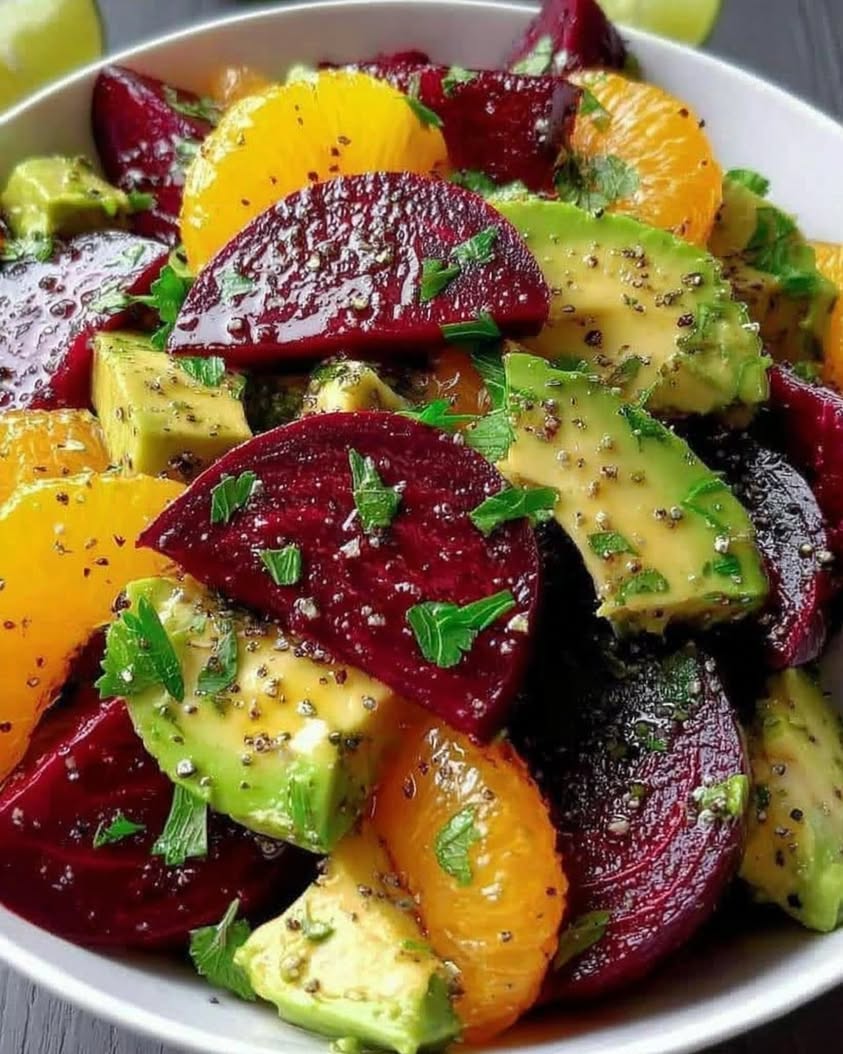
Preparing this salad requires no cooking skills at all. You simply chop, toss, and serve for an effortless meal that looks restaurant-worthy. The vibrant colors alone make it a showstopper on any table. Deep magenta beets sit alongside emerald greens and creamy white avocado slices. Orange segments add jewel-toned brightness that catches the light beautifully. This recipe works wonderfully as a light lunch or a stunning side dish for dinner parties. Each serving provides a generous dose of vitamins, antioxidants, and healthy fats that support glowing skin. The combination of citrus and beets creates a detoxifying effect that leaves you feeling refreshed and energized.
This Citrus Beet & Avocado Glow Salad recipe for radiant skin specifically targets skin health through its ingredient synergy. Beets contain betalains that reduce inflammation and support liver detoxification. Avocados deliver monounsaturated fats that keep skin supple and hydrated. Citrus fruits provide vitamin C for collagen production and brightening effects. Together these ingredients create a powerful beauty boost that works from the inside out. You will notice improvements in your skin texture and tone after just a few servings. This recipe proves that eating for beauty does not require complicated preparations or expensive ingredients. It simply requires a commitment to nourishing your body with whole foods.
Quick Recipe Highlights
- Flavor Profile: This salad offers a complex interplay of sweet roasted beets, tangy citrus vinaigrette, and creamy avocado. The dressing adds a zesty punch that brightens every component. A touch of honey balances the acidity for a perfectly rounded taste.
- Texture: You experience multiple textures with every forkful. Crisp arugula provides a peppery crunch while soft avocado melts into creamy pockets. Tender beet cubes offer a satisfying chew that contrasts beautifully with fresh orange segments.
- Aroma: Fresh citrus zest and juice create an invigorating scent that fills your kitchen. Earthy beets provide a grounding note that balances the bright top notes. Toasted walnuts add a nutty warmth that completes the aromatic profile.
- Visual Appeal: The color palette alone makes this salad a feast for the eyes. Rich burgundy beets contrast with vibrant orange citrus and pale green avocado. Dark arugula leaves create a dramatic backdrop that makes every ingredient pop.
- Skill Level Needed: This recipe requires absolutely no cooking experience. Basic knife skills help you create uniform pieces for even presentation. Anyone can master this salad on their first attempt with very little effort.
- Special Equipment: You need a sharp chef knife and a large mixing bowl for preparation. A citrus juicer helps extract fresh juice easily for the dressing. A vegetable peeler simplifies beet preparation if you prefer raw beets.
Recipe Overview
- Difficulty Level: This recipe earns an easy rating because it involves no cooking whatsoever. You simply prepare ingredients and assemble them in a bowl. The steps are intuitive and forgiving, making it perfect for beginner cooks. Even children can help with this recipe safely.
- Category: This dish works beautifully as a main course salad for lunch or a hearty side for dinner. It complements grilled proteins like chicken or fish perfectly. You can also serve it as a light appetizer for special occasions.
- Cuisine: This recipe draws inspiration from Mediterranean and California cuisine traditions. The use of fresh produce and simple preparations reflects West Coast cooking philosophies. Citrus and avocado combinations appear frequently in coastal regions with abundant fresh ingredients.
- Cost: This salad costs approximately eight to twelve dollars for four servings at typical grocery prices. Avocados and beets are generally affordable year-round. Citrus fruits become especially budget-friendly during peak winter season when prices drop significantly.
- Season: Winter and early spring provide the best citrus varieties for this recipe. Blood oranges and grapefruits peak during these cooler months. Beets are available year-round but taste sweetest when harvested in fall and winter.
- Occasion: This salad suits casual weeknight dinners and formal holiday gatherings equally well. Its stunning presentation makes it perfect for brunch parties and potlucks. You can also prepare it for meal prep lunches throughout the work week.
Why You Will Love This Recipe
The taste and texture combination in this salad creates an unforgettable eating experience that keeps you coming back for more. Sweet roasted beets provide a rich foundation that anchors the entire dish. Creamy avocado adds luxurious mouthfeel that transforms simple vegetables into something special. Tangy citrus dressing cuts through the richness perfectly, preventing any heaviness. Every bite offers a different combination of flavors and textures that keeps your palate engaged. You will appreciate how the ingredients complement each other without overpowering. The balance is so precise that each component shines individually while contributing to the whole. This careful harmony makes the salad satisfying enough for a main course.
Convenience is perhaps the most appealing aspect of this recipe for busy home cooks. You can prepare the entire salad in under fifteen minutes with minimal effort. The ingredients require very little preparation beyond basic chopping and juicing. There is no heating or cooking involved whatsoever, making it perfect for hot summer days. Cleanup takes only a few minutes since you use just one bowl and a knife. You can easily double the recipe for parties without increasing your workload significantly. The simple preparation means you can whip this up even on your busiest weeknights. This recipe proves that healthy eating does not require hours in the kitchen.
Nutritional advantages make this salad a true powerhouse for overall health and wellness. Beets contain nitrates that improve blood flow and lower blood pressure naturally. Avocados provide potassium that supports heart function and muscle recovery. Citrus fruits offer immune-boosting vitamin C that helps fight off seasonal illnesses. The combination of fiber from vegetables and healthy fats from avocado keeps you full for hours. You get a substantial meal that supports weight management without feeling deprived. The antioxidants in beets and citrus work together to reduce oxidative stress throughout your body. This nutrient density makes every bite count toward your daily nutritional goals.
Social and entertaining value elevates this salad beyond everyday fare to something truly special. The vibrant colors create a stunning presentation that impresses dinner guests instantly. You can serve it family-style in a large bowl or plate individual servings for elegant occasions. The salad pairs beautifully with a variety of main dishes and beverage options. Guests appreciate the thoughtful combination of familiar ingredients in an unexpected way. The recipe sparks conversations about healthy eating and cooking adventures. You will receive compliments and requests for the recipe every time you serve it. This salad becomes your signature dish that people remember long after the meal ends.
Cost-effectiveness and accessibility make this recipe practical for any budget or lifestyle. Beets and citrus fruits are among the most affordable produce options available year-round. Avocados cost more but require only one per batch for excellent results. The ingredient list is short and uses items you probably already have in your kitchen. You can find everything you need at any standard grocery store without special shopping trips. The recipe scales easily to serve more people without breaking your budget. Leftovers keep well for a day or two, reducing food waste significantly. This recipe proves that eating beautifully does not require spending a fortune on specialty ingredients.
Historical Background and Cultural Significance
Beets have been cultivated for thousands of years, originally grown for their leafy greens rather than their roots. Ancient Romans and Greeks valued beet greens for their medicinal properties. The root itself gained popularity in Europe during the 16th century. Beet cultivation spread throughout Europe and eventually reached North America with early settlers. Today beets are celebrated globally for their earthy flavor and impressive nutritional profile. They have become a staple in health-focused cuisines around the world.
Avocados hold deep cultural significance in Central and South American traditions dating back thousands of years. The Aztecs and Mayans considered avocados a symbol of fertility and love. Spanish conquistadors brought avocados to Europe where they remained exotic for centuries. California became a major avocado producer in the early 20th century. Today avocados are beloved worldwide for their creamy texture and versatility. They have become synonymous with modern health food culture and sustainable eating.
This recipe evolved from traditional Mediterranean salads that combine fresh vegetables with citrus dressings. California cuisine in the 1970s popularized the combination of avocados with citrus fruits. Chefs began experimenting with roasted vegetables in salads for added depth and sweetness. The addition of beets reflects modern interest in nutrient-dense ingredients. This particular combination gained popularity through food blogs and social media platforms. Home cooks embraced the recipe for its simplicity and impressive visual appeal.
Regional variations of this salad appear across different culinary traditions worldwide. Mediterranean versions often include feta cheese and olives for added saltiness. Mexican preparations might add jalapeno and cilantro for spicy notes. Middle Eastern variations incorporate pomegranate seeds and tahini dressing. Each culture adapts the basic formula to suit local tastes and available ingredients. These variations demonstrate the versatility of the core flavor combination. The recipe continues to evolve as home cooks share their own creative adaptations.
Ingredient Deep Dive
Beets have been prized throughout history for their vibrant color and earthy sweetness. Ancient civilizations used beets both as food and as natural dye for fabrics. The deep red color comes from betalain pigments that offer powerful antioxidant properties. Beets provide essential nutrients like folate, manganese, and potassium. Selecting fresh beets requires looking for firm roots with smooth skin and fresh greens attached. Store beets in a plastic bag in the refrigerator where they keep for several weeks. You can substitute cooked beets from the refrigerated section for convenience when needed.
Avocados have become a global phenomenon thanks to their creamy texture and healthy fat profile. The fruit grows on trees native to south-central Mexico and thrives in warm climates. Avocados contain heart-healthy monounsaturated fats that support brain function and hormone production. They also provide fiber, potassium, and vitamins C, E, and K. Choose avocados that yield slightly to gentle pressure without feeling mushy. Store unripe avocados at room temperature and move them to the refrigerator once ripe. You can substitute conventional avocados with smaller varieties like Haas for similar results.
Citrus fruits add brightness and acidity that balance the richness of avocado and earthiness of beets. Oranges originated in Southeast Asia and spread throughout the Mediterranean region through trade routes. Grapefruit provides a more tart option that some people prefer for its lower sugar content. Blood oranges offer unique anthocyanin pigments that provide additional health benefits. Select citrus fruits that feel heavy for their size with thin, smooth skin. Store citrus at room temperature for up to a week or refrigerate for longer storage. Lemons and limes work well as substitutes when oranges are not available.
Arugula provides a peppery base that stands up to the bold flavors in this salad. This leafy green has been cultivated since Roman times for its distinctive taste and medicinal properties. Arugula contains glucosinolates that support liver detoxification and cancer prevention. It also provides vitamin K for bone health and vitamin A for immune function. Look for fresh arugula with crisp leaves and no signs of wilting or yellowing. Store arugula in a sealed container with a paper towel to absorb excess moisture. Baby spinach or mixed greens work as excellent substitutes with different flavor profiles.
Walnuts add crunch and healthy omega-3 fatty acids that enhance the nutritional profile. Walnut trees originated in ancient Persia and spread along trade routes throughout Europe and Asia. Walnuts contain more omega-3s than any other common nut, supporting brain and heart health. They also provide melatonin that can improve sleep quality when consumed regularly. Choose walnuts that smell fresh and nutty without any rancid or bitter odors. Store walnuts in an airtight container in the refrigerator or freezer to prevent spoilage. Pecans or almonds make suitable substitutes with different but equally delicious results.
Common Mistakes to Avoid
- Using canned beets adds unwanted preservatives and a metallic taste to your fresh salad. Fresh roasted beets provide superior texture and sweetness that canned versions cannot match. Take the time to roast your own beets for the best possible results.
- Adding avocado too early causes it to brown and become mushy before serving. Cut your avocado just before assembling the salad to maintain its beautiful green color. Toss the pieces gently to avoid mashing them into the other ingredients.
- Overdressing the salad makes everything soggy and dilutes the individual flavors. Start with less dressing than you think you need and add more gradually. You can always add extra dressing but you cannot remove it once mixed.
- Using mealy or underripe avocados ruins the creamy texture this salad depends on. Test your avocados before purchasing by applying gentle pressure near the stem. A ripe avocado yields slightly without feeling soft or mushy all over.
- Forgetting to season each layer results in a flat-tasting final dish. Salt the beets and avocado separately before combining everything together. Each ingredient benefits from its own seasoning for maximum flavor impact.
- Skipping the citrus zest wastes an opportunity for intense flavor without added liquid. Zest contains aromatic oils that provide more concentrated citrus taste than juice alone. Add zest to your dressing or sprinkle it over the finished salad.
- Cutting ingredients into inconsistent sizes creates an uneven eating experience. Aim for uniform pieces so every bite contains a balanced combination of flavors. Consistent cutting also improves the visual presentation of your finished dish.
- Storing assembled salad overnight leads to wilted greens and mushy vegetables. Keep components separate until serving time for the best texture and freshness. Assemble only what you will eat immediately for optimal results.
- Ignoring beet juice stains means you are not protecting your hands and cutting board. Wear kitchen gloves when handling beets to avoid staining your skin. Use a glass cutting board that resists staining better than wood or plastic.
- Using bottled citrus juice provides a flat, preservative-laden flavor that ruins the dressing. Freshly squeezed juice offers bright, complex notes that elevate the entire dish. The extra minute of effort makes a significant difference in the final taste.
Essential Techniques
Roasting beets properly transforms their texture from crunchy to tender and concentrates their natural sugars. Wrap each beet individually in aluminum foil after washing and trimming the tops. Roast at 400 degrees Fahrenheit for forty-five minutes to one hour depending on size. Test doneness by inserting a knife into the center which should slide through easily. Allow beets to cool completely before handling to avoid burning your fingers. The skins slip off easily once cooled, revealing the vibrant flesh underneath. This technique enhances the natural sweetness without adding any extra sugar or fat.
Segmenting citrus fruit creates beautiful, membrane-free pieces that elevate your salad presentation. Start by slicing off the top and bottom of the fruit to create flat surfaces. Stand the fruit upright and cut away the peel and white pith in strips. Hold the fruit over a bowl to catch juice and slice between each membrane. Release the individual segments carefully so they retain their shape. Squeeze the remaining membrane over the bowl to extract extra juice for your dressing. This technique requires practice but produces stunning results that impress dinner guests.
Making a vinaigrette from scratch ensures balanced acidity and emulsification for the perfect dressing consistency. Combine citrus juice with Dijon mustard and honey in a small bowl as your base. Whisk continuously while slowly drizzling in olive oil to create a stable emulsion. The mustard acts as an emulsifier that keeps the oil and vinegar from separating. Taste and adjust seasoning with salt and pepper before adding to your salad. A properly emulsified dressing coats each leaf evenly without pooling at the bottom. This simple technique transforms basic ingredients into something truly special.
Pro Tips for Perfect Citrus Beet and Avocado Glow Salad
Toast your walnuts in a dry skillet over medium heat for three to four minutes until fragrant. This quick step releases their natural oils and intensifies their nutty flavor significantly. Watch them carefully because they burn quickly once they start to brown.
Massage your arugula with a small amount of olive oil and salt before adding other ingredients. This technique softens the leaves slightly and helps them absorb the dressing better. The leaves become more tender and flavorful without becoming soggy or wilted.
Let your roasted beets cool completely before adding them to the salad so they do not wilt the greens. Warm beets can make the arugula limp and unappealing within minutes. Patience here ensures your salad maintains its beautiful texture from first bite to last.
Slice your avocado just before serving and dip the pieces in citrus juice to prevent browning. The acid in the juice slows oxidation and keeps the avocado green longer. This trick works especially well when you are serving the salad at a party or gathering.
Make extra dressing and keep it separate from the salad components until serving time. This allows you to dress only what you will eat and store the rest for later use. Extra dressing keeps in the refrigerator for up to one week in a sealed container.
Arrange your ingredients artfully on the plate rather than tossing everything together haphazardly. A composed presentation showcases each ingredient and makes the salad feel more special. Guests will appreciate the visual appeal of a carefully arranged dish.
Season each component individually before combining them for maximum flavor in every bite. Salt brings out the sweetness in beets and tempers bitterness in arugula. Proper seasoning makes the difference between a good salad and an unforgettable one.
Variations and Adaptations
Regional variations offer exciting ways to personalize this salad based on local ingredients and culinary traditions. Mediterranean versions add crumbled feta cheese and Kalamata olives for salty, briny notes. Greek yogurt dressing provides a creamy alternative that complements the existing flavors beautifully. Middle Eastern adaptations incorporate pomegranate molasses and toasted pine nuts for complexity. Each regional twist maintains the core balance while adding unique cultural elements. You can explore these variations to keep the recipe feeling fresh and exciting.
Seasonal adaptations ensure you can enjoy this salad throughout the year using whatever produce is available. Spring versions might include fresh peas and radishes for added crunch and sweetness. Summer adaptations could feature grilled peaches or nectarines for stone fruit sweetness. Fall variations might add roasted butternut squash and dried cranberries for warmth. Winter is the perfect time for blood oranges and grapefruit that peak during colder months. Adapting the recipe to the seasons keeps it interesting and supports sustainable eating habits.
Dietary modifications make this salad accessible to people with various food restrictions and preferences. Vegan versions simply omit any honey and use maple syrup or agave instead. Gluten-free certification is naturally achieved since no gluten-containing ingredients appear in the original recipe. Nut-free adaptations replace walnuts with pumpkin seeds or sunflower seeds for crunch. Low-carb versions reduce the amount of citrus and increase the serving of greens and avocado. These modifications ensure everyone can enjoy this delicious salad regardless of dietary needs.
Flavor variations allow you to customize the salad to your personal taste preferences and cravings. Adding fresh herbs like basil or mint introduces bright, aromatic notes that complement the citrus. Spicy versions incorporate thinly sliced jalapeno or red pepper flakes for heat. Smoky elements come from adding roasted red peppers or a sprinkle of smoked paprika. Sweet variations might include dried cherries or fresh pomegranate seeds for bursts of sweetness. Experimenting with flavors keeps the recipe interesting and prevents boredom.
Serving and Presentation Guide
Plating techniques make a significant difference in how your salad is perceived and enjoyed by guests. Start by spreading a thin layer of dressing on the bottom of each plate for flavor foundation. Arrange arugula in a neat pile rather than scattering it randomly across the plate. Place beet cubes and avocado slices in alternating patterns for visual interest. This structured approach creates a restaurant-quality presentation that impresses everyone at the table.
Garnishing ideas add the finishing touches that elevate your salad from good to extraordinary. Sprinkle toasted walnuts over the top for crunch and visual contrast with the soft ingredients. Add a pinch of flaky sea salt right before serving for a burst of salinity. Microgreens or edible flowers provide delicate color and texture that feels luxurious. Citrus zest scattered over the top adds bright flecks of color and intense flavor. These small touches demonstrate attention to detail that guests will notice and appreciate.
Traditional accompaniments enhance the salad experience when served alongside complementary dishes. Grilled chicken or salmon provides protein that transforms this into a complete main course. Crusty bread or crostini offers something to soak up any remaining dressing on the plate. A simple white wine like Sauvignon Blanc pairs beautifully with the citrus notes in the salad. These additions round out the meal and make it more satisfying for hungry guests.
Modern serving suggestions adapt this recipe for contemporary dining trends and preferences. Serving the salad in individual mason jars creates a portable lunch option for busy weekdays. Deconstructed versions present each component separately for guests to assemble themselves. Family-style serving from a large wooden bowl encourages sharing and conversation at the table. These approaches make the salad feel current and adaptable to different dining situations.
Wine and Beverage Pairing
Wine pairings enhance the dining experience by complementing the flavors in this vibrant salad. Sauvignon Blanc offers bright acidity and citrus notes that mirror the dressing perfectly. Unoaked Chardonnay provides enough body to stand up to the creamy avocado without overpowering it. For white wine lovers, a dry Riesling balances the sweetness of beets with its own subtle fruit notes. Rosé wines work beautifully because their berry flavors bridge the gap between red and white characteristics.
Non-alcoholic alternatives provide refreshing options for guests who prefer not to drink alcohol. Sparkling water with a splash of citrus juice mimics the effervescence of wine without the alcohol content. Herbal iced tea infused with mint and lemon offers a sophisticated non-alcoholic pairing. Kombucha in citrus flavors provides tangy complexity that complements the salad ingredients naturally. These options ensure every guest has something delicious to drink with their meal.
Coffee and tea pairings work best when serving this salad as part of a brunch or light lunch menu. Green tea offers delicate grassy notes that do not compete with the salad flavors. Iced tea with lemon enhances the citrus elements without adding extra sweetness. For afternoon serving, a light herbal blend like chamomile provides relaxation without caffeine stimulation. These beverage choices maintain the light, fresh character of the meal perfectly.
Storage and Shelf Life
Storage methods significantly impact how long your salad remains fresh and appealing after preparation. Keep undressed salad components in separate airtight containers in the refrigerator for best results. Store the dressing in a small jar where it stays fresh for up to one week. Combine components only when you are ready to serve for maximum texture and flavor. This approach prevents waste and allows you to enjoy the salad over several days.
Temperature requirements matter for food safety and quality preservation of your fresh ingredients. Refrigerate all salad components at or below 40 degrees Fahrenheit to prevent bacterial growth. Do not leave assembled salad at room temperature for more than two hours total. If serving outdoors in warm weather, reduce that time to one hour for safety. These guidelines ensure your salad remains safe to eat and enjoyable for everyone.
Container recommendations help maintain the quality of your ingredients during storage periods. Glass containers work best because they do not absorb odors or stains from beets. Plastic containers with tight-fitting lids prevent moisture loss and flavor transfer between components. Avoid metal containers which can react with acidic citrus dressing and affect taste. These choices protect your food and make storage more convenient for daily use.
Signs of spoilage indicate when your ingredients have passed their peak and should be discarded. Wilted or slimy greens suggest bacterial growth and should not be consumed. Discolored avocado with brown spots indicates oxidation and potential spoilage issues. Off odors from any component mean the ingredient has begun to deteriorate significantly. When in doubt, throw it out to avoid potential foodborne illness from spoiled produce.
Make Ahead Strategies
Prep timeline planning helps you assemble this salad efficiently without stress on serving day. Roast your beets up to three days in advance and store them peeled in the refrigerator. Wash and dry your arugula one day ahead, storing it with a paper towel in a sealed container. Toast your walnuts up to one week ahead and keep them in an airtight container at room temperature. Preparing components in stages makes final assembly quick and effortless when you need it most.
Storage between steps requires attention to detail to maintain ingredient quality and freshness. Keep roasted beets in a covered container with a damp paper towel to prevent drying out. Store citrus segments in their own juice to maintain moisture and prevent browning. Wait to cut your avocado until just before serving for the best texture and appearance. These intermediate storage techniques ensure your ingredients remain at peak quality throughout the process.
Quality impact assessment helps you decide which components to prepare ahead and which to make fresh. Roasted beets actually improve after resting because flavors continue to develop and meld together. Dressing benefits from sitting overnight as ingredients meld into a more cohesive flavor profile. Greens and avocado clearly suffer from advance preparation and should be handled fresh. Understanding these impacts allows you to optimize your prep schedule effectively.
Scaling Instructions
Halving the recipe works perfectly for solo meals or small household dinners. Reduce all ingredients by half while keeping seasoning amounts relatively similar. Use one small avocado instead of a large one to avoid waste with smaller portions. Store leftover dressing separately for use on other salads throughout the week. This adjustment makes the recipe practical for smaller households without generating excess waste.
Doubling or tripling the recipe requires only simple multiplication of ingredient quantities. Use a larger bowl for mixing to accommodate the increased volume without spillage. Prepare dressing in a bigger container since you will need more volume for the larger batch. Consider serving the doubled salad on a platter rather than in a bowl for better presentation. Larger batches work wonderfully for parties, potlucks, and family gatherings where feeding a crowd matters.
Equipment adjustments become necessary when scaling the recipe up significantly. You may need multiple cutting boards and knives to speed up preparation for large batches. A food processor helps with making large quantities of dressing more efficiently. Large serving platters or multiple bowls accommodate the increased volume for serving. These adjustments prevent bottlenecks in your kitchen workflow when feeding many people.
Nutritional Deep Dive
Macro breakdown shows this salad provides an excellent balance of nutrients for sustained energy throughout your day. Each serving contains approximately 12 grams of healthy fats primarily from avocado and olive oil. You get 8 grams of fiber from vegetables and nuts that supports digestive health and fullness. Protein content reaches 6 grams per serving from various plant sources combined. Carbohydrates are primarily complex carbs from vegetables that provide steady energy release.
Micronutrient analysis reveals impressive vitamin and mineral density in every serving of this salad. Beets provide 20 percent of your daily folate needs for cell division and DNA synthesis. Avocados deliver 15 percent of your daily vitamin K for proper blood clotting and bone health. Citrus fruits offer 70 percent of your daily vitamin C for immune function and collagen production. Walnuts contribute 10 percent of your daily magnesium for muscle function and energy metabolism.
Health benefits extend beyond basic nutrition to support specific body systems and functions. The betalains in beets reduce inflammation throughout your body and support liver detoxification pathways. Monounsaturated fats from avocado improve cholesterol profiles and reduce heart disease risk. Vitamin C from citrus enhances iron absorption from the beets for better blood health. The combination of these nutrients creates synergistic effects that enhance overall wellness significantly.
Dietary considerations make this salad suitable for many popular eating patterns and health goals. The recipe is naturally gluten-free, dairy-free, and vegan-friendly without any modifications. Weight management benefits come from the high fiber and healthy fat content that promotes satiety. Blood sugar stability improves due to the low glycemic impact of whole vegetables and healthy fats. These features make the salad appropriate for people following various dietary approaches.
Dietary Adaptations
Gluten-free adaptation requires no changes since the original recipe contains no gluten ingredients whatsoever. Cross-contamination is the only concern when preparing this salad in a shared kitchen. Use separate cutting boards and utensils if you have celiac disease or severe sensitivity. Check labels on any prepared ingredients like roasted beets to ensure no gluten additives. This recipe naturally suits gluten-free dietary needs very well.
Dairy-free modification is already built into the original recipe without any dairy ingredients. The creamy texture comes entirely from avocado rather than cheese or creamy dressings. No substitutions are necessary for this adaptation to succeed perfectly. Serve with confidence to dairy-free guests without mentioning any special modifications.
Vegan adaptation requires only one small change to the dressing ingredients. Replace honey with maple syrup or agave nectar for a fully plant-based sweetener. Both alternatives provide similar sweetness levels and consistency for proper emulsification. The rest of the recipe remains unchanged and perfectly suitable for vegan diets. This simple swap makes the entire dish accessible to vegan eaters without compromising flavor.
Low-carb adaptation reduces the citrus content while increasing greens and healthy fats. Use half the amount of citrus segments and replace them with extra avocado or cucumber. Focus on the dressing for citrus flavor rather than the fruit pieces themselves. This adjustment keeps the carb count lower while maintaining the essential flavor profile of the dish.
Troubleshooting Guide
Texture issues often arise from improper ingredient preparation or timing mistakes. If your salad seems soggy, you likely added dressing too far in advance of serving. Wilted greens usually result from warm ingredients like freshly roasted beets being added too soon. Fix these issues by keeping components separate and chilled until assembly time. Proper planning prevents most texture problems from occurring in the first place.
Flavor balance problems happen when one element overwhelms the others in your finished dish. Too much acidity means you should add a pinch of sugar or honey to balance the dressing. Excess bitterness from arugula benefits from additional salt or sweet citrus segments mixed in. Bland salad indicates insufficient salt or acid that needs adjustment before serving. Taste and adjust seasonings progressively until the balance feels right to your palate.
Temperature problems affect how the salad feels and tastes when served to your guests. Refrigerator-cold ingredients mute flavors significantly and reduce overall enjoyment of the dish. Allow your components to sit at room temperature for fifteen minutes before assembling. This brief tempering brings out the best flavors and makes the salad more pleasant to eat. Avoid letting the salad sit out for extended periods to maintain food safety standards.
Recipe Success Stories
Community feedback consistently highlights how this salad transforms people relationship with healthy eating. Many readers report that this recipe converted them into salad lovers after years of avoiding them. The combination of familiar ingredients in unexpected ways surprises and delights first-time makers. Multiple commenters share stories of serving this salad at dinner parties and receiving recipe requests afterward. These success stories demonstrate the universal appeal of this simple yet elegant dish.
Variation successes show how creative adaptations keep the recipe feeling fresh and exciting over time. One reader substituted blood oranges for navel oranges during winter months with beautiful color results. Another added pickled red onions for extra tanginess that became their new favorite version. Several home cooks report success adding grilled chicken or salmon for a heartier main course. These adaptations inspire others to experiment with their own creative twists on the original formula.
Reader suggestions have improved this recipe through community collaboration and shared experience. Multiple people recommended toasting the walnuts before adding them for enhanced flavor. Several commenters suggested adding fresh mint leaves for an unexpected bright note. One reader shared their technique for perfectly slicing avocado every time without mashing it. These community contributions make the recipe better for everyone who tries it.
Frequently Asked Questions
Can I use canned beets instead of fresh roasted beets? Canned beets work in a pinch but lack the sweetness and texture of fresh roasted beets. The canning process makes them softer and adds a tinny taste that affects the overall flavor. Fresh beets provide superior results that justify the extra preparation time.
How do I prevent my avocado from turning brown? Citrus juice naturally prevents browning through its acidic content that slows oxidation. Brush or dip cut avocado pieces in the dressing immediately after slicing for best results. Prepare avocado as close to serving time as possible for the greenest appearance.
Can I make this salad the night before serving? You can prepare all components individually the night before except for the avocado. Store beets, greens, dressing, and nuts separately in airtight containers in the refrigerator. Assemble everything and add fresh avocado just before serving for best results.
What is the best way to roast beets for this salad? Wrap each beet individually in aluminum foil after washing and trimming the tops. Roast at 400 degrees Fahrenheit for 45 to 60 minutes depending on size. The skins slip off easily once the beets cool to room temperature.
Can I substitute different greens for arugula? Baby spinach provides a milder flavor that works well for people who find arugula too peppery. Mixed spring greens offer variety in texture and color for a different presentation. Romaine lettuce adds extra crunch but provides less flavor complexity than arugula.
How long does the dressing keep in the refrigerator? The dressing stays fresh for up to one week stored in a sealed container in the refrigerator. Shake or whisk it again before using because separation occurs naturally during storage. The flavors actually improve after sitting for a day as they meld together.
Is this salad suitable for meal prep lunches? This salad works well for meal prep when you store components separately and combine them at mealtime. Pack dressing in a small separate container to add just before eating. Prepare three to four days worth of components at once for easy weekday lunches.
Can I add protein to make this a complete meal? Grilled chicken breast adds lean protein that transforms this into a satisfying main course. Salmon provides healthy omega-3 fats that complement the existing nutritional profile. Shrimp cooks quickly and pairs beautifully with the citrus dressing flavors.
What if I cannot find fresh beets at my grocery store? Pre-cooked beets from the refrigerated section provide a convenient alternative when fresh beets are unavailable. Vacuum-sealed cooked beets offer decent Print
Citrus Beet & Avocado Glow Salad
- Total Time: 60 minutes
- Yield: 4
Description
A vibrant and refreshing salad featuring roasted beets, creamy avocado, and bright citrus flavors, perfect for a healthy and satisfying meal.
Ingredients
- 4 medium beets, roasted and peeled
- 2 ripe avocados, diced
- 2 oranges, segmented
- 1/2 red onion, thinly sliced
- 1/4 cup fresh cilantro, chopped
- 3 tablespoons olive oil
- 2 tablespoons fresh lime juice
- 1 tablespoon orange juice
- 1 teaspoon honey or maple syrup
- Salt and pepper to taste
Instructions
- Preheat oven to 400°F (200°C). Wrap beets in foil and roast for 45-60 minutes until tender. Let cool, then peel and slice into wedges.
- In a large bowl, combine sliced beets, diced avocado, orange segments, red onion, and cilantro.
- In a small bowl, whisk together olive oil, lime juice, orange juice, honey, salt, and pepper to make the dressing.
- Pour dressing over the salad and gently toss to combine. Serve immediately.
Notes
You can customize the seasonings to taste. For added crunch, top with toasted pistachios or pumpkin seeds.
- Prep Time: 15 minutes
- Cook Time: 45 minutes
- Method: Main
- Cuisine: American