Sautéed Garlic Spinach and Mushrooms: A Quick Healthy Side Dish Recipe
This Sautéed Garlic Spinach and Mushrooms recipe is about to become your new favorite go-to side dish. You need a vegetable side that comes together in minutes, tastes incredible, and pairs with almost any main course. This quick healthy side dish recipe delivers on all fronts. The earthy mushrooms and tender spinach cook down in a fragrant garlic butter sauce, creating a simple yet deeply satisfying dish. It is the perfect answer to the question of what to serve alongside your weeknight chicken, steak, or fish.
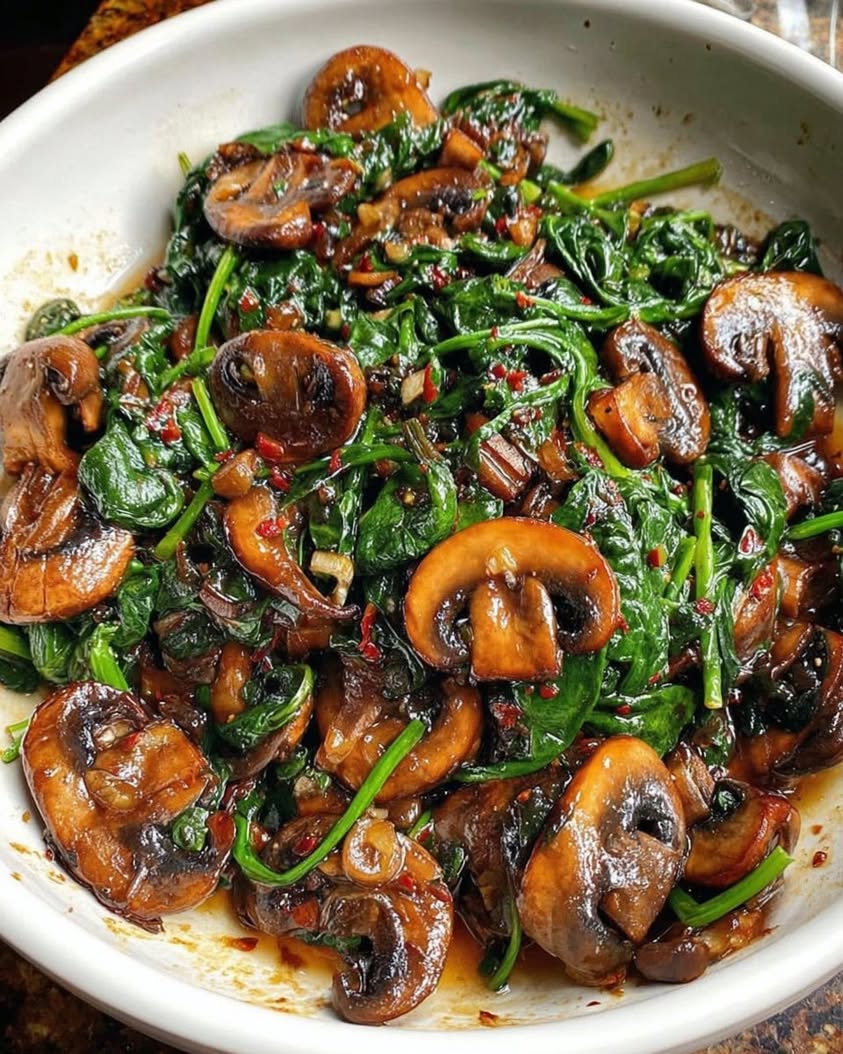
The beauty of this Sautéed Garlic Spinach and Mushrooms dish lies in its simplicity. Fresh garlic sizzles in hot butter, releasing an aroma that fills your kitchen with promise. Sliced cremini mushrooms hit the pan, browning and developing a rich, nutty flavor. Then, handfuls of fresh spinach wilt down into a silky, vibrant green bed. A squeeze of lemon brightens everything at the end. This quick healthy side dish recipe proves that you do not need long ingredient lists or complicated techniques to create something truly delicious.
Moreover, this dish is incredibly forgiving and adaptable. You can use baby spinach or mature leaf spinach. You can swap butter for olive oil to make it dairy-free. You can add a pinch of red pepper flakes for heat or a splash of balsamic vinegar for depth. The core technique remains the same, and the result is always a flavorful, nutritious side. This Sautéed Garlic Spinach and Mushrooms recipe is your new secret weapon for getting a vibrant, healthy vegetable dish on the table with zero fuss.
Quick Recipe Highlights
- Flavor Profile: This dish delivers a savory, earthy base from the mushrooms and spinach. The garlic adds a pungent, aromatic punch that mellows as it cooks. A final squeeze of lemon juice cuts through the richness, providing a bright, acidic finish that balances the entire dish.
- Texture: The sauteed mushrooms offer a tender yet meaty bite, providing satisfying chewiness. The spinach wilts into a soft, silky texture that almost melts in your mouth. The combination of these two contrasting textures makes each forkful interesting and pleasurable.
- Aroma: The dominant aroma is the fragrant, toasted scent of garlic cooking in hot butter. As the mushrooms saute, they release a warm, nutty, almost woodsy fragrance. The overall scent is deeply savory and inviting.
- Visual Appeal: The vibrant, deep green of the wilted spinach contrasts beautifully with the rich, golden-brown slices of mushroom. A few flecks of fresh black pepper add visual interest. The glossy finish from the butter makes the dish look appealing and appetizing.
- Skill Level Needed: This recipe is ideal for beginners. It requires only basic knife skills for mincing garlic and slicing mushrooms. The cooking technique involves simply sauteing ingredients in a pan. You do not need any special experience to succeed with this dish.
- Special Equipment: You only need a large skillet or saute pan, a sharp knife, and a cutting board. A wooden spoon or heat-resistant spatula is useful for stirring. No special equipment is required, making this recipe accessible to everyone.
Recipe Overview
- Difficulty Level: This is an easy recipe because it uses basic cooking techniques and common ingredients. There are no complicated steps like making a roux or tempering eggs. The main challenge is not overcooking the mushrooms or burning the garlic, which is easy to avoid with close attention. Anyone with basic kitchen confidence can make this dish perfectly.
- Category: This dish primarily falls into the side dish category. It is also a fantastic vegetable dish that can double as a light lunch or a topping for grains. You can serve it alongside proteins, stir it into pasta, or pile it onto crusty toast for a satisfying meal.
- Cuisine: This Sautéed Garlic Spinach and Mushrooms recipe draws inspiration from classic Mediterranean and Italian cooking traditions. These cuisines celebrate simple, high-quality ingredients cooked with care. The use of garlic, olive oil or butter, and fresh greens is a hallmark of this culinary approach.
- Cost: This is a very budget-friendly recipe. Spinach and mushrooms are typically inexpensive, especially when in season. Garlic and a lemon are pantry staples. The total cost for four servings is usually under five dollars, making it an excellent choice for economical meal planning.
- Season: While available year-round, this dish truly shines in the spring and fall. Spring brings the first tender spinach leaves. Fall offers a bounty of wild and cultivated mushrooms. During these seasons, the ingredients are at their peak flavor and often available at their lowest price.
- Occasion: This dish is versatile enough for any occasion. It works for a quick Tuesday night dinner, a holiday feast, or a casual weekend brunch. Its elegant appearance makes it suitable for dinner parties, while its speed makes it perfect for busy weeknights.
Why You Will Love This Recipe
The taste and texture combination in this dish is truly outstanding. The earthy, savory flavor of the mushrooms is the perfect counterpart to the mild, slightly sweet taste of spinach. When you saute them together with garlic, they create a complex flavor profile that feels both comforting and sophisticated. The mushrooms retain a pleasant chewiness, while the spinach becomes luxuriously soft. This contrast creates a dynamic mouthfeel that makes every bite enjoyable. You will love how such simple ingredients can produce such a satisfying eating experience.
Convenience is a major reason to love this Sautéed Garlic Spinach and Mushrooms recipe. The entire process, from chopping the garlic to plating the finished dish, takes only about fifteen minutes. You do not need to pre-cook anything or monitor multiple pots. One pan and a few minutes of active cooking produce a delicious, healthy side dish. This speed is a lifesaver on busy nights when you need to get dinner on the table quickly. It allows you to prepare a fresh vegetable dish without spending hours in the kitchen.
From a nutritional standpoint, this quick healthy side dish recipe is a powerhouse. Spinach is loaded with vitamins A, C, and K, as well as iron and calcium. Mushrooms provide important B vitamins, selenium, and are a good source of fiber. Garlic offers immune-boosting properties. This dish delivers a significant amount of nutrients for very few calories. It fits perfectly into a balanced diet and helps you meet your daily vegetable intake goals. You can feel good about serving this to your family.
This recipe also holds great value for social and entertaining purposes. It looks and tastes impressive enough to serve at a dinner party. The vibrant green color and glossy mushrooms create an elegant presentation on the plate. It pairs beautifully with roasts, grilled meats, and fancy pasta dishes. Yet, it is so simple to make that you can prepare it while your guests mingle. It does not require your full attention, leaving you free to enjoy the company of your friends and family. This dish is a host’s best friend.
Finally, this Sautéed Garlic Spinach and Mushrooms recipe is incredibly cost-effective and accessible. The ingredients are available at any grocery store year-round. You do not need expensive specialty items or hard-to-find spices. Mushrooms and spinach are among the most affordable fresh vegetables you can buy. This recipe allows you to create a restaurant-quality side dish without spending much money. It proves that you do not need a large budget to eat well and eat healthy.
Historical Background and Cultural Significance
The combination of sauteed greens and mushrooms with garlic is a classic preparation found in many culinary traditions. In Mediterranean countries, particularly Italy, this style of cooking vegetables is foundational. The technique of sauteing in olive oil or butter with aromatic garlic is called “agliata” in some dialects. It is a method born from necessity and a love for bold, simple flavors. Peasants and farmers would cook wild foraged greens and mushrooms this way. It transformed humble ingredients into a satisfying and flavorful meal component.
Spinach itself has a long and storied history. It originated in ancient Persia and traveled along trade routes to India and China before reaching Europe. In the 16th century, Catherine de Medici popularized spinach in France. She insisted on having it served at every meal, which is why dishes made with spinach are often called “Florentine.” Mushrooms, meanwhile, have been foraged for centuries and were considered a delicacy by ancient Romans and Greeks. This recipe unites these two ingredients with a history spanning continents and millennia.
The evolution of this simple saute technique is tied to the development of modern stoves and cooking fats. Before reliable heat sources, controlling the saute process was difficult. The invention of the cast iron skillet and the gas stove made quick, even cooking possible. This allowed cooks to perfectly brown mushrooms and wilt spinach without burning the garlic. The recipe became more accessible as refrigeration made fresh produce available year-round. Today, it stands as a testament to how cooking technology has simplified our ability to create delicious food quickly.
Regional variations of this dish are abundant around the world. In the American South, cooks might use collard greens or kale instead of spinach and add smoked ham for depth. In Spain, they might add pimenton and use olive oil. In Chinese cuisine, a similar wok-fry dish uses soy sauce and ginger instead of lemon. In Eastern Europe, sour cream might be added to create a rich, creamy sauce. These variations highlight the universal appeal of pairing earthy mushrooms with tender greens and aromatic garlic. Each culture adapts the core concept using its own pantry staples and flavor preferences.
Ingredient Deep Dive
Fresh Spinach: Spinach has a rich cultural history, having been cultivated for over two thousand years. It is a symbol of health and vitality in many cultures. The leaves are packed with nitrates, which are thought to improve blood flow and lower blood pressure. Nutritionally, spinach is a superfood, providing high levels of vitamin K for bone health, vitamin A for vision, and iron for energy. It is also rich in antioxidants like lutein and zeaxanthin. Choosing fresh spinach is easy. Look for leaves that are crisp, bright green, and free from yellowing or slimy spots. Avoid bags with excess moisture, which causes spoilage. For storage, keep unwashed spinach in its original bag or a partially open plastic bag in the refrigerator crisper drawer. Use it within three to five days for the best quality. Baby spinach is the most convenient choice because it is pre-washed and tender. Mature spinach has a more robust flavor and holds up better to longer cooking. If you need a substitute, kale, Swiss chard, or arugula work well, though they have different cooking times and flavor profiles.
Cremini or Button Mushrooms: Mushrooms have been used for medicinal and culinary purposes for centuries. In many Eastern traditions, they are revered as adaptogens that help the body handle stress. Nutritionally, mushrooms are unique because they are the only non-animal food source of vitamin D when exposed to UV light. They are also rich in B vitamins, selenium, and fiber. When selecting mushrooms, look for caps that are firm, dry, and free from bruises or soft spots. The gills should be fresh, not slimy. Avoid mushrooms that are wrinkled or have an off smell. Store them in a paper bag in the refrigerator to allow them to breathe. Do not wash them until just before cooking, as moisture speeds up spoilage. Cremini mushrooms are a great middle ground between the mild white button and the intense portobello. They offer a deeper, earthier flavor that stands up well to sauteing. White button mushrooms are a perfectly acceptable substitute, though they have a milder taste. For a more luxurious dish, try shiitake or oyster mushrooms.
Fresh Garlic: Garlic is one of the oldest cultivated plants in the world, with origins in Central Asia. It has been prized for its medicinal properties for thousands of years. Ancient Egyptians fed it to slaves to increase their strength and endurance. Modern science confirms that garlic has powerful antibacterial, antiviral, and anti-inflammatory properties. The key compound is allicin, which is released when garlic is crushed or minced. When selecting garlic, choose bulbs that are firm, heavy for their size, and have tight, papery skins. Avoid bulbs that are sprouting, soft, or have dark spots. Store garlic in a cool, dark, well-ventilated place, not in the refrigerator. Whole bulbs can last for months. Pre-minced garlic in jars is a convenient substitute, but it lacks the pungent, fresh flavor of freshly minced cloves.
Common Mistakes to Avoid
- Crowding the pan is a very common error. When you add too many mushrooms at once, they steam instead of saute. The steam prevents them from browning, resulting in pale, rubbery mushrooms rather than golden, flavorful ones. Always cook mushrooms in a single layer with a little space between them.
- Adding spinach all at once can be a problem. A huge mountain of spinach looks intimidating and takes a long time to wilt. Add spinach in handfuls, letting each addition wilt down before adding the next. This process takes about a minute per batch and is much easier to manage.
- Burning the garlic is a frequent mistake that ruins the dish. Garlic cooks very quickly and turns bitter when burnt. Add it to the pan after the mushrooms have started to brown, not at the beginning. Stir it constantly for only thirty seconds before adding the spinach.
- Soggy mushrooms are disappointing. Moisture is the enemy of browning. To avoid this, make sure your pan is hot before adding the mushrooms. Also, do not wash mushrooms until right before cooking. If you must wash them, dry them thoroughly with a towel. High heat helps them release moisture and then brown.
- Overcooking the spinach leads to a mushy, drab-looking dish. Spinach wilts very quickly, usually in one to two minutes. Once it is wilted and bright green, it is done. Continuing to cook it will make it lose its vibrant color and turn into a slimy paste.
- Underseasoning the dish results in a bland flavor. Vegetables need salt to bring out their natural taste. Season the mushrooms as they cook and season the finished dish. Taste the dish before serving and add more salt and pepper if needed.
- Using cold butter or oil can cause uneven cooking. If you add butter to a cold pan, it will melt slowly and may burn before the mushrooms are browned. Let the butter melt and foam in the hot pan before adding ingredients. Olive oil should shimmer in the pan before you add the mushrooms.
- Forgetting to add acid at the end is a missed opportunity. A squeeze of fresh lemon juice brightens the entire dish. It cuts through the richness of the butter and makes the flavors pop. Without it, the dish can taste flat and heavy.
- Using pre-sliced mushrooms that are too thick is a common shortcut that backfires. Thick mushroom slices take longer to cook and might not brown evenly. Aim for slices that are about a quarter-inch thick. This thickness allows them to cook through and get golden brown in the right amount of time.
- Not rinsing the spinach, even if it says pre-washed, can leave grit in your dish. Even bagged spinach can have some sand or soil. It takes just a minute to rinse it in a colander and spin it dry. This small step ensures a pleasant, grit-free eating experience.
Essential Techniques
The Saute Method: Sauteing is a dry-heat cooking method that uses a small amount of fat in a hot pan. It is essential for developing the rich, caramelized flavors in this Sautéed Garlic Spinach and Mushrooms recipe. To master it, you need to control the heat carefully. Use medium-high heat for mushrooms. This high heat allows the water in the mushrooms to evaporate quickly, leading to a good sear. Lower the heat slightly when you add the garlic to prevent burning. Stir the ingredients frequently but not constantly, allowing them to make contact with the hot pan surface. A common pitfall is using heat that is too low, which results in the ingredients boiling in their own juices. The visual cue for success with mushrooms is a deep golden-brown color on at least one side. For spinach, the visual cue is a bright, vibrant green color with a wilted, tender texture.
Proper Knife Skills for Mincing Garlic: Mincing garlic correctly ensures even flavor distribution. This is a foundational technique for this quick healthy side dish recipe. To master it, start by smashing the clove with the flat of your knife. This action loosens the skin and makes it easy to peel. Then, slice the clove thinly. Gather the slices and rock your knife through them repeatedly until the pieces are very small. A common pitfall is cutting garlic into uneven pieces. Some large chunks will remain raw and pungent while tiny bits can burn. Another mistake is not smashing the clove first, which makes peeling difficult. The visual cue for a good mince is a uniform consistency of very small pieces, almost like a paste. You should not see any individual chunks larger than a grain of rice.
Properly Slicing Mushrooms: Cutting mushrooms to a uniform thickness is crucial for even cooking. This technique directly impacts the texture of your final dish. To master it, hold the mushroom steady with your fingertips curled under. Use a sharp chef’s knife and make smooth, even cuts. Aim for slices that are roughly a quarter-inch thick. A common pitfall is slicing the mushrooms too thick, which prevents them from browning before the center is cooked. Another mistake is slicing them too thin, which makes them dry out and become crisp. The visual cue for a well-sliced mushroom is an even thickness from one end to the other. You should be able to see through the slice slightly. This size allows for a good sear and a tender interior.
Pro Tips for Perfect Sautéed Garlic Spinach and Mushrooms
First, always use a large pan. A bigger saute pan or skillet gives the mushrooms and spinach enough room to cook without steaming. If your pan is too small, the ingredients will crowd, and you will get a watery, sad dish rather than a beautifully sauteed one. A twelve-inch pan is ideal.
Second, do not wash mushrooms until you are ready to cook them. Mushrooms are like sponges. Washing them ahead of time makes them soggy. If you buy them in a package, simply wipe them clean with a dry or slightly damp paper towel. This keeps them dry enough for a perfect brown sear.
Third, season the mushrooms early. Sprinkling salt on the mushrooms while they cook helps draw out moisture. This moisture then evaporates, allowing the mushrooms to brown. If you wait to season until the end, you miss this crucial browning opportunity. The salt also seasons the mushrooms from the inside out.
Fourth, use high heat for the mushrooms and medium heat for the garlic and spinach. The initial high heat creates the Maillard reaction on the mushrooms. This reaction produces the browning and complex flavors. Once you add the garlic, you must lower the heat to medium to avoid burning it. The spinach needs only medium heat to wilt gently.
Fifth, add a little water or broth to the pan if it looks dry. After the spinach has wilted, the pan might look dry. A splash of water or vegetable broth creates a bit of steam and helps loosen any tasty browned bits stuck to the pan. This creates a quick, light pan sauce that coats the vegetables.
Sixth, use fresh lemon juice at the end. A squeeze of lemon is not optional in this recipe. It adds the necessary acidity to balance the rich, buttery flavors. It also prevents the dish from tasting heavy. A little lemon zest added with the juice can add an extra layer of bright citrus flavor.
Seventh, consider using a mix of mushrooms. While cremini are excellent, mixing in a few sliced shiitake or oyster mushrooms adds an incredible depth of flavor. The different textures and taste profiles create a more complex and interesting side dish. It also makes the dish look more gourmet.
Eighth, do not forget the finishing touches. A final drizzle of good extra-virgin olive oil, a crack of fresh black pepper, and perhaps a sprinkle of red pepper flakes elevate the dish. These small additions add a final layer of flavor and aroma that makes the dish taste restaurant-quality.
Variations and Adaptations
Regional Variations: This basic Sautéed Garlic Spinach and Mushrooms recipe is a canvas for global flavors. For a Southern twist, cook the mushrooms in bacon fat and add a pinch of smoked paprika. Finish the dish with a splash of apple cider vinegar. For an Asian-inspired version, replace the butter with sesame oil. Add a teaspoon of grated ginger with the garlic and finish with a splash of soy sauce and a drizzle of toasted sesame oil. A Greek variation might include a tablespoon of dried oregano and a handful of crumbled feta cheese stirred in at the end.
Seasonal Adaptations: This recipe adapts beautifully to what is available at the farmers market. In the spring, use tender baby spinach and morel mushrooms. Keep the dish light with a little lemon and lots of fresh herbs. In the autumn, use mature spinach or kale and a robust mushroom like portobello or chanterelle. You can add roasted butternut squash cubes for extra heartiness. Winter calls for heartier greens like chard, which benefit from a longer saute time.
Dietary Modifications: This quick healthy side dish recipe is naturally gluten-free and low-carb. To make it dairy-free, simply replace the butter with a high-quality extra-virgin olive oil or a plant-based butter alternative. The flavor profile will change slightly, but it will still be delicious. For a vegan option, use olive oil and skip the optional sprinkle of parmesan cheese. The dish is already very nutritious and aligns with most whole-foods diets.
Flavor Variations: You can customize the flavor in numerous ways. For a richer, more decadent dish, add a tablespoon of heavy cream or a dollop of creme fraiche at the end. To add a nutty element, sprinkle in some toasted pine nuts or slivered almonds. For a spicy version, add crushed red pepper flakes along with the garlic. A splash of balsamic vinegar added at the end gives the dish a tangy, slightly sweet depth.
Texture Modifications: If you prefer a crispier texture, cook the mushrooms separately over high heat until they are deeply browned, almost charred on the edges. Then, set them aside and cook the spinach in the same pan. Combine them at the end. For a softer, more uniform texture, you can chop the spinach before cooking it. The smaller pieces will wilt into a smoother, almost creamy consistency.
Presentation Alternatives: This dish is versatile in its presentation. Served in a simple bowl, it is a rustic side. Piled on a platter and garnished with lemon wedges, it becomes an elegant appetizer. For a stunning brunch presentation, serve it on a piece of sourdough toast topped with a poached egg. You can also use it as a filling for crepes or a topping for polenta. The vibrant green color makes a beautiful base for a seared piece of fish or chicken.
Serving and Presentation Guide
Plating this dish is simple but impactful. Use a wide, shallow bowl or a large platter to show off the vibrant colors. Mound the sauteed spinach and mushrooms in the center. Create a slight well in the middle, which can hold a dollop of creme fraiche or a poached egg if desired. The key is to not overwork the vegetables on the plate. Let the natural pile fall where it may for an organic, appealing look. Use tongs to carefully lift the vegetables out of the pan and onto the serving dish to avoid breaking up the mushrooms.
Garnishing adds the final touch of color and flavor. A sprinkle of freshly cracked black pepper is essential. A few thinly sliced rings of red onion or a shower of fresh chives adds a pop of color. A light dusting of red pepper flakes adds visual interest and a hint of heat. Finally, garnish with a few lemon wedges so that your guests can add more citrus if they like. A drizzle of high-quality olive oil just before serving will add a beautiful sheen and fresh aroma.
Traditional accompaniments for this Sautéed Garlic Spinach and Mushrooms dish include roasted chicken, grilled steak, or pan-seared salmon. It is a classic side for any protein. It also pairs wonderfully with creamy polenta, mashed potatoes, or a simple bowl of pasta. For a modern serving suggestion, use it as a topping for avocado toast or a base for a grain bowl. The dish is also fantastic as a filling for an omelet or a quesadilla.
Temperature is important for the best experience. This dish is best served hot, right off the stove. The spinach and mushrooms should be steaming and fragrant. If you need to keep it warm for a few minutes, cover the pan loosely with a lid. However, do not keep it warm for too long, as the spinach will continue to cook and become mushy. The ideal internal temperature for serving is around 145 degrees Fahrenheit.
Portion control is simple for this side dish. As a side, this recipe easily serves four people with generous portions. If serving as part of a larger feast, it will stretch to serve six. If you are serving it as a light main course over rice or toast, consider it enough for two to three people. A standard serving size is about one and a half cups of the finished vegetable mixture.
Wine and Beverage Pairing
Wine pairing for this dish is delightful due to its earthy and bright notes. A crisp, unoaked Sauvignon Blanc is an excellent choice. Its high acidity and herbaceous notes match perfectly with the lemon and spinach. Another great option is a dry Pinot Grigio, which is light-bodied and very refreshing. For white wine lovers, a Vermentino from Italy offers a nice salinity that complements the mushrooms. If you prefer red wine, a light-bodied Pinot Noir from Oregon or Burgundy is a classic pairing. Its earthy, red fruit flavors do not overpower the delicate vegetables. A Barbera d’Alba from Piedmont, Italy, is another fantastic red option, offering bright acidity and moderate tannins.
For non-alcoholic alternatives, consider a sparkling water with a squeeze of lemon or lime. The bubbles and acidity cleanse the palate. A high-quality non-alcoholic white wine, like one from brands that make dealcoholized wines, can be very satisfying. A glass of chilled green tea, such as a delicate jasmine or a grassy sencha, also pairs well. The tea’s vegetal notes echo the flavors of the spinach. For a more festive option, a non-alcoholic ginger beer or ginger ale adds a spicy kick that cuts through the richness of the butter.
While tea and coffee are not typical pairings for a dinner side dish, you could serve this dish for brunch. If you do, a cup of chamomile or lemon verbena tea would be a soothing pairing. Coffee is not recommended as its bitterness clashes with the bright, fresh flavors of the dish. If you are serving this as a side for a rich brunch, a refreshing iced tea with lemon is a much better choice.
Temperature considerations are key for beverages. Both white and red wines should be served slightly chilled. A light red like Pinot Noir is best at a cool cellar temperature, around 55 to 60 degrees Fahrenheit. White wines should be served between 45 and 50 degrees Fahrenheit. Non-alcoholic drinks should be served very cold, with plenty of ice. This contrast in temperature enhances the enjoyment of the hot vegetables.
Serving suggestions for the wine are simple. Pour the wine for your guests just before you serve the dish. The wine should be ready to drink. If you are serving a red wine, consider decanting it thirty minutes before serving to allow it to breathe. This softens the tannins and opens up the fruit flavors. For the non-alcoholic options, have them pre-chilled in the refrigerator or on ice.
Storage and Shelf Life
Proper storage is key to maintaining the quality of your leftover Sautéed Garlic Spinach and Mushrooms. First, allow the dish to cool completely at room temperature. Do not leave it out for more than two hours to avoid bacterial growth. Once cooled, transfer the vegetables to an airtight container. A glass or plastic container with a tight-fitting lid works perfectly. Squeeze any excess air out of the container before sealing it to prevent oxidation.
Temperature requirements are straightforward. Store the container in the refrigerator. The ideal temperature for your refrigerator is below 40 degrees Fahrenheit. This temperature range slows down the growth of bacteria and keeps your food safe to eat. Do not store this dish in the door of the fridge, where the temperature fluctuates more. Place it on a shelf towards the back where the temperature is most stable.
Container recommendations focus on materials that will not react with the food. Glass containers are the best choice because they are non-porous and do not absorb flavors or odors. They are also microwave-safe for reheating. Plastic containers are also fine, but they can sometimes absorb the garlic smell. If you use a plastic container, consider lining it with a paper towel to absorb excess moisture.
Signs of spoilage are easy to spot. If you see any mold growing on the surface of the vegetables, discard the entire container immediately. A sour or off smell is another clear sign of spoilage. The spinach may also have turned an olive-brown color, indicating it is past its prime. If the texture of the vegetables feels slimy or overly soft, they have spoiled. Do not taste food that looks or smells questionable.
Reheating instructions are important to best enjoy the leftovers. The best method is to reheat the vegetables in a skillet over medium heat. Add a small splash of water or broth to the pan to create steam. This helps rehydrate the spinach and mushrooms. Stir frequently for about two to three minutes until heated through. You can also reheat the dish in the microwave, but the texture will be softer. Use a microwave-safe bowl, cover it with a damp paper towel, and heat in thirty-second intervals, stirring in between.
Freezing guidelines are specific for this dish. Because of its high water content, spinach does not freeze well. When thawed, it becomes very watery and mushy. It loses its appealing texture. Therefore, freezing is not recommended for this Sautéed Garlic Spinach and Mushrooms recipe. You can try it if you plan to use the thawed vegetables in a completely cooked dish like a soup or a casserole, but the texture will not be good for serving as a side dish.
Make Ahead Strategies
Prep timeline is essential for making this dish efficient. You can do almost all the prep work several hours ahead of time. Up to one day before cooking, you can wash and dry the spinach. Store it in the refrigerator in a sealed bag with a paper towel to absorb moisture. You can also slice the mushrooms and mince the garlic. Store the sliced mushrooms in a separate container lined with a paper towel. Store the minced garlic in a small, airtight container in the refrigerator.
Storage between steps is critical to maintain quality. Once you have prepped the ingredients, they will keep well in the refrigerator for up to 24 hours. Do not combine the garlic with the mushrooms or spinach, as the garlic will release moisture and make the other ingredients soggy. Store each component separately. When you are ready to cook, the process will take less than ten minutes, making it perfect for a fast weeknight meal.
Quality impact assessment is important to understand. Prepping the ingredients ahead of time does not significantly affect the final quality of the dish. The mushrooms might release a little moisture, but a hot pan will quickly evaporate it. The spinach will be perfectly fine. The garlic flavor will remain potent. This make-ahead strategy is excellent for reducing active cooking time. The only downside is that the mushrooms will not be quite as dry as they would be freshly sliced, but the difference is minimal.
Assembly tips for serving day are simple. Take all the prepped ingredients out of the refrigerator about ten minutes before you plan to cook. This allows them to come slightly closer to room temperature. Have your lemon and any garnishes ready. Then, follow the cooking instructions exactly. The process will be almost as fast as cooking from scratch because all the prep work is done. This strategy is a lifesaver for busy weeknights or dinner parties.
Reheating guidelines apply only if you are making the full dish ahead of time. If you cook the dish fully, let it cool, and store it, you will need to reheat it. The best method is to reheat in a skillet with a splash of water or broth. This will freshen up the vegetables better than a microwave. If you are making the dish for a party, consider cooking it just before serving. It is so fast that you do not really need to make it fully ahead of time.
Fresh element additions can brighten up a dish that was made ahead. If you have reheated leftovers, add a fresh squeeze of lemon juice right before serving. You can also add a small handful of fresh, uncooked baby spinach to the reheated dish. The heat will barely wilt the fresh spinach, adding a vibrant green color and a fresher flavor. A final drizzle of good olive oil will also help revive the dish.
Scaling Instructions
Halving the recipe is straightforward. Simply divide all the ingredient quantities in half. For instance, use two cups of spinach instead of four, and use four ounces of mushrooms instead of eight. The cooking time will be slightly shorter because there is less moisture to evaporate. Start checking the mushrooms for doneness after about three minutes. You can also use a smaller saute pan. An eight or ten-inch pan is perfect for a half recipe. The storage considerations are the same as for a full recipe, but you will have less leftover.
Doubling or tripling the recipe requires a bit more care. You will need a very large pan, like a twelve or fourteen-inch pan, or you will need to cook the vegetables in batches. If you crowd a double batch into a regular pan, the ingredients will steam instead of saute. Cook the mushrooms in two separate batches to ensure they get brown. Then, combine all the mushrooms in the pan and add the garlic and spinach. You may need to add the spinach in four or five handfuls rather than two or three. The cooking time will be similar, but you must watch carefully to Print
Sautéed Garlic Spinach and Mushrooms
- Total Time: 20 minutes
- Yield: 4
Description
A quick and nutritious side dish featuring tender spinach and earthy mushrooms sautéed with garlic.
Ingredients
- 2 tablespoons olive oil
- 4 cloves garlic, minced
- 8 oz mushrooms, sliced
- 10 oz fresh spinach
- Salt and pepper to taste
Instructions
- Heat olive oil in a large skillet over medium heat.
- Add minced garlic and sauté for 1 minute until fragrant.
- Add sliced mushrooms and cook until golden and tender, about 5-7 minutes.
- Add spinach in batches, stirring until wilted, about 3-4 minutes.
- Season with salt and pepper, then serve immediately.
Notes
You can customize the seasonings to taste. Add a squeeze of lemon juice or red pepper flakes for extra flavor.
- Prep Time: 10 minutes
- Cook Time: 10 minutes
- Method: Side
- Cuisine: American