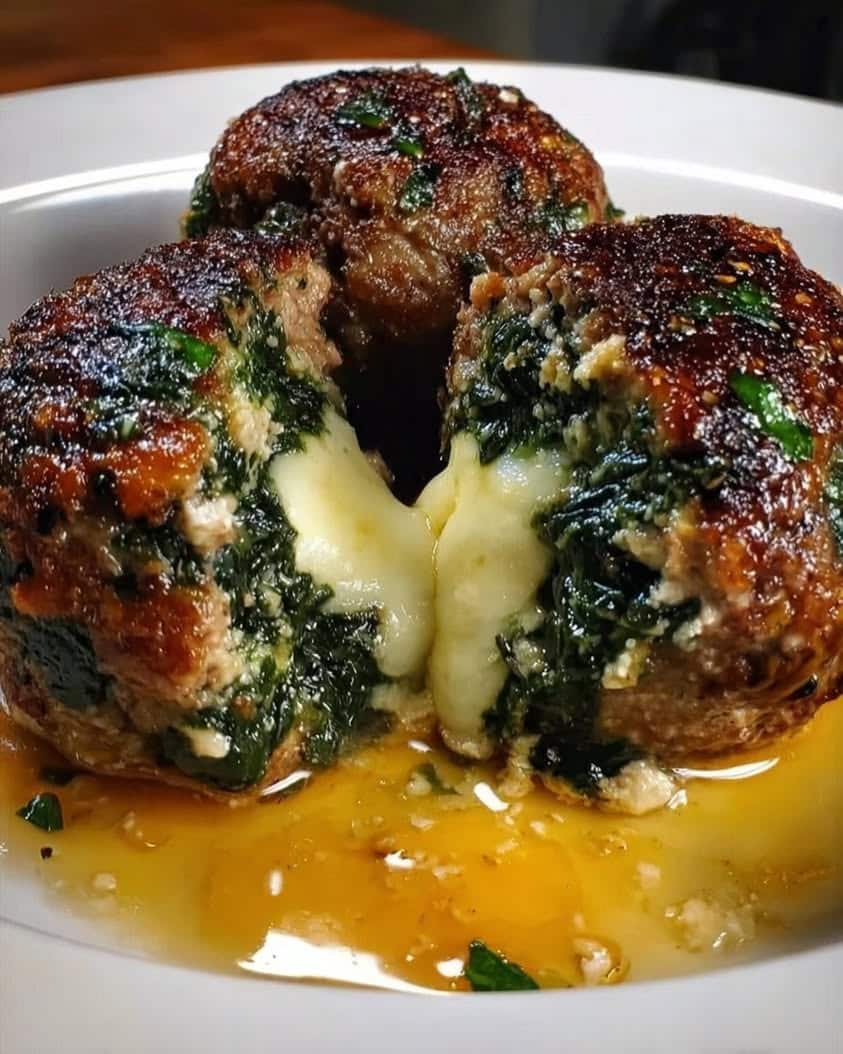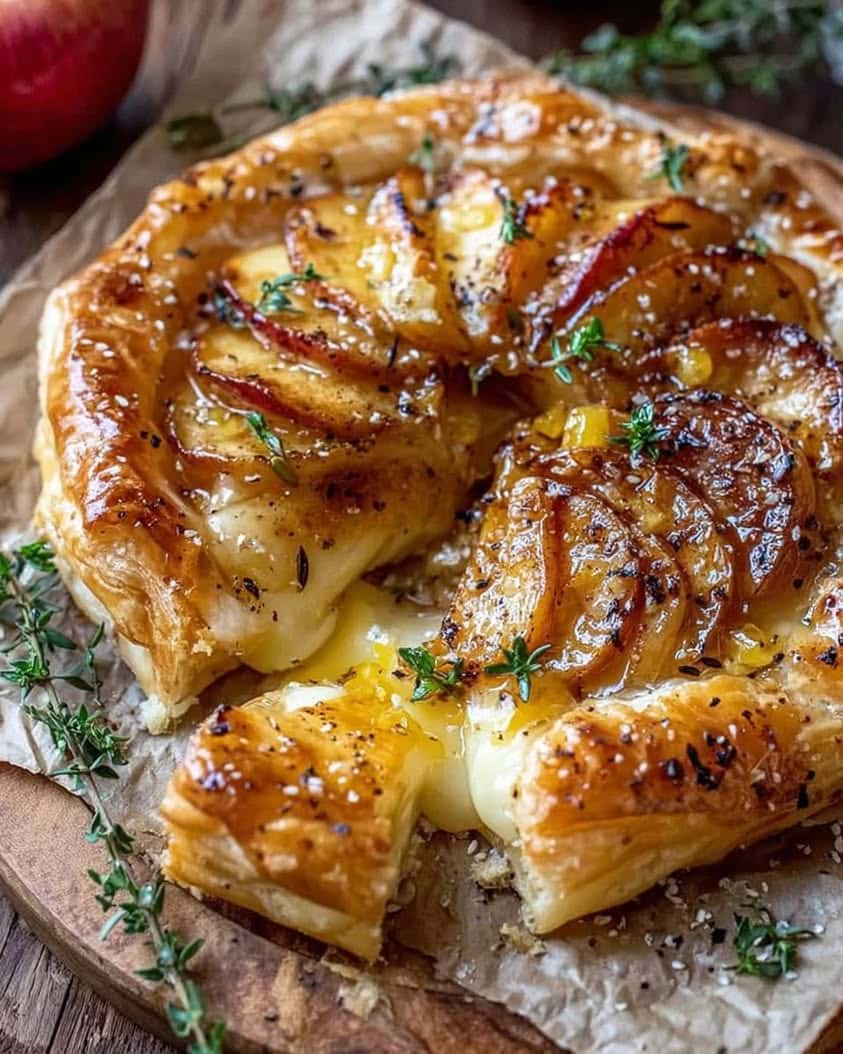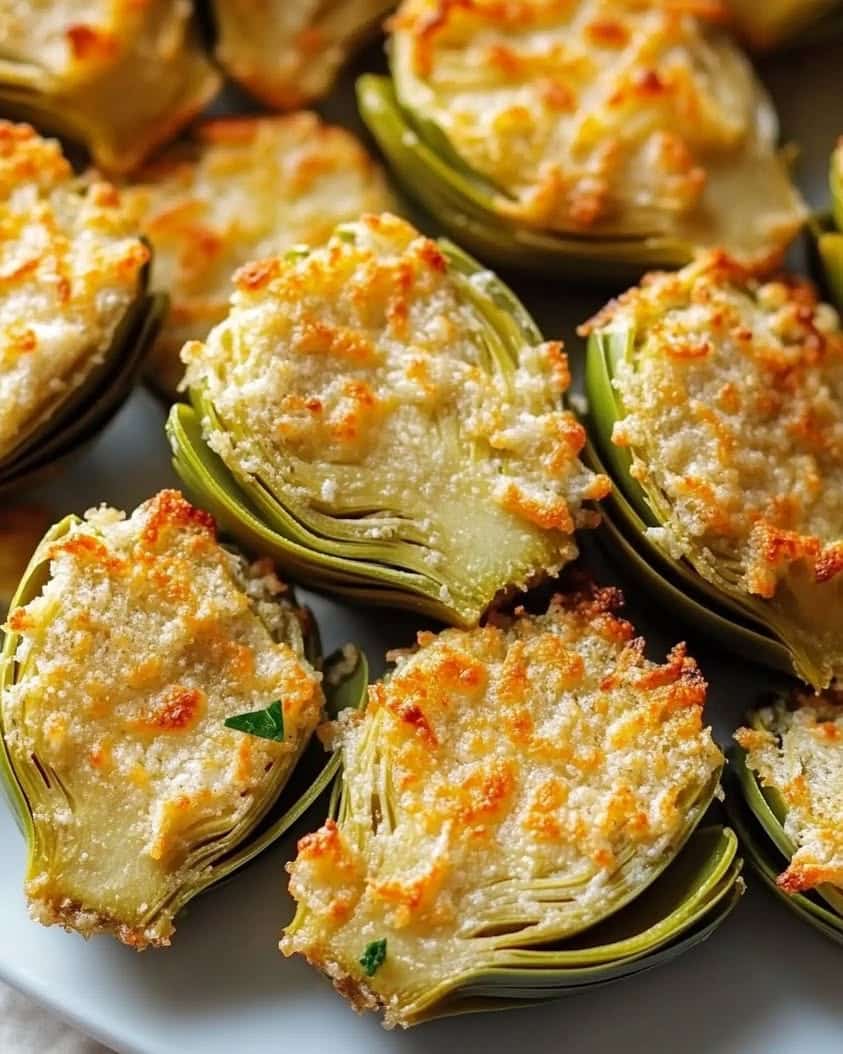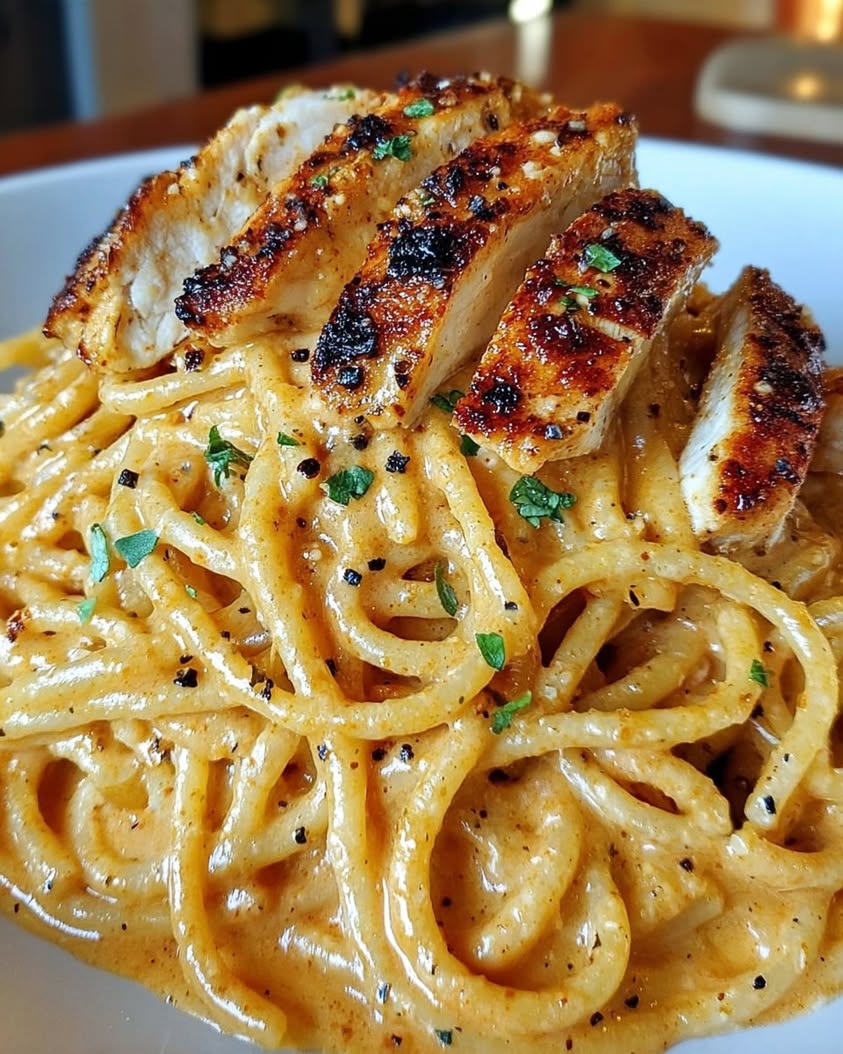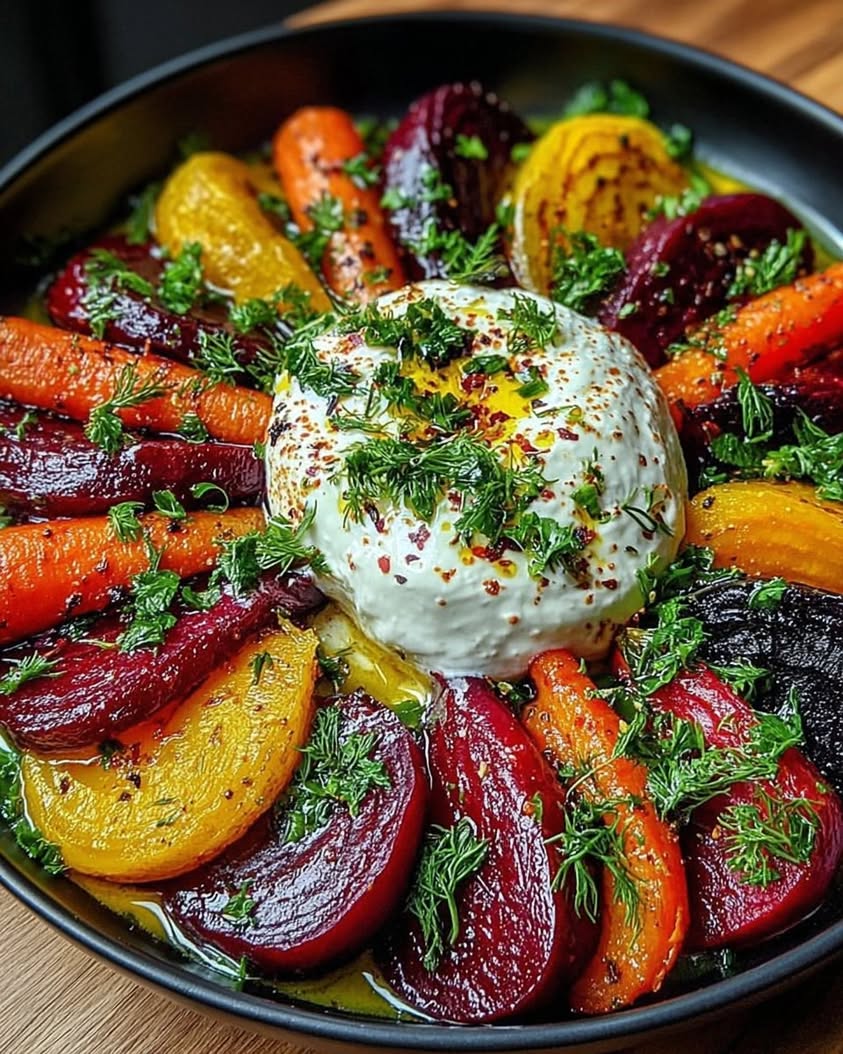
Vibrant Roasted Beets and Carrots with Creamy Burrata Salad
Welcome to your new favorite side dish or light lunch, the Vibrant Roasted Beets and Carrots with Creamy Burrata Salad. This recipe is a celebration of colors and textures, combining sweet, earthy roasted root vegetables with the luxurious creaminess of fresh burrata cheese. You will find that the natural sugars in the beets and carrots caramelize beautifully in the oven, creating a depth of flavor that pairs perfectly with the mild, milky richness of the cheese. It is a simple yet sophisticated dish that looks stunning on any table, and it requires very little active effort.
When you make this Vibrant Roasted Beets and Carrots with Creamy Burrata Salad, you are not just preparing a meal; you are crafting an experience. The first thing you will notice is the incredible aroma filling your kitchen as the vegetables roast. Then, the visual payoff is immense when you arrange the jewel-toned beets and bright orange carrots on a platter and nestle the burrata in the center. Each bite offers a wonderful contrast: the tender, slightly chewy roasted vegetables against the cool, soft, and almost spreadable burrata. A simple vinaigrette adds a bright, acidic note that cuts through the richness, making every forkful perfectly balanced.
This Vibrant Roasted Beets and Carrots with Creamy Burrata Salad recipe is incredibly versatile. It works beautifully as a side dish for roasted chicken or grilled steak, but it is also hearty enough to stand alone as a vegetarian main course for lunch or a light dinner. The process is straightforward, making it accessible to cooks of all skill levels. With just a few high-quality ingredients and some patience for roasting, you will create a dish that tastes far more complex than it is. Let us walk through every step so you can achieve perfect results every single time.
Quick Recipe Highlights
- Flavor Profile: This dish delivers a symphony of sweet, earthy, and tangy notes. The roasted root vegetables offer a deep, caramelized sweetness, while the burrata provides a mild, clean, milky flavor. A lemon-herb vinaigrette ties everything together with a welcome pop of acidity.
- Texture: You will experience a delightful medley of textures. The roasted beets and carrots are tender with slightly caramelized, chewy edges. The burrata is luxuriously creamy and oozes a soft, liquid center when cut. Toasted nuts or seeds can add a satisfying crunch, and fresh herbs provide a soft, delicate finish.
- Aroma: As the beets and carrots roast, your kitchen will fill with a warm, sweet, and woodsy aroma. The smell of olive oil and balsamic vinegar caramelizing in the oven is simply intoxicating. A final garnish of fresh basil or mint adds a clean, herbaceous fragrance that brightens the entire dish.
- Visual Appeal: This salad is a feast for the eyes. The deep red and golden beets contrast beautifully with the bright orange carrots, all resting on a white platter. The glistening, creamy sphere of burrata is a stunning focal point, especially when drizzled with vibrant green pesto or a dark balsamic glaze.
- Skill Level Needed: This recipe is perfect for beginners, but it is impressive enough for seasoned cooks. The main skill required is patience for roasting. You will practice basic knife skills for cutting the vegetables and the simple art of seasoning. No complex techniques like sautéing or emulsion making are needed here.
- Special Equipment: You will need basic kitchen tools. A large baking sheet or roasting pan is essential for giving the vegetables space to roast without steaming. Parchment paper or a silicone baking mat makes cleanup a breeze. A sharp chef’s knife and a sturdy cutting board are also crucial for preparing the root vegetables.
Recipe Overview
- Difficulty Level: We classify this Vibrant Roasted Beets and Carrots with Creamy Burrata Salad as easy. The steps are straightforward: wash, chop, season, roast, and assemble. There is no complicated equipment, no finicky timing, and no advanced culinary techniques. The only challenge might be peeling beets, which can stain your hands, but wearing gloves solves this quickly. This dish is an excellent confidence booster for new cooks.
- Category: This recipe falls into several categories. Primarily, it is a side dish or a salad. It is also a fantastic vegetarian main course if you are looking for a lighter option. It fits perfectly into a farm-to-table or seasonal eating category, as it celebrates fresh, in-season produce. You can also consider it a component of a larger meal, such as a holiday table or a summer barbecue buffet.
- Cuisine: This recipe draws inspiration from Italian cuisine, which often pairs simple, high-quality ingredients like creamy cheese with seasonal vegetables. The use of burrata, a specialty cheese from the Apulia region, is distinctly Italian. The roasting technique, however, is universal, and the vinaigrette is a classic French-Italian hybrid. This dish has a rustic, Mediterranean soul.
- Cost: The cost is moderate and affordable. Root vegetables like beets and carrots are very budget-friendly, especially when in season. Burrata is the priciest ingredient, costing around five to eight dollars per ball. A good quality extra-virgin olive oil and balsamic vinegar also represent an investment, but a little goes a long way. You can easily make this for under twenty dollars.
- Season: This dish is perfect for fall and winter when beets and carrots are at their peak sweetness and flavor. The heartiness of the roasted vegetables is comforting during colder months. However, it is also wonderful in spring and summer when you can use fresh, young vegetables and lighter herbs. It is truly a four-season recipe that adapts to whatever is freshest.
- Occasion: This salad is incredibly versatile for different occasions. It is elegant enough for a holiday dinner like Thanksgiving or Easter. It is also a fantastic showstopper for a casual dinner party or a potluck. You can serve it as a sophisticated lunch, a light dinner, or a beautiful component of a brunch buffet. It always impresses guests without requiring hours in the kitchen.
Why You’ll Love This Recipe
You will absolutely love the taste and texture experience of this dish. The roasting process transforms humble root vegetables into something magical. The natural sugars concentrate, creating a deep, caramelized sweetness that is simply irresistible. Furthermore, the creamy, cool burrata provides a luxurious counterpoint that makes every bite feel decadent. You get the satisfying chew of the roasted veggies and then the soft, almost liquid burst of the cheese. It is a textural and flavor combination that feels both rustic and incredibly refined at the same time.
The convenience of this recipe is another major reason to love it. The active preparation time is only about fifteen minutes. After that, the oven does all the real work. You can easily multitask, preparing the rest of your meal or simply relaxing while the vegetables roast. The ingredient list is short and made up of common items. Additionally, it scales up or down effortlessly, making it perfect for a quick weeknight dinner or a large gathering. Cleanup is also easy, especially if you line your baking sheet with parchment paper.
From a nutritional standpoint, this Vibrant Roasted Beets and Carrots with Creamy Burrata Salad is a fantastic choice. Beets are packed with folate, manganese, and nitrates, which can support healthy blood pressure. Carrots are famously rich in beta-carotene, which your body converts into vitamin A for excellent eye health. The burrata adds protein and calcium, making the dish more satisfying. The olive oil provides healthy monounsaturated fats. Overall, it is a nutrient-dense meal that tastes indulgent but is genuinely good for you.
This salad also shines when it comes to social and entertaining value. It is a guaranteed conversation starter. The vibrant, jewel-toned colors of the beets and carrots create an absolutely stunning presentation that is very photogenic. Guests will be wowed by the beautiful display, and they will love the unique combination of flavors. Best of all, it can be served at room temperature, which takes the stress out of timing a dinner party. You can roast the vegetables ahead of time and assemble everything just before serving, making hosting much easier.
Finally, this recipe is highly cost-effective and accessible. Beets and carrots are among the cheapest vegetables in the grocery store, especially if you buy them in bulk or from a farmer’s market. A single ball of burrata is affordable and provides a lot of luxurious impact. You likely already have the pantry staples like olive oil, vinegar, salt, and pepper. For a relatively small investment of money and time, you get a dish that looks and tastes like it came from a high-end restaurant. It is proof that smart cooking does not need to be expensive.
Historical Background and Cultural Significance
The story of this Vibrant Roasted Beets and Carrots with Creamy Burrata Salad is a story of bringing simple, traditional elements together. Beets have been cultivated for thousands of years, originally for their leaves. The Romans were among the first to cultivate them for their roots. Carrots have a similarly long history, with ancient varieties being purple or white before the familiar orange carrot was developed in the Netherlands. Roasting is one of the oldest cooking methods, used for millennia to concentrate the flavors of root vegetables over an open fire or in an oven.
Burrata, the star of the show, has a more modern but deeply cultural origin. It was first created in the early 20th century in the Apulia region of southern Italy. The story says that cheesemakers invented it as a way to use up leftover mozzarella curds. They would stretch the curds into a thin pouch and then fill it with fresh cream and soft, stringy curd scraps (called stracciatella). The name “burrata” comes from the Italian word “burro,” meaning butter, a nod to its incredibly rich, buttery texture and flavor.
The evolution of this specific salad represents the modern farm-to-table movement. Chefs began to combine elegant, high-quality ingredients like burrata with simply prepared, seasonal vegetables to let each component shine. This dish is a perfect example of “less is more” cooking. The recipe has evolved from a simple Italian tradition into a global phenomenon. You will now see variations in trendy restaurants and home kitchens around the world, each adding their own twist while respecting the core idea of contrasting textures and pure flavors.
Regional variations abound, reflecting local produce. In the Mediterranean, you might see the addition of roasted peppers or artichokes. In warmer climates, fresh, raw shaved carrots and beets are sometimes used instead of roasted ones to create a lighter, crunchier salad. Some versions swap the burrata for fresh mozzarella, goat cheese, or even feta. The vinaigrette can vary from a balsamic glaze to a honey-mustard dressing or a walnut oil-based vinaigrette. Each adaptation honors the original concept while celebrating what is available locally, making it a truly global dish.
Ingredient Deep Dive
Beets are the foundation of this salad, bringing a deep, earthy sweetness and a stunning color. Culturally, they have been valued for their medicinal properties since ancient times. Nutritionally, they are a powerhouse of folate, which is essential for cell growth, and betalains, which have anti-inflammatory and antioxidant properties. When selecting beets, look for firm, smooth-skinned bulbs with fresh, unwilted greens attached, as these indicate freshness. Smaller to medium-sized beets are generally sweeter and more tender. To store them, remove the greens, leaving an inch of stem, and store the bulbs in a breathable bag in the refrigerator. You can easily substitute golden beets or chioggia beets for a different flavor or color profile.
Carrots add a bright, sweet counterpoint to the beets and contribute a lovely orange color to the dish. Historically, carrots were used for medicinal purposes before becoming a common food crop. They are famously celebrated for their high beta-carotene content, which the body converts into vitamin A for good vision, immune function, and skin health. Choose carrots that are firm, straight, and have a vibrant color. Avoid any that are limp or have cracks. Store them in the refrigerator in a plastic bag or wrapped in a damp paper towel to keep them crisp. For a peppery twist, you can mix in some parsnips or sweet potatoes for a variation.
Burrata is the luxurious heart of this salad, providing a creamy, milky explosion of flavor. Originating from Italy, it represents a tradition of resourcefulness and cheesemaking skill. It is nutritionally rich in protein and calcium, though it is also high in fat and calories, so a little goes a long way. Fresh burrata should be plump, with a thin, shiny outer shell. It should feel slightly soft when gently squeezed. Always store it in its liquid in the refrigerator and use it within a day or two of purchase for the best texture and flavor. If you cannot find burrata, fresh mozzarella or a dollop of ricotta can work as a decent substitute, though they will lack the same creamy center.
Extra-virgin olive oil is a crucial component for both roasting and the dressing. It is a staple of the Mediterranean diet, valued for its heart-healthy monounsaturated fats and antioxidants. For roasting, a good quality olive oil is important, but you do not need the most expensive bottle. For the finishing vinaigrette, use a flavorful, peppery, or grassy olive oil. Look for bottles with a harvest date and a certification of origin. Store it in a cool, dark place, not near the stove, to prevent it from going rancid. You could substitute avocado oil for a more neutral flavor, but you will miss the distinct fruity notes of a good olive oil.
Balsamic vinegar adds the perfect acidic tang to balance the sweetness of the roasted vegetables. True traditional balsamic vinegar from Modena, Italy, is aged for years and is very thick, sweet, and complex. It is a wonderful but expensive finishing touch. For everyday use, a good quality commercial balsamic vinegar is perfectly fine for this recipe. It will provide the necessary acidity. You can also use balsamic glaze or reduction, which is thicker and sweeter, for drizzling at the end. Store balsamic vinegar in a cool, dark place. A good substitute would be a sherry vinegar or a high-quality red wine vinegar mixed with a tiny bit of maple syrup.
Common Mistakes to Avoid
- Not peeling the beets and carrots properly is a common mistake. The skins of beets and carrots can be tough and earthy. For tender, enjoyable vegetables, you must peel them completely. Use a vegetable peeler and be thorough. Leaving patches of skin on will result in a chewy, unpleasant texture that distracts from the creamy burrata.
- Cutting the vegetables into uneven sizes is another frequent error. When you cut your beets and carrots into pieces of different sizes, they will not cook evenly. Some pieces will be perfectly tender while others will be hard or burnt. Aim for uniform, bite-sized pieces, such as one-inch cubes or half-inch thick half-moons.
- Overcrowding the baking sheet is a critical mistake. If you pile the vegetables too close together, they will steam instead of roast. Steaming prevents caramelization, which is the key to developing that deep, sweet flavor. Make sure the pieces are in a single layer with a little space between them. Use two baking sheets if necessary.
- Underseasoning the vegetables before roasting leads to bland results. The vegetables need salt and pepper to help draw out moisture and enhance their natural sweetness. Do not be shy with the seasoning. Toss them generously with salt, pepper, and a good glug of olive oil before they go into the oven.
- Forgetting to toss the vegetables halfway through roasting is a missed opportunity. For even browning and cooking, you should give the baking sheet a good shake or stir with a spatula about halfway through the cooking time. This ensures all sides get exposed to the hot surface of the pan.
- Using burrata straight from the refrigerator is not ideal. Cold cheese will mute its flavor and make it firm and less creamy. For the best taste and texture, let the burrata sit at room temperature for about 20 to 30 minutes before you serve it. This allows it to soften and become wonderfully creamy.
- Overdressing the salad before serving will make everything soggy. You should dress the roasted vegetables lightly while they are still warm. Then, give the burrata a final drizzle of good olive oil and balsamic glaze right at the end. This prevents the cheese from becoming a watery mess.
- Not using fresh herbs as a garnish is a flavor mistake. Dried herbs will not provide the same clean, bright pop that fresh basil, mint, or parsley will. A fresh herb garnish adds a layer of aroma and flavor that elevates the entire dish. Do not skip this final step.
Essential Techniques
Mastering the roasting technique is absolutely essential for this Vibrant Roasted Beets and Carrots with Creamy Burrata Salad. Why is it important? Roasting at a high temperature, typically 400 degrees Fahrenheit, is the most effective way to caramelize the natural sugars in the root vegetables. This process creates a deep, complex sweetness that cannot be achieved through boiling or steaming. To master it, ensure your oven is fully preheated and your vegetables are cut into uniform sizes. Spread them in a single layer on a rimmed baking sheet. The visual cue for success is when the edges of the beets and carrots are slightly browned and shrunken, and you can easily pierce them with a fork.
Properly seasoning with salt and oil is a technique that seems simple but is often done poorly. Why is it important? Salt is not just for taste; it helps to draw out moisture from the vegetables, which then evaporates and allows the sugars to concentrate. Oil is crucial for conducting heat and promoting even browning. To master it, place your cut vegetables in a large bowl. Drizzle with a generous amount of olive oil and sprinkle with kosher salt and fresh black pepper. Toss them with your hands until every piece is coated and glistening. The common pitfall is being too stingy with the oil or salt. The visual cue for success is that the vegetables look glossy and well-seasoned, not dry or patchy.
Learning to work with burrata is key to presenting a beautiful dish. Why is it important? Burrata is a delicate cheese, and the goal is to preserve its structure until serving so it can break open dramatically at the table. To master it, handle it very gently. Remove it from its liquid and place it whole on the platter. Do not cut it until just before you eat. The common pitfall is breaking the outer shell while moving it, causing the creamy center to leak out prematurely. The visual cue for success is a pristine, plump white sphere with a slight give when you press it. For cutting, use a sharp knife and pull it through cleanly rather than sawing.
Making a simple vinaigrette from scratch is a foundational culinary skill. Why is it important? A homemade vinaigrette is far brighter and more flavorful than most store-bought dressings. It allows you to control the balance of acid and oil. To master it, the standard ratio is three parts oil to one part vinegar. Whisk the vinegar, a pinch of salt, and some pepper together first until the salt dissolves. Then, slowly drizzle in the oil while whisking constantly to create an emulsion. A common pitfall is adding all the oil at once, which causes the mixture to separate. The visual cue for success is a thick, slightly opaque, and temporarily blended liquid that coats a spoon nicely.
Pro Tips for Perfect Vibrant Roasted Beets and Carrots with Creamy Burrata Salad
To achieve the best flavor, you should toss the warm, roasted vegetables with your vinaigrette while they are still hot. This allows them to absorb the dressing much better than if they were cold. The warm vegetables act like a sponge, soaking up all the bright, acidic, and herby flavors.
For easier cleanup and to prevent sticking, always line your baking sheet with parchment paper or a silicone baking mat. The natural sugars in the beets and carrots can caramelize and stick to the pan, making it difficult to clean. The liner eliminates this problem and makes for a perfect presentation.
If you are concerned about red beets staining your hands or your carrots, you can wear kitchen gloves when peeling and cutting them. Alternatively, you can roast the beets and carrots on separate baking sheets to keep their colors from bleeding into each other, though this is not strictly necessary.
You should always let the roasted vegetables cool down slightly before adding the burrata. If you place the cheese directly on steaming-hot vegetables, it will start to melt and lose its delicate texture. A slight cool-down period ensures the contrast between warm vegetables and cool, creamy cheese is perfect.
To add an extra layer of texture and flavor, consider toasting some nuts or seeds. Pine nuts, walnuts, or pepitas toasted in a dry skillet for a few minutes until fragrant make an excellent crunchy topping. Scatter them over the salad just before serving.
Do not forget a final drizzle of high-quality extra-virgin olive oil and a sprinkle of flaky sea salt right before serving. This finishing touch adds a burst of fresh, peppery flavor and a satisfying crunch of salt that elevates the entire dish from good to restaurant-quality.
For a more complex flavor, you can add a minced shallot or a small clove of garlic to your vinaigrette. Let the shallot or garlic sit in the vinegar for five minutes before adding the oil. This infuses the dressing with a gentle, savory aromatic quality that complements the sweet vegetables.
You should consider the size of your serving platter. Use a large, wide, and preferably white platter to create a beautiful visual display. Spreading the vegetables out in a single layer allows them to shine and makes it easy for guests to serve themselves without mashing the delicate burrata.
Variations and Adaptations
Regional variations of this salad are abundant around the world. In the American South, you might find the addition of a pecan and maple syrup glaze to the roasted vegetables, adding a distinct regional sweetness. In the Middle East, a sprinkle of za’atar or sumac and a dollop of labneh instead of burrata would be common. Mediterranean versions often include roasted red peppers, olives, and a generous amount of capers for a briny kick. Each region adapts the core concept to its pantry and flavor preferences.
Seasonal adaptations are a wonderful way to enjoy this recipe year-round. In the spring, use thin, young asparagus spears and fresh peas alongside the carrots and beets. In the summer, you can swap the root vegetables for roasted zucchini, bell peppers, and summer squash for a lighter dish. A fall version might incorporate roasted butternut squash or sweet potatoes. In the winter, you can add roasted parsnips, turnips, and even some halved Brussels sprouts for a heartier, more warming meal.
Dietary modifications are very easy for this salad. To make it vegan, simply omit the burrata and replace it with a creamy, plant-based option. A dollop of cashew cream, a spoonful of high-quality hummus, or a slice of firm tofu that has been marinated and baked can work well. For a gluten-free version, the recipe is naturally gluten-free as long as you check your balsamic vinegar label. For a lower-fat version, you can reduce the amount of olive oil used for roasting and skip the burrata or use part-skim fresh mozzarella.
Flavor variations can completely change the character of the dish. For a spicy kick, toss the vegetables with a pinch of red pepper flakes or chili powder before roasting. To add an herby dimension, use a vinaigrette made with lemon juice and a significant amount of fresh dill or tarragon. A sweet and savory version could feature a honey and Dijon mustard vinaigrette. You can even add a touch of warmth with ground cumin or coriander mixed into the roasting oil for an earthy, aromatic profile.
Texture modifications will change how you experience the salad. If you want more crunch, you can leave some of the carrots raw and shave them into ribbons with a vegetable peeler, mixing them in with the roasted ones. Adding crumbled, crispy bacon or pancetta on top introduces a salty, crunchy element. Toasted breadcrumbs or panko crumbs seasoned with herbs can add a delightful, granular texture that contrasts nicely with the creamy burrata.
Presentation alternatives are fun to explore. Instead of a deconstructed salad, you can arrange the roasted vegetables neatly on a flat plate and then carefully place the burrata on top. You can also serve the components separately and let guests assemble their own plates. For individual servings, place a small pile of roasted vegetables on each plate, top with a small piece of burrata, and a drizzle of dressing. This makes for a very elegant first course for a dinner party.
Serving and Presentation Guide
Plating techniques are crucial for a stunning presentation. Start by choosing a large, flat, and preferably white or light-colored serving platter. Spread the warm or room-temperature roasted beets and carrots in a single, even layer across the platter. This creates a beautiful, colorful bed. Next, gently place the whole ball of burrata in the center of the vegetables. Do not cover it up. Make it the star of the show. If you are making individual plates, create a small, neat mound of vegetables in the center and place the cheese directly on top.
Garnishing ideas can elevate your dish from simple to spectacular. A generous sprinkle of fresh basil leaves, either whole or torn, adds a beautiful green pop and a wonderful fragrance. You can also use fresh mint, which pairs exceptionally well with beets. Edible flowers, such as nasturtiums or chive blossoms, are a very elegant touch for special occasions. A final drizzle of high-quality balsamic glaze creates beautiful dark, artistic swirls on the white cheese and colorful vegetables.
Traditional accompaniments for this salad include crusty, warm bread. A good sourdough or a rustic country loaf is perfect for sopping up the creamy burrata and the flavorful vinaigrette juices that pool at the bottom of the platter. Grilled or roasted protein like chicken, lamb, or steak is a classic main course pairing. For a vegetarian meal, serve it alongside a hearty grain like farro or quinoa. A simple green salad with a light lemon dressing can also round out the meal.
Modern serving suggestions include serving the components in a deconstructed style. You could create a “burrata bar” where guests can help themselves to the roasted vegetables, various toppings, and sauces. For a more casual vibe, serve the salad in a large, shallow bowl rather than a platter. You can also serve it alongside a large piece of grilled flatbread or focaccia for dipping. It works wonderfully as a topping for a crostini or bruschetta as an appetizer.
Temperature considerations are vital for optimal enjoyment. The roasted vegetables are best served warm or at room temperature. Serving them hot out of the oven makes the burrata melt too quickly. Allowing them to sit for about ten minutes is ideal. The burrata should be at room temperature, not cold from the fridge. This makes it soft, spreadable, and full of flavor. The vinaigrette can be at room temperature. The contrast between the warm vegetables and the cool, creamy cheese is a key part of the experience.
Portion control tips are helpful for entertaining. As a side dish, this salad will comfortably serve four to six people. As a light main course, it will serve about two to three people. When planning for a party, estimate about one average-sized beet and one large carrot per person. One standard ball of burrata is typically enough for two to three people as part of a larger meal. It is better to have more burrata than less, as it is the highlight of the dish.
Wine and Beverage Pairing
Wine pairings for this Vibrant Roasted Beets and Carrots with Creamy Burrata Salad are delightful and versatile. A crisp, unoaked white wine is a classic choice. A Pinot Grigio from Italy, with its clean, citrusy notes, will cut through the richness of the burrata and complement the sweetness of the vegetables. A Sauvignon Blanc, especially one from the Loire Valley, offers grassy, herbaceous notes that match the basil or arugula perfectly. For a slightly richer pairing, a dry Riesling or a Vermentino works beautifully.
Non-alcoholic alternatives are also excellent choices. A high-quality sparkling water with a squeeze of lemon or lime provides a clean, palate-cleansing effect. A fresh herbal iced tea, such as mint or basil, is a wonderful complement to the flavors of the dish. A dry apple cider, which is slightly tart and effervescent, pairs beautifully with the caramelized vegetables. You can even make a simple spritzer using sparkling water and a splash of pomegranate juice for a festive, colorful drink.
If you are considering a red wine, you have some good options despite the dish being light. A light-bodied red wine like a Pinot Noir is safe. Its fruity, earthy notes will not overpower the delicate cheese or the vegetables. A dry rosé is also an exceptional pairing. It has the acidity of a white wine but with some red fruit flavors that complement the beets. Avoid heavy, tannic reds like Cabernet Sauvignon, as they will clash with the creamy cheese.
Temperature considerations for your beverages are important. White wines and rosés should be served well-chilled, between 45 and 50 degrees Fahrenheit. Light reds like Pinot Noir benefit from a slight chill, so put them in the refrigerator for 15 to 20 minutes before serving. Non-alcoholic drinks should also be served very cold to be refreshing. The coolness of the drink provides a pleasant contrast to the warm vegetables and the creamy cheese. Serve the vinaigrette at room temperature to ensure it does not harden.
Serving suggestions for beverages include pouring the wine just before your guests arrive. For a dinner party, you can offer a choice of a white and a rosé. For a larger gathering, a big-batch cocktail like an Aperol spritz or a sparkling water with elderflower syrup is fantastic. Always provide a non-alcoholic option. Decanting the sparkling water into a pretty glass pitcher with ice and lemon slices makes it feel special. The presentation of your drinks should match the care you put into the food.
Storage and Shelf Life
Proper storage methods will help you enjoy the leftovers of this salad. The components are best stored separately if possible. The roasted beets and carrots can be stored in an airtight container in the refrigerator. The burrata is very delicate and should be stored in its own container, ideally with some of its liquid to keep it moist. The vinaigrette should be stored in a separate small jar or container. If you have already assembled the salad, the leftovers will be less appealing but still edible.
Temperature requirements are straightforward. All components must be refrigerated at or below 40 degrees Fahrenheit. Do not leave the assembled salad or the individual parts at room temperature for more than two hours. The burrata is a dairy product and can spoil quickly. The roasted vegetables are more stable but will degrade in quality over time. Always return leftovers to the refrigerator promptly after serving.
Container recommendations are important for maintaining freshness. For the roasted vegetables, use a glass or plastic container with a tight-fitting lid. A glass container is best because it will not stain red from the beets. For the burrata, keep it in its original container with the liquid if you have it, or place it in a small bowl and cover it tightly with plastic wrap. The vinaigrette is best stored in a small jar with a lid, which makes it easy to shake up before use.
Signs of spoilage are critical to recognize. For the burrata, the most obvious sign is a sour, unpleasant smell. The texture will become slimy or watery, and any mold formation means it must be thrown away. For the roasted vegetables, look for a slimy texture or a fermented smell. If they develop a dull, grayish color, they are likely spoiled. Always trust your nose. If anything smells off, it is best to discard it rather than risk food poisoning.
Reheating instructions are simple for the vegetables. The best way to reheat the roasted beets and carrots is in a 350-degree Fahrenheit oven for about 5 to 10 minutes. This will restore some of their crispness. You can also reheat them in a dry skillet over medium heat, tossing occasionally until heated through. Avoid using a microwave, which will make them steamy and soggy. The burrata should never be reheated; it must always be served cold or at room temperature.
Freezing guidelines are not recommended for this dish. The burrata does not freeze well at all. Its delicate, creamy texture will become grainy and watery upon thawing. Roasted beets and carrots can be frozen, but their texture will change significantly. They will become very soft and watery after thawing, losing their caramelized edges. It is best to make this salad fresh, but you can roast the vegetables a day or two ahead of time to save effort on the day you serve it.
Make Ahead Strategies
A detailed prep timeline will make serving this dish a breeze. Up to three days in advance, you can peel and chop the beets and carrots. Store them in a sealed container in the refrigerator, separated from each other to prevent the beets from staining the carrots. You can also make the vinaigrette up to a week ahead and store it in the refrigerator. On the day of serving, all you have to do is roast the vegetables, assemble, and serve.
Storage between steps requires some care. If you have already roasted the vegetables, they can be stored in an airtight container in the refrigerator for up to three days. Allow them to cool completely before covering. Do not dress them until you are ready to serve, as Print
Vibrant Roasted Beets & Carrots with Creamy Burrata Salad
- Total Time: 45 minutes
- Yield: 4
Description
A colorful and elegant salad featuring sweet roasted beets and carrots paired with creamy burrata cheese, drizzled with a tangy balsamic glaze.
Ingredients
- 3 medium beets, peeled and cubed
- 4 large carrots, peeled and sliced
- 2 tablespoons olive oil
- Salt and pepper to taste
- 8 ounces burrata cheese
- 2 cups mixed salad greens
- 1/4 cup balsamic glaze
- 1/4 cup toasted walnuts
- Fresh basil leaves for garnish
Instructions
- Preheat oven to 400°F (200°C). Line a baking sheet with parchment paper.
- Toss cubed beets and sliced carrots with olive oil, salt, and pepper. Spread in a single layer on the baking sheet.
- Roast for 25-30 minutes, stirring halfway, until tender and slightly caramelized. Let cool slightly.
- Arrange mixed greens on a serving platter. Top with roasted vegetables.
- Tear burrata cheese into pieces and arrange over the vegetables.
- Drizzle with balsamic glaze, sprinkle with toasted walnuts, and garnish with fresh basil. Serve immediately.
Notes
You can customize the seasonings to taste.
- Prep Time: 15 minutes
- Cook Time: 30 minutes
- Method: Main
- Cuisine: American