The Best Spaghetti and Spinach Recipe with Sun-Dried Tomato Cream Sauce
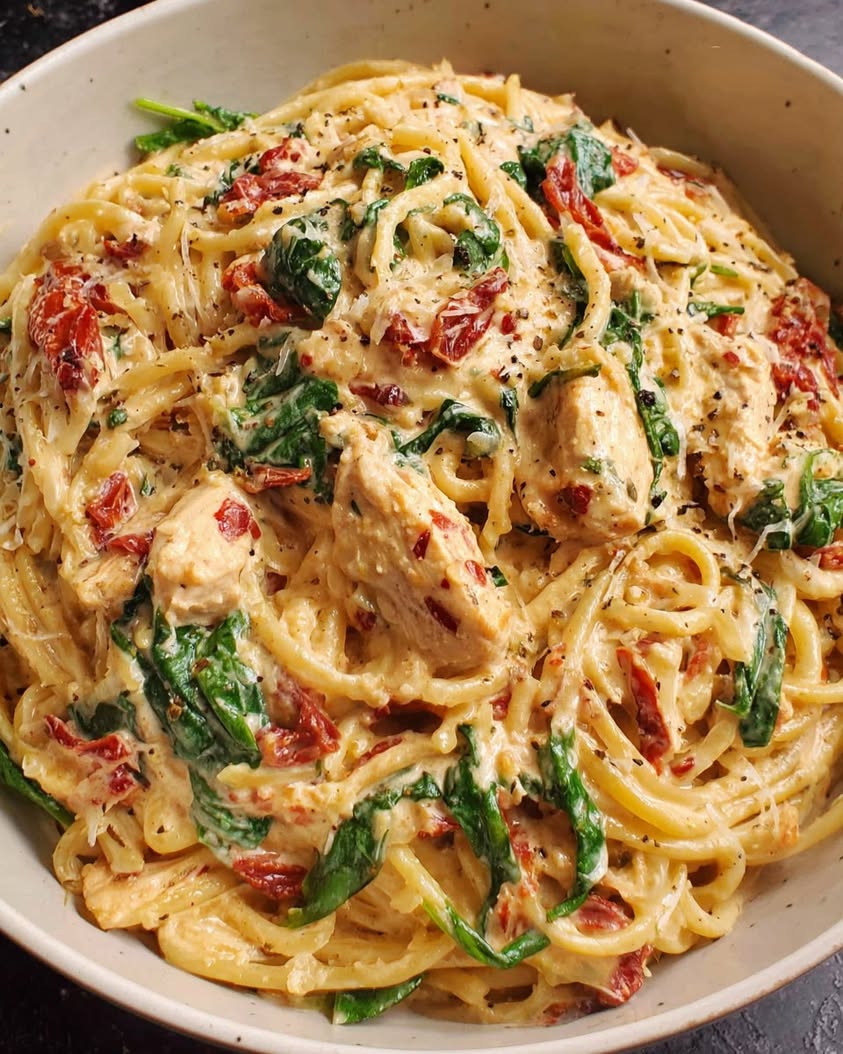
Imagine a plate of perfectly cooked spaghetti tangled with vibrant green spinach, all draped in a luscious, creamy sauce studded with sweet and tangy sun-dried tomatoes. This is the ultimate comfort food experience. The best spaghetti and spinach recipe with sun-dried tomato cream sauce delivers a symphony of flavors that satisfies your deepest cravings for something rich, savory, and utterly delicious. You get the hearty texture of al dente pasta, the tender bite of fresh spinach, and the luxurious coating of a cream sauce that feels like a warm hug on a cool evening.
Furthermore, every forkful brings a burst of umami from the sun-dried tomatoes, which we have rehydrated and blended into the cream. The sauce itself is incredibly simple to make, yet it tastes like something from a high-end Italian restaurant. You combine heavy cream with garlic, Parmesan cheese, and those concentrated tomato pieces to create a sauce that clings beautifully to each strand of spaghetti. When you add the fresh spinach right at the end, it wilts gently into the sauce, adding a beautiful pop of color and a boost of nutrition. This spaghetti and spinach recipe with sun-dried tomato cream sauce is a weeknight winner that feels like a special occasion meal.
Finally, this dish proves that gourmet cooking does not have to be complicated. With just a few high-quality ingredients and about forty minutes of your time, you can create a restaurant-worthy pasta dinner right in your own kitchen. The aroma of garlic sizzling in olive oil, combined with the creamy, tomato-infused sauce, will fill your home with an irresistible scent. Whether you are cooking for your family on a busy Tuesday or impressing guests at a dinner party, this spaghetti and spinach recipe with sun-dried tomato cream sauce is guaranteed to earn rave reviews. Get ready to fall in love with your new favorite pasta dish.
Quick Recipe Highlights
- Flavor Profile: This dish delivers a wonderful balance of savory, tangy, and rich flavors. The sun-dried tomatoes provide a sweet-tart punch that cuts through the creamy sauce, while the Parmesan adds a salty, nutty depth. Garlic and red pepper flakes give it a gentle warmth, making every bite complex and exciting.
- Texture: You experience a delightful contrast of textures in every mouthful. The spaghetti offers a satisfying, chewy bite, while the fresh spinach adds a soft, tender element. The creamy sauce is smooth and luxurious, coating the pasta perfectly without being too heavy or gluey.
- Aroma: As you cook, the kitchen fills with the fragrant scent of garlic and olive oil. The cream sauce releases a rich, buttery aroma that blends beautifully with the earthy notes of sun-dried tomatoes. The final hint of fresh Parmesan adds a pleasant, savory finish to the olfactory experience.
- Visual Appeal: The plate is a picture of rustic elegance. You see a bed of golden, cream-coated spaghetti interspersed with deep green leaves of wilted spinach. The reddish-orange specks of sun-dried tomato add beautiful color contrast, while a final dusting of Parmesan cheese provides a perfect finishing touch.
- Skill Level Needed: This recipe is accessible to beginner and experienced cooks alike. You need basic knife skills for dicing garlic and tomatoes. Mastering the gentle simmer for the cream sauce is the key skill, but it is easy to achieve with a little patience and attention.
- Special Equipment: You will need a large pot for boiling the spaghetti and a large skillet or sauté pan for making the cream sauce. A colander for draining pasta, a sharp knife, and a cutting board are essential. A microplane or fine grater for the Parmesan cheese is highly recommended.
Recipe Overview
- Difficulty Level: I give this recipe a medium difficulty rating because it involves a few simultaneous steps. You must cook the pasta while preparing the sauce, and you need to judge the timing for adding the spinach so it wilts perfectly without becoming mushy. However, the actual techniques are straightforward, so even a dedicated beginner can succeed on their first attempt.
- Category: This dish fits perfectly as a main course for lunch or dinner. It also works wonderfully as a hearty side dish alongside grilled chicken or fish. You can serve it as a substantial vegetarian entree that satisfies even the most dedicated meat-eaters.
- Cuisine: This recipe takes inspiration from Italian-American cuisine, a beloved culinary tradition that emphasizes bold flavors and fresh ingredients. The combination of pasta, cream, and tomatoes is a classic Italian technique, while the generous use of sun-dried tomatoes adds a modern twist. The influence of Tuscan cooking is clear in the simplicity of the ingredients list.
- Cost: The overall cost for this meal is moderate and very budget-friendly. A box of good quality spaghetti and a bag of fresh spinach are inexpensive staples. Sun-dried tomatoes can be a bit pricier if you buy the oil-packed gourmet versions, but the jarred dry-packed kind are quite affordable. Heavy cream and Parmesan cheese are the most significant expenses, but a little of each goes a long way.
- Season: While you can enjoy this recipe year-round, it truly shines in the late summer and early fall. That is when sun-dried tomatoes are at their peak production, and fresh spinach is abundant. The comforting creamy sauce also makes it a perfect meal for cool winter evenings when you crave something warm and satisfying.
- Occasion: This spaghetti and spinach recipe with sun-dried tomato cream sauce is incredibly versatile for any occasion. It works for a quick and delicious weeknight dinner when you are short on time. It also impresses at dinner parties, holiday gatherings, or romantic date nights because it feels so luxurious and special.
Why You Will Love This Recipe
First and foremost, the taste and texture appeal of this dish is absolutely undeniable. The creamy, savory sauce perfectly coats every strand of spaghetti, and the sun-dried tomatoes provide little bursts of concentrated, tangy sweetness. The fresh spinach adds a wonderful earthiness and a tender texture that complements the pasta beautifully. You get a truly satisfying combination of flavors that feels indulgent without being overwhelming. Each bite is a harmonious blend of creamy, salty, tangy, and savory notes that will keep you coming back for more.
In addition, the convenience and preparation benefits of this recipe are outstanding. You can have a gourmet-quality meal on the table in just 40 minutes from start to finish. The active cooking time is minimal, mostly just waiting for the water to boil and the sauce to simmer. The ingredient list is short and uses items you might already have in your pantry, like olive oil, garlic, and Parmesan. This spaghetti and spinach recipe with sun-dried tomato cream sauce is the perfect solution for those evenings when you want something delicious but do not want to spend hours in the kitchen.
Moreover, the nutritional advantages of this meal are a pleasant surprise. You get a good portion of lean protein and healthy fats from the heavy cream and cheese. The fresh spinach is packed with iron, vitamins A and C, and antioxidants, which boosts the overall health profile of the dish. Sun-dried tomatoes are rich in lycopene, an antioxidant linked to heart health. When you pair this pasta with a side salad, you create a well-rounded, satisfying meal that nourishes your body while delighting your taste buds.
Equally important, the social and entertaining value of this recipe is exceptional. Serving a bowl of this creamy, vibrant pasta to guests instantly elevates the occasion. The aroma alone draws people into the kitchen, and the beautiful presentation on the plate makes it feel like a special event. This dish encourages conversation and shared enjoyment, as everyone reaches for seconds. It is the kind of meal that makes people feel cared for and appreciated, which is the true essence of hospitality.
Finally, the cost-effectiveness and accessibility of this recipe make it a staple in my household. You use simple, affordable ingredients that are available at any grocery store. A single box of spaghetti costs around two dollars, and a bag of spinach is equally inexpensive. Sun-dried tomatoes, while a specialty item, are surprisingly affordable when bought in bulk. This spaghetti and spinach recipe with sun-dried tomato cream sauce provides incredible value because it tastes far more expensive than it actually is to make.
Historical Background and Cultural Significance
The origins of this particular combination of ingredients are rooted in the resourceful cooking of Southern Italy. In regions like Puglia and Calabria, sun-drying tomatoes was a traditional method of preserving the summer harvest for the winter months. These concentrated tomatoes, packed with intense flavor, became a staple in many pasta dishes. The idea of adding cream to pasta sauces, however, is a more modern innovation that gained popularity in the late 20th century, especially in Italian-American cuisine, where richer flavors and creamier textures were highly prized.
Culturally, this dish represents the beautiful fusion of rustic Italian peasant cooking with American culinary preferences. In Italy, pasta is often served with simple, olive-oil-based sauces that let the quality of the ingredients shine. The addition of heavy cream and cheese is an American adaptation that creates a more decadent, satisfying meal. This spaghetti and spinach recipe with sun-dried tomato cream sauce embodies the spirit of culinary evolution, where traditional techniques are adapted to new tastes and available ingredients.
The evolution of this recipe is a fascinating journey through modern food trends. In the 1980s and 1990s, sun-dried tomatoes became a trendy ingredient in upscale restaurants and home kitchens across the United States. Cooks began experimenting with them in everything from salads to breads and, of course, pasta sauces. The addition of spinach came later, as cooks sought to add more nutrients and fresh flavors to the rich cream sauce. This evolution reflects a broader cultural shift towards incorporating more vegetables into comfort food classics.
Regional variations of this dish abound throughout Italy and the Italian diaspora. In Northern Italy, you might find a version using mascarpone cheese instead of heavy cream for an even richer texture. In coastal regions, cooks often add shrimp or scallops to create a seafood pasta dish. Some variations use sun-dried tomato paste, while others prefer the texture of chopped, rehydrated tomatoes. This adaptability is a testament to the recipe’s core strength: a simple, delicious combination that welcomes personalization and regional creativity.
Ingredient Deep Dive
Spaghetti, the foundation of this dish, has a long and storied history in Italian cuisine. The name itself means little strings, and this long, thin pasta shape has been a staple of Italian cooking since at least the 12th century. Culturally, spaghetti represents the heart of Italian home cooking, the food of family gatherings and Sunday dinners. Nutritionally, it provides complex carbohydrates for sustained energy, and it is a good source of B vitamins and iron. When selecting spaghetti, look for a brand made from 100% durum wheat semolina, which gives the pasta a firm texture and a pleasant yellow color. You should store dried spaghetti in a cool, dark pantry in an airtight container for up to a year. A good substitute for spaghetti includes linguine, fettuccine, or even bucatini for a similar shape and texture.
Sun-dried tomatoes are the star ingredient that gives this sauce its signature flavor. The practice of drying tomatoes in the sun dates back thousands of years to the ancient civilizations of the Mediterranean. This preservation method concentrates the natural sugars and umami compounds, creating an intensely savory and sweet flavor. Nutritionally, sun-dried tomatoes are rich in lycopene, potassium, and iron. When selecting them, you have a choice between dry-packed and oil-packed varieties. The dry-packed kind requires rehydrating in hot water, while the oil-packed kind is ready to use and adds extra flavor from the herbs in the oil. For storage, keep dry-packed tomatoes in a cool, dark place, while oil-packed ones should be refrigerated after opening. You can substitute rehydrated dried tomatoes or even roasted red peppers for a similar, though different, flavor profile.
Fresh spinach is the healthy green component that adds both nutrition and texture. Spinach originated in ancient Persia and has been cultivated for over two thousand years. It became popular in European cuisine in the Middle Ages and remains a beloved leafy green today. Nutritionally, spinach is a powerhouse packed with vitamins A, C, and K, as well as iron, calcium, and antioxidants. When selecting fresh spinach, look for crisp, dark green leaves without any yellowing or wilting. Avoid bags with excessive moisture, which can lead to spoilage. You should store fresh spinach in the refrigerator in its original bag or in a loosely sealed plastic bag with a paper towel to absorb excess moisture. It will stay fresh for about three to five days. For this recipe, you can substitute kale or Swiss chard, but you will need to cook them a bit longer to soften the tougher leaves.
Heavy cream provides the rich, luxurious base for the sauce. Cream has been used in cooking for centuries, particularly in French and Italian culinary traditions. The high butterfat content, typically 36% or more, gives the sauce its velvety texture and ability to coat the pasta perfectly. Nutritionally, heavy cream is high in calories and saturated fat, but it also provides fat-soluble vitamins like vitamin A. When selecting heavy cream, check the expiration date and look for a smooth, uniform consistency without any separation. You should store it in the coldest part of your refrigerator and use it within a week of opening. For a lighter version, you can substitute half-and-half, though the sauce will be less thick. For a dairy-free option, full-fat coconut cream works surprisingly well, adding a subtle tropical note.
Parmesan cheese is the finishing touch that adds salty, nutty, umami flavor. Parmigiano-Reggiano, the authentic Italian variety, has been produced in the Emilia-Romagna region for over 900 years. Its granular texture and complex flavor are the result of a lengthy aging process. Nutritionally, Parmesan is high in protein and calcium, but also in sodium. When selecting Parmesan, look for the Parmigiano-Reggiano stamp of authenticity for the best flavor. Avoid pre-grated cheese, which often contains anti-caking agents that prevent it from melting smoothly. You should store a wedge of Parmesan wrapped in parchment paper in the refrigerator, where it will keep for several weeks. The best substitute for Parmesan is Pecorino Romano, though it is saltier and has a sharper flavor.
Common Mistakes to Avoid
- Overcooking the spaghetti is a common error that leads to mushy pasta. You must cook it until it is al dente, meaning firm to the bite. Check the pasta two minutes before the package directions suggest, and remember that it will continue to cook slightly in the hot sauce.
- Adding all of the spinach at once can result in uneven wilting. You should add the spinach in handfuls, stirring gently until each batch wilts down before adding the next. This technique ensures all the leaves soften evenly without becoming soggy.
- Using low-fat cream or milk is a frequent substitution that leads to a thin, watery sauce. The high fat content in heavy cream is essential for creating a thick, velvety texture that clings to the pasta. Skimping on fat here will ruin the dish.
- Not salting the pasta water is a major flavor mistake. The water should taste like the sea. Salting the water is the only chance you have to season the pasta from the inside out, so do not skip this crucial step.
- Adding the cream sauce over high heat can cause it to curdle or separate. You must keep the heat at a gentle simmer and stir frequently. High heat can cause the milk proteins to break down, resulting in a grainy, unappealing sauce.
- Draining the pasta completely dry before adding it to the sauce is a missed opportunity. Reserve about a cup of the starchy pasta water before draining. Adding a splash of this water to the sauce helps it emulsify and cling beautifully to the spaghetti.
- Chopping the sun-dried tomatoes too finely makes them disappear into the sauce. You want to see and taste distinct pieces of tomato. A rough chop into small, bite-sized chunks is the perfect size for this recipe.
- Forgetting to taste and adjust seasoning before serving is a common oversight. The Parmesan cheese adds salt, so you may not need much additional salt. However, a good grind of black pepper or a pinch of red pepper flakes can elevate the entire dish.
- Overcooking the garlic can result in a bitter, burnt flavor. You only need to sauté the garlic for about 30 seconds until it becomes fragrant. This quick cooking preserves its sweet, pungent taste without any harsh bitterness.
- Not using fresh Parmesan cheese is a shortcut that noticeably impacts the final dish. Pre-grated cheese contains cellulose and other anti-caking agents that prevent it from melting smoothly. Grating your own cheese from a block ensures a silky, cohesive sauce.
Essential Techniques
Cooking pasta al dente is the single most important technique for this spaghetti and spinach recipe with sun-dried tomato cream sauce. The term al dente translates to to the tooth in Italian, meaning the pasta should be firm and offer slight resistance when bitten. This texture is crucial because it holds up well when tossed with the creamy sauce. To master this, bring a large pot of generously salted water to a rolling boil. Add the spaghetti and stir immediately to prevent sticking. Start checking the pasta about two minutes before the package directions indicate, fishing out a strand to taste. Remember that the pasta will continue to cook for another minute or so after you drain it and add it to the hot sauce. A common pitfall is overcooking the pasta out of fear that it is underdone, but al dente pasta is perfectly cooked pasta. A visual cue for success is that the pasta should still have a tiny white core in the center when you bite into it, which indicates it is perfectly firm but cooked through.
Making a smooth and stable cream sauce requires understanding the principles of emulsion. An emulsion is a mixture of two liquids that do not normally combine, like fat and water. In this case, the heavy cream and the starchy pasta water create a stable emulsion that coats the pasta beautifully. To master this technique, you must maintain a gentle simmer and stir constantly. When you add the pasta to the cream sauce, make sure to toss vigorously to incorporate the pasta water. The starches from the pasta help bind the sauce together. A common pitfall is applying too much heat, which can break the emulsion and cause the sauce to separate into watery liquid and greasy fat. A visual cue for success is seeing a glossy, velvety sauce that lightly clings to the pasta and the sides of the pan without pooling at the bottom.
Wilting spinach into the sauce is a delicate process that requires precise timing. Spinach contains a high percentage of water, and when heated, the water releases and the leaves collapse dramatically. To master this technique, add the spinach in batches, tossing it gently into the hot sauce. The residual heat from the sauce and the pasta will quickly wilt the leaves. A common pitfall is adding the spinach too early or overcooking it, which results in a mushy, waterlogged texture. You want the spinach to retain some of its structure and bright green color. A visual cue for success is seeing the spinach leaves just become limp and darkened in color, usually within 30 to 60 seconds of adding them to the pan.
Pro Tips for Perfect Spaghetti and Spinach Recipe
First, always reserve at least one cup of the starchy pasta water before you drain the spaghetti. This water is liquid gold for your sauce. The starch helps to thicken the sauce and helps it cling to the pasta, creating a cohesive and satisfying dish. Add a splash or two whenever the sauce looks too thick or dry.
Second, thoroughly dry the sun-dried tomatoes before you chop them. If you are using the oil-packed kind, blot them with a paper towel to remove excess oil. If you are using the dry-packed kind, rehydrate them in hot water for about 10 minutes and then pat them dry. This step prevents the sauce from becoming greasy or watered down.
Third, grate your own Parmesan cheese from a block. Pre-shredded cheese is coated with anti-caking agents that prevent it from melting smoothly into a creamy sauce. Freshly grated Parmesan melts beautifully and adds a superior nutty, salty flavor that elevates the entire dish.
Fourth, add the fresh spinach right at the very end of the cooking process. You only need to wilt it for about 30 seconds in the hot sauce. This keeps the spinach vibrant green, tender, and full of flavor. Overcooking the spinach turns it into a mushy, unappealing mess.
Fifth, do not skip the step of toasting the garlic in olive oil before adding the cream. This brief sauté in the hot oil releases the garlics natural sugars and creates a sweet, mellow flavor base. Burnt garlic tastes bitter and will ruin the entire sauce, so keep a close watch.
Sixth, taste the sauce before you add any extra salt. Both the sun-dried tomatoes and the Parmesan cheese contain significant amounts of salt. Season the dish with black pepper and a tiny pinch of red pepper flakes for heat instead of relying solely on salt for flavor.
Seventh, let the finished pasta rest for about two minutes before serving. This brief rest allows the sauce to fully absorb into the spaghetti and thicken slightly. You will get a more cohesive and flavorful bite when you serve it. Do not let it sit longer than five minutes, though, or the pasta will become gummy.
Eighth, serve the pasta with an extra grating of fresh Parmesan cheese and a drizzle of good quality extra virgin olive oil. The fresh cheese adds a salty, nutty finish, and the olive oil adds a fruity, peppery note that brightens the entire dish. These small finishing touches make a huge difference.
Variations and Adaptations
Regional variations of this spaghetti and spinach recipe with sun-dried tomato cream sauce are endless and exciting. In the coastal regions of Italy, cooks often add shrimp or scallops to make this a seafood pasta dish. The briny seafood pairs wonderfully with the creamy sauce and tangy tomatoes. In southern Italy, you might find a version that uses ricotta cheese instead of heavy cream, creating a lighter, slightly grainy sauce that is just as delicious. Some home cooks add a splash of white wine to the sauce for extra acidity and depth of flavor.
Seasonal adaptations are an excellent way to keep this recipe fresh and interesting throughout the year. In the summer, you can use fresh cherry tomatoes instead of sun-dried tomatoes for a lighter, brighter sauce. Simply halve the cherry tomatoes and cook them until they burst. In the fall, add roasted butternut squash cubes to the sauce for a sweet, earthy element. In the spring, substitute fresh asparagus spears, cut into bite-size pieces and blanched, for the spinach. These seasonal swaps keep the dish feeling new and connected to the time of year.
Dietary modifications make this recipe accessible to a wide range of eaters. For a gluten-free version, simply use your favorite gluten-free spaghetti, which works beautifully in this dish. For a dairy-free adaptation, substitute full-fat coconut cream for the heavy cream and use a high-quality nutritional yeast or a dairy-free Parmesan alternative in place of the cheese. For a vegan version, use the dairy-free substitutions above and skip the Parmesan or use a cashew-based vegan cheese. For a lower-carb option, use spaghetti squash or zucchini noodles, though you should reduce the amount of sauce you add.
Flavor variations can completely transform the character of this dish. Add a teaspoon of smoked paprika to the sauce for a smoky depth of flavor. Stir in a handful of fresh basil or parsley at the end for a burst of herbal freshness. Add a pinch of nutmeg to the cream sauce for a warm, aromatic note. For a spicy version, increase the amount of red pepper flakes or add a finely chopped jalapeno. Each variation creates a unique take on the original recipe while maintaining the core, comforting essence.
Serving and Presentation Guide
Plating techniques for this dish can transform a simple meal into a stunning presentation. Use a pair of tongs to twirl the spaghetti into a neat, compact nest in the center of a wide, shallow bowl. This creates height and visual interest on the plate. For a more rustic look, simply spoon the pasta directly from the pan into the bowl, allowing the strands to fall naturally. Either way, make sure to spoon some of the extra sauce from the bottom of the pan over the top of the pasta nest.
Garnishing ideas add the perfect finishing touches to your dish. A generous grating of fresh Parmesan cheese over the top creates a beautiful white snow effect against the creamy sauce. A sprinkle of fresh, minced parsley or basil adds a lovely pop of green color and a fresh herbal aroma. A light drizzle of extra virgin olive oil adds a glossy sheen and a fruity flavor. Finally, a crack of black pepper and a few red pepper flakes provide a touch of heat and visual contrast.
Traditional accompaniments for this pasta dish include a simple side salad with a lemon vinaigrette to cut through the richness of the sauce. Crusty bread, like a warm baguette or ciabatta, is perfect for sopping up any remaining sauce on the plate. A glass of crisp Pinot Grigio or a light Chianti complements the flavors beautifully. For a more substantial meal, serve the pasta alongside grilled chicken or sautéed shrimp.
Modern serving suggestions include plating the pasta in individual cast iron skillets for a rustic, trendy look. You can also serve it family-style in a large, beautiful serving bowl placed in the center of the table. For a fun twist, serve the pasta in hollowed-out bread bowls. This creates an interactive dining experience and the bread soaks up the delicious sauce. Always consider the overall aesthetic of your table setting when choosing your serving vessel.
Wine and Beverage Pairing
Wine pairings for this creamy, tangy pasta dish are wonderfully complementary. A crisp, unoaked Chardonnay with its green apple and citrus notes cuts through the richness of the cream sauce. The acidity in the wine also balances the sweetness of the sun-dried tomatoes. A Pinot Grigio from Italy offers similar acidic lift with a lighter body. For red wine lovers, a light-bodied Pinot Noir with its earthy, fruity notes does not overpower the dish. The subtle tannins in the wine also help cleanse the palate between bites of the creamy pasta.
Non-alcoholic alternatives are just as delightful. A sparkling water with a squeeze of fresh lemon or lime provides a palate-cleansing effect that is perfect for cutting through the richness. A chilled, dry ginger ale with its spicy kick complements the sun-dried tomatoes nicely. For a special treat, a mocktail made with pomegranate juice, sparkling water, and a splash of lime juice offers a sweet-tart contrast to the savory pasta. Herbal iced tea, particularly a mint or chamomile tea, also works well.
Temperature considerations are important for the perfect pairing experience. White wines and sparkling drinks should be served well-chilled, around 45 to 50 degrees Fahrenheit. Red wines benefit from being served slightly cool, around 55 to 60 degrees, which is often called cellar temperature. Room temperature red wine can taste overly alcoholic and flat when paired with a rich dish. For non-alcoholic drinks, serve them over ice for the best refreshing experience.
Serving suggestions for beverages include offering the wine or drink in a proper glass that allows the aromas to develop. For white wine, use a standard white wine glass with a slightly narrower opening. For red wine, use a wider-bowled glass. Always fill the glass only about one-third full to allow room for swirling. Serve the beverage alongside the pasta course, not before, to ensure the flavors harmonize perfectly on the palate.
Storage and Shelf Life
Storage methods for leftover spaghetti and spinach recipe with sun-dried tomato cream sauce require some care to maintain quality. Allow the pasta to cool completely to room temperature before storing, which usually takes about 30 minutes. Then, transfer it to an airtight container. The container should be just large enough to hold the pasta without too much empty space, as excess air can dry out the sauce and cause the pasta to become stale.
Temperature requirements are crucial for food safety and quality. You must refrigerate the leftover pasta within two hours of cooking to prevent bacterial growth. Place the container in the coldest part of your refrigerator, usually the back of the bottom shelf. The ideal temperature for storing this dish is between 34 and 38 degrees Fahrenheit. Consume the leftovers within three to four days for the best flavor and texture.
Container recommendations include using glass or BPA-free plastic containers with tight-fitting lids. Glass containers are preferable because they do not absorb odors or stains from the sauce. Avoid using aluminum containers, as the acidity in the tomatoes can react with the metal and create a metallic taste. If you need to stack multiple containers, place a layer of plastic wrap directly on the surface of the pasta to prevent a skin from forming on the sauce.
Reheating instructions are essential for reviving the creamy texture of this dish. The best method is to reheat the pasta gently on the stovetop. Add a tablespoon of water or milk to the pan to help loosen the sauce, and heat over medium-low heat, stirring frequently. This gentle heat prevents the sauce from separating or the pasta from becoming mushy. You can also reheat it in the microwave for convenience, but you should do so in 30-second intervals, stirring between each, to ensure even heating.
Make Ahead Strategies
A prep timeline for making this dish ahead of time can save you significant effort on busy days. You can prepare all the components up to 24 hours in advance. Chop the sun-dried tomatoes, mince the garlic, and grate the Parmesan cheese. Store these prepped ingredients in separate airtight containers in the refrigerator. You can also wash and dry the spinach and store it in a sealed bag with a paper towel to keep it crisp.
Storage between steps requires careful attention to maintain ingredient quality. The prepped vegetables should remain fresh in the refrigerator for up to two days. The grated Parmesan cheese should be kept in an airtight container to prevent it from drying out. Do not cook the spaghetti or make the sauce ahead of time. Cooked pasta loses its texture quickly, and the cream sauce can separate when reheated. Instead, combine the prepped ingredients on the day of serving.
Quality impact assessment is important when considering make-ahead options. The dish is best when served immediately after cooking because the pasta retains its al dente texture and the sauce remains creamy and emulsified. If you do need to make it ahead, consider cooking the spaghetti and making the sauce separately. Store them in separate containers and combine them when you reheat. This minimizes the loss of quality, though the pasta will never be quite as perfect as fresh-cooked.
Assembly tips for quick final preparation are invaluable. When you are ready to serve, bring a large pot of salted water to a boil and cook the spaghetti fresh. While the pasta cooks, gently reheat the sauce in a large skillet over low heat. When the pasta is al dente, drain it (reserving pasta water) and add it directly to the simmering sauce. Toss everything together, add the spinach, and serve immediately. This method takes only about 15 minutes and delivers restaurant-quality results.
Scaling Instructions
Halving the recipe is straightforward and requires minimal adjustments. Divide all ingredient quantities by two. You will use about 4 ounces of spaghetti, 1 cup of heavy cream, and 2 ounces of sun-dried tomatoes. Cooking times remain largely the same, but you should use a smaller pot and skillet to ensure even cooking. The sauce will reduce slightly faster in a smaller pan, so keep a close watch to prevent it from becoming too thick.
Doubling or tripling the recipe for larger gatherings is also simple. Multiply all ingredient quantities by two or three as needed. Use a very large pot for the pasta and a very large skillet or even a Dutch oven for the sauce. Be aware that doubling the sauce may require extra time to come to a simmer and thicken. You may also need to increase the cooking time for the pasta slightly because a larger volume of water takes longer to return to a boil after adding the pasta.
Equipment adjustments are necessary when scaling the recipe up. For a double batch, you need a 6-quart or larger pot for the pasta and a 12-inch or larger skillet for the sauce. For a triple batch, consider using a stockpot for the pasta and a large roasting pan or two skillets for the sauce. Do not overcrowd the pan when sauteing the garlic or wilting the spinach. You may need to work in batches to ensure even cooking.
Timing modifications when scaling up are important to manage. The pasta will take roughly the same amount of time to cook. However, the sauce will need about 5 to 10 extra minutes to thicken properly because the increased volume takes longer to reduce. The spinach will also take a bit longer to wilt because you are adding more volume to the pan. Be patient and adjust the heat as needed to maintain a gentle simmer without scorching the sauce.
Nutritional Deep Dive
Macro breakdown for a typical serving of this pasta dish is quite balanced for a rich, satisfying meal. A single serving of this spaghetti and spinach recipe with sun-dried tomato cream sauce contains approximately 550 to 650 calories. Carbohydrates from the spaghetti and sun-dried tomatoes provide about 60 to 70 grams per serving. Fats from the heavy cream, olive oil, and cheese contribute roughly 25 to 35 grams. Protein from the cheese and a small amount from the pasta provides about 15 to 20 grams Print
Spaghetti & Spinach with Sun-Dried Tomato Chicken Cream Sauce
- Total Time: 35 minutes
- Yield: 4
Description
A creamy, savory pasta dish featuring tender chicken, sun-dried tomatoes, and fresh spinach tossed with spaghetti in a rich cream sauce.
Ingredients
- 8 oz spaghetti
- 2 boneless skinless chicken breasts, sliced thin
- 1 tablespoon olive oil
- 3 cloves garlic, minced
- 1/2 cup sun-dried tomatoes (in oil), drained and chopped
- 1 cup heavy cream
- 1/2 cup chicken broth
- 1/2 cup grated Parmesan cheese
- 3 cups fresh spinach
- Salt and pepper to taste
- Red pepper flakes (optional)
Instructions
- Cook spaghetti according to package directions until al dente. Drain and set aside.
- Season chicken slices with salt and pepper. In a large skillet, heat olive oil over medium-high heat and cook chicken until golden and cooked through, about 4-5 minutes per side. Remove chicken from skillet and set aside.
- In the same skillet, reduce heat to medium. Add garlic and sun-dried tomatoes, sautéing for 1 minute until fragrant.
- Pour in heavy cream and chicken broth, stirring to combine. Bring to a gentle simmer and cook for 2-3 minutes until slightly thickened.
- Stir in Parmesan cheese until melted and smooth. Add fresh spinach and cook until wilted, about 2 minutes.
- Return chicken to the skillet and add cooked spaghetti. Toss everything together until well coated in the sauce. Adjust seasoning with salt, pepper, and optional red pepper flakes.
- Serve immediately.
Notes
You can customize the seasonings to taste.
- Prep Time: 15 minutes
- Cook Time: 20 minutes
- Method: Main
- Cuisine: Italian-American