The Ultimate Guide to Mediterranean Chicken Skewers with Hummus Spread
Why Mediterranean Chicken Skewers with Hummus Spread
Mediterranean Chicken Skewers with Hummus Spread represent the heart of vibrant, sun-drenched cooking. You will discover how simple ingredients transform into an extraordinary meal. The combination of juicy chicken, aromatic spices, and creamy hummus creates a truly memorable dining experience. This recipe brings the warmth of Mediterranean kitchens directly to your table. The flavors work together in perfect harmony, offering satisfaction with every single bite.
The cooking process is surprisingly straightforward, making this dish perfect for weeknight dinners. You will appreciate how the marinade infuses the chicken with incredible depth. The hummus spread adds a cool, creamy counterpoint to the grilled meat. Furthermore, the entire meal comes together in under forty minutes. This recipe proves that healthy eating does not require complicated techniques or hard-to-find ingredients. The Mediterranean Chicken Skewers with Hummus Spread will become a staple in your meal rotation.
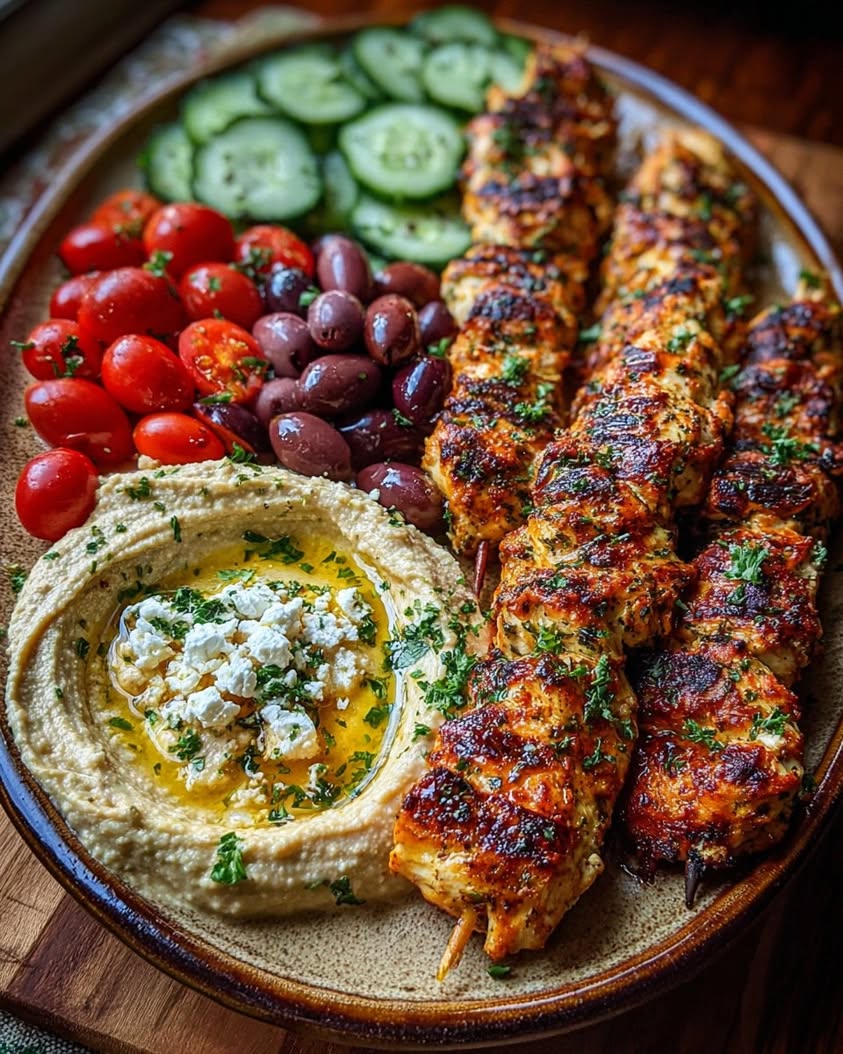
Visually, these skewers are stunning, with golden-brown chicken pieces against a backdrop of vibrant green hummus. The aromas of garlic, lemon, and oregano will fill your kitchen with promise. Each component of the dish plays a crucial role in building a complete sensory experience. The preparation is flexible, allowing you to adjust spice levels to your preference. Ultimately, this recipe delivers restaurant-quality results from your own backyard or stovetop grill. You will feel a sense of pride serving this beautiful, flavorful meal to your family and friends.
Quick Recipe Highlights
- Flavor Profile: The taste combines savory grilled chicken with bright, citrusy notes from lemon and herbs. The hummus provides a rich, nutty, and slightly tangy foundation that balances the charred meat. Warm spices like cumin and paprika add subtle warmth without overwhelming the palate.
- Texture: You experience a delightful contrast between the tender, juicy chicken and the creamy, smooth hummus. The slight char on the chicken adds a pleasant crispiness to the exterior. Fresh vegetables or pita bread provide a nice crunch to round out the meal.
- Aroma: The scent of oregano, garlic, and lemon fills the air as the chicken grills. The smokiness from the cooking process mingles with the earthy fragrance of toasted sesame in the hummus. These aromas instantly transport you to a seaside taverna in Greece or Lebanon.
- Visual Appeal: The golden-brown skewers contrast beautifully with the pale, creamy hummus spread on the plate. A drizzle of olive oil and a sprinkle of fresh parsley or sumac adds a pop of color. The arrangement looks rustic yet elegant, suitable for both casual and formal meals.
- Skill Level Needed: This recipe requires only basic knife skills for cubing the chicken and chopping vegetables. The marinade comes together in minutes with common pantry spices. Grilling the skewers demands simple attention to timing, making it accessible to beginner cooks.
- Special Equipment: You will need wooden or metal skewers for grilling. A grill, grill pan, or cast-iron skillet works perfectly for cooking the chicken. A food processor helps create a silky smooth hummus, though a strong blender or hand masher also works.
Recipe Overview
- Difficulty Level: This recipe earns an Easy rating because the steps are straightforward and require little special technique. The marinade uses common ingredients that you likely already have in your pantry. Grilling the skewers is a simple process of turning them occasionally for even cooking. The hummus is a no-cook component that comes together in a food processor in under five minutes. Even if you are new to cooking Mediterranean food, you will find this recipe incredibly forgiving and reliable.
- Category: This dish fits perfectly into the main course category for lunch or dinner. You can also serve these skewers as an appetizer or party snack for a crowd. The recipe works beautifully for meal prep, as the components store well separately. It also qualifies as a high-protein, gluten-free meal option when served with vegetables instead of pita.
- Cuisine: This recipe draws heavily from Greek and Lebanese culinary traditions, which emphasize fresh, simple ingredients. The use of olive oil, lemon, garlic, and oregano is classic Greek. The hummus spread has its roots in the Eastern Mediterranean, particularly Lebanon and Egypt. The combination of grilled meat and creamy dip represents a common street food theme across the region.
- Cost: The total cost for this recipe is relatively low, typically under twenty dollars for four servings. Chicken thighs are affordable and become tender when marinated. Canned chickpeas, tahini, and spices are pantry staples with a long shelf life. Fresh produce like lemons and garlic adds minimal expense. You save money by making hummus from scratch rather than buying pre-made versions.
- Season: This recipe shines during the spring and summer months when grilling season is in full swing. The bright, citrusy flavors pair perfectly with warm weather and outdoor gatherings. However, you can easily cook the skewers indoors on a grill pan year-round. The fresh herbs and vegetables are readily available in most grocery stores during any season.
- Occasion: Mediterranean Chicken Skewers with Hummus Spread are perfect for casual weeknight dinners. They also impress at backyard barbecues, potlucks, and summer parties. The dish works wonderfully for date nights, offering a romantic and shareable meal. Additionally, it is a fantastic choice for meal prepping lunches for the work week.
Why You Will Love This Recipe
You will love the incredible taste and texture combination of this dish. The chicken emerges from the grill with a smoky, charred exterior that gives way to juicy, tender meat. Each bite pairs perfectly with the cool, creamy hummus, creating a satisfying contrast. The marinade infuses the chicken with layers of flavor from garlic, lemon, oregano, and cumin. This is not a bland, dry chicken recipe. It delivers bold, memorable flavors that will have you craving it again and again.
The convenience of this recipe is a major advantage for busy home cooks. You only need twenty minutes of active preparation time before the grill does the rest of the work. The marinade takes just a few minutes to whisk together. Furthermore, you can prepare both the marinade and the hummus a day in advance. This makes the actual cooking process incredibly streamlined. The Mediterranean Chicken Skewers with Hummus Spread recipe is designed for efficiency without sacrificing quality.
From a nutritional standpoint, this meal offers remarkable health benefits. Chicken provides lean protein that supports muscle growth and keeps you feeling satisfied. Chickpeas in the hummus deliver plant-based protein and fiber for digestive health. Olive oil contributes heart-healthy monounsaturated fats that reduce inflammation. The herbs and spices add antioxidants and anti-inflammatory properties. This is a balanced meal that fuels your body while delighting your taste buds.
The social and entertaining value of these skewers is immense. They are interactive, allowing guests to build their own plates with hummus and fresh vegetables. The visual presentation is stunning, making a beautiful centerpiece for any table. You can easily double the recipe for a crowd without adding much extra work. The dish travels well for picnics or potlucks. Everyone will ask you for the recipe after taking their first bite.
Cost-effectiveness and accessibility make this recipe a practical choice for any household. Chicken thighs are one of the most affordable cuts of meat available. Canned chickpeas cost less than a dollar per can, making homemade hummus incredibly budget-friendly. The spices called for are common and inexpensive. Most of these ingredients are already in your pantry. You create a restaurant-quality meal for a fraction of the price of dining out.
Historical Background and Cultural Significance
The tradition of grilling skewered meat dates back thousands of years in the Mediterranean region. Ancient Greeks and Romans cooked pieces of meat on spits over open fires. This method allowed for quick, even cooking and made tough cuts more tender. The practice spread throughout the Mediterranean and Middle East, evolving into various regional specialties. The word kebab itself comes from the Persian language, indicating the widespread influence of this cooking technique. Today, grilled skewers remain a beloved street food across the entire region.
Hummus has an equally ancient and storied history in the Levant region. The earliest known recipes for chickpea-based dips date back to 13th-century cookbooks from Cairo. However, the combination of chickpeas, tahini, lemon, and garlic likely existed long before written records. Hummus became a staple food in Lebanon, Syria, Jordan, and Palestine, spreading throughout the Middle East and North Africa. It symbolizes hospitality, sharing, and family gatherings in these cultures. The creamy spread represents comfort and tradition on countless dinner tables.
The evolution of this specific combination of skewered chicken with hummus spread reflects modern fusion cooking. As global cuisine influences merged, chefs and home cooks began pairing grilled meats with traditional dips. This created a complete, balanced meal that celebrates the best of Mediterranean flavors. The dish gained popularity in Western countries through Greek and Lebanese restaurants. It now appears on menus from casual cafes to fine dining establishments. The recipe continues to evolve as cooks add their own creative twists.
Regional variations of this dish exist throughout the Mediterranean and Middle East. In Greece, you might find souvlaki served with tzatziki sauce instead of hummus. Lebanese cuisine offers shish tawook, which uses a similar marinade and is often served with garlic sauce. Turkish cooking features sis tavuk with sumac and grilled vegetables. North African versions incorporate harissa for heat and complexity. Each culture adapts the core concept to local tastes and available ingredients, creating a beautiful tapestry of flavors.
Ingredient Deep Dive
Chicken Thighs
Chicken thighs hold cultural significance in Mediterranean cooking because they offer superior flavor and moisture compared to breasts. In many Mediterranean households, cooks prefer dark meat for its richness and tenderness. Nutritionally, chicken thighs provide high-quality protein, B vitamins, and selenium for immune function. They contain slightly more fat than breasts, but that fat contributes to the juiciness and flavor of the finished dish. When selecting chicken thighs, look for organic or free-range options if your budget allows. The meat should be firm and pink with no off-odors. Store raw chicken in the coldest part of the refrigerator and use within two days.
For substitution options, you can use chicken breasts if you prefer leaner meat. However, you must be careful not to overcook them, as they dry out quickly. Boneless, skinless chicken thighs are the easiest choice for skewers because they cook evenly. If using bone-in thighs, you will need to remove the bones before cubing. Turkey breast or pork tenderloin also work well with this marinade. For a vegetarian version, try firm tofu or halloumi cheese, which holds its shape on the grill. Each substitution changes the cooking time slightly, so monitor the internal temperature carefully.
Chickpeas
Chickpeas, also known as garbanzo beans, have been cultivated for over 7,000 years in the Middle East. They are a cornerstone of Mediterranean and Middle Eastern diets, providing affordable nutrition for centuries. Nutritionally, chickpeas are packed with plant-based protein, fiber, iron, and folate. They support digestive health, stabilize blood sugar, and promote heart health. When selecting chickpeas for hummus, you can use canned or dried varieties. Canned chickpeas are convenient and require only a rinse before use. Dried chickpeas offer better texture and flavor but require overnight soaking and cooking.
For the best hummus texture, choose chickpeas that are not overly soft or mushy. Canned chickpeas should have a firm, intact shape. If using dried chickpeas, cook them until tender but not falling apart. Store canned chickpeas in a cool, dry pantry for up to a year. Once opened, transfer leftover chickpeas to an airtight container and refrigerate for up to four days. For substitution options, white beans or cannellini beans create a creamy, mild hummus. Edamame makes a green, vibrant alternative with a slightly different flavor profile. Each bean variety will change the taste and texture of the final spread.
Tahini
Tahini is a paste made from toasted, ground sesame seeds that is essential for authentic hummus. It has been used in Middle Eastern cooking for thousands of years, valued for its rich, nutty flavor. Nutritionally, tahini provides healthy fats, protein, calcium, and vitamin E. It supports bone health and provides antioxidants that reduce inflammation. When selecting tahini, look for brands that list only sesame seeds as an ingredient. The paste should be smooth and pourable, not thick and clumpy. Avoid tahini that has separated with a thick layer of oil on top, as this indicates age.
Storage of tahini is important because the oils can go rancid over time. Keep tahini in a cool, dark pantry for up to six months. Refrigeration extends its shelf life to one year, though the paste thickens when cold. Stir tahini well before using to reincorporate any separated oil. For substitution options, you can use sunflower seed butter or almond butter for a nut-free version. Greek yogurt mixed with a little sesame oil provides a different but delicious substitute. However, these alternatives will change the authentic flavor of the hummus noticeably.
Lemons
Lemons are a fundamental ingredient in Mediterranean cooking, prized for their bright acidity and versatility. Their history in the region dates back to the Roman era when they were introduced from Asia. Nutritionally, lemons provide high amounts of vitamin C, which supports immune function and collagen production. They also contain flavonoids with antioxidant properties. When selecting lemons, choose ones that are heavy for their size, indicating juiciness. The skin should be bright yellow and smooth, without blemishes. Avoid lemons with soft spots or wrinkled skin, as these are past their prime.
Store lemons at room temperature for up to a week, or refrigerate them for up to a month. For the most juice, bring lemons to room temperature before squeezing. Rolling them firmly on the counter before cutting also helps release more juice. For substitution options, you can use limes for a slightly different acidity. White wine vinegar diluted with water provides a similar tartness. Bottled lemon juice works in a pinch, but the flavor will be less bright. Fresh lemon zest adds aromatic oils that bottled juice cannot replicate, so always use fresh lemons when possible.
Common Mistakes to Avoid
- Overcooking the chicken is a frequent error that leads to dry, tough meat. Chicken thighs are more forgiving than breasts, but they still dry out if left on the grill too long. Use an instant-read thermometer and remove the skewers when the internal temperature reaches 165 degrees Fahrenheit. The residual heat will continue cooking the meat slightly as it rests.
- Not marinating the chicken long enough prevents the flavors from penetrating the meat. At minimum, marinate for thirty minutes at room temperature. For best results, marinate for two to four hours in the refrigerator. The longer the chicken sits in the marinade, the more flavorful and tender it becomes.
- Using metal skewers without soaking them can cause uneven cooking. Metal skewers conduct heat, which can cook the inside of the chicken faster than the outside. Conversely, wooden skewers need soaking in water for at least thirty minutes to prevent burning. Soaked wooden skewers keep the chicken from slipping and ensure even grilling.
- Overcrowding the grill pan or grill prevents proper browning and char. The chicken pieces need space between them for heat to circulate. If you crowd the skewers, the chicken will steam rather than grill. Cook in batches if necessary to give each skewer room to develop a nice crust.
- Making hummus with cold ingredients results in a grainy, separated texture. Bring all hummus ingredients to room temperature before blending. The chickpeas, tahini, and lemon juice should sit out for twenty minutes. This simple step ensures a smooth, creamy emulsion that holds together beautifully.
- Skipping the step of peeling the chickpeas creates a less smooth hummus. The skins on canned chickpeas are tough and fibrous. Removing them by pinching each chickpea between your fingers takes a few extra minutes. The result is a velvety, luxurious hummus that is worth the effort.
- Using too much garlic in the hummus can overwhelm the other flavors. Garlic is potent, and its harshness grows stronger as the hummus sits. Start with one small clove and taste before adding more. Roasted garlic provides a sweeter, milder alternative that blends more harmoniously.
- Not resting the chicken after grilling causes the juices to run out when you cut it. Let the skewers rest for five minutes after removing them from the heat. This allows the juices to redistribute throughout the meat. The chicken will be more tender and flavorful when you finally serve it.
Essential Techniques
Marinating Chicken
Marinating is a crucial technique that adds flavor and tenderizes the meat. The acid from lemon juice and the enzymes in garlic break down protein fibers. This process makes the chicken more tender and allows the flavors to penetrate deeply. The oil in the marinade helps the spices cling to the surface and promotes browning during cooking. To master this technique, combine all marinade ingredients in a bowl and whisk until emulsified. Add the cubed chicken and toss to coat each piece evenly. Cover the bowl and refrigerate, turning the chicken occasionally. Avoid marinating for more than twelve hours because the acid can begin to break down the meat too much, making it mushy. Visual cues for a well-marinated chicken include a uniform coating of spices and a slightly softened texture.
Making Smooth Hummus
Creating silky hummus relies on proper emulsification and ingredient temperature. The goal is to blend the chickpeas, tahini, lemon juice, garlic, and olive oil into a smooth, cohesive paste. Start by blending the tahini with lemon juice and garlic first. This allows the tahini to aerate and become light and fluffy. Add the olive oil while the machine runs to create an emulsion. Finally, add the chickpeas in batches, processing until completely smooth. The key to silky texture is patience. Scrape down the sides of the bowl frequently and process for at least two minutes. If the hummus is too thick, add ice water one tablespoon at a time while the machine runs. The finished hummus should be pale, creamy, and hold a ribbon when lifted with a spoon.
Grilling Skewers
Grilling skewers requires attention to heat management and timing to achieve perfect results. The grill or grill pan should be preheated to medium-high heat before you add the skewers. This high heat creates the sear that locks in juices and develops flavor. Place the skewers on the grill and leave them undisturbed for three to four minutes. This allows a nice crust to form, which prevents sticking. Turn the skewers using tongs and cook for another three to four minutes on the opposite side. Continue turning every few minutes until the chicken is cooked through and has an internal temperature of 165 degrees Fahrenheit. Visual cues for doneness include golden-brown char marks and clear juices when the meat is pierced. The chicken should feel firm to the touch but not hard.
Pro Tips for Perfect Mediterranean Chicken Skewers with Hummus Spread
Soak wooden skewers in water for at least thirty minutes before threading the chicken. This prevents the skewers from catching fire on the grill. You can also use metal skewers, which are reusable and conduct heat differently. Metal skewers cook the chicken from the inside out, so monitor doneness carefully.
Cut the chicken into uniform one-inch cubes for even cooking. Pieces that are too small will dry out quickly. Larger pieces take longer to cook and may burn on the outside before the inside is done. Consistent sizing ensures every bite is perfectly cooked.
Thread the chicken onto the skewers loosely, leaving a small gap between each piece. This allows heat to circulate around each cube, promoting even browning. Tightly packed chicken will steam rather than grill, resulting in a pale, unappealing appearance.
Let the marinated chicken come to room temperature for fifteen minutes before grilling. Cold meat lowers the grill temperature and cooks unevenly. Room temperature chicken sears better and cooks more predictably. This simple step makes a noticeable difference in the final result.
Brush the grill grates with oil before adding the skewers to prevent sticking. Use a paper towel dipped in vegetable oil held with long tongs. This creates a non-stick surface that helps the chicken develop beautiful grill marks. Reapply oil between batches if necessary.
Make the hummus a day ahead to allow the flavors to meld and deepen. The garlic and lemon become more mellow and integrated overnight. Store the hummus in an airtight container in the refrigerator, and bring it to room temperature before serving for the best texture.
Variations and Adaptations
Regional variations of this dish offer exciting flavor experiences from different culinary traditions. For a Greek-inspired version, add oregano, thyme, and a splash of red wine vinegar to the marinade. Serve with tzatziki sauce and warm pita bread for an authentic meal. Lebanese-style skewers use a marinade of lemon, garlic, and a generous amount of seven-spice blend. The accompanying hummus can be topped with ground lamb and pine nuts for a more substantial dish. North African variations incorporate harissa paste into the marinade for a spicy kick. Each regional adaptation honors local ingredients while maintaining the core appeal of grilled chicken with creamy spread.
Seasonal adaptations allow you to enjoy this recipe year-round with fresh produce. In the spring, add fresh asparagus spears and baby artichokes to the skewers. Summer versions can include cherry tomatoes, zucchini, and bell peppers threaded between the chicken. Autumn calls for roasted butternut squash or sweet potato chunks alongside the chicken. Winter adaptations might feature preserved lemons and olives for a brighter flavor. The hummus can also change with the seasons, using roasted red peppers in summer or pumpkin puree in fall. These changes keep the recipe exciting and aligned with what is available at the farmers market.
Dietary modifications ensure that everyone can enjoy Mediterranean Chicken Skewers with Hummus Spread. For a gluten-free version, serve the skewers with a side salad or roasted vegetables instead of pita bread. The recipe is naturally dairy-free because the hummus uses no dairy products. For a vegan adaptation, substitute the chicken with firm tofu, tempeh, or portobello mushroom caps. The marinade works beautifully on plant-based proteins, infusing them with Mediterranean flavors. Low-carb variations can skip the pita and use cucumber rounds or lettuce wraps for serving. Each dietary adjustment maintains the delicious core of the recipe.
Flavor variations open up endless possibilities for creative home cooks. Smoked paprika adds a deep, smoky flavor to the chicken marinade. Sumac provides a tangy, lemony note that brightens the finished dish. Zaatar, a Middle Eastern spice blend, brings earthy, herbaceous complexity. For a sweeter profile, add a teaspoon of honey or pomegranate molasses to the marinade. The hummus can be flavored with roasted garlic, sun-dried tomatoes, or fresh herbs like basil or cilantro. Each variation creates a unique taste experience while keeping the dish recognizable.
Serving and Presentation Guide
Plating techniques for this dish should highlight the contrast between the skewers and the hummus spread. Start by spreading a generous layer of hummus across the center of a large, shallow serving platter. Use the back of a spoon to create swoops and swirls in the hummus for visual interest. Arrange the cooked chicken skewers on top of the hummus, slightly overlapping for a dramatic effect. Drizzle olive oil over the entire platter and sprinkle with fresh parsley, paprika, or sumac. This presentation makes the dish look both rustic and elegant, perfect for entertaining.
Garnishing ideas add the final touches that elevate the dish from simple to spectacular. Fresh herbs like mint, cilantro, or dill provide bright color and fresh flavor. Toasted pine nuts or sesame seeds add a pleasant crunch and nutty taste. Thinly sliced red onions or radishes contribute a peppery bite. Edible flowers like nasturtiums or borage give a whimsical, garden-fresh appearance. Pickled turnips or olives add tangy, briny notes that cut through the richness of the hummus. Each garnish should complement the flavors without overwhelming the main components.
Traditional accompaniments for this meal create a complete Mediterranean feast. Warm pita bread or flatbread is essential for scooping up the hummus. A simple Greek salad with tomatoes, cucumbers, olives, and feta cheese provides freshness and acidity. Roasted vegetables like eggplant, zucchini, and bell peppers add depth and heartiness. Tabbouleh, a bulgur wheat and parsley salad, offers a light, herbaceous side dish. Each accompaniment enhances the main dish and rounds out the meal.
Modern serving suggestions allow for creative presentation and portion control. Serve the skewers individually on small plates with a dollop of hummus and a side salad. This works well for appetizers or for a more formal dinner. Deconstruct the dish by slicing the chicken off the skewers and arranging it on a bed of hummus. This makes it easier to eat and allows guests to serve themselves family-style. For a bowl meal, serve the chicken and hummus over a bed of quinoa or greens. Each option adapts to different settings and preferences.
Wine and Beverage Pairing
Wine pairings for Mediterranean Chicken Skewers with Hummus Spread should complement the bright, herbaceous flavors of the dish. A crisp, unoaked Sauvignon Blanc from the Loire Valley or New Zealand works beautifully. The wine acidity cuts through the richness of the chicken and hummus. A light-bodied Greek Assyrtiko offers mineral notes and citrus flavors that enhance the lemon in the marinade. For red wine lovers, a cool-climate Pinot Noir from Oregon or Burgundy provides light tannins and bright fruit that pairs well with the grilled chicken. Rosé wines from Provence are also excellent, offering a balance of red fruit and acidity that suits the dish perfectly.
Non-alcoholic alternatives offer refreshing options for those who prefer not to drink wine. Sparkling water with a splash of lemon or lime provides a clean, palate-cleansing accompaniment. Mint lemonade, made with fresh mint leaves and lemon juice, echoes the flavors in the dish. Iced green tea with a touch of honey offers a subtle, refreshing bitterness. Pomegranate juice diluted with sparkling water provides a fruity, tart alternative. Each of these beverages enhances the dining experience without overwhelming the food.
Coffee and tea pairings can work for a different time of day or a casual meal. A strong, black Turkish coffee served after the meal offers a traditional Mediterranean ending. The bitterness of the coffee contrasts nicely with the richness of the hummus. Mint tea, popular in North Africa and the Middle East, is a refreshing palate cleanser. It aids digestion and provides a soothing finish to the meal. For a lighter option, iced coffee with a splash of almond milk complements the nutty notes in the tahini.
Storage and Shelf Life
Storage methods for leftover Mediterranean Chicken Skewers with Hummus Spread require separating the components for best results. Remove the chicken from the skewers and store it in an airtight container. Keep the hummus in a separate sealed container to prevent it from absorbing flavors from the chicken. Store both in the refrigerator at a temperature of 40 degrees Fahrenheit or below. The chicken will stay fresh for three to four days, while the hummus will last up to five days. Always allow the food to cool completely before refrigerating to prevent condensation that can lead to spoilage.
Temperature requirements are critical for food safety and quality. The cooked chicken should cool to room temperature within two hours of cooking before refrigerating. Do not leave the food out at room temperature for longer than two hours. The hummus can sit out at room temperature for up to two hours during serving. After that, return it to the refrigerator to maintain its safety and texture. Never leave either component in a hot car or outdoors for an extended period, as this increases the risk of bacterial growth.
Container recommendations focus on airtight seals and non-reactive materials. Glass containers with tight-fitting lids are ideal because they do not absorb odors or stain. Plastic containers work well but may retain smells from the garlic and spices. Use separate containers for the chicken and hummus to prevent cross-contamination of flavors. For the hummus, cover the surface directly with plastic wrap before sealing the lid to prevent a skin from forming. The chicken benefits from being stored in a shallow container to cool quickly and evenly.
Make Ahead Strategies
Prep timeline planning makes this recipe perfect for busy schedules. Up to two days before serving, prepare the marinade and cube the chicken. Combine them in a resealable plastic bag and refrigerate. The hummus can also be made up to three days in advance. Store it in an airtight container with a layer of olive oil on top to prevent drying. On the day of serving, simply thread the chicken onto skewers and grill. This strategy significantly reduces the workload on the day you plan to serve the meal.
Storage between steps requires careful attention to prevent quality loss. The marinating chicken should stay in the refrigerator for no more than twelve hours for optimal texture. If you need to prep further in advance, freeze the marinated chicken in a freezer-safe bag for up to three months. Thaw it overnight in the refrigerator before cooking. The hummus freezes well for up to three months, though the texture may become slightly grainy upon thawing. Whisk the thawed hummus vigorously to restore its creaminess before serving.
Quality impact assessment shows that some elements of this recipe are better made fresh. The grilled chicken tastes best within a day of cooking, as reheating can dry it out. The hummus actually improves after a day in the refrigerator as the flavors meld together. Fresh garnishes like herbs and vegetables should be added just before serving to maintain their texture and color. Pita bread is best warmed shortly before serving to keep it soft and pliable. Planning these elements ensures the final dish tastes as fresh as possible.
Scaling Instructions
Halving the recipe is straightforward and works well for smaller households or single servings. Reduce all ingredients by half, using one egg yolk for the marinade if the original recipe calls for a full egg. Keep the cooking time the same, as the thickness of the chicken pieces remains unchanged. The hummus recipe reduces easily in a smaller food processor or blender. If you do not have a small appliance, simply whisk the ingredients together by hand for a slightly chunkier texture.
Doubling or tripling the recipe accommodates larger gatherings without sacrificing quality. Increase all ingredients proportionally, but be mindful of equipment limitations. A standard food processor may not handle triple the hummus ingredients at once. Process the hummus in batches and combine them in a large bowl. For the chicken, use larger skewers or add more skewers to the grill. Cook in batches to avoid overcrowding the grill surface. The total cooking time will increase slightly because you need to cook more batches, but each batch cooks for the same duration.
Nutritional Deep Dive
Macro breakdown of this meal provides a balanced combination of protein, carbohydrates, and healthy fats. A serving of four ounces of chicken offers approximately thirty grams of protein. The hummus contributes about seven grams of protein per quarter-cup serving. Healthy fats from olive oil and tahini add around fifteen grams of fat per serving. Carbohydrates from chickpeas, pita bread, and vegetables provide sustained energy. This macronutrient profile supports muscle maintenance, satiety, and stable blood sugar levels throughout the day.
Micronutrient analysis reveals impressive nutritional density in this meal. Chicken provides significant amounts of niacin, vitamin B6, and selenium. Chickpeas are rich in iron, folate, and magnesium. Lemon juice contributes vitamin C, which enhances iron absorption from the chickpeas. Garlic offers allicin, a compound with antimicrobial and anti-inflammatory properties. Olive oil provides vitamin E and polyphenols that protect against oxidative stress. Each ingredient contributes unique nutrients that work together to support overall health.
Health benefits of this meal extend beyond basic nutrition. The combination of protein and fiber promotes feelings of fullness and reduces overeating. The healthy fats support brain function and hormone production. The antioxidants in herbs and spices help combat chronic inflammation. The moderate carbohydrate content provides energy without causing blood sugar spikes. This meal fits into a heart-healthy eating pattern that can help reduce the risk of chronic diseases like diabetes and cardiovascular conditions.
Dietary Adaptations
Gluten-free adaptation is simple because the chicken and hummus are naturally free of gluten. Ensure that all spices and tahini are certified gluten-free, as cross-contamination can occur. Serve the skewers with gluten-free pita bread or a large green salad instead of traditional pita. Rice crackers or vegetable sticks also make excellent dipping vessels for the hummus. Check the label on any store-bought hummus if you are not making your own, as some brands add thickeners that contain gluten.
Dairy-free adaptation requires no changes because the recipe contains no dairy products. This makes it naturally suitable for people who are lactose intolerant or following a dairy-free diet. Be careful with store-bought additions like tzatziki or yogurt sauces that might contain dairy. If you want a creamy sauce alternative, try a cashew-based sauce or a simple olive oil and lemon vinaigrette. The hummus itself is dairy-free, providing a rich, creamy element without any milk products.
Vegan adaptation uses plant-based protein instead of chicken. Firm tofu, tempeh, or seitan work well as substitutes for the chicken. The marinade infuses these alternatives with the same Mediterranean flavors. Cook tofu on the grill until it develops golden-brown grill marks. Portobello mushroom caps offer a meaty texture and absorb the marinade beautifully. For a vegetable-based option, use chunks of eggplant, zucchini, and bell peppers threaded onto the skewers. The hummus provides the protein component in this version, making it a complete meal.
Low-carb adaptation Print
Mediterranean Chicken Skewers with Hummus Spread
- Total Time: 57 minutes
- Yield: 4
Description
Tender marinated chicken skewers grilled to perfection, served over a creamy hummus spread, perfect for a light and flavorful meal.
Ingredients
- 1.5 lbs boneless, skinless chicken breasts, cut into 1-inch cubes
- 3 tablespoons olive oil
- 3 tablespoons lemon juice
- 3 cloves garlic, minced
- 1 teaspoon dried oregano
- 1 teaspoon smoked paprika
- 1/2 teaspoon ground cumin
- Salt and pepper to taste
- 1 cup hummus (store-bought or homemade)
- 1/4 cup crumbled feta cheese
- 2 tablespoons chopped fresh parsley
- Wooden or metal skewers
Instructions
- In a bowl, whisk together olive oil, lemon juice, garlic, oregano, paprika, cumin, salt, and pepper.
- Add chicken cubes to the marinade, toss to coat, cover, and refrigerate for at least 30 minutes.
- If using wooden skewers, soak them in water for 20 minutes to prevent burning.
- Preheat grill or grill pan to medium-high heat.
- Thread marinated chicken onto skewers, leaving a small space between each piece.
- Grill the skewers for 10-12 minutes, turning occasionally, until cooked through and slightly charred.
- Spread hummus evenly on a serving platter.
- Arrange the cooked chicken skewers over the hummus.
- Sprinkle with feta cheese and fresh parsley before serving.
Notes
You can customize the seasonings to taste. For extra heat, add a pinch of cayenne pepper to the marinade.
- Prep Time: 15 minutes
- Cook Time: 12 minutes
- Method: Main
- Cuisine: Mediterranean