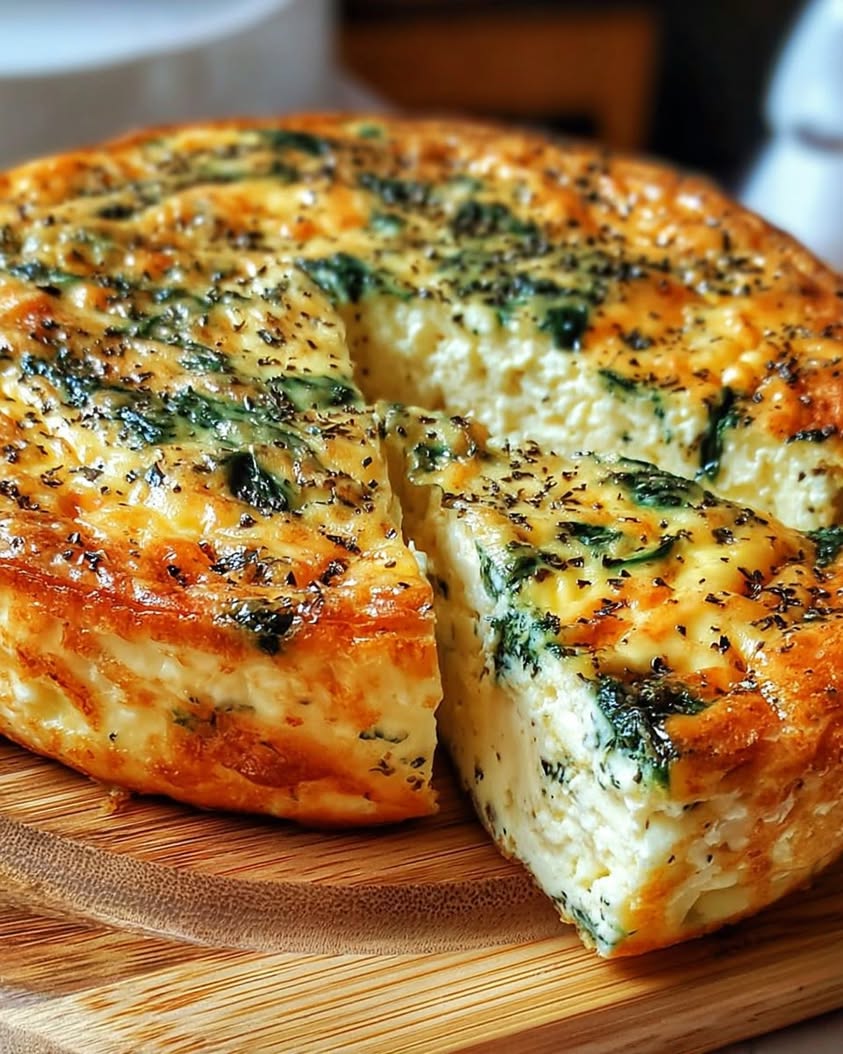
The Perfect High-Protein Cottage Cheese and Spinach Crustless Quiche
Imagine cutting into a warm, fluffy slice of quiche that holds its shape beautifully, yet melts in your mouth with every single bite. This cottage cheese and spinach crustless quiche delivers exactly that experience. It starts with a rich, savory base where creamy cottage cheese blends seamlessly with tender eggs and fresh spinach. The result is a dish that feels indulgent but is secretly packed with protein and greens.
Furthermore, this recipe solves the classic quiche dilemma. Traditional quiche relies on a buttery, flaky crust that takes time and skill to perfect. By removing the crust, we save you at least thirty minutes of prep work. More importantly, we cut down on unnecessary carbs and saturated fats without sacrificing any of the comforting flavor. You get a lighter, healthier meal that still satisfies that deep craving for a warm, cheesy breakfast or brunch.
Additionally, this crustless quiche is wonderfully forgiving. It is almost impossible to over-bake or under-season. You can throw it together on a busy weekday morning, pop it in the oven, and enjoy a restaurant-quality meal by lunchtime. The aroma of garlic and sauteed spinach will fill your kitchen. It is a simple, foolproof method that yields consistently delicious results.
Quick Recipe Highlights
- Flavor Profile: The savory taste of sauteed garlic and spinach pairs beautifully with the mild, creamy tang of cottage cheese. A hint of nutmeg adds warmth and depth. Overall, it is savory, earthy, and well-balanced.
- Texture: This quiche is light and fluffy with a delicate, custard-like interior. You will find soft pockets of melted cheese and tender pieces of spinach throughout. The top gets a lovely golden-brown crust that adds a subtle chew.
- Aroma: Your kitchen will smell like a cozy diner. The butter and garlic saute first, followed by the sweet, earthy scent of warming spinach. Finally, the eggs and cheese create a rich, comforting aroma as they bake.
- Visual Appeal: The quiche rises beautifully with a puffed, golden top. Dark green specks of spinach are evenly distributed throughout a pale yellow custard. It looks elegant and inviting straight out of the oven.
- Skill Level Needed: This recipe is perfect for beginners. You only need basic knife skills to chop the onion and garlic. The steps involve simple sauteing, mixing, and baking.
- Special Equipment: You will need a standard 9-inch pie dish or a similar-sized tart pan. A good non-stick skillet is essential for sauteing the spinach. A large mixing bowl and a whisk are also sufficient.
Recipe Overview
- Difficulty Level: I marked this as easy because the technique is straightforward. There is no crust to roll out or blind bake. You combine simple ingredients, pour them into a dish, and let the oven do the hard work. Even a first-time cook can succeed here.
- Category: This dish fits perfectly into breakfast, brunch, or lunch menus. It also works wonderfully as a light dinner. You can serve it as a main course or cut it into smaller squares for an appetizer.
- Cuisine: This recipe draws inspiration from classic French quiche. However, it has been adapted for a modern, health-conscious American kitchen. By using cottage cheese and omitting the crust, we create a lighter, protein-rich version that still respects the original custard base.
- Cost: This is a very budget-friendly meal. Cottage cheese, eggs, and fresh spinach are generally inexpensive staples. A single quiche costs under ten dollars to make and easily feeds a family of four.
- Season: While delicious year-round, this quiche shines in the spring and summer. Fresh spinach is plentiful and sweet during these months. It is also a fantastic way to use up a bumper crop from your garden.
- Occasion: This quiche is ideal for a relaxed weekend brunch with friends. It is also a lifesaver for meal prep Sunday because it stores so well. Furthermore, it makes an impressive dish for Easter brunch or a baby shower.
Why You Will Love This Recipe
First, consider the taste and texture. This cottage cheese and spinach crustless quiche is incredibly satisfying. The eggs create a light, airy custard that is not heavy or greasy. The cottage cheese melts into creamy pockets of flavor, while the spinach adds a fresh, earthy note. Every bite offers a perfect balance of savory and mild. It feels decadent but never weighs you down.
Next, think about the convenience. This recipe comes together in under one hour from start to finish. You do not need to chill dough or pre-bake a crust. Simply saute the vegetables, whisk the eggs and cottage cheese together, pour, and bake. The hands-on time is less than twenty minutes. Moreover, it is a one-dish meal, which means less cleanup for you.
Nutritionally, this crustless quiche is a champion. Each serving is packed with protein from the eggs and cottage cheese. The spinach provides a healthy dose of iron, vitamin K, and fiber. Without a crust, you significantly reduce your carbohydrate and calorie intake. It is a perfect meal for anyone following a low-carb or keto lifestyle. You can eat a large, satisfying portion without any guilt.
Socially, this dish is a crowd-pleaser. It looks impressive on a brunch table but is secretly simple to prepare. You can make it ahead of time and reheat it just before guests arrive. It slices neatly and holds its shape. It is also naturally gluten-free, so your guests with dietary restrictions will be thrilled. It is a reliable, elegant option for entertaining.
Finally, consider the cost-effectiveness and accessibility. The ingredients are readily available at any grocery store. You likely already have eggs, salt, and pepper in your pantry. This recipe is a fantastic way to use up leftover spinach or a half-empty container of cottage cheese. It stretches your grocery budget while delivering a delicious, nutritious meal that feels like a treat.
Historical Background and Cultural Significance
The story of the quiche begins in Germany. The word kuchen, meaning cake, evolved into quiche in the French region of Lorraine. The original quiche Lorraine was an open-faced pie with a bread dough crust and a filling of eggs and cream. It did not originally contain cheese. This rustic dish was a simple way for farm families to use up eggs and cream.
Culturally, quiche became a symbol of French culinary elegance after World War II. It crossed the English Channel to Britain and eventually the Atlantic to America. In the 1970s and 1980s, quiche was the star of sophisticated brunch parties. It was seen as a fancy, modern dish. Eventually, it became a mainstream staple, losing some of its elite status but gaining widespread affection.
The evolution of this recipe is driven by health and convenience trends. Home cooks began experimenting with crustless versions to reduce calories and preparation time. Chefs started incorporating more vegetables and alternative proteins. Cottage cheese emerged as a brilliant substitute for heavy cream. It provides a similar creamy texture and richness but with far less fat and more protein.
Regional variations are abundant today. In the American South, you might find quiche with collard greens and cheddar. In the Pacific Northwest, cooks add smoked salmon and dill. Mediterranean versions include sun-dried tomatoes, feta, and olives. This recipe, with its simple combination of cottage cheese and spinach, honors the classic French custard while embracing modern nutritional needs.
Ingredient Deep Dive
Cottage Cheese. Cottage cheese has a long history as a simple, fresh dairy product. It was traditionally made on farms from leftover milk after cream was skimmed. It is a rich source of casein protein, which digests slowly and keeps you full. When selecting cottage cheese, look for a brand with small curds and a creamy consistency. Full-fat varieties will produce a richer, creamier quiche, but low-fat options also work well. Store it in the coldest part of your refrigerator and use it within a week of opening. For a dairy-free alternative, you can try silken tofu blended with a little lemon juice, though the texture will be slightly different.
Spinach. Spinach originated in ancient Persia and traveled along trade routes to Europe and Asia. It is incredibly nutrient-dense, packed with vitamins A, C, and K. For this recipe, fresh spinach is ideal because it has a better texture than frozen. Select spinach with bright green, crisp leaves free from yellowing or sliminess. Store it in a plastic bag with a paper towel to absorb excess moisture. You can substitute fresh spinach with frozen, thawed and squeezed dry, but be aware frozen spinach has a softer, more watery texture. You could also swap in kale or Swiss chard, though you will need to saute them a bit longer to soften.
Eggs. Eggs are the structural backbone of any quiche. They provide the protein that sets the custard as it bakes. The quality of your eggs matters for flavor and color. Pasture-raised eggs often have brighter yolks and a richer taste. When buying eggs, check that the shells are clean and uncracked. Store them in their original carton in the main body of the refrigerator, not the door, to maintain a consistent temperature. For a vegan adaptation, you could use a chickpea flour batter, but the texture will be more firm and bready, less custard-like.
Onion and Garlic. These aromatics form the savory foundation of the dish. Yellow onions are best because they have a balanced flavor that sweetens as they cook. Garlic provides a pungent, earthy kick. Choose onions that are firm and feel heavy for their size. Store them in a cool, dark, well-ventilated place. Garlic should be stored similarly but avoid the refrigerator as it encourages sprouting. Shallots are a lovely substitute for onion, and roasted garlic paste can replace fresh garlic for a milder, sweeter flavor.
Shredded Cheese. A binding and flavor agent, shredded cheese adds richness and helps the quiche hold together. Sharp cheddar is a classic choice because its strong flavor stands up to the spinach. You could also use Gruyere or Monterey Jack. Shred your own cheese from a block for the best melt and texture. Pre-shredded cheese is coated in anti-caking agents that can make the quiche slightly grainy. Store cheese in the cheese drawer of your refrigerator, tightly wrapped. For a dairy-free option, use a plant-based cheddar shred; note the quiche will be less creamy.
Milk. Milk adds a bit of liquid to the custard without making it too rich. Whole milk creates the creamiest texture, but you can use 2% or even skim milk. You could also use half-and-half for an even richer quiche. Milk should be fresh and cold. Store it at the back of the refrigerator. For a non-dairy alternative, unsweetened almond milk or oat milk work well, but avoid vanilla-flavored varieties.
Common Mistakes to Avoid
- Not draining the spinach properly. If you do not squeeze out the excess moisture after sauteing, the quiche will become watery and loose. The texture will be ruined. Always transfer the spinach to a colander and press firmly with a spoon.
- Over-whisking the eggs. Beating the eggs too vigorously incorporates too much air. This causes the quiche to puff up dramatically in the oven and then deflate. Mix gently until the yolks and whites are just combined.
- Forgetting to season the cottage cheese. Cottage cheese is very mild on its own. You must season the mixture well with salt, pepper, and nutmeg. The spinach and onion also need a solid pinch of salt.
- Using frozen spinach without thawing it. Frozen spinach holds a lot of water. If you add it directly to the egg mixture, it will release water during baking. Always thaw and squeeze it dry first.
- Baking at too high a temperature. A hot oven can cause the eggs to curdle and the edges to burn. A moderate oven, around 350°F, allows the custard to set gently. High heat will result in a tough, rubbery quiche.
- Opening the oven door frequently. Sudden temperature changes can cause the quiche to sink. Resist the urge to check on it too often. Only peek through the oven window near the end of the baking time.
- Cutting it too soon. The quiche needs to rest for at least ten minutes after baking. Cutting into it while it is hot will cause it to fall apart. The custard needs time to firm up.
- Using non-stick spray on the wrong dish. If you use a glass or ceramic pie dish, non-stick spray is fine. But if you use a metal tart pan, it can leave a sticky residue. Butter or oil is always a safe bet.
- Overcooking the quiche. A dry, rubbery quiche is a sign of over-baking. The center should be just slightly jiggly when you remove it from the oven. Carryover cooking will finish the setting process.
- Skipping the nutmeg. Nutmeg is a classic companion to spinach and eggs. It adds a warm, fragrant depth that elevates the entire dish. A small pinch makes a huge difference in flavor.
Essential Techniques
Sauteing the Spinach. This step is crucial for removing excess moisture. Start by heating a pan with a little oil or butter. Add the onion and saute until soft, then add the garlic. Finally, add the spinach in batches. As it wilts, it releases water. Cook it until all the water has evaporated and the spinach is dark green and tender. Then, transfer it to a cutting board and roughly chop it. This process concentrates the flavor and prevents a watery quiche.
Properly Mixing the Custard. The custard is the heart of the quiche. In a large bowl, whisk the eggs first to break up the yolks. Then, add the milk, cottage cheese, salt, pepper, and nutmeg. Whisk gently until everything is combined. Do not use an electric mixer. You want to incorporate the ingredients evenly without adding air. The mixture should look pale yellow and slightly creamy.
Baking to Perfection. The final technique is the baking process. Preheat your oven to 350°F and place a baking sheet on the middle rack. Pour the custard mixture into the prepared pie dish. Gently stir the spinach and shredded cheese into the custard so they are evenly distributed. Bake for 30-40 minutes. The edges should be set, and the center should jiggle slightly when you gently shake the pan. A knife inserted an inch from the center should come out clean. Let it rest for ten minutes before slicing.
Pro Tips for Perfect Crustless Quiche
First, always season the spinach mixture while it cooks. A pinch of salt helps draw out moisture and enhances the earthy flavor. Do not wait until the custard is assembled to add salt.
Second, use room temperature eggs. Cold eggs can cause the custard to seize up. Simply leave them on the counter for thirty minutes before you start. This small step ensures a smooth, even bake.
Third, line your pie dish with parchment paper. This makes lifting the quiche out for slicing incredibly easy. It also prevents any sticking. Just ensure the paper hangs over the edges.
Fourth, add the cheese in layers. Sprinkle half of the shredded cheese into the bottom of the dish before pouring in the custard. Then, fold the remaining cheese into the top. This creates a delicious cheesy crust at the bottom.
Fifth, let the quiche cool completely before refrigerating. A warm quiche will create condensation in the storage container, making it soggy. Let it come to room temperature, then wrap it tightly.
Sixth, for a deeper flavor, add a dash of Worcestershire sauce or a pinch of cayenne pepper to the egg mixture. These subtle additions will bring out the savory notes without being overpowering.
Seventh, do not be afraid to add more vegetables. Mushrooms, bell peppers, or sauteed zucchini all work wonderfully. Just ensure they are cooked and drained of excess moisture first.
Eighth, use a water bath for an even more delicate texture. Place the pie dish into a larger roasting pan, then pour hot water into the pan until it reaches halfway up the sides of the pie dish. This is an extra step, but it creates a silky, tender custard.
Variations and Adaptations
Regional Variations. This crustless quiche base is a blank canvas for regional flavors. For a Southwestern version, add sauteed green chiles, black beans, and pepper jack cheese. Top it with a dollop of sour cream and salsa. For a Mediterranean twist, use chopped sun-dried tomatoes, kalamata olives, feta cheese, and a sprinkle of oregano. Both variations honor the original quiche concept while offering a unique flavor profile.
Seasonal Adaptations. Use vegetables that are in season to maximize flavor and nutrition. In the spring, add chopped asparagus and fresh chives. In the summer, try diced zucchini, cherry tomatoes, and fresh basil. In the fall, roasted butternut squash and sage pair beautifully. In the winter, sauteed mushrooms and caramelized leeks create a hearty, warming quiche.
Dietary Modifications. This recipe is already gluten-free. To make it dairy-free, use a plant-based cheddar shred and substitute the cottage cheese with firm silken tofu that has been blended until smooth. Use a splash of unsweetened oat milk. The texture will be slightly different, but the flavor will be excellent.
Flavor Variations. The flavor possibilities are endless. Add a teaspoon of Dijon mustard to the custard for a tangy kick. Stir in some chopped fresh herbs like dill, parsley, or thyme. For a meatier version, add cooked, crumbled bacon or sausage. For a vegetarian protein boost, add some crumbled feta or goat cheese.
Texture Modifications. For a firmer, denser quiche, reduce the milk by two tablespoons. For a lighter, fluffier quiche, separate the eggs. Beat the egg whites to stiff peaks and fold them into the custard last. This creates a souffle-like texture that is incredibly airy.
Presentation Alternatives. Instead of a round pie dish, bake the quiche in a square or rectangular dish. Once cooled, cut it into neat squares for a more modern presentation. You can also bake it in individual ramekins for a charming, single-serving meal.
Serving and Presentation Guide
Plating techniques. Serve the quiche warm, not hot. Slice it with a sharp, thin-bladed knife. Wipe the blade clean between slices for neat edges. For a main course, serve one large wedge on a plate. For an appetizer, cut the quiche into small, bite-sized cubes and arrange them on a platter.
Garnishing ideas. A light scattering of fresh herbs adds color and flavor. Chives, parsley, or microgreens work beautifully. A small dollop of creme fraiche or a drizzle of balsamic glaze adds a touch of elegance. A final crack of black pepper looks wonderful and adds a bit of heat.
Traditional accompaniments. A classic quiche is often served with a simple green salad. A side of roasted tomatoes or a crisp apple salad also pairs beautifully. For a heartier meal, serve it alongside a cup of tomato soup or some roasted potatoes.
Modern serving suggestions. For a brunch board, serve the quiche alongside an assortment of fresh fruit, yogurt, and granola. It also works wonderfully in a wrap or a sandwich. For a lunchbox, slice it into fingers and pack them with raw vegetables and dip.
Temperature considerations. This quiche is delicious warm, at room temperature, or cold. It is very versatile. If serving it warm, let it rest after baking so it sets. If serving it cold, allow it to cool completely and then chill it in the refrigerator for a few hours.
Portion control tips. For a main course, one serving is one-sixth of the pie. This is a generous portion. For a light lunch or brunch, one-eighth of the pie is sufficient. Always use a scale or measuring cup to divide the custard evenly into the dish for consistent portions.
Wine and Beverage Pairing
Wine pairings. A crisp, unoaked white wine is a classic choice. Sauvignon Blanc with its grassy notes complements the spinach. A dry Pinot Grigio offers a light, refreshing counterpoint. For a richer quiche with cheese, a Chardonnay can work, but avoid heavily oaked versions. A light, fruity red like a Gamay or a Beaujolais is also a lovely, surprising pairing.
Non-alcoholic alternatives. A sparkling water with a squeeze of lemon or lime cleanses the palate beautifully. A glass of cold, unsweetened iced tea with a hint of mint is also refreshing. For a warmer option, a cup of herbal tea like chamomile or a mild green tea is soothing.
Cocktail pairings. A light, herbaceous cocktail complements the quiche. A gin and tonic with a sprig of rosemary is a wonderful choice. A Bloody Mary is also a classic brunch pairing. The savory tomato juice and spices match the savory flavors of the quiche.
Temperature considerations. Serve all beverages well-chilled, especially if the quiche is being served warm or at room temperature. The contrast between the warm, savory quiche and the cold beverage is very pleasant. The temperature of the drink should always be a contrast to the food.
Serving suggestions. For a brunch party, set up a self-serve beverage station. Include a carafe of cold water with lemon slices, a pitcher of iced tea, and a bottle of sparkling water. This is a simple, elegant way to accommodate your guests preferences.
Storage and Shelf Life
Storage methods. The best way to store crustless quiche is in an airtight container. Once the quiche has cooled completely, wrap it tightly in plastic wrap or aluminum foil. Then, place it in a resealable plastic bag or a rigid container. This prevents it from absorbing odors from the refrigerator and keeps it from drying out.
Temperature requirements. Quiche must be refrigerated. It is a moist, egg-based product, which is a breeding ground for bacteria at room temperature. Store it in the main body of the refrigerator, which is colder than the door. It will stay safe for up to four days.
Container recommendations. Glass or plastic containers with tight-fitting lids are ideal. Avoid using metal containers, as the metal can react with the eggs and give a metallic taste. If you are stacking slices, place a piece of parchment paper between them to prevent sticking.
Signs of spoilage. Always check for signs of spoilage before eating leftovers. A sour or off smell is the most obvious sign. If the quiche is slimy or has visible mold, discard it immediately. Do not eat any quiche that has been left out for more than two hours.
Reheating instructions. The best way to reheat quiche is in the oven. Preheat your oven to 325°F. Place the quiche slices on a baking sheet and heat for ten to fifteen minutes. This will restore the texture without drying it out. You can also reheat it in a microwave, but the texture will be slightly rubbery.
Freezing guidelines. This quiche freezes surprisingly well. Wrap the completely cooled quiche tightly in plastic wrap, then in a layer of aluminum foil. It will last for up to three months. To thaw, place it in the refrigerator overnight. Reheat it in a 325°F oven until it is warm through.
Make Ahead Strategies
Prep timeline. You can do most of the prep work the day before. Saute the onion and spinach mixture, then let it cool completely. Store it in an airtight container in the refrigerator. The next day, you can simply whisk the custard and assemble the quiche. This cuts the morning prep time down to five minutes.
Storage between steps. The custard can be mixed a day ahead, but you must store it separately from the cooked vegetables. The eggs can separate if they sit on top of the warm spinach. Keep the custard in a covered bowl in the refrigerator. The vegetables should be in a separate container.
Quality impact assessment. Making the quiche one day ahead actually improves the flavor. The flavors meld together beautifully overnight. The texture remains excellent. The only downside is that the top crust might be slightly less crisp. This is easily remedied by reheating it in a low oven.
Assembly tips. On the day of serving, assemble the quiche in the pie dish. Pour the custard over the vegetables and cheese. Then, immediately bake it. Do not let it sit on the counter for long, as the custard will begin to set. Bake it directly from the refrigerator.
Reheating guidelines. To reheat the entire quiche, place it in a 325°F oven for twenty to twenty-five minutes. For individual slices, use the same method but for a shorter time. Always let it rest for a few minutes after reheating to allow the heat to distribute evenly.
Fresh element additions. Consider adding a fresh element just before serving to brighten the dish. A sprinkle of fresh chives, a side of dressed greens, or a spoonful of fresh salsa can add a pop of flavor and texture. This helps the reheated quiche feel like a freshly baked meal.
Scaling Instructions
Halving the recipe. To halve this recipe, use a 6-inch pie dish or a small loaf pan. Use 3 eggs, 1/2 cup of cottage cheese, 1/4 cup of milk, and a smaller amount of spinach. The cooking time will be reduced to about 25 minutes. Keep a close eye on it as it bakes.
Doubling or tripling. To double the recipe, use a 9×13 inch baking dish. Use 12 eggs, 2 cups of cottage cheese, and 1 cup of milk. The baking time will increase to about 45-50 minutes. You may need to cover it with foil for the last ten minutes to prevent the top from over-browning.
Equipment adjustments. When scaling up, use a larger dish to ensure even cooking. A metal pan will cook the quiche faster than a glass or ceramic dish. If you are using a glass dish, reduce the oven temperature by 25°F to prevent the edges from burning.
Timing modifications. The baking time is the most variable factor when scaling. Always use the visual cues. The edges should be set, and the center should jiggle slightly. Use a thermometer for precision; the internal temperature should be 160°F. Do not rely solely on a timer.
Storage considerations. A doubled or tripled quiche will take longer to cool. Cool it completely at room temperature before refrigerating. Cut it into serving portions before storing. This makes it easier to reheat individual servings. Store leftovers in an airtight container for up to four days.
Nutritional Deep Dive
Macro breakdown. Each serving of this quiche contains approximately 280 calories. The macronutrient profile is excellent for a high-protein diet. You get about 22 grams of protein, 18 grams of fat, and only 6 grams of carbohydrates. The protein comes primarily from the eggs and cottage cheese. The fat is mostly from the eggs and the melted cheese.
Micronutrient analysis. This quiche is a powerhouse of vitamins and minerals. It is exceptionally high in vitamin A from the spinach. It also provides significant amounts of iron, calcium, and vitamin K. The eggs contribute choline, which is important for brain health. It is a very nutrient-dense meal.
Health benefits. The high protein content keeps you full and satisfied for hours. This reduces the temptation to snack between meals. The healthy fats support hormone function and satiety. The greens provide antioxidants that fight inflammation. This quiche is a well-rounded, health-supporting meal.
Dietary considerations. This recipe is naturally gluten-free. It is also suitable for a vegetarian diet. Keto dieters will find it very low in carbs. However, it is not dairy-free. Those with dairy allergies or intolerances will need to make the dairy-free adaptation mentioned earlier. It is also a good choice for pregnant women due to its high choline and iron content.
Portion analysis. One serving, which is one-sixth of the pie, is a generous portion. It provides about 280 calories, which is a good amount for a filling meal. For weight management, pair a smaller portion with a side salad. The high protein and fiber content promote satiety, making it easier to stick to your calorie goals.
Weight management tips. This quiche is an excellent choice for weight loss or maintenance. It is low in carbs and high in protein, which helps regulate blood sugar and reduce cravings. The healthy fats also contribute to a feeling of fullness. Eat it for breakfast to start your day with stable energy.
Dietary Adaptations
Gluten-free. This recipe is naturally gluten-free. There is no wheat flour or bread involved. Always double-check your ingredients to ensure no cross-contamination. Some brands of shredded cheese use anti-caking agents that may contain gluten, so read the labels carefully.
Dairy-free. To make this quiche dairy-free, substitute the cottage cheese with firm silken tofu. Blend the tofu with a tablespoon of lemon juice and a pinch of salt until smooth. Use a dairy-free cheddar shred and a non-dairy milk like oat milk. The texture will be slightly firmer, but the flavor will be delicious.
Vegan. This is the most challenging adaptation. Use a chickpea flour batter as your base. Combine 1 cup of chickpea flour, 1 cup of water, 1 tablespoon of olive oil, salt, and black pepper. Mix until smooth. This creates a firm, bready quiche. Add sauteed spinach and onions. Bake for 30 minutes. It is not a traditional custard, but it is a tasty vegan alternative.
Low-carb. This quiche is already very low in carbohydrates. Each serving has only about 6 grams of net carbs, making it perfect for a low-carb diet. You can further reduce the carbs by omitting the onion. The spinach and cheese already provide plenty of flavor.
Keto. This quiche is a keto dieters dream. It is high in fat and protein and very low in carbs. Use full-fat cottage cheese and whole milk for maximum fat content. You can also add extra shredded cheese. The spinach is a low-carb vegetable that adds volume and nutrients without impacting your ketosis.
Paleo. This recipe is not strictly paleo because it contains dairy. To make it paleo-friendly, substitute the cottage cheese with a smooth almond-based ricotta. Use coconut milk instead of cows milk. Omit the shredded cheese. The flavor will be different, but it will still be a savory, satisfying quiche.
Low-FODMAP. Onion and garlic are high in FODMAPs. Substitute the onion with the green parts of a leek. Use garlic-infused oil instead of fresh garlic. This will give you the same savory flavor without the problematic compounds. The rest of the ingredients are low-FODMAP.
Troubleshooting Guide
Texture issues. If your quiche is watery, you probably did not drain the spinach properly. Ensure you saute it until all the moisture has evaporated and then squeeze it in a clean towel. If it is rubbery, you may have over-baked it or used too high a temperature. Next time, check it at the 30-minute mark.
Flavor balance. If the quiche tastes bland, you likely under-salted the vegetables. Season each layer as you go. Add a pinch of salt to the onions, to the spinach, and to the egg mixture. A little bit of nutmeg is also essential. If it is too salty, add a bit more milk to the custard next time.
Temperature problems. If the quiche is browned on top but still raw in the center, your oven is too hot. Reduce the temperature by 25 degrees next time. You can also cover the top Print
Cottage Cheese & Spinach Crustless Quiche
- Total Time: 45 minutes
- Yield: 6
Description
A light and fluffy crustless quiche packed with protein-rich cottage cheese and nutritious spinach. Perfect for a quick breakfast, brunch, or even a light dinner.
Ingredients
- 1 tablespoon olive oil
- 1 small onion, diced
- 2 cloves garlic, minced
- 5 ounces fresh spinach
- 6 large eggs
- 1 cup cottage cheese
- 1/2 cup shredded mozzarella cheese
- 1/4 cup grated Parmesan cheese
- 1/2 teaspoon salt
- 1/4 teaspoon black pepper
- 1/4 teaspoon dried oregano
Instructions
- Preheat oven to 375°F (190°C). Grease a 9-inch pie dish or similar baking dish.
- Heat olive oil in a skillet over medium heat. Add onion and garlic; sauté until softened, about 3 minutes.
- Add spinach and cook until wilted, about 2 minutes. Remove from heat and let cool slightly. Squeeze out excess moisture.
- In a large bowl, whisk eggs. Add cottage cheese, mozzarella, Parmesan, salt, pepper, and oregano. Mix well.
- Fold in the cooked spinach mixture.
- Pour the mixture into the prepared baking dish and spread evenly.
- Bake for 25-30 minutes, or until the quiche is set and lightly golden on top. A knife inserted in the center should come out clean.
- Let cool for 10 minutes before slicing and serving.
Notes
You can customize the seasonings to taste. Add cooked bacon or mushrooms for extra flavor. For a dairy-free version, use vegan cheese and tofu instead of cottage cheese.
- Prep Time: 15 minutes
- Cook Time: 30 minutes
- Method: Main
- Cuisine: American