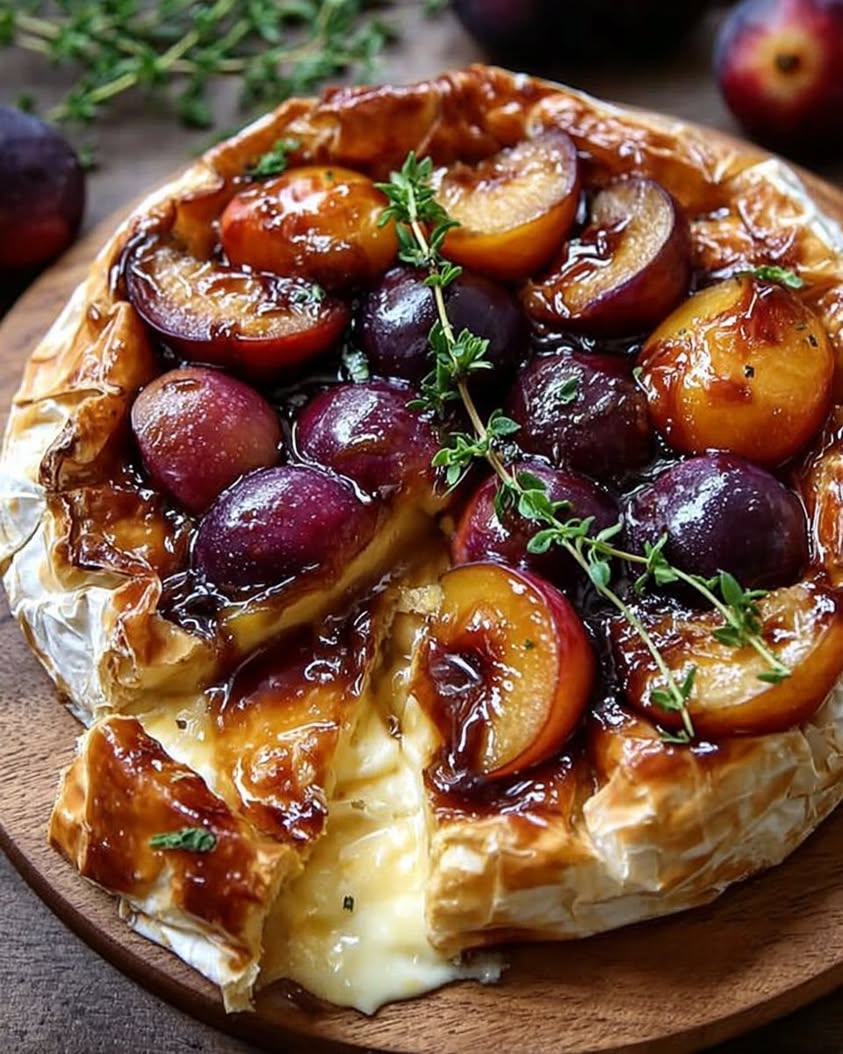
Baked Brie with Roasted Plums and Thyme: An Easy Sweet-Savory Appetizer
This Baked Brie with Roasted Plums and Thyme is the ultimate crowd-pleasing appetizer that effortlessly combines creamy, melted cheese with sweet, jammy fruit and earthy herbs. The moment you pull this dish from the oven, the aroma of roasted plums mingling with fresh thyme will fill your kitchen with an irresistible warmth. Each bite offers a delightful contrast of textures, from the gooey, molten center of the brie to the tender, caramelized fruit on top. Whether you are hosting a holiday gathering or a casual weeknight dinner party, this recipe delivers a sophisticated flavor profile that feels both indulgent and approachable. The sweet-tart plums cut through the richness of the cheese beautifully, while the thyme adds a subtle floral note that elevates the entire experience. You will find that this dish practically serves itself, requiring minimal effort for maximum impact. Guests will gravitate toward it immediately, drawn by the glistening fruit and the golden wheel of cheese. Serve it with crusty bread, crisp crackers, or tart apple slices for a complete tasting experience. The versatility of this appetizer means it works equally well as a starter or a centerpiece for a cheese board. Every element works in harmony, creating a balanced dish that satisfies both sweet and savory cravings. You do not need any special skills or equipment to pull this off, just a few quality ingredients and a willingness to share something truly special. This Baked Brie with Roasted Plums and Thyme will quickly become a staple in your entertaining repertoire.
The beauty of this recipe lies in its simplicity and the way it celebrates seasonal produce. Plums reach their peak during late summer and early fall, offering a natural sweetness that intensifies when roasted. When you pair these juicy fruits with creamy brie, the result is a luxurious spread that feels both rustic and elegant. The process is straightforward: you halve and pit the plums, toss them with a bit of honey and fresh thyme, then roast them until they soften and release their juices. Meanwhile, the brie bakes in the oven until it becomes perfectly oozy and spreadable. The entire dish comes together in just over half an hour, making it an excellent choice for last-minute entertaining. You can even prepare the plums ahead of time and assemble everything right before your guests arrive. The combination of warm, melted cheese and sweet-tart fruit is universally appealing, and the addition of thyme provides a subtle herbal complexity that keeps people coming back for more. This appetizer also pairs beautifully with a variety of beverages, from crisp white wines to sparkling water with a twist of lemon. The presentation is stunning, with the golden brie surrounded by deep purple plums and speckled with green thyme leaves. It looks like something from a fancy restaurant, yet it requires no complicated techniques. You will feel confident and proud when you place this dish on the table.
A well-executed Baked Brie with Roasted Plums and Thyme is more than just an appetizer; it is an experience that brings people together. The act of dipping bread into warm, melted cheese creates a sense of communal enjoyment that is hard to replicate with other dishes. This recipe is also remarkably forgiving, meaning even novice cooks can achieve excellent results on their first attempt. The key is to use good quality brie and ripe, fragrant plums. Do not worry if your brie splits slightly as it bakes; that is completely normal and actually helps the cheese become more scoopable. The roasted plums will soften and collapse a bit, creating a natural sauce that mingles with the cheese. You can finish the dish with a drizzle of honey, a sprinkle of flaky sea salt, or some chopped toasted nuts for added crunch. Each variation adds a new dimension to the flavor, allowing you to customize the dish to your taste. The earthy undertones of the thyme complement the fruit without overpowering it, creating a balanced profile that works year-round. Whether you serve it as a starter for a holiday feast or as a simple snack for a movie night, this dish always delivers. The combination of creamy, sweet, and savory elements satisfies multiple cravings at once, making it a guaranteed hit. You will appreciate how easy it is to scale up for larger gatherings or scale down for an intimate evening. This Baked Brie with Roasted Plums and Thyme truly shines as a versatile, delicious, and visually stunning addition to any menu.
Quick Recipe Highlights
- Flavor Profile: This dish offers a perfect balance of sweet, savory, and earthy notes. The roasted plums provide a natural sweetness with a hint of tartness, while the brie contributes a rich, buttery creaminess. Fresh thyme adds an aromatic, slightly floral undertone that ties everything together beautifully.
- Texture: The brie becomes incredibly soft and gooey as it bakes, creating a luscious, spreadable consistency. The roasted plums retain a tender bite with a slightly jammy interior. The contrast between the creamy cheese and the soft fruit provides a satisfying mouthfeel that keeps you reaching for more.
- Aroma: As the brie bakes, it releases a warm, milky scent that is both comforting and inviting. The roasting plums fill the kitchen with a sweet, fruity fragrance that intensifies as they caramelize. Fresh thyme contributes an earthy, herbal note that balances the sweetness with a subtle, woodsy aroma.
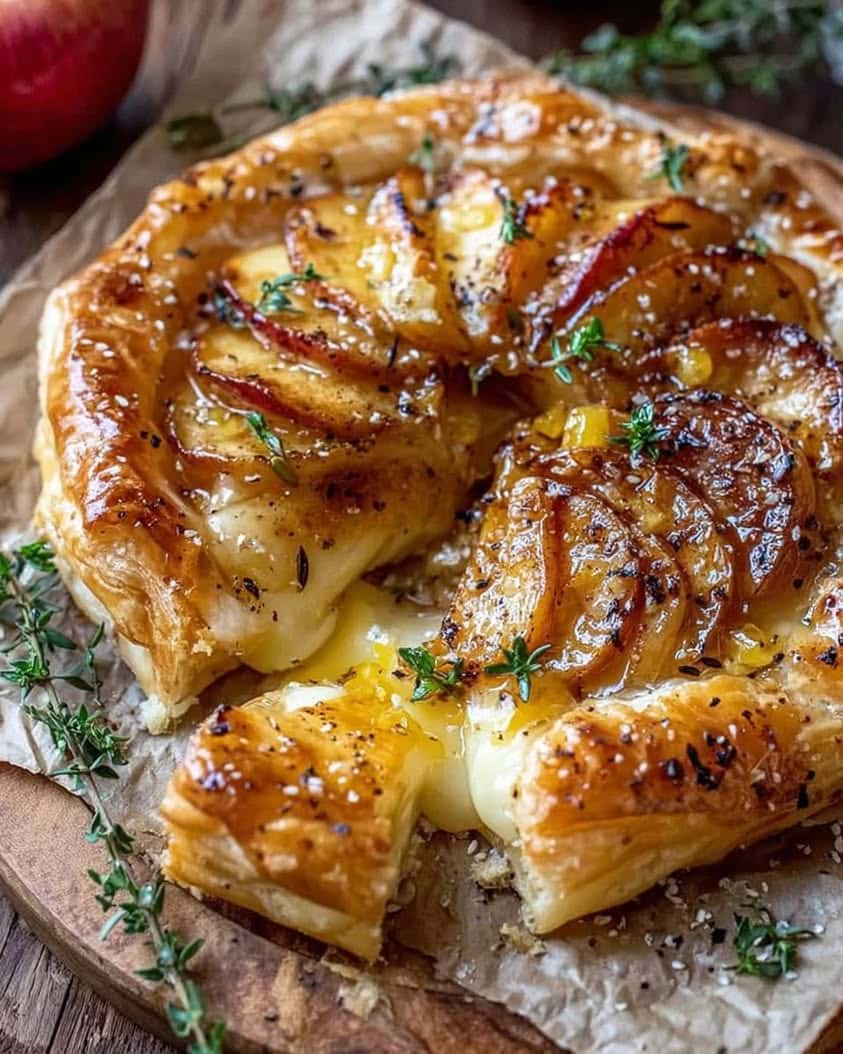
- Visual Appeal: The golden wheel of brie, slightly puffed and glistening, sits beautifully on a serving platter surrounded by deep purple roasted plums. The green thyme leaves scattered on top add a pop of color and freshness. This dish presents as a rustic yet elegant centerpiece that draws immediate attention.
- Skill Level Needed: This recipe is perfect for beginners because it requires no advanced cooking techniques. The steps are straightforward and forgiving, making it nearly impossible to mess up. You only need to handle basic roasting and baking, which builds confidence for novice cooks.
- Special Equipment: You will need a baking sheet or small oven-safe dish for roasting the plums and baking the brie. A sharp knife and cutting board are essential for prepping the fruit. Serving utensils like a small spreader or cheese knife help guests serve themselves easily.
Recipe Overview
- Difficulty Level: This Baked Brie with Roasted Plums and Thyme is rated as easy because it requires only basic kitchen skills. You do not need to temper chocolate, knead dough, or execute any complex techniques. The entire process involves slicing fruit, seasoning it, and letting the oven do the work. Even if you have never baked cheese before, you will find this recipe simple and foolproof. The forgiving nature of the ingredients means small variations in timing or quantity still yield delicious results.
- Category: This recipe falls squarely into the appetizer and finger food categories. It works wonderfully as a starter for dinner parties, holiday gatherings, or casual get-togethers. You can also serve it as part of a larger cheese board or charcuterie spread. Its versatility allows it to transition from a pre-dinner snack to a main event when paired with salads and breads.
- Cuisine: The dish draws inspiration from French and Mediterranean culinary traditions, where cheese and fruit pairings are celebrated. Brie originates from the Île-de-France region, where it has been produced for centuries. Roasting fruit with herbs is a technique found throughout Mediterranean cooking, adding depth and sweetness. This recipe bridges those traditions in an accessible way that appeals to modern American palates.
- Cost: This recipe is relatively affordable, especially when plums are in season. A wheel of good quality brie typically costs between five and ten dollars, depending on the brand. Plums are usually inexpensive when bought in season, with a pound costing around two to three dollars. Fresh thyme is also budget-friendly, and you likely already have honey and olive oil in your pantry.
- Season: Late summer through early fall is the ideal time to make this dish because that is when plums are at their peak. During this period, plums are juicy, sweet, and full of flavor. You can also make it during other seasons using slightly underripe plums, which will soften beautifully when roasted. The warmth of the baked cheese also makes it comforting during cooler months.
- Occasion: This appetizer suits a wide range of occasions, from casual weeknight snacks to formal holiday parties. It is a showstopper at Thanksgiving, Christmas, and New Year’s Eve celebrations. It also works wonderfully for bridal showers, birthday parties, and summer barbecues. Any event where you want to impress guests without spending hours in the kitchen is perfect for this dish.
Why You Will Love This Recipe
The taste and texture of this Baked Brie with Roasted Plums and Thyme are truly irresistible. The moment you take a bite, you experience the luxurious creaminess of the melted brie, which coats your palate with a rich, buttery sensation. The roasted plums provide a burst of sweet and slightly tangy flavor that cuts through the richness, creating a perfect balance. Fresh thyme adds an earthy, aromatic dimension that elevates the dish from simple to sophisticated. Each component complements the others, resulting in a harmonious blend that feels both indulgent and refreshing. The soft, jammy texture of the fruit contrasts wonderfully with the gooey cheese, giving you a satisfying mouthfeel with every scoop. Whether you spread it on a crusty baguette or a crisp cracker, the combination is always delightful. You will find yourself reaching for just one more bite, unable to resist the allure of that warm, melted cheese and sweet fruit.
Convenience is a major reason to love this recipe because it requires very little hands-on time. With just ten minutes of prep, you can have the plums seasoned and the brie ready for the oven. The oven does the heavy lifting, freeing you up to focus on other dishes or socialize with your guests. You do not need to stand over a stove or monitor a complex sauce. The recipe is also forgiving if you get distracted by conversation or other kitchen tasks. A few extra minutes in the oven will not ruin the dish; the brie will simply become even more molten. This ease of preparation makes it ideal for busy hosts who want to serve something impressive without stress. You can even prep the plums a day ahead and store them in the fridge, then assemble everything just before baking. The total time investment is minimal, yet the payoff is enormous in terms of flavor and presentation.
Nutritionally, this dish offers some surprising benefits when enjoyed in moderation. Brie is a good source of calcium and protein, which support bone health and muscle function. Plums are rich in antioxidants, particularly vitamin C and polyphenols, which help combat oxidative stress. They also provide dietary fiber, which aids digestion and promotes feelings of fullness. Thyme contains essential oils with antimicrobial properties and is a source of vitamin K. While this is not a diet food, it does offer more nutritional value than many other appetizers. Pairing it with whole grain crackers or fresh vegetables can further increase the fiber and nutrient content. The moderate portion sizes typical of an appetizer also help you enjoy the indulgence without overdoing it. You can feel good about serving this to your family and friends, knowing it contains real, wholesome ingredients.
From a social perspective, this Baked Brie with Roasted Plums and Thyme is a fantastic conversation starter. Its beautiful presentation immediately draws people in and encourages them to gather around. The act of dipping bread into the warm cheese creates a communal experience that fosters connection. Guests love the interactive nature of the dish, and it often becomes the focal point of the table. You will hear compliments and questions about the recipe, giving you a chance to share a bit of cooking expertise. This dish also pairs beautifully with a wide range of beverages, from wine to cocktails to non-alcoholic options. It suits both formal and casual settings, making it a versatile choice for any host. Serving something this impressive makes you feel confident and generous, which enhances your own enjoyment of the gathering.
Cost-effectiveness is another compelling reason to add this recipe to your rotation. The ingredients are affordable and widely available, especially during peak seasons. A single wheel of brie and a pound of plums will serve eight people generously, making it a budget-friendly option for entertaining. You likely already have honey, olive oil, salt, and pepper in your pantry, so there are no surprise expenses. Fresh thyme is inexpensive and a little goes a long way. Compared to buying pre-made appetizers or cheese boards from a store, making this dish at home saves money while delivering superior quality. You also have control over the ingredients, allowing you to choose organic or locally sourced options if desired. The leftovers, though rare, can be repurposed into a delicious spread for sandwiches or toast the next day.
Historical Background and Cultural Significance
The origin of baked brie as a warm appetizer can be traced back to French culinary traditions, where cheese has always been celebrated as a centerpiece of the meal. Brie itself is one of the oldest known French cheeses, with records dating back to the 8th century. It originates from the Île-de-France region, near Paris, where it was traditionally made from raw cow’s milk. French peasants and nobles alike enjoyed brie in various forms, but the practice of baking it whole is a more modern innovation. The idea of heating brie until it becomes molten and spreadable likely emerged in the mid-20th century. French chefs began experimenting with baked cheese as a way to create a simple yet luxurious appetizer for dinner parties. The addition of fruit and herbs was a natural progression, reflecting the French love of combining sweet and savory elements. This evolution mirrors broader trends in European cuisine, where cheese boards evolved into warm, interactive dishes.
Culturally, baked brie holds a special place in French gastronomy as a symbol of hospitality and indulgence. In France, cheese is often served after the main course, but baked brie has become a popular starter for special occasions. It represents a departure from strict meal structures, favoring creativity and comfort. The dish also reflects the French philosophy of taking high-quality ingredients and preparing them simply. When brie is baked, it transforms from a firm, elegant cheese into something soft, generous, and inviting. This transformation mirrors the way food can bring people together in a relaxed, convivial atmosphere. In the United States, baked brie gained popularity during the 1980s and 1990s as an accessible yet sophisticated appetizer for dinner parties. It became a staple of holiday entertaining, often featured in magazines and cookbooks. The addition of fruit, nuts, and herbs allowed home cooks to customize the dish and make it their own.
The evolution of this particular recipe, Baked Brie with Roasted Plums and Thyme, reflects a contemporary interest in seasonal and locally sourced ingredients. Plums have been cultivated for thousands of years, with origins in the region of modern-day Iran and the Caucasus Mountains. They spread along trade routes to Europe and Asia, becoming a beloved fruit in many cuisines. In French cooking, plums are often used in both sweet and savory dishes, from tarts to sauces to roasted meats. The combination of fruit with cheese is a classic pairing that appears in many European traditions, from Italian figs and gorgonzola to Spanish membrillo and manchego. Roasting the plums intensifies their natural sweetness and creates a soft, jammy texture that pairs perfectly with melted brie. Fresh thyme adds an herbal note that is typical of Provencal cuisine, where herbs are used to brighten and balance rich dishes. This recipe represents a modern interpretation of those timeless combinations.
Regional variations of this dish can be found throughout the world, adapting to local ingredients and tastes. In Italy, you might find baked brie with roasted figs and rosemary, a classic pairing that mirrors the sweetness of plums. In the American South, pecans and bourbon-soaked raisins might replace the plums for a different flavor profile. In the Pacific Northwest, chefs often use local berries like huckleberries or marionberries, which provide a tart contrast to the cheese. Some versions incorporate a drizzle of balsamic reduction, which adds acidity and depth. Others add a layer of honey or maple syrup for extra sweetness. The use of different herbs, such as rosemary, sage, or lavender, allows cooks to tailor the dish to their personal preferences. These adaptations show how a simple concept can be endlessly customized, making it a versatile addition to any culinary repertoire. The dish continues to evolve as home cooks and chefs experiment with new ingredient combinations.
Ingredient Deep Dive
Brie is the star of this dish, and understanding its qualities helps you choose the best wheel for baking. This soft-ripened cheese has a bloomy rind that is edible and becomes tender when heated. It was first produced in the French region of Brie, where it has been made since at least the 8th century. The cheese is traditionally made from unpasteurized cow’s milk, though pasteurized versions are more common in the United States. Nutritionally, brie is rich in protein and calcium, providing about six grams of protein per ounce. It also contains phosphorus and vitamin B12, which support bone health and energy metabolism. When selecting brie for baking, look for a wheel that feels slightly soft to the touch but holds its shape. Avoid wheels that are overly hard or have an ammonia-like smell, which indicates over-ripeness. Store brie in the refrigerator wrapped in wax paper or parchment, then loosely in plastic wrap to allow it to breathe. Bring it to room temperature for about thirty minutes before baking to ensure even melting. If you cannot find brie, you can substitute camembert, which has a similar texture and flavor profile.
Plums bring sweetness, acidity, and beautiful color to this Baked Brie with Roasted Plums and Thyme. These stone fruits belong to the genus Prunus and have been cultivated for over two thousand years. They originated in the region around the Caucasus Mountains and spread to Europe and Asia through trade. Plums are rich in antioxidants, particularly anthocyanins, which give them their deep purple hue. They also provide vitamin C, vitamin K, and dietary fiber, supporting immune function and digestion. When selecting plums, look for fruits that are slightly soft to the touch with a fragrant scent. They should feel heavy for their size and have smooth, unblemished skin. Avoid plums that are rock hard or have soft spots, as they may be underripe or overripe. Store plums at room temperature until they ripen, then refrigerate them to extend their shelf life. If ripe plums are unavailable, you can substitute pears, figs, or even peaches for a similar sweet-tart effect. Roasting concentrates their natural sugars, so slightly underripe fruit works well too.
Fresh thyme is the herb that ties the entire dish together with its earthy, slightly floral aroma. Thyme has been used in cooking and medicine for thousands of years, originating in the Mediterranean region. Ancient Greeks and Romans used it for its antiseptic properties and as a symbol of courage. Today, it is a staple in many cuisines, especially French, Italian, and Middle Eastern cooking. Nutritionally, thyme is a good source of vitamin K, iron, and manganese. It also contains thymol, an essential oil with antimicrobial and anti-inflammatory properties. When buying fresh thyme, look for bright green leaves on sturdy stems without any yellowing or wilting. The leaves should be fragrant when you crush them gently. Store fresh thyme by wrapping it in a damp paper towel and placing it in a plastic bag in the refrigerator. It will keep for up to two weeks this way. If you need to substitute, dried thyme works, but use about one-third of the amount since dried herbs are more concentrated. You can also try rosemary or oregano for a different herbal note.
Honey adds a touch of sweetness that helps caramelize the plums and balances the savory elements. Honey is a natural sweetener produced by bees from flower nectar, and it has been used since ancient times. It contains trace amounts of vitamins and minerals, as well as antioxidants. When selecting honey, choose a mild variety like clover or orange blossom so it does not overpower the other flavors. Store honey at room temperature in a sealed container, and it will keep indefinitely. If you do not have honey, maple syrup or agave nectar are good substitutes.
Olive oil helps the plums roast evenly and adds a subtle fruity richness to the dish. Extra virgin olive oil is best because of its superior flavor and higher antioxidant content. It is rich in monounsaturated fats, which support heart health. Use a good quality oil for this recipe as its flavor will come through. Store olive oil in a cool, dark place away from heat and light to prevent rancidity.
Common Mistakes to Avoid
- Using overripe or underripe plums can ruin the texture of the final dish. Overripe plums become mushy and release too much liquid, making the dish watery. Underripe plums will be too tart and will not soften properly during roasting. Choose plums that are firm but yield slightly to gentle pressure for the best results.
- Overbaking the brie causes it to split excessively and leak onto the baking sheet. While some splitting is normal, too much will leave you with a puddle of cheese instead of a cohesive wheel. Bake just until the center is soft and the cheese begins to bulge, about fifteen to twenty minutes depending on the size.
- Skipping the step of bringing brie to room temperature leads to uneven melting. Cold brie straight from the fridge will take longer to heat through, and the outside may overcook before the center melts. Let the cheese sit out for thirty minutes before baking for the best texture.
- Using dried thyme instead of fresh changes the flavor profile significantly. Dried thyme is more concentrated and can become bitter when baked. Fresh thyme provides a delicate, aromatic quality that complements the dish perfectly. If you must substitute, use a much smaller amount of dried and add it sparingly.
- Neglecting to season the plums properly results in a flat-tasting dish. A pinch of salt enhances the natural sweetness of the fruit and balances the richness of the cheese. A sprinkle of black pepper adds a subtle warmth that elevates the overall flavor. Do not skip these simple seasonings.
- Baking the brie on a cold or unlined pan makes cleanup difficult and can cause sticking. Use parchment paper or a silicone baking mat to prevent the cheese from bonding to the pan. A warm pan also helps the brie heat more evenly from the bottom.
- Cutting the brie rind off before baking removes a layer of flavor and structural integrity. The rind is edible and helps hold the cheese together as it melts. It also adds a subtle earthy note that complements the other ingredients. Leave the rind intact for the best results.
- Overcrowding the baking sheet with too many plums prevents proper caramelization. The plums need space to release moisture and develop a golden, jammy texture. Spread them out in a single layer on the sheet, using a larger pan if necessary.
- Forgetting to check the brie during baking can lead to overcooking. Oven temperatures vary, so start checking at the twelve-minute mark. The brie is done when the center feels soft and jiggly when you gently shake the pan. Remove it promptly to avoid overmelt.
- Using a low-quality brie that has an ammonia smell will ruin the entire dish. Always purchase fresh brie from a reputable source and check the expiration date. If it smells strongly of ammonia, it is overripe and should be discarded. Good quality brie should smell mild and milky.
Essential Techniques
Roasting plums is a simple yet transformative technique that concentrates their natural sugars and softens their texture. The key is to halve the plums and remove the pits, then toss them with honey, olive oil, and fresh thyme. Arrange them cut side up on a baking sheet so they caramelize evenly. Roast at 375 degrees Fahrenheit for about fifteen to twenty minutes, until they are tender and slightly browned around the edges. The plums should release some of their juices and become jammy without turning into mush. This technique works because the dry heat of the oven drives off moisture, intensifying the fruit’s flavor. You will notice the plums shrink slightly and develop a glossy appearance as they cook. The natural pectin in the fruit helps create a thick, spreadable consistency. Mastering this technique allows you to apply it to other fruits like pears, figs, or peaches for seasonal variations. The visual cue for success is when the plum skins wrinkle and the flesh becomes soft enough to easily pierce with a fork.
Baking brie requires careful attention to temperature and timing to achieve the perfect molten consistency. Place the wheel of brie on a parchment-lined baking sheet and bake at 375 degrees Fahrenheit. The cheese should be at room temperature before baking to ensure even heating. Bake for fifteen to twenty minutes, depending on the size of the wheel, until the center feels soft and the cheese begins to bulge slightly. You will notice the rind becoming puffy and the interior turning liquid. The cheese should hold its shape when you transfer it to a serving plate but be soft enough to scoop easily. Overbaking leads to the cheese splitting and leaking, so start checking at the twelve-minute mark. The ideal texture is when the brie is warm throughout but still maintains some structure. This technique is forgiving because even if the cheese splits, it is still delicious. The visual cue is a gentle jiggle when you shake the pan and a slight golden color on the rind.
Combining the baked brie with roasted plums requires a gentle hand to preserve the presentation. Carefully transfer the baked brie to a serving platter using a wide spatula. Spoon the roasted plums and their juices around and on top of the cheese. The warm plums will continue to soften as they rest on the hot cheese, creating a beautiful mingling of flavors. Drizzle any remaining honey or pan juices over the top for extra sweetness and shine. Garnish with fresh thyme sprigs for color and aroma. This assembly technique allows the flavors to meld while keeping the dish visually appealing. The warmth of the cheese and fruit encourages guests to serve themselves immediately. If you let the dish sit for a few minutes, the flavors will deepen further. The key is to serve it while everything is still warm and the cheese is at its most luscious. This final step transforms individual components into a cohesive, stunning appetizer.
Pro Tips for Perfect Baked Brie with Roasted Plums and Thyme
Always bring your brie to room temperature before baking to ensure it melts evenly throughout. This simple step prevents the outside from overcooking while the center remains cold. Let the cheese sit on the counter for at least thirty minutes before you start preheating the oven. You will notice a significant difference in the final texture.
Choose plums that are ripe but still firm for the best texture after roasting. Overly soft plums will turn into mush, while rock-hard plums will remain tart. Give the fruit a gentle squeeze at the store and look for ones that yield slightly. The fragrance of the plums is also a good indicator of ripeness.
Do not skip the step of lining your baking sheet with parchment paper. The honey and plum juices will caramelize and create a sticky mess on the pan. Parchment paper makes cleanup effortless and prevents the cheese from sticking. A silicone baking mat also works well for this purpose.
Cut a small slit in the top of the brie rind to allow steam to escape during baking. This simple trick prevents the cheese from puffing up too much and potentially bursting. Use a sharp knife to make a shallow crosshatch pattern on the top of the wheel. It also helps the flavors infuse into the cheese slightly.
For extra flavor, add a splash of balsamic vinegar to the plums before roasting. The acidity balances the sweetness and adds a complex, tangy note. Drizzle about two tablespoons over the plums along with the honey and olive oil. You will love how it enhances the overall depth of the dish.
Toast some nuts like walnuts or pecans separately and sprinkle them over the finished dish for added crunch. The nuts provide a textural contrast to the creamy cheese and soft fruit. Toast them in a dry pan over medium heat for about three to five minutes until fragrant. Watch them closely because they burn quickly.
Serve the Baked Brie with Roasted Plums and Thyme immediately after assembly for the best experience. Warm cheese and fruit are most appealing when fresh from the oven. If you need to hold it for a short time, keep it in a warm oven at the lowest setting. Do not let it sit out for more than an hour, as the texture will degrade.
Pair the dish with a variety of dippers to please different palates. Crusty baguette slices are classic, but also offer crisp crackers, apple slices, or pear wedges. The crispness of fresh fruit provides a refreshing contrast to the rich cheese. You can also include raw vegetables like celery or bell pepper strips for a lighter option.
Variations and Adaptations
Regional variations of this dish highlight local fruits and herbs, making it a versatile canvas for creativity. In the Mediterranean, you might use figs and rosemary, which offer a similar sweet-savory balance with a more intense floral note. Figs have a higher sugar content, so you may need to reduce the added honey. In the American Southwest, roasted peaches with a touch of chili powder create a spicy-sweet variation that pairs wonderfully with the creamy brie. The heat from the chili cuts through the richness and adds excitement. In the Pacific Northwest, local berries like huckleberries or marionberries provide a tart, bright contrast. These berries burst during roasting, creating a sauce-like consistency that coats the cheese beautifully. Each regional adaptation celebrates the unique produce of that area, allowing you to experiment with what is available near you.
Seasonal adaptations allow you to enjoy this dish year-round by swapping in fruits that are at their peak. In spring, rhubarb or early strawberries work well, offering a tartness that balances the brie’s creaminess. In summer, stone fruits like nectarines, apricots, or cherries are excellent choices. Their natural sweetness intensifies beautifully when roasted. In autumn, pears or apples provide a more subtle sweetness and a firmer texture that holds up well to roasting. In winter, dried fruits like figs or dates can be rehydrated and roasted for a concentrated sweetness. Citrus segments, such as blood oranges or grapefruit, add a bright, acidic note that cuts through the richness. Seasonal adaptations keep the recipe exciting and ensure you are always using the freshest ingredients available.
Dietary modifications make this recipe accessible to more people without sacrificing flavor. For a gluten-free version, serve the Baked Brie with Roasted Plums and Thyme with gluten-free crackers or fresh vegetables. The dish is naturally gluten-free, so the only adjustment is the dippers. For a lower-fat option, use part-skim brie, though the texture will be slightly less luscious. You can also reduce the honey by half to lower the sugar content. For a version that avoids refined sugar, use only the natural sweetness of the fruit and a drizzle of maple syrup. These modifications maintain the integrity of the dish while accommodating different dietary needs. Always check the labels on any store-bought items to ensure they meet your requirements.
Flavor variations allow you to customize the dish to your personal taste preferences. Add a sprinkle of red pepper flakes to the plums before roasting for a subtle heat that contrasts with the sweetness. The spice will deepen as the plums cook, creating a warm, satisfying kick. For an earthy, savory twist, replace the thyme with fresh rosemary or sage. Rosemary offers a pine-like aroma, while sage provides a slightly peppery, floral note. A drizzle of balsamic glaze over the finished dish adds a tangy, sweet complexity that enhances both the fruit and cheese. You can also sprinkle toasted sesame seeds or poppy seeds over the top for a nutty, crunchy finish. Each variation creates a unique flavor experience that keeps the recipe fresh and exciting.
Texture modifications can change the mouthfeel of the dish to suit different preferences. For a crunchier texture, add a layer of chopped toasted almonds or walnuts on top of the plums before serving. The nuts provide a satisfying contrast to the soft cheese and fruit. For a smoother texture, puree half of the roasted plums before spooning them over the brie. This creates a sauce-like consistency that coats the cheese more evenly. For a more rustic feel, leave the plum halves whole and arrange them around the brie. The variety of textures adds interest and makes each bite slightly different. You can also serve the dish with a mix of dippers, from crunchy crackers to soft bread, to provide more textural variety for your guests.
Presentation alternatives allow you to tailor the dish to the formality of your event. For a casual gathering, serve the Baked Brie with Roasted Plums and Thyme directly on a wooden board with the dippers arranged around it. This creates a rustic, communal feel that encourages grazing. For a more elegant affair, use a ceramic or slate platter and arrange the components artfully. You can also serve individual portions by cutting the brie into smaller wedges before baking. Place each wedge in a small ramekin with a few plum halves for a personal-sized appetizer. Another option is to use the roasted plums as a topping for crostini, with a slice of baked brie on top. This makes the dish easier to eat at standing cocktail parties. Choose the presentation that best fits your occasion and personal style.
Serving and Presentation Guide
Plating this Baked Brie with Roasted Plums and Thyme is simple but impactful. Start by choosing a large, flat serving platter or wooden board that gives the dish room to breathe. Place the baked brie in the center of the platter, using a wide spatula to transfer it carefully. Spoon the roasted plums and their juices around and over the cheese, creating a colorful ring of fruit. Arrange fresh thyme sprigs artfully on top of the cheese and around the plums for a pop of green. The contrast between the golden brie, deep purple plums, and green herbs creates a stunning visual. Leave some space around the cheese for the accompaniments. This arrangement allows each element to shine while still looking cohesive. The juices from the plums will create a natural sauce that pools around the brie, adding to the appeal. Serve the dish warm, and watch your guests eyes light up when they see it.
Garnishing ideas can elevate the presentation even further. A drizzle of honey over the warm cheese adds a glossy finish and an extra layer of sweetness. Sprinkle a few fresh thyme leaves over the top for a delicate, aromatic touch. Flaky sea salt, such as Maldon, provides a subtle crunch and enhances the flavors. A crack of fresh black pepper adds a hint of warmth and visual contrast. Edible flowers, like pansies or violets, can add a touch of elegance for special occasions. Toasted nuts or seeds can be scattered around the platter for texture and visual interest. Each garnish Print
Baked Brie with Roasted Plums and Thyme
- Total Time: 25 minutes
- Yield: 6
Description
Warm, gooey brie cheese topped with honey-roasted plums and fresh thyme, perfect as an appetizer or snack.
Ingredients
- 1 (8 oz) wheel of brie cheese
- 4 plums, pitted and sliced
- 2 tablespoons honey
- 1 tablespoon olive oil
- 1 teaspoon fresh thyme leaves
- 1/4 teaspoon salt
- 1/4 teaspoon black pepper
- Crackers or baguette slices for serving
Instructions
- Preheat oven to 375°F. Line a baking sheet with parchment paper.
- In a small bowl, toss plum slices with honey, olive oil, salt, and pepper.
- Place the brie on the prepared baking sheet. Arrange plums around and on top of the brie.
- Sprinkle fresh thyme leaves over the plums and brie.
- Bake for 12-15 minutes until the brie is soft and slightly melted but not fully liquid.
- Let cool for 2 minutes, then serve warm with crackers or baguette slices.
Notes
You can customize the seasonings to taste. Add a drizzle of balsamic glaze before serving if desired.
- Prep Time: 10 minutes
- Cook Time: 15 minutes
- Method: Appetizer
- Cuisine: French-American