Shrimp and Avocado Bowls with Mango Salsa and Lime-Chili Sauce: Your New Go-To Summer Meal
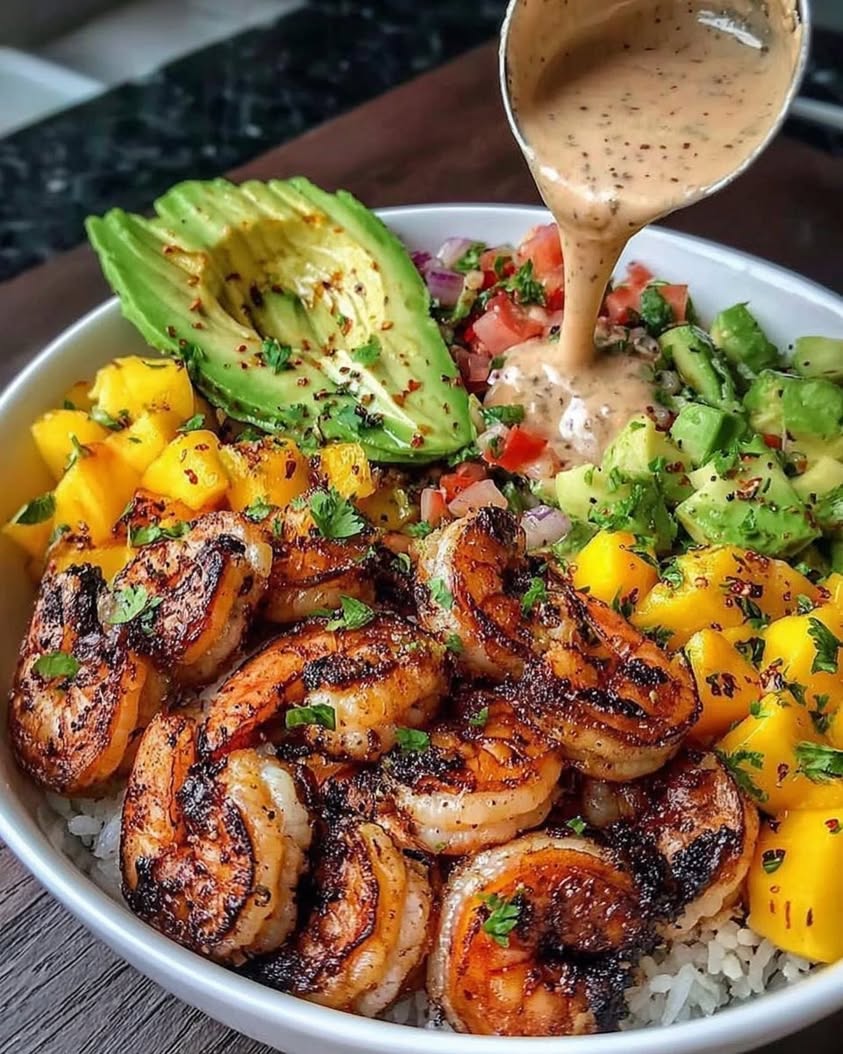
Imagine a bowl packed with juicy, seasoned shrimp, creamy slices of avocado, and a bright, chunky mango salsa that bursts with sweetness. Then picture a zesty lime-chili sauce drizzled over the top, bringing heat and tang to every single bite. That is the magic of these Shrimp and Avocado Bowls with Mango Salsa and Lime-Chili Sauce. This recipe is not just a meal; it is an experience that transports your taste buds to a sunny coastal paradise.
We designed these Shrimp and Avocado Bowls with Mango Salsa and Lime-Chili Sauce for those busy weeknights when you crave something fast yet incredibly flavorful. The entire process takes only thirty minutes from start to finish. You will love how the smoky chili seasoning on the shrimp perfectly complements the cool, rich avocado. Furthermore, the mango salsa adds a tropical sweetness that balances the heat from the lime-chili sauce. This dish is a celebration of fresh ingredients and bold, clean flavors.
Beyond the incredible taste, these Shrimp and Avocado Bowls with Mango Salsa and Lime-Chili Sauce offer a wonderful balance of textures and nutrients. The tender shrimp provide a fantastic source of lean protein. Avocados deliver healthy monounsaturated fats that keep you full and satisfied. Mangoes are packed with vitamin C and fiber. When you combine all these elements with the cilantro, red onion, and a hint of jalapeno, you get a bowl that is as nutritious as it is delicious. Consequently, this recipe is perfect for anyone looking to eat well without spending hours in the kitchen.
Quick Recipe Highlights
- Flavor Profile: This bowl delivers a perfect trifecta of sweet, savory, and spicy. The mango salsa provides a natural, fruity sweetness. The garlic and chili powder on the shrimp create a savory, smoky base. The lime-chili sauce brings a sharp, lingering heat that ties everything together beautifully.
- Texture: You get a wonderful contrast with every forkful. The shrimp are firm and slightly crispy on the edges from the sear. The avocado is silky and creamy, which contrasts with the crunchy, juicy mango salsa. The rice or lettuce base adds its own unique chew or crunch, making each mouthful interesting.
- Aroma: The kitchen fills with the irresistible scent of garlic and chili as the shrimp cook. You will also smell the fresh, vibrant aroma of cilantro and diced mango. The lime juice adds a bright, citrusy note that cuts through the richness of the avocado.
- Visual Appeal: This dish is a feast for the eyes. You see bright pink shrimp next to deep green avocado chunks. The golden yellow mango salsa is flecked with deep red bell pepper and fresh green cilantro. A swirl of pale green lime-chili sauce finishes the bowl, making it look restaurant-worthy.
- Skill Level Needed: This recipe is perfect for beginners. You only need basic knife skills for dicing the produce. Cooking the shrimp requires simple pan-searing over high heat. Assembling the bowls is as easy as arranging ingredients. It is a fantastic confidence-building recipe for new home cooks.
- Special Equipment: You will need a large skillet or frying pan for searing the shrimp. A sharp chef’s knife makes dicing the mango and avocado much easier. A small bowl is useful for whisking together the lime-chili sauce. No specialized gadgets are required, which keeps cleanup simple.
Recipe Overview
- Difficulty Level: We rate this as an easy recipe because the steps are straightforward and forgiving. You do not need to monitor a complex braise or worry about delicate pastry dough. The cooking techniques involve basic knife cuts and a simple pan sear. Even if you are a novice, you can confidently prepare these Shrimp and Avocado Bowls with Mango Salsa and Lime-Chili Sauce and impress your family.
- Category: This dish fits perfectly as a main course for lunch or dinner. It is a light yet filling meal that works well for a quick weeknight supper. You can also serve it as a more substantial appetizer for a summer gathering. It sits comfortably in the categories of bowl food, seafood, and Mexican-inspired cuisine.
- Cuisine: While not strictly traditional, this recipe draws heavy inspiration from coastal Mexican and Baja Californian cuisine. The use of fresh seafood, avocado, mango, and chili represents the vibrant flavors of the Pacific coast of Mexico. The lime-chili sauce mimics the tangy, spicy cremas found in many taquerias. This fusion style celebrates fresh, bright ingredients that are perfect for warm weather cooking.
- Cost: This is a surprisingly budget-friendly meal. Shrimp can be purchased frozen or fresh at reasonable prices, especially when on sale. Avocados and mangoes are often very affordable, particularly in season. The remaining ingredients like limes, cilantro, and rice are kitchen staples with low cost. You can feed a family of four for under twenty dollars, depending on where you shop.
- Season: The absolute best time for this recipe is late spring through early fall. This is when mangoes and avocados are at their peak ripeness and lowest price. You also benefit from the best quality limes for the juiciest flavor. The light, refreshing nature of the dish is ideal for hot summer days when you do not want a heavy meal.
- Occasion: These bowls are incredibly versatile. They are fantastic for a casual backyard barbecue or a quick post-workout dinner. They also make a beautiful, health-conscious option for a bridal shower or a light luncheon. Because they are so visually appealing, you can serve them to guests without feeling underdressed.
Why You Will Love This Recipe
First and foremost, the taste and texture combination is simply addictive. You get a pop of sweet mango, followed by the savory, spiced shrimp, and then the cool, buttery avocado. The lime-chili sauce then hits the palate with a bright, acidic kick that makes you want another bite immediately. This complex interplay of flavors keeps your taste buds engaged from the first forkful to the last. It is a truly satisfying sensory experience.
Furthermore, the convenience of this recipe is unmatched. We are talking about a complete, balanced meal cooked in under thirty minutes. You can prep the mango salsa and the lime-chili sauce while the shrimp defrosts. Then you just need to cook the shrimp and assemble the bowls. There is minimal cleanup since you only use one pan for the shrimp. This ease makes it a perfect candidate for a healthy lunch meal prep for the week.
Nutritionally, these Shrimp and Avocado Bowls with Mango Salsa and Lime-Chili Sauce are a powerhouse. Shrimp is a lean protein that is low in calories but high in selenium and vitamin B12. Avocado provides heart-healthy monounsaturated fat that helps absorb fat-soluble vitamins from the salsa. Mango and bell pepper are loaded with vitamins A and C, which support your immune system. This balanced combination keeps your energy levels stable without any post-meal sluggishness.
In terms of social value, this dish is a showstopper. When you place a beautifully arranged bowl in front of someone, they instantly feel special. The vibrant colors and fresh aroma are incredibly inviting. It encourages people to dig in and enjoy the communal experience of eating. You can easily set up a bar with all the components and let guests build their own bowls, which makes for a fun and interactive dinner party activity.
Finally, this recipe is incredibly cost-effective and accessible. Most of the ingredients are readily available at any standard grocery store. You can often find shrimp on sale, and frozen shrimp work perfectly fine. Avocados and mangoes are generally inexpensive. By making the simple lime-chili sauce from pantry staples instead of buying a bottle, you save money and avoid preservatives. This makes eating well both affordable and easy.
Historical Background and Cultural Significance
Bowls similar to this one find their roots in the humble fisherman’s meals of the Baja California peninsula. For generations, local fishermen would prepare fresh catches with simple, available ingredients like lime, chili, and local produce. Avocados and mangoes have long been staple crops in Mexico, deeply integrated into the diet. This dish represents a modern evolution of that tradition, bringing together these classic elements in a convenient, balanced format.
Mango salsa, in particular, has become a beloved condiment in modern Mexican-American cuisine. It is a perfect example of how culinary traditions adapt and evolve. The sweet, acidic fruit provides a beautiful counterpoint to the spicy, savory notes of grilled meats and seafood. This fusion of flavors is a hallmark of Tex-Mex and Cal-Mex cooking, where borders blur and delicious combinations are born. It has become a staple in homes and restaurants across the United States.
The lime-chili sauce in this recipe has its origins in the various cremas and salsas used throughout Mexico. A simple mixture of lime juice, chili, and often crema adds brightness and heat to many dishes. This specific variation is light and refreshing, meant to enhance rather than overpower the other ingredients. It is a perfect example of the Mexican culinary philosophy of balancing flavors: sweet, sour, salty, and spicy all in one sauce.
Today, these Shrimp and Avocado Bowls with Mango Salsa and Lime-Chili Sauce represent the modern desire for quick, healthy, and flavorful meals. They embody the popularity of bowl food, which is a global trend. This recipe takes the foundational ingredients from Mexican coastal cuisine and makes them accessible for a home cook in the U.S. It is a testament to how traditional flavors can be repackaged for contemporary lifestyles without losing their soul.
Ingredient Deep Dive
Shrimp
Shrimp holds a significant place in coastal cuisines around the world, from the Gulf of Mexico to the Mediterranean. In the context of this recipe, shrimp brings a quick-cooking, delicate protein that absorbs flavors beautifully. Nutritionally, it is an excellent source of selenium, a powerful antioxidant that supports thyroid health. It also provides a solid dose of vitamin B12, which is crucial for nerve function and energy production. When selecting shrimp, look for ones that are firm, have a slight sea smell (never fishy), and have a translucent grayish-pink color if raw. For storage, keep them on ice or in the coldest part of the fridge and use them within two days of purchase. You can easily substitute peeled and deveined frozen shrimp, which are often more budget-friendly and just as tasty. If you cannot eat shellfish, you can substitute firm white fish like cod or even diced chicken breast.
Avocado
The Hass avocado, which we use here, is a gift from Mexico and Central America, where it was first cultivated thousands of years ago. Avocados are celebrated for their creamy, rich texture and high content of monounsaturated fats, which are excellent for heart health. They also contain lutein, an antioxidant that supports eye health. When you are at the store, choose avocados that yield slightly to gentle pressure but are not mushy. A ripe avocado should feel heavy for its size. To store a cut avocado, keep the pit in the flesh, brush the surface with lime juice, and wrap it tightly in plastic wrap to slow browning. For a substitution, you can use cooked, mashed edamame for a similar creamy texture, though the flavor will be different. However, avocado is really the star here for its unique richness.
Mango
Mangoes are the national fruit of India, but they have been a favorite in Mexico for centuries. This sweet, fibrous fruit brings a burst of tropical sunshine to the bowl. Mangoes are packed with vitamin C, which boosts your immune system, and vitamin A, which is vital for healthy vision and skin. When selecting a mango for this salsa, look for one that is slightly soft to the touch, with a sweet fragrance at the stem end. The color is not always a perfect indicator; some varieties stay green when ripe. To store a ripe mango, place it in the refrigerator for a few days. If your mango is rock hard, let it ripen on the counter at room temperature. If you cannot get a mango, fresh or frozen diced peaches or papaya make good substitutes that retain the sweet, fruity element of the salsa.
Common Mistakes to Avoid
- Overcooking the shrimp is the most common mistake. Shrimp cook very quickly, usually in two to three minutes per side. They are done when they turn pink and opaque. Cooking them longer makes them rubbery and tough. Remove them from the heat the moment they are cooked through.
- Using an unripe avocado will ruin the texture of your bowl. A hard avocado will not mash or slice smoothly and will taste bitter. Always check for ripeness by applying gentle pressure. If it feels like a rock, it is not ready. Give it a day or two on the counter.
- A soggy, overripe mango will make your salsa mushy. The mango should be firm yet ripe, with a pleasant sweetness. If the flesh is stringy or falling apart, the salsa will not have the desired fresh, chunky texture. Choose a mango that yields slightly but feels solid.
- Forgetting to pat the shrimp dry prevents a proper sear. Wet shrimp will steam instead of sear, leading to a gray, unappetizing color. Use paper towels to thoroughly dry the shrimp before seasoning. This step is critical for developing that beautiful golden-brown crust.
- Not letting the pan get hot enough is a big misstep. A hot pan ensures the shrimp sear quickly and do not stick or release too much liquid. Wait until the oil shimmers and ripples in the skillet before adding the shrimp. Then do not overcrowd the pan.
- Overdressing the bowl can make everything soggy. The beauty of this dish is the fresh components. Drizzle the lime-chili sauce lightly over the top or serve it on the side. You can always add more, but you cannot take it away once it is mixed in.
- Dicing all the ingredients too large or too unevenly creates a poor eating experience. Mango pieces should be bite-sized, about half an inch. Avocado slices should be of similar thickness. Consistent cuts ensure that every bite has a balanced mix of ingredients.
- Skipping the resting time for the cooked shrimp is a common oversight. Let the shrimp rest for just a minute or two off the heat before assembling the bowls. This allows the juices to redistribute, keeping them more tender. They will release fewer juices onto the plate.
- Using pre-shredded cheese or sour cream from a tub can change the intended flavor profile. This recipe relies on fresh flavors. The lime-chili sauce is meant to be a light, zesty alternative. Adding heavy dairy can mask the brightness of the mango and citrus.
Essential Techniques
Dicing a Mango
This technique is important because it gives you neat, uniform pieces that look beautiful and are easy to eat. First, stand the mango upright on a cutting board. The wide, flat side is the cheek. Cut about half an inch from the center stem line down each side, creating two large cheeks. Then score the flesh of each cheek into a crosshatch pattern without cutting through the skin. Push the skin from underneath gently so the cubes pop outward. Finally, slice the cubes off with your knife, or scoop them out with a spoon. This method prevents the messy, stringy issues that can happen when you try to peel a whole mango. Mastering this makes the recipe much faster and cleaner.
Pan-Searing Shrimp
This technique is crucial for developing the savory, slightly charred flavor that makes the shrimp so delicious. Start by heating your skillet over medium-high heat until it is very hot. Add a small amount of high-heat cooking oil like avocado oil. Place the seasoned shrimp in a single layer without crowding the pan. Let them sear undisturbed for about two minutes. You want a deep golden crust to form on the bottom. Flip them and cook for another one to two minutes until just pink and opaque. Overcrowding will steam them, so cook in batches if necessary. The visual cue is a deep, caramelized browning on the cooked side.
Whisking an Emulsified Sauce
The lime-chili sauce is an emulsion, which means you are combining two liquids that usually do not mix, like oil and lime juice. This technique creates a smooth, creamy sauce that coats the shrimp beautifully. In a small bowl, whisk together the lime juice, chili powder, and a pinch of salt. While continuously whisking, slowly drizzle in olive oil. The constant motion forces the oil to break into tiny droplets that suspend in the lime juice. You will see the mixture become slightly thicker and paler in color. For an easier version, you can shake the ingredients in a small glass jar with a tight lid. This simple technique elevates the whole dish from a vinaigrette to a cohesive sauce.
Pro Tips for Perfect Shrimp and Avocado Bowls
For the most flavorful shrimp, season them at least ten minutes before cooking. This allows the salt and spices to penetrate the meat, not just sit on the surface. Pat the shrimp dry first to remove excess moisture, which helps the seasoning stick and ensures a good sear.
Use a hot cast-iron or stainless steel skillet for the best sear on your shrimp. Nonstick pans do not allow the same level of browning. If you are using nonstick, increase the heat slightly and watch the shrimp carefully to ensure they still get color without sticking.
Always taste your mango before adding it to the salsa. Mango sweetness varies a lot. If your mango is a bit tart, add a tiny pinch of sugar to the salsa. If it is overly sweet, add a little extra lime juice to balance the acidity.
To prevent your avocado from browning too fast, prepare it last. Cut and slice the avocado right before you are ready to assemble the bowls. Squeeze a little extra lime juice over the avocado slices to help delay oxidation.
Serve the lime-chili sauce on the side so everyone can control the heat level. Some people prefer a gentle drizzle, while others want a generous spoonful. This also keeps the base of the bowl from getting soggy if you are not eating immediately.
Warm your serving bowls for a more pleasant dining experience. A hot bowl keeps the food on the plate warmer for longer. This is particularly nice for the shrimp and rice, as they benefit from maintained heat.
When preparing the bowl base, use a bed of cilantro-lime rice for a traditional feel. Cook the rice with a bay leaf and a little salt. After it is cooked, fluff it and fold in fresh lime zest, a splash of lime juice, and chopped cilantro. This adds a flavor layer that ties everything together.
Variations and Adaptations
Regional variations of this bowl are fun to explore. For a Caribbean twist, use jerk seasoning on the shrimp instead of chili powder and add some grilled pineapple to the salsa. For a purely Mexican take, use a smoky chipotle sauce instead of the lime-chili sauce and add black beans to the bowl. A Mediterranean version could use lemon-oregano shrimp, avocado, and a cucumber-tomato salad instead of mango salsa, with a lemon-tahini drizzle. Each variation honors the base concept while introducing new flavor profiles.
Seasonal adaptations are easy with this flexible recipe. In the winter months, when mangoes are less available, you can use roasted butternut squash cubes instead, which offer a similar sweet and creamy texture. In the spring, you can swap the mango salsa for a fresh strawberry-avocado salsa. In the fall, a roasted corn and poblano pepper salsa would be excellent. The core formula of spiced protein, creamy avocado, and fruit salsa works beautifully with many seasonal produce options.
Dietary modifications are simple to implement. To make this a gluten-free meal, ensure your chili powder and any other spices are certified gluten-free and serve the bowls over rice or quinoa. It is naturally dairy-free without the addition of cheese. For a low-carb version, skip the rice and serve the shrimp and toppings on a large bed of shredded romaine lettuce or mixed greens. This turns the bowl into a hearty, satisfying salad.
Flavor variations can be endless. You can substitute the chili powder with a mild ancho chili powder for a smokier, slightly sweeter heat. Add a pinch of cumin to the shrimp for an earthy depth. You could also make a creamy version of the sauce by whisking a tablespoon of mayonnaise or Greek yogurt into the lime-chili mixture. For a hint of sweetness, add a drop of honey to the sauce.
Texture modifications are also possible. For a crunchier bowl, add toasted pepitas (pumpkin seeds) or crushed tortilla chips on top. You can also grill the mango slices before dicing them for a slightly charred, softer texture. If you prefer a smoother avocado texture, you can mash the avocado instead of slicing it, creating a base for the other ingredients to sit on.
Presentation alternatives can change the entire feel of the dish. Instead of a bowl, you can serve the components deconstructed on a large platter for a family-style dinner. For a party appetizer, serve the shrimp and avocado on skewers with a dollop of mango salsa and a small cup of the sauce for dipping. You can also stuff the mixture into warm corn tortillas to make fantastic tacos, which are a huge hit.
Serving and Presentation Guide
For the most beautiful plating, start with a shallow bowl or rimmed plate to keep the elements contained. Place a generous scoop of warm cilantro-lime rice directly in the center of the bowl as your base. Then, arrange the seared shrimp in a circle or a line over the rice. Next, fan out the slices of ripe avocado alongside the shrimp. Finally, spoon a generous amount of the chunky mango salsa over one side of the bowl, creating a vibrant pop of color.
Garnishing is the final touch that makes your dish look like it came from a restaurant. Sprinkle the entire bowl with freshly chopped cilantro. Add a few thin slices of fresh red jalapeno or serrano chili if you want to signal the heat. A light dusting of flaky sea salt over the avocado enhances its flavor. A final drizzle of the lime-chili sauce in a decorative swirl or zigzag pattern adds visual interest and flavor.
Traditional accompaniments for this bowl are simple. A wedge of fresh lime on the side is always welcome for an extra squeeze of citrus. You can also serve with warm flour or corn tortillas on the side for making your own tacos. A simple side of black beans or refried beans pairs beautifully with the bowl. A light, crisp salad with a cilantro-lime vinaigrette would also be a perfect partner.
Modern serving suggestions include serving the bowls on a bed of spiralized zucchini noodles for a low-carb twist. You can also use cauliflower rice as a grain alternative. For a more interactive meal, set up a build-your-own bowl station at a dinner party. Provide bowls with the base, the shrimp, the avocado, the salsa, and the sauce separately. Guests can then customize their own creation based on their preferences.
Temperature considerations are important for the best experience. The rice and shrimp should be served warm. The avocado and mango salsa should be at room temperature or slightly chilled. The lime-chili sauce is best at room temperature to keep its liquid consistency. This combination of warm and cool temperatures makes every bite dynamic and pleasant. Avoid serving the bowls ice cold, as that will mute the flavors.
Portion control tips are useful. One serving of this bowl is about one cup of the base, six to eight ounces of shrimp, half an avocado, and a generous third cup of salsa. This provides a balanced meal with around 400 to 500 calories. For smaller appetites, you can reduce the shrimp portion and the amount of rice. For larger appetites, you can double the shrimp and add extra beans or corn.
Wine and Beverage Pairing
For a wine pairing, a crisp, dry Riesling or Sauvignon Blanc is an excellent choice. The high acidity in these wines cuts through the richness of the avocado and the sweetness of the mango. Their citrus and grassy notes complement the lime and cilantro beautifully. A dry rosé also works well because its berry notes and bright finish mirror the fruitiness of the salsa without competing with the heat from the chili. Avoid heavy, oaked Chardonnays as they can clash with the fresh, bright flavors.
Non-alcoholic alternatives are just as rewarding. A classic agua fresca of cucumber and lime is incredibly refreshing and cleansing. A homemade ginger-lemon soda provides a sharp, spicy kick that mirrors the chili in the sauce. For a creamy option, a virgin pina colada made with fresh pineapple and coconut milk is a tropical treat. Sparkling water with a splash of grapefruit juice and a pinch of salt also cleanses the palate perfectly.
For beer lovers, a light Mexican lager like Corona or Modelo is a classic pairing. These beers are crisp, refreshing, and low in bitterness, making them a perfect palate cleanser between bites. A wheat beer, like a Hefeweizen, is also great because its slightly citrusy notes complement the lime. A pale ale with moderate hops can stand up to the chili heat, but avoid very bitter IPAs that might clash with the sweetness of the mango.
Temperature considerations for serving drinks are the same as for food. Every beverage should be served very cold. A warm drink will clash with the cool, fresh ingredients of the bowl. For wine, this means chilling it for at least an hour before serving. For beer, keep it in the fridge until the moment you pour. For non-alcoholic drinks, serve them over ice to maintain temperature.
Serving suggestions can elevate the pairing experience. Serve the wine in large, tulip-shaped glasses to allow the aromas to concentrate. For beer, a classic pilsner glass enhances the carbonation and aroma. For non-alcoholic drinks, serve them in highball glasses with a rim of Tajin chili-lime seasoning for a fun, spicy twist. Always have a pitcher of ice water on the table with slices of lime and cucumber.
Storage and Shelf Life
Proper storage methods are crucial to maximize the shelf life of your leftovers. The most important rule is to store components separately. Do not keep the assembled bowls in the fridge. Instead, store the cooked shrimp in an airtight container. Store the mango salsa in a separate container. Keep the avocado slices in a container with a tightly pressed layer of plastic wrap directly on the surface to prevent browning. The lime-chili sauce can be stored in a glass jar in the fridge.
Temperature requirements are important for food safety. All perishable components, including the cooked shrimp, avocado, and mango salsa, must be refrigerated within two hours of cooking. The refrigerator should be set to 40 degrees Fahrenheit or below. The lime-chili sauce, because of its high acidity and oil content, can be kept at room temperature if used within a day, but it is safer to refrigerate it. Always use clean utensils when handling the leftover containers to avoid contamination.
Container recommendations help preserve quality. Airtight, glass containers are best for the shrimp and salsa, as they do not absorb odors. For the avocado, use the smallest possible container to reduce air exposure. A Ziploc bag with the air squeezed out works even better. For the sauce, a small mason jar with a tight lid is ideal. Label everything with the date so you know what is fresh.
Signs of spoilage are easy to spot. The shrimp will develop a sour, ammonia-like smell if it has gone bad. The avocado will turn an unappealing brown or black color and develop a rancid taste. The mango salsa might become watery or moldy. If anything smells off, looks slimy, or has mold, throw it away immediately. Never taste something you suspect is spoiled.
Reheating instructions apply only to the shrimp. You can reheat the shrimp in a hot skillet for one minute per side with a splash of water or in the microwave for thirty seconds. Avoid overcooking. You should never reheat the avocado, mango salsa, or lime-chili sauce. These are best enjoyed cold or at room temperature. Therefore, when reheating, only take out the portion of shrimp you need.
Freezing guidelines are limited for this recipe. You can freeze the cooked shrimp in an airtight container for up to three months, though the texture will be slightly softer upon thawing. You cannot freeze the avocado or the salsa, as they will become mushy and watery. The lime-chili sauce can be frozen in ice cube trays and then stored in a bag for up to three months. Overall, this is a dish that is best enjoyed fresh.
Make Ahead Strategies
Prep timeline is the key to making this recipe stress-free. Up to one day before serving, you can dice the mango, red onion, and jalapeno for the salsa. Store them in a bowl in the fridge. However, do not add the cilantro or lime juice until just before serving, as the cilantro will wilt and the lime can start to break down the mango. You can also peel and devein the shrimp if you bought them whole, and store them on ice in the fridge.
Storage between steps is very specific. The mango and onion mixture can be stored covered in the fridge. The lime-chili sauce can be whisked together and stored in a sealed jar at room temperature. The avocado must be cut fresh, as it browns quickly. The rice can be cooked up to two days in advance. Store the cooked rice in a sealed container in the fridge, and reheat it in the microwave with a damp paper towel on top to restore moisture.
Quality impact assessment shows that some prepping works beautifully while others do not. The salsa benefits from slightly macerating the mango and onion together overnight, as the flavors meld. The lime-chili sauce only improves as it sits. The avocado suffers noticeably, so it is best to leave that for last. The shrimp, if kept raw and uncooked, will be fine for one day, but cooking it fresh yields the best texture.
Assembly tips for make-ahead are simple. When you are ready to serve, cook the shrimp fresh. Reheat the rice. Slice the fresh avocado. Then add the lime juice and cilantro to the salsa. Arrange everything in the bowl and drizzle with the sauce. This entire process takes less than fifteen minutes. The make-ahead work saves significant time during the dinner rush.
Reheating guidelines for the rice are straightforward. Fluff the cold rice with a fork. Put it in a microwave-safe bowl and cover it with a damp paper towel. Heat on high in thirty-second bursts, stirring in between, until it is steaming hot. For the salsa, just let it sit out for ten minutes to take the chill off before serving. The lime-chili sauce can be served straight from the fridge or at room temperature.
Fresh element additions are the final step. A last-minute squeeze of lime over everything brightens the dish right before serving. A sprinkle of fresh cilantro or a few extra slices of jalapeno add visual appeal. A dollop of sour cream or crema, if you are using it, should be added just before the bowl is served. These finishing touches ensure that even though you prepped ahead, the dish tastes and looks just-made.
Scaling Instructions
Halving the recipe is very simple. Cut all the main ingredients in half. Use three to four ounces of shrimp per serving. Use half a ripe avocado per person. Halve the mango and the rest of the salsa ingredients. The cooking time for the shrimp will be slightly shorter because you are using a smaller amount, so reduce your cooking time by about thirty seconds per side. You can use a smaller skillet to keep the heat even.
Doubling or tripling the recipe requires some planning. For doubling, use a large skillet and cook the shrimp in two batches to avoid overcrowding. For tripling, use two skillets or a very large pan. Increase the seasoning proportionally for the shrimp and the sauce. For the salsa, you will need about two large mangoes and a large red onion. Manage your time carefully by prepping all components before you start cooking.
Equipment adjustments are necessary when scaling. For a double batch, you will need a larger mixing bowl for the salsa and a larger serving platter. If you are serving a crowd, line up multiple bowls on a counter and assemble assembly-line style. You might need more than one cutting board and knife to speed up the process. Ensure you have enough storage containers for the leftover components.
Timing modifications are important for larger batches. The cooking time increases because you are cooking in batches, but the actual time per batch stays the same. Allocate an extra ten minutes for cooking the shrimp. The prep time will increase because you are dicing more produce. Plan for an additional fifteen minutes for the initial prep work for a double batch. Do not rush the searing process; it is still crucial for texture.
Storage considerations change when scaling up. You will need larger airtight containers or multiple smaller ones. If you are making a double batch for a party, plan to serve it within two hours of preparation for the best quality. The shrimp, salsa, and avocado are best when fresh. If you must store leftovers, they will last the same two days as the original recipe, but in a larger quantity.
Nutritional Deep Dive
The macronutrient breakdown of these Shrimp and Avocado Bowls with Mango Salsa and Lime-Chili Sauce is incredibly balanced. A serving provides approximately 30 to 35 grams of protein from the shrimp, which is excellent for muscle repair and satiety. The avocado contributes about 15 grams of healthy fat, primarily monounsaturated. The rice provides around 45 grams of complex carbohydrates for sustained energy. This balance of protein, fat, and carbs keeps blood sugar levels stable and prevents energy crashes.
Micronutrient analysis reveals a wealth of vitamins and minerals. Shrimp is packed with selenium, zinc, and vitamin B12. Avocado provides a good source of vitamin K, folate, and potassium, which helps regulate blood pressure. Mango is loaded with vitamin C, with a single serving providing almost your entire daily requirement. Bell pepper adds even more vitamin C Print
Shrimp and Avocado Bowls with Mango Salsa & Lime-Chili Sauce
- Total Time: 25 minutes
- Yield: 4
Description
A vibrant and refreshing bowl featuring succulent shrimp, creamy avocado, and a sweet-tangy mango salsa, all drizzled with a zesty lime-chili sauce. Perfect for a light and flavorful meal.
Ingredients
- 1 lb large shrimp, peeled and deveined
- 2 tablespoons olive oil
- 1 teaspoon chili powder
- Salt and pepper to taste
- 2 ripe avocados, diced
- 2 cups cooked white rice or quinoa
- 1 cup diced mango
- 1/4 cup diced red onion
- 1/4 cup chopped fresh cilantro
- 1 jalapeño, seeded and minced
- 2 tablespoons lime juice
- For the Lime-Chili Sauce: 1/4 cup sour cream or Greek yogurt, 2 tablespoons lime juice, 1 tablespoon honey, 1 teaspoon chili garlic sauce, pinch of salt
Instructions
- In a bowl, toss the shrimp with olive oil, chili powder, salt, and pepper. Heat a skillet over medium-high heat and cook the shrimp for 2-3 minutes per side until pink and opaque. Set aside.
- In a separate bowl, combine the diced mango, red onion, cilantro, jalapeño, and lime juice. Season with a pinch of salt to make the mango salsa.
- Prepare the lime-chili sauce: whisk together sour cream, lime juice, honey, chili garlic sauce, and a pinch of salt until smooth.
- To assemble the bowls, divide the cooked rice or quinoa among serving bowls. Top with diced avocado, cooked shrimp, and mango salsa. Drizzle with the lime-chili sauce and serve immediately.
Notes
You can customize the seasonings to taste. For a spicier kick, add more chili garlic sauce to the lime-chili sauce. This bowl can also be made with grilled chicken or tofu.
- Prep Time: 15 minutes
- Cook Time: 10 minutes
- Method: Main
- Cuisine: American