The Ultimate One-Pan Spinach and White Beans Recipe for Busy Weeknights
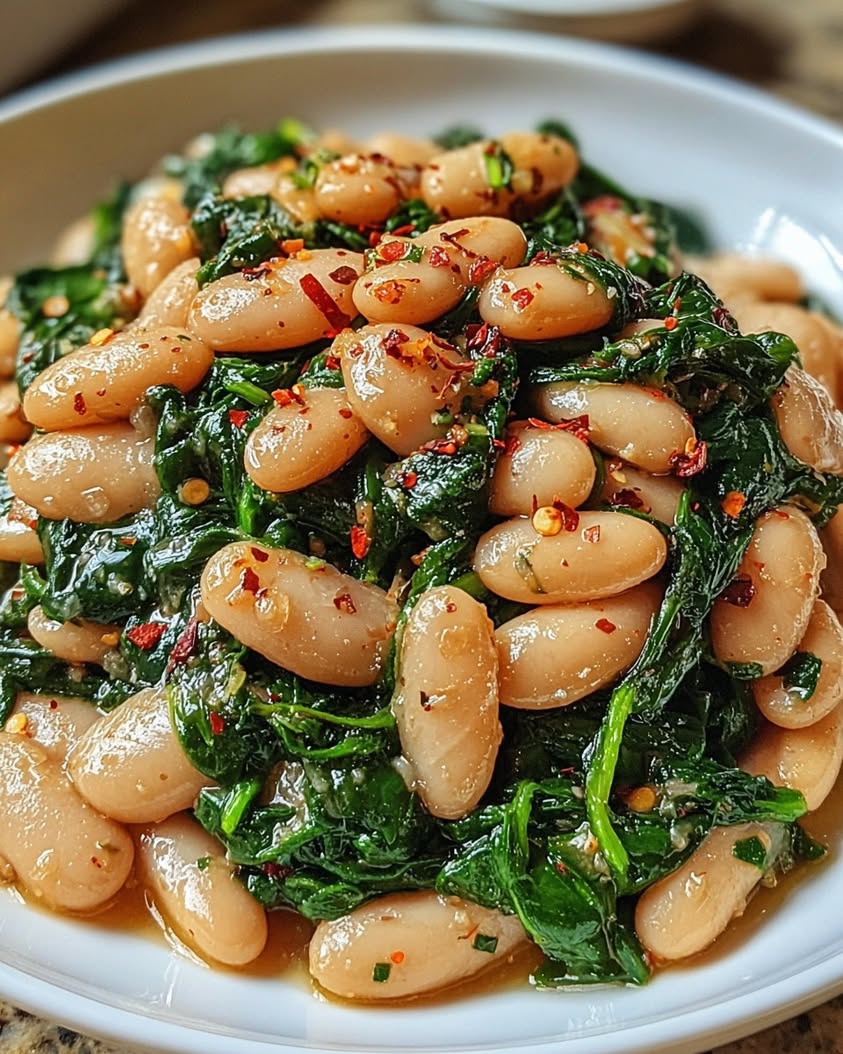
This Spinach and White Beans recipe is the one-pot wonder you have been waiting for. It combines tender cannellini beans with vibrant, wilted spinach in a savory garlic and lemon broth. The dish comes together in just thirty minutes, making it a reliable choice for hectic weeknights when you need a wholesome dinner fast. Each spoonful offers a comforting blend of creamy beans and earthy greens that feels both light and satisfying.
Imagine the aroma of sautéed garlic filling your kitchen as the spinach wilts down into silky ribbons. The white beans absorb the fragrant olive oil and herbs, creating a hearty texture that pairs beautifully with crusty bread. This easy white beans recipe proves that simple ingredients can create a restaurant-quality meal. You will find yourself reaching for this recipe again and again when you crave something nutritious without the fuss.
The beauty of this spinach and beans dish lies in its versatility. You can serve it as a main course alongside rice or quinoa, or as a robust side dish for roasted chicken or fish. The bright lemon zest and red pepper flakes add a subtle kick that awakens the palate. Because the preparation is so straightforward, even novice cooks can achieve perfect results every time. This truly is the ultimate one-pan meal for anyone seeking flavor and convenience in equal measure.
Quick Recipe Highlights
- Flavor Profile: This dish delivers a savory base from garlic and onion, complemented by the bright acidity of fresh lemon juice. A hint of red pepper flakes introduces gentle warmth without overwhelming heat. Earthy spinach and creamy beans create a balanced, savory experience.
- Texture: The white beans offer a buttery, creamy mouthfeel that contrasts with the tender yet slightly crisp spinach leaves. Each bite provides a satisfying softness, and the final drizzle of olive oil adds a velvety finish. The beans hold their shape well during cooking while remaining soft inside.
- Aroma: The initial scent of garlic and onion sizzling in olive oil fills your kitchen with a comforting and familiar fragrance. As the spinach wilts, a fresh, grassy note emerges, and the lemon zest adds a bright, citrusy lift. The overall aroma is inviting and promises a meal that feels both rustic and refined.
- Visual Appeal: The deep green of the wilted spinach contrasts beautifully with the creamy white beans and the golden hue of the olive oil. A sprinkle of red pepper flakes and a twist of black pepper add specks of color, while the lemon wedges on the side provide a finishing touch. The dish looks elegant yet approachable on the plate.
- Skill Level Needed: This recipe requires only basic knife skills and an understanding of how to sauté aromatics. Stirring and timing are simple, and no advanced techniques like braising or roasting are needed. Anyone comfortable with cooking pasta or simple vegetables can master this white bean recipe without stress.
- Special Equipment: You need only a large skillet or sauté pan with a lid and a wooden spoon or spatula for stirring. A lemon zester or microplane is helpful but not essential, and a sharp knife will make preparing the garlic and onion effortless. No specialty equipment is required, which makes cleanup a breeze.
Recipe Overview
- Difficulty Level: This recipe earns an Easy rating because the steps are straightforward and forgiving. You do not need to monitor the pan constantly, and the ingredients are common and affordable. The cooking process involves basic sautéing and simmering, which builds confidence for beginner cooks. Even if you overcook the spinach slightly, the dish remains delicious and forgiving.
- Category: This recipe fits perfectly as a main course for a vegetarian dinner or as a hearty side dish for meat-based meals. It also works well as a lunch option served with a crisp green salad or a slice of toast. The versatility of this spinach and white beans recipe means it can transition from a quick weekday meal to a weekend brunch offering.
- Cuisine: This dish draws inspiration from rustic Italian and Mediterranean culinary traditions, where beans and greens are staple ingredients. The combination of garlic, olive oil, lemon, and chili flakes echoes classic southern Italian cooking. It also reflects the concept of cucina povera, or peasant cooking, which emphasizes simple, fresh ingredients prepared with care and respect. These global influences make the recipe both authentic and adaptable.
- Cost: The ingredients for this recipe are among the most budget-friendly in any kitchen. Canned white beans cost around one dollar per can, and a bag of fresh spinach is similarly inexpensive. Garlic, onions, lemons, and olive oil are pantry staples that add minimal cost. You can easily feed a family of four for under eight dollars, making this an economic choice for weekly meal planning.
- Season: This dish works year-round, but it truly shines in spring and fall when fresh spinach is abundant and flavorful. During the colder months, the warm, comforting broth feels satisfying and nourishing. In summer, you can serve it at room temperature as part of a light dinner. The recipe adapts to any season with minimal changes.
- Occasion: This spinach and beans recipe suits casual family dinners, busy weeknight meals, and even casual gatherings with friends. It also works for meal prep Sunday since the flavors deepen overnight in the refrigerator. You can bring it to a potluck or serve it as a side dish for a holiday table. Its simple elegance makes it appropriate for many settings.
Why You’ll Love This Recipe
The taste and texture of this spinach and white beans recipe create a truly memorable eating experience. The creamy beans contrast with the tender, wilted spinach, and the garlic and lemon provide a bright, savory finish. Every spoonful delivers a balanced combination of richness and freshness that leaves you satisfied. The dish feels indulgent even though it uses mostly fresh, whole ingredients. You will appreciate how such a simple preparation yields such complex flavor.
Convenience is a major draw for this white bean recipe because it requires minimal hands-on time. After a quick chop of the aromatics, you simply sauté, add the beans and spinach, and let the pan work its magic. Cleanup is equally simple since everything cooks in the same vessel. This efficiency means you can have a nutritious dinner on the table in thirty minutes flat. It is the kind of recipe that makes you wonder why you ever order takeout on busy nights.
Nutritionally, this dish is a powerhouse of fiber, protein, and essential vitamins. The white beans provide plant-based protein and soluble fiber that support digestive health and stable energy levels. Spinach contributes iron, vitamin K, and antioxidants that fight inflammation and support bone health. The olive oil offers heart-healthy monounsaturated fats that help absorb fat-soluble vitamins. This spinach and beans meal offers a complete nutritional profile in a single bowl.
From a social and entertaining perspective, this recipe excels because it is both impressive and unpretentious. You can serve it as a main dish for vegetarian guests or as a side for meat lovers without anyone feeling left out. The one-pan format means you can spend more time with your guests and less time in the kitchen. It also holds well on a buffet table, so it is ideal for casual dinner parties. The beautiful colors and aromas will draw compliments from everyone at the table.
Cost-effectiveness and accessibility make this recipe a staple for anyone watching their budget. Canned beans are one of the most affordable protein sources available, and fresh spinach is widely available in any grocery store. The other ingredients are pantry staples that you likely already have on hand. This means you can create a delicious, filling meal without a special trip to the market. For families looking to stretch their grocery dollars, this white bean recipe is a reliable workhorse.
Historical Background and Cultural Significance
The combination of beans and greens has deep roots in Mediterranean culinary traditions, particularly in Italy, where it is known as fagioli e bietole or fagioli e cicoria. This pairing dates back to ancient Roman times when simple, nourishing meals were built around legumes and leafy vegetables. The tradition of cooking beans with olive oil and garlic is a hallmark of peasant cuisine that values resourcefulness and flavor. Over centuries, this humble dish evolved into a beloved comfort food across Italy and beyond.
In Italian culture, the practice of eating beans and greens reflects the concept of la cucina povera, which celebrates making the most of available ingredients. Poor farming families relied on beans as a primary source of protein when meat was scarce. They would forage for wild greens or use garden vegetables to add nutrients and flavor. This resourceful approach created dishes that are now celebrated for their rustic elegance and deep, satisfying taste. The modern spinach and white beans recipe continues this tradition of turning simple ingredients into something special.
The evolution of this recipe has included variations across different regions of Italy and the Mediterranean. In Tuscany, cooks often use cannellini beans and black kale, while in Puglia, they prefer orecchiette pasta with broccoli rabe and beans. Some versions add tomatoes for acidity, while others keep the broth clean and light. The addition of lemon and chili flakes is a more contemporary innovation that brightens the dish and adds a layer of complexity. This adaptability has allowed the recipe to travel and be embraced by home cooks worldwide.
Regional variations also exist in other Mediterranean countries, such as Greece, where they prepare fasolakia with greens, and Spain, where beans and spinach appear in stews like potaje de garbanzos con espinacas. Each culture puts its own spin on the core concept using local ingredients and spices. The North African version, for instance, might include cumin and harissa for warmth. This spinach and beans recipe today is a global fusion that honors the original simplicity while inviting personal creativity.
Ingredient Deep Dive
Cannellini beans, also known as white kidney beans, have a long history in Italian cuisine dating back to the discovery of the New World. These beans were brought to Europe by explorers and quickly became a staple in Tuscan cooking, where they are often called fagioli. Their creamy texture and mild, nutty flavor make them ideal for absorbing the surrounding seasonings. Nutritionally, they are rich in fiber, protein, iron, and folate, which support heart health and stable blood sugar. When shopping, look for beans that are uniform in size without cracks or blemishes. Canned cannellini beans are convenient, but dried beans soaked overnight offer even better texture. Store them in a cool, dry place in an airtight container. You can substitute navy beans, great northern beans, or even chickpeas if needed, though the texture will vary slightly.
Fresh spinach is the vibrant green component that brings life to this dish. Spinach originated in ancient Persia and spread to Europe and Asia, where it became prized for its tender leaves and nutritional density. It offers a wealth of vitamins A, C, K, and minerals like calcium and magnesium. When selecting spinach, choose leaves that are crisp, dark green, and free from yellowing or wilting. Baby spinach is the most tender option, while mature spinach provides a slightly earthier flavor. Store spinach in a perforated plastic bag in the refrigerator crisper drawer, and use it within three to four days for optimum freshness. If fresh spinach is unavailable, you can substitute frozen spinach that has been thawed and squeezed dry, though the texture will be softer. Alternatively, kale or Swiss chard can replace spinach for a heartier green option.
Garlic is the aromatic backbone of this recipe, lending its pungent, savory qualities to the entire dish. Garlic has been used for thousands of years in Mediterranean and Asian cuisines for both flavor and medicinal benefits. It contains allicin, a compound known for its antimicrobial and anti-inflammatory properties. When choosing garlic, look for firm, plump bulbs with tight, unbroken skin. Store garlic in a cool, dark place with good air circulation, and avoid refrigeration, which can cause sprouting. A single clove can transform a dish, so adjust the amount to your taste. If you run out of fresh garlic, you can use one-quarter teaspoon of garlic powder per clove, though the flavor will be less sharp.
Extra virgin olive oil provides the rich, fruity foundation for this white bean recipe. Olive oil is central to Mediterranean cooking and has been revered since antiquity for its flavor and health benefits. It is rich in monounsaturated fats and antioxidants like oleocanthal, which reduce inflammation. Choose an extra virgin olive oil with a fresh, grassy aroma and a slightly peppery finish for the best results. Store olive oil in a dark glass bottle away from heat and light to preserve its quality. You can substitute avocado oil or grapeseed oil for a more neutral flavor, though the character of the dish will change. Always use a high-quality oil for drizzling at the end to maximize the sensory experience.
Lemon adds a burst of brightness that cuts through the richness of the beans and olive oil. This citrus fruit originated in Southeast Asia and spread to the Mediterranean, where it became integral to the region’s cuisine. Lemons are an excellent source of vitamin C and provide a natural acidity that balances savory dishes. Choose lemons that are heavy for their size and have thin, smooth skin for the most juice. Store them at room temperature for up to a week or in the refrigerator for longer shelf life. If you do not have a lemon, you can substitute white wine vinegar or apple cider vinegar, though the flavor profile will shift slightly. Using both the zest and juice ensures you capture the full aromatic potential of the fruit.
Onions and red pepper flakes complete the flavor profile with sweetness and heat. Yellow onions add a mellow sweetness when sautéed, while red pepper flakes provide a subtle, lingering warmth. Onions have been cultivated for over five thousand years and are a fundamental building block in cuisines worldwide. They contain quercetin, an antioxidant that supports heart health. Store onions in a cool, dry place away from potatoes to prevent sprouting. For a milder onion flavor, use shallots or leeks as a substitute. Red pepper flakes can be adjusted according to your heat tolerance, or omitted entirely for a milder dish. A pinch of smoked paprika offers a different kind of warmth if you prefer a smokier profile.
Common Mistakes to Avoid
- Overcooking the spinach is a common error that results in a mushy, unappealing texture. Spinach wilts quickly, so add it during the final few minutes of cooking. You want the leaves to just wilt but still retain some structure and color. Remove the pan from heat as soon as the spinach collapses to preserve its tender texture.
- Using undrained canned beans can lead to a watery, overly salty dish. Always rinse and drain your canned white beans thoroughly before adding them to the pan. This step removes excess sodium and any metallic taste from the canning liquid. The result is a cleaner, more balanced broth that allows the other flavors to shine.
- Adding garlic too early in the cooking process can cause it to burn and become bitter. Garlic needs only about thirty to sixty seconds in the hot oil before you add the beans and liquid. Burnt garlic will ruin the entire dish, so watch it carefully. If you are unsure, add the garlic along with the beans for a milder flavor.
- Skipping the lemon juice and zest is a missed opportunity to brighten the dish. The acidity of lemon balances the richness of the olive oil and the creaminess of the beans. Without it, the dish can taste flat and heavy. Always finish with a squeeze of fresh lemon juice and a sprinkle of zest before serving.
- Overcrowding the pan with too much spinach at once can steam rather than sauté the greens. Add the spinach in handfuls, allowing each batch to wilt before adding more. This technique ensures even cooking and prevents a watery pool at the bottom of the pan. Patience with this step yields a better final texture.
- Failing to season the beans adequately is a mistake that leads to a bland dish. Beans are bland on their own and need a good amount of salt and pepper to bring out their flavor. Taste the broth and adjust the seasoning after adding the beans and spinach. Remember that the salt level will change as the liquid reduces.
- Using low-quality olive oil can diminish the entire experience of the dish. Since olive oil is a primary flavor component, you want a bottle that tastes fresh and fruity. Avoid pale, bland oils that offer no character. A good extra virgin olive oil makes a noticeable difference in the final taste and mouthfeel.
- Not letting the flavors meld after cooking is a missed opportunity for depth. Allow the dish to rest for a few minutes off the heat before serving. This brief resting period lets the beans absorb more of the garlic and lemon flavors. The result is a more cohesive and harmonious taste profile.
- Adding the red pepper flakes too early can cause them to burn and lose their heat. Sprinkle the flakes in during the last minute of cooking or use them as a garnish. This approach preserves their bright, fiery character and provides a pop of color on the plate.
- Forgetting to taste and adjust the seasoning before serving is the most crucial oversight. The flavors can shift during cooking as liquid evaporates and ingredients meld. Always do a final taste test and add a pinch of salt, a squeeze of lemon, or a drizzle of oil as needed. This simple step transforms a good dish into a great one.
Essential Techniques
Sautéing aromatics is the foundational technique for this white bean recipe. You heat olive oil over medium heat and then add the onion, cooking it until it becomes translucent and soft, which typically takes about five minutes. This step releases the onion’s natural sugars and creates a sweet, flavorful base for the entire dish. The key is to stir occasionally and maintain a steady heat that does not brown the onion too quickly. You want the onion to soften without turning dark, which can impart a bitter taste. If the oil gets too hot, reduce the heat and add a splash of water to cool the pan down. Mastering this gentle sauté sets the stage for a well-balanced final dish that tastes layered and complex.
Wilting spinach correctly is crucial for achieving the right texture and color. You add the spinach in handfuls, allowing each batch to collapse before adding more, which prevents the pan from becoming too cold. The spinach releases water as it cooks, so you want to stir gently to ensure even exposure to the heat. This process takes only two to three minutes, and you should stop as soon as the leaves have just wilted. Overcooking leads to a slimy texture and a dull, olive-green color. If you see excess liquid pooling in the pan, you can increase the heat briefly to evaporate it. The goal is vibrant, tender greens that still have a slight bite and body.
Simmering the beans in the broth is what melds all the flavors together. After adding the drained beans and vegetable broth, you bring the mixture to a gentle simmer rather than a rolling boil. This gentle agitation allows the beans to absorb the garlic, lemon, and herb notes without breaking apart. You want to simmer for about ten minutes to allow the liquid to reduce slightly and thicken into a light sauce. Stir occasionally to prevent the beans from sticking to the bottom of the pan. The visual cue for doneness is a slightly reduced, glossy liquid that clings to the beans. This technique ensures that each bean is infused with flavor from the inside out.
Finishing with fresh lemon juice and zest is the final technique that elevates the dish. You remove the pan from the heat and stir in the lemon juice and a sprinkle of zest right before serving. The acid from the lemon brightens the entire composition, cutting through the richness of the olive oil and the creaminess of the beans. You want to use the zest as well because the essential oils in the peel contain intense citrus flavor. The lemon should be added at the very end to preserve its fresh, vibrant character. If you add it too early, the heat will dull the brightness and make the dish taste flat. This finishing flourish transforms a simple bean dish into a restaurant-quality meal.
Pro Tips for Perfect Spinach and White Beans
Always use a large enough skillet so you have room to stir the spinach without spilling. A twelve-inch pan provides ample surface area for the greens to wilt evenly. This size also ensures the beans are in a single layer for proper simmering.
Toast the red pepper flakes in the oil for just ten seconds before adding the garlic to deepen their flavor. This quick step releases the oils from the chili and infuses the entire dish with warmth. Just be careful not to burn the flakes or the garlic that follows.
If you prefer a thicker, saucier dish, mash about half a cup of the white beans before adding them to the pan. This technique releases the bean starch, which naturally thickens the broth. It also creates a creamier texture without adding any dairy.
Save the water from rinsing the canned beans and use it in place of some of the vegetable broth. The starchy water adds body and helps create a silky sauce. This trick is a leftover from traditional Italian cooking where cooks saved every resource.
Grate the garlic instead of mincing it for a more intense flavor that disperses evenly through the dish. A microplane grater creates a paste that dissolves into the oil and broth. This technique ensures you get garlic flavor in every single bite without biting into a chunk.
Let the dish rest for five minutes after cooking to allow the flavors to marry and the liquid to settle. This resting period also allows the beans to absorb more of the surrounding seasonings. The final taste will be more cohesive and well-rounded as a result.
Serve the spinach and white beans with a generous drizzle of high-quality olive oil and a crack of fresh black pepper. This finishing touch adds a layer of richness and a pop of aroma that awakens the senses. Use your best bottle of olive oil for this final flourish.
If the dish seems too dry after simmering, add a splash of warm vegetable broth or pasta water to loosen it. The goal is a saucy consistency that clings to the beans and greens. Do not add cold liquid, as it will lower the temperature of the entire pan.
Variations and Adaptations
Regional variations of this spinach and beans recipe are abundant in Mediterranean cuisine. In Greece, cooks might add a splash of red wine vinegar and a sprinkle of oregano, while in Spain, they might include pimentón and a pinch of saffron. The Italian version often incorporates a handful of fresh parsley and a drizzle of extra virgin olive oil at the end. Each culture brings its own herb and spice preference, making the dish endlessly customizable. You can also use different types of beans, such as chickpeas or borlotti beans, for a unique texture and flavor profile. The core technique remains the same, so feel free to experiment with the ingredients you love.
Seasonal adaptations allow this white bean recipe to shine all year round. In the spring, you can add fresh peas and asparagus tips along with the spinach for a burst of color and sweetness. Summer calls for the inclusion of cherry tomatoes and fresh basil, which add acidity and a fragrant herbal note. During autumn, roasted butternut squash or pumpkin cubes make a hearty addition that complements the creamy beans. Winter versions can include a handful of chopped kale or Swiss chard for a heartier green. The base combination of beans and greens withstands these seasonal changes beautifully.
Dietary modifications make this recipe accessible to a wide range of eaters. The dish is naturally vegan and dairy-free, but you can make it gluten-free by serving it with rice or quinoa instead of bread. For a lower-carb option, omit the beans and increase the spinach and other vegetables like zucchini. If you need a nut-free version, simply avoid adding any nut-based pestos or toppings. The recipe is also soy-free and egg-free, making it suitable for many allergy-friendly diets. You can adjust the garlic and onion for a low-FODMAP version by using garlic-infused oil and the green parts of leeks.
Flavor variations can transform this spinach and white beans dish into something entirely new. For a smokier profile, add a teaspoon of smoked paprika and a pinch of chipotle powder along with the garlic. An herby version could include fresh rosemary, thyme, and a handful of chopped basil. For a spicy twist, stir in a teaspoon of harissa paste or a chopped fresh chili. A Mediterranean version with sun-dried tomatoes and olives adds a salty, tangy depth. Each variation builds on the original concept while offering a distinct taste experience.
Texture modifications allow you to customize the mouthfeel of the dish to your liking. For a creamier consistency, you can blend a cup of the cooked beans with a little broth and stir it back into the pan. For a chunkier texture, leave the beans whole and add extra vegetables like diced bell peppers or zucchini. You can also add toasted pine nuts or walnuts for a crunchy contrast to the tender beans and spinach. A sprinkle of toasted breadcrumbs on top adds a crunchy, savory crust. These simple changes can make the dish feel completely different each time you make it.
Presentation alternatives make this white bean recipe suitable for various occasions. For a casual dinner, serve it in shallow bowls with a wedge of lemon on the side and crusty bread for dipping. For a more formal setting, spoon the mixture onto individual plates and garnish with micro greens and a drizzle of basil oil. You can also serve it family style in a large, rustic platter for a shared meal experience. For a buffet or potluck, keep the dish warm in a slow cooker set to low and offer it with a selection of toppings. The versatile nature of this dish allows it to adapt to any table setting.
Serving and Presentation Guide
Plating techniques for this spinach and white beans recipe emphasize simplicity and rustic charm. You want to spoon the mixture into warmed bowls so it stays hot throughout the meal. Create a slight swirl in the center to catch the olive oil and lemon juice that you drizzle on top. The beans and spinach should be distributed evenly so each spoonful offers a balanced bite. Avoid overcrowding the plate, as the dish looks best when it has room to breathe. A shallow bowl works better than a deep one because it displays the colors and textures more clearly.
Garnishing ideas can elevate the visual appeal and flavor of this dish. A sprinkle of red pepper flakes adds a pop of color and a hint of heat. Fresh parsley or basil leaves provide a bright, herbal note that contrasts with the earthiness of the beans. A final drizzle of high-quality olive oil creates a glossy sheen that catches the light. Lemon zest adds tiny specks of yellow that signal the citrus notes within. Toasted pine nuts or slivered almonds offer a crunchy finish that adds both texture and visual interest.
Traditional accompaniments for this white bean recipe include crusty bread, such as a baguette or ciabatta, for sopping up the savory broth. A simple green salad with a lemon vinaigrette provides a fresh, crunchy contrast. Grilled or roasted vegetables like bell peppers or zucchini make a colorful side. For a heartier meal, serve the dish over cooked grains like farro, quinoa, or rice. These traditional partners round out the meal and make it more satisfying for larger appetites.
Modern serving suggestions involve turning this dish into a main course component. You can serve the spinach and white beans inside a hollowed-out sourdough bread bowl for a dramatic presentation. Alternatively, use them as a filling for crepes or as a topping for crostini for a party appetizer. For a brunch twist, top the dish with a poached egg and a sprinkle of flaky sea salt. The creamy yolk mixing with the beans and greens creates a luscious sauce. These modern interpretations keep the recipe feeling fresh and innovative.
Temperature considerations are important for maximizing the enjoyment of this dish. Serve the spinach and white beans hot out of the pan for the most comforting experience. If you are preparing it in advance, reheat it gently on the stovetop with a splash of broth to loosen the consistency. The dish can also be served at room temperature as a salad or side dish during warmer months. Cold leftovers can be enjoyed as a bean salad with a squeeze of fresh lemon. The flavors actually improve as they sit, so do not be afraid to embrace leftovers.
Portion control tips help you manage the serving size for different needs. A serving of this dish as a main course is about one and a half cups, which provides a satisfying, filling meal. As a side dish, you can serve about three-quarters of a cup per person. If you are serving the dish as part of a larger spread, you can adjust the portions downward accordingly. Consider using measuring cups to portion out the cooked mixture for consistency. This approach helps with meal planning and ensures everyone gets a fair share.
Wine and Beverage Pairing
Wine pairings for this spinach and white beans recipe work best with light to medium-bodied white wines that have good acidity. A crisp Sauvignon Blanc from the Loire Valley or New Zealand complements the lemon and herbal notes in the dish. A Vermentino from Sardinia offers a mineral edge that pairs beautifully with the beans. For red wine lovers, a light-bodied Pinot Noir or a Barbera provides enough fruitiness to match the earthy greens without overpowering them. The key is to choose a wine that will not compete with the delicate flavors of the spinach and garlic. Serve the wine slightly chilled for white and at cellar temperature for red.
Non-alcoholic alternatives offer equally satisfying options for those who prefer them. A sparkling water with a squeeze of lemon and a sprig of fresh mint cleanses the palate between bites. An herbal iced tea, such as chamomile or mint, provides a refreshing and aromatic companion. A high-quality sparkling cider adds a touch of sweetness that balances the savory broth. You can also serve a simple lemonade or limeade that echoes the citrus notes in the dish. These alternatives ensure everyone at the table has a delicious beverage to enjoy.
Coffee and tea pairings might seem unusual, but they work well with the rustic, hearty nature of this white bean recipe. A medium-roast coffee with low acidity can accompany the meal if you are serving it for a brunch or late breakfast. The coffee’s earthiness mirrors the beans and greens without overwhelming them. A cup of green tea, such as jasmine or sencha, provides a clean, vegetal note that complements the spinach. For a more robust pairing, try a smoky Lapsang Souchong tea that echoes the red pepper flakes. These thoughtful pairings add an unexpected layer to the dining experience.
Temperature considerations for beverages are just as important as for the food itself. White wines and non-alcoholic drinks should be served well-chilled to refresh the palate. Red wines should be served slightly below room temperature to maintain their freshness and acidity. Hot coffee or tea should be served alongside the meal, not as a replacement for a dinner beverage. If you are serving a cold beverage, ensure the glasses are chilled or filled with ice. Matching the temperature of the drink to the food enhances the overall enjoyment of the meal.
Serving suggestions for beverages include using stemware that allows the aromas to develop and reach your nose. White wine is best in a tall, narrow glass that preserves its crispness, while red wine benefits from a wider bowl. Non-alcoholic drinks can be served in elegant tumblers with fresh garnishes like citrus slices or herbs. For hot beverages, use ceramic cups or mugs that retain heat well. Presentation matters for beverages as much as it does for food, adding to the overall sense of occasion. A well-paired drink elevates a simple dinner into a memorable dining experience.
Storage and Shelf Life
Storage methods for leftover spinach and white beans should prioritize maintaining texture and flavor. Transfer the cooled dish to an airtight container and press a piece of plastic wrap directly onto the surface of the food before sealing the lid. This technique prevents the spinach from oxidizing and turning brown. The dish will keep well in the refrigerator for up to four days. If you plan to store it for longer, consider freezing it in individual portions. Always label the container with the date to keep track of freshness.
Temperature requirements for storing this white bean recipe are straightforward. The cooked dish must be refrigerated at or below forty degrees Fahrenheit within two hours of cooking. If you are in a warm environment, aim to cool and store it within one hour. Do not leave the dish sitting at room temperature for longer than this, as the beans and spinach can spoil quickly. Reheat the leftovers to an internal temperature of one hundred sixty-five degrees Fahrenheit to ensure food safety. Proper temperature management is essential for avoiding foodborne illness.
Container recommendations focus on materials that do not react with the acidic ingredients in the dish. Glass or ceramic containers are ideal because they do not absorb odors or flavors. Plastic containers are acceptable, but it is best to avoid those made with BPA. The container should be wide and shallow rather than deep to allow the dish to cool quickly. A tight-fitting lid prevents the dish from absorbing other smells in the refrigerator. Mason jars work well for single-serving portions if you plan to reheat them on the stovetop or in the microwave.
Signs of spoilage in this spinach and beans dish are easy to identify with a quick sensory check. The most obvious indicator is a sour or off smell, which signals bacterial growth. Visual cues include mold growth on the surface or a slimy texture on the beans or spinach. The broth may become cloudy or develop an unusual color. If you notice any of these signs, discard the leftovers immediately rather than risking your health. Trust your nose and eyes, as they are your best tools for determining freshness.
Reheating instructions for this dish require gentle heat to avoid drying out the beans or overcooking the spinach. The best method is to reheat the leftovers in a skillet over medium-low heat with a splash of vegetable broth or water. Stir occasionally until the dish is heated through, which takes about five to seven minutes. You can also reheat individual portions in the microwave using a covered bowl with a vent. Heat on medium power in one-minute intervals, stirring between each interval to distribute the heat evenly. Avoid high heat, as it will cause the spinach to become mushy and the beans to break apart.
Freezing guidelines for this white bean recipe allow you to extend its shelf life for up to three months. Cool the dish completely before transferring it to a freezer-safe container or resealable bag. Remove as much air as possible from the bag to prevent freezer burn. Leave about an inch of headroom in a rigid container to allow for expansion. When you are ready to use the frozen dish, thaw it in the refrigerator overnight before reheating. The texture of the spinach will be softer after freezing and thawing, so this method is best for soups or stews where texture is less critical.
Make Ahead Strategies
A prep timeline for this Print
Creamy Spinach and White Beans
- Total Time: 15 minutes
- Yield: 4
Description
A quick and hearty one-pan dish featuring tender spinach and creamy white beans, perfect as a main or side.
Ingredients
- 2 tablespoons olive oil
- 3 cloves garlic, minced
- 1 (15-ounce) can cannellini beans, drained and rinsed
- 1/4 cup vegetable broth
- 5 ounces fresh baby spinach
- 1/2 teaspoon salt
- 1/4 teaspoon black pepper
- 1/4 teaspoon red pepper flakes (optional)
- 2 tablespoons grated Parmesan cheese (optional)
Instructions
- Heat olive oil in a large skillet over medium heat. Add garlic and cook for 1 minute until fragrant.
- Add the drained white beans and vegetable broth. Stir and cook for 2–3 minutes until heated through.
- Add the spinach in handfuls, stirring until wilted, about 2–3 minutes.
- Season with salt, black pepper, and red pepper flakes if using. Cook for another minute.
- Remove from heat. Sprinkle with Parmesan cheese if desired. Serve warm.
Notes
You can customize the seasonings to taste.
- Prep Time: 5 minutes
- Cook Time: 10 minutes
- Method: Main
- Cuisine: Mediterranean