The Ultimate Mediterranean Protein Breakfast Plate with Eggs, Avocado & Olives
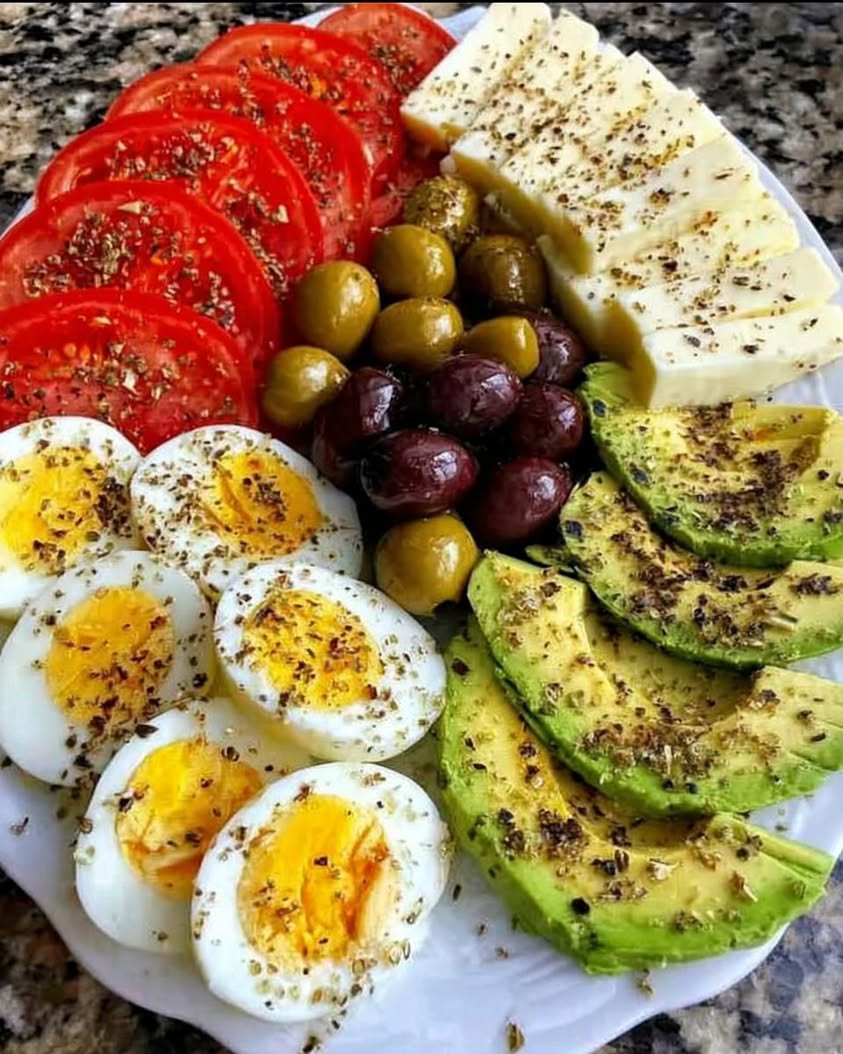
Imagine waking up to a breakfast that not only fuels your body but also transports your taste buds straight to the sunny shores of Greece. This Mediterranean Protein Breakfast Plate with Eggs, Avocado & Olives is exactly that kind of morning meal. It is a vibrant, satisfying, and incredibly nutritious way to start your day. The combination of perfectly cooked eggs, creamy avocado, and briny olives creates a symphony of flavors and textures that will make you forget about boring cereal or toast. This recipe is designed for busy mornings when you want something delicious and healthy without spending an hour in the kitchen. You get a complete, balanced meal in just twenty minutes.
The beauty of this breakfast plate lies in its simplicity and its incredible flavor profile. Think about it: the rich, runny yolk of a fried egg mixing with the cool, buttery avocado. Then, you get a punch of salty, tangy flavor from the kalamata olives. It is a combination that feels both luxurious and grounding. This Mediterranean protein breakfast plate is more than just fuel; it is a moment of calm in a hectic world. You can customize it with a sprinkle of feta cheese, a drizzle of olive oil, or a pinch of red pepper flakes. Each bite is a new discovery, a balance of healthy fats, high-quality protein, and fresh produce that keeps you full and energized until lunch. It is the ultimate expression of the Mediterranean diet, which emphasizes whole foods and vibrant flavors.
This meal is a true game-changer for anyone looking to improve their morning routine. Forget the sugary pastries and the overly processed breakfast bars. This dish is packed with nutrients that support your brain function, muscle health, and overall well-being. The healthy fats from the avocado and olives are excellent for your heart, while the eggs provide a perfect source of complete protein. Plus, the entire plate is naturally gluten-free and low in carbohydrates, making it a perfect choice for a variety of dietary needs. It is a breakfast that works for you, not against you. You will feel a sustained energy boost without the mid-morning crash. That is the power of a well-designed, whole-foods meal.
Quick Recipe Highlights
- Flavor Profile: The flavor profile is a masterclass in balance. You get rich, savory egg yolk, cool and nutty avocado, and the intense, briny, and slightly tangy taste of kalamata olives. A sprinkle of sea salt and black pepper ties everything together beautifully.
- Texture: This plate is a celebration of textures. You have the soft, custardy egg white and the runny yolk, the smooth and creamy avocado, and the firm, slightly chewy texture of the olives. A final crack of sea salt adds a little extra crunch.
- Aroma: The aroma is simple and inviting. You will smell the clean, rich scent of hot oil mingling with the earthy notes of the eggs as they cook. The fresh, grassy smell of the avocado and the distinct, pungent aroma of the olives complete the experience.
- Visual Appeal: The visual appeal is stunning in its simplicity. You have the bright yellow and white of the eggs against the deep green of the avocado and the dark, almost purple hue of the olives. It is a colorful, appetizing plate that looks like it came from a high-end cafe.
- Skill Level Needed: This is a beginner-friendly recipe. If you can fry an egg and slice an avocado, you can make this. There are no complex techniques or special skills required, making it perfect for cooks of all levels.
- Special Equipment: You will need a non-stick skillet or frying pan for the eggs and a sharp knife for slicing the avocado and olives. A small bowl for the pits and trimmings is also helpful.
Recipe Overview
- Difficulty Level: We have rated this Mediterranean protein breakfast plate as an ‘Easy’ difficulty because it requires only basic kitchen skills. There are no complicated sauces to make or tricky techniques to master. The only time-sensitive part is cooking the eggs to your preferred doneness, but with a little practice, you will get that down perfectly.
- Category: This recipe falls beautifully into the categories of ‘Breakfast’, ‘Brunch’, and ‘Quick & Easy Meals’. It is substantial enough for a weekend brunch yet quick enough for a weekday breakfast when you need to eat well without a huge time commitment.
- Cuisine: The cuisine is authentically Mediterranean, drawing inspiration from Greek and broader Southern European culinary traditions. The core ingredients are staples of the Mediterranean diet, known for their health benefits and incredible flavor. It is a simple, whole foods dish that is highly valued in these cultures for a reason.
- Cost: The cost is generally low to moderate, depending on the season and where you shop. Avocados and good quality olives can sometimes be a bit pricier, but eggs are very affordable. You can easily make this for under three dollars per serving if you shop smart.
- Season: While available year-round, this plate is best in the late spring and summer when avocados are at their peak and freshest. The light, fresh flavors are perfect for warmer weather, and it pairs wonderfully with iced coffee or a fresh fruit salad.
- Occasion: This plate is perfect for almost any occasion. It is fantastic for a quiet weekday morning, a lazy weekend brunch with friends, or a post-workout recovery meal. It also makes a wonderful, healthy breakfast for a special occasion like Mother’s Day.
Why You’ll Love This Recipe
You will love this recipe first and foremost for its incredible taste. The combination of a perfectly fried egg with the cool creaminess of avocado and the salty punch of olives is a flavor that is more than the sum of its parts. It is a mix of textures and tastes that feels both indulgent and refreshing. The runny yolk acts as a natural, rich sauce that coats the avocado and olives, creating a cohesive and deeply satisfying bite every single time. It is the kind of breakfast that makes you excited to get out of bed.
Beyond the flavor, the convenience factor is huge. You can have this Mediterranean protein breakfast plate ready in under twenty minutes, which is faster than driving through a fast-food line. There is no complicated prep work and minimal cleanup. You only need one pan and a cutting board. This makes it the perfect solution for those busy mornings when you want something healthy but do not want to sacrifice precious time. It is proof that eating well does not have to be complicated or time-consuming. You can be in and out of the kitchen before the coffee is even done brewing.
The nutritional advantages of this dish are also a major reason to love it. It is packed with protein from the eggs to keep you full and support muscle repair. The healthy monounsaturated fats from the avocado and olives are great for your heart and brain. Furthermore, you get a good dose of fiber from the avocado, which aids digestion. This is a balanced plate of macronutrients that provides sustained energy. You will not experience the blood sugar spike and crash that often comes with a carb-heavy breakfast. Instead, you will feel focused and energized for hours.
This recipe is also fantastic for its social and entertaining value. Imagine serving a beautiful breakfast board like this to a friend or family member. It looks so elegant and thoughtful, but you did not have to slave over a hot stove. It is a great way to make a simple meal feel special. You can set up a little breakfast bar with different toppings like feta, red pepper flakes, or cherry tomatoes, and let everyone build their own perfect plate. It turns a simple breakfast into an interactive and memorable experience. That is what good hospitality is all about.
Finally, you will love this recipe for its cost-effectiveness and accessibility. The ingredients are common and can be found at any grocery store. You do not need any speciality items or expensive imported goods unless you choose to use them. A standard avocado, a few eggs, and a jar of olives are all it takes. This makes it an incredibly accessible way to eat a high-quality, nutritious meal. You are getting a restaurant-worthy experience for a fraction of the price. It is a smart and delicious way to manage your grocery budget while still treating yourself to something wonderful.
Historical Background and Cultural Significance
The core concept of a simple plate of eggs with vegetables and olives has deep roots in the rural breakfast traditions of the Mediterranean. In many parts of Greece, Turkey, and the Levant, the morning meal was not a sweet affair of pancakes and syrup. Instead, it was a savory, nutrient-dense start to a long day of labor. Farmers and fishermen would eat a meal of eggs, often cooked in olive oil, alongside whatever vegetables were fresh from the garden or market. Olives, a staple preserved food, provided a salty and flavorful punch. This was a practical meal designed to provide sustained energy and use simple, available ingredients.
The cultural importance of this plate cannot be overstated. It embodies the Mediterranean diet’s core principles: eating whole, unprocessed foods, prioritizing vegetables and healthy fats, and enjoying meals without unnecessary complexity. It is not a specific, named dish from a single restaurant but rather a home-cooked tradition passed down through generations. The act of sharing a meal like this is central to Mediterranean culture. It is a moment to connect with family, to take a break from the day, and to appreciate the simple pleasures of good food. It represents a lifestyle that values health, community, and mindfulness.
Over the last few decades, this humble breakfast has evolved in the United States as part of the broader popularity of the Mediterranean diet and avocado toast culture. Chefs and home cooks began to elevate the simple concept. The addition of a perfectly ripe avocado, an ingredient native to Central America but beloved in modern Mediterranean cooking, became a standard luxury. The plate started appearing on brunch menus across the country, often with fancy titles and gourmet garnishes. This evolution reflects a global desire for healthier, more satisfying breakfasts that are also visually appealing. It is a beautiful fusion of old-world wisdom and new-world trends.
Regional variations of this plate are numerous and fascinating. In Spain, you might find it served with pimenton and roasted peppers. In Italy, a drizzle of balsamic glaze or a scatter of fresh basil could be the finishing touch. In Morocco, you might see it with a sprinkle of cumin and harissa. The underlying principle remains the same across all these cultures: high-quality eggs, a healthy fat source, and a salty, flavorful accent. This specific version, with its focus on eggs, avocado, and olives, is a slightly modern, American interpretation of that classic Mediterranean spirit. It is a testament to the power of simple, high-quality ingredients.
Ingredient Deep Dive
Eggs: Eggs are a symbol of life and renewal in many cultures, and they have been a breakfast staple for centuries. Their nutritional profile is just as impressive. They are a complete protein, meaning they contain all nine essential amino acids your body needs. They are also a fantastic source of choline, which is vital for brain health, and lutein and zeaxanthin, which are great for your eyes. When selecting eggs, look for clean, uncracked shells. Pasture-raised or organic eggs often have richer yolks and more nutrients. Always store them in their carton in the refrigerator. For this recipe, large or extra-large eggs work best to provide a robust and satisfying protein component to your Mediterranean protein breakfast plate.
Avocado: The avocado has a fascinating history, originating in south-central Mexico and being cultivated for over 5,000 years. It is often called a superfood and for good reason. Avocados are rich in heart-healthy monounsaturated fats, fiber, potassium, and vitamins C, E, and K. To select a ripe avocado, gently squeeze it in the palm of your hand. It should yield to gentle pressure but not feel mushy. The little stem nub at the top should pop off easily to reveal green underneath. If the avocado is hard, you can let it ripen at room temperature for a day or two. Once ripe, store it in the refrigerator to slow down the process. For this plate, you want an avocado that is perfectly soft and creamy for the best texture.
Olives: Olives are one of the oldest cultivated foods in the world, with a history stretching back thousands of years in the Mediterranean region. Kalamata olives, which are a dark purple, almond-shaped olive, are the classic choice for this dish. They are brined in red wine vinegar, giving them a distinct tangy and fruity flavor. They are a good source of healthy fats, vitamin E, and antioxidants. When buying olives, look for ones with plump, firm flesh. You can buy them pitted or whole, but pitted is much easier for this recipe. Store them in their brine in the refrigerator after opening. For a milder flavor, you could use Castelvetrano olives, but the kalamata provides that essential punchy, salty contrast that defines this breakfast plate.
Common Mistakes to Avoid
- Overcooking the eggs: Overcooking the eggs is the most common mistake. If you cook them until the yolk is solid, you lose the rich, saucy yolk that binds the dish together. Aim for a soft, runny yolk. A good visual cue is when the white is fully set but the yolk is still jiggly.
- Using an unripe avocado: An unripe avocado is hard, flavorless, and impossible to mash. It ruins the creamy texture this dish relies on. Always check for ripeness before you start cooking.
- Using an overripe avocado: On the flip side, an overripe avocado is mushy, brown, and can have a bitter taste. It will look unappetizing on the plate. Squeeze it gently to ensure it is firm but gives slightly.
- Not seasoning your food: This dish relies on simple flavors, so seasoning is critical. Do not forget to add a generous pinch of flaky sea salt and a crack of black pepper to the eggs and the avocado. It makes a world of difference.
- Skipping the quality oil: The type of oil you cook the eggs in matters. A good extra virgin olive oil adds its own flavor and is a traditional Mediterranean choice. Avoid using a neutral oil, as you will miss out on that delicious taste.
- Prepping the avocado too early: Once cut, avocado starts to oxidize and turn brown quickly. Prep your avocado right before you serve it to keep it looking fresh and green. A squeeze of lemon juice can also help.
- Forgetting the olives: It sounds funny, but in a hurry, people have forgotten the olives. Do not skip them. They are a key flavor component and provide the salty, briny element that makes this more than just eggs and avocado.
- Using too much heat: Cooking the eggs over too high heat will cause the whites to burn and become crispy before the yolk is cooked. Use medium heat to cook them gently and evenly for the best texture.
Essential Techniques
Frying the Perfect Egg: Mastering the fried egg is the most important technique for this dish. Start by heating a non-stick skillet over medium heat. Add a good drizzle of olive oil. When the oil shimmers, crack the egg directly into the pan. Reduce the heat to low. This is key to preventing the bottom from burning before the white is set. Let it cook slowly. You will see the white go from clear to opaque. For a sunny-side-up egg, do not flip it. When the white is fully set and the yolk is still runny, it is done. You can also cover the pan for the last 30 seconds to cook the top of the white without flipping. This technique ensures a perfectly cooked egg every time.
Slicing and Preparing the Avocado: A simple but essential technique is properly preparing the avocado. First, cut the avocado in half lengthwise around the large pit. Twist the two halves to separate them. To remove the pit, carefully strike it with the heel of your knife and twist to lift it out. Now, you can score the flesh of the avocado in a crosshatch pattern while it is still in the skin. Then, simply scoop out the cubes with a spoon. This gives you perfect, ready-to-eat avocado pieces. Another option is to slice the avocado into even slices and fan them out on the plate for a more elegant presentation. Either way, avoid smashing it into a guacamole-like paste, because you want distinct, creamy bites.
Assembling the Plate: How you assemble the plate affects the overall experience. Start with a large, warm plate. Place your perfectly fried egg in the center or slightly off-center. Next to it, arrange your avocado slices or cubes. Scatter the kalamata olives around the plate. Finally, add any additional garnishes you like, such as a sprinkle of feta, a pinch of red pepper flakes, or a few cherry tomatoes. A final drizzle of extra virgin olive oil and a crack of sea salt and black pepper over everything brings the dish together. The goal is a beautiful, colorful arrangement that looks as good as it tastes, enhancing the pleasure of eating your Mediterranean protein breakfast plate.
Pro Tips for Perfect Mediterranean Protein Breakfast Plate
For the best experience, let your eggs come to room temperature for about ten minutes before cooking. This ensures they cook more evenly and are less likely to shock the hot pan.
Do not be shy with the salt. Use a high-quality flaky sea salt like Maldon. The large, delicate crystals provide bursts of salinity that perfectly complement the creamy avocado and the rich yolk.
Add a squeeze of fresh lemon juice over the avocado right after slicing it. This not only prevents browning but also adds a bright, acidic note that balances the richness of the egg and fat.
If you want a more substantial meal, serve this plate with a side of whole-grain sourdough toast or fresh pita bread. It is perfect for dipping into the runny yolk and sopping up every last bit of goodness.
Toast some pine nuts or walnuts in a dry pan for a minute and scatter them over the top for added crunch and a warm, nutty flavor. This adds another layer of texture and complexity.
Consider adding a handful of fresh greens to the plate, like arugula or watercress. Their peppery bite provides a fantastic contrast to the rich, fatty components and makes the meal feel even more nutritious.
Cook your eggs in a small non-stick pan that is just the right size for one or two eggs. This helps the whites hold a nice, round shape instead of spreading out into a thin, lacy mess across the entire pan.
Always taste an olive before you add it to the plate. Some can be extremely salty. If they are, you can give them a quick rinse under cold water to tone down the brine before adding them to your dish.
Variations and Adaptations
Regional Variations: For a taste of the Greek Islands, add a generous sprinkle of crumbled feta cheese and a few dried oregano leaves over the top of your Mediterranean protein breakfast plate. This adds a sharp, salty, and herbaceous dimension. For an Italian twist, swap the kalamata olives for Castelvetrano olives and add a few sun-dried tomatoes and a drizzle of balsamic reduction. This provides a sweeter, more tangy flavor profile that is equally delicious.
Seasonal Adaptations: In the summer, when tomatoes are at their peak, add halved cherry tomatoes or a few slices of a ripe heirloom tomato to the plate. The juicy, sweet acidity is a perfect match. In the fall, you can add some roasted butternut squash cubes or sautéed mushrooms for a heartier, more earthy flavor that feels cozy and warming on a cool morning.
Dietary Modifications: This recipe is naturally gluten-free and can easily be made dairy-free by simply omitting any cheese. For a low-carb or keto-friendly meal, this plate is already perfect as it is, being very low in carbohydrates. For a more heart-healthy version, use only the egg white, although you will lose the rich yolk that is so flavorful.
Flavor Variations: If you want to spice things up, add a pinch of red pepper flakes or a drizzle of sriracha or harissa paste over the finished plate. For a more herby flavor, incorporate fresh mint, dill, or parsley. A dollop of pesto or romesco sauce on the side provides another layer of complex, savory flavor to enjoy.
Texture Modifications: For a crunchier texture, top the plate with some toasted seeds, like pumpkin or sesame seeds. You can also add some crispy fried shallots or garlic chips. For a softer, more spreadable texture, you can mash the avocado with a fork and season it with salt, pepper, and lemon juice before adding it to the plate.
Presentation Alternatives: Instead of a flat plate, serve this on a beautiful wooden board or a slate tile for a rustic, cafe-style presentation. You can also segment the ingredients into small bowls on a larger serving tray for a breakfast board that everyone can share and customize to their liking.
Serving and Presentation Guide
Plating Techniques: The best plating is simple and clean. Use a warm plate to keep the food from cooling down too quickly. You can place the egg in the center of the plate with the avocado and olives artfully arranged around it. Another technique is to put the avocado slices in a neat fan or rose shape on one side of the plate and the egg on the other. This creates a more organized and visually striking presentation that feels very intentional.
Garnishing Ideas: A few simple garnishes can elevate the entire dish. A sprinkle of microgreens or fresh herbs like dill, mint, or parsley adds a pop of color and freshness. A light dusting of smoked paprika or sumac adds a beautiful color and a subtle, earthy flavor. A final drizzle of high-quality extra virgin olive oil and a crack of black pepper are non-negotiable for the perfect finish.
Traditional Accompaniments: Traditionally, this plate is served with crusty bread for dipping into the egg yolk and avocado. Pita bread or lavash are also excellent choices. Some people enjoy a side of fresh lemon wedges to squeeze over everything. A few slices of cucumber or radish add another refreshing, crunchy element to the spread.
Modern Serving Suggestions: For a modern twist, you can serve this deconstructed style on a large board with other breakfast items like cured meats, cheeses, and fresh fruit. This creates a beautiful and interactive breakfast charcuterie board. You can also serve it over a bed of arugula or mixed greens to turn it into a heartier breakfast salad that is still very satisfying.
Temperature Considerations: This dish is best served hot, right after the eggs are cooked. The avocado should be at room temperature, and the olives can be straight from the jar. The contrast between the warm egg and the cool avocado is one of the most appealing aspects of the dish. Letting it sit for too long will cause the yolk to solidify and the avocado to warm up, which changes the intended texture and flavor.
Portion Control Tips: This recipe as written is for one generous serving. For a lighter breakfast, you can use just one egg and half an avocado. For a heartier meal, you can easily add a second egg and a full avocado. The olives are relatively low in calories but high in sodium, so using a moderate amount about 6 to 8 olives per serving is a good target for a balanced plate.
Wine and Beverage Pairing
Wine Pairings: If you are enjoying this for a late brunch, a glass of crisp, dry white wine is a fantastic choice. A Sauvignon Blanc or an Assyrtiko from Greece has bright acidity that cuts through the richness of the egg and avocado. For a rosé lover, a dry Provence rosé is a classic and refreshing pairing that is hard to beat on a sunny morning. It complements the briny olives beautifully.
Non-Alcoholic Alternatives: A sparkling water with a splash of grapefruit or lemon juice is a perfect palate cleanser. A cold-brew coffee or a strong iced latte also works wonderfully, as the bitterness of the coffee provides a nice contrast to the savory, rich food. Freshly squeezed orange juice is a classic, bright, and healthy choice that feels very Mediterranean.
Coffee/Tea Pairings: A rich, dark roast coffee is a beautiful companion to this dish. The deep, roasty flavors contrast with the fresh, creamy avocado and the salty olives. For tea lovers, a robust English Breakfast tea or a lighter green tea like Sencha works well. The clean flavor of the tea won’t overpower the delicate taste of the eggs.
Temperature Considerations: The beverage should be served chilled or at room temperature to contrast with the hot, freshly cooked food. A warm coffee or tea is obviously fine, but avoid a hot, heavy drink on a hot day. The goal is to have a refreshing complement that cleanses your palate between bites of the rich, savory breakfast plate.
Serving Suggestions: Serve the beverage in a nice glass or mug. If you are doing wine, a standard white wine glass is perfect. For coffee, a large mug is great. The presentation of the beverage matters almost as much as the food for creating that special, cafe-like experience at home. It all adds to the feeling of a mindful, luxurious meal.
Storage and Shelf Life
Storage Methods: This dish is truly best enjoyed fresh, as the components do not hold up well. However, if you have leftovers, store the cooked egg and the avocado separately. The egg can be stored in an airtight container in the refrigerator for up to one day. The avocado should be stored in a container with a piece of onion or a squeeze of lemon juice to help prevent browning, but it will still lose its color and texture.
Temperature Requirements: Any leftovers must be refrigerated within two hours of cooking. The eggs and avocado are both perishable and can spoil if left at room temperature for too long. Keep them in the coldest part of your refrigerator, which is usually the back, not the door.
Container Recommendations: Use a shallow, airtight glass or BPA-free plastic container for storing the components. For the avocado, press a piece of plastic wrap directly onto the surface of the exposed flesh before putting the lid on. This minimizes its exposure to air, which is what causes it to turn brown.
Signs of Spoilage: For the egg, any unpleasant, sulfurous smell or slimy texture is a clear sign of spoilage. For the avocado, if it has turned a very dark brown or black and has a slimy or mushy texture, it should be discarded. Olives are very shelf-stable and will usually be fine as long as they are kept in their brine.
Reheating Instructions: Reheating the egg is tricky and will likely result in a rubbery texture. The best bet is to eat it cold or gently warm it in a pan with a tiny bit of butter or oil over low heat. The avocado should never be reheated, as it will become mushy and unpleasant. It is best to just eat it at room temperature.
Freezing Guidelines: Freezing is not recommended for this dish at all. Eggs become watery and rubbery upon thawing, and avocado becomes a discolored, mushy mess. Olives can be frozen, but their texture will change and they will not be as pleasant. This is a meal that is meant to be made and eaten immediately for the best experience.
Make Ahead Strategies
Prep Timeline: You can prep a few components in advance to save time in the morning. The olives can be pitted and kept in a small container in the refrigerator. You can also measure out your salt, pepper, and oil so everything is ready to go. However, do not cut the avocado or cook the egg until you are ready to eat.
Storage Between Steps: The pitted olives can be stored in their brine in the refrigerator for up to a week. Any other prepped dry ingredients like spices can be kept in a small bowl at room temperature. This small amount of prep work will make the final assembly much faster and more efficient.
Quality Impact Assessment: Prepping the avocado ahead of time will significantly impact the quality. It will start to oxidize and turn brown within minutes. The egg must be cooked fresh to have the perfect runny yolk. These two components are the stars of the show, and their quality is non-negotiable for the best outcome.
Assembly Tips: The final assembly should take less than five minutes if you have your olives ready and your pan heated. Have your plate ready. Cook the egg. While the egg is cooking, slice the avocado. Then, put everything on the plate. That is it. This is a quick one-two-three process.
Reheating Guidelines: There are no reheating guidelines for the fresh components. The beauty of this Mediterranean protein breakfast plate is that it is built around fresh, raw ingredients and a perfectly cooked egg. Trying to reheat it will ruin the texture and flavor of the entire dish.
Fresh Element Additions: To make the morning even easier, have your olive oil, salt, and pepper right next to the stove. Have your avocados sitting on the counter at room temperature so they are perfectly soft. Having the non-perishable components prepped and ready is the best strategy for this recipe.
Scaling Instructions
Halving the Recipe: Halving this recipe is straightforward. Use one egg instead of two, and half an avocado. The number of olives can be reduced to about four to six. The cooking time for the egg will remain exactly the same regardless of scaling.
Doubling or Tripling: This recipe scales up beautifully for a crowd. For two people, simply use two eggs, one full avocado, and a good handful of olives. For four people, cook the eggs in two batches to avoid overcrowding the pan. Overcrowding will cause the eggs to steam rather than fry, altering the texture.
Equipment Adjustments: When cooking for a larger group, you will need a larger skillet or multiple skillets to cook the eggs in batches. You will also need more plates and a larger cutting board for prepping the avocados and olives. A single egg pan will not work for a group of six people.
Timing Modifications: The cooking time for the eggs remains about the same per egg, but the total time will increase because you are cooking in batches. Plan on spending about five minutes per batch of eggs. You can do other prep work while the eggs cook.
Storage Considerations: When scaling up, it is even more important to serve everything immediately. You cannot cook a large batch of eggs ahead of time and expect them to be good. The leftovers from a large batch will be worse than leftovers from a single serving. Plan your assembly to be fast and simultaneous.
Nutritional Deep Dive
Macro Breakdown: This Mediterranean protein breakfast plate provides an excellent balance of macronutrients. A typical serving with two eggs, one avocado, and a handful of olives contains approximately 40 to 45 grams of fat, 20 to 25 grams of protein, and only about 15 to 20 grams of carbohydrates. This high-fat, high-protein profile is incredibly satiating and provides a steady stream of energy without a sugar crash.
Micronutrient Analysis: This plate is a powerhouse of micronutrients. Eggs provide vitamin D, B12, and choline. Avocados are rich in potassium, even more than bananas, and also provide vitamins C, E, K, and B6. Olives contribute vitamin E and a variety of powerful antioxidants. This combination supports everything from bone health to immune function and brain health.
Health Benefits: The health benefits are substantial. The healthy fats in the avocado and olives support cardiovascular health by lowering bad cholesterol. The protein in the eggs helps with muscle repair and satiety, which is excellent for weight management. The antioxidants found in all of these ingredients fight inflammation in the body, contributing to overall wellness and disease prevention.
Dietary Considerations: This meal is naturally gluten-free, grain-free, and low in carbohydrates, making it suitable for paleo, keto, and low-carb diets. It is also naturally dairy-free if you do not add any cheese. It contains no refined sugars and is very low in processed ingredients, aligning with whole-food eating philosophies.
Portion Analysis: The portion size in this recipe is designed to be a satisfying, complete meal for one person. It provides roughly 500 to 600 calories, which is a very reasonable and filling breakfast. For someone on a weight loss plan, this is an excellent choice because it is nutrient-dense and highly satiating, preventing mid-morning snacking.
Weight Management Tips: This dish is excellent for weight management due to its high protein and fat content, which signals fullness to the brain. The fiber from the avocado also contributes to satiety. Pairing this breakfast with a large glass of water or a cup of green tea can further aid in digestion and hydration, supporting your overall weight management goals.
Dietary Adaptations
Gluten-Free: This recipe is naturally gluten-free in its base form. Just be careful to use a clean cooking surface and utensils that have not been contaminated with gluten. Serve it as is on the plate for a perfect gluten-free breakfast.
Dairy-Free: To keep this plate dairy-free, simply omit any cheese like feta. The dish is already delicious and complete without it. Use a dairy-free cooking oil like Print
Mediterranean Protein Breakfast Plate with Eggs, Avocado & Olives
- Total Time: 10 minutes
- Yield: 1
Description
A vibrant and nutritious breakfast plate packed with protein, healthy fats, and Mediterranean flavors. Perfect for a satisfying start to your day.
Ingredients
- 2 large eggs
- 1/2 avocado, sliced
- 1/4 cup kalamata olives, pitted
- 1/4 cup cherry tomatoes, halved
- 1/4 cup crumbled feta cheese
- 1 tablespoon olive oil
- Salt and pepper to taste
- 1 teaspoon dried oregano
- 1 tablespoon fresh parsley, chopped (optional)
Instructions
- Heat olive oil in a non-stick skillet over medium heat.
- Crack eggs into the skillet and cook to your preference (sunny-side up, over easy, or scrambled). Season with salt and pepper.
- While eggs cook, arrange avocado slices, olives, cherry tomatoes, and feta cheese on a serving plate.
- Once eggs are cooked, place them on the plate alongside the other ingredients.
- Sprinkle with dried oregano and garnish with fresh parsley if desired. Serve immediately.
Notes
You can customize the seasonings to taste.
- Prep Time: 5 minutes
- Cook Time: 5 minutes
- Method: Breakfast
- Cuisine: Mediterranean