The Ultimate Garlic Butter Baked Scallops Recipe for Seafood Lovers
Imagine a dish that transforms a simple weeknight dinner into a restaurant-quality experience without requiring hours in the kitchen. This Garlic Butter Baked Scallops recipe delivers exactly that promise with every tender, succulent bite. The aroma of garlic mingling with rich butter creates an irresistible invitation that draws everyone to the table before you even announce dinner is ready.
When you master this Garlic Butter Baked Scallops recipe, you unlock the secret to perfectly cooked seafood that stays moist and flavorful. The gentle heat of the oven works magic on these delicate morsels, allowing the garlic butter sauce to penetrate every layer while maintaining that coveted tender texture. Unlike pan-searing, this method reduces the risk of overcooking, making it ideal for home cooks who want consistent results.
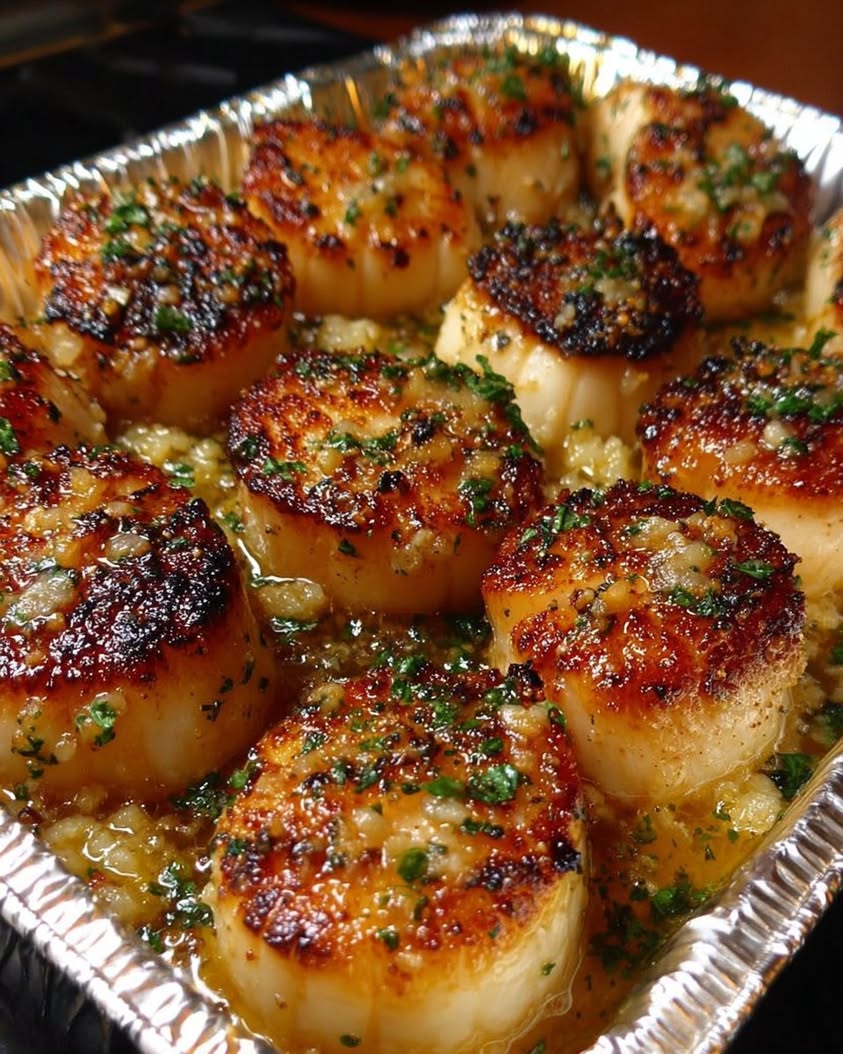
This recipe shines because it combines simplicity with elegance in a way that feels both accessible and special. The golden-brown tops, the aromatic garlic notes, and the buttery finish create a sensory experience that seafood enthusiasts crave. Whether you are planning an intimate dinner for two or a festive gathering, these baked scallops become the star of the show with minimal effort.
Quick Recipe Highlights
- Flavor Profile: The combination of sweet sea scallops with savory garlic butter creates a balanced taste that is both rich and delicate. Fresh herbs add brightness, while a hint of lemon cuts through the richness beautifully.
- Texture: These scallops emerge from the oven with a tender, almost melt-in-your-mouth interior and a lightly golden top. The contrast between the soft flesh and the slightly crisp exterior offers a satisfying mouthfeel.
- Aroma: The kitchen fills with the intoxicating scent of garlic toasting in butter, complemented by subtle oceanic notes from the scallops. Fresh parsley or thyme adds an herbaceous layer that rounds out the aromatic profile.
- Visual Appeal: Plump scallops nestled in a golden garlic butter sauce create an appealing presentation. A sprinkle of fresh herbs and a squeeze of lemon add color and freshness that make the dish photogenic.
- Skill Level Needed: This recipe suits beginners and experienced cooks alike because the oven does most of the work. You only need basic knife skills for mincing garlic and chopping herbs.
- Special Equipment: A baking dish or oven-safe skillet works perfectly for this recipe. You might also want a small saucepan for melting butter, though a microwave can substitute.
Recipe Overview
- Difficulty Level: This recipe earns an easy rating because the technique is straightforward and forgiving. You do not need to monitor the stove or worry about precise timing. The oven provides consistent heat that cooks the scallops evenly, so even first-time seafood cooks can achieve great results.
- Category: This dish fits perfectly as an appetizer or a main course. For a light meal, serve it with crusty bread and a simple salad. As an appetizer, present it in small ramekins or scallop shells for an elegant starter.
- Cuisine: The inspiration comes from classic French and Italian cooking traditions where garlic butter enhances simple seafood preparations. European coastal regions have perfected this combination over centuries, valuing quality ingredients and straightforward techniques.
- Cost: Sea scallops represent the main expense, typically costing between fifteen and twenty-five dollars per pound. Butter, garlic, and fresh herbs are pantry staples that add minimal cost. This recipe provides an affordable way to enjoy premium seafood at home.
- Season: Scallops are available year-round, but they taste best during fall and winter when they are at their peak freshness. The comforting nature of this baked dish also makes it particularly appealing during cooler months.
- Occasion: This recipe suits romantic dinners, holiday gatherings, and special celebrations. It also works wonderfully for casual dinner parties where you want to impress without spending hours cooking.
Why You Will Love This Recipe
The taste and texture combination makes this Garlic Butter Baked Scallops recipe truly unforgettable. Each bite delivers a burst of savory garlic flavor that complements the natural sweetness of the scallops perfectly. The butter creates a rich coating that keeps the scallops moist while adding a luxurious mouthfeel. When you take that first bite, the tender flesh practically dissolves on your tongue, leaving behind a lingering hint of garlic and herbs. This dish proves that simple ingredients can create extraordinary flavors when prepared with care and attention.
Convenience stands out as another major advantage of this recipe. You can have dinner on the table in under thirty minutes with minimal hands-on preparation. The oven handles the cooking while you prepare a side dish or set the table. Cleaning up is equally simple because you use just one baking dish. This efficiency makes the recipe perfect for busy weeknights when you want something special but lack time for complicated preparations. The straightforward steps also make it an excellent choice for teaching someone new to cooking seafood.
Nutritional advantages add to the appeal of this dish. Scallops provide high-quality protein with very little fat, making them a lean choice for health-conscious eaters. They are rich in omega-3 fatty acids, which support heart health and brain function. The garlic in this recipe offers immune-boosting properties, while the butter provides fat-soluble vitamins. This balance of nutrients creates a meal that satisfies both your taste buds and your body’s needs. You can feel good about serving this dish to your family.
The social and entertaining value of this recipe cannot be overstated. When you bring a baking dish of bubbling garlic butter scallops to the table, your guests will feel genuinely special. The dramatic presentation and inviting aroma create an immediate impression of hospitality and care. This dish works wonderfully for dinner parties because it scales easily and pairs well with various sides. Your guests will likely ask for the recipe before they finish their first serving.
Cost-effectiveness and accessibility make this recipe a smart choice for home cooks. While scallops are not the cheapest protein, this recipe maximizes their potential by using minimal additional ingredients. You can find sea scallops at most grocery stores, either fresh or frozen. The butter, garlic, and herbs are items many home cooks already have on hand. This means you can create a restaurant-quality meal without making a special trip to a specialty market or spending a fortune on ingredients.
Historical Background and Cultural Significance
The practice of baking scallops with butter and garlic traces back to coastal European traditions where fresh seafood was abundant. Mediterranean fishermen would prepare their catch simply with local olive oil and garlic, but as trade routes expanded, butter became more common in northern European preparations. French cuisine, in particular, elevated this combination by codifying techniques like scallops baked with beurre blanc and garlic. These early recipes established the foundation for the modern garlic butter scallops we enjoy today.
Scallops hold significant cultural importance in many coastal communities around the world. In Japan, scallops are revered for their delicate flavor and are often served raw or lightly cooked. New England fishermen have harvested Atlantic sea scallops for centuries, making them a staple of regional cuisine. The tradition of baking scallops with butter reflects the resourcefulness of these communities, who used simple pantry ingredients to enhance the natural flavors of their daily catch.
The evolution of this recipe reflects broader changes in home cooking and ingredient availability. In the mid-twentieth century, as refrigeration improved and transportation networks expanded, fresh scallops became accessible to inland communities. Cookbooks from this era began featuring baked scallop recipes that emphasized ease and reliability. The addition of garlic butter became standard because it masked any fishiness while adding familiar, comforting flavors that appealed to American palates.
Regional variations of baked scallops demonstrate the versatility of this basic technique. In the American South, cooks might add Cajun seasonings or a breadcrumb topping for extra texture. Mediterranean versions often incorporate tomatoes, olives, and capers for a brinier profile. Asian-inspired adaptations might use ginger, soy sauce, and sesame oil instead of garlic butter. These variations show how one simple technique can adapt to different culinary traditions while maintaining its essential character.
Ingredient Deep Dive
Sea scallops are the heart of this recipe, and understanding their background enhances your appreciation for them. These bivalve mollusks have been harvested for thousands of years, with evidence of scallop consumption dating back to Roman times. Scallops are a good source of vitamin B12, phosphorus, and selenium, which support nerve function and antioxidant defenses. When selecting scallops, look for ones that are firm, moist, and have a sweet, oceanic smell. Avoid any that have a strong fishy odor or appear mushy. Store fresh scallops in the refrigerator on ice and cook them within two days for best quality. Frozen scallops work well too, just thaw them overnight in the refrigerator before using.
Butter provides the rich base for this sauce and contributes significantly to the flavor profile. European-style butter, which has a higher fat content, creates a more luxurious sauce because it contains less water. Unsalted butter gives you better control over the final seasoning of the dish. Butter has been used in cooking for centuries across many cultures, valued for its ability to carry flavors and create emulsions. For storage, keep butter wrapped tightly in the refrigerator to prevent it from absorbing odors from other foods. You can also freeze butter for up to six months without significant quality loss.
Garlic brings pungent, savory notes that define this recipe. This bulb has been cultivated for over five thousand years and was prized by ancient Egyptians, Greeks, and Romans for both culinary and medicinal purposes. Garlic contains allicin, a compound with antimicrobial properties that may support immune health. When selecting garlic, choose bulbs that are firm with tight, unbroken skins. Avoid any that feel soft or show signs of sprouting. Store garlic in a cool, dry, dark place with good air circulation. For this recipe, fresh garlic cloves are essential because pre-minced garlic lacks the same intensity and can taste bitter.
Fresh herbs brighten the dish and add complexity to the flavor profile. Parsley is the most traditional choice, offering a clean, slightly peppery taste that cuts through the richness. Thyme adds earthy, slightly floral notes that complement seafood beautifully. Chives provide a mild onion flavor without overpowering the dish. Fresh herbs contain antioxidants and vitamins that contribute to overall nutrition. When buying fresh herbs, look for bright, perky leaves without wilting or yellowing. Store them with their stems in water, covered loosely with a plastic bag, in the refrigerator. They should stay fresh for about a week with proper storage.
Common Mistakes to Avoid
- Overcooking the scallops is the most frequent error people make with this recipe. Scallops become tough and rubbery when cooked too long because their proteins tighten excessively. Watch them carefully starting at the ten-minute mark and remove them from the oven as soon as they are opaque and firm to the touch.
- Using wet scallops can ruin the texture of the dish because excess water prevents browning and dilutes the sauce. Always pat scallops dry with paper towels before placing them in the baking dish. This step ensures the butter coats them properly rather than creating a watery sauce.
- Skipping the fresh garlic means losing the aromatic complexity that defines this recipe. Pre-minced garlic from a jar contains preservatives and has a milder, sometimes sour taste. Take the thirty seconds needed to mince fresh garlic for the best results.
- Overcrowding the baking dish leads to uneven cooking because the scallops steam instead of bake. Leave at least half an inch of space between each scallop so the heat circulates properly. Use a larger dish or cook in batches if necessary.
- Forgetting to season properly results in bland scallops that disappoint. Salt enhances the natural sweetness of scallops, while pepper adds gentle heat. Taste your butter mixture before pouring it over the scallops and adjust the seasoning accordingly.
- Using frozen scallops directly from the freezer creates uneven cooking and excess water. Always thaw frozen scallops completely in the refrigerator and pat them dry before using. This step takes planning but prevents texture problems.
- Choosing the wrong scallop size affects cooking times and final texture. Sea scallops work best for baking because they are large enough to stay moist during cooking. Bay scallops are smaller and cook too quickly, becoming tough before the garlic butter melts properly.
- Neglecting to preheat the oven leads to inconsistent cooking and longer bake times. An oven that has not reached temperature will cook the scallops unevenly, with some parts overdone and others underdone. Always preheat fully before placing the dish inside.
Essential Techniques
Properly preparing scallops for baking begins with thorough drying. Scallops naturally hold moisture, and any excess water on their surface will create steam during cooking instead of allowing the butter to coat them evenly. Use paper towels to press gently on each scallop, removing visible moisture. This step also helps the seasoning adhere better to the surface. After drying, check for any tough side muscles that might still be attached. These small rectangular pieces can be pulled off easily with your fingers. Removing them ensures every bite is tender and pleasant.
Making the garlic butter sauce requires gentle heat to avoid burning the garlic. Start by melting the butter in a small saucepan over low heat. Add the minced garlic and cook for about thirty seconds until fragrant but not brown. Burnt garlic tastes bitter and acrid, which would ruin the entire dish. If you prefer, you can melt the butter in a microwave-safe bowl in twenty-second bursts, then stir in the garlic after. This method reduces the risk of overcooking the garlic. Whisk in any herbs at this stage so they release their oils into the warm butter.
Arranging scallops in the baking dish affects how evenly they cook. Place them in a single layer with space between each one. The scallops should not touch each other because this would trap steam and prevent browning. If your scallops are very large, give them even more space. The butter sauce should pool slightly around each scallop but not submerge them completely. This arrangement allows the tops to brown while the bottoms cook gently in the sauce. Use a dish that fits the scallops comfortably without being too large.
Determining doneness is the most critical technique to master with this recipe. Perfectly cooked scallops are opaque throughout and firm to the touch with just a little give. The internal temperature should reach one hundred thirty degrees Fahrenheit for medium doneness. Overcooked scallops become white and dry on the inside, with a rubbery texture. Start checking at the ten-minute mark by cutting into one scallop to inspect its center. Remember that scallops continue cooking for a minute or two after you remove them from the oven. Remove them when they are slightly underdone to account for this carryover cooking.
Pro Tips for Perfect Garlic Butter Baked Scallops
Use room temperature butter for the sauce because it blends more smoothly and coats the scallops evenly. Cold butter can seize up when you add the garlic, creating an uneven mixture. Let the butter sit on the counter for about fifteen minutes before starting.
Add a splash of white wine or lemon juice to the butter sauce for brightness that cuts through the richness. The acid balances the fat and enhances the scallops natural sweetness. Use about one tablespoon for every four tablespoons of butter.
Sprinkle a light coating of breadcrumbs over the scallops before baking for added texture and visual appeal. Panko breadcrumbs work particularly well because they stay crispy. Mix them with melted butter and parmesan cheese for extra flavor.
Arrange lemon slices in the baking dish between the scallops for a subtle citrus infusion. The lemon perfumes the butter as it heats, adding a fresh note that complements the garlic. Remove the lemon slices before serving if you prefer a cleaner presentation.
Broil the scallops for the last two minutes of cooking to achieve a golden brown top. Watch them carefully because broiling can burn quickly. This step adds color and a slightly crispy surface that contrasts with the tender interior.
Let the scallops rest for two minutes after removing them from the oven. This resting period allows the juices to redistribute throughout the meat. Cutting into them immediately would cause those juices to run out onto the plate.
Serve the scallops immediately while they are hot and the butter sauce is still bubbling. Seafood loses quality quickly as it cools, and the butter will solidify if left too long. Have your side dishes ready before you take the scallops out of the oven.
Variations and Adaptations
Regional variations of baked scallops reflect local ingredient preferences and culinary traditions. In coastal Italy, cooks often add cherry tomatoes, capers, and oregano to create a Mediterranean version. The tomatoes break down during baking, forming a light sauce that complements the scallops. Spanish variations might include smoked paprika and saffron for a deeper, earthier flavor profile. These adaptations show how one basic technique can travel across cultures while maintaining its essential appeal.
Seasonal adaptations allow you to enjoy this recipe year-round with appropriate ingredient swaps. During summer, add fresh corn kernels or diced zucchini alongside the scallops for a lighter dish. Fresh basil and cherry tomatoes from the garden add peak-season flavor. In winter, root vegetables like fennel or leeks provide warmth and depth. Mushrooms offer an earthy counterpoint during fall months. Matching ingredients to the season ensures the freshest flavors and supports local agriculture.
Dietary modifications make this recipe accessible to more people. For a dairy-free version, substitute the butter with high-quality olive oil or a plant-based butter alternative. The olive oil version has a different but equally appealing flavor profile. For a lower-fat option, use a mixture of broth and a small amount of olive oil. This reduces calories while still providing moisture and flavor. Gluten-free eaters should ensure any added breadcrumbs are certified gluten-free or simply omit them entirely.
Flavor variations let you customize the dish to your preferences. Add red pepper flakes for heat, or incorporate anchovy paste for deeper umami notes. Fresh dill or tarragon can replace the parsley for a different herbal profile. A touch of Dijon mustard in the butter sauce adds tanginess and helps emulsify the sauce. Experiment with different combinations to find your personal favorite.
Serving and Presentation Guide
Plating techniques for garlic butter scallops should highlight their natural beauty. Arrange the scallops in a circle on a warm plate with the golden tops facing upward. Spoon the remaining butter sauce from the baking dish over and around them. Leave some space on the plate for side dishes or garnish. The warm plate helps keep the butter from solidifying during serving.
Garnishing ideas add visual appeal and complementary flavors. A sprinkle of fresh microgreens or chopped chives adds color and freshness. Lemon wedges on the side allow diners to add acidity to taste. Edible flowers like nasturtiums create an elegant presentation for special occasions. Keep garnishes simple so they do not overwhelm the delicate scallop flavor.
Traditional accompaniments include crusty bread for soaking up the garlic butter sauce. A simple green salad with lemon vinaigrette provides contrast and freshness. Roasted vegetables like asparagus or green beans add color and nutrition. Rice pilaf or quinoa offers a neutral base that absorbs the sauce beautifully. Choose sides that complement rather than compete with the star ingredient.
Modern serving suggestions can transform this dish into something unexpected. Serve the scallops over creamy polenta for a comforting main course. Arrange them on crostini for an elegant appetizer at cocktail parties. Nestle them into a bed of wilted spinach for a low-carb option. These contemporary presentations keep the recipe feeling fresh and versatile.
Wine and Beverage Pairing
White wine is the classic pairing for garlic butter scallops, and several options work beautifully. A crisp Sauvignon Blanc with herbal notes complements the garlic without overwhelming the seafood. Chardonnay offers a richer option that matches the butter sauce, particularly if it has undergone malolactic fermentation. Unoaked versions let the scallops flavor shine through more clearly. Serve white wines well-chilled, around forty-five to fifty degrees Fahrenheit.
For red wine lovers, a light-bodied option can work if chosen carefully. Pinot Noir from cooler climates has enough acidity and delicacy to pair with scallops. Serve it slightly chilled to emphasize its bright fruit notes. Avoid tannic red wines because they clash with the delicate seafood and can create a metallic taste. Beaujolais or lighter Dolcetto are other suitable choices.
Non-alcoholic alternatives include sparkling water with a squeeze of lemon or lime. The bubbles and acidity cleanse the palate between bites. A virgin Mary with extra horseradish and Worcestershire sauce offers a bold, savory option for those who enjoy complex flavors. Herbal iced tea with mint or lemon verbena provides a refreshing, aromatic pairing that complements the garlic butter sauce beautifully.
Storage and Shelf Life
Proper storage methods extend the life of leftover scallops while maintaining their quality. Place cooled scallops in an airtight container and refrigerate them within two hours of cooking. The butter sauce should be included because it helps keep the scallops moist during storage. Do not leave scallops at room temperature for extended periods because seafood spoils quickly. Refrigerated scallops remain safe to eat for up to three days.
Temperature requirements are critical for food safety with seafood. Keep your refrigerator at or below forty degrees Fahrenheit to slow bacterial growth. Store scallops on the bottom shelf where temperatures are most consistent. Do not store them in the refrigerator door because the temperature fluctuates too much. If you are transporting leftovers, use a cooler with ice packs to maintain safe temperatures.
Container recommendations focus on preventing moisture loss and odor transfer. Glass or ceramic containers with tight-fitting lids work best because they do not absorb odors. Plastic containers can work but may retain garlic smell after washing. Avoid metal containers because they can react with the butter sauce and create off-flavors. If using plastic, line the container with parchment paper before adding the scallops.
Signs of spoilage include a strong fishy or sour odor, slimy texture, or discoloration. If the scallops develop any of these characteristics, discard them immediately. Do not taste seafood that might be spoiled because foodborne illness can be severe. When in doubt, throw it out. Freezing leftovers is not recommended because the texture suffers significantly.
Make Ahead Strategies
Prep timeline planning helps you serve this dish with confidence. Up to one day ahead, clean and dry the scallops and store them covered in the refrigerator. The garlic butter sauce can be prepared and refrigerated separately. Combine everything just before baking to prevent the scallops from becoming soggy. This advance preparation makes the recipe achievable even on busy evenings.
Storage between steps requires attention to food safety. Keep all seafood components refrigerated until you are ready to cook. The prepared garlic butter should be brought back to room temperature before combining with the scallops. Cold butter will not coat the scallops evenly. Allow about fifteen minutes for the butter to soften before pouring it over the seafood.
Quality impact assessment suggests that advance preparation works well within reasonable limits. Scallops prepped and refrigerated for up to eight hours maintain excellent quality. Beyond that time, some moisture loss may occur. The garlic butter sauce actually improves with a few hours of rest as the flavors meld together. Just reheat it gently if it has solidified in the refrigerator.
Scaling Instructions
Halving the recipe works well for smaller households or lighter meals. Reduce all ingredients by half, using about eight ounces of scallops. The baking time stays approximately the same because the scallops are the same size. Use a smaller baking dish to maintain proper spacing. Leftovers from a halved recipe are unlikely, which is perfect for portion control.
Doubling or tripling the recipe requires attention to equipment and timing. Use a larger baking dish or divide the scallops between two dishes. Do not overcrowd the pan because this leads to steaming instead of baking. The baking time may increase slightly with a larger batch because the dish retains more heat. Check for doneness starting at twelve minutes and adjust as needed.
Equipment adjustments are necessary when scaling up significantly. A standard half-sheet pan works well for double batches, providing enough space for proper arrangement. For triple batches, use two pans and rotate them halfway through baking. This rotation ensures even cooking because oven heat can be uneven. Alternatively, cook in batches to maintain quality.
Nutritional Deep Dive
Macro breakdown reveals that scallops are a lean protein source with impressive nutritional density. A four-ounce serving of baked scallops provides about twenty grams of protein with only one gram of fat and ninety calories. The butter adds additional fat and calories, so the final macros depend on how much sauce you consume. This protein content supports muscle maintenance and repair while keeping calorie counts reasonable.
Micronutrient analysis highlights several important vitamins and minerals in scallops. Vitamin B12 supports nervous system function and red blood cell formation. Phosphorus works with calcium to build strong bones and teeth. Selenium acts as an antioxidant, protecting cells from damage. These micronutrients contribute to overall health beyond simple macronutrient ratios.
Health benefits extend beyond basic nutrition. Omega-3 fatty acids in scallops support heart health by reducing inflammation and improving cholesterol profiles. The protein content promotes satiety, which can help with weight management. Garlic provides allicin, a compound linked to immune support and cardiovascular benefits. This combination of nutrients makes the dish a smart choice for health-conscious eaters.
Dietary Adaptations
Gluten-free adaptation requires minimal changes because the recipe naturally avoids most gluten sources. Ensure any breadcrumbs used are certified gluten-free. Check that your butter and other ingredients are not processed in facilities that handle gluten. Most plain scallops, butter, and fresh garlic are naturally gluten-free, making this an easy modification.
Dairy-free adaptation substitutes butter with plant-based alternatives. High-quality olive oil provides a different but appealing flavor profile. Vegan butter alternatives work well, though they may have slightly different melting properties. Coconut oil offers a subtle tropical note that complements seafood. Experiment with different options to find your preferred dairy-free version.
Low-carb and keto adaptations fit naturally because scallops contain minimal carbohydrates. The butter sauce is high in fat, which aligns with ketogenic dietary requirements. Avoid any breadcrumb toppings or sugary additions. Serve with low-carb vegetables like zucchini noodles or cauliflower rice to maintain dietary compliance while enjoying a satisfying meal.
Troubleshooting Guide
Texture issues often stem from overcooking or inadequate drying. If your scallops come out rubbery, reduce the baking time by two minutes next time. Ensure the scallops are thoroughly dried before baking because excess moisture creates steam that toughens the texture. Using a meat thermometer helps prevent overcooking by providing accurate doneness readings.
Flavor balance problems can be corrected with simple adjustments. If the dish tastes flat, add more salt or a squeeze of fresh lemon juice. Salt enhances the natural sweetness of scallops and brings out the garlic flavor. If the garlic tastes harsh, it may have burned during preparation. Mince garlic finely and cook it only briefly in the butter to avoid bitterness.
Temperature problems usually result from oven inconsistencies or cold ingredients. Let refrigerated scallops sit at room temperature for fifteen minutes before baking to promote even cooking. Use an oven thermometer to verify your oven temperature, as many home ovens run hot or cold. The baking time may need adjustment based on your specific equipment and ingredient temperatures.
Recipe Success Stories
Community feedback consistently highlights how this recipe transforms home cooks into confident seafood chefs. One reader shared that her husband, who previously disliked scallops, now requests this dish for his birthday dinner. Another mentioned that the recipe saved her holiday dinner when her original plan fell through. These stories demonstrate how accessible this recipe truly is for cooks of all skill levels.
Variation successes show the versatility of this basic technique. A reader in Florida added local shrimp to create a surf and turf version that became a family favorite. Another cook in California incorporated roasted red peppers and artichoke hearts for a Mediterranean twist. These adaptations prove that the recipe serves as a foundation for creative exploration.
Frequently Asked Questions
Can I use frozen scallops for this recipe? Yes, but thaw them completely in the refrigerator overnight and pat them dry thoroughly before using. Frozen scallops often release more water, so extra drying is essential for good results.
How do I know when scallops are done? Perfectly cooked scallops are opaque throughout and firm to the touch with a slight give. The internal temperature should reach one hundred thirty degrees Fahrenheit. Cut into one to check if you are unsure.
Can I prepare this recipe ahead of time? You can prep the scallops and garlic butter separately up to one day ahead. Combine and bake just before serving for the best texture and flavor. Assembled unbaked scallops should not sit for more than an hour.
What is the best type of scallop for baking? Sea scallops are the best choice because their large size allows them to stay moist during baking. Bay scallops are too small and cook too quickly, resulting in a tough texture.
Can I use salted butter instead of unsalted? You can, but reduce the added salt in the recipe to compensate. Taste the butter mixture before pouring it over the scallops to ensure the seasoning is balanced.
How do I store leftovers? Refrigerate cooled leftovers in an airtight container for up to three days. Reheat gently in the oven at three hundred degrees Fahrenheit or in a skillet over low heat to avoid toughening the scallops.
Can I add cheese to this recipe? Yes, grated Parmesan or Gruyere added during the last few minutes of baking creates a golden crust. Use about two tablespoons per serving for a flavorful topping.
What side dishes pair well with these scallops? Crusty bread for soaking up the sauce is essential. Roasted asparagus, lemon rice, or a simple green salad all complement the dish beautifully. Choose light sides that do not compete with the scallops.
Why did my scallops turn out rubbery? Overcooking is the most common cause of rubbery scallops. Reduce the baking time by a few minutes and check for doneness earlier. Also ensure you dried the scallops thoroughly before baking.
Can I broil the scallops instead of baking? Broiling works but requires careful attention because the high heat can quickly overcook them. Broil for about four to five minutes, watching constantly. The texture will be slightly different from baking.
Additional Resources
Related recipes that complement this dish include lemon herb grilled fish, garlic butter shrimp, and creamy seafood pasta. These recipes build on similar techniques and flavor profiles, expanding your repertoire for seafood cooking. Each variation offers new opportunities to practice skills while enjoying different ingredients.
Technique guides for properly cleaning scallops and making clarified butter provide valuable background knowledge. Understanding the science behind why scallops become tough when overcooked helps you avoid common mistakes. These resources deepen your understanding of the cooking process, making you a more confident and versatile cook.
Equipment recommendations include investing in a reliable oven thermometer and a good baking dish. A digital kitchen scale helps with precise portioning when scaling the recipe. These tools improve consistency and make the cooking process smoother. Seasonal variations of this recipe, such as adding fresh corn in summer or roasted squash in fall, keep the dish interesting throughout the year.
PrintGarlic Butter Baked Scallops
- Total Time: 25 minutes
- Yield: 4
Description
Tender sea scallops baked in a rich garlic butter sauce with a crispy golden breadcrumb topping. Simple yet elegant, this dish is perfect for a quick weeknight dinner or a special occasion.
Ingredients
- 1 lb sea scallops, patted dry
- 4 tbsp unsalted butter, melted
- 4 cloves garlic, minced
- 1/2 cup panko breadcrumbs
- 1/4 cup grated Parmesan cheese
- 2 tbsp fresh parsley, chopped
- 1 tbsp lemon juice
- 1/2 tsp salt
- 1/4 tsp black pepper
- Lemon wedges for serving
Instructions
- Preheat oven to 425°F (220°C). Lightly grease a baking dish or cast iron skillet.
- In a small bowl, mix melted butter and minced garlic. Place scallops in the baking dish in a single layer and pour garlic butter over them.
- In another bowl, combine panko breadcrumbs, Parmesan, parsley, lemon juice, salt, and pepper. Sprinkle mixture evenly over scallops.
- Bake for 12-15 minutes, until scallops are opaque and topping is golden brown. Serve immediately with lemon wedges.
Notes
For extra crunch, broil the scallops for 1-2 minutes after baking. Do not overcook scallops or they will become tough.
- Prep Time: 10 minutes
- Cook Time: 15 minutes
- Method: Main
- Cuisine: American